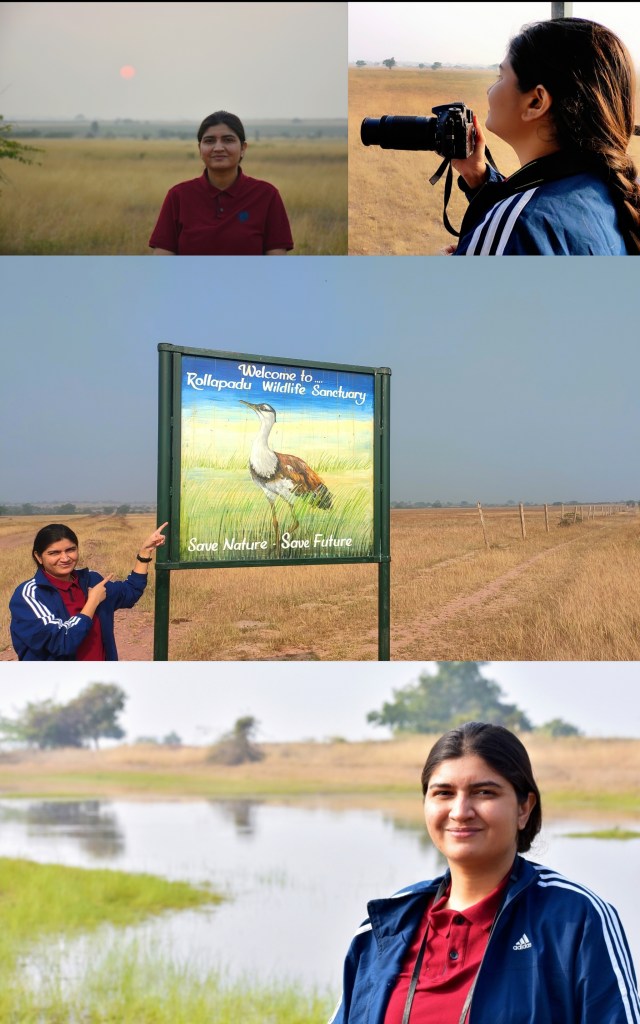
Rollapadu Wildlife Sanctuary is a wildlife sanctuary in the Nandyal district of Andhra Pradesh, India. Rollapadu is an open dry grassland ecosystem with mixed trees and thorny bushes, covering an area of 6.14 km2.
It was established in 1988 to protect the Great Indian Bustard, the Lesser florican, and also to preserve the Rollapadu grasslands. It owes its origin to the discovery (1982) of the endangered GIB in its grasslands. It also provides habitats to a wide variety of animals and birds.
UNIQUENESS:
The only habitat in the state for the rare and highly endangered Great Indian Bustard.
SEASON TO VISIT: October to April.
Types of species
Rollapadu sanctuary is homeland to a varied set of faunal, avifaunal species, rich in invertebrate fauna and distinct plant communities.
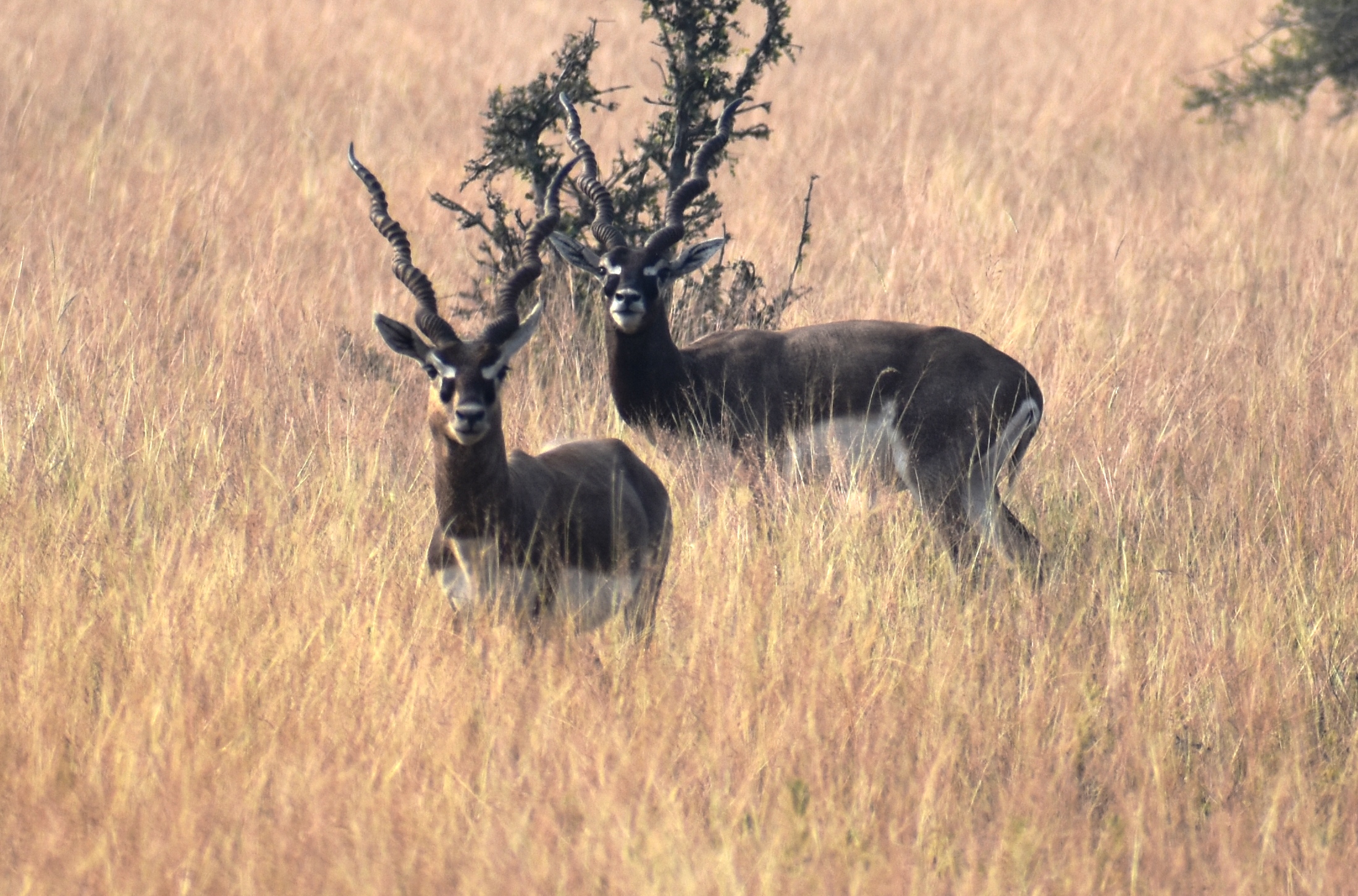
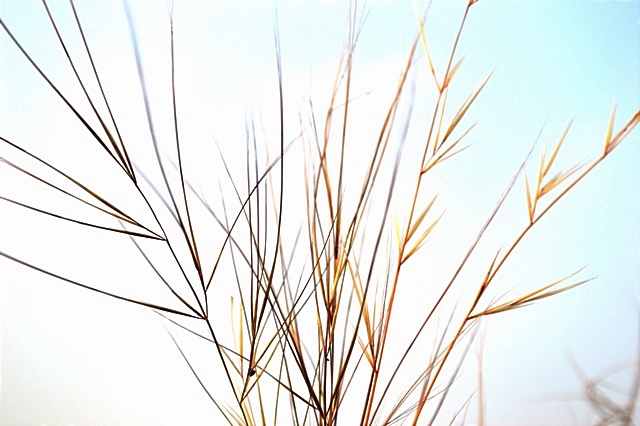
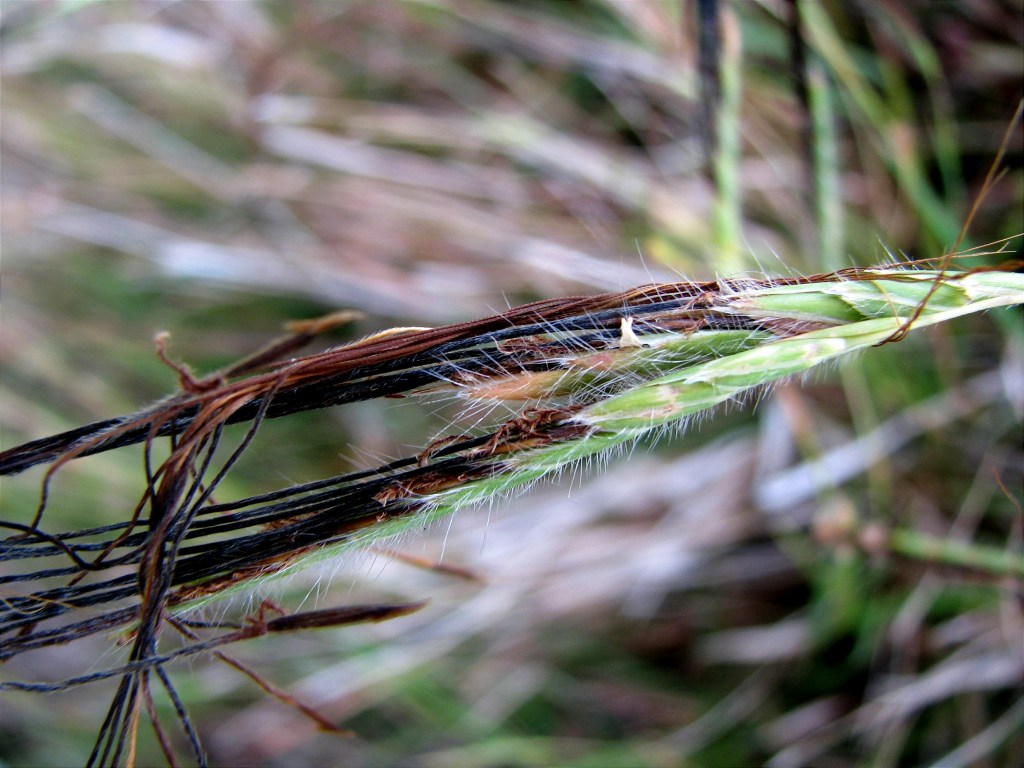
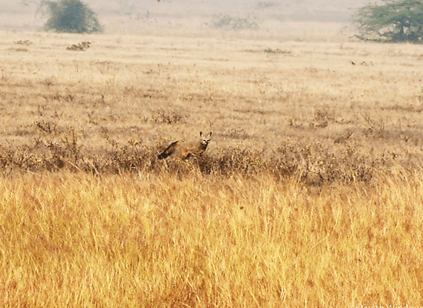
The mega-fauna are: Bird species like Great Indian Bustard (rare bird species), Lesser Florican, Harriers; Endangered mammals like Blackbuck, Wolf, Jackals, Fox, Jungle cats, Sloth bears; the Reptilian– Monitor lizards, Geckos, Russell’s viper, and Indian cobra, etc. have been reported at the sanctuary. Flora- Plants communities: like Ziziphus mauritiana or Indian jujube, Cassia fistula (Golden shower tree, pudding-pipe tree), Ficus Tjiela (Ficus amplissima, Indian Bat fig, Pimpri, Pipri, Pipali, or Bilibasari mara ), Acacia spp., Butea monosperma (Flame of the forest, Palash flower), Manilkara hexandra, Agave spp. plants, Albizzia Amara, Strychnos Nuxvomica, Auicenia Officinales, Acanthies Ilicifolius, Pteriospermus suberifolium, etc. are very useful for bird’s nesting at Rollapadu. Various species of grasses like Aristida funiculata, Aristida perpurea, Chrysopogon fulvus, Heteropogon contortus, etc are major flora of the grassland.
Eye catcher– The Great Indian Bustard
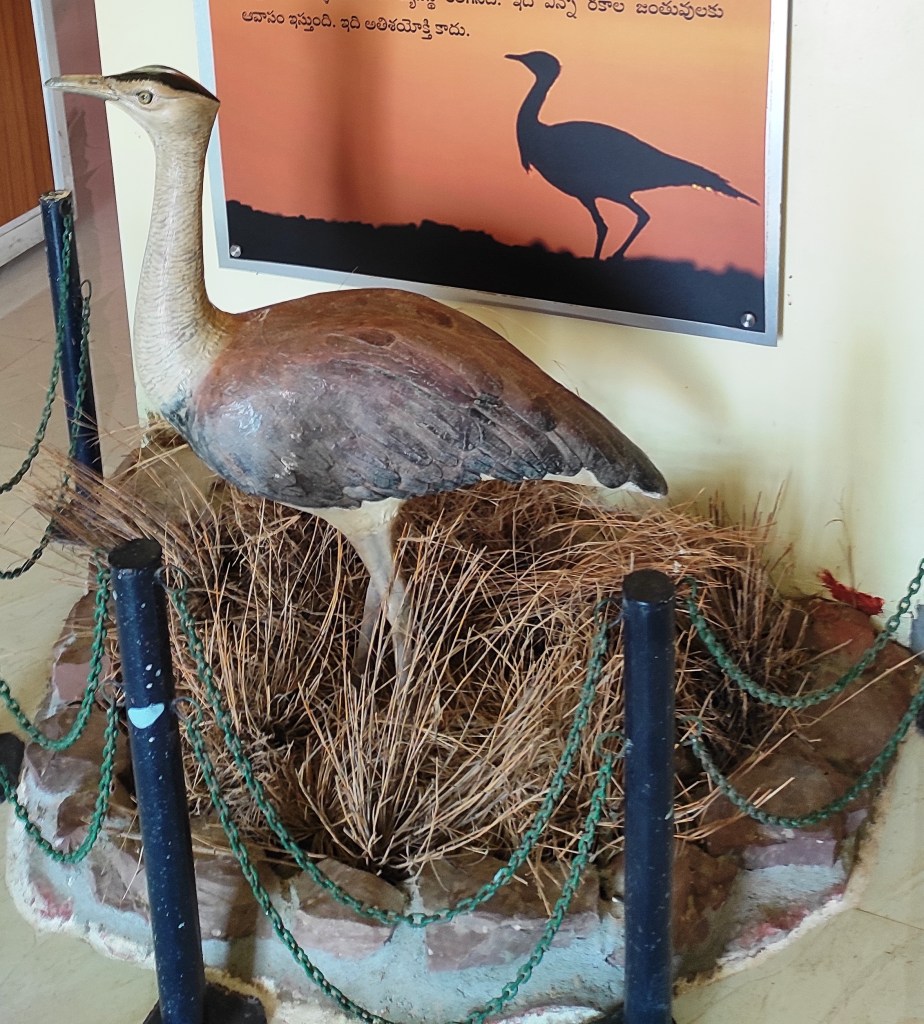
The Great Indian Bustard (Ardeotis nigriceps) is heaviest of the flying birds. Males and females are generally of the same height and weight but with little difference in their appearances.
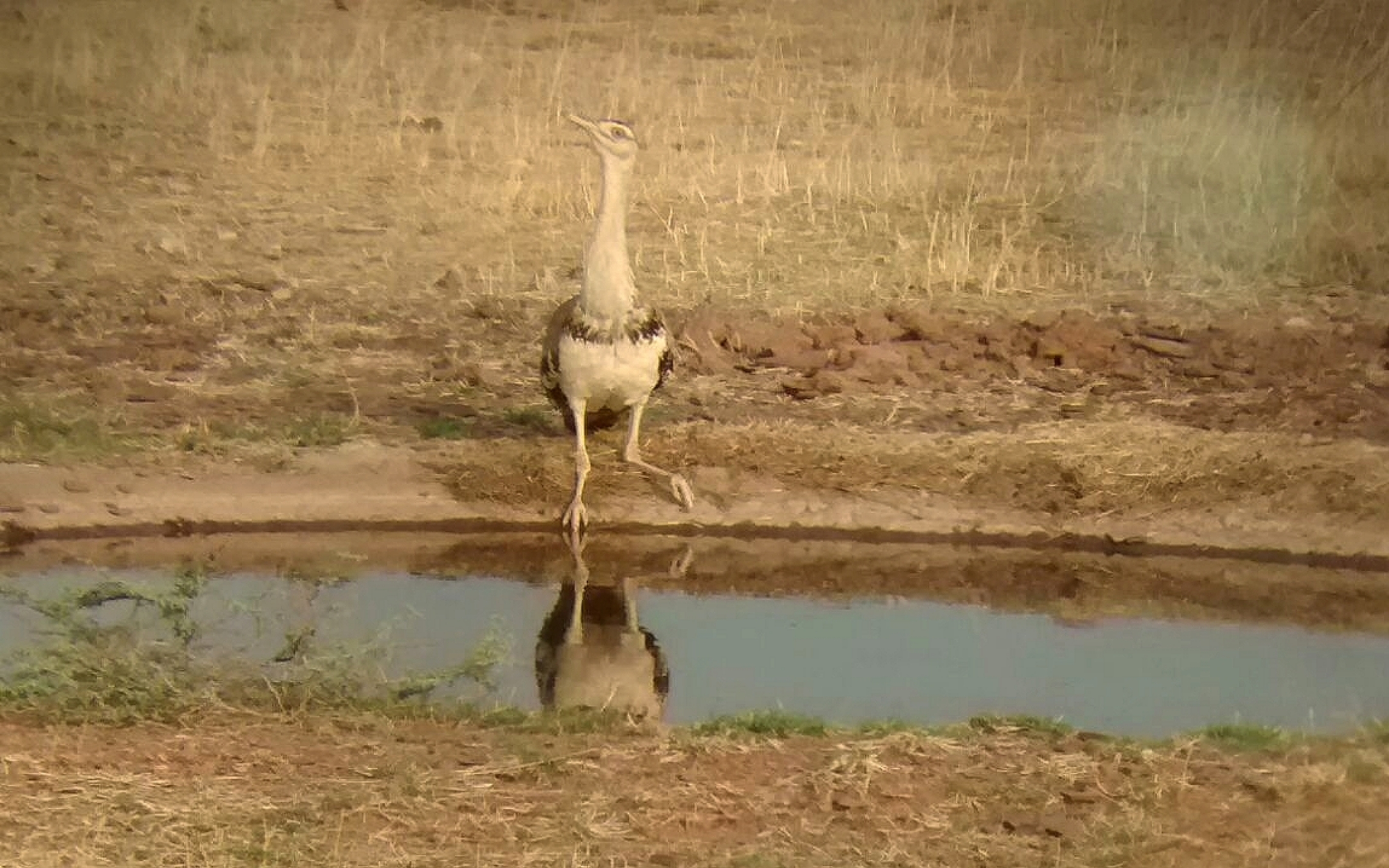
Photo:APFD 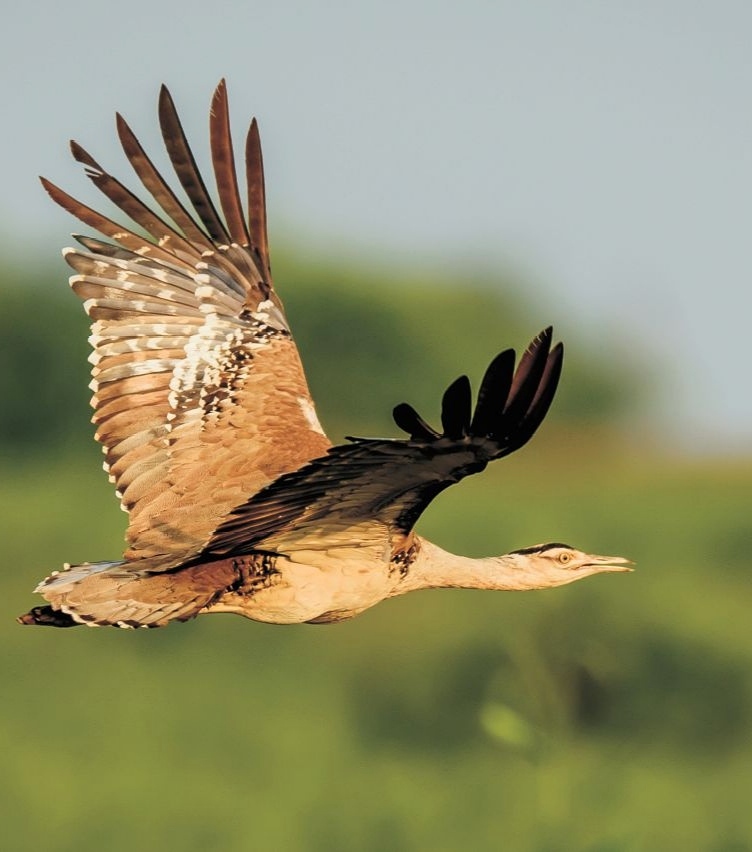
Photo:Pranam kallemane|APFD 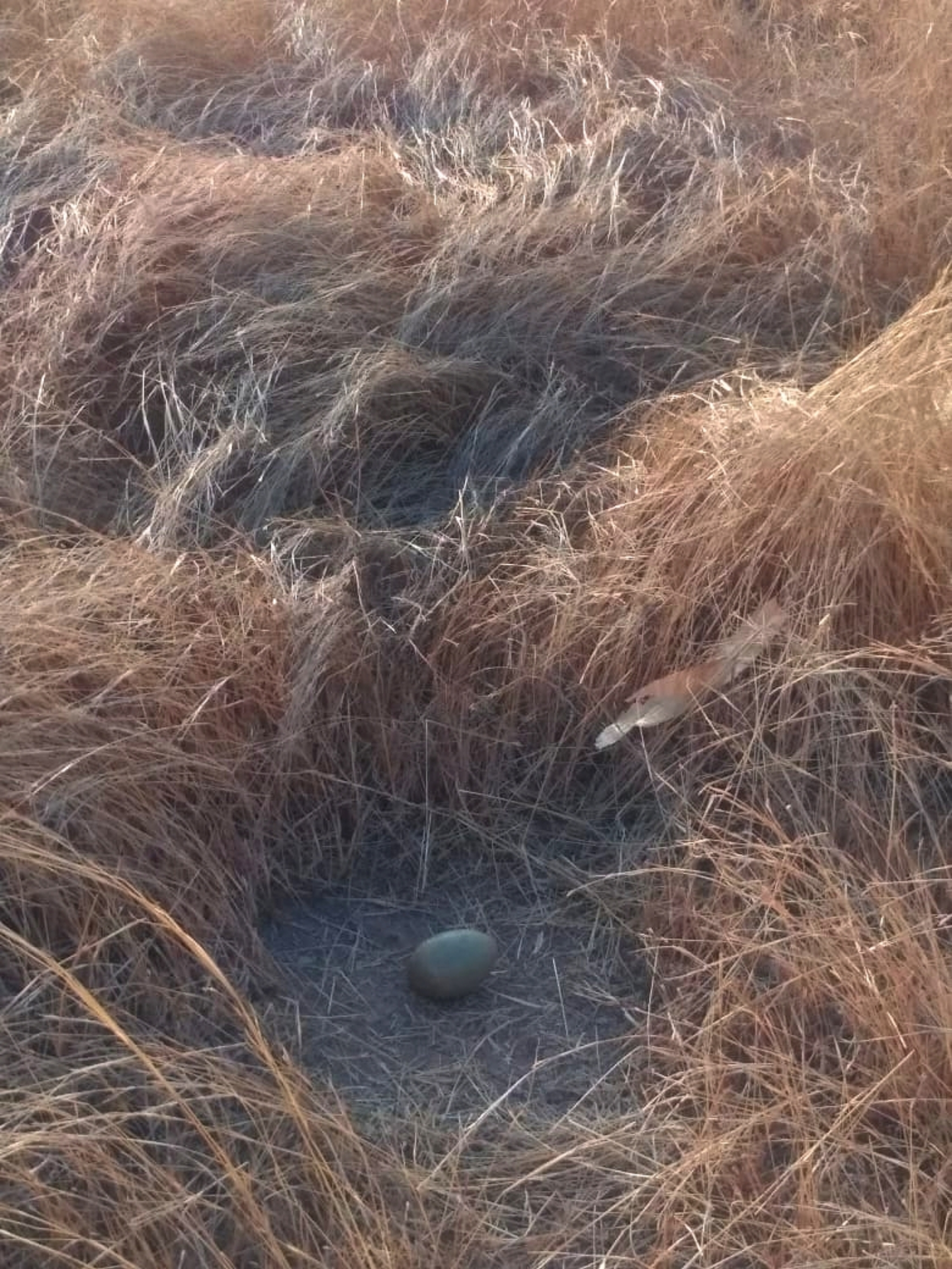
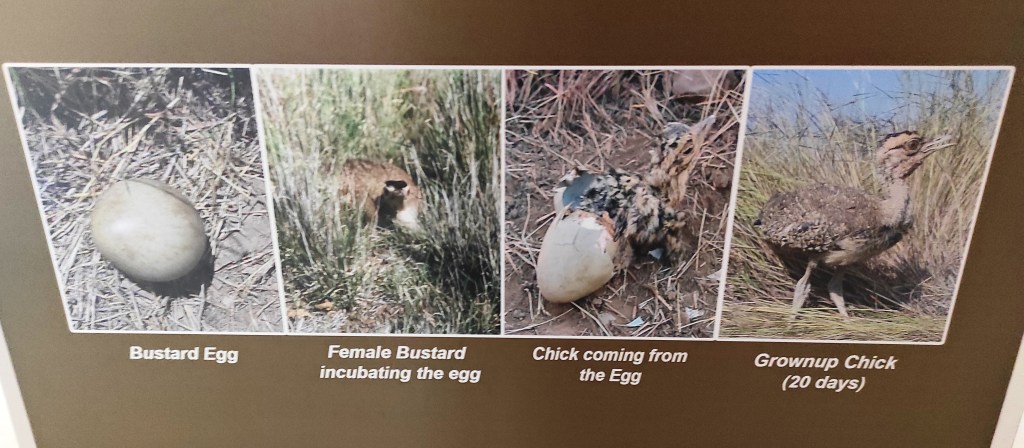
GIB Egg 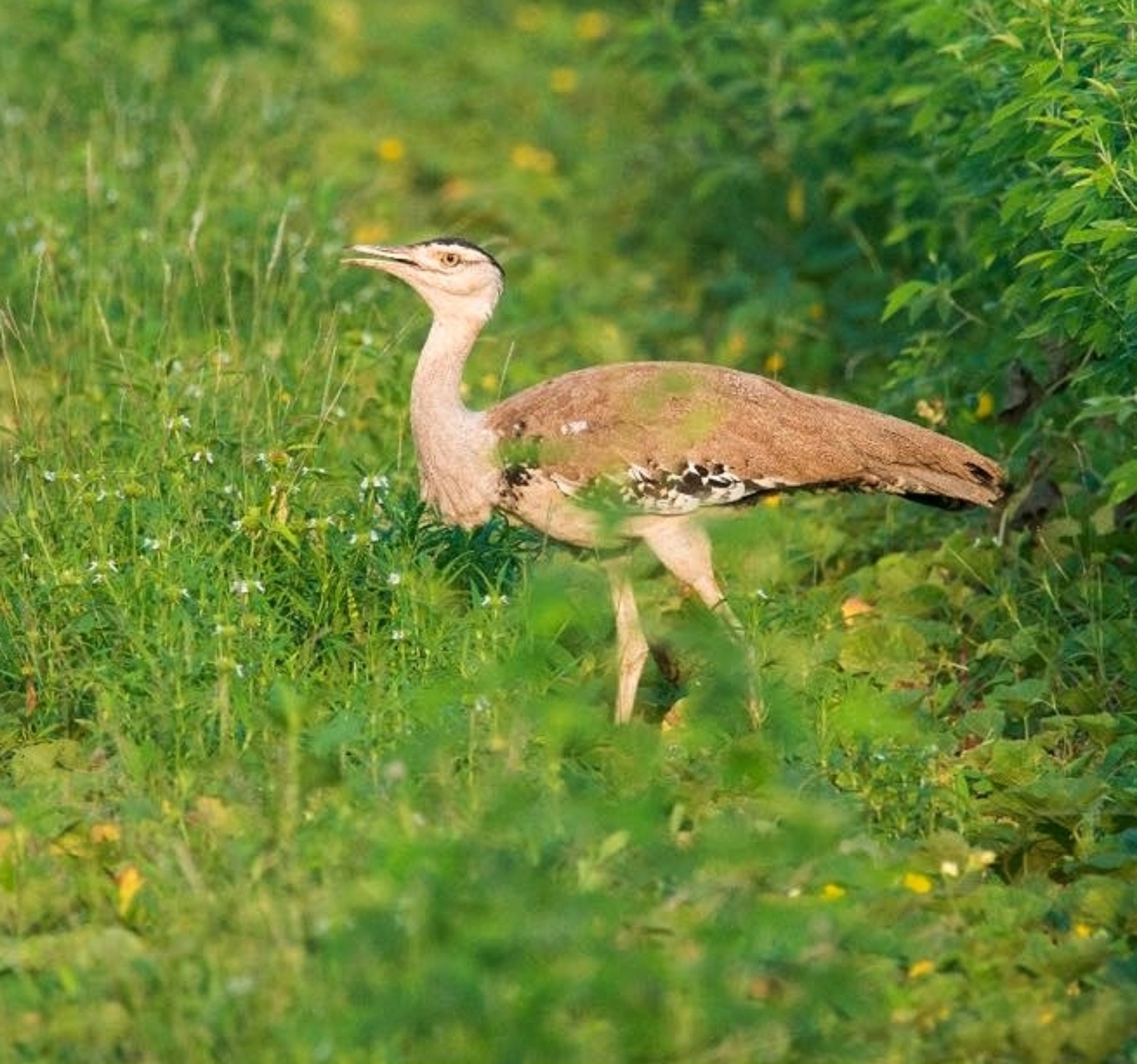
Photo:Pranam kallemane| APFD
The male GIB has larger black crowns with a black stripe/band of feathers across the breast. Male GIBs play no role in the incubation and care of the young. They feed on grass seeds, insects like grasshoppers and beetles, and sometimes even small rodents and reptiles. It is protected under (Schedule I) Wildlife (Protection)Act, 1972 of India. It is one of the most charismatic bird species in India. GIB is listed in the CMS Convention and in Appendix I of CITES, as Critically Endangered on the IUCN Red List and the National Wildlife Action Plan (2002-2016).
Now it is undoubtedly standing at the doorstep of extinction. Historically, the GIB was distributed throughout Western India, also spreading in eleven states (including the Deccan plateau of the peninsula and Thar desert in the northwest). Today, its population is confined mostly to Rajasthan and Gujarat, small populations occur in Maharashtra, Karnataka, and Andhra Pradesh also.
HABITAT- Why Grasslands are so important?
The grassland ecosystem is a very important habitat. The animals that live in grasslands are well adapted to the dry conditions. Biodiversity in grasslands includes a wide variety of birds, grazing animals, burrowing animals, reptiles, predators, etc. It provides feeding grounds to all these animal beings. It is a highly balanced ecosystem.
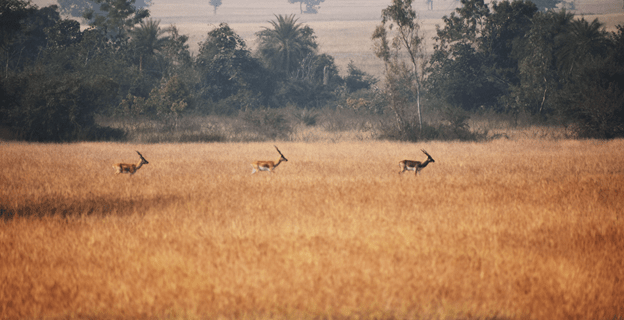
For the Bustard and the Lesser Florican, this is a critically important area since this is where they breed in relative safety. They favor flat open landscapes with minimal visual obstruction and disturbance, therefore adapt well in grasslands. In the breeding season (summers and monsoons) they gather in traditional continuous grasslands. During this time they avoid scrub forest patches. For the rest of the year, they mostly stay in scrub patches with mosaics of agricultural and grasslands.
The next time you drive by an open field, give it a second look, it can be a beautiful grassland that might be home to rare species like GIB.
My Checklist- Some of the species spotted at Rollapadu
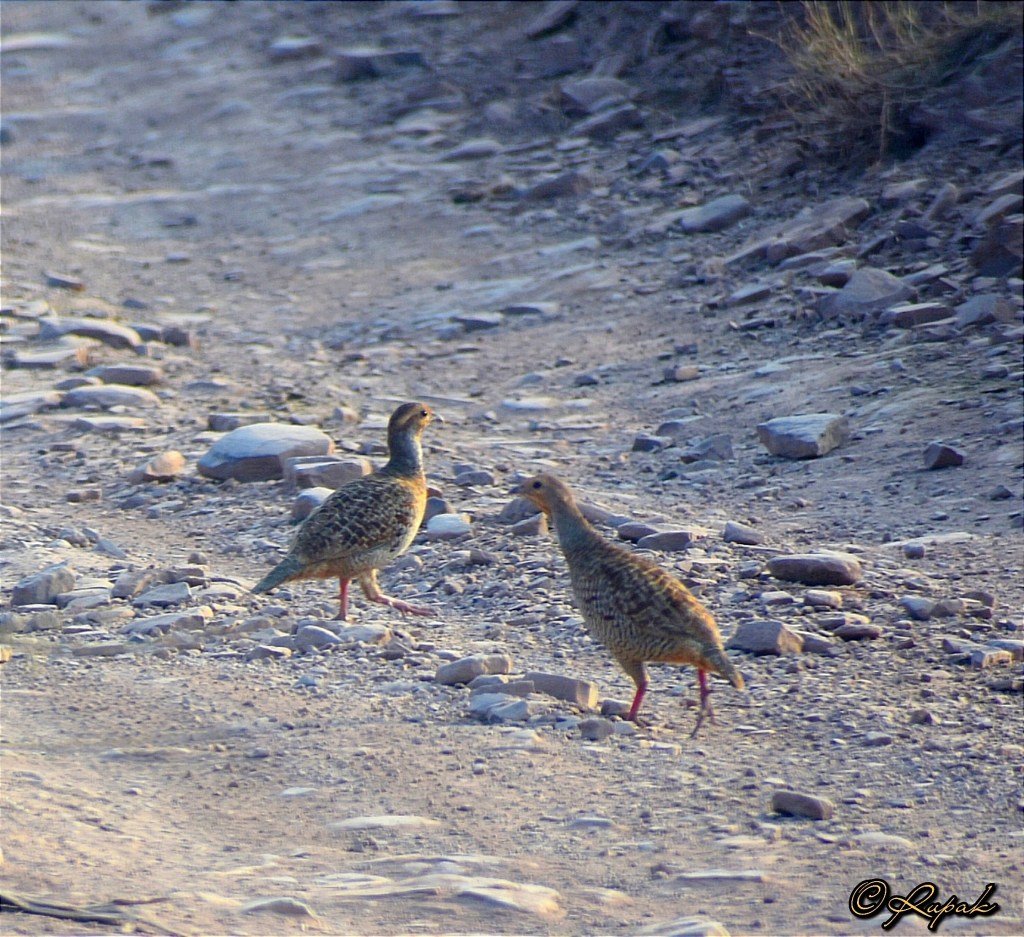
- Grey Francolin
- Blackbucks
- Eurasian Collared-Dove
- Laughing dove
- Flocks of Larks
- Flycatchers
- Common Myna
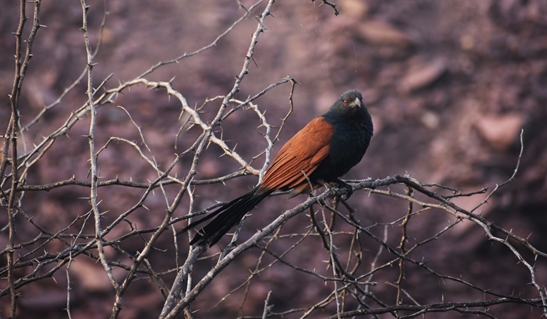
- Greater Coucal
- Snakes
- Harriers
- Grey Shrike
- Indian Silverbill
- Green-bee-eater
- Purple sunbird
- Rosy Starling
- Loggerhead Shrike
- Brahminy myna/starling
- Black drongo
- Sandgrouse
- Pied Bushchat
- Paddyfield pipit
- Large grey babblers
- Common teal
- White Breasted Kingfisher
- Grey warbler
- Pond herons
- Great Egret
- Sandpipers
- Painted Storks
- Indian Fox
- Indian Jackals
- Indian Wolf
- Brown Snake Eagle
- Black-winged kite/Black-shouldered kite
- Brown-breasted Bulbul
- Red-vented Bulbul
- Ashy-crowned sparrow-lark
- Blue-tailed bee-eater
- Bonnet monkey
- Flocks of Swallows
- Indian roller
- Bay-backed shrike
- Indian eagle-owl
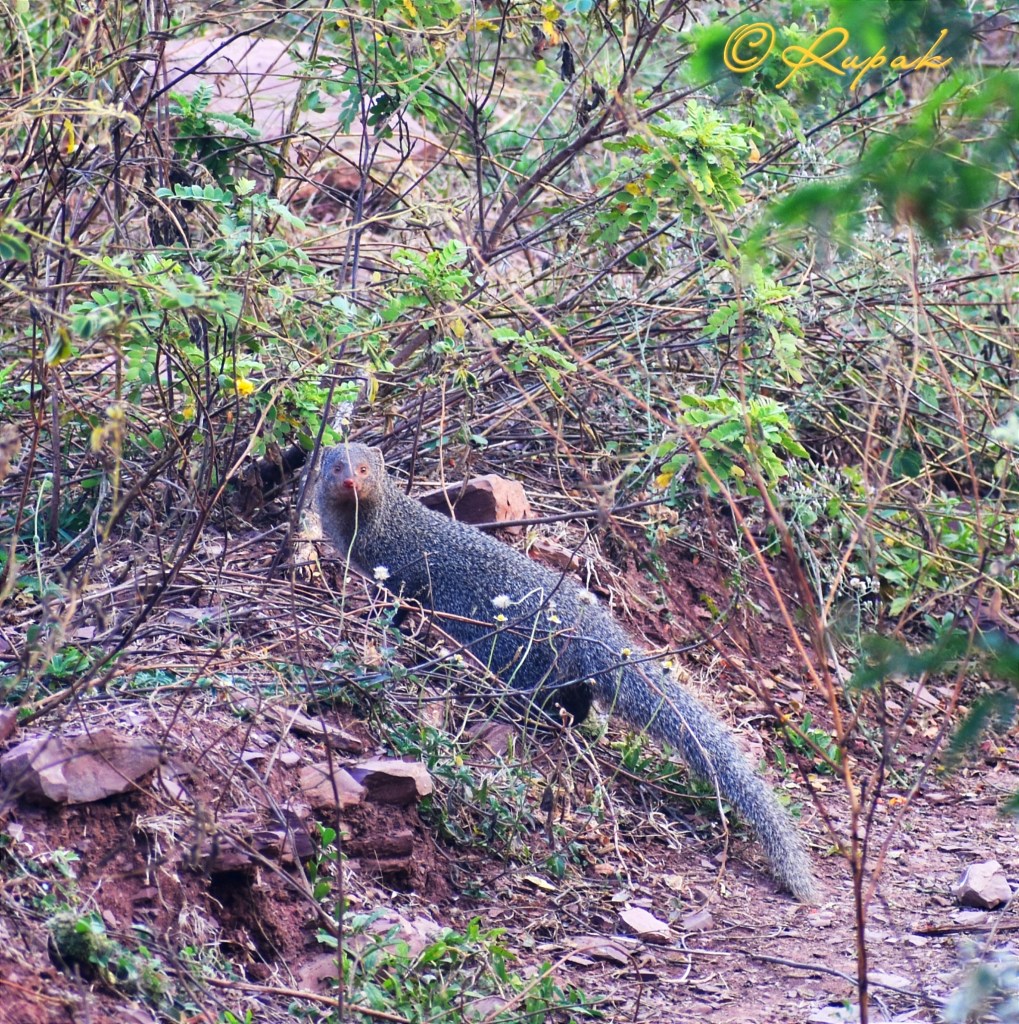
- Indian Grey Mongoose
- Black-headed Ibis
- Oriental magpie Robin
- Darter
- Lesser coucal
- Rufous babbler
- Reptiles and more.
Alaganur Reservoir
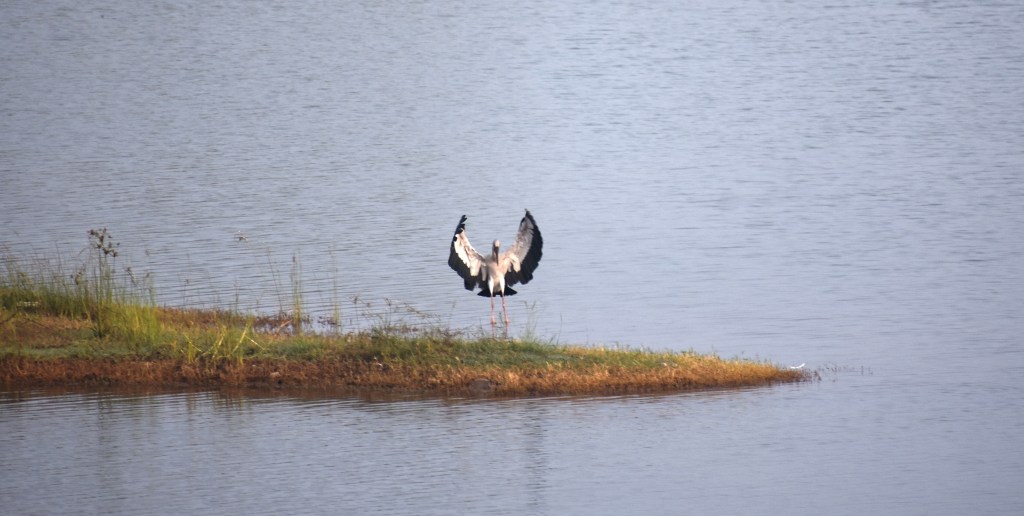
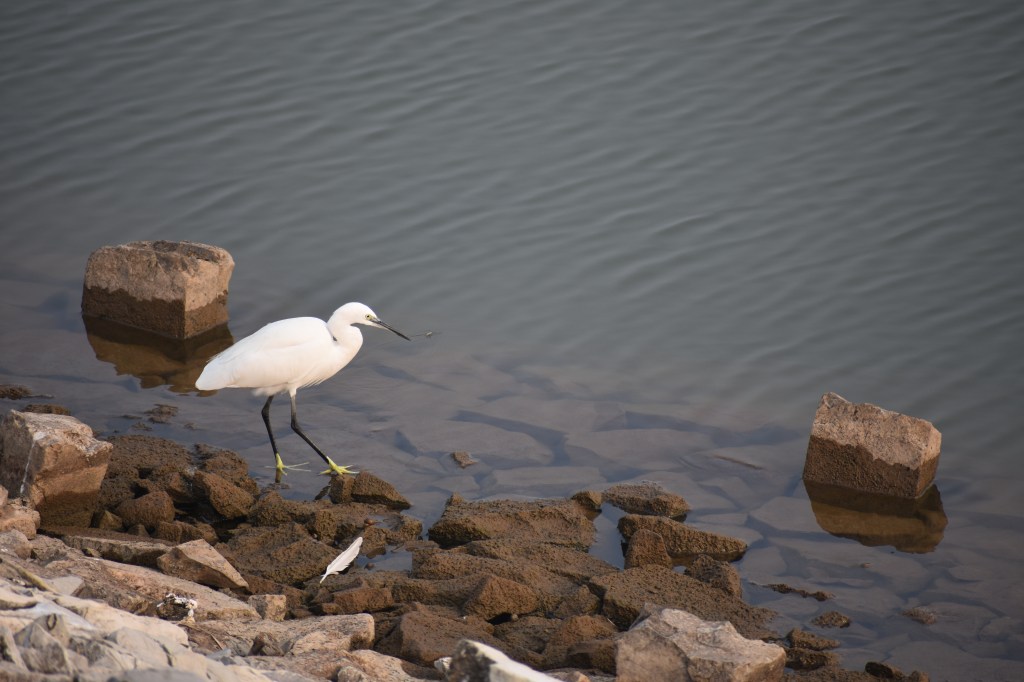
Alaganoor tank is deepened, extended and connected to the Telugu Ganga canal. It is home to more than 100 bird species, mainly waterfowls, migratory birds etc. I got lucky to sight following birds at the reservoir:
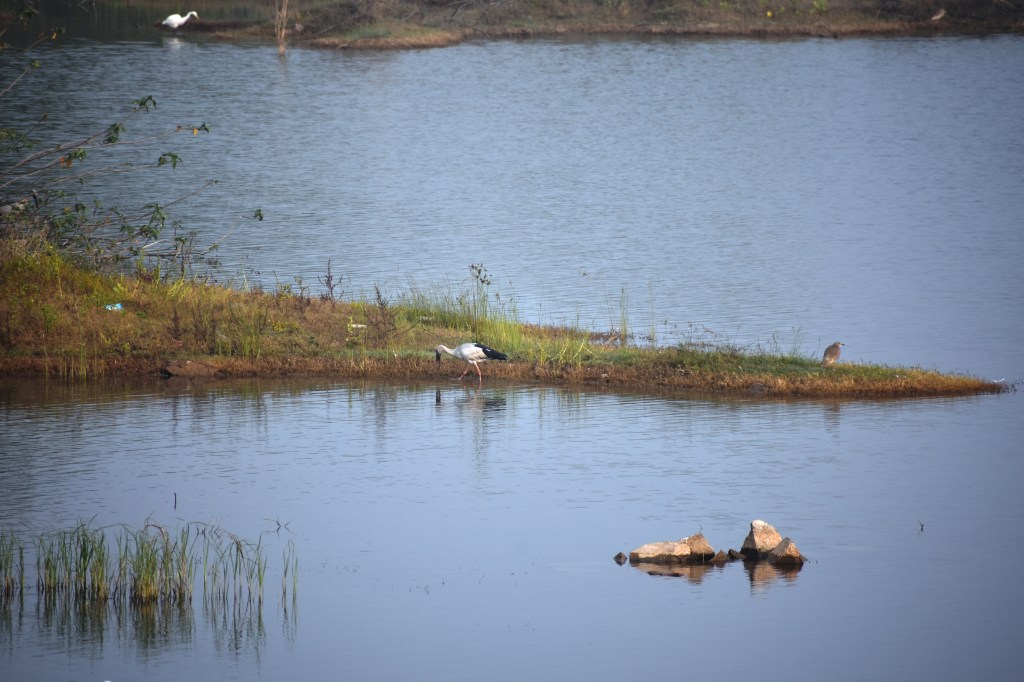
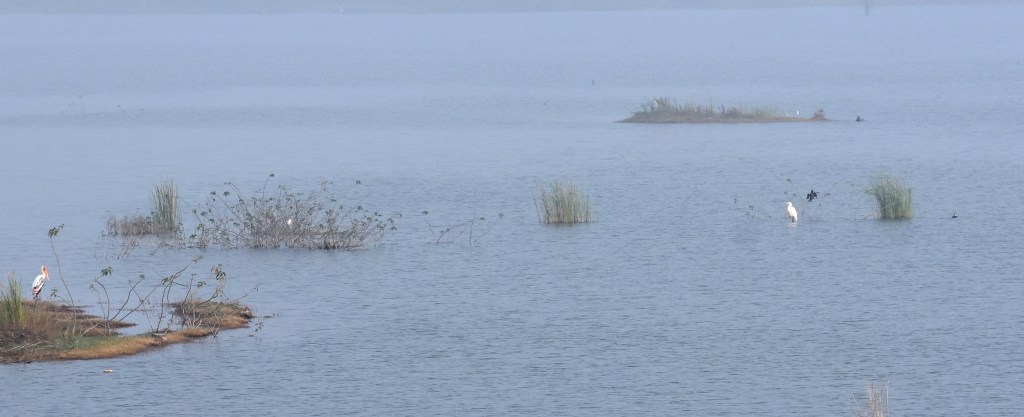
- Open billed stork
- Grey heron
- Great Egret
- Black willed stilt
- Cormorants
- Painted storks
- Spot-billed duck
- Little Egret
- Common teal
- Waterhen
- Pond heron etc.
Challenges Facing Rollapadu
Rollapadu WLS provides habitat to a wide variety of animals and birds but there are some issues in its further development and preservation. GIB hasn’t got as much attention as the other big fauna and awareness regarding the bird itself as well as its habitat and the grassland ecosystem is lacking in general.
Problems and Suggestions-
At Rollapadu, the appearances of GIB have been declining continuously. It had 33 birds half a century ago, their numbers too are down as fewer and fewer birds are seen with each passing year. Here, it is believed that remaining bustards birds are all female only with hardly any scope for breeding. In Rollapadu’s Siruguppa belt (Karnataka), one or two birds sightings are also there but it is not sure whether the birds are breeding pairs. The appearances of Lesser florican have also been absolutely minimal and there seem to be no increase in their numbers too.
Biologically GIB is a very unique bird and hence requires special conservation practices. The large body size, low flying capacity, it lays just one egg per year makes its revival difficult. In addition, loss of habitat, collision/electrocution with the overhead power transmission lines, wind turbines, electric poles, free-ranging dogs at fringe villages, and hunting, which is followed by occasional poaching outside Protected Areas are the other threats to GIB.
A rise in the blackbuck population is also the reason for the fall in numbers of GIB and the Lesser floricans. Increased blackbuck feeding on the grasses has led to a fall in the number of grasshoppers and locusts that constitute an important source of food for these two bird species.
Apart from GIBs and floricans, many other birds & animals too are facing depleting numbers at Rollapadu. Winter of 2005– 2006 saw over 200 birds dead poisoned by pesticides ingested by rodents, insects etc. which are their prey. Foxes too have disappeared, many being found dead. Greater short-toed Larks have not been spotted at the sanctuary in recent years. Harriers have been found dead presumably due to the effect of biomagnification. Montagu’s harrier is the most common migratory bird species of harriers in Rollapadu, that travels from parts of Central Asia to the sanctuary every winter, has also shown declining trends of its presence. Two decades ago, the bird visited the sanctuary in hundreds.
Habitat Destruction and Its Causes
With the water flowing in the Telugu Ganga, agriculture has expanded many folds. Mechanization of agriculture with multiple commercial crops has taken place in the surroundings of Rollapadu. The habitat and the cropping pattern in the agricultural fields are now majorly different from the dry grassland habitat of Rollapadu.
The nesting area available to the ground-nesting birds is reduced, so birds are nesting in nearby villages, close to human habitation. The decline in fruit trees which are crucial for the survival of birds like hornbills may have forced them to breed in human surroundings. And many times nests are being destroyed by farm machinery also. The grazing of cattle within the sanctuary area has also affected the breeding of the bustards.
Imbalance in the population of different species such as blackbucks has also created undue pressure on the small grassland habitat.
Moreover, the use of chemicals, including pesticides (mainly insecticides) in fields across Rollapadu, is a constant threat to the birds. Many incidences of poisoning have been observed in the past. Excessive usage of chemicals wipes out beneficial insects also.
Suggestions
- The cropping pattern of the surrounding agricultural fields should be aligned with the grassland habitat and usage by the birds.
- Authorities could instruct the electricity department to insulate electric cables, installation of bird diverters on high-tension power cables, installing and converting all future power lines and existing overhead power lines to underground power lines in the potential habitat area (“GIB areas”) of the GIB should be taken up.
- Since the number of GIB birds is very critical and its capacity to breed is also low in natural conditions, and ex-situ conservation approach by artificial breeding and introducing in wild could be an effective solution for the revival of species. A similar approach has been found to be successful in the case of the Houbara bustard in the middle east.
- Ecofriendly initiatives in the surrounding areas can be taken up such as – Spreading awareness among the farmers about harmful effects of pesticides. – Awareness and identification about the birds among local children and youths. – Not disposing of the waste and harmful materials in the village ponds. – Planting more and more fruit-bearing, native and diverse trees. – Community can be motivated to take up protection of nests, eggs, hatchlings from different threats like falling down from trees, stray animals, etc.
- More scientific research, academic interests, and monitoring need to be done to understand the habitat and behavior of birds in this area.
The Forest Department has taken alot of development and protection activity in the area which is continuously helping in improving the habitat of Rollapadu. The role of locals in protecting this endangered bird is worth mentioning. Forest authorities have employed locals as bird watchers to track the birds at all times. It also provides safari, nature guides, source equipment like binoculars, bird identification guide books, etc. to the tourists. It also operates an interpretation center that has 3D displays and movies. It helps in understanding the ecosystem in a better way. Along with reputed NGOs and research organizations, the forest department can take up implementing a focused bustard conservation program at the national level.
Rollapadu also fascinates researchers, ornithologists, and photographers who look for the multiplicity of flora and fauna in India.
I recommend all to visit the Rollapadu sanctuary at least once. Rollapadu is a very unique habitat and just a sight of the vast grasslands during sunrise and sunset can leave a permanent impression. It provides opportunities for visitors to observe a wide range of biodiversity in their natural habitat.
-An article by Rupak
Copyright ©2020,Rupak.All Rights reserved.


 Rupak🌱
2 replies on “Rollapadu Wildlife Sanctuary -The GIB Sanctuary”
Wow! 🙏😊👍
LikeLiked by 1 person
Informative and useful, wonderful creation 🙏
LikeLiked by 1 person