‘CHILDREN OF THE FOREST’
PART-1 Chenchu Empowerment and Protection of Tigers in Nallamala: A win-win success story from the largest tiger reserve of the country-NSTR
This part belongs to the relationship of the ‘Chenchu’ tribals with forests and their role in protection and conservation of tiger and other wildlife inside the pristine Nallamala forest in Eastern Ghats of the state of Andhra Pradesh.
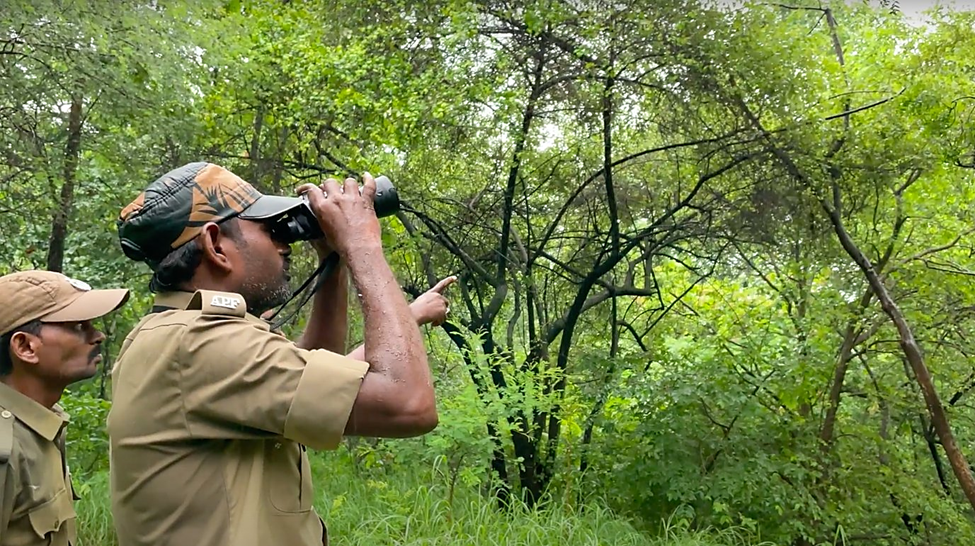
Nallamalai hills, an offshoot hill ranges of Eastern ghats, located in the state of Andhra Pradesh, are a series of low hill ranges running in north south direction parallel to coast for a distance of around 120-150 km. Historically the forest of nallamalai have been rich in wildlife, unique flora and fauna. However the region have suffered major losses during the time of left extremism as the department had major challenges in maintaining the protection scenario with most of the areas being under the control of Maoists. This has been aided by large scale illegal smuggling of forest produce including bamboo, timber and hunting for bushmeat. Though the declaration of the area under project tiger as Nagarjunasagar Srisailam Tiger Reserve (NSTR) happened in 1983, much progress has been made in a period of the last 15 years or so. Tiger numbers have grown considerably. Revival of tiger conservation in Nallamala would not have been possible without the Chenchus.
Chenchu Tribals
Chenchus are the original inhabitants of Nallamala hills in the eastern ghats in the state of Andhra Pradesh. They are one of the Particularly Vulnerable Tribal Groups (PVTGs) and are off recently too living a primitive lifestyle.
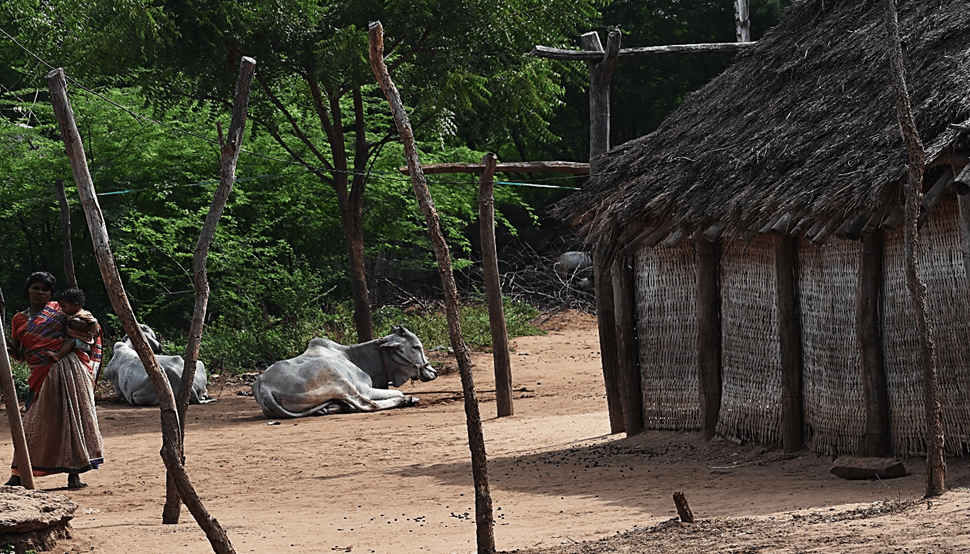
Chenchus, as rightly called the ‘Children of the forest’ have spent centuries living in symbiotic relationship with nature. Minimalistic lifestyle dependent on hunting and gathering food from forest has been their hallmark. Thus they have been able to maintain the ecological balance of the area by not disturbing the habitat of wildlife and also not killing wildlife unsustainably.
Getting along with Forest Department
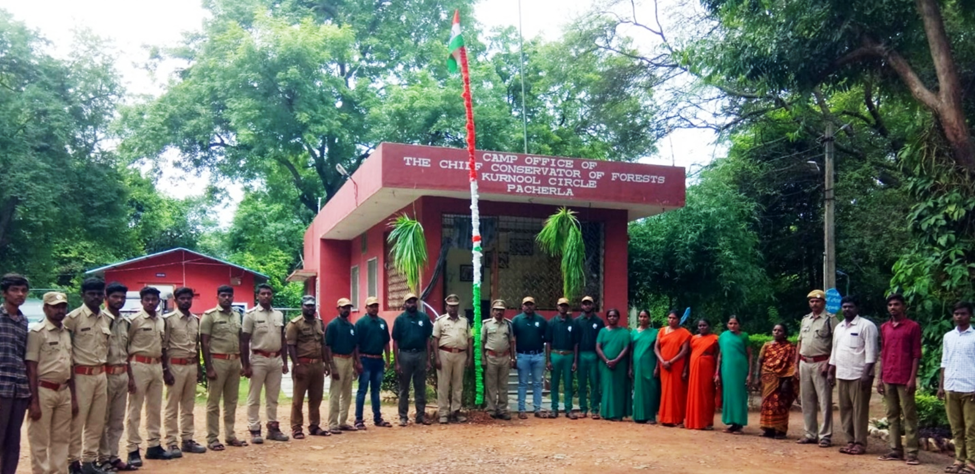
Despite facing stressful times (decades of extremist control, large- scale illegal smuggling of forest produce), revival of tiger conservation in Nallamala would not have been possible without the Chenchus. Primarily there are two major reasons for the same:
The sustainable lifestyle of Chenchus living in forest has ensured that habitat is not destructed beyond a point and also the major carnivores have never been the target of hunting. They consider the tiger as their sibling and have remembered it in their folklore. Tiger kills after the animal has finished eating were considered left for Chenchus, as they believe.
Secondly, since the late 1990s and 2000s when the department started to monitor the areas more closely, Chenchus have accompanied. Initially few Chenchus were working as tiger trackers which used to roam in the forest and also collect information about the movement of wildlife. This relationship was the foundation which led to dependency of Chenchus and the department on each other for the conservation of tigers in the area. These Chenchu tiger trackers helped in collection of specimens for the ‘Biolab’, laying of sample plots and transects for data collection and also kept a vigil on the illegal activities apart from maintaining a bridge between community and department.
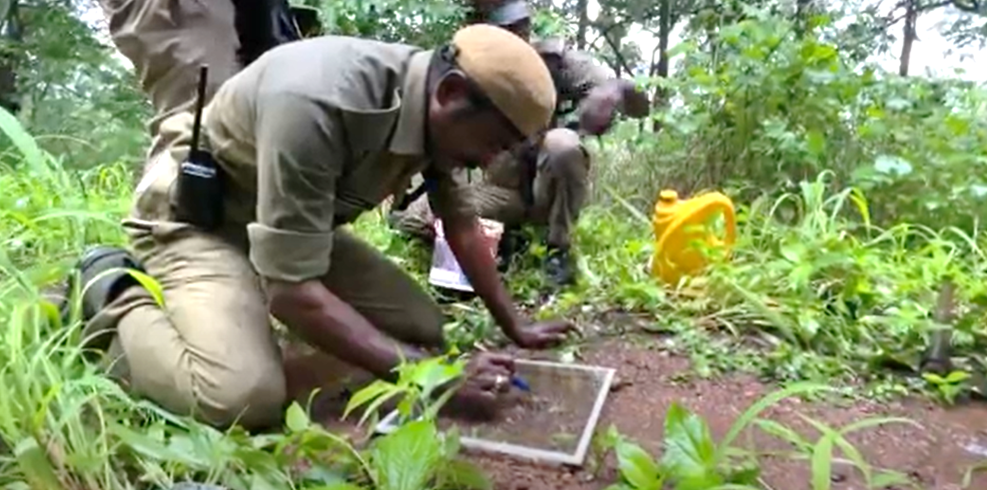
More numbers of such trackers were employed from the community to monitor the wildlife more intensively and also develop the habitat. This group of Chenchus was a few dedicated ones who laid strong foundations of community participation and their dedication and natural capacity of traversing the hills helped the laborious forest officers pull some of the great tasks such as Biolab Srisailam, pugmark census, transects, water hole census and regular watch etc in a very systematic way for the long terms results.
Present scenario, success and achievement
Fast forward to the 2010s when the department has taken control of most of the areas and now it was time to uplift the entire wildlife monitoring and protection set up. It was again the Chenchus who were employed and given prime responsibility of assisting the forest staff. Base camps with 5 tribals in each were established throughout the entire landscape of NSTR and their duty was to patrol the forest routes and record all the observations. Later when the camera traps for census of tigers and monitoring of wildlife were introduced, these were Chenchus who identified the trails and suitable locations for animal monitoring and placing camera traps.
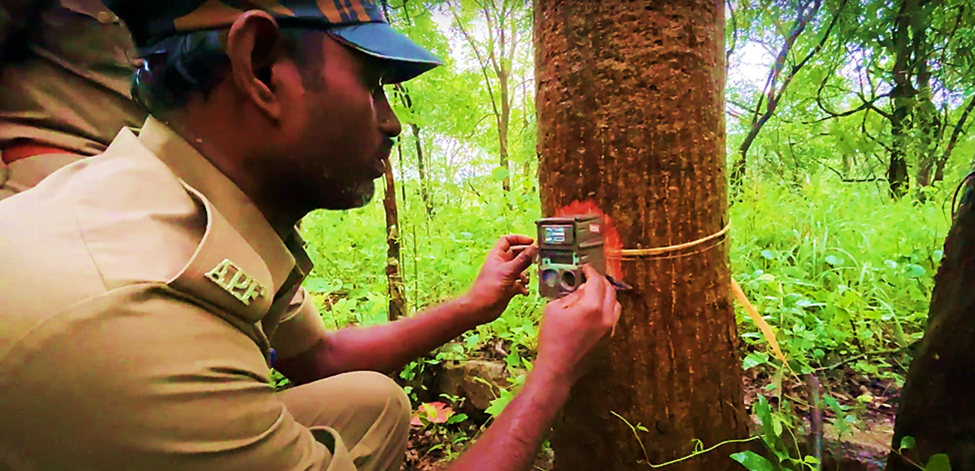
With the support and guidance of dedicated forest officers they were trained in operating cameras and look today, they are experts in the same with placing, operating, checking and monitoring thousands of cameras leading to lakhs of wildlife photos and ensuring correct tiger census.
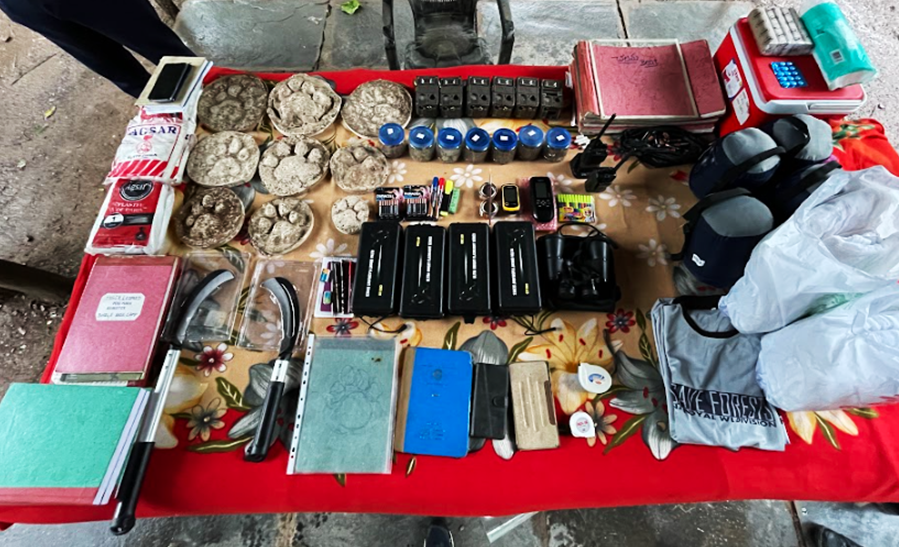
In the last few years, newer technologies have come into the scene, mainly being MSTrIPES which involves GPS tracking of patrolling routes and electronic recording of evidence in the mobile phones especially provided for this purpose. No surprise, Chenchu tribals with the help of local forest staff have again learnt the new tricks of the trade and have been recording and monitoring all their patrols i.e. 100% in the MSTrIPES mobile app. This gradual penetration of technology and its smooth adoption by tribal watchers has been one of the most remarkable feet in conservation.
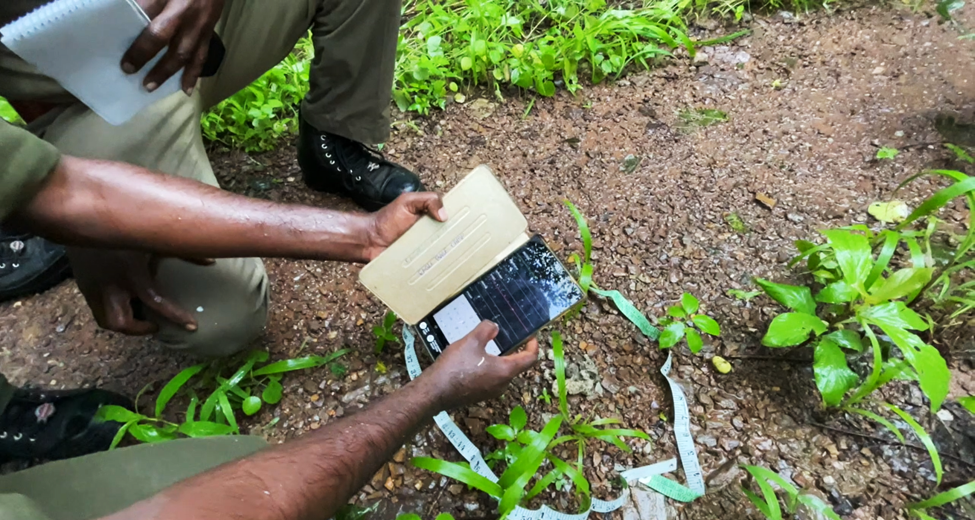
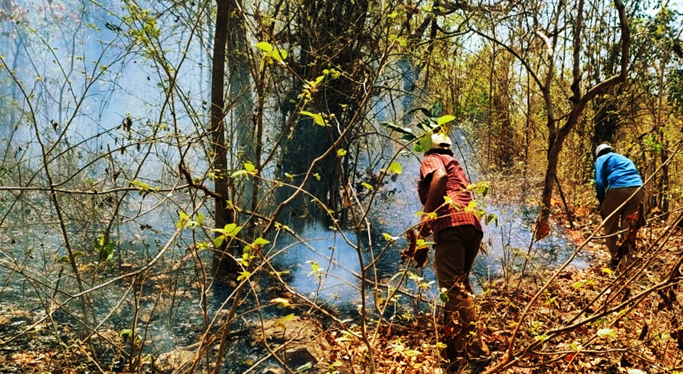
Apart from these, Chenchus in Nallamala have been part and parcel of every activity of the department including seasonal operations like fire fighting, employment for forestry works, field support for research activities etc.
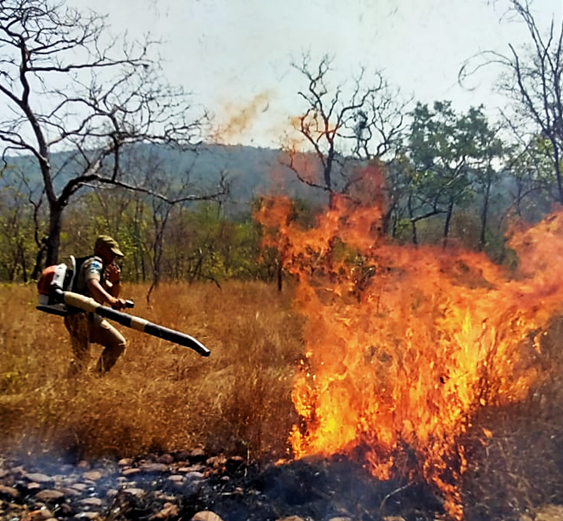
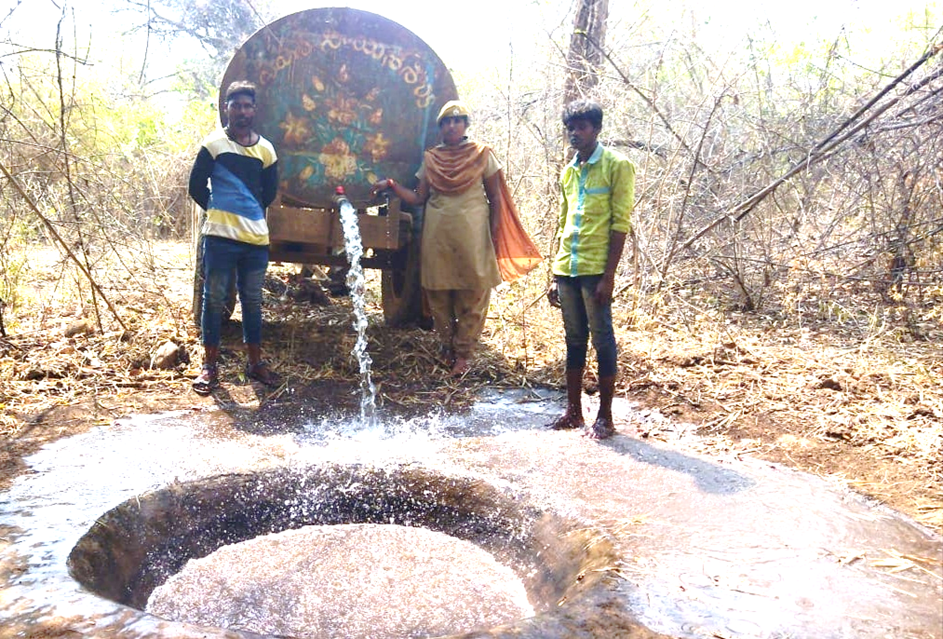
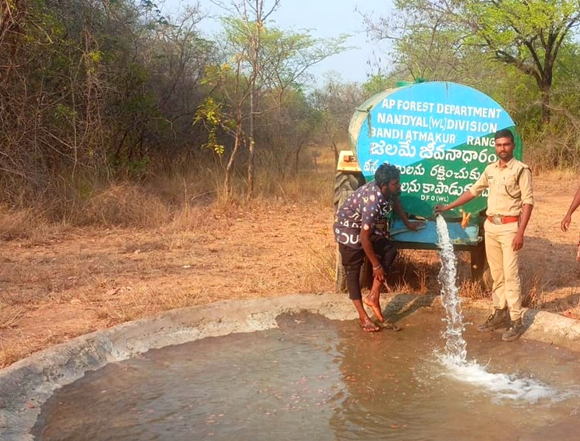
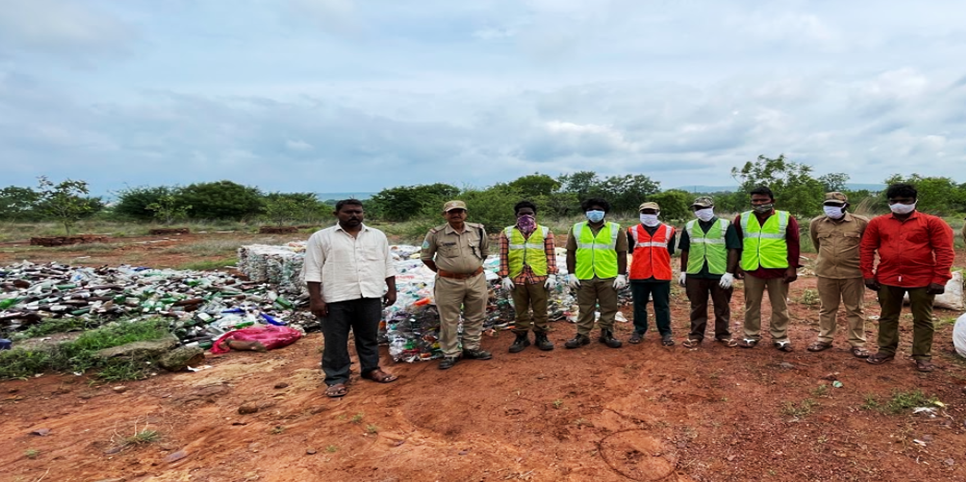
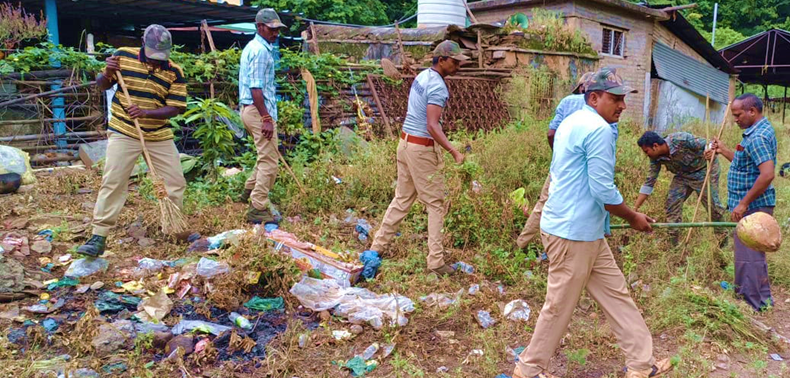
Department has employed local Chenchus and other tribals as ‘Swacch Sewaks’ to maintain the cleanliness along roads passing through tiger reserves and also create awareness among the travelers apart from being the eyes and ears of the department.
Community Based Eco-Tourism (CBET)
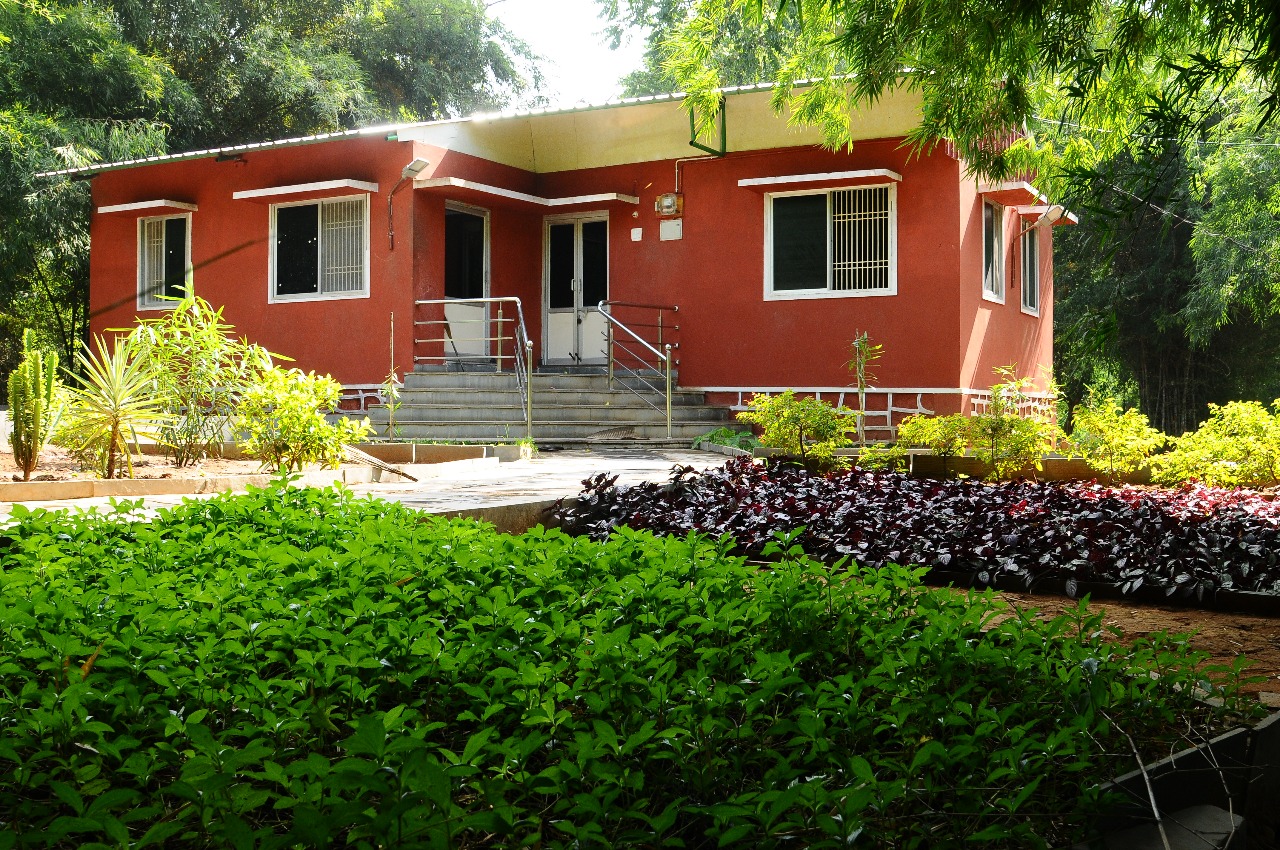
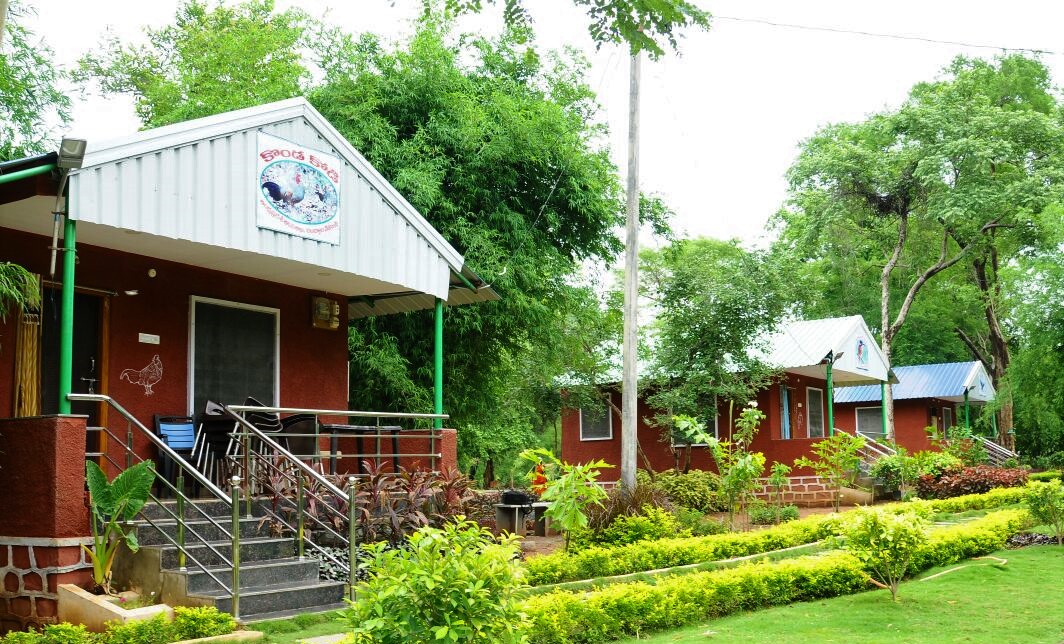
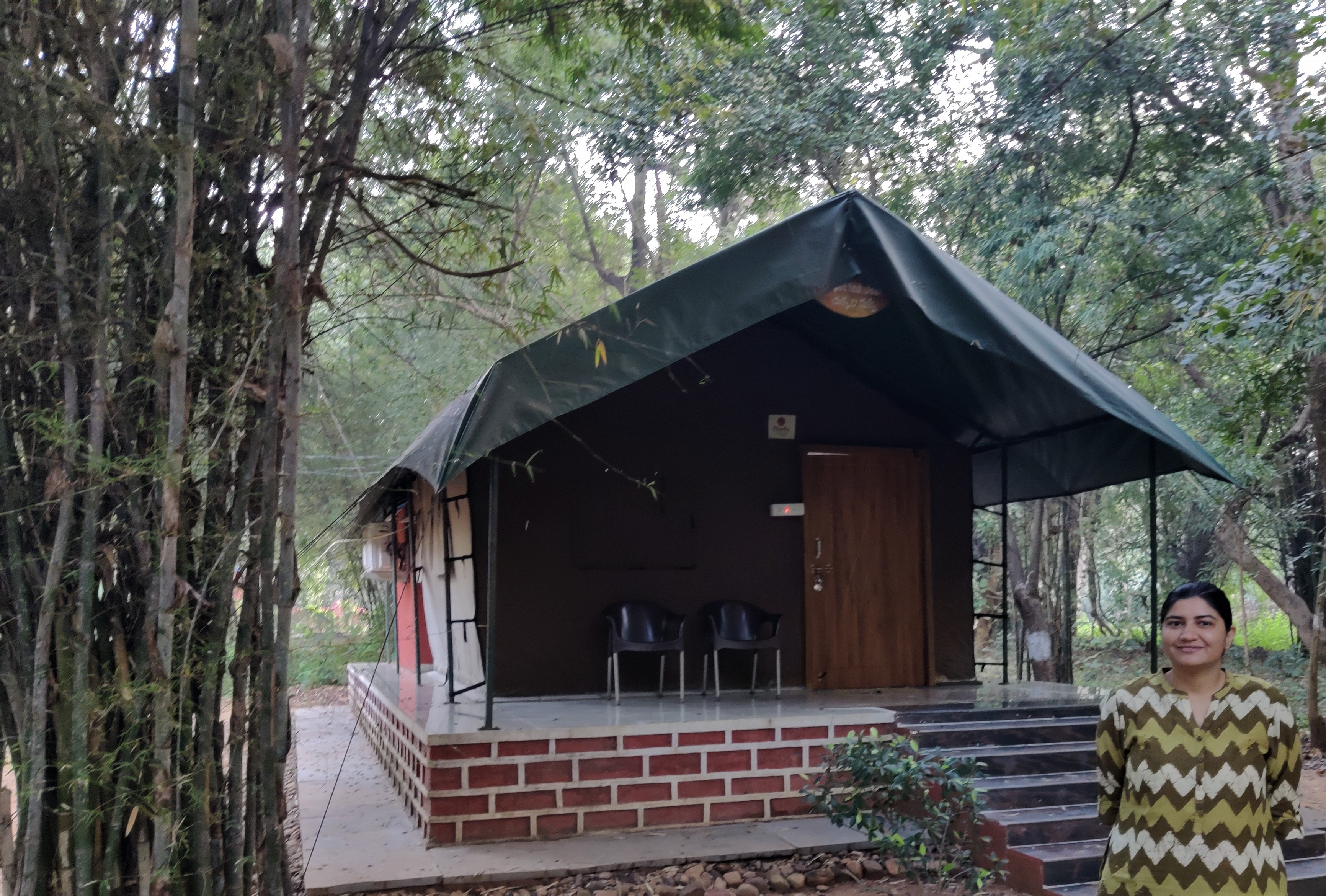
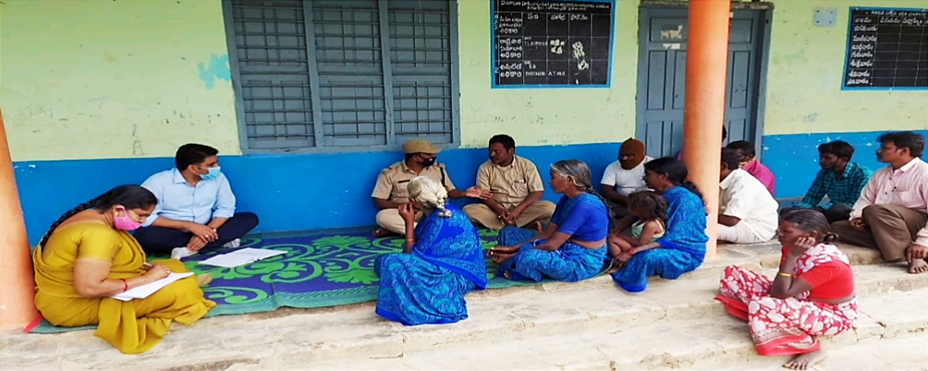
CBET Pacherla, Nandyal has been another successful articulation of the support of the department to the Chenchus. This low profile tourism has ensured the livelihood of several Chenchu families and also opened a window to outsiders towards nature and wildlife conservation.
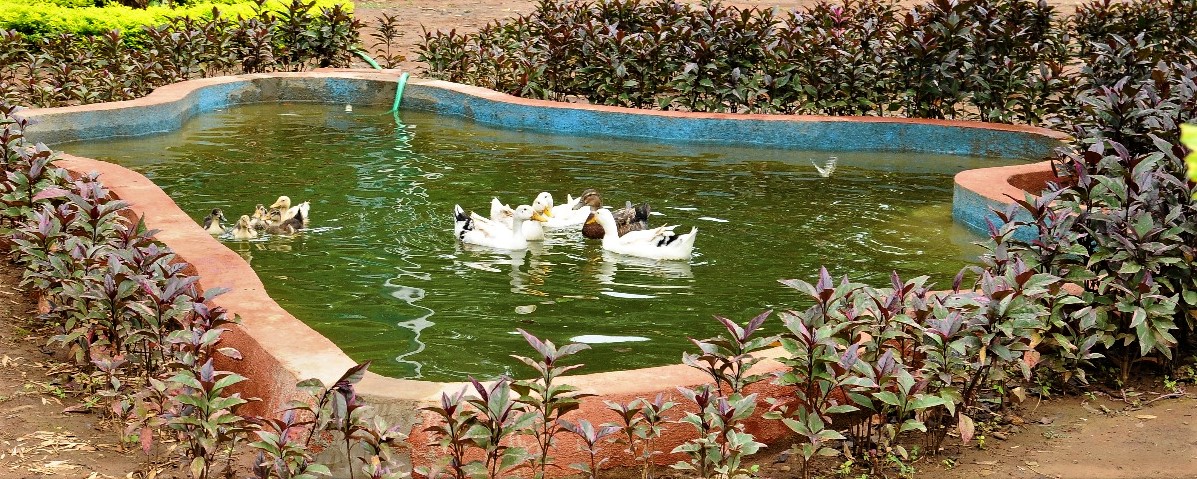
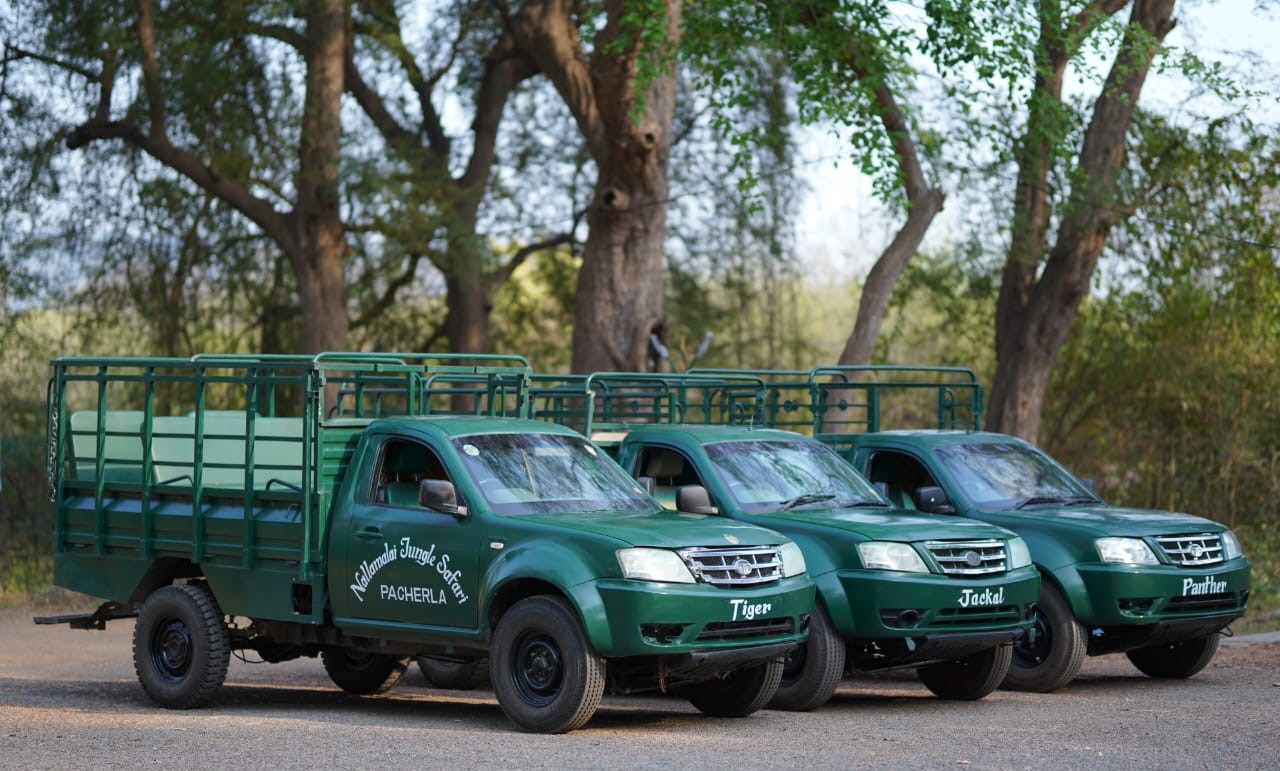
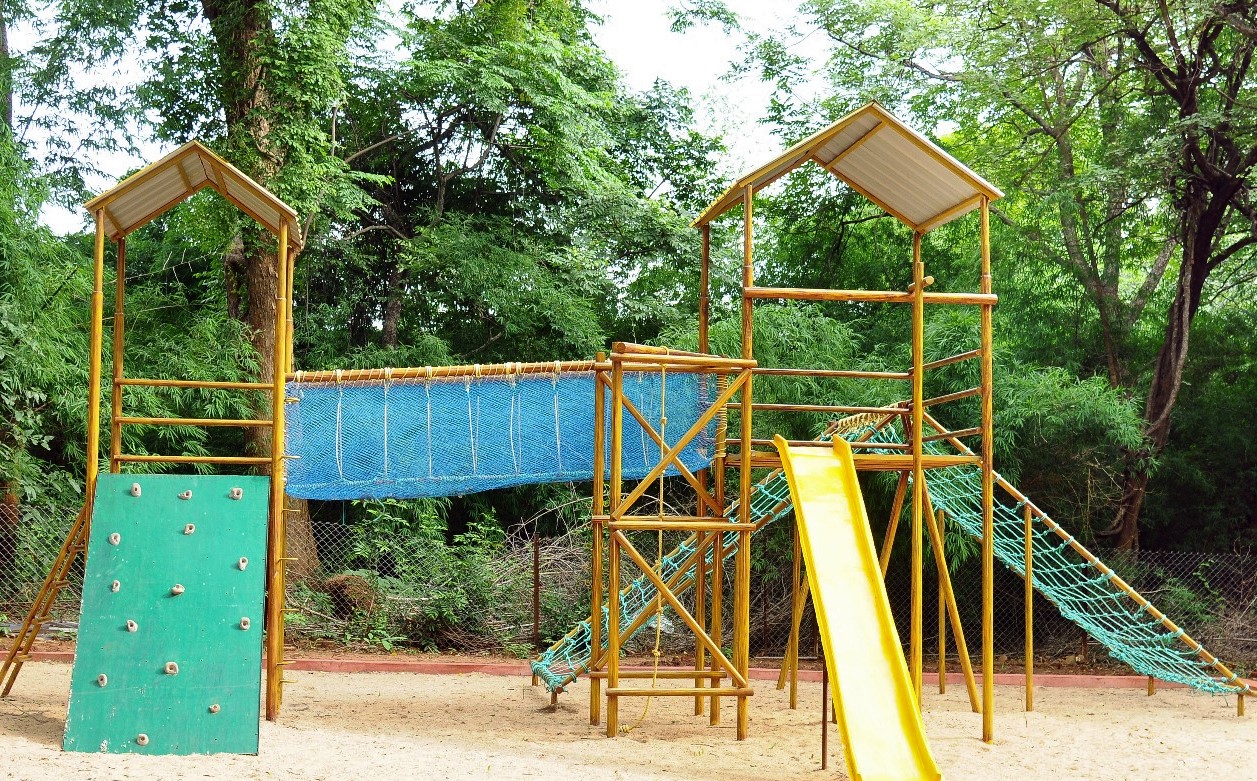
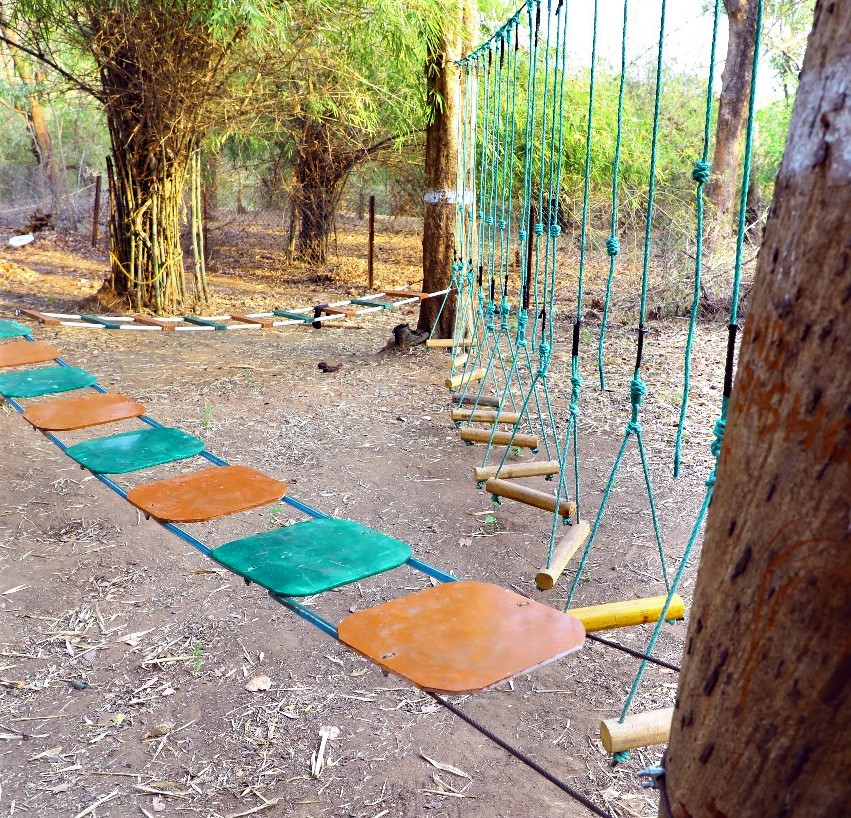
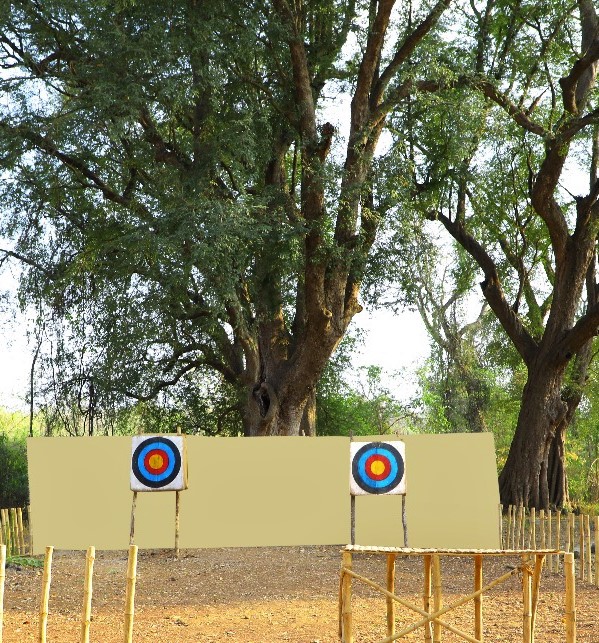
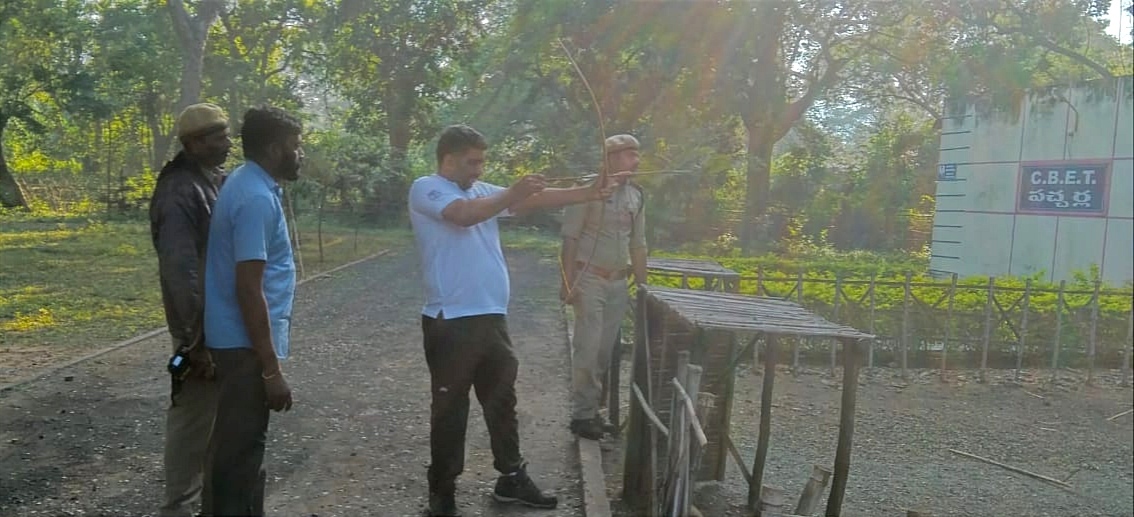
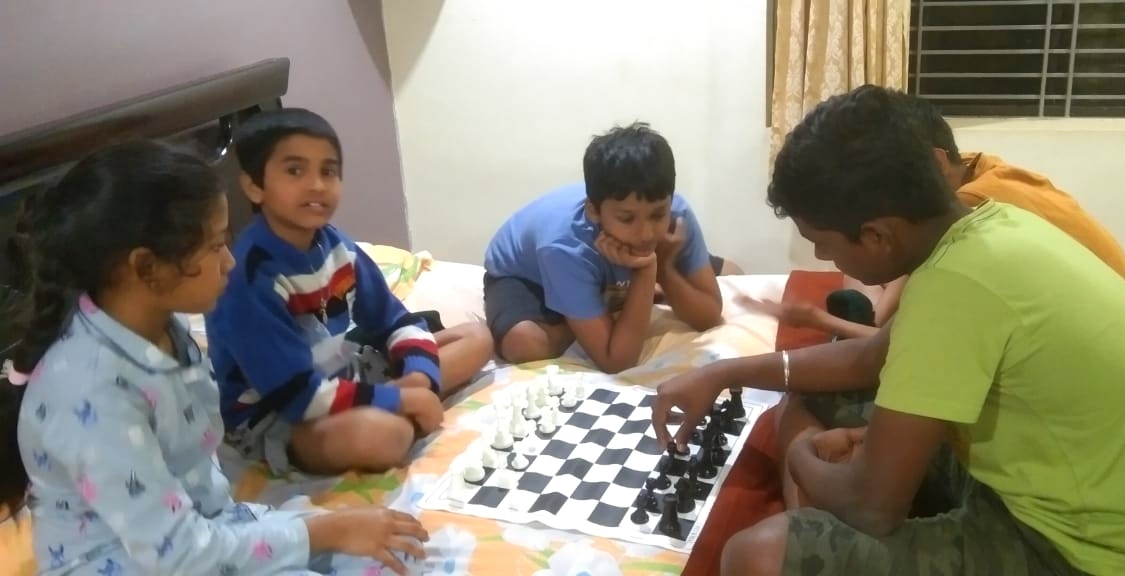
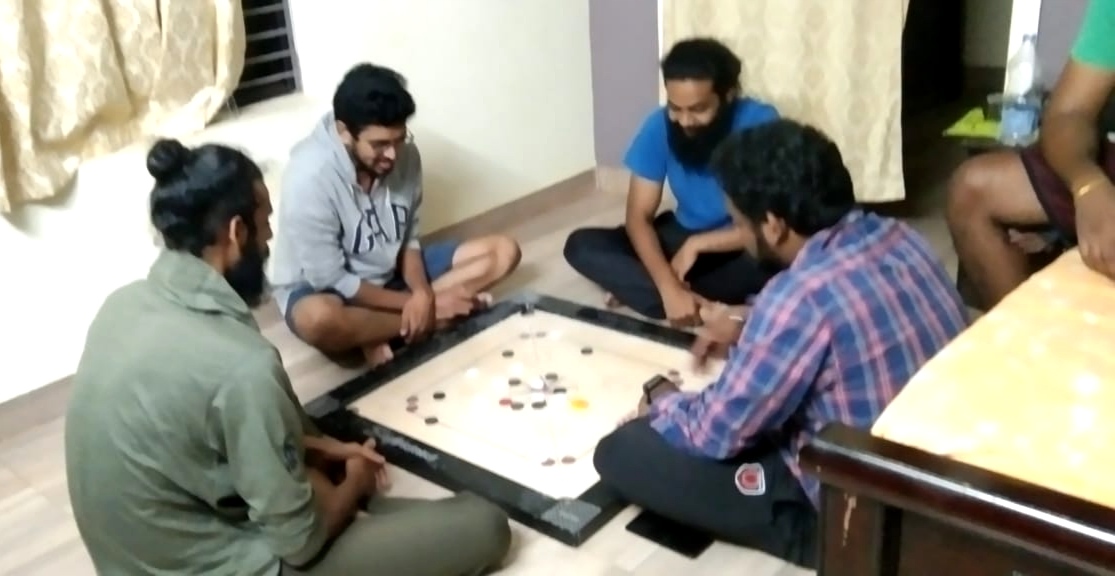
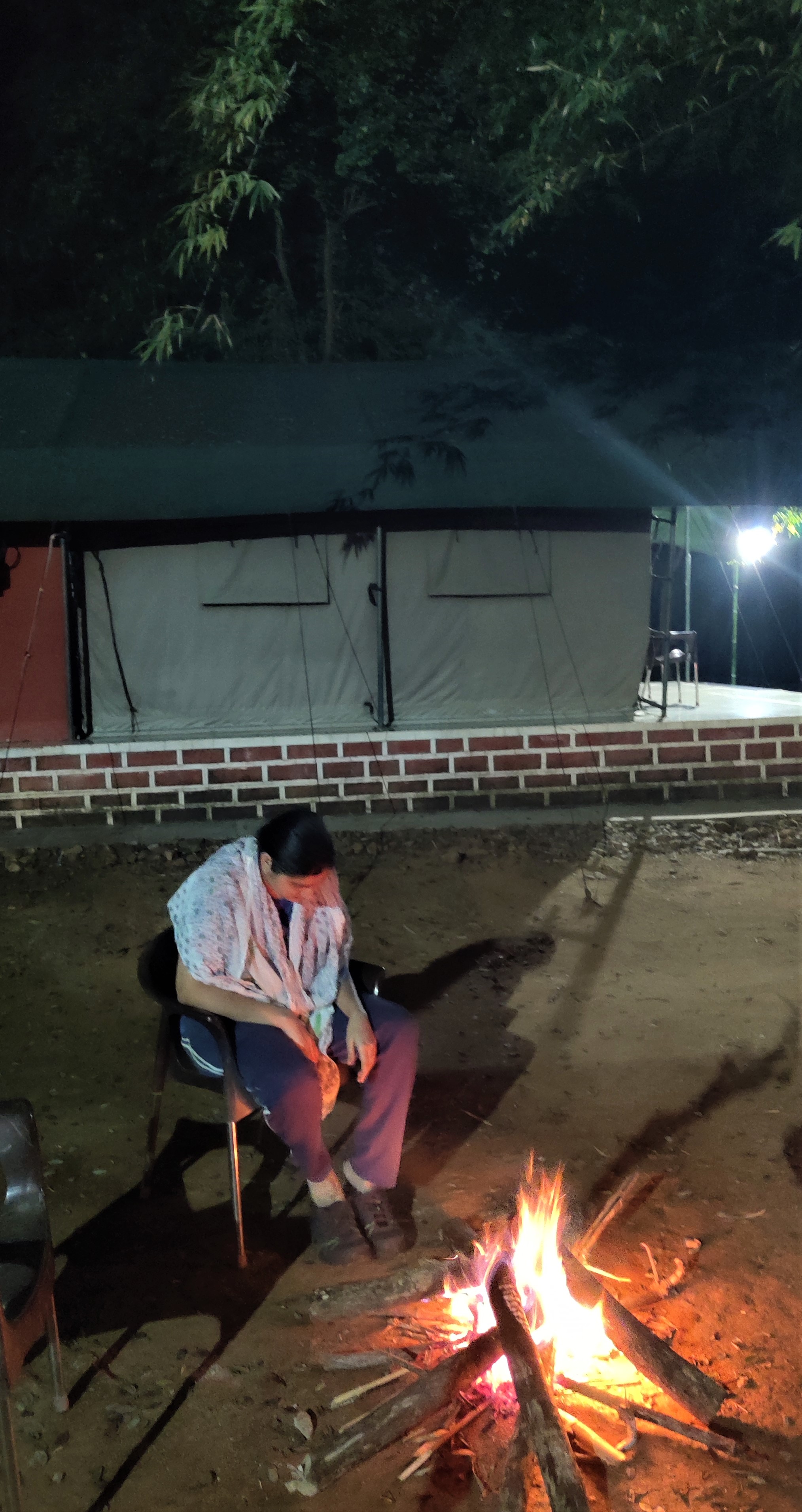
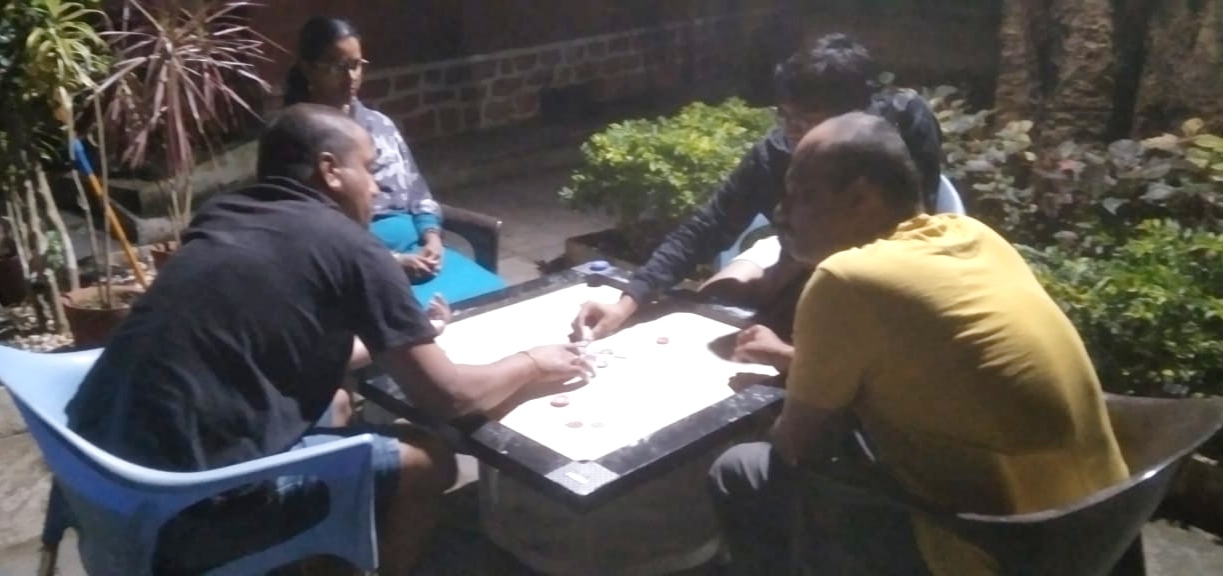
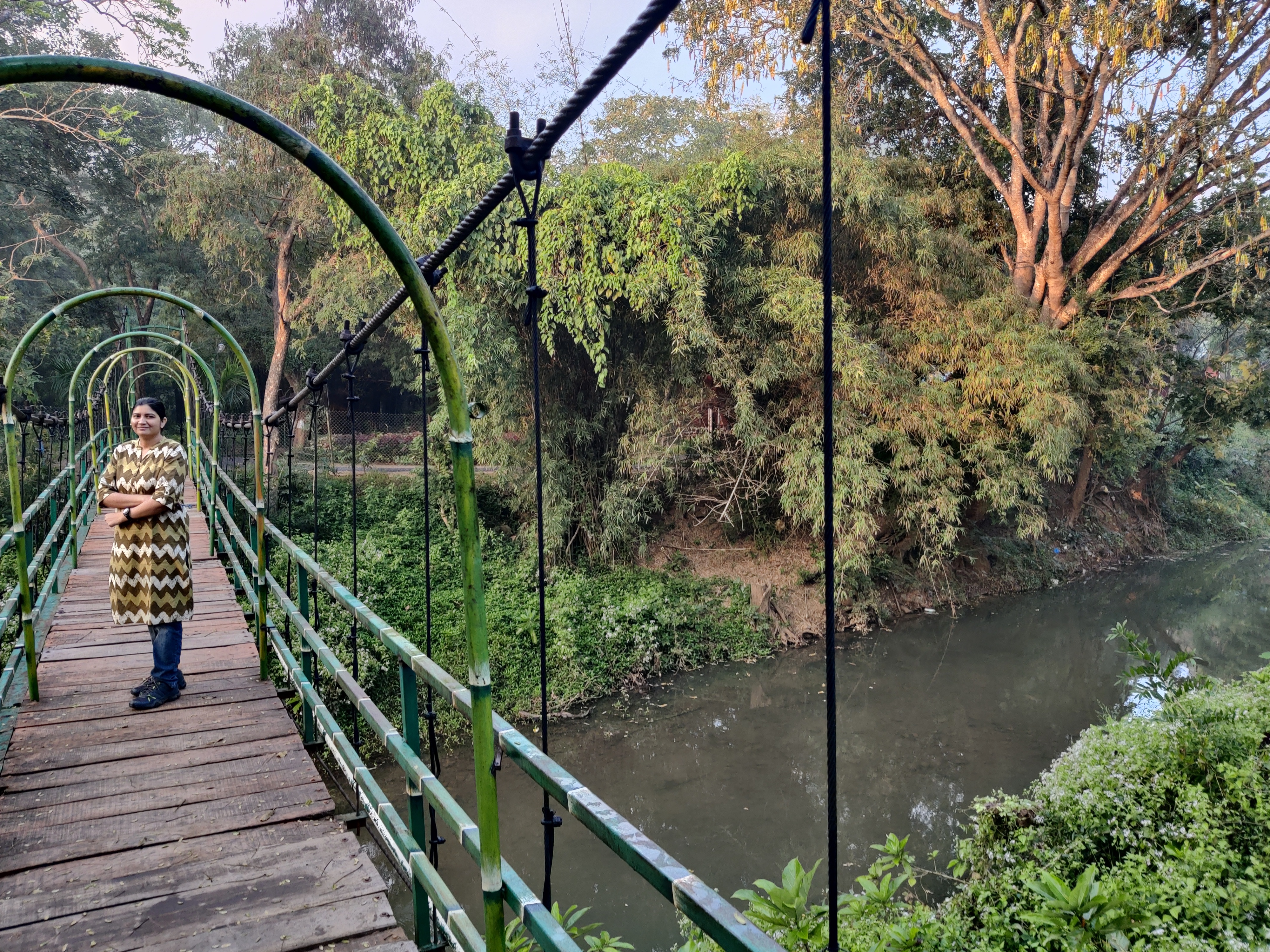
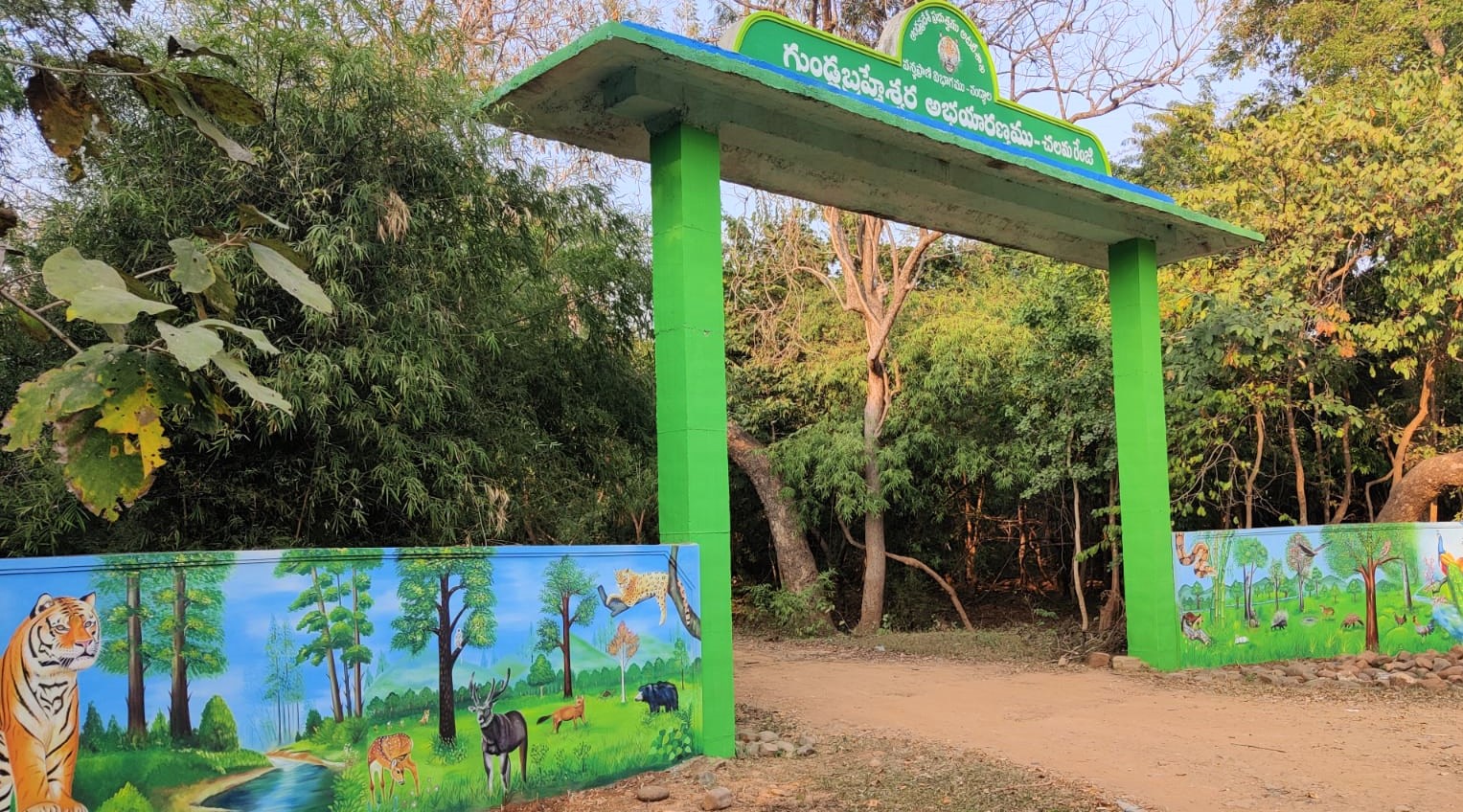


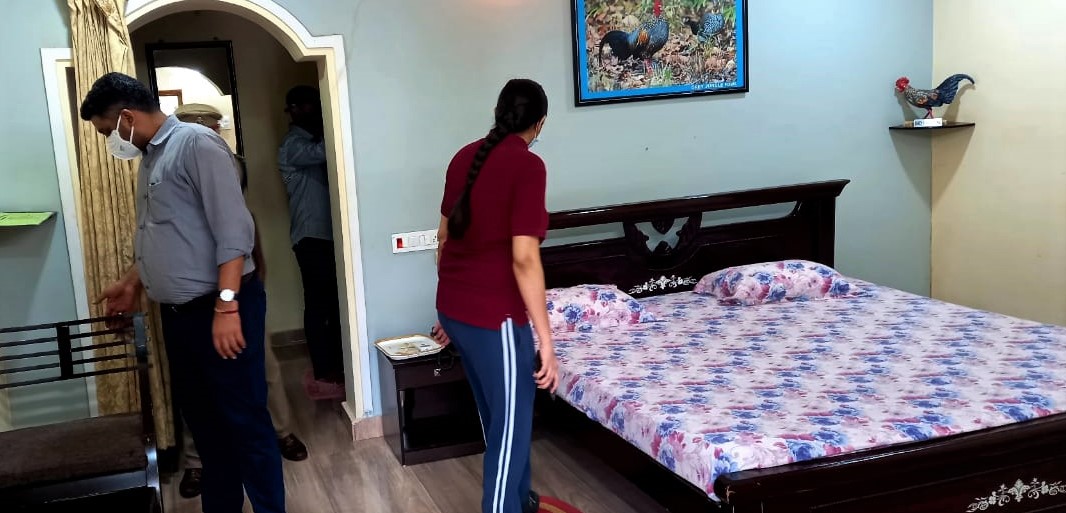
Due to the involvement of Chenchus, the tiger conservation story has been very silent, successful and sustainable in the largest tiger reserve of the country. Incidents of hunting, poaching, destruction of habitat have been very limited. Main advantage has been that outsiders have not been given any space to carry out such illegal activities.
While the frontline staff of the forest department is relentlessly committed to the well-being of wildlife and tiger reserve, the it would be appropriate to accredit another driving force with the tiger’s rising numbers – empowering the local community of Chenchus for tiger protection. More than 70 base camps employing 100s of watchers, more than 30 members ‘Swachh Sewaks’, 10s of families at CBET and many check post helpers apart from seasonal works all support thousands of Chenchus. This upliftment has been useful in maintaining the wilderness of the area and the community participation model of base camp and protection has been an initiative to replicate.
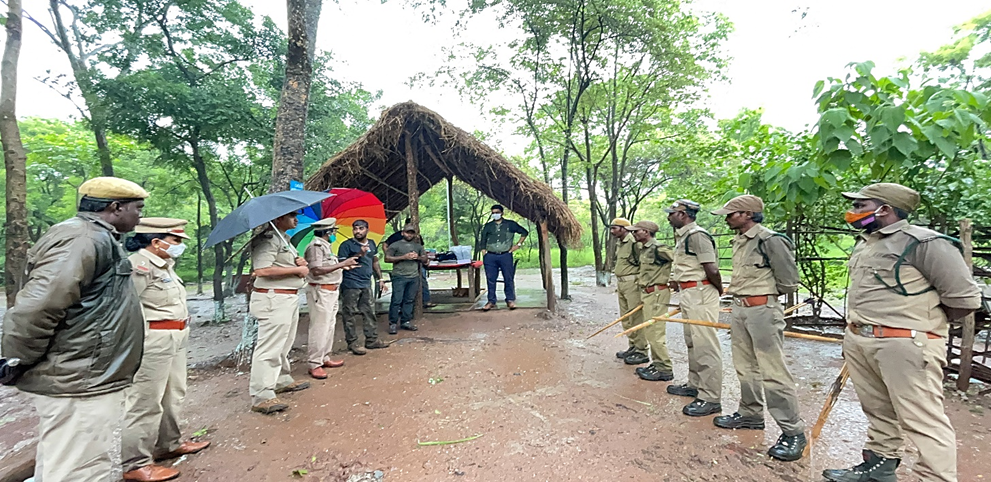
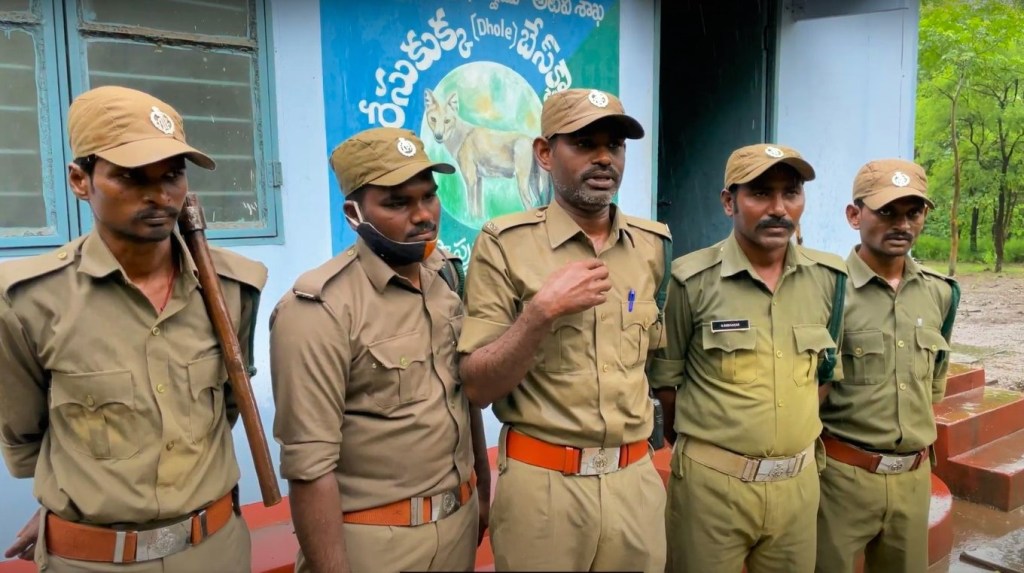
This collaboration has proved to be fruitful for both conservation and the Chenchu. The patrolling team emphasizes on the fact that they all have jobs because of the tiger. And they acknowledge how the forest department takes care of them well. “Saving the tiger is our responsibility,” they profess their love for the apex predator. The forest department has been providing the Chenchu protection watchers who are living in the basecamps with basic amenities. It is done primarily to enable them to perform their daily duties efficiently.
“Saving the tiger is our responsibility”
Future prospects & Conclusion
For the longest time, the Chenchu have coexisted with wildlife in what can be called a symbiotic relationship. The landscape of NSTR – the Nallamala Hills – is their home. When we consider this, any conservation effort can only be successful if the local community of the Chenchu is involved.
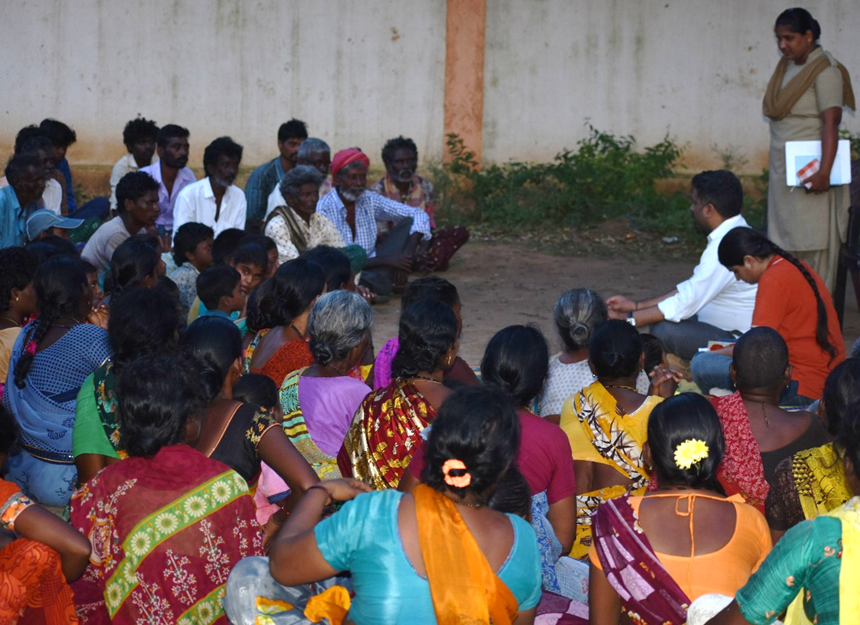
Unlike other parts of the country where many tribes have mainstreamed and the change has been detrimental to forest in many places, Chenchus even though now better connected to the outside world, have still kept their forest and wildlife ethos and continue to practice largely sustainable practices. However due to changing scenarios, new livelihood opportunities which are linked to the forestry sector have been the need of hour to preserve the Chenchu lifestyle and also uplift and empower them while mainstreaming.
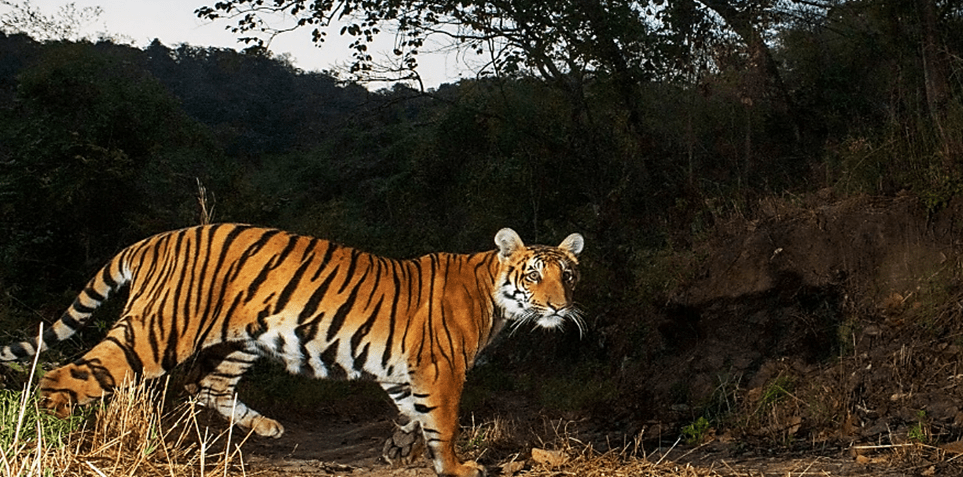
The main objective of highlighting this initiative of AP Forest department is to showcase how a primitive tribal group which are residents of hills of Nallamalai have participated in conservation and monitoring of wildlife and led to successful revival of tiger population to 75 in the largest tiger reserve of country where the challenges were immense including the period when left extremist movement was on peak.
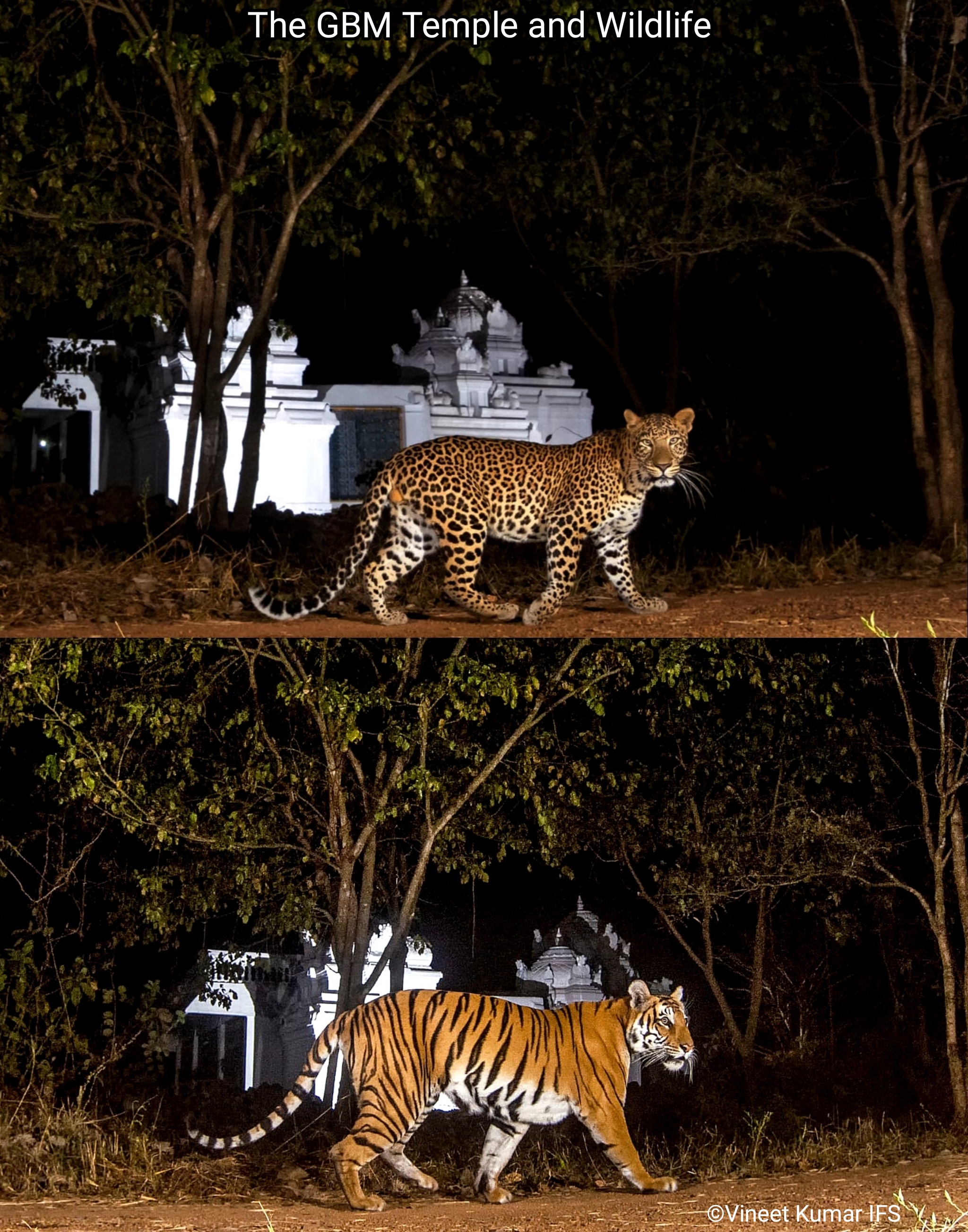
Apart from the rising numbers in the tiger population of the NSTR, there is now a separate breeding population in the corridor area connecting NSTR with Seshachalam hills in Tirupathi. The other significant outcome of empowering the Chenchu for tiger protection is the bolstered peaceful coexistence of forest-dwellers and wildlife.
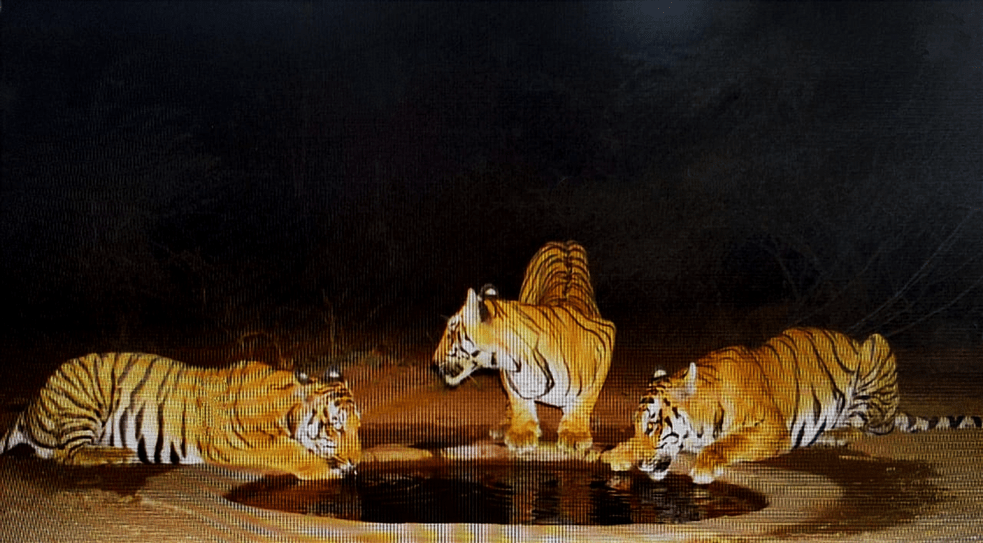
There are a few areas only in the country which have been able to secure such a successful conservation story and revive its tigers after decades of extremist control. Chenchus of Nallamala have been a blessing in disguise and the department has left no stone unturned in participatory conservation. We hope this will be a good model to adopt in other conservation goals in the country.
We cannot imagine Nallamala forests without Chenchus, they are the habitat people and perhaps the oldest aboriginal people in South India. Without their knowledge of forests and wildlife, the terrain of Nallamala and the vastness of the largest tiger reserve are not easy to manage and the hills are not a pleasure to traverse. For this simple reason, it would be appropriate to say, community participation and livelihood opportunities as adopted in NSTR is probably the best and the only recipe for a successful conservation story.
By: Rupak & Vineet Kumar IFS
Thanks for watching my video and liking my writings. Special thanks to the APFD for every kind of support.
Copyright 2022©Rupak.All rights reserved.


 Rupak🌱