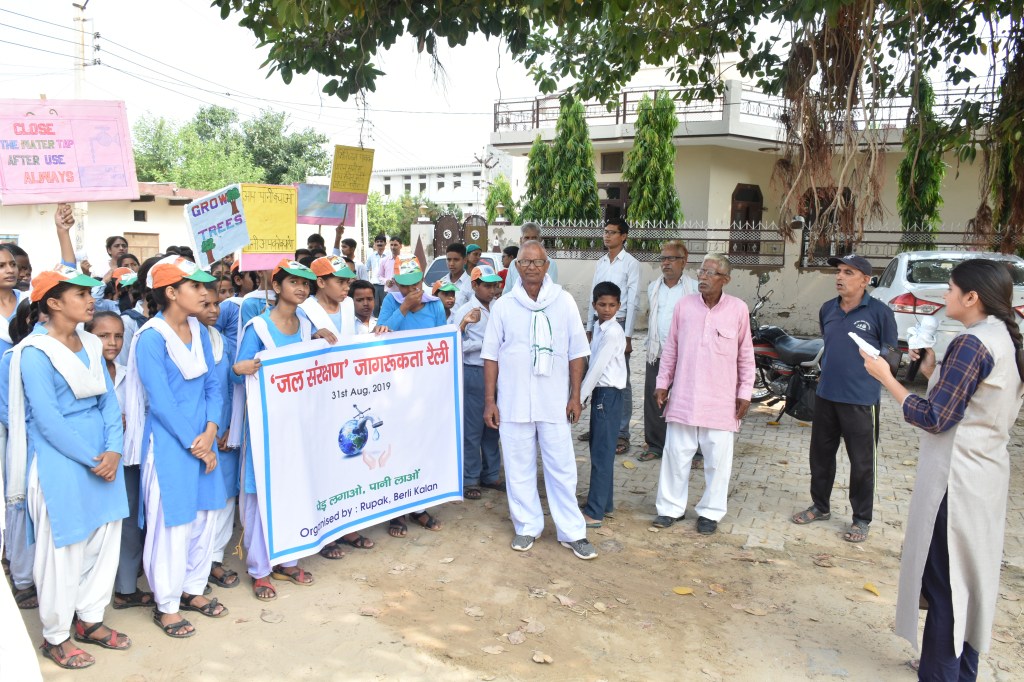
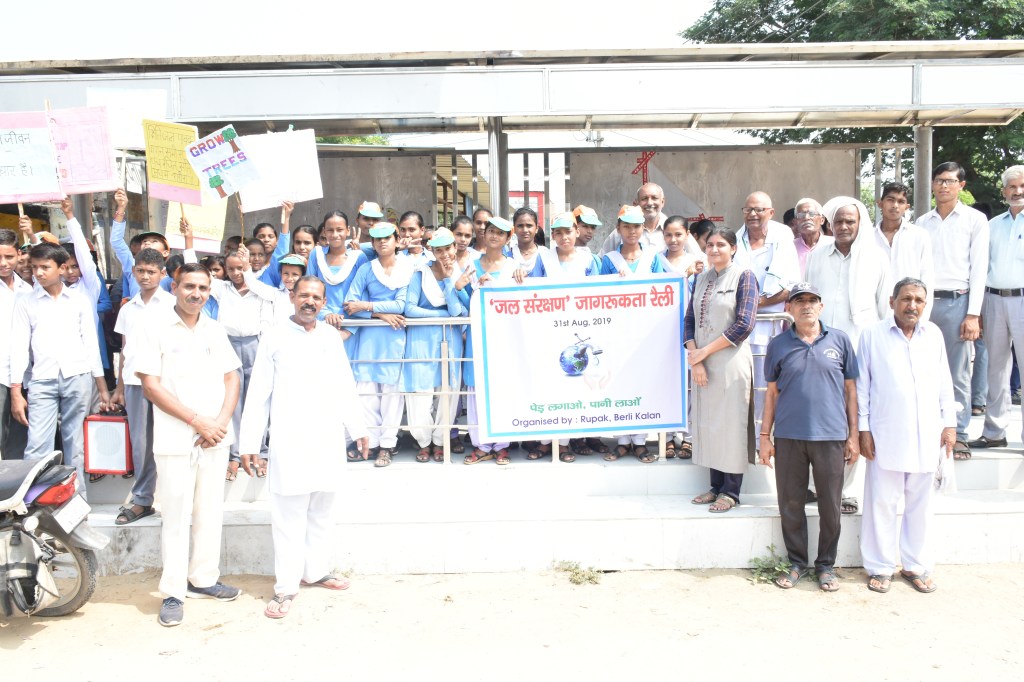
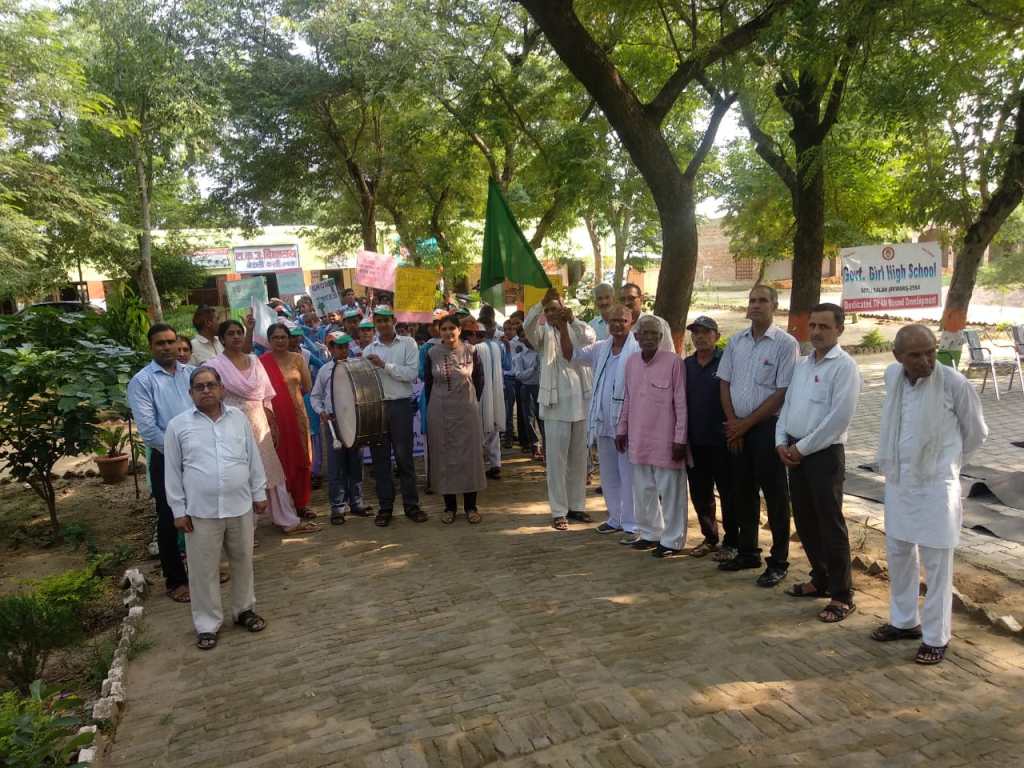
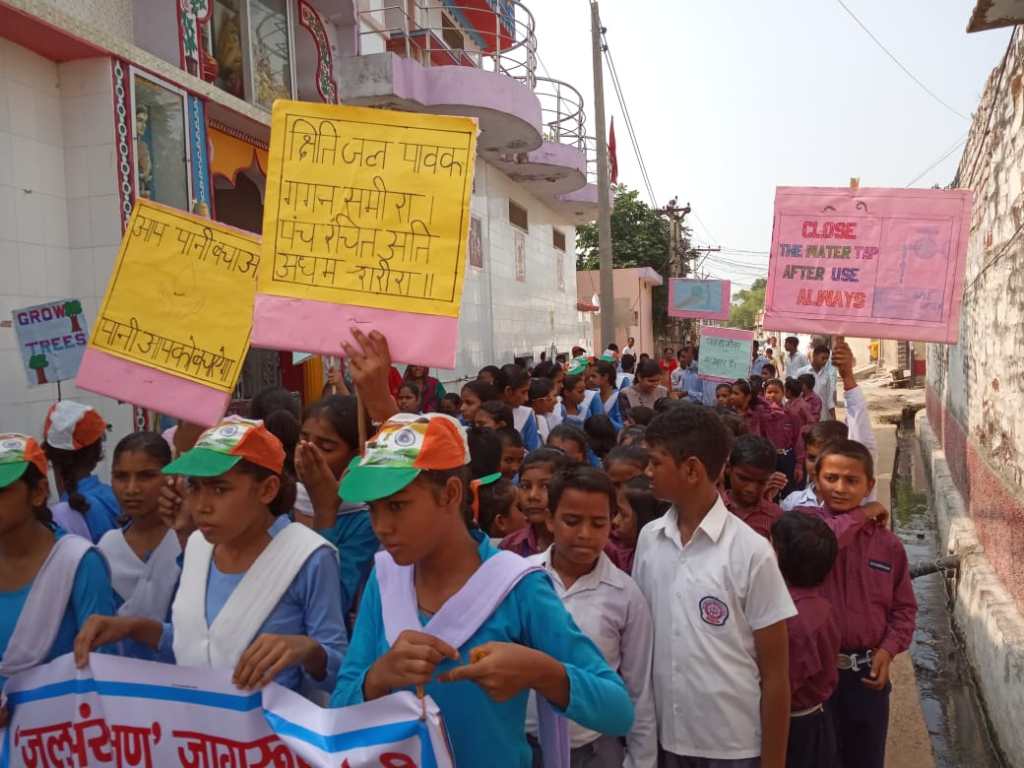
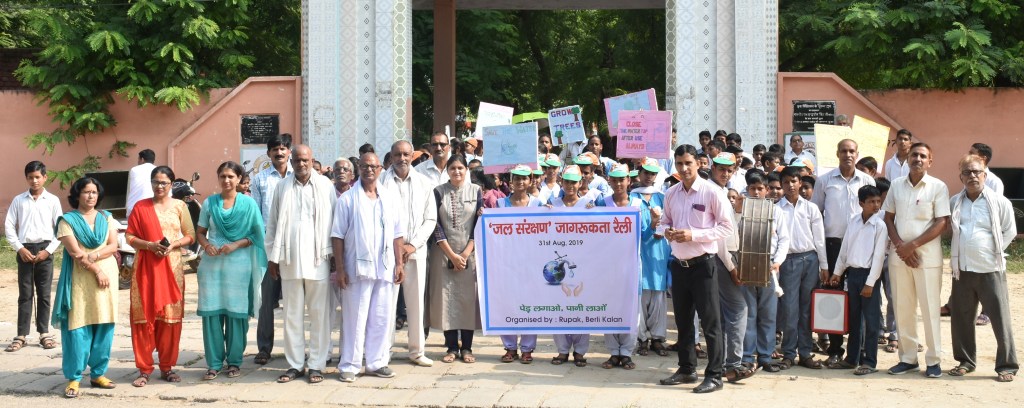
Water Conservation Program


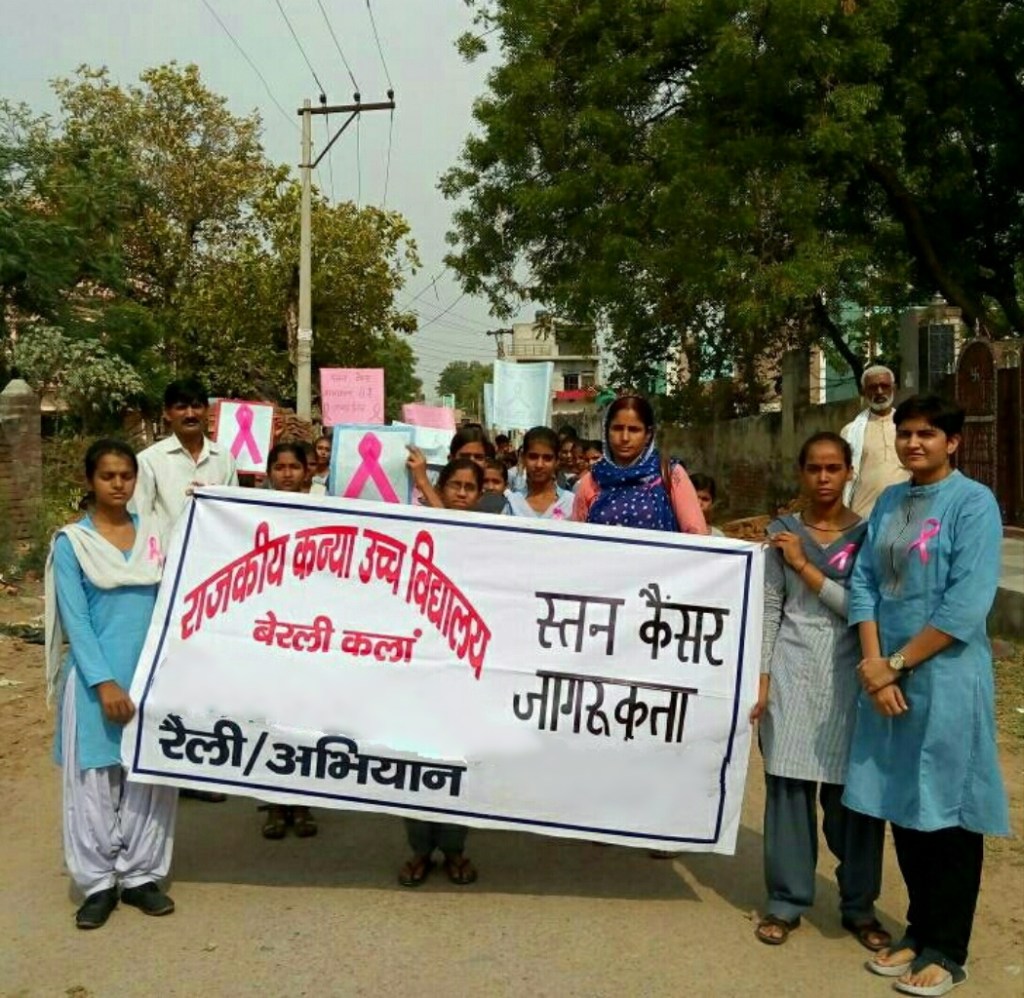
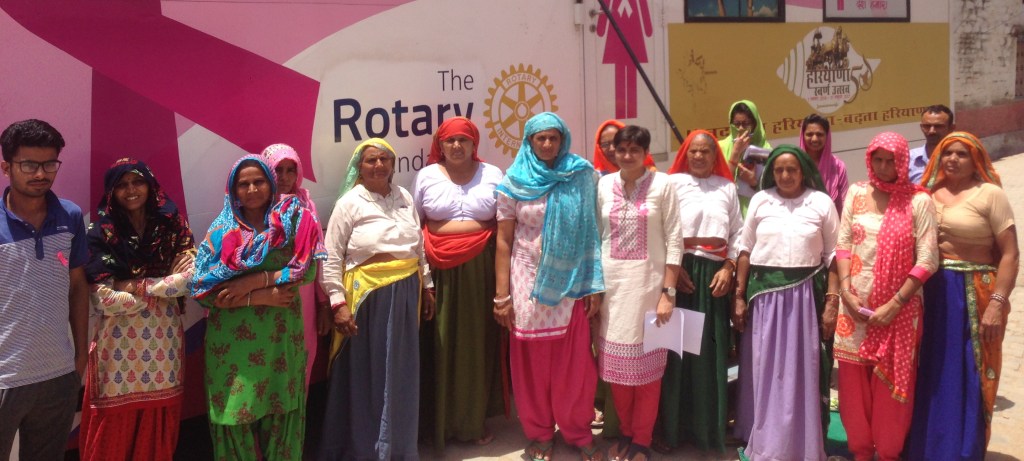
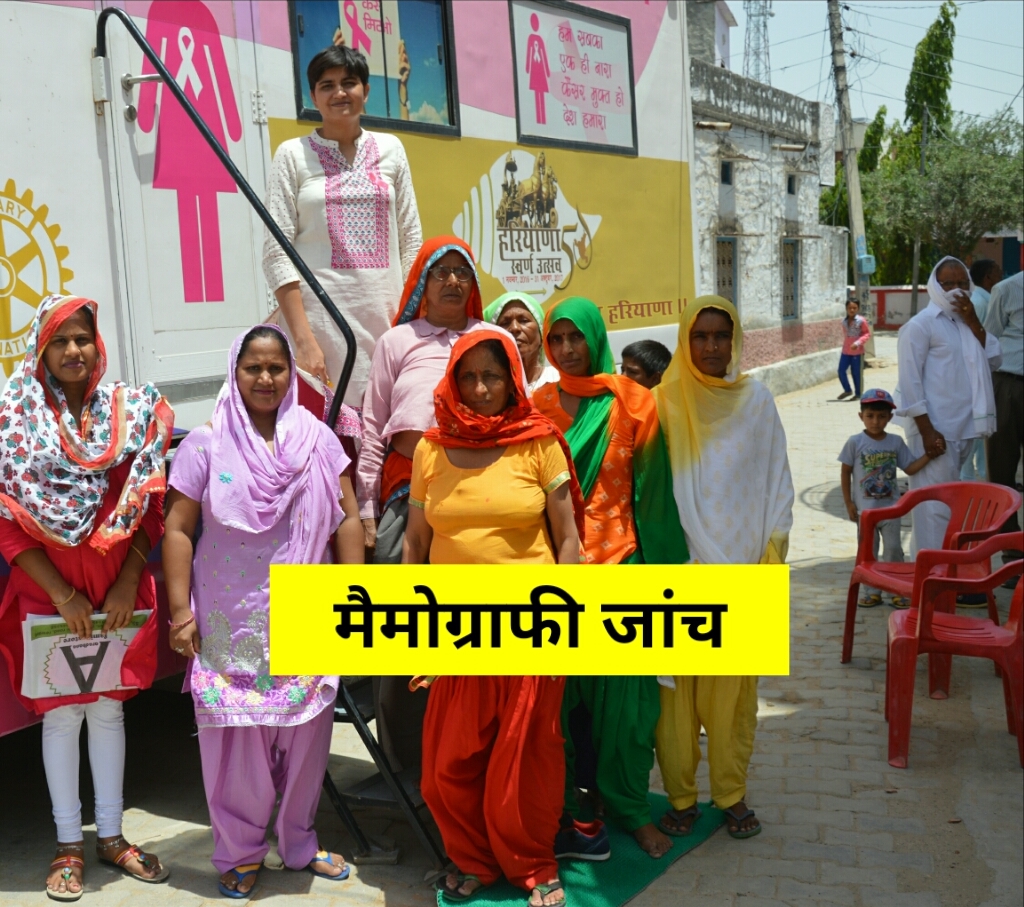
Breast Cancer Awareness Program

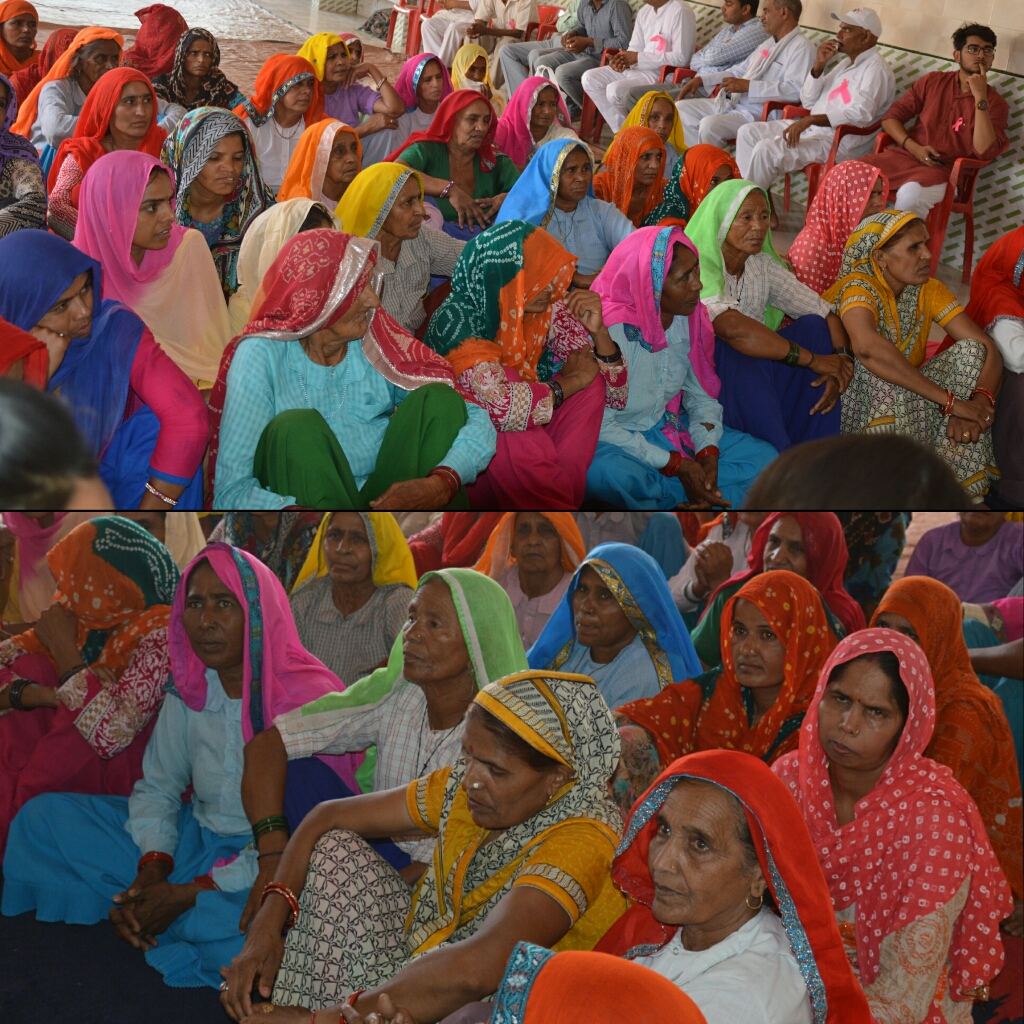
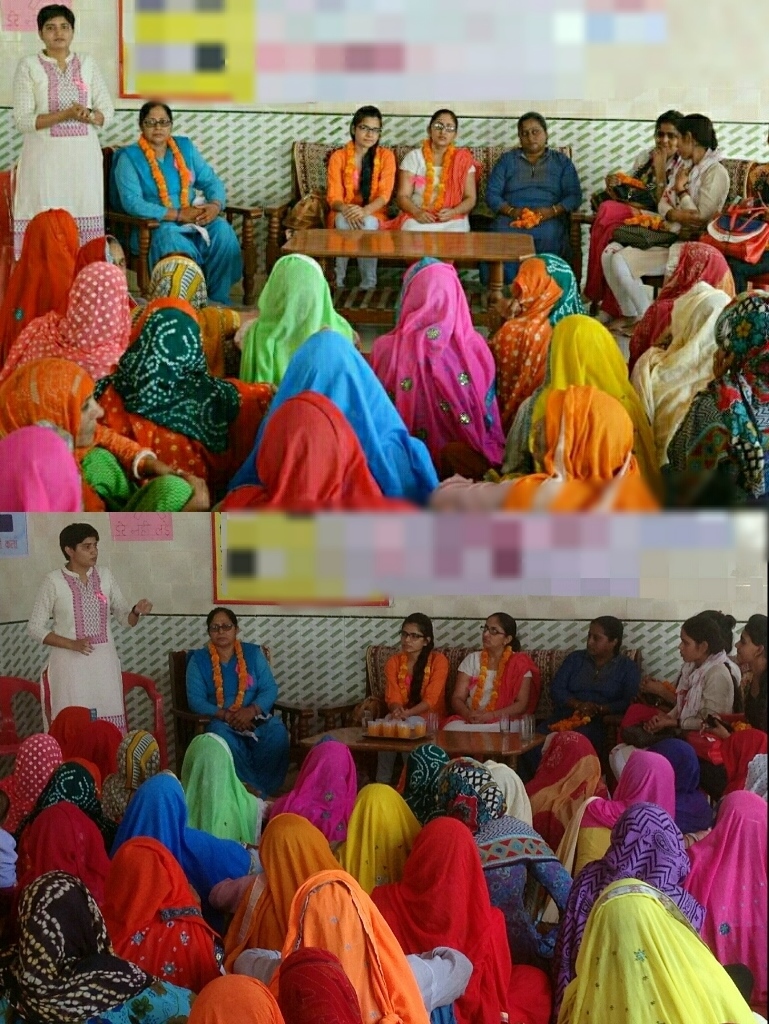
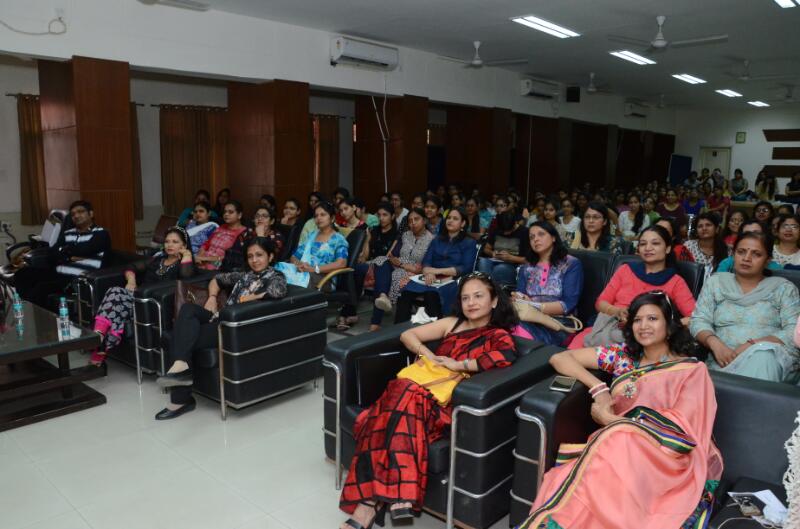
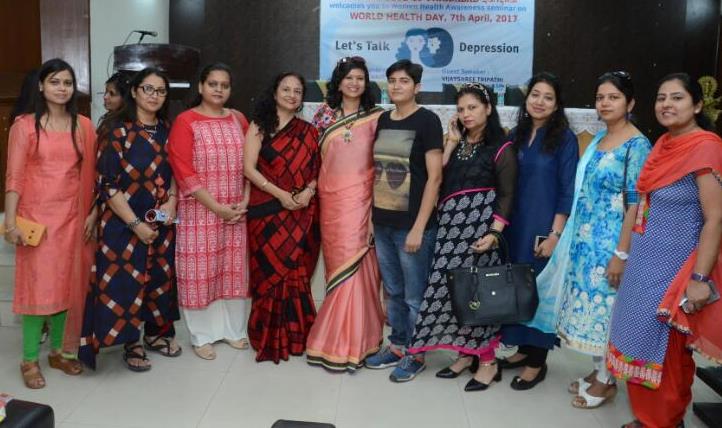
Mental Health
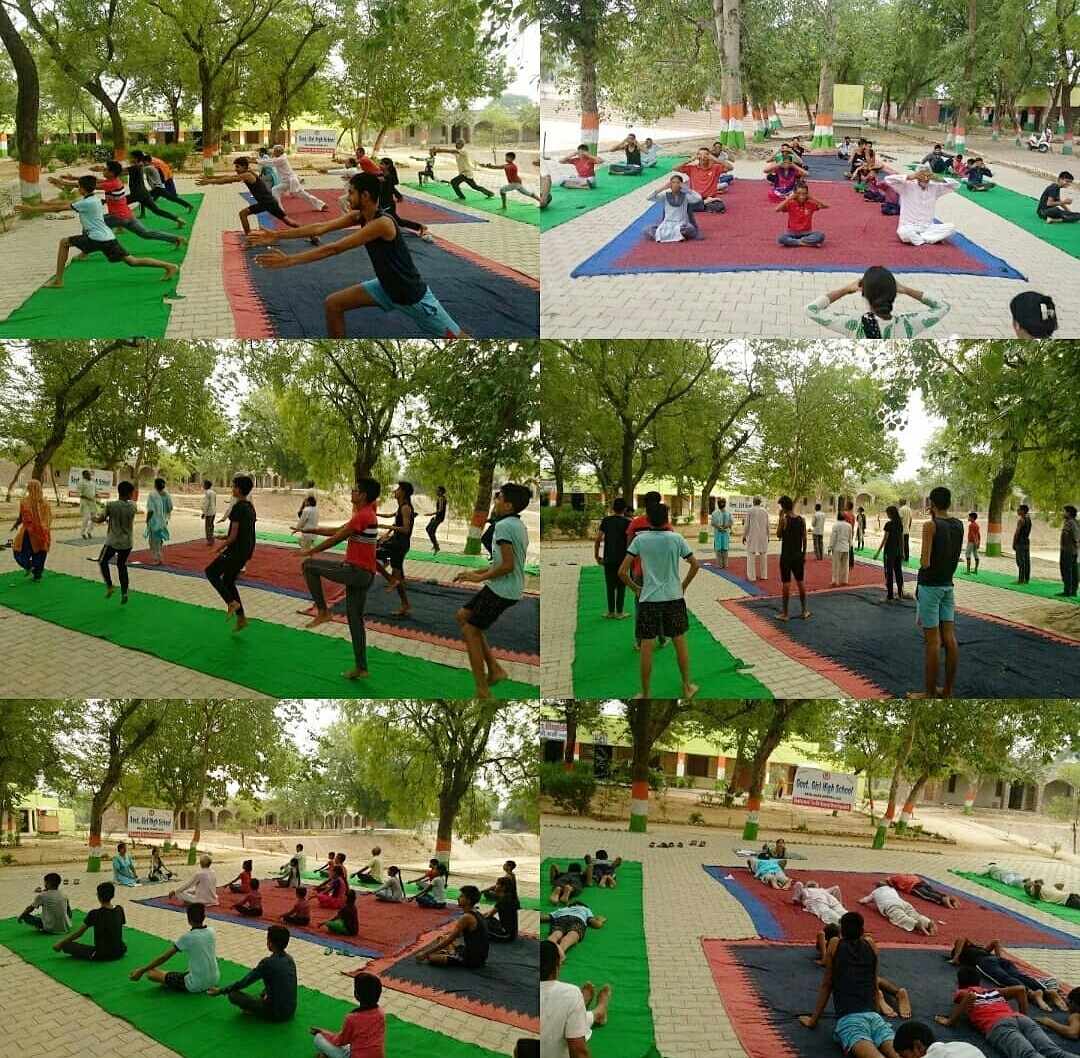
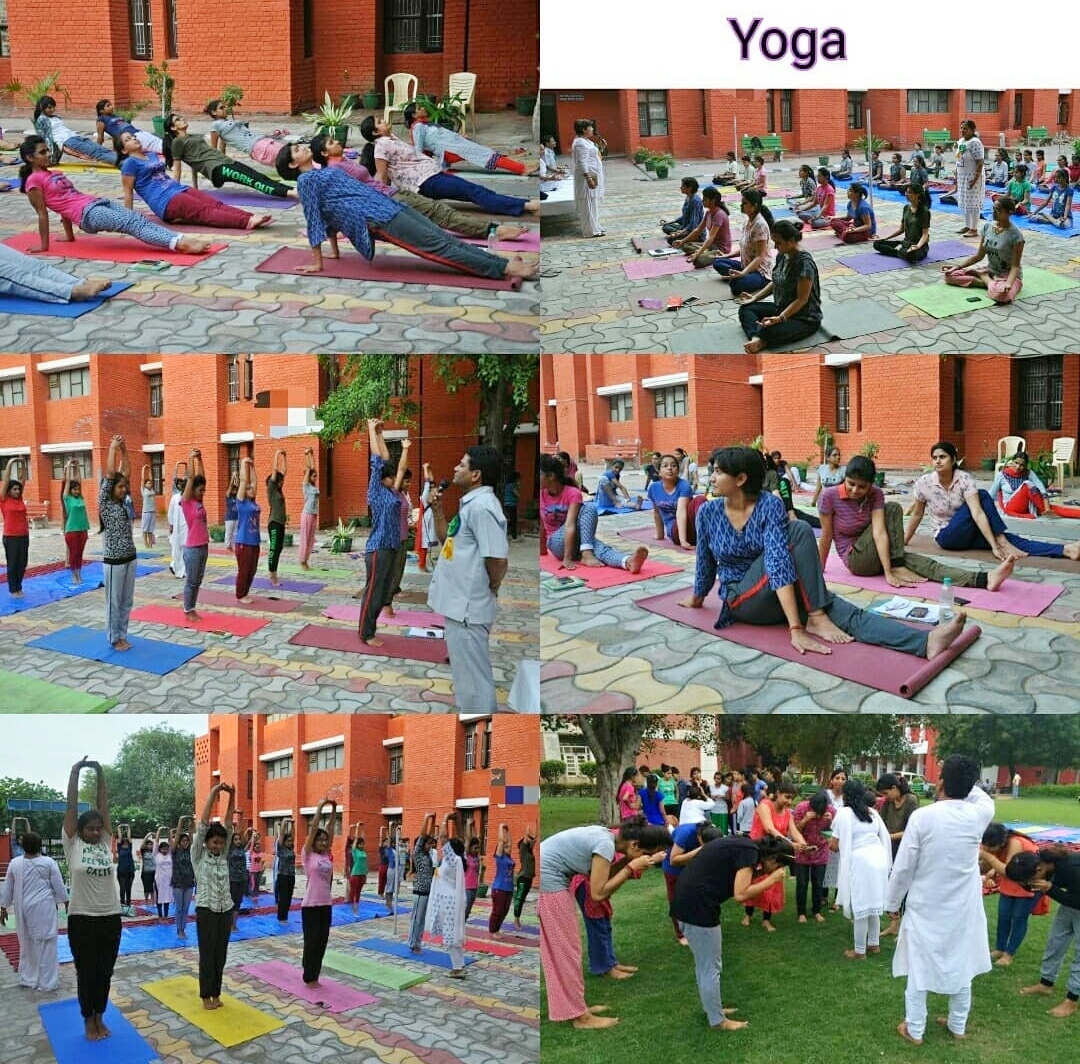
Yoga


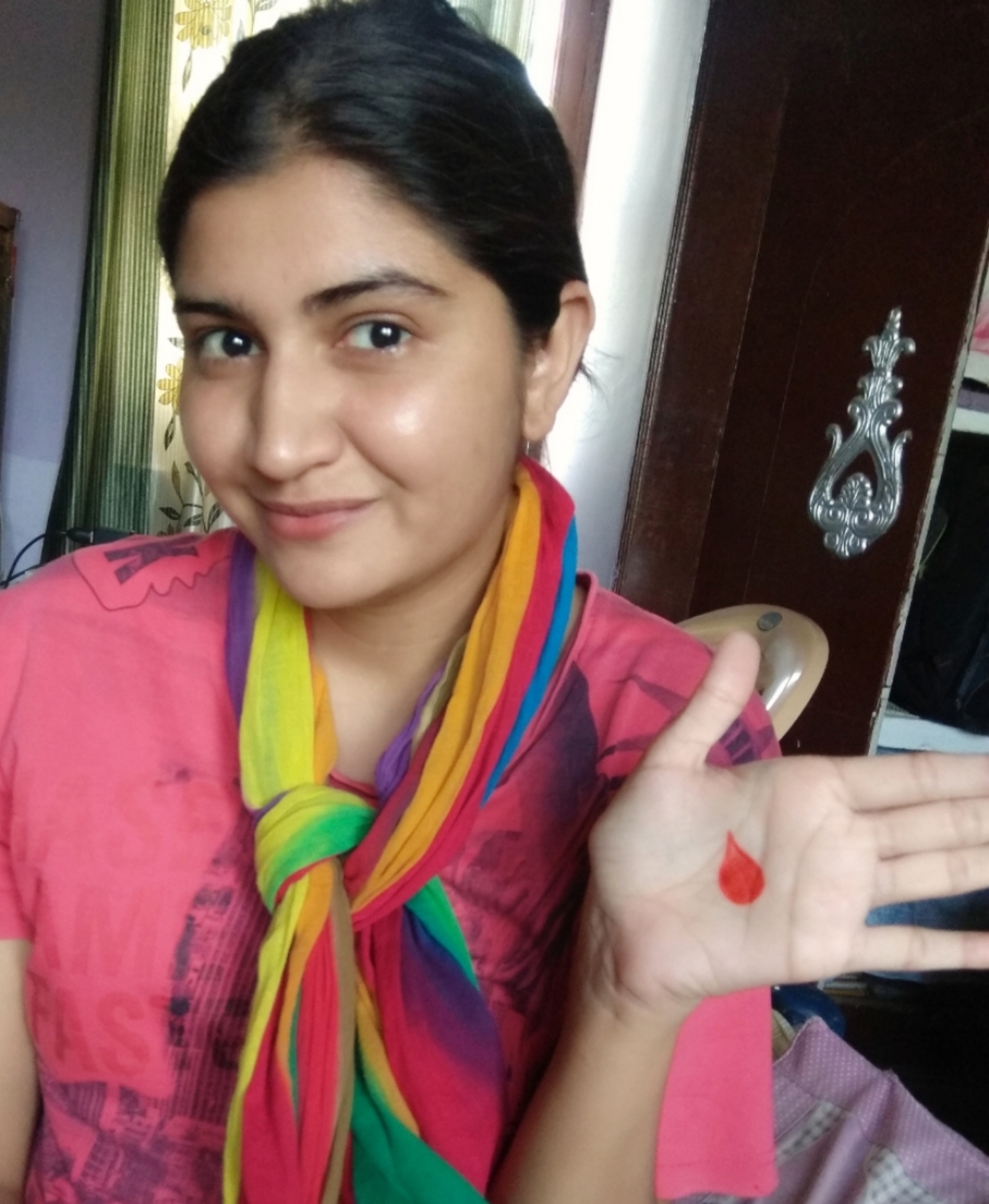
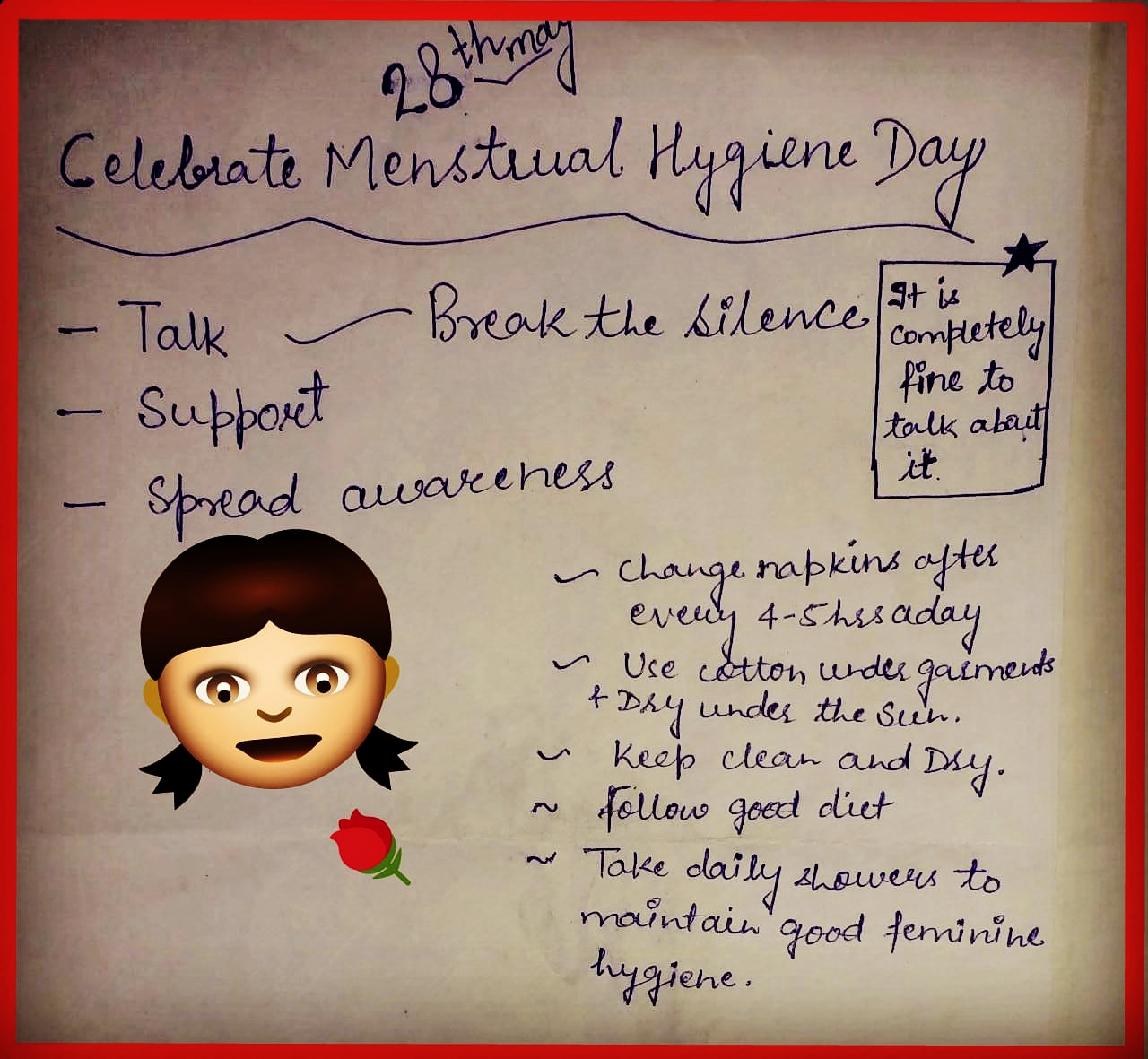
Menstruation Health & Hygiene
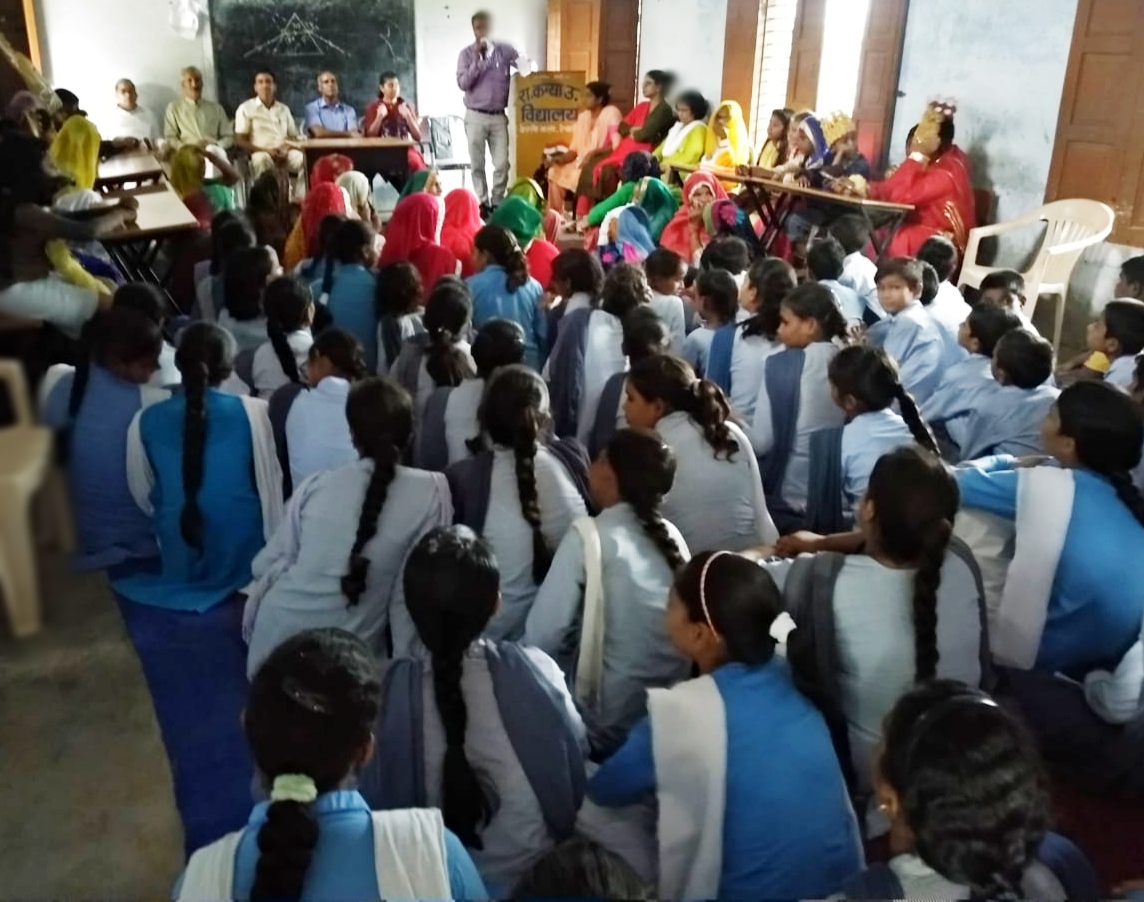
Public Health
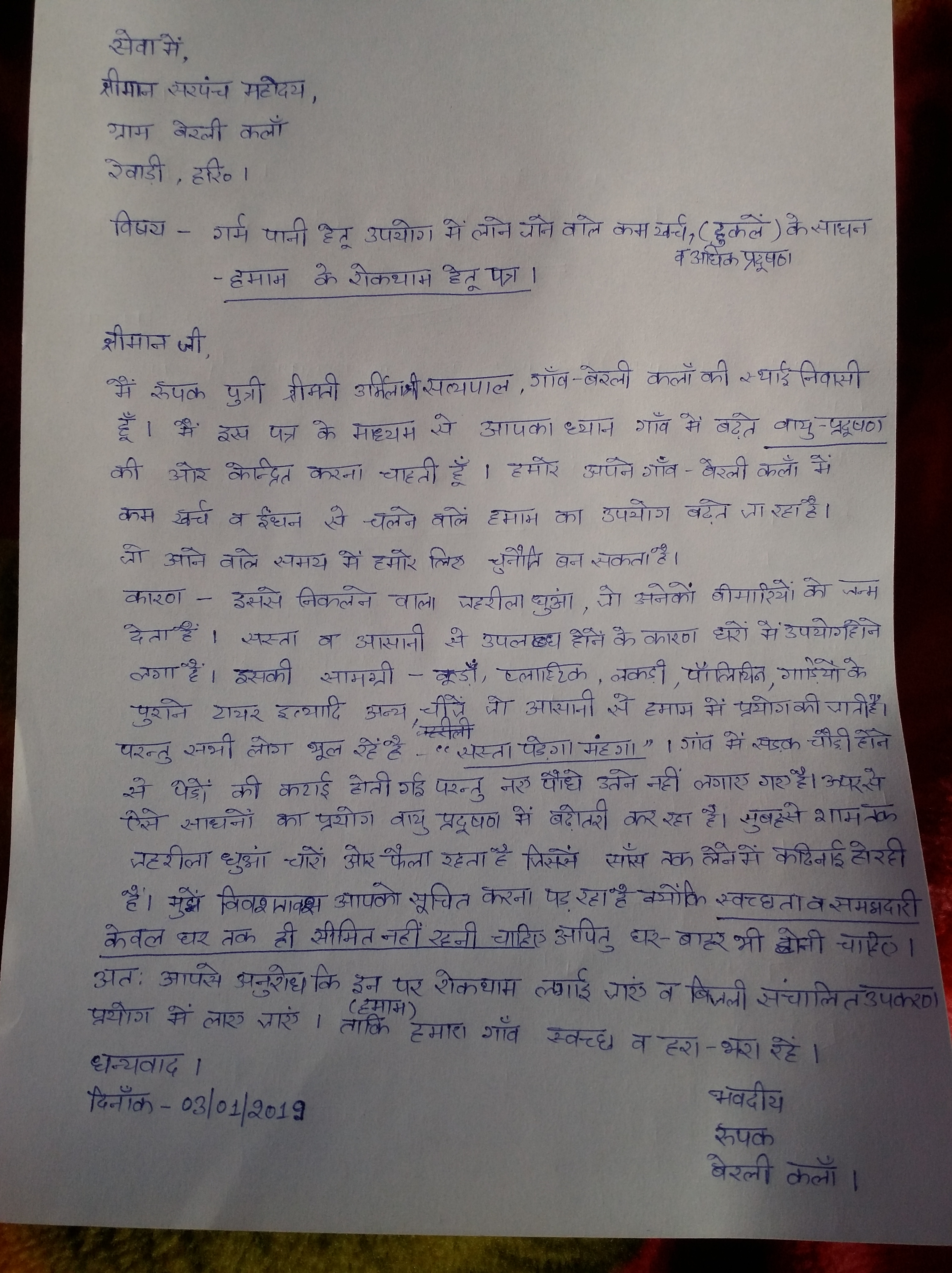

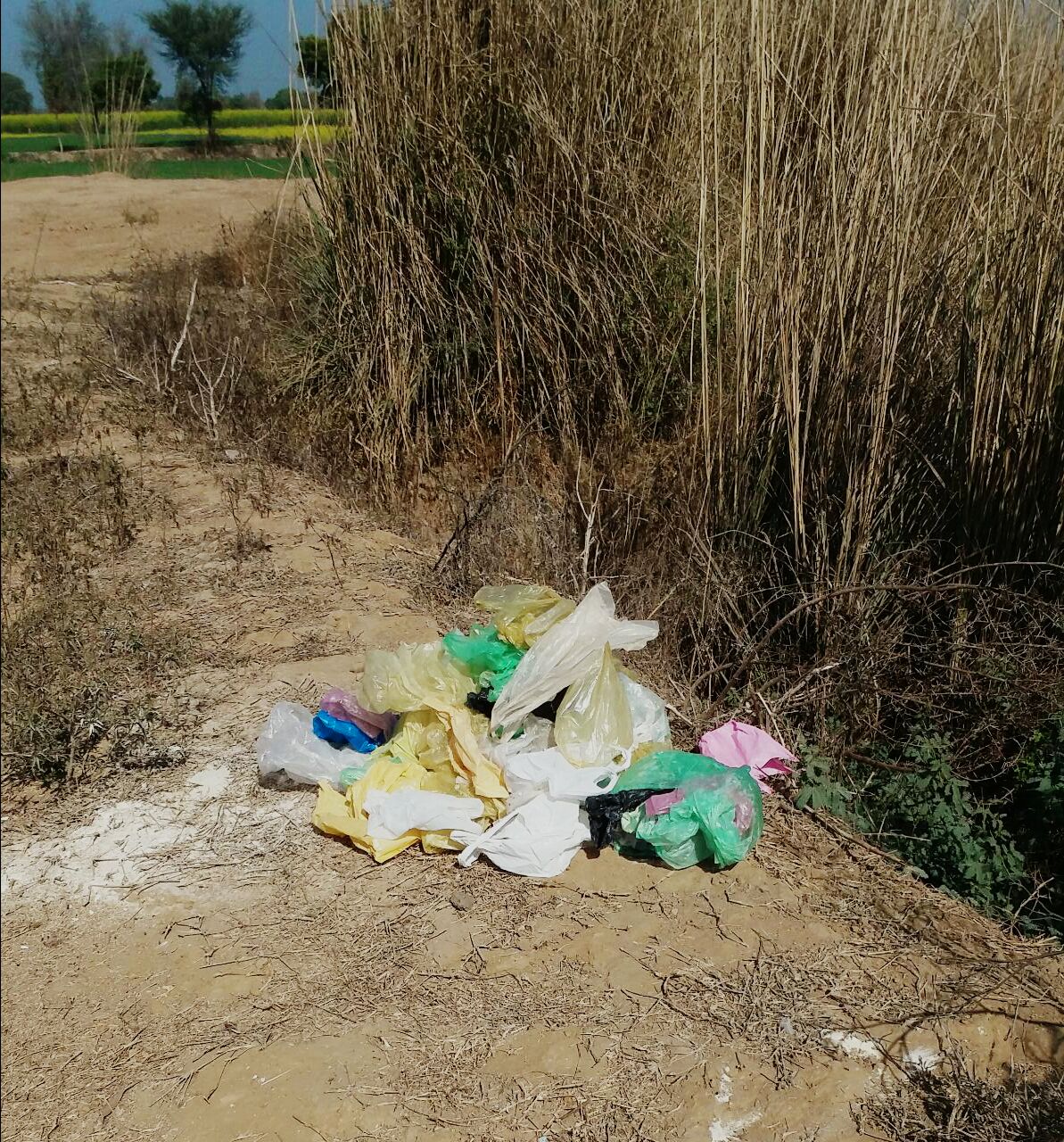
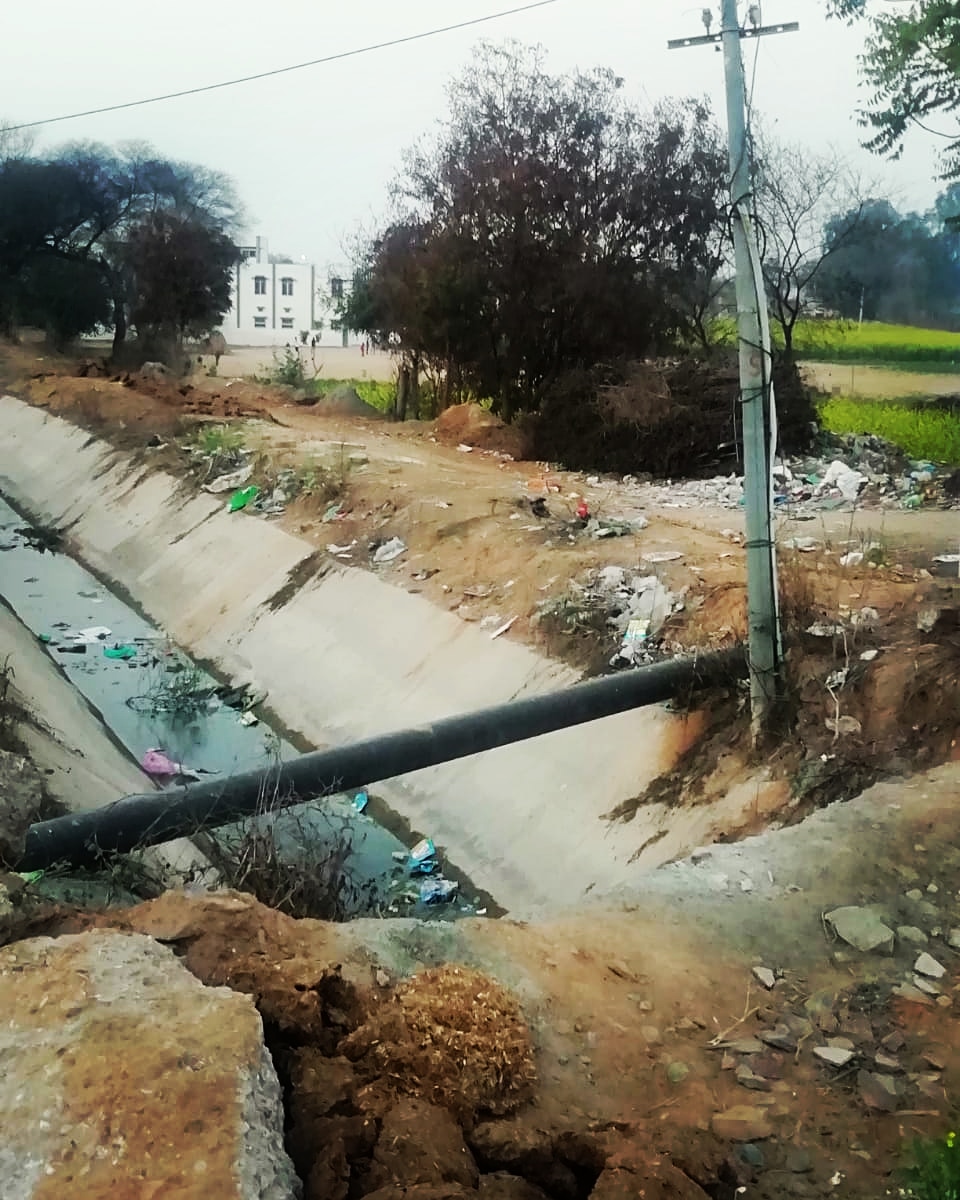
Education
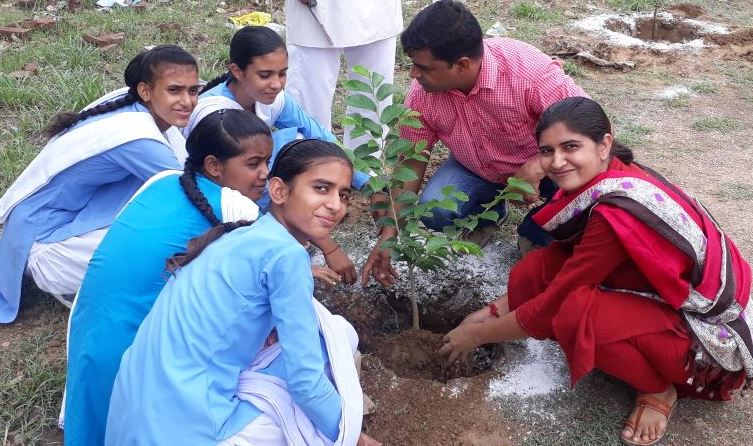
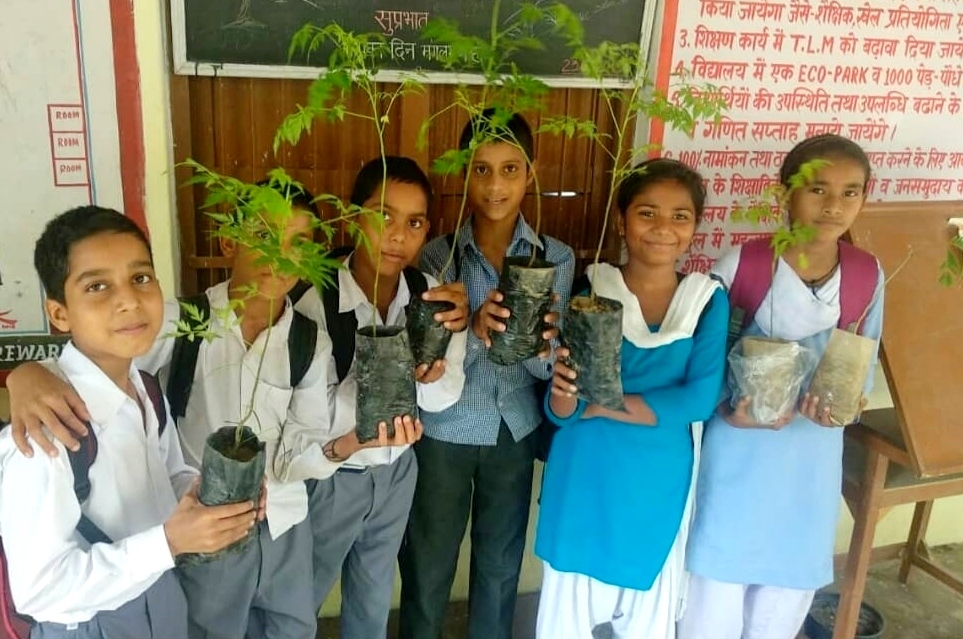
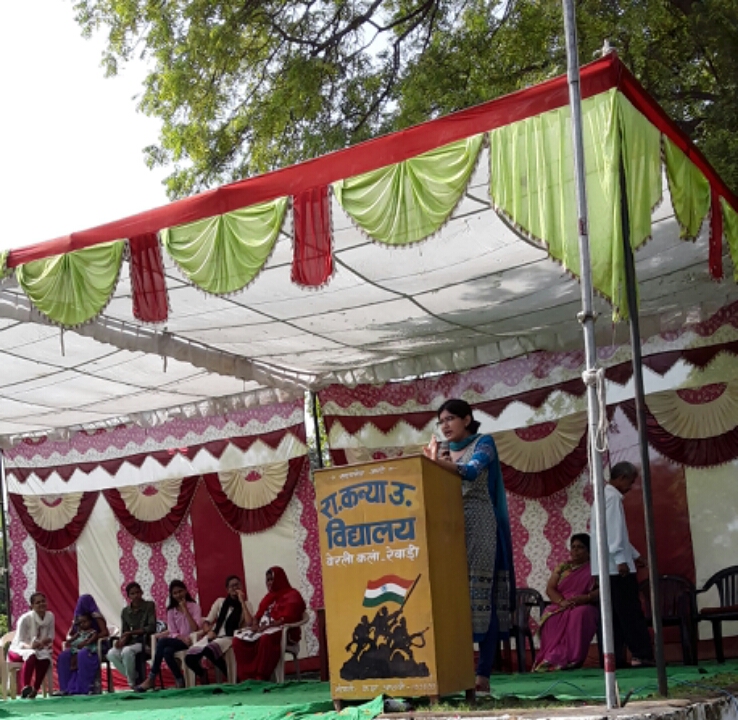
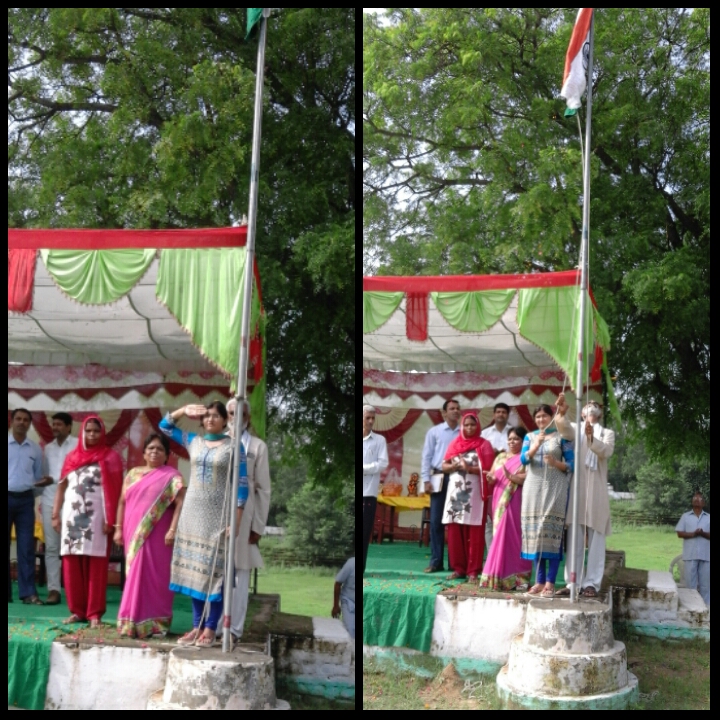

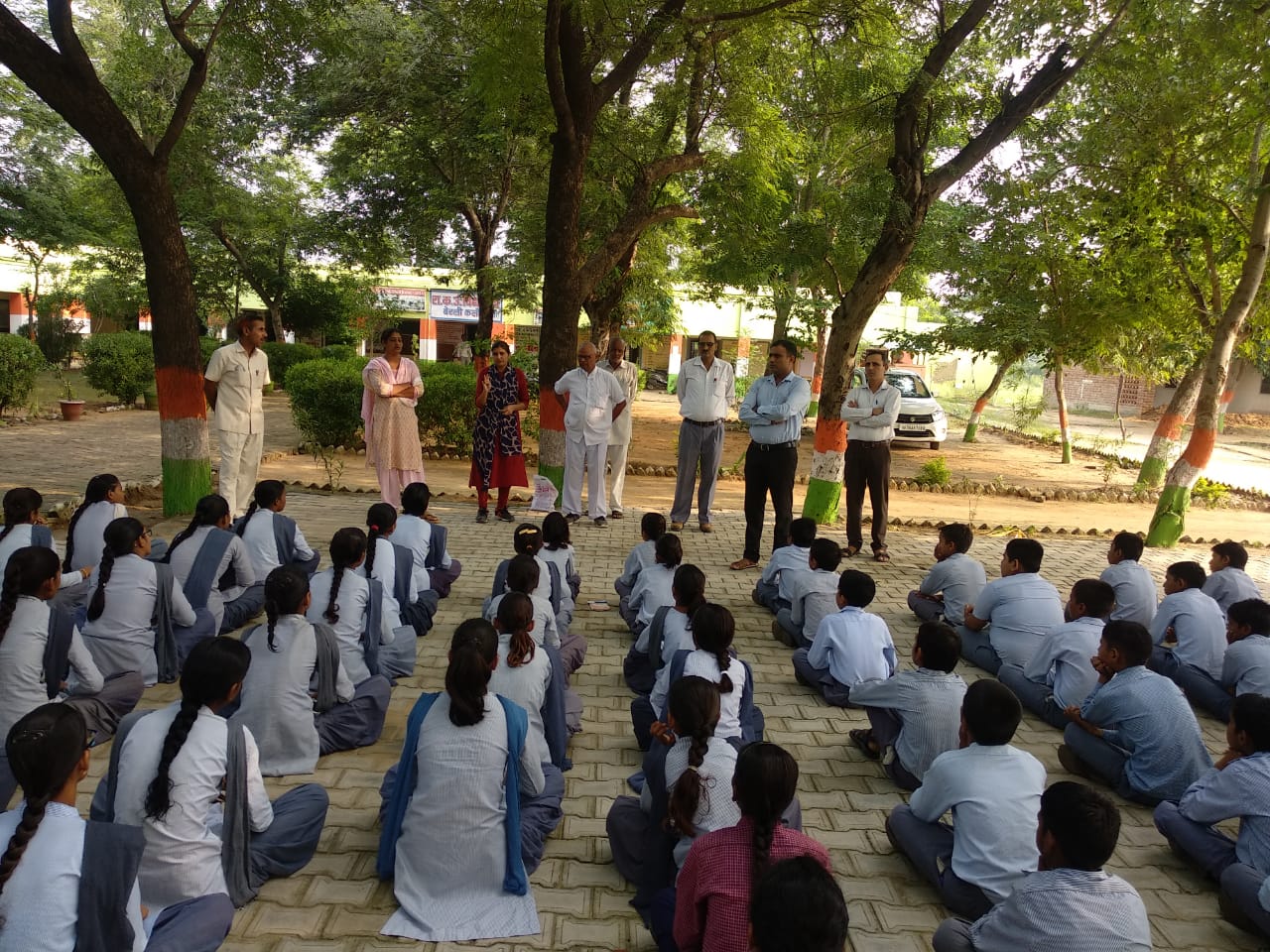

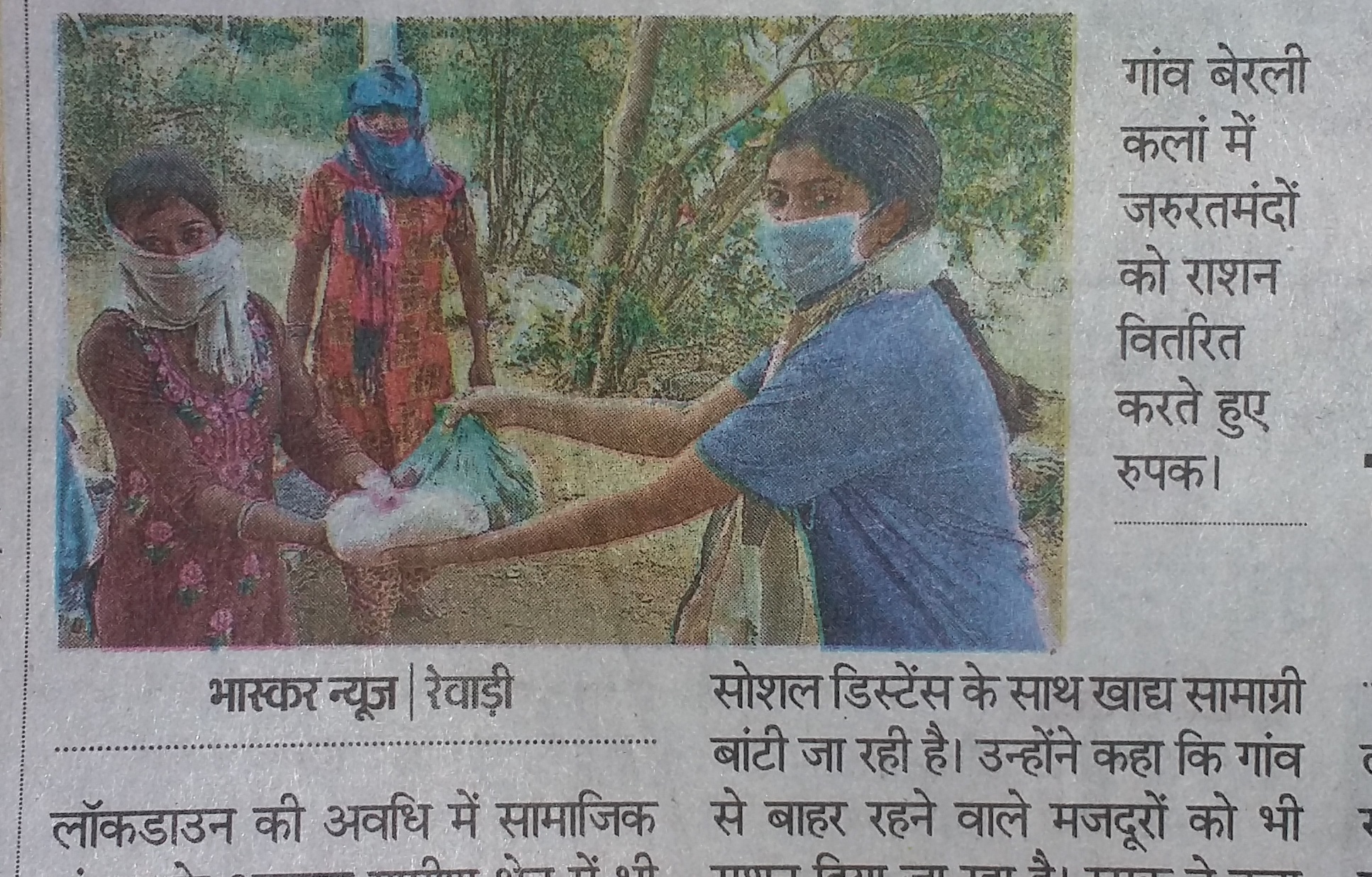
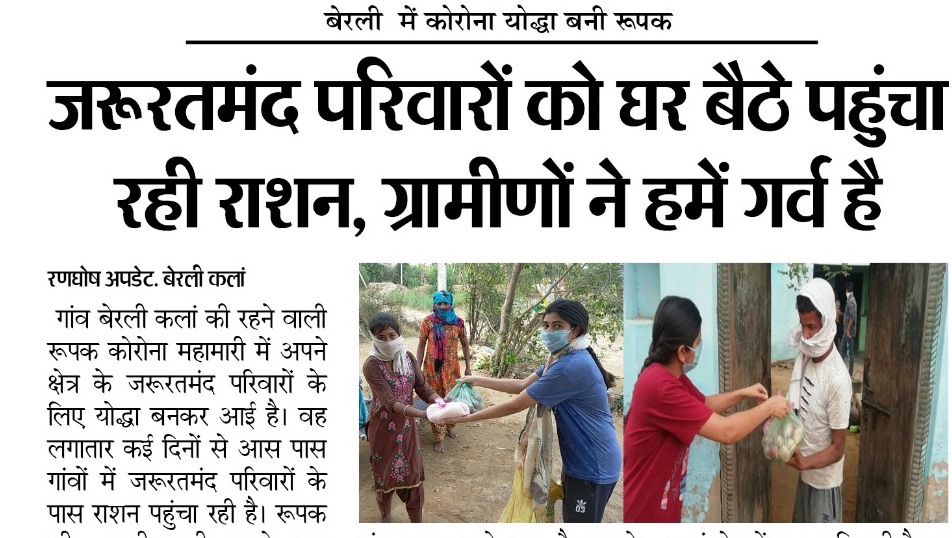
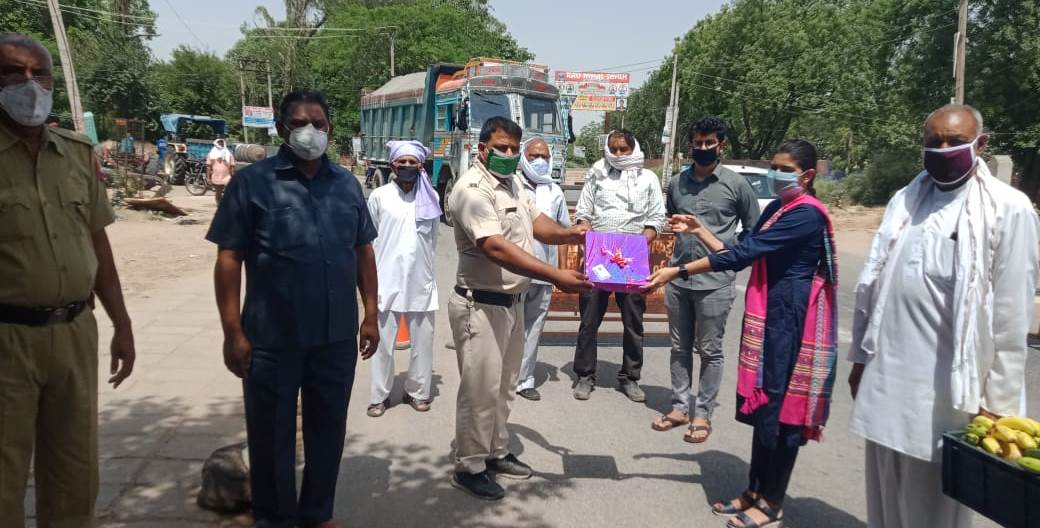
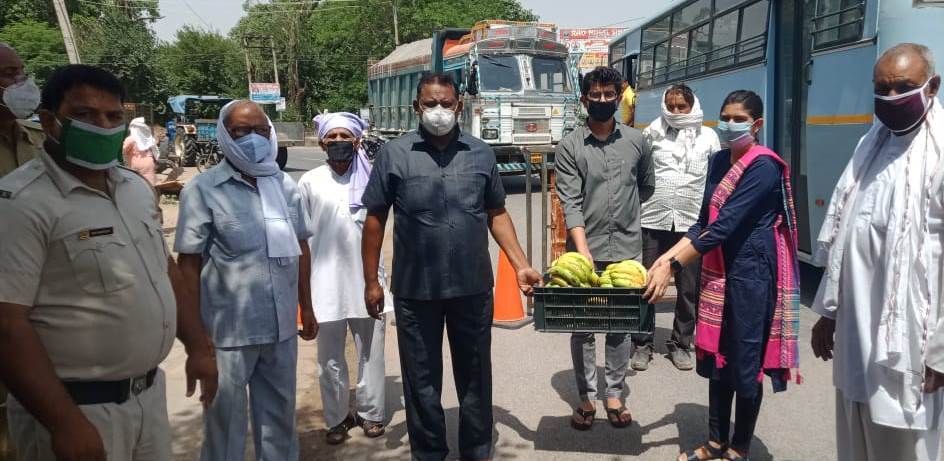
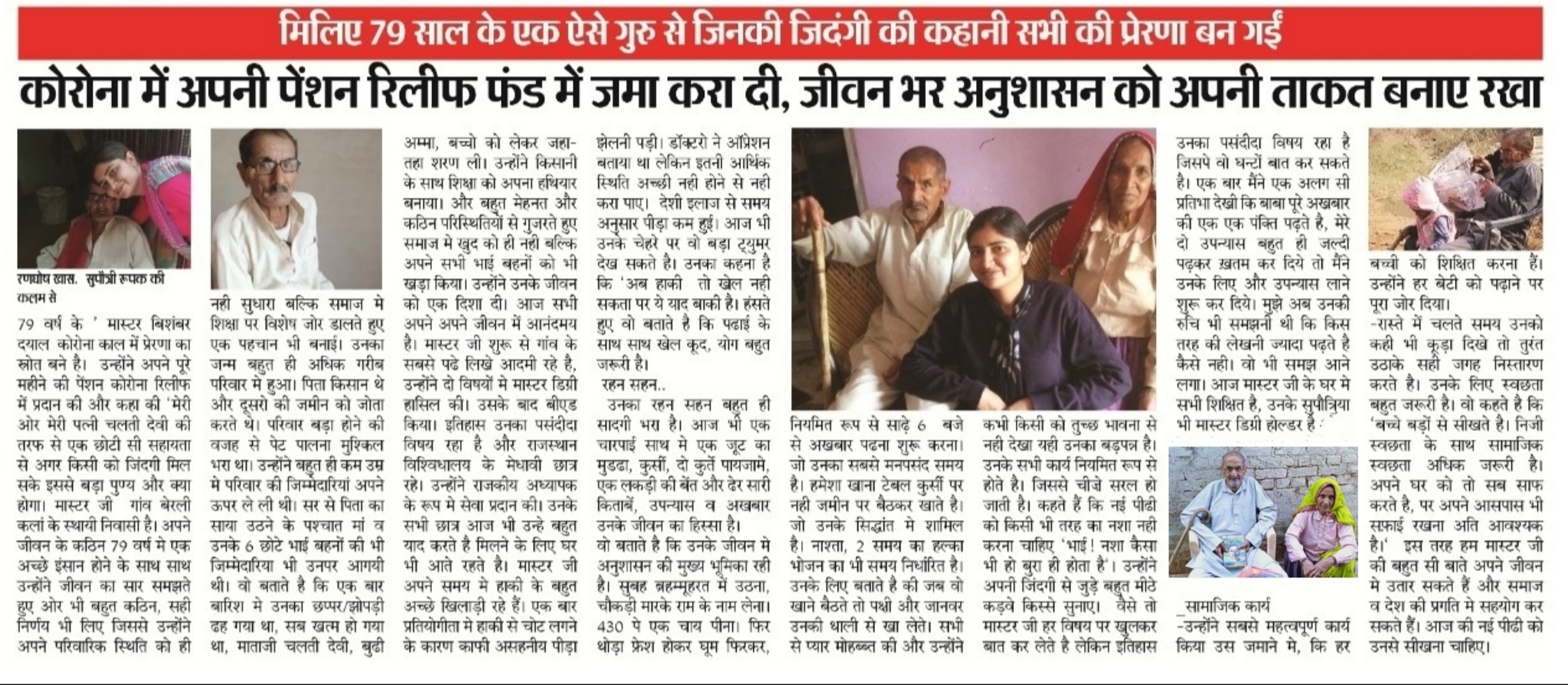
Corona Warrior Story
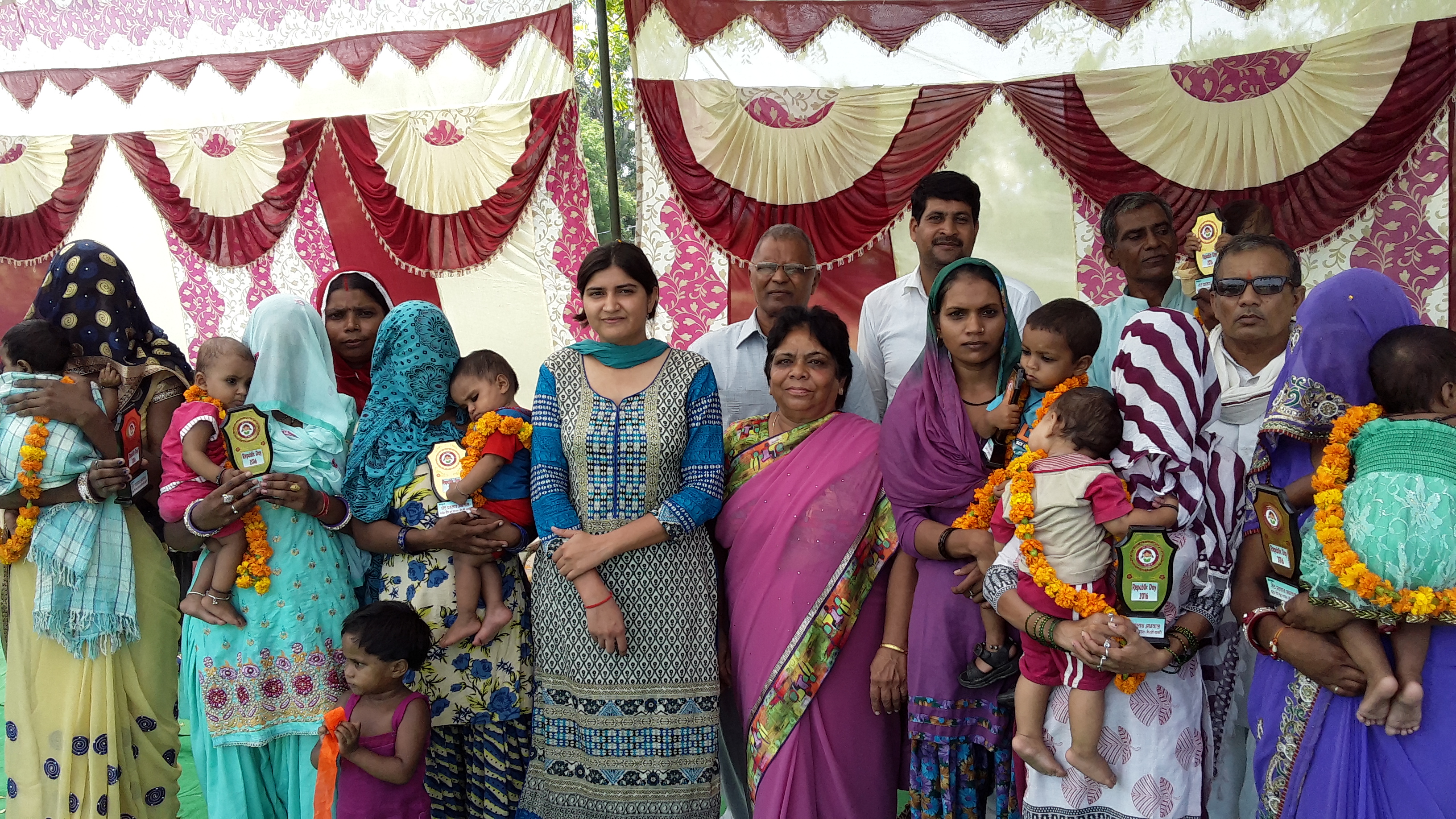
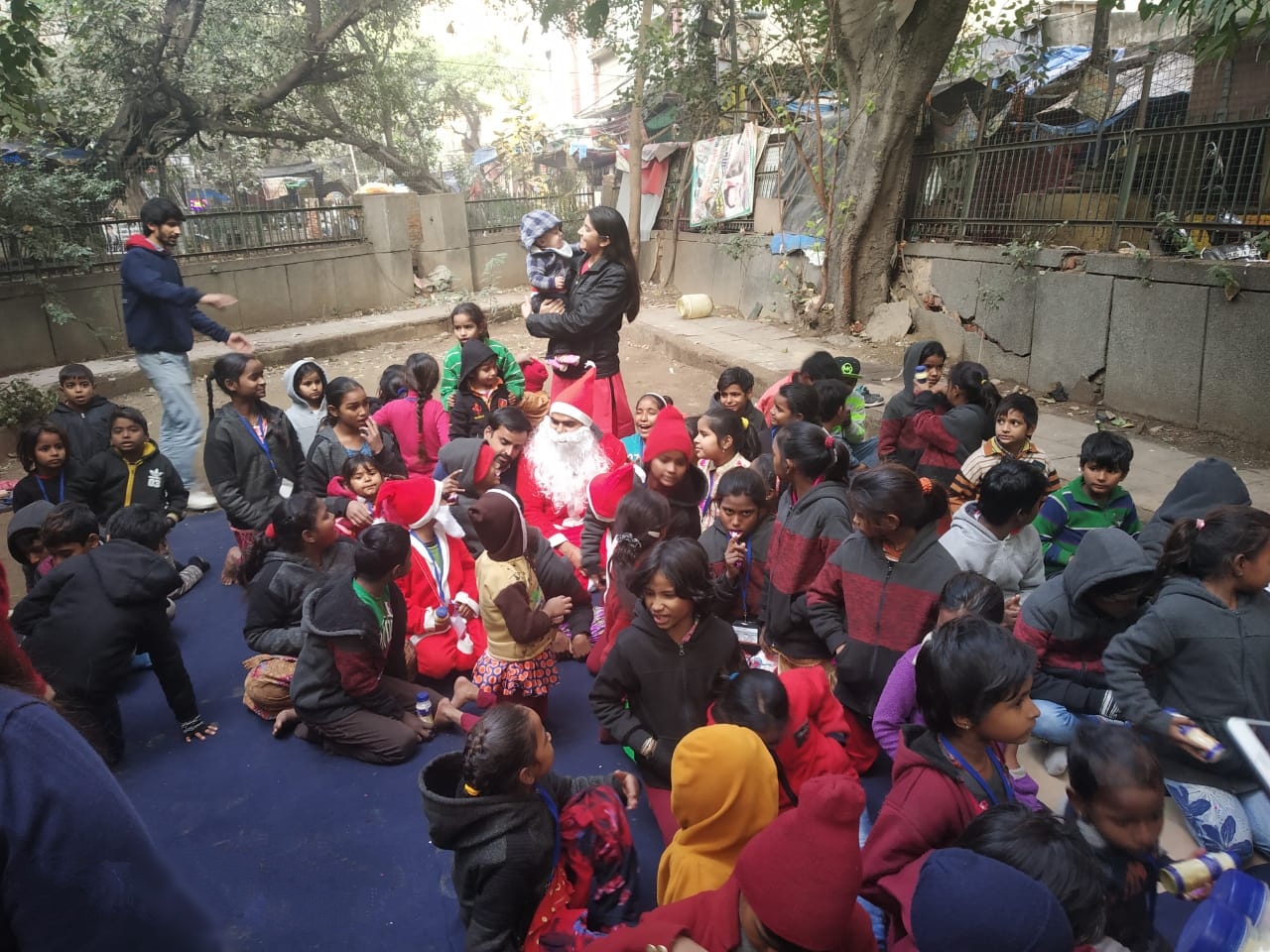
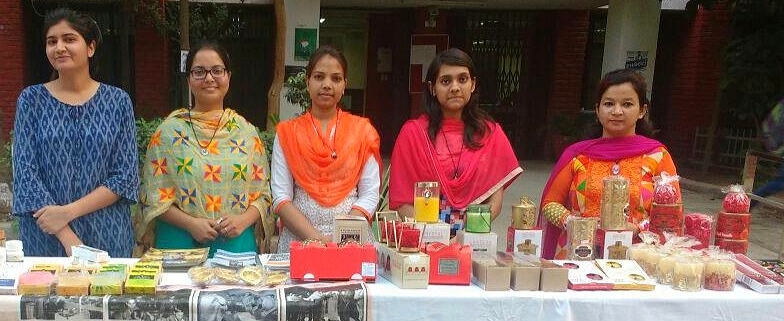
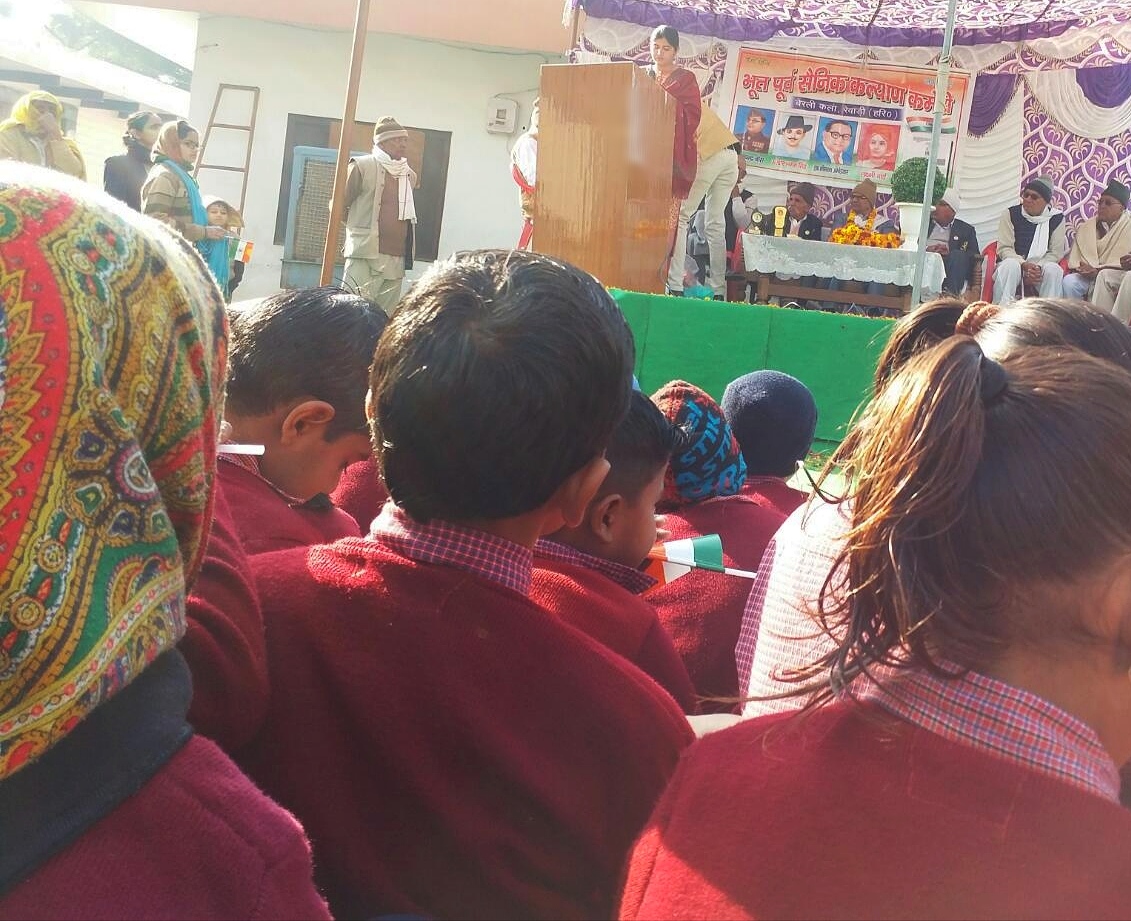
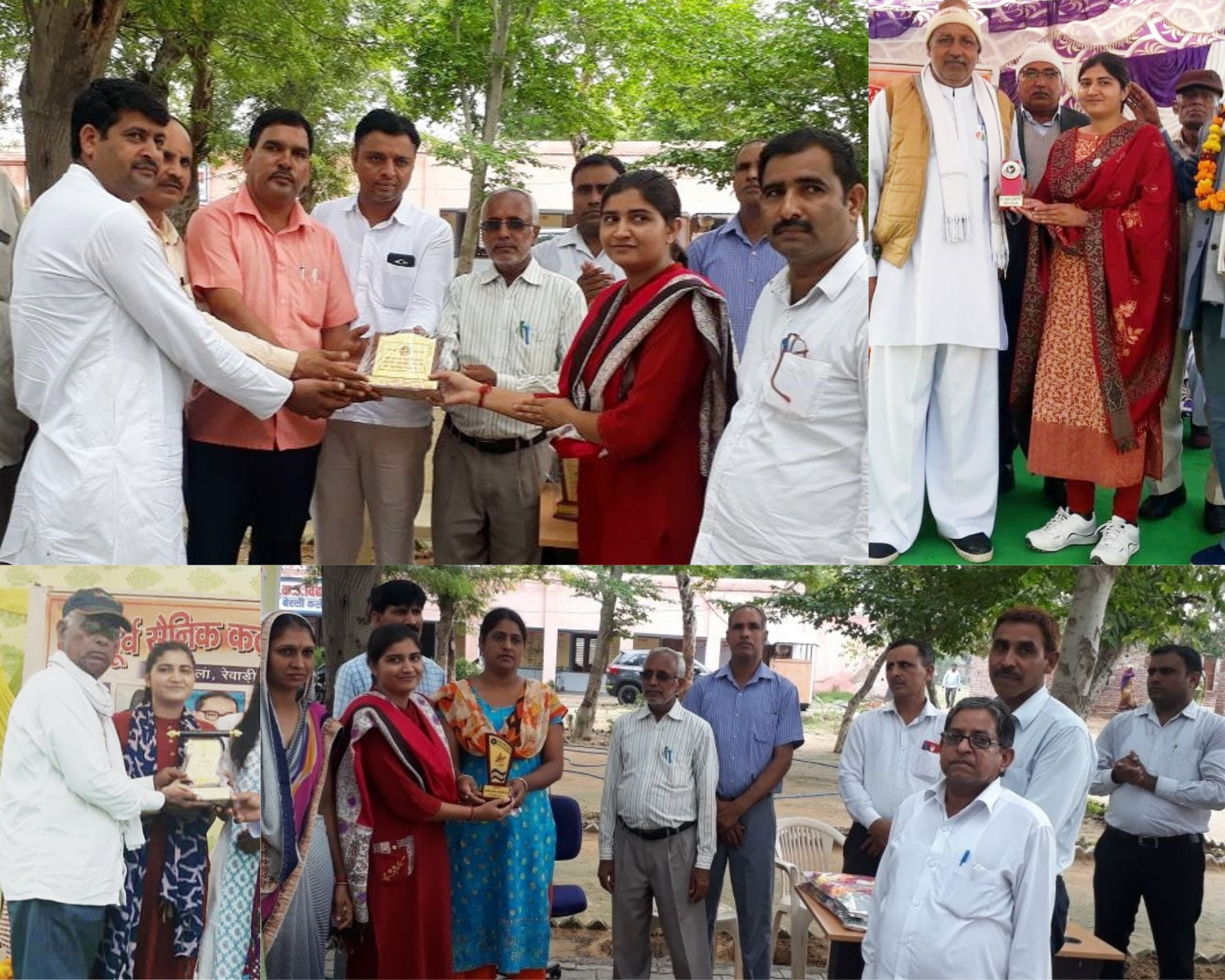
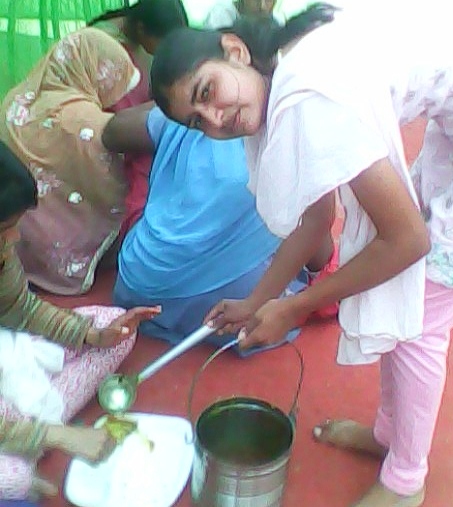
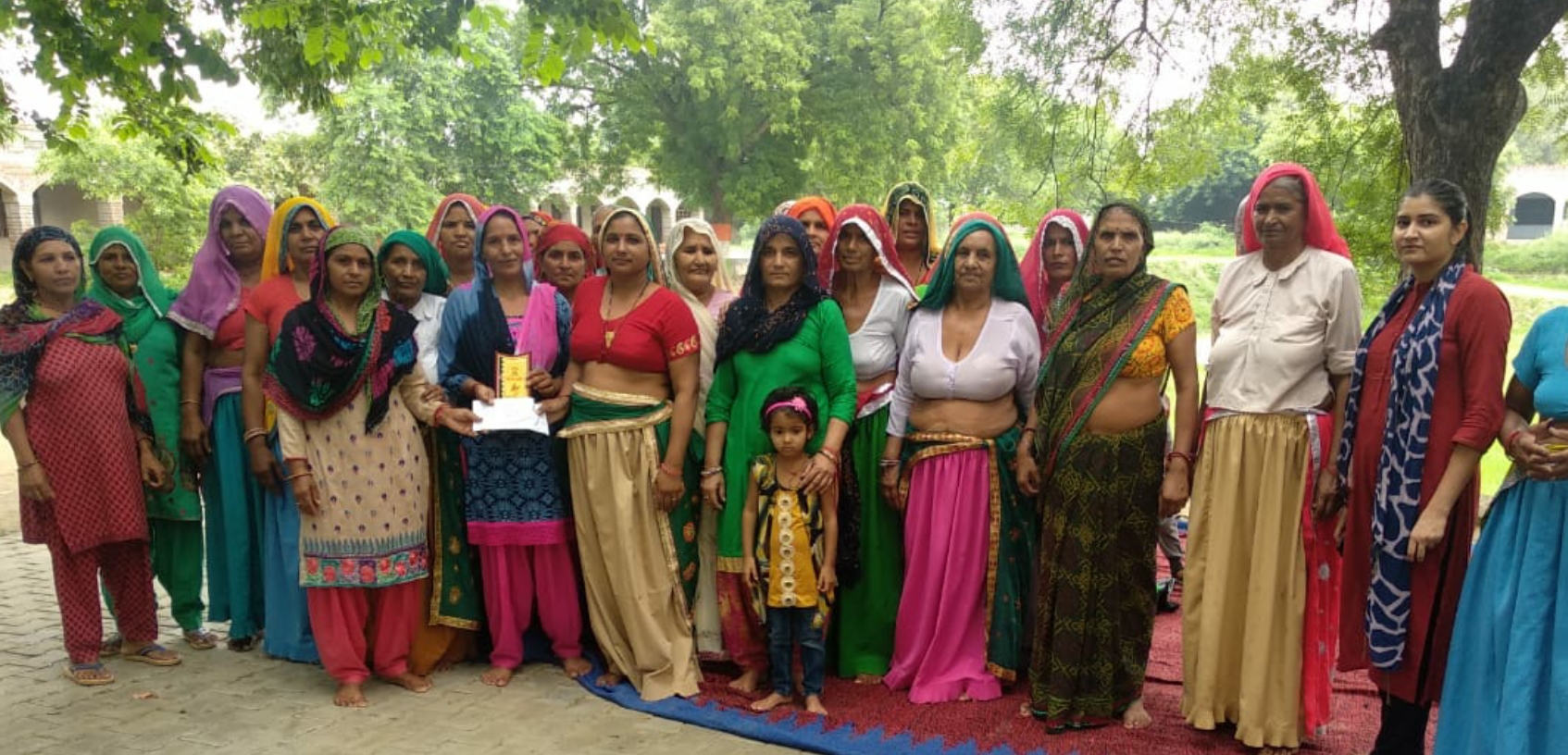
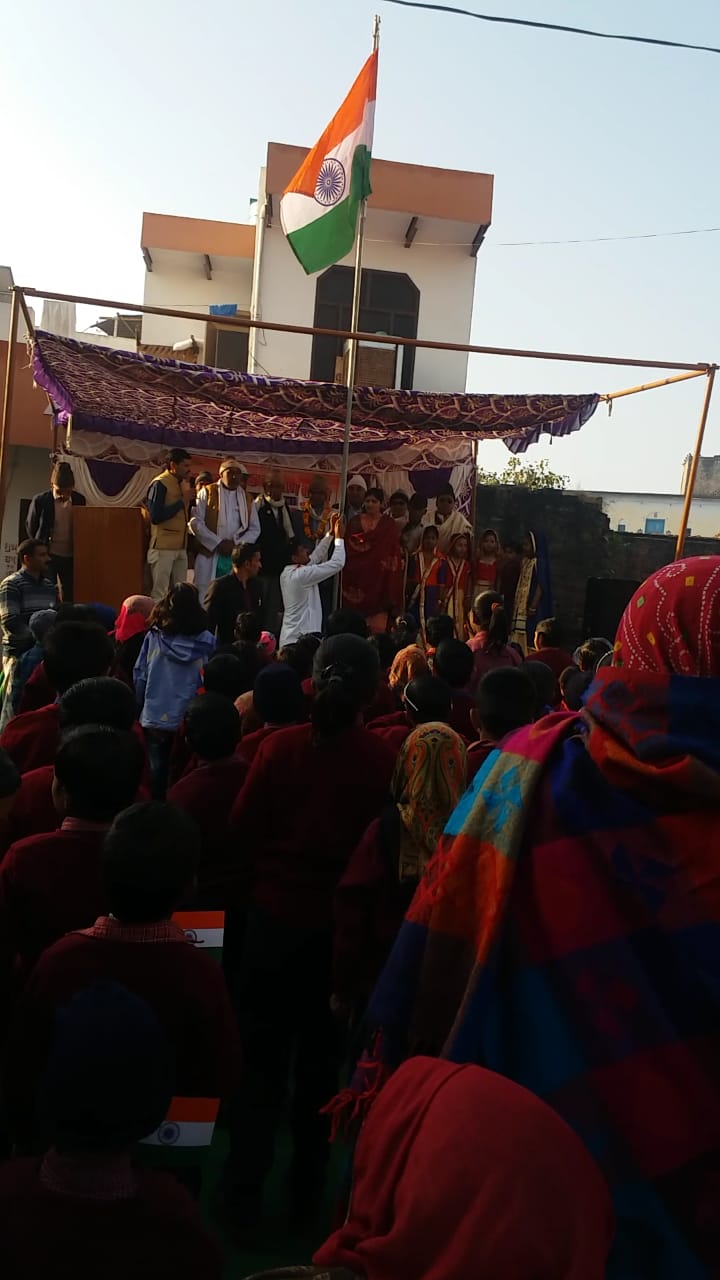
Social Awareness & community Development

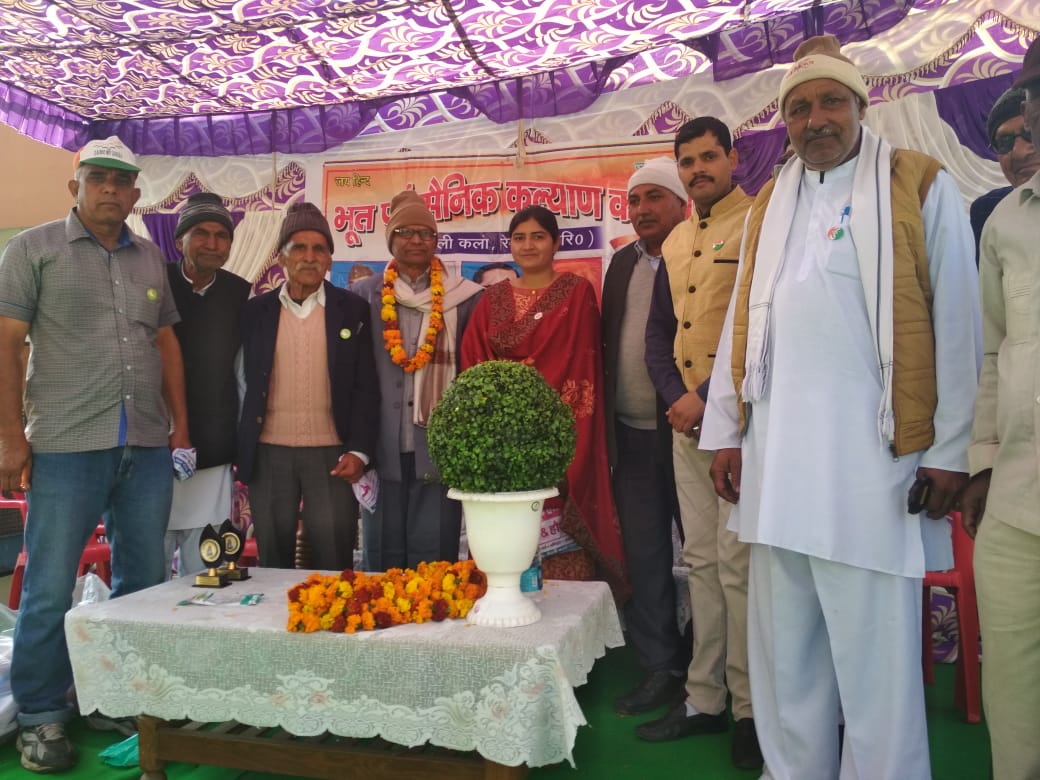
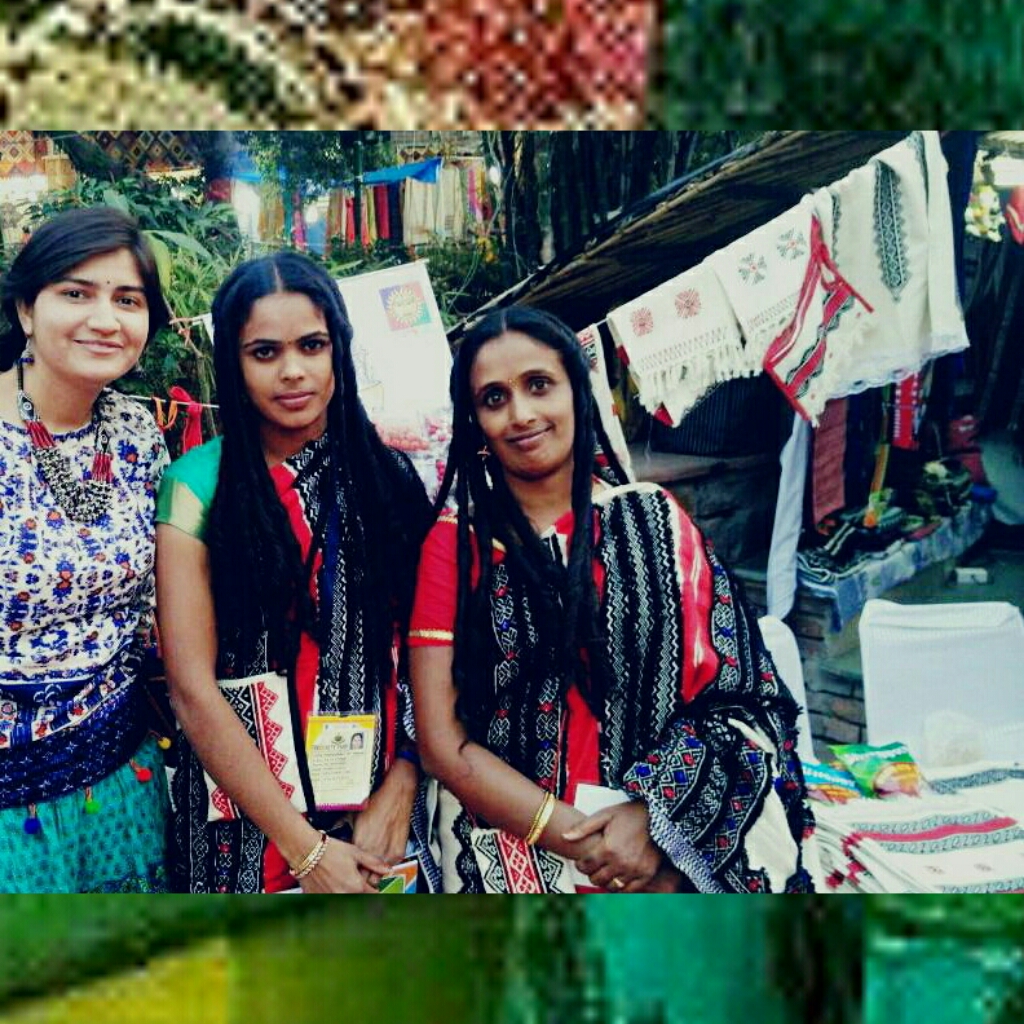
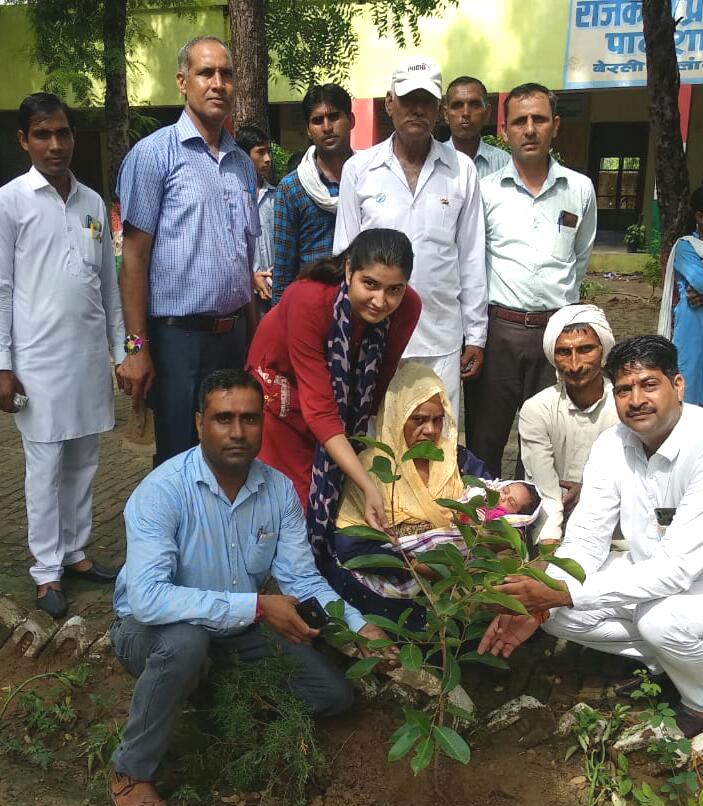
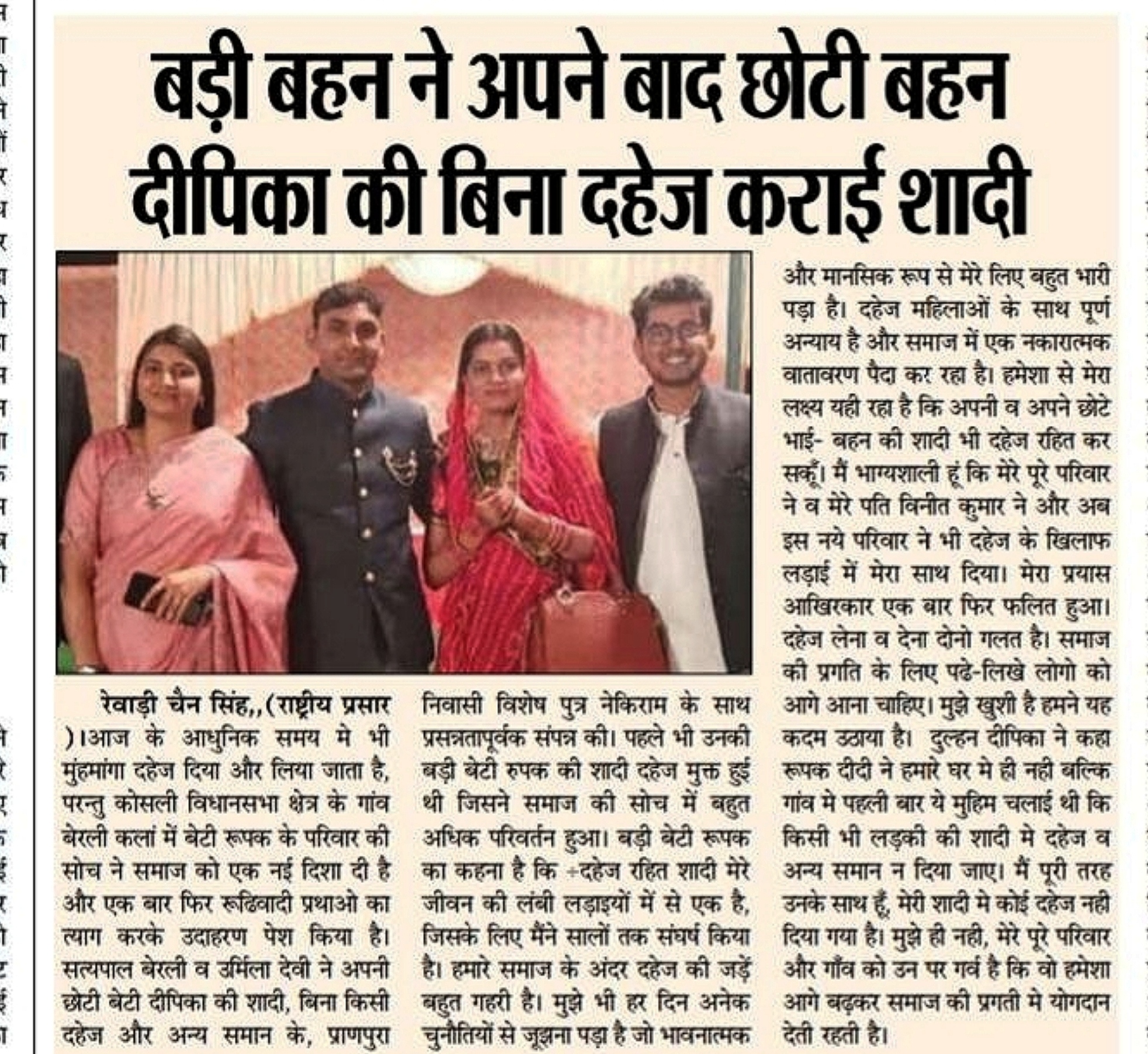
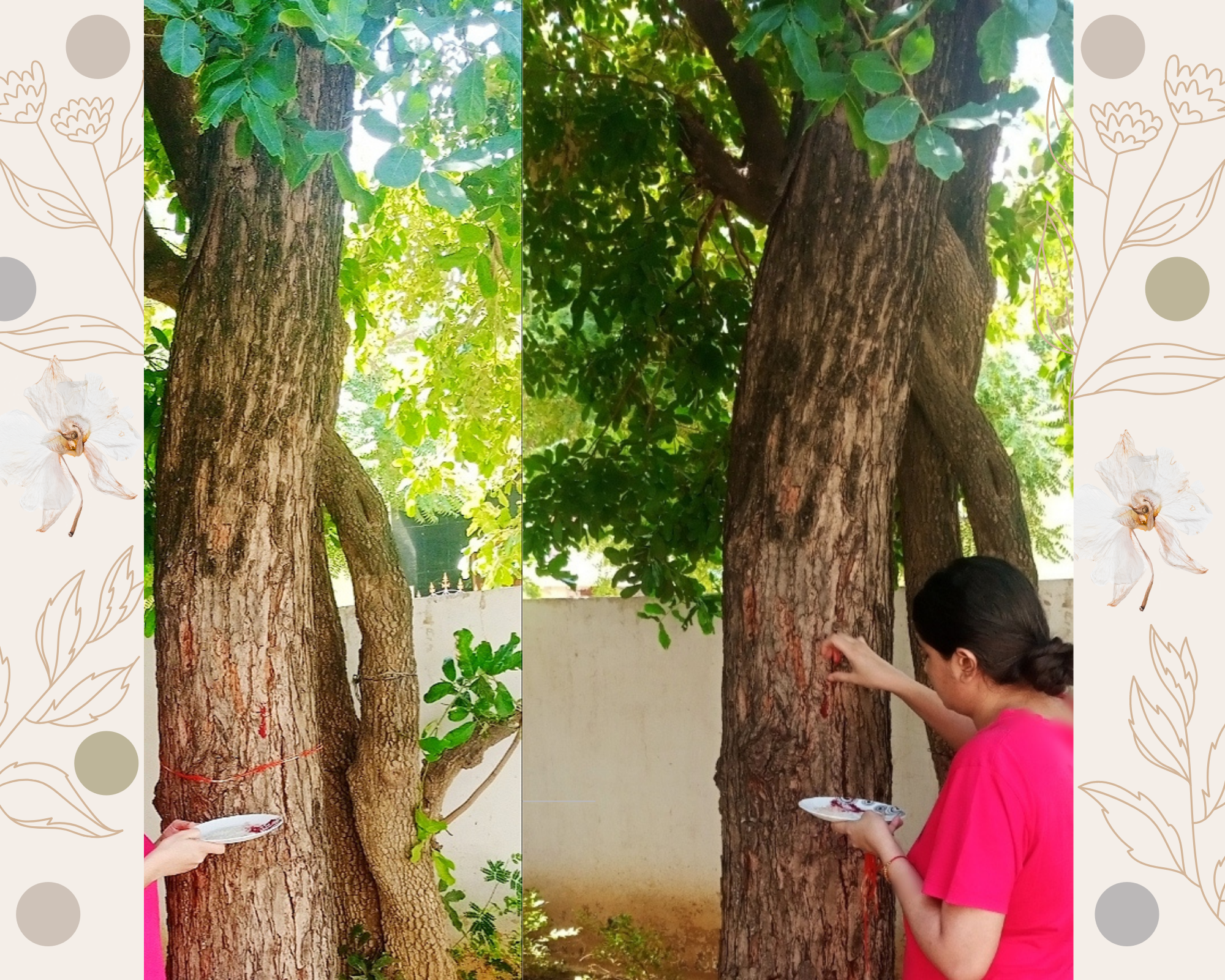


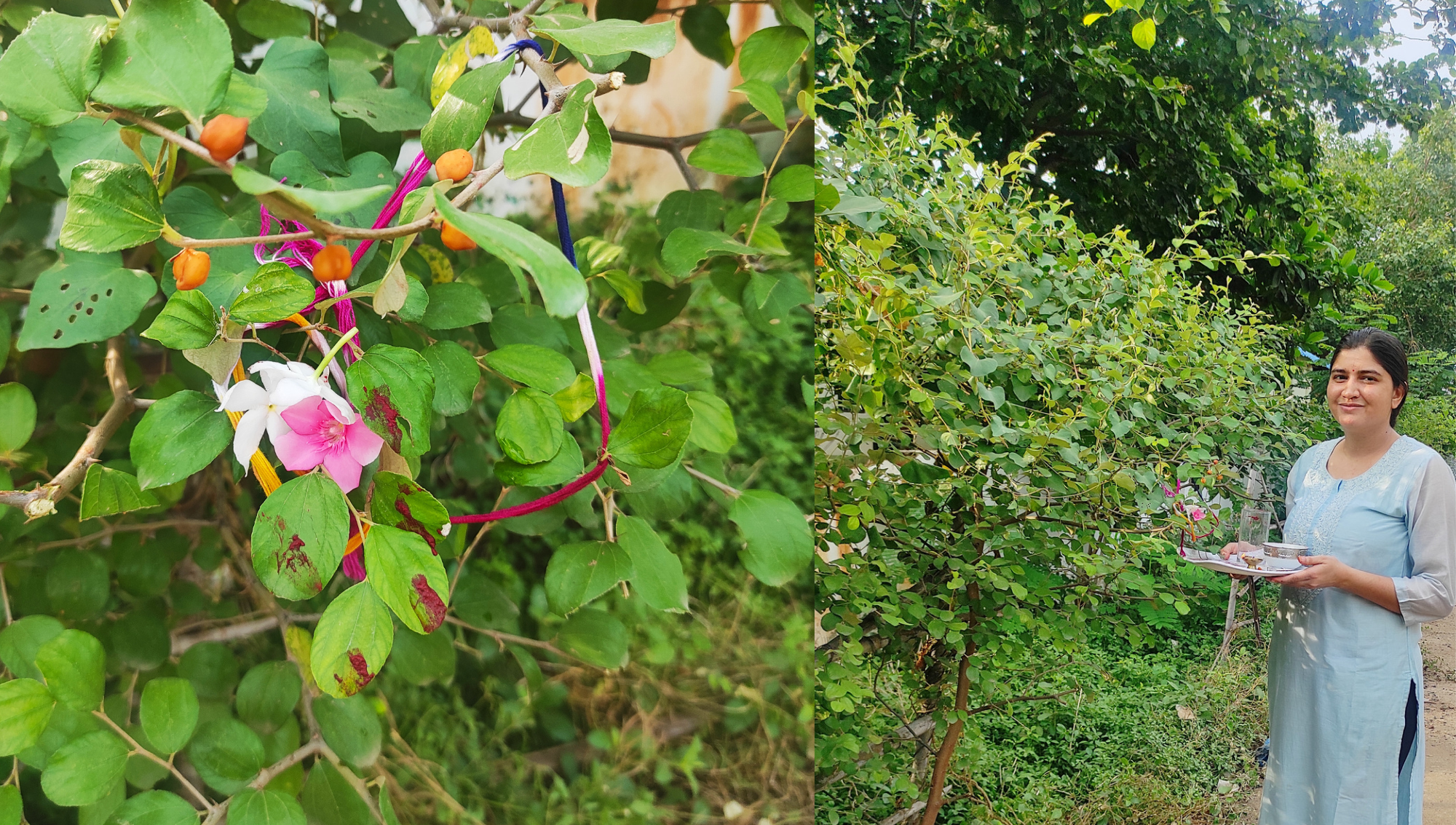
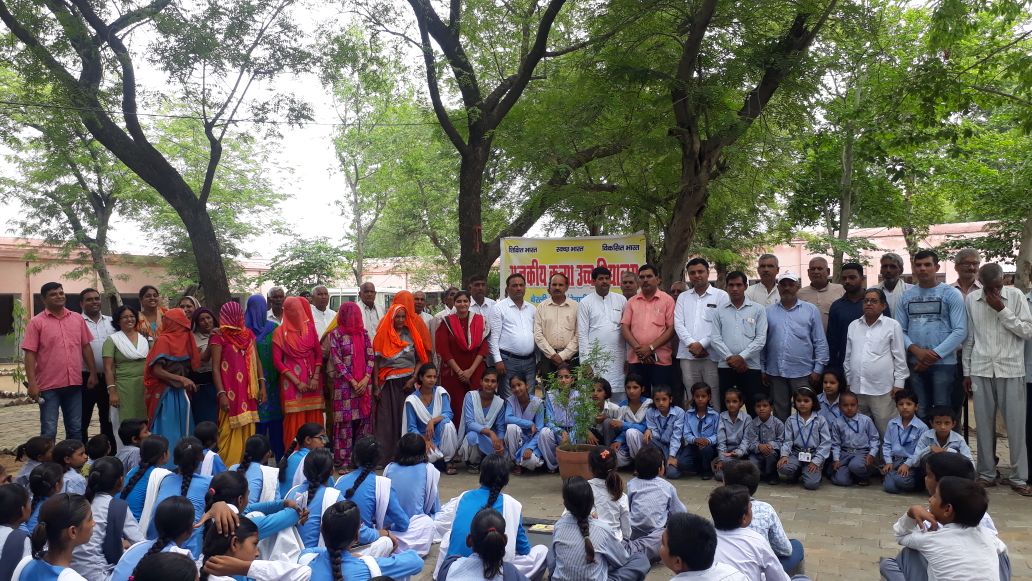
Save Trees

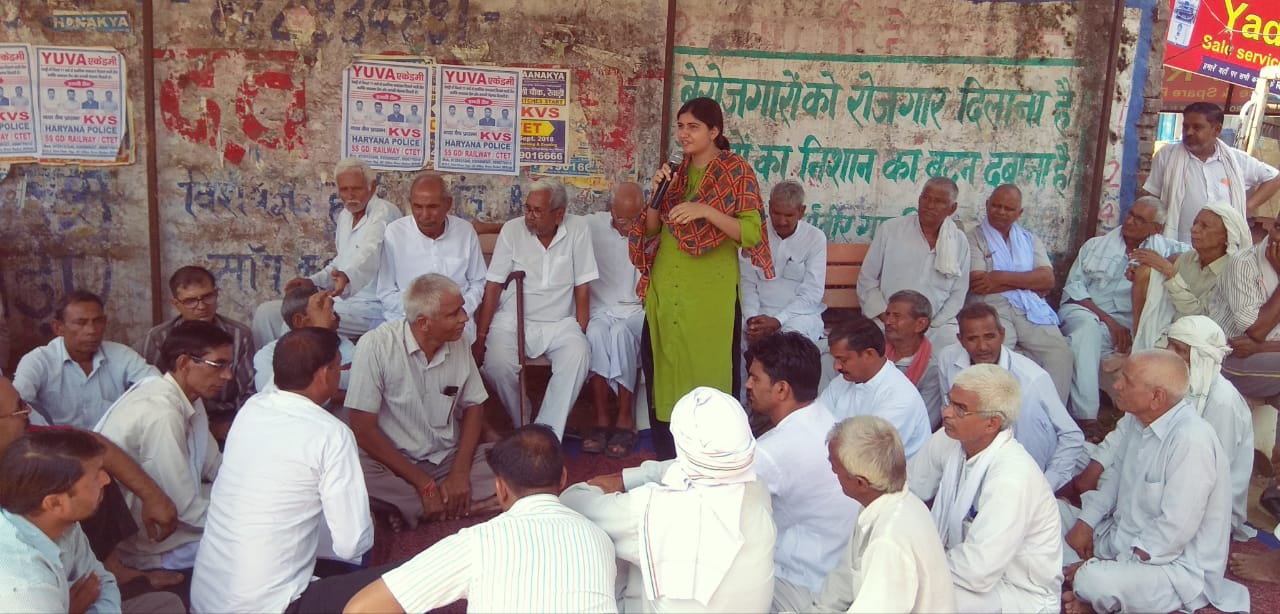
Nature and Environment
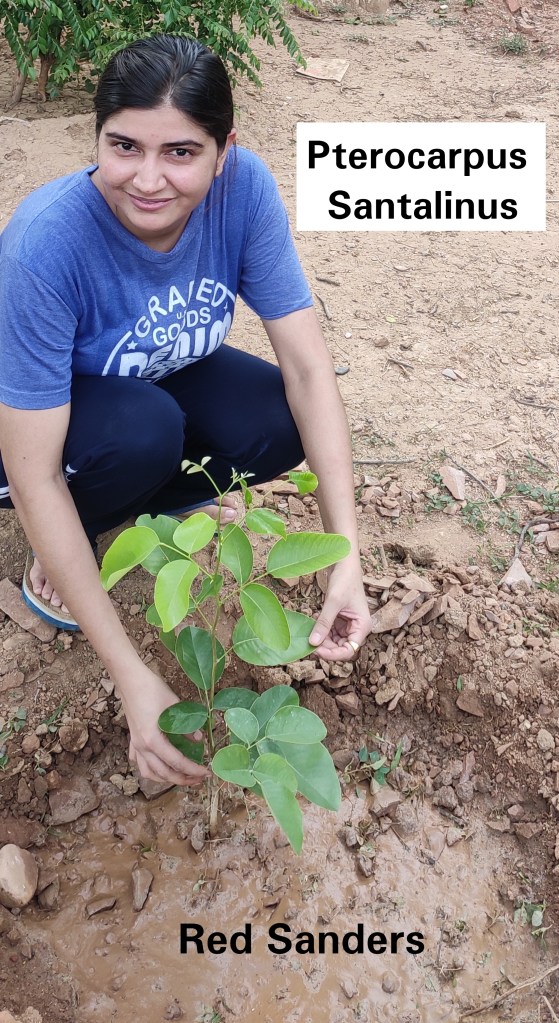

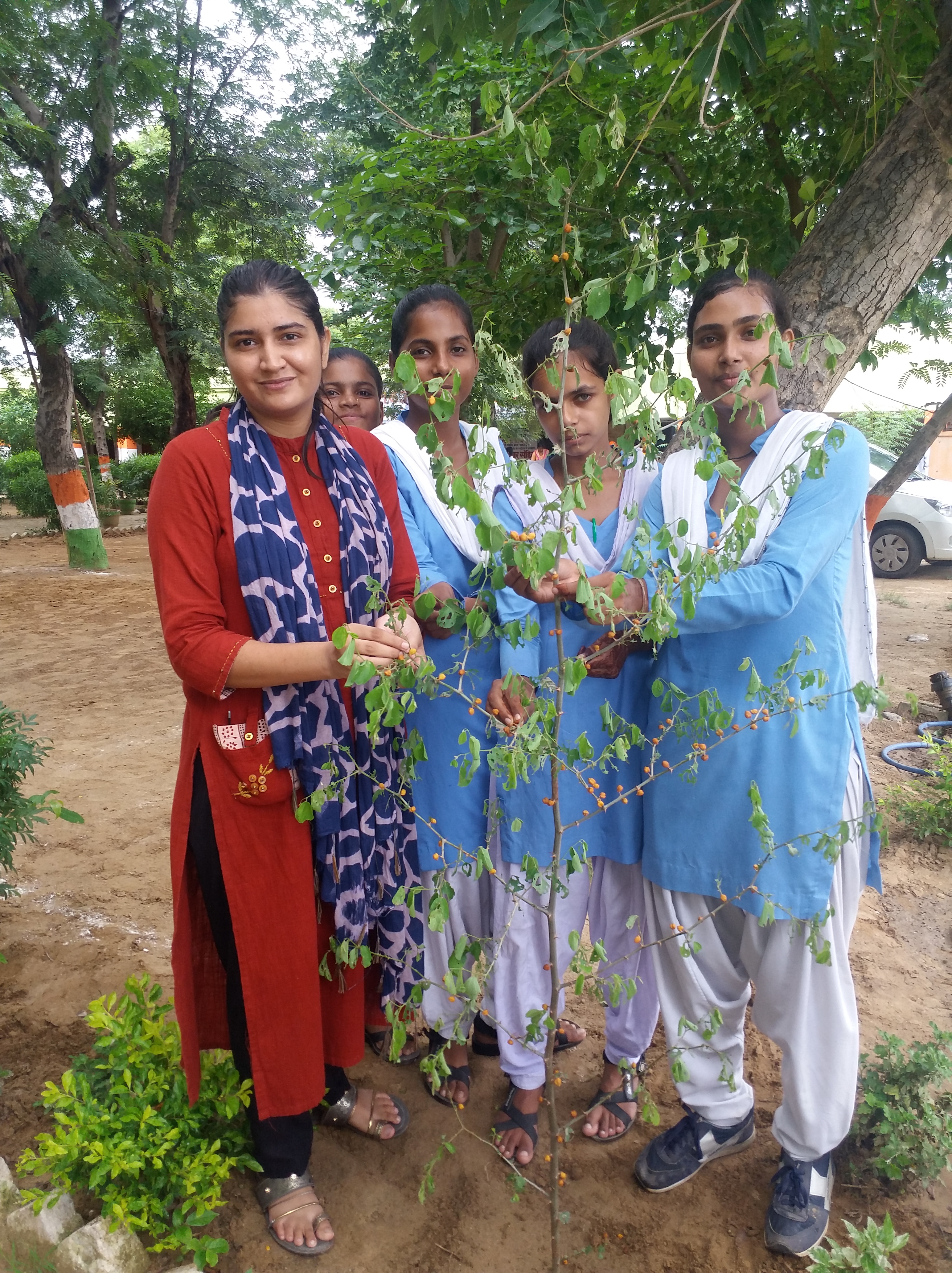
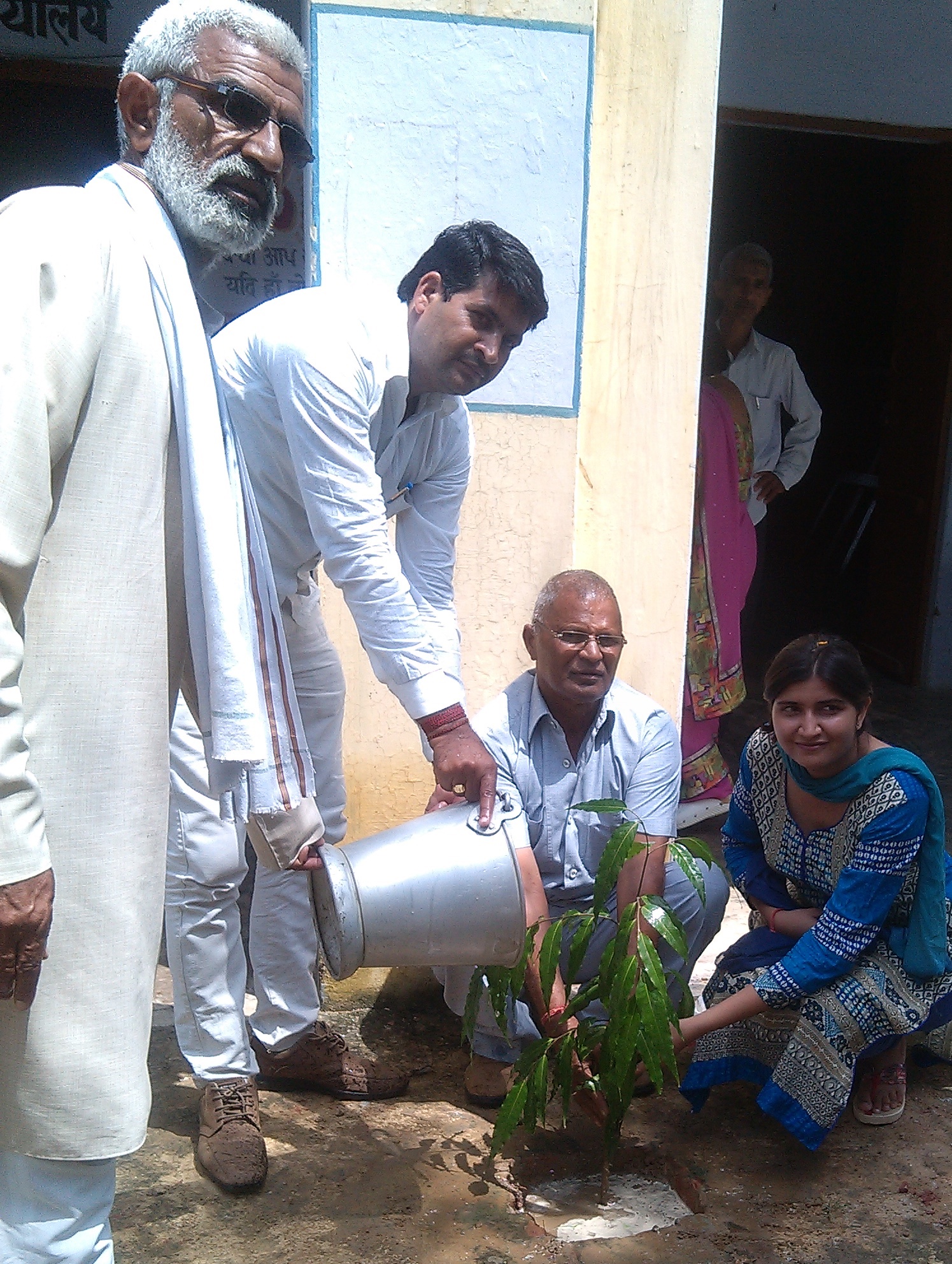
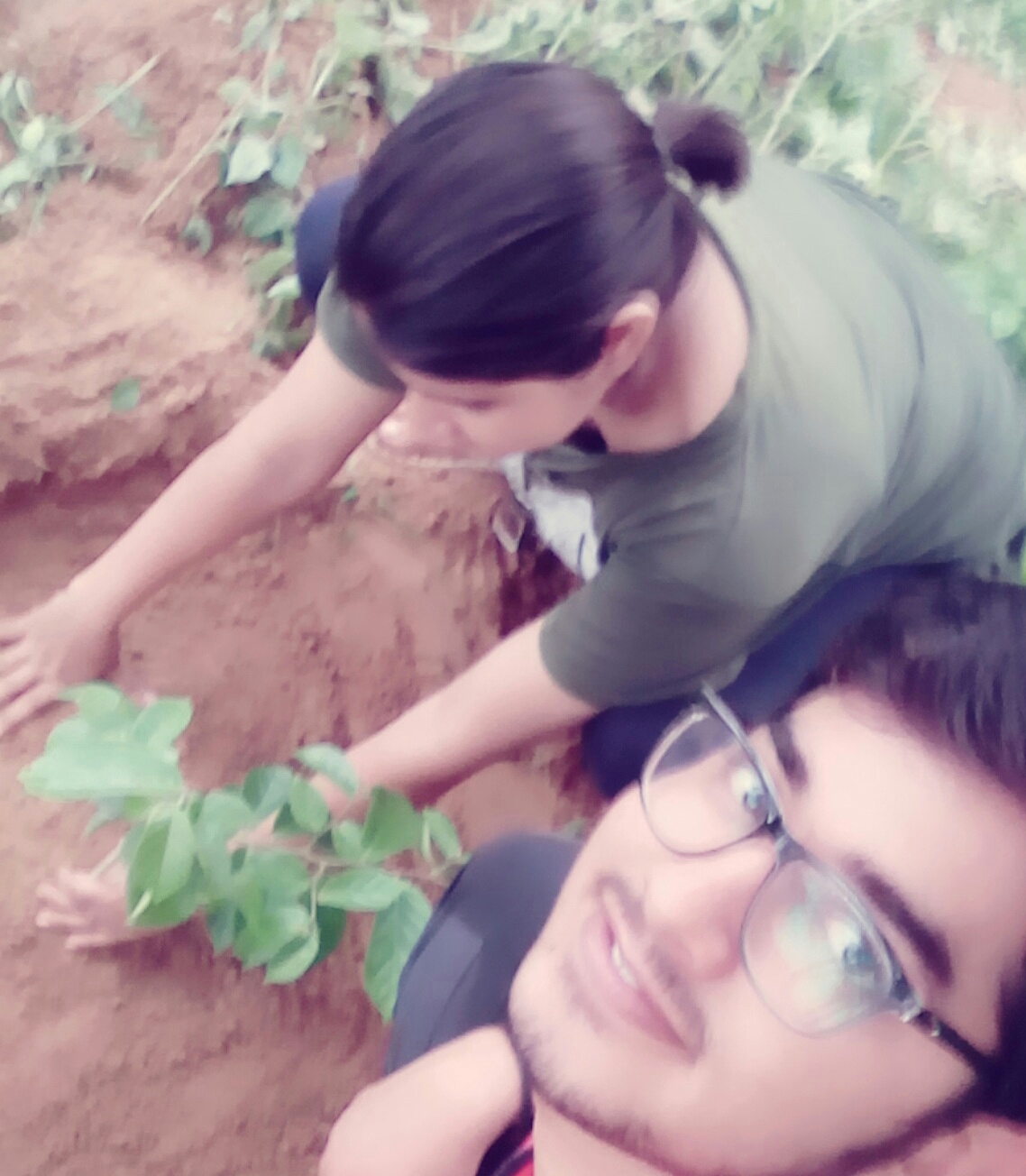
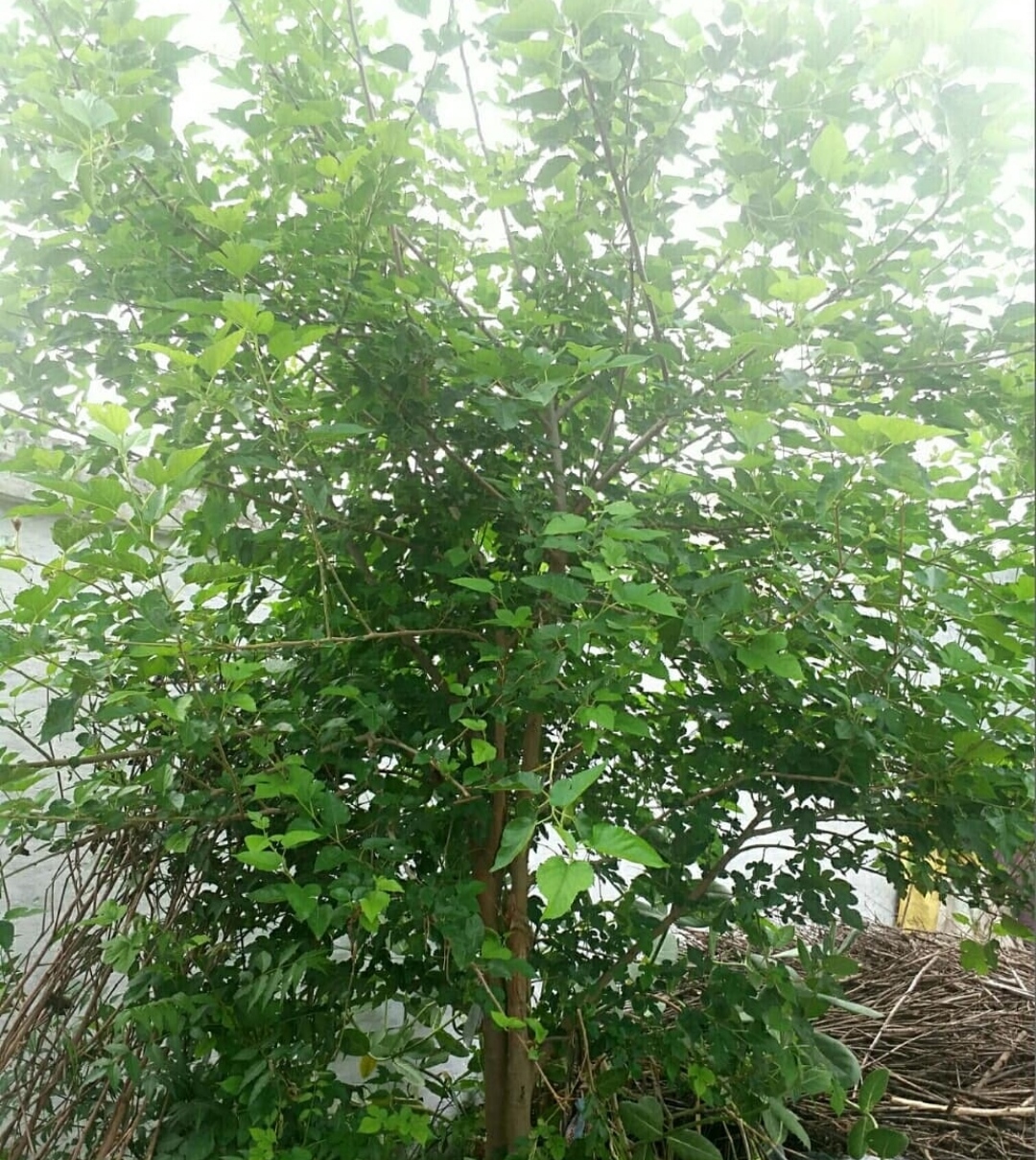
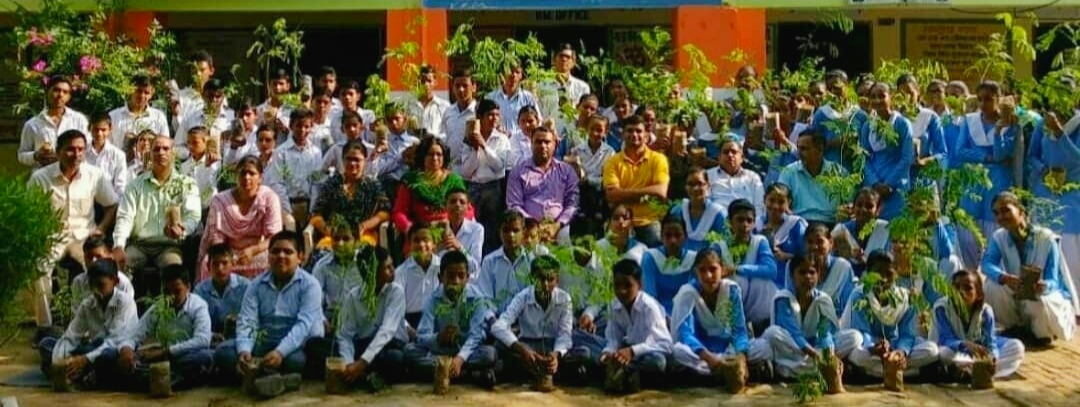
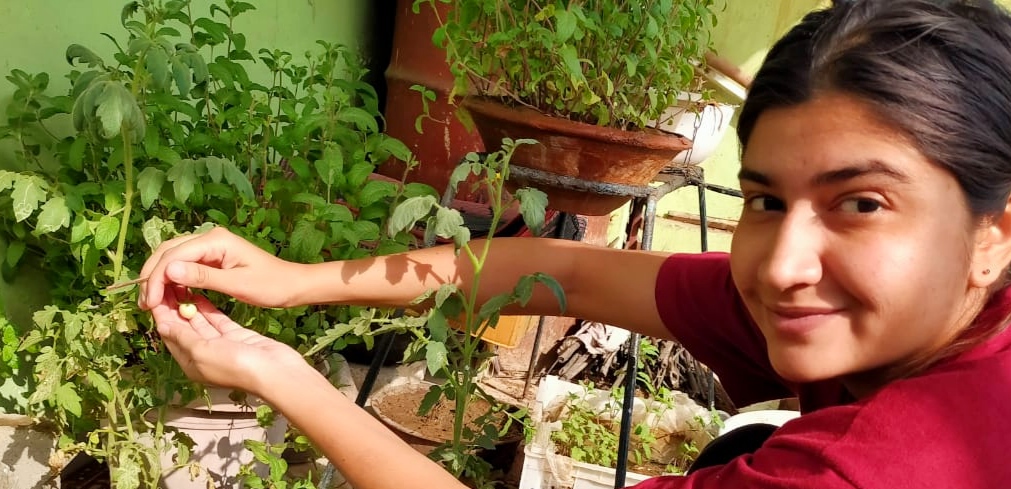
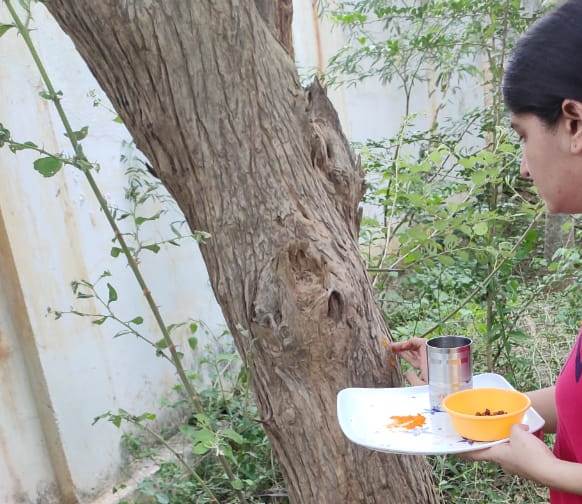
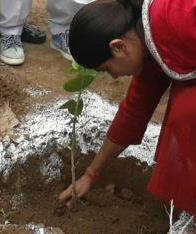
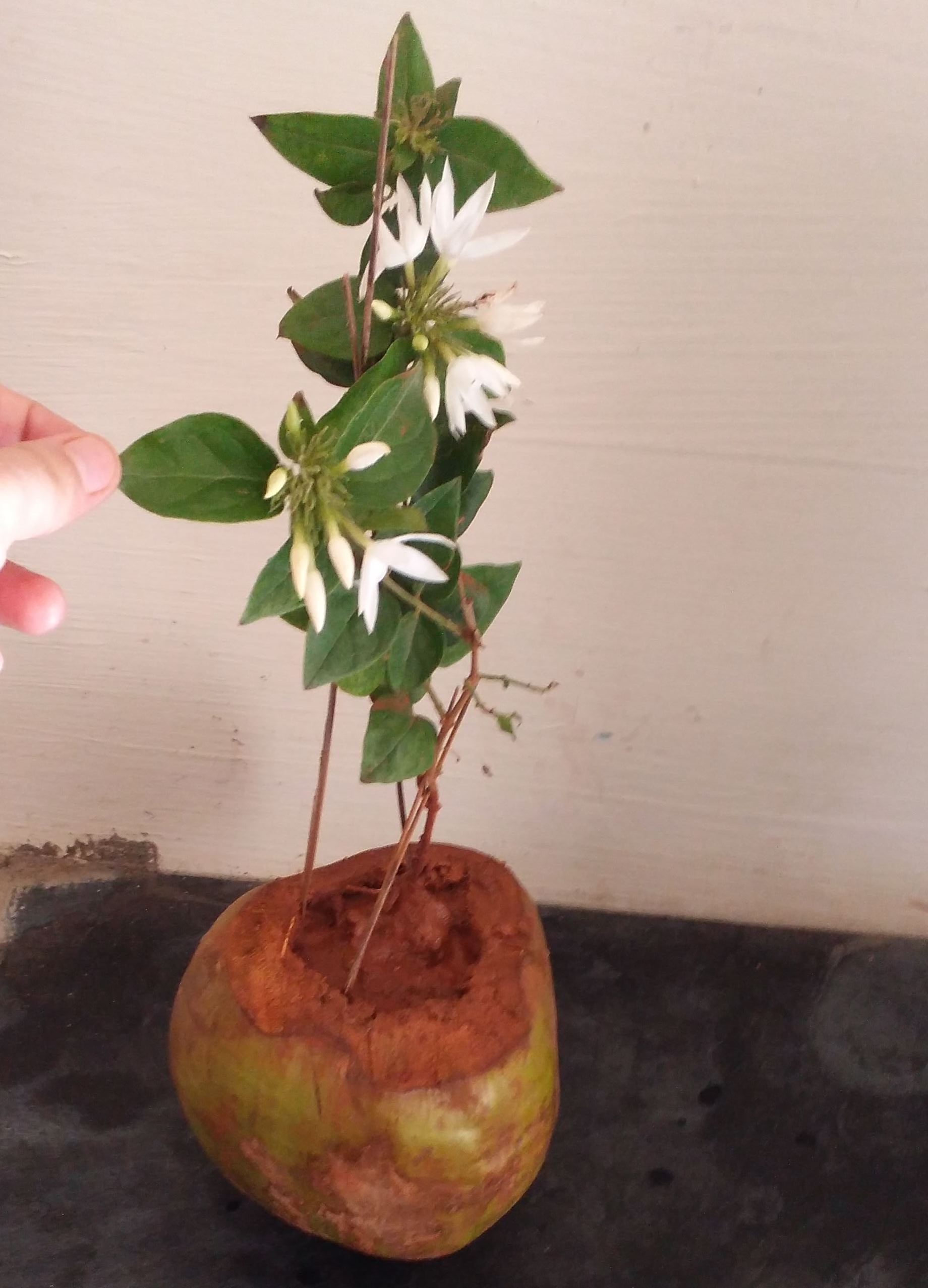
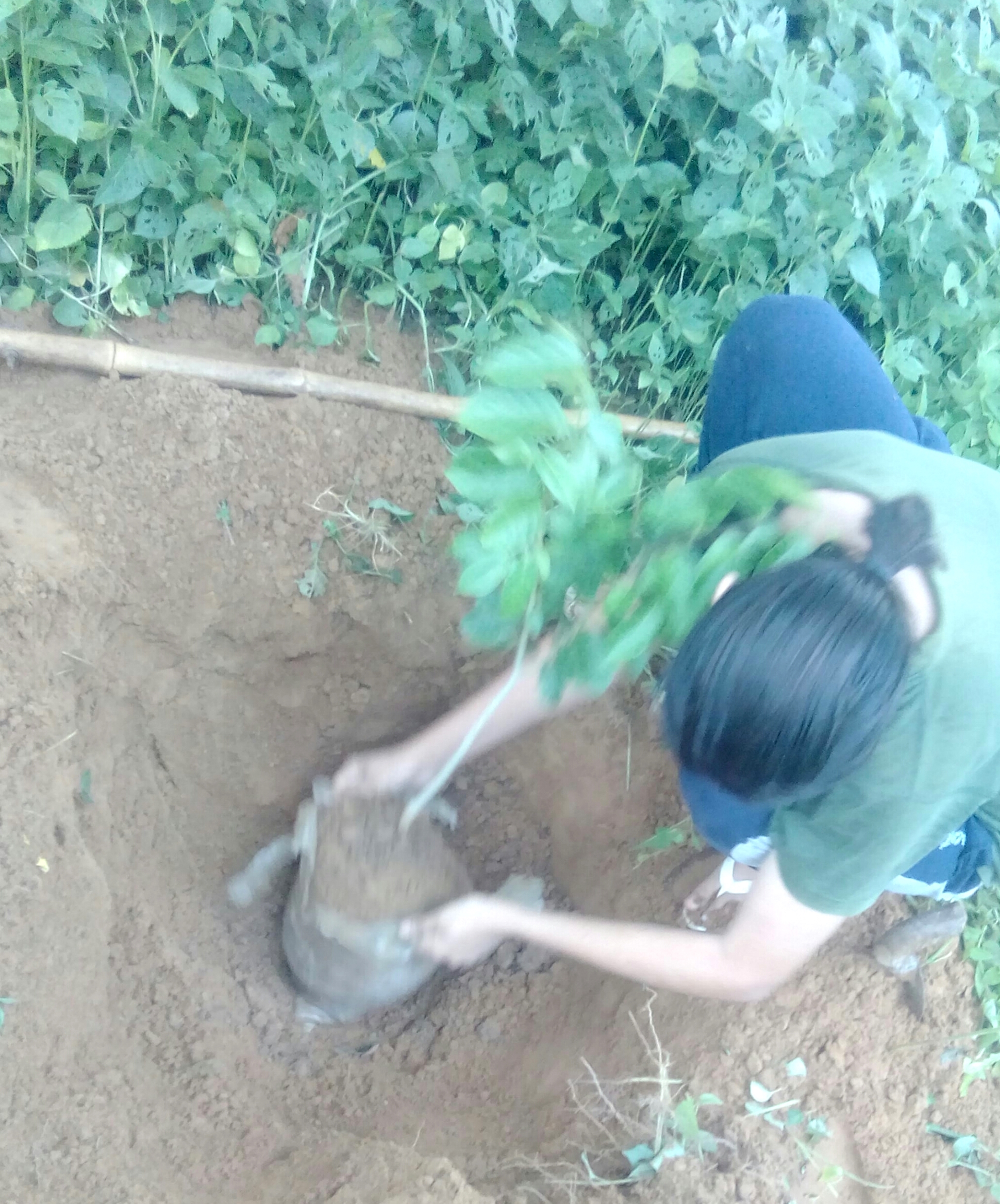
My Plants
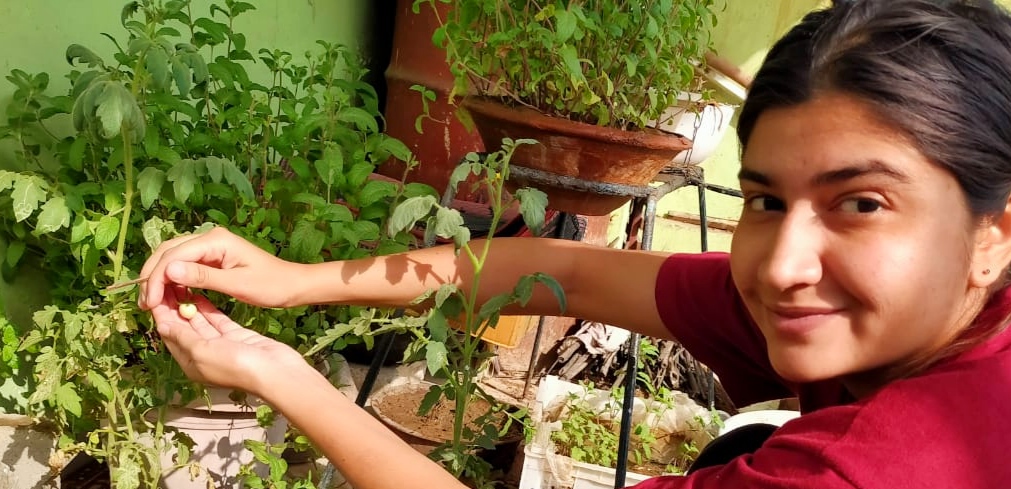
Flowering Plants
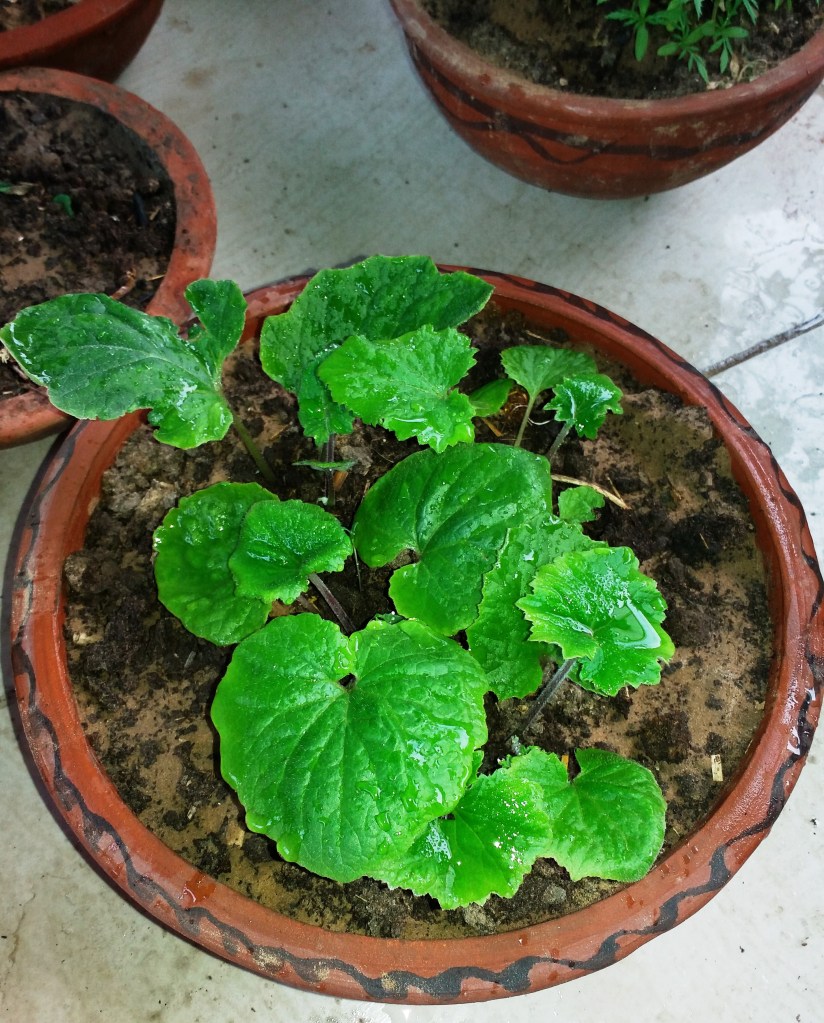
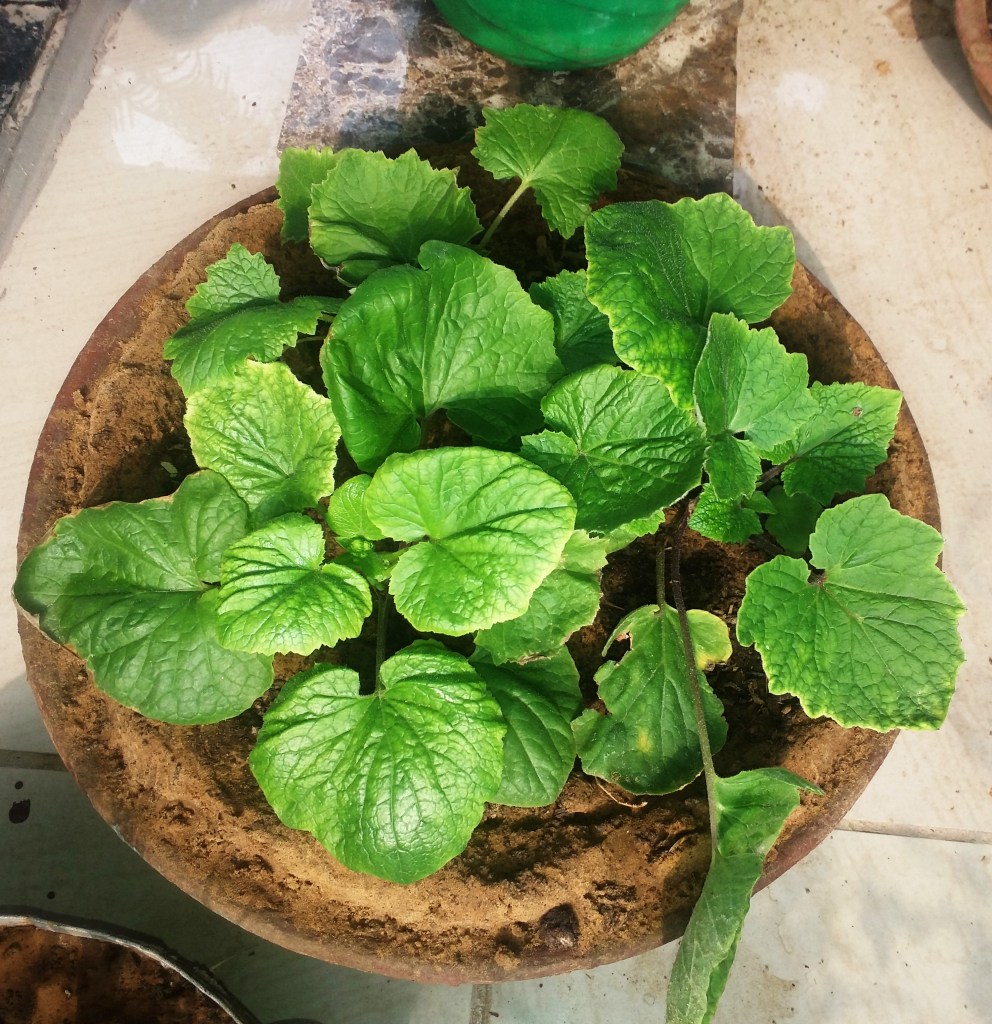
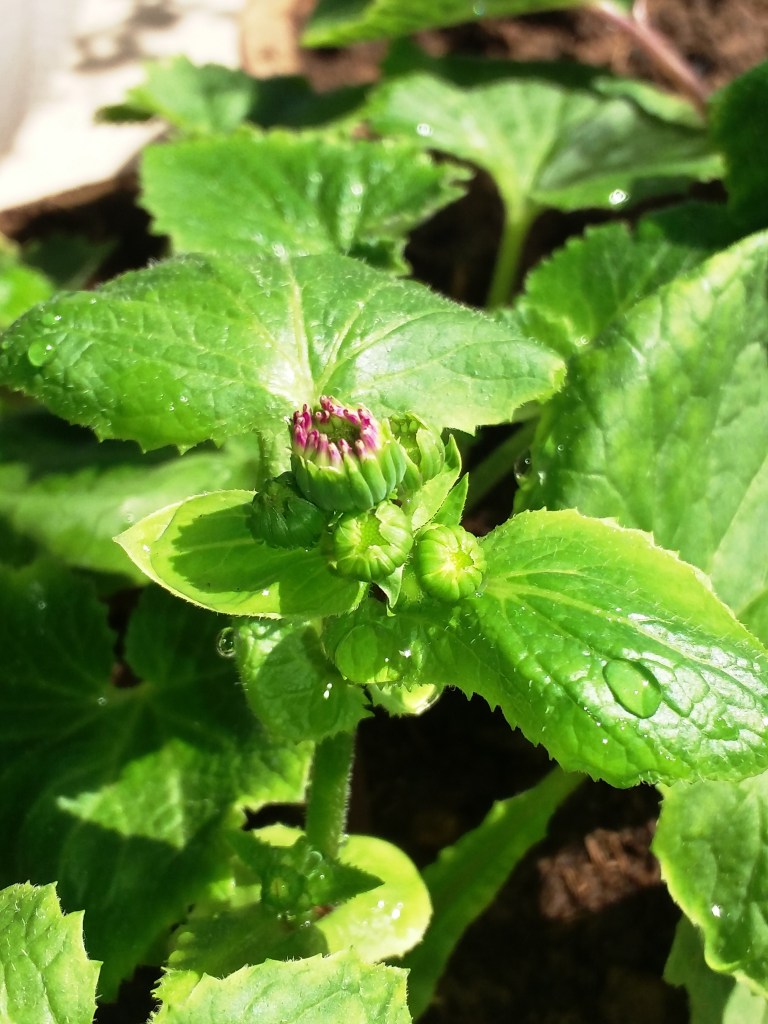
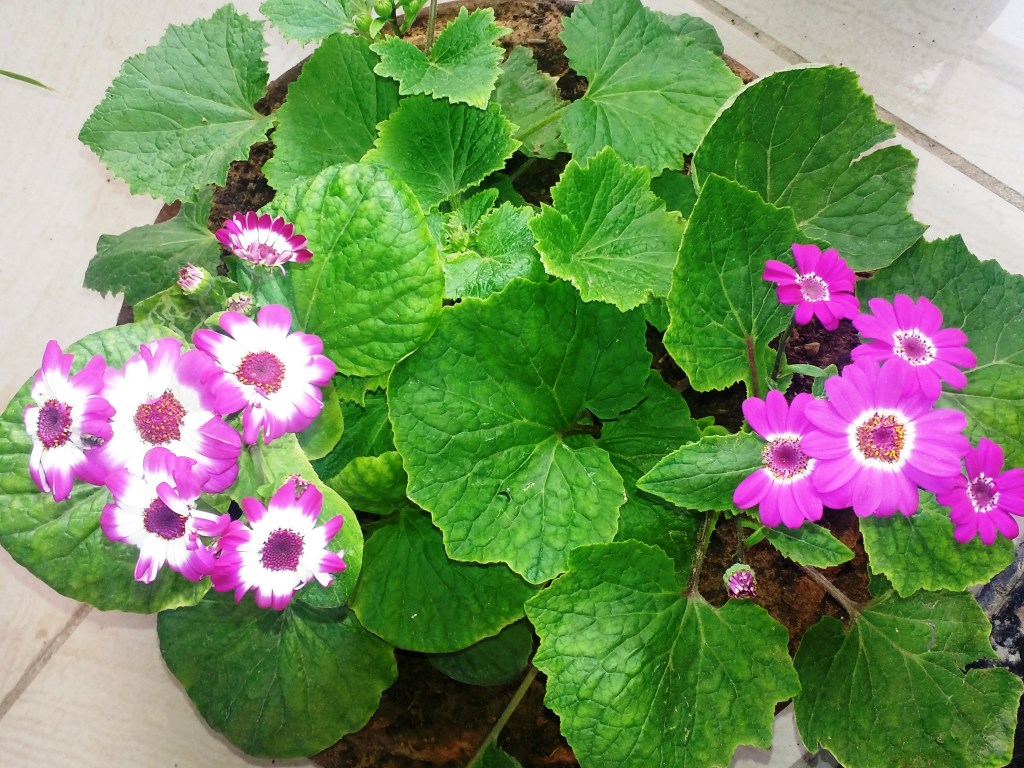
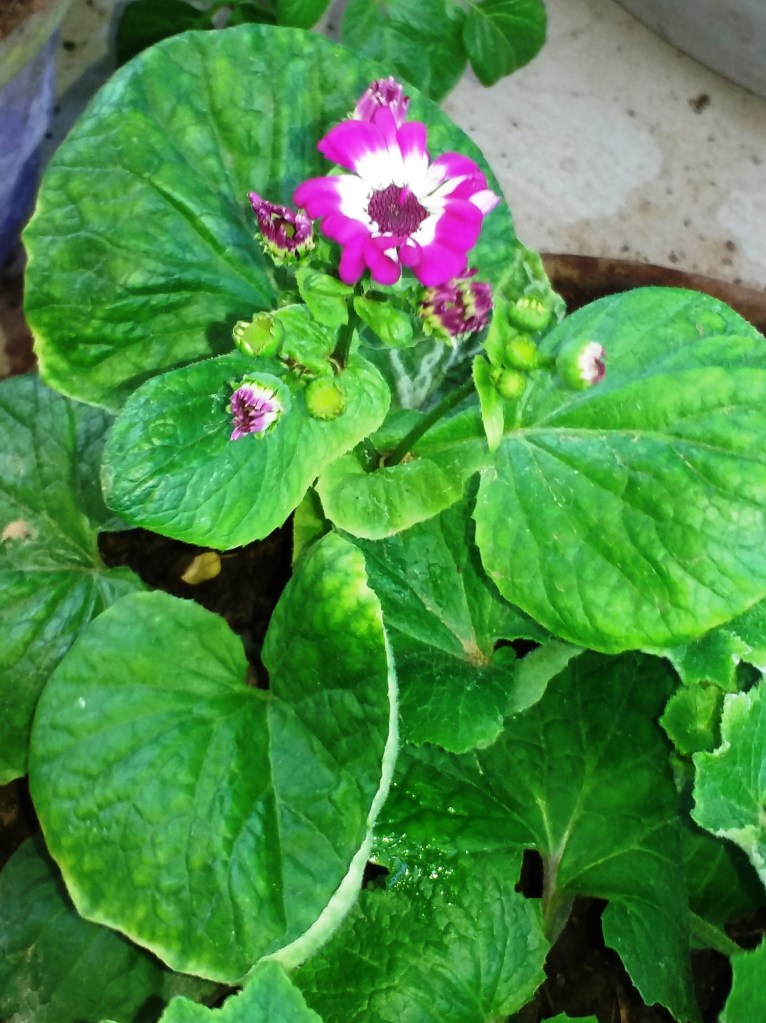

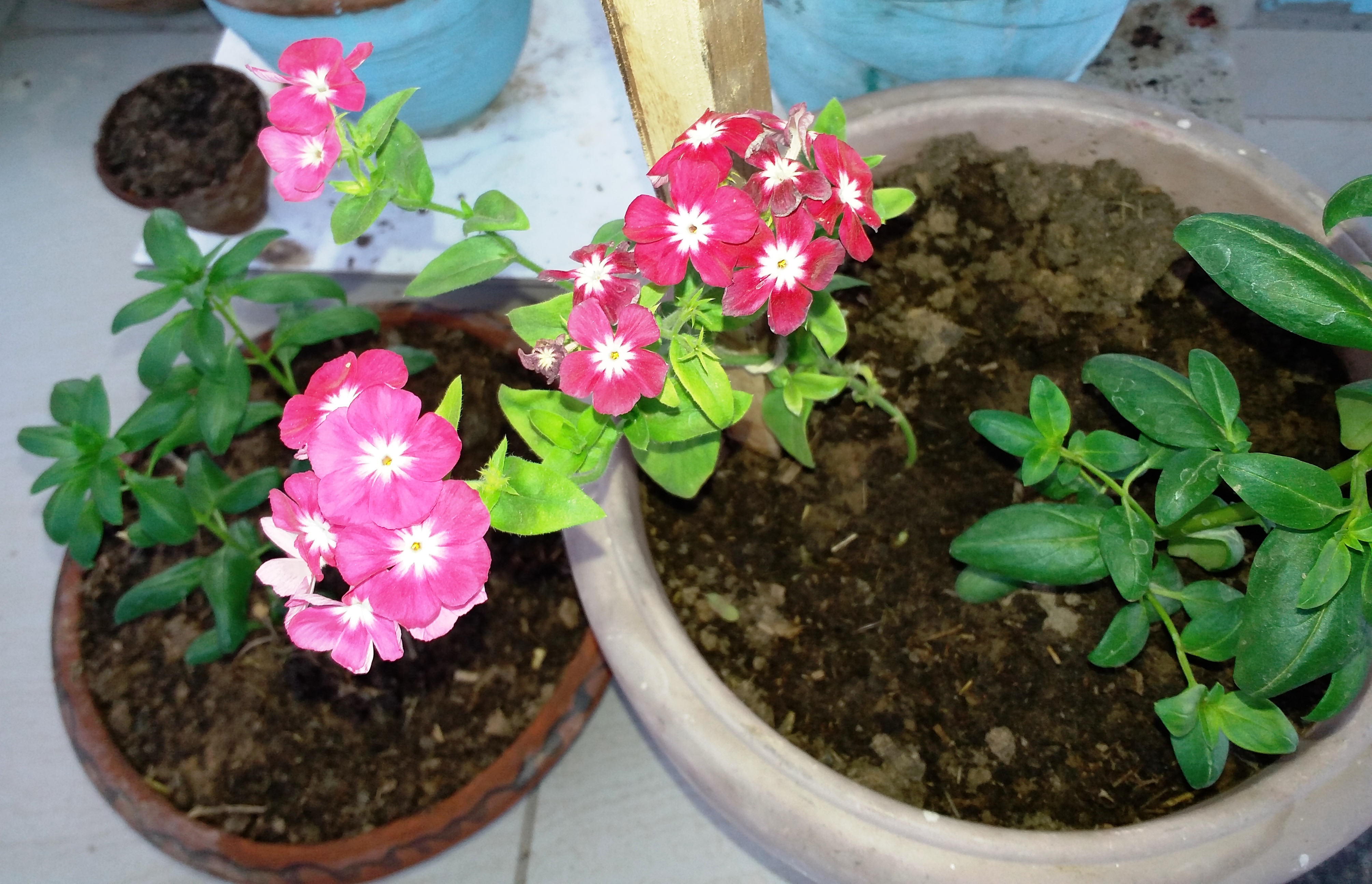
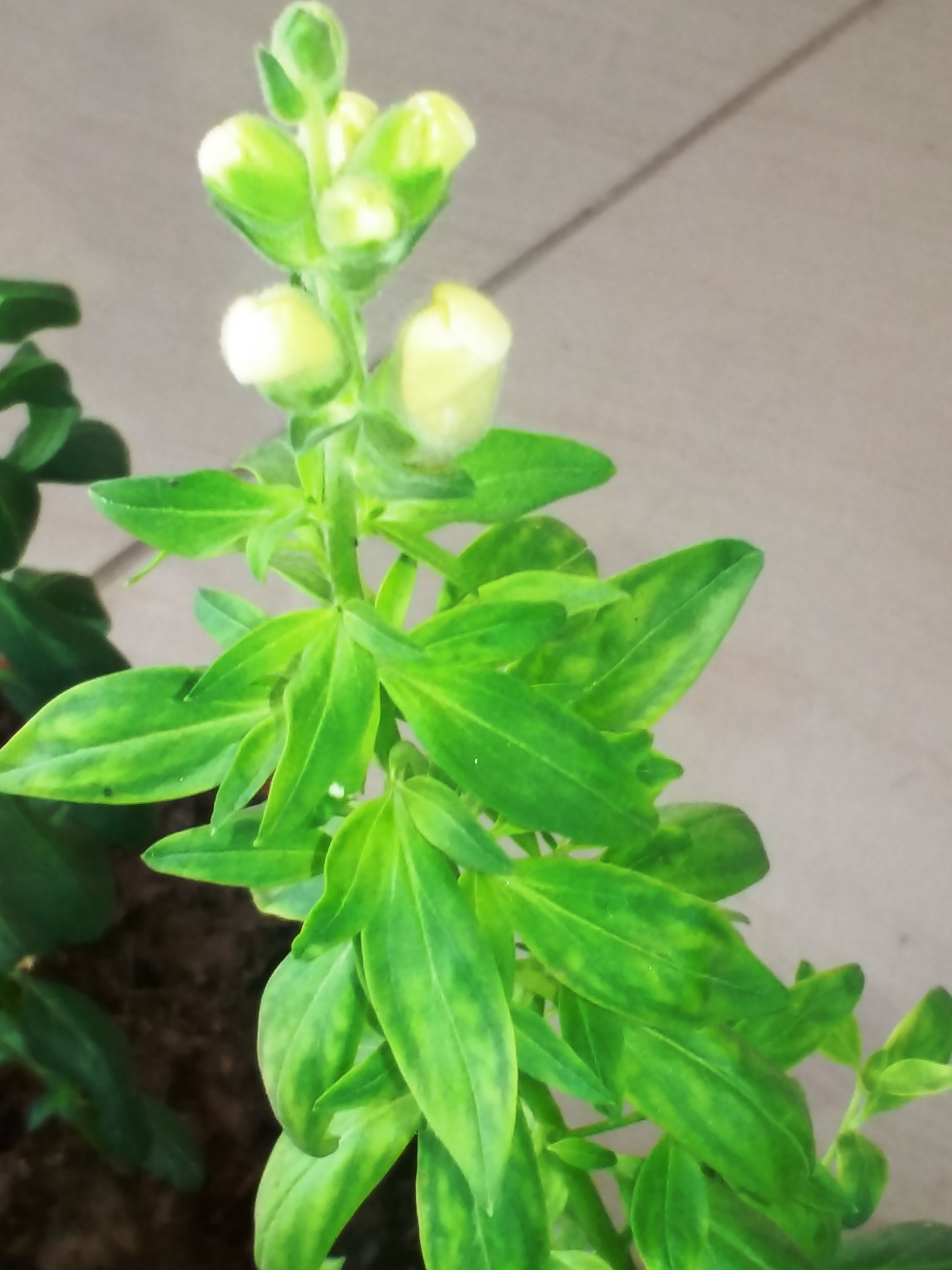
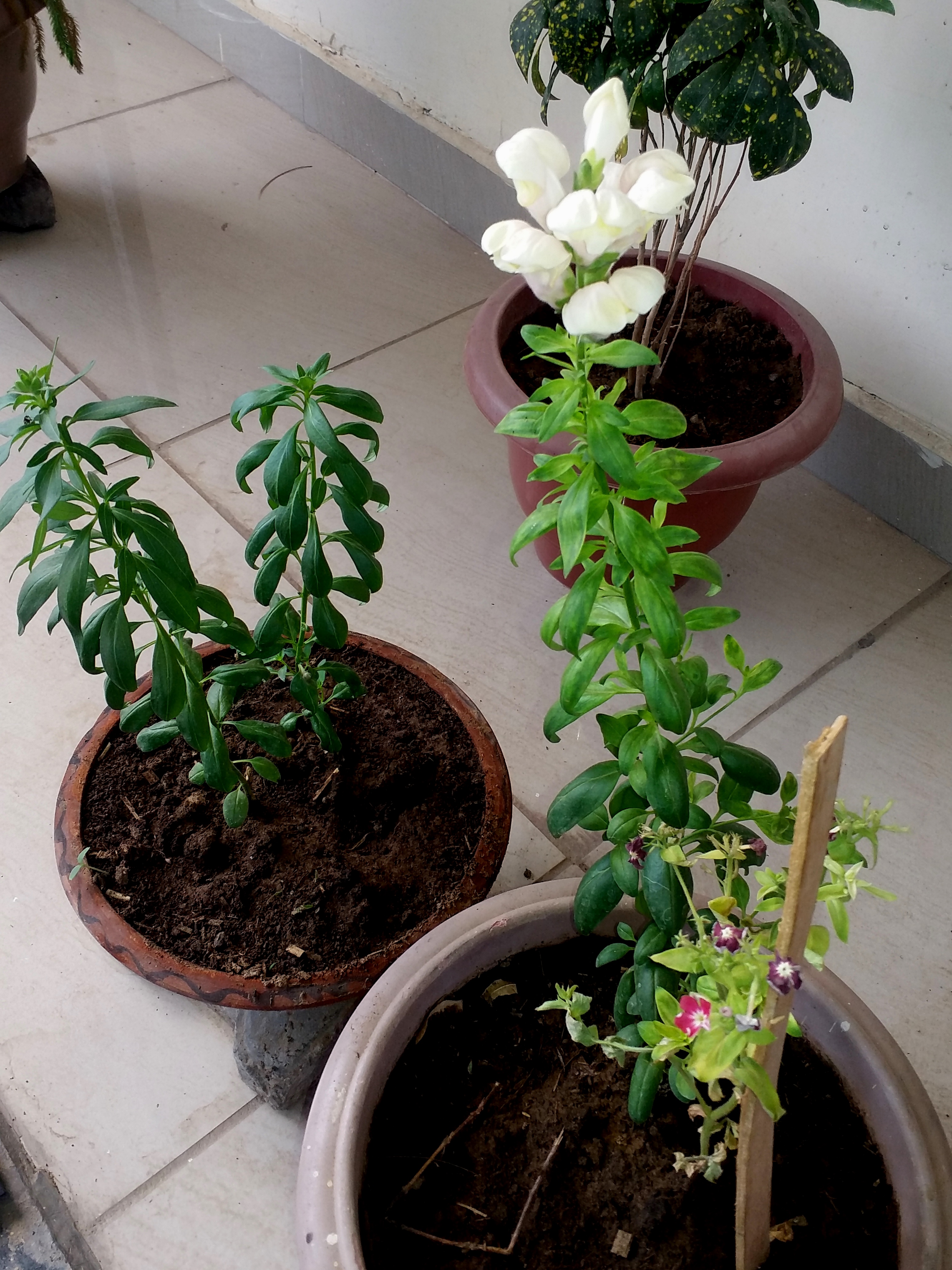
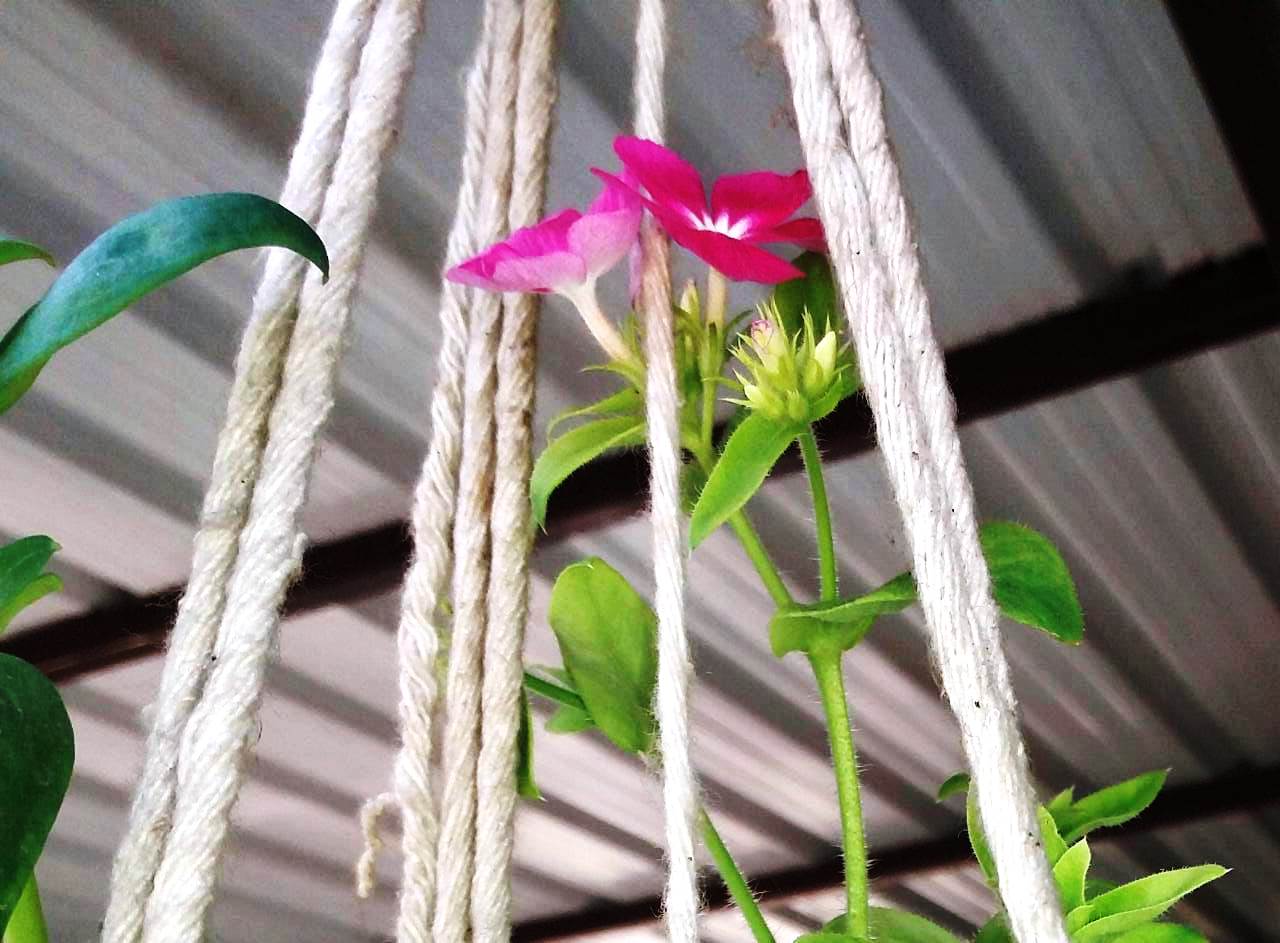
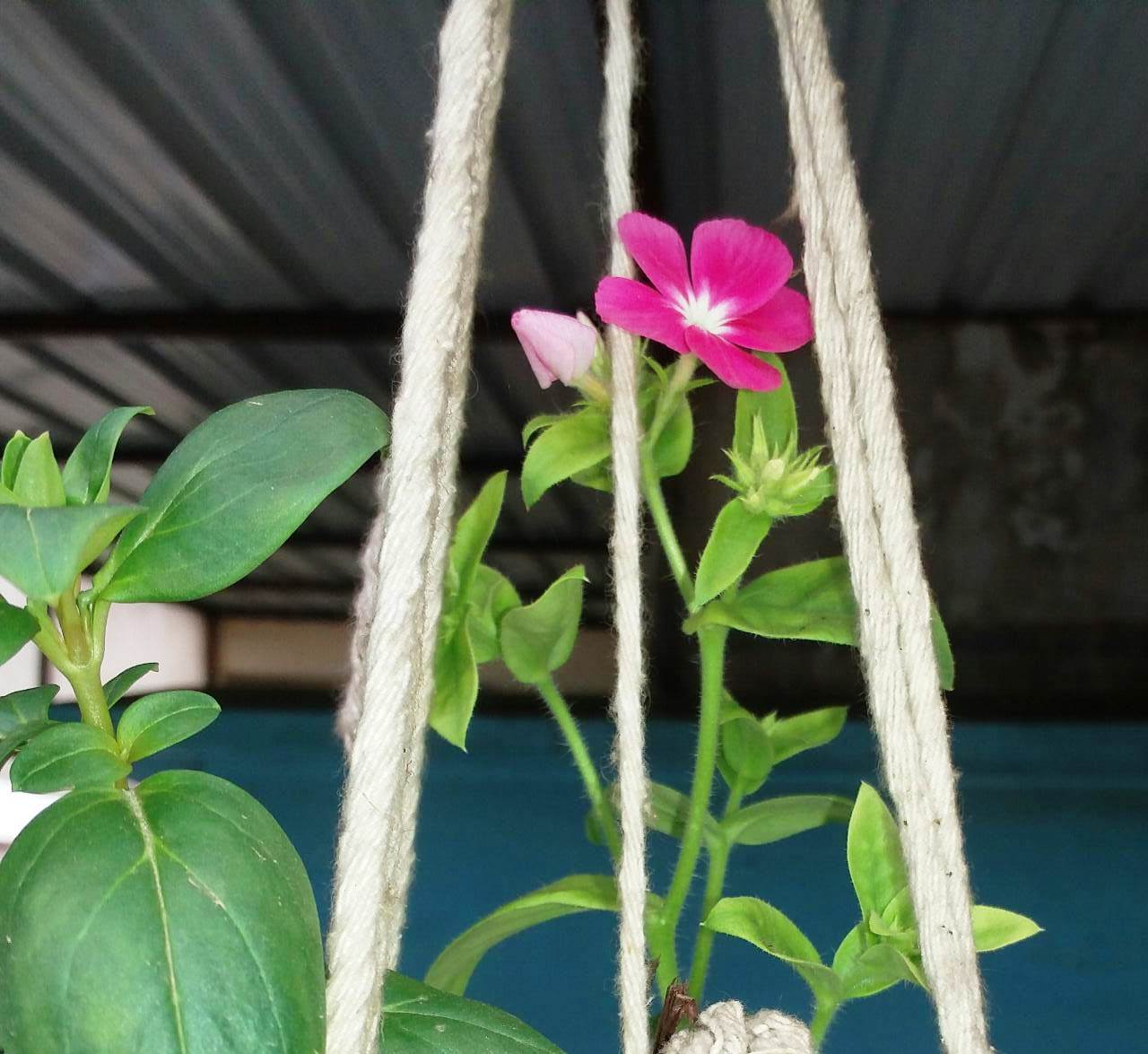
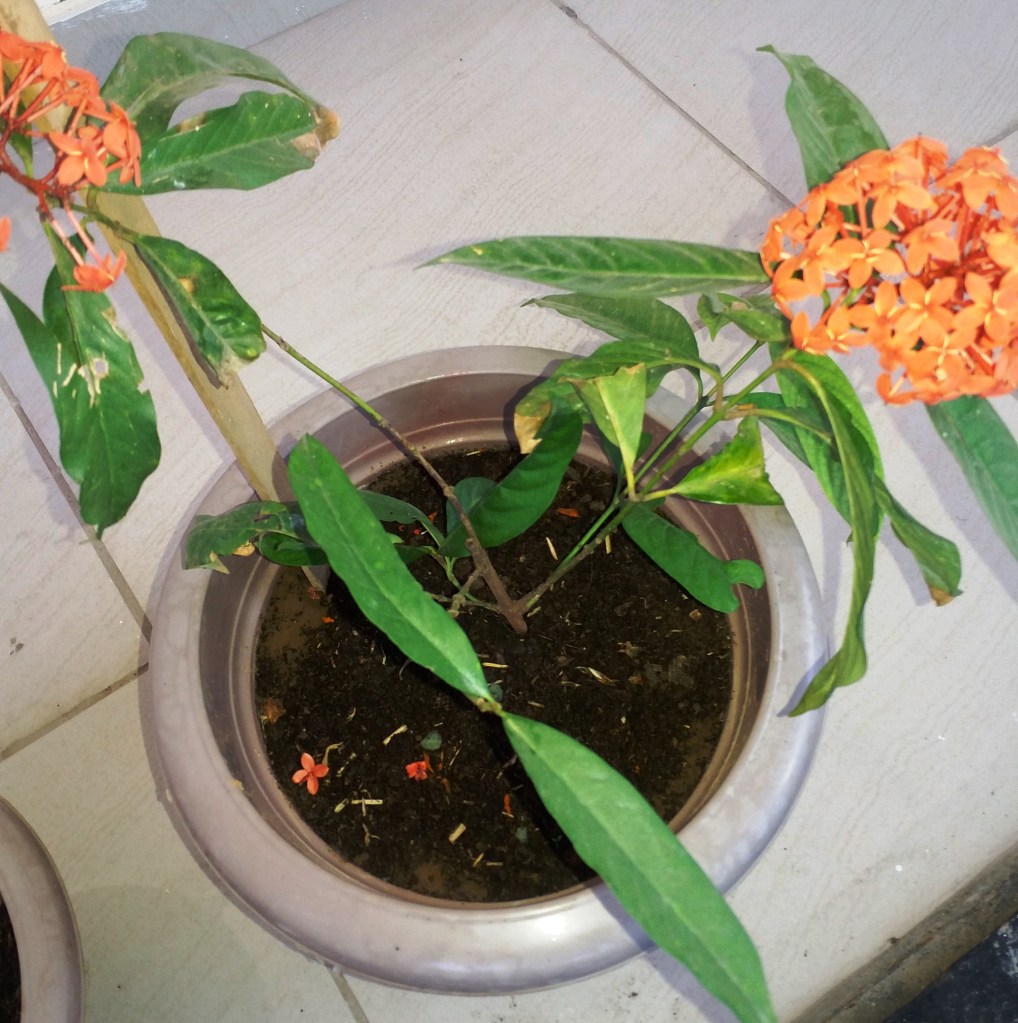
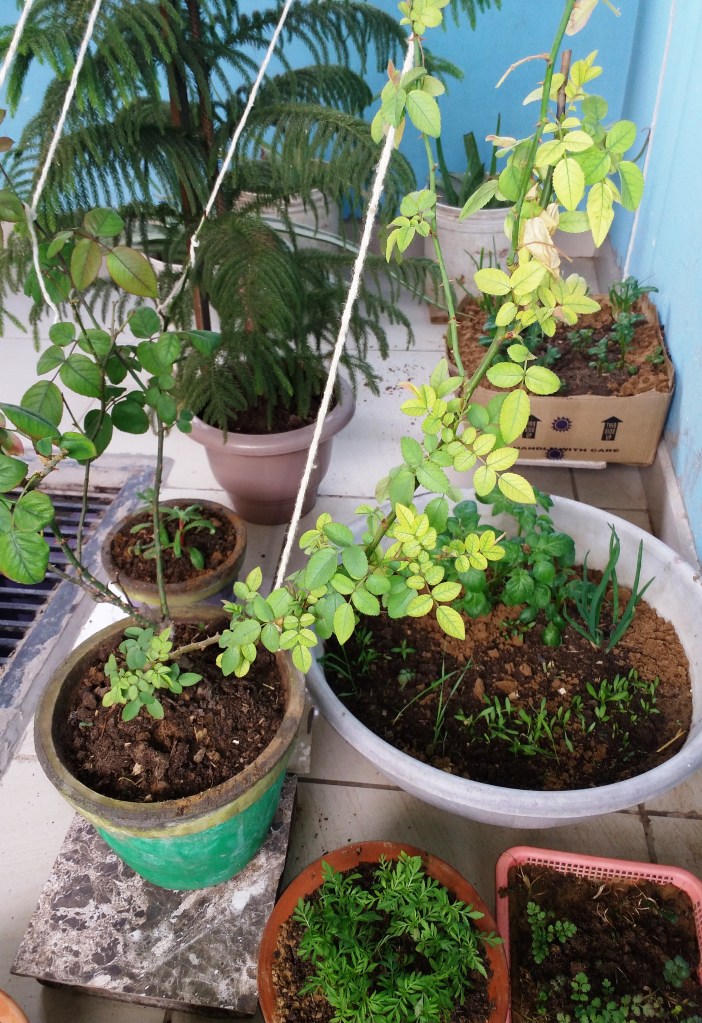
Rose plant 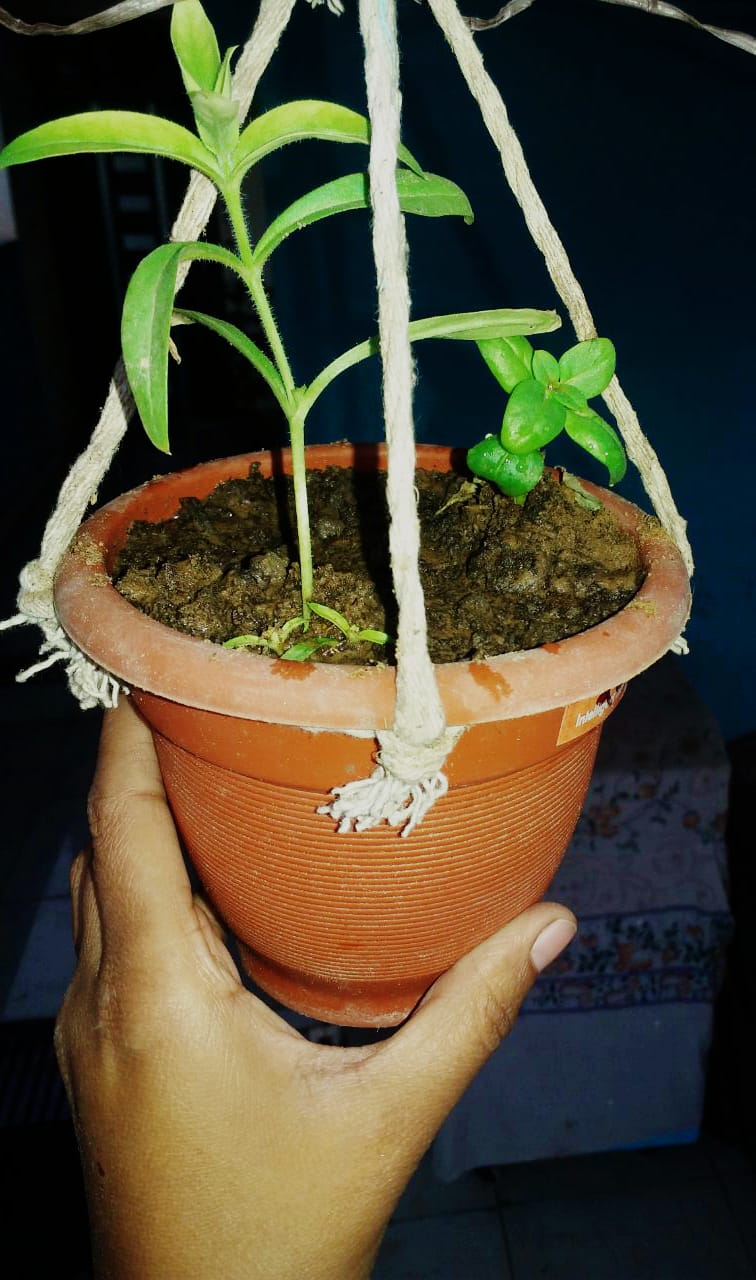
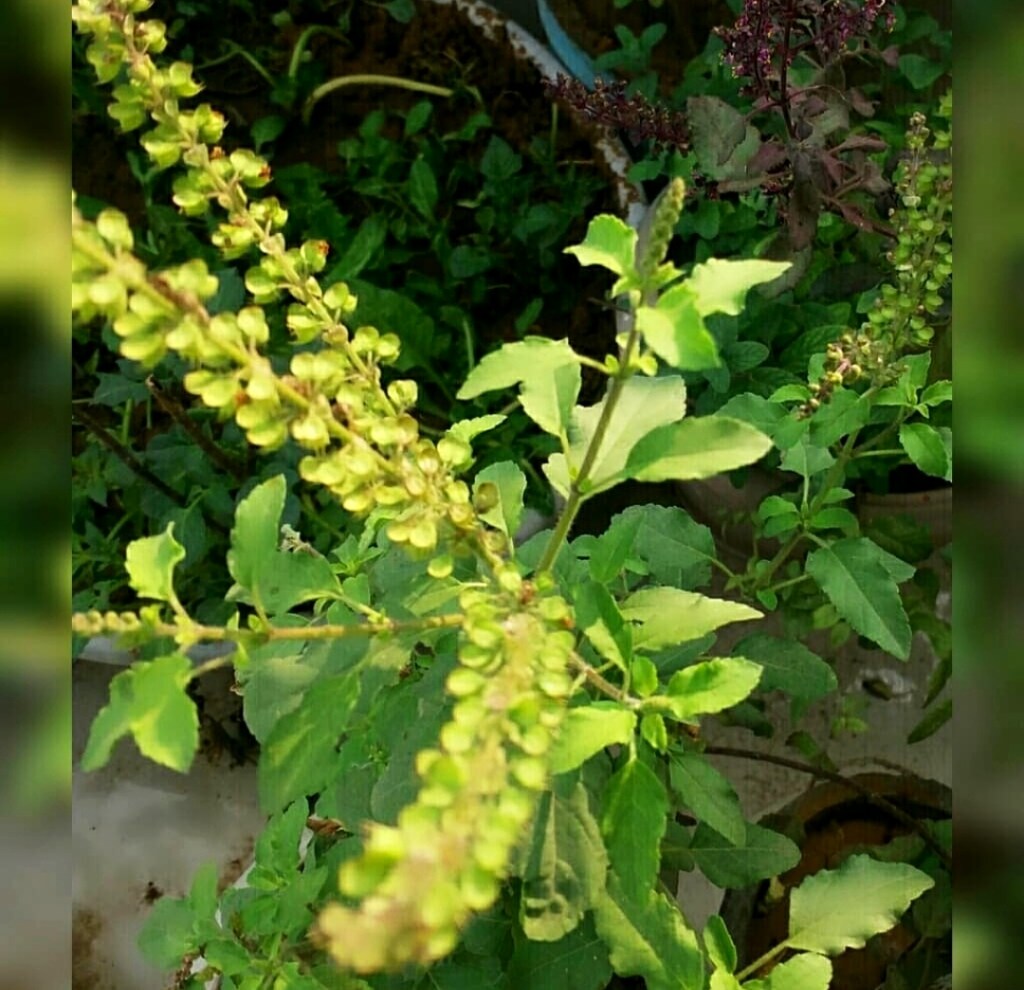
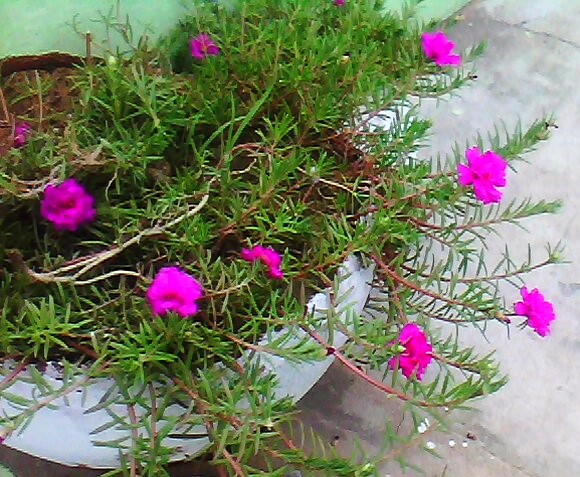
Aloe Vera Plants
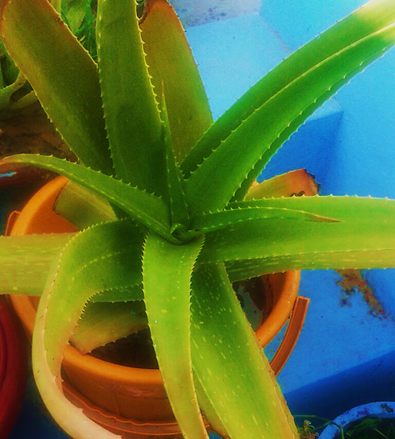
I remember when I was in university, I found a rotten baby Aloe Vera on our campus road. Our gardener uncle ji threw it at work I think. I took and grew it in a mug. I believed that it would become a healthy plant one day. It was a really good feeling. My friends said it was just a waste, already a dead plant. In my view, nothing is waste.
Have a look now! All these plants belong to the second and third generations of that parent plant which was once thought by others to be almost dead.
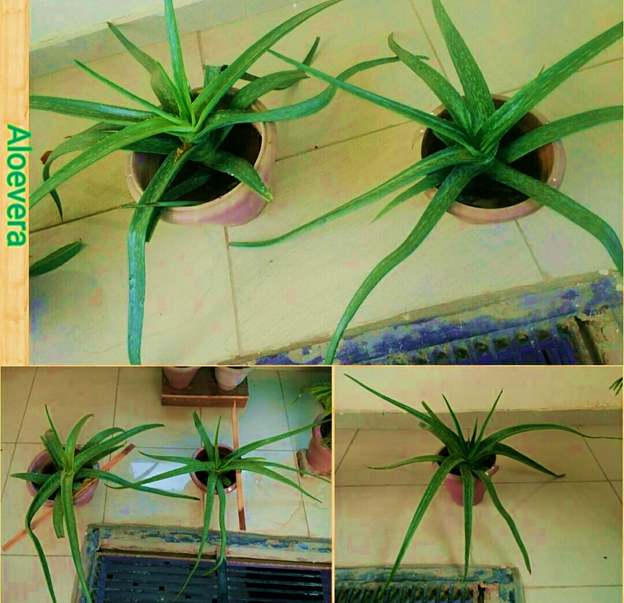
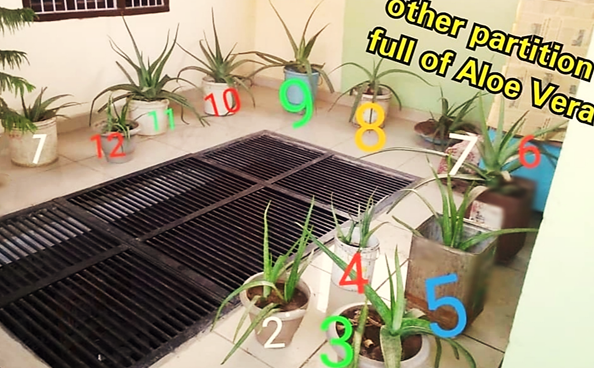
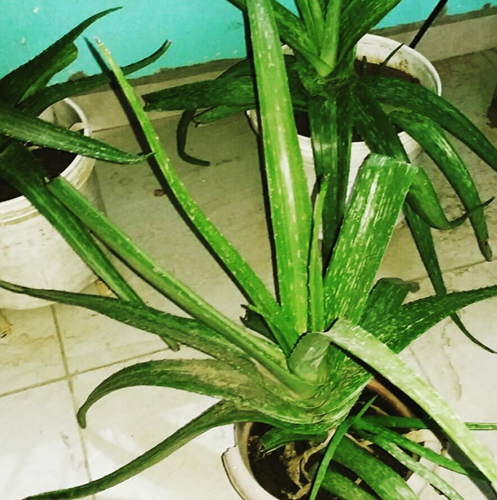
You know, after some time, it got healthy and produced its first leaf by receiving care and love from me. After graduation, I took that small plant to my home and then grew it in a big pot.
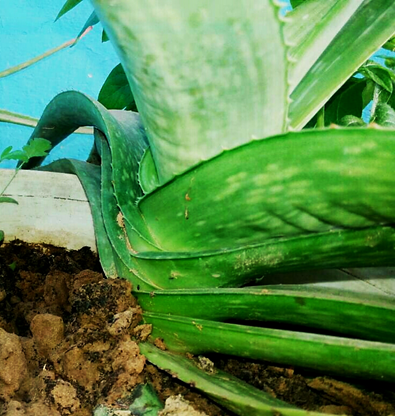
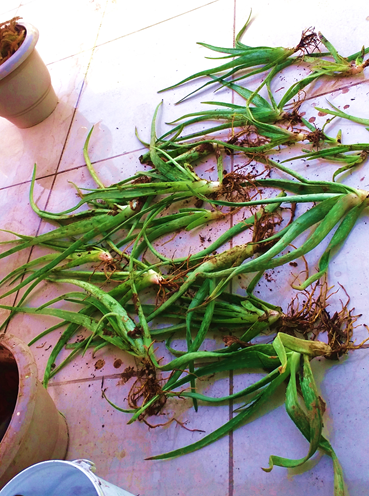
Each time there are more new baby plants and I grow them in separate pots. I get a lot of satisfaction seeing these Aloe Vera plants at home.
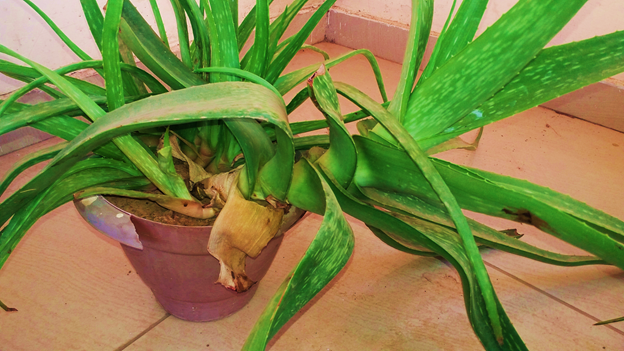
Hope and care are one of the biggest natural forces.
Medicinal Plants
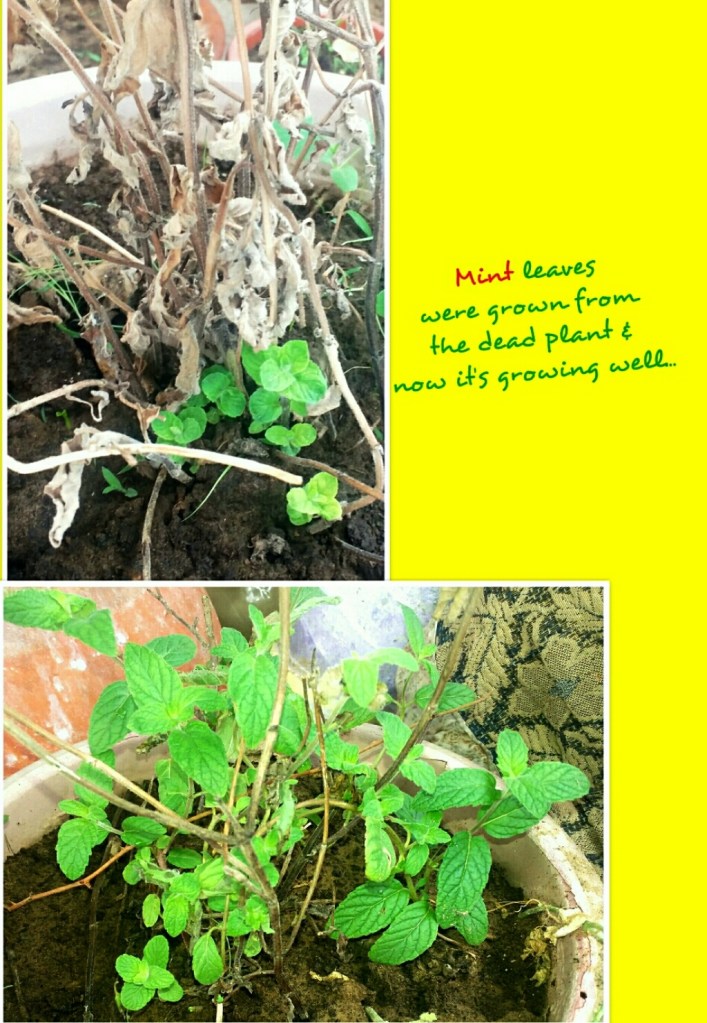
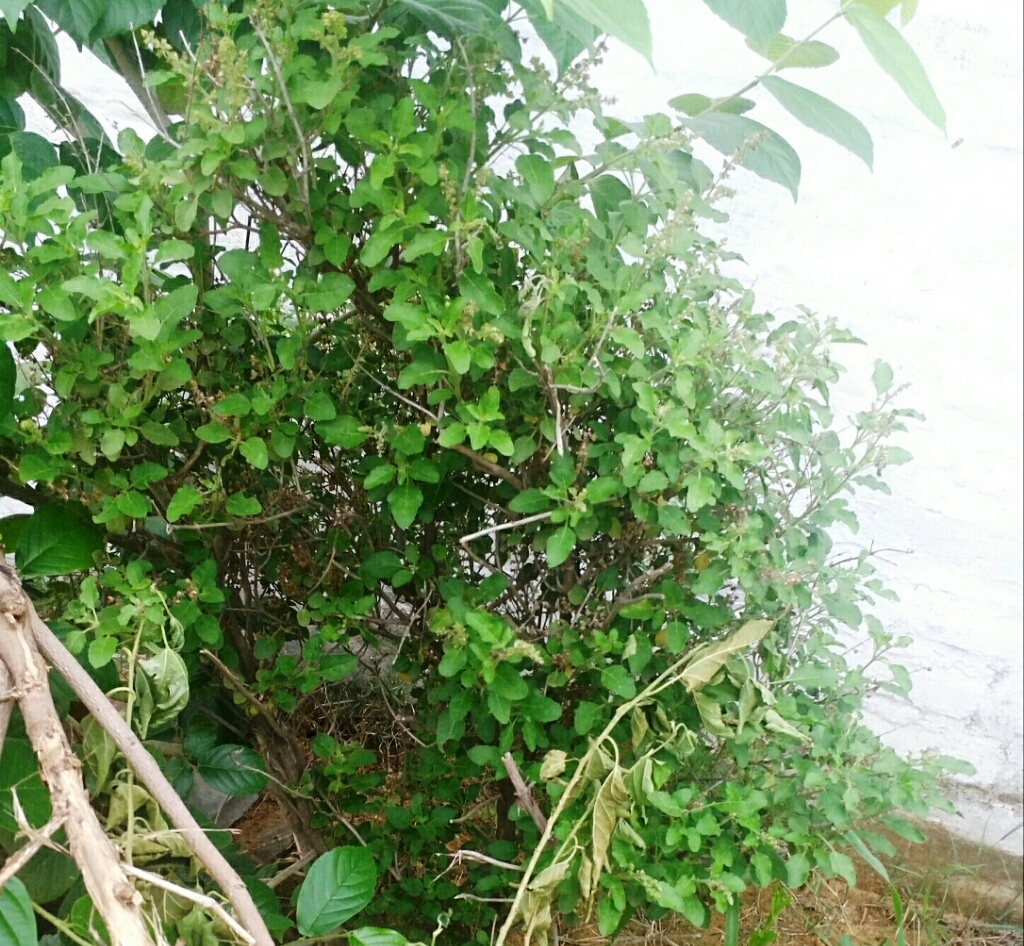
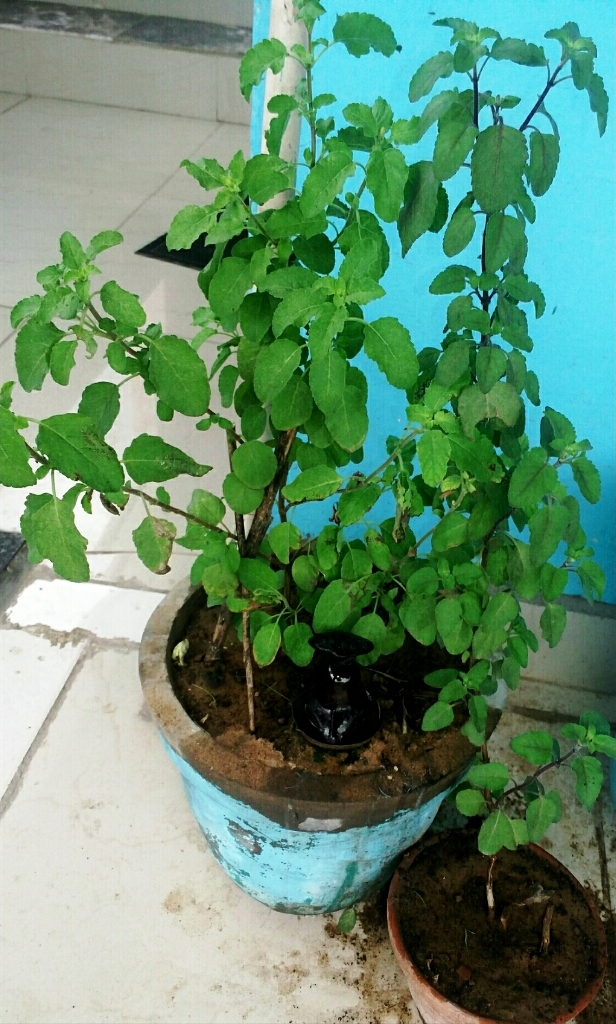
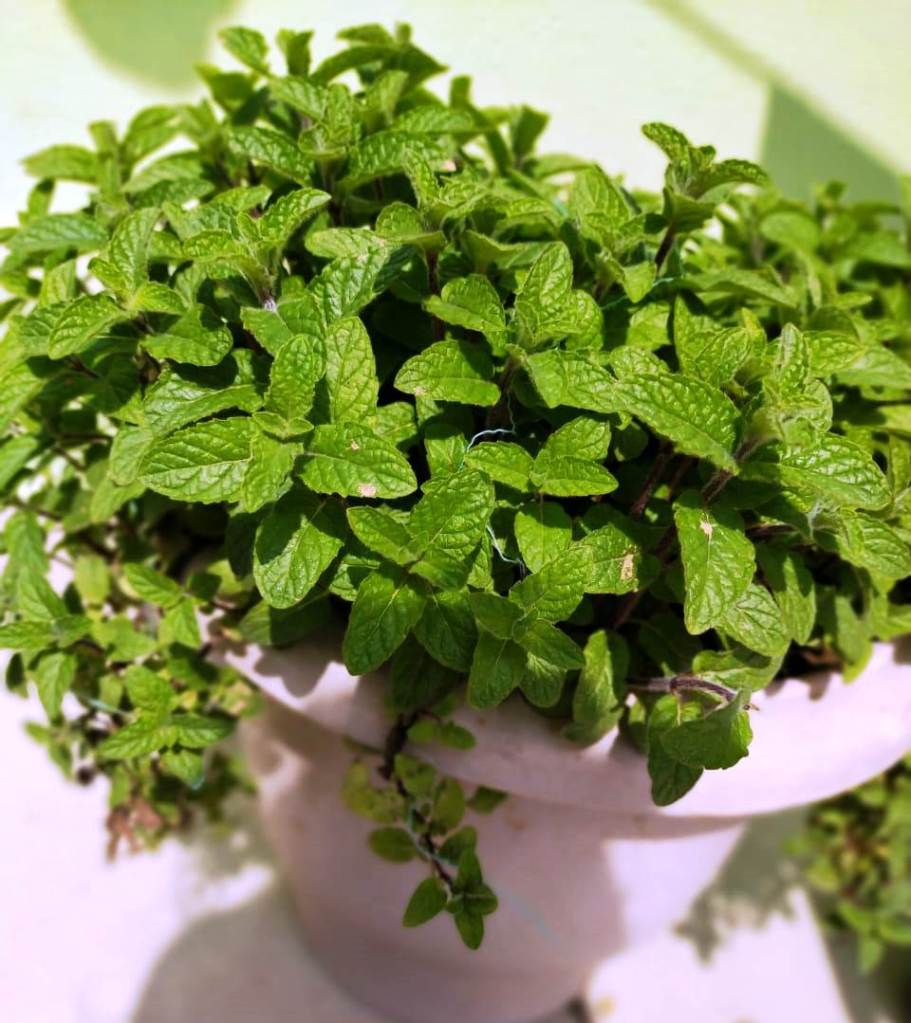
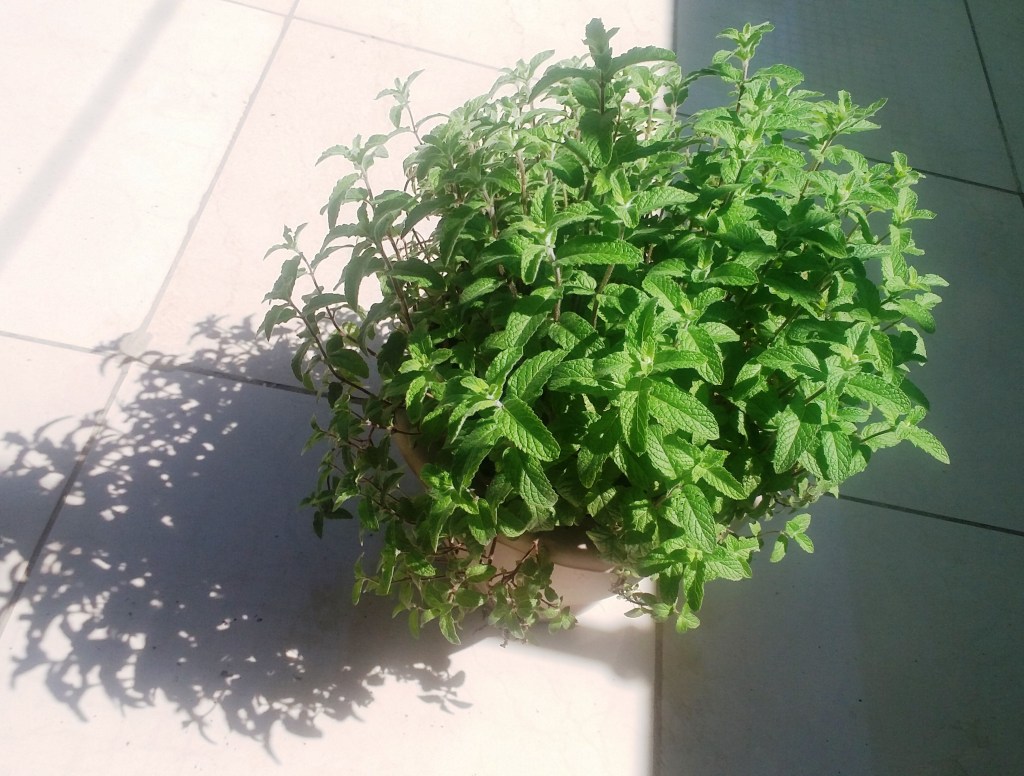
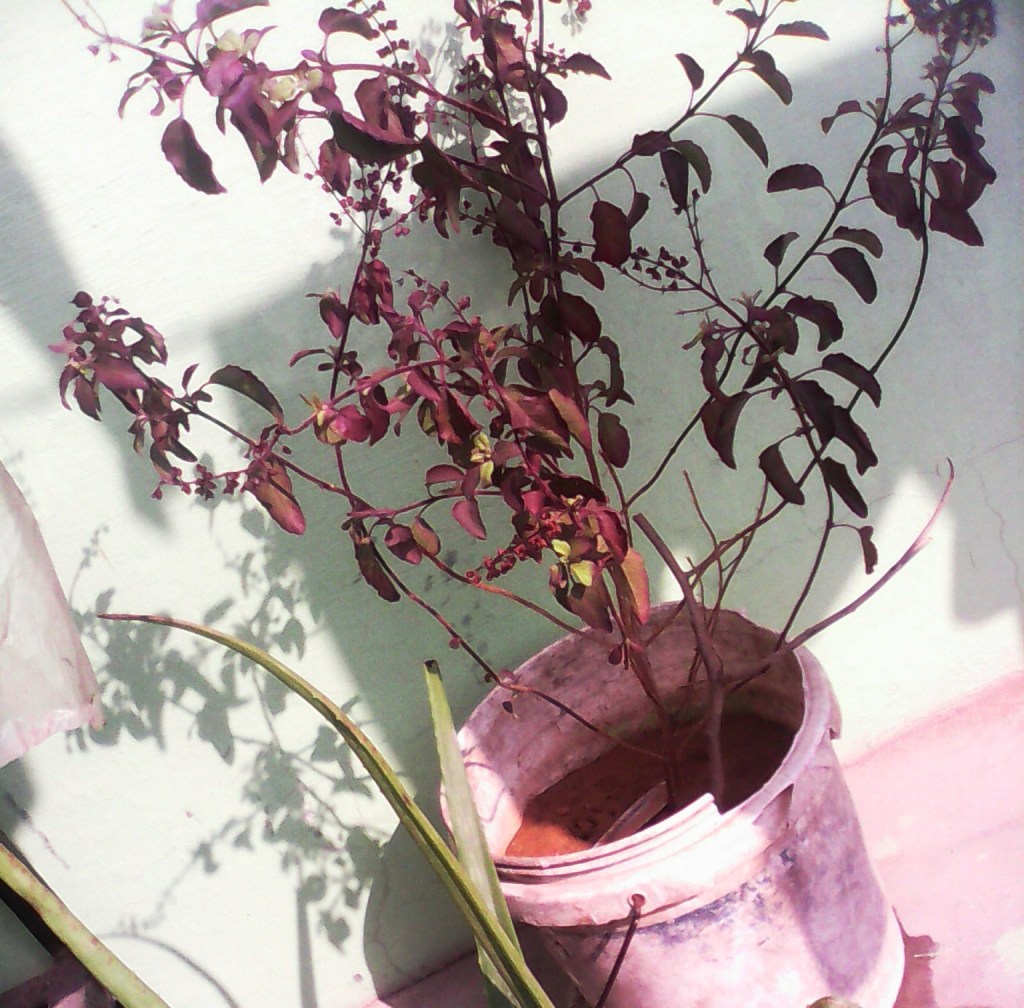
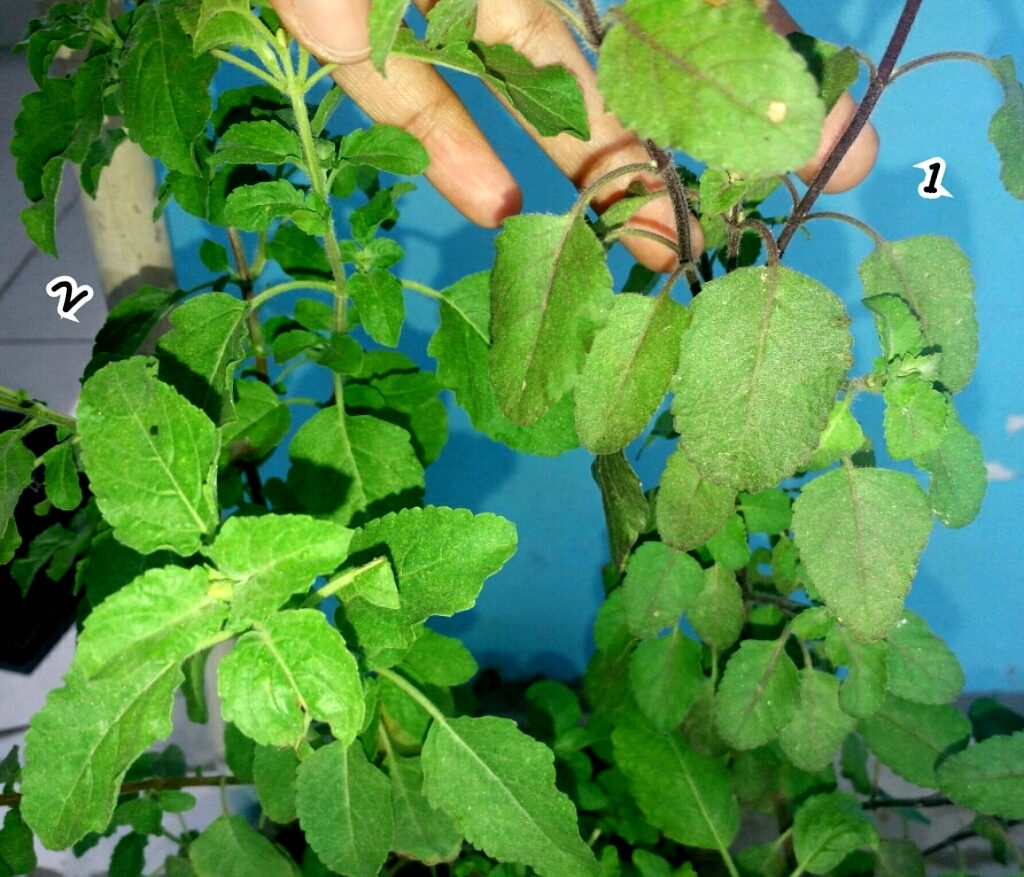
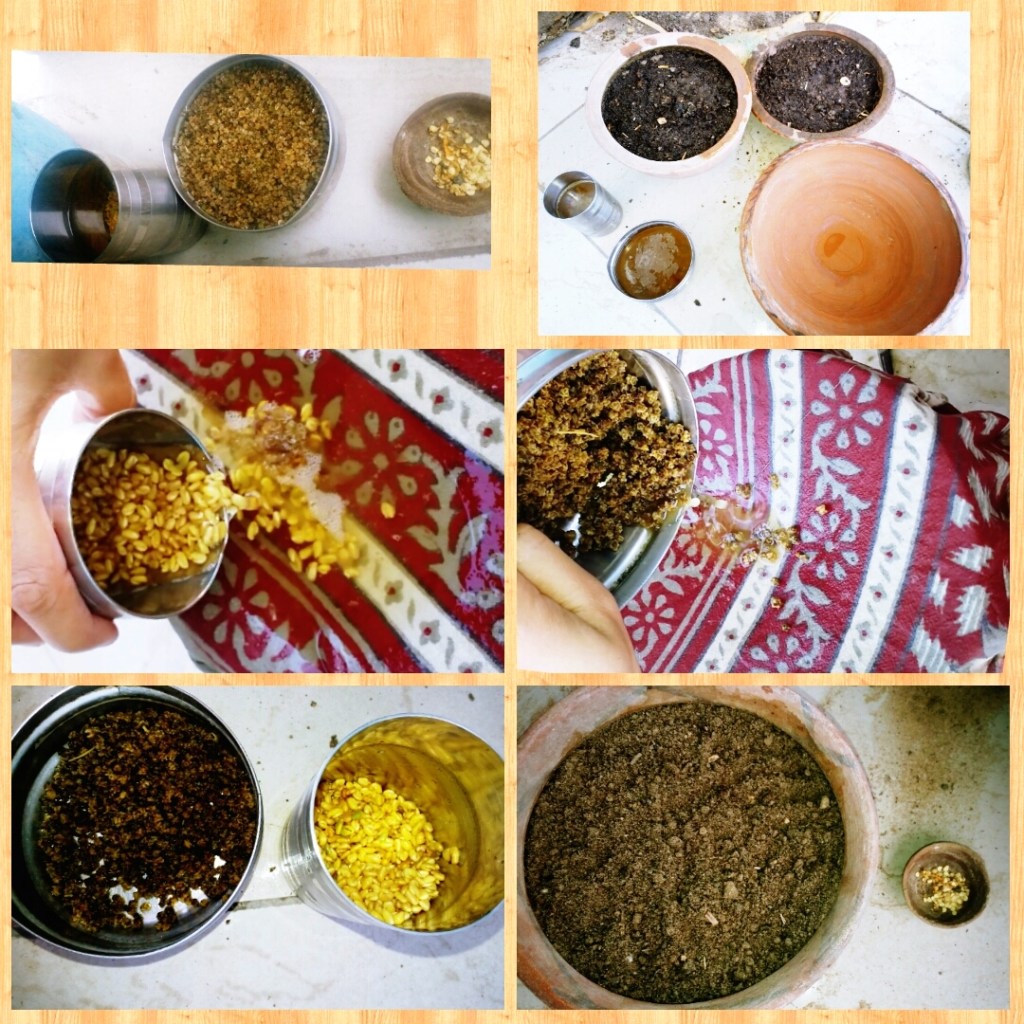
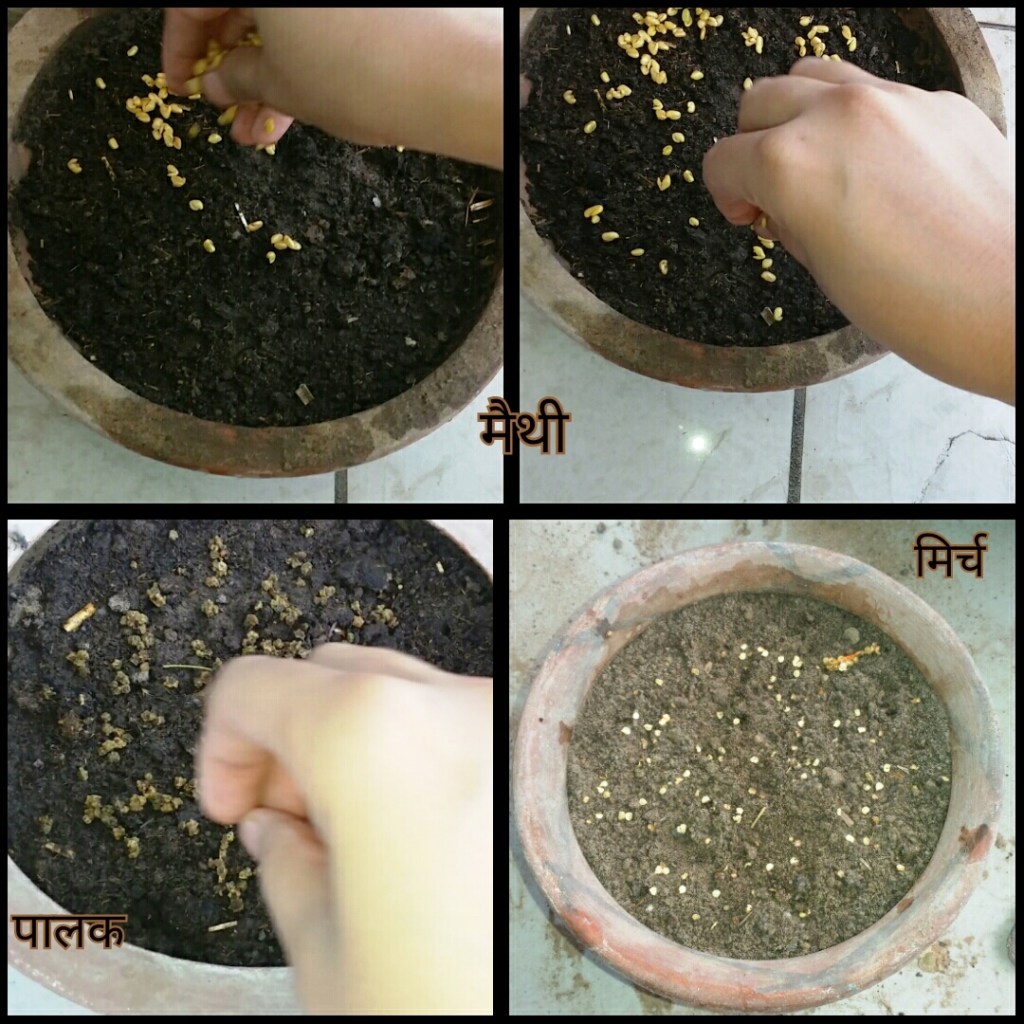
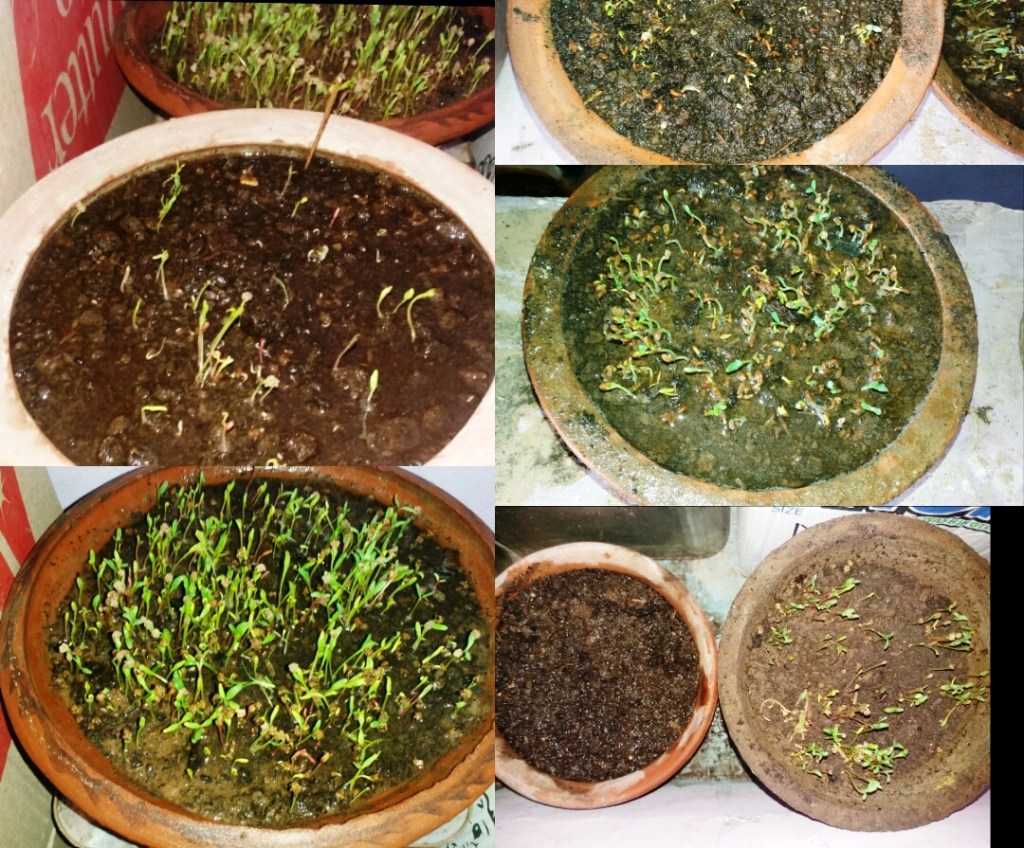
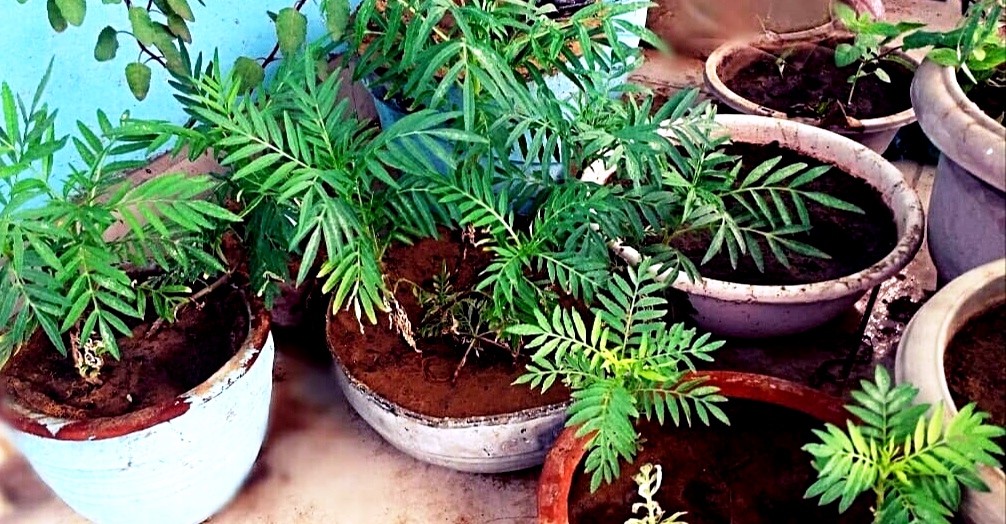
New Seedlings sprouting from seeds
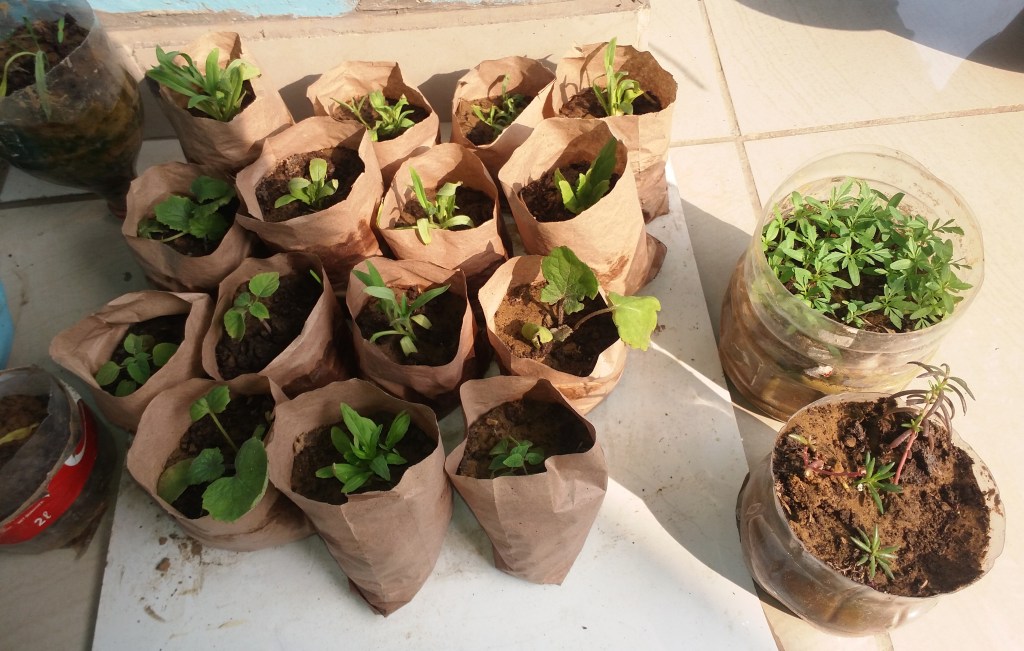
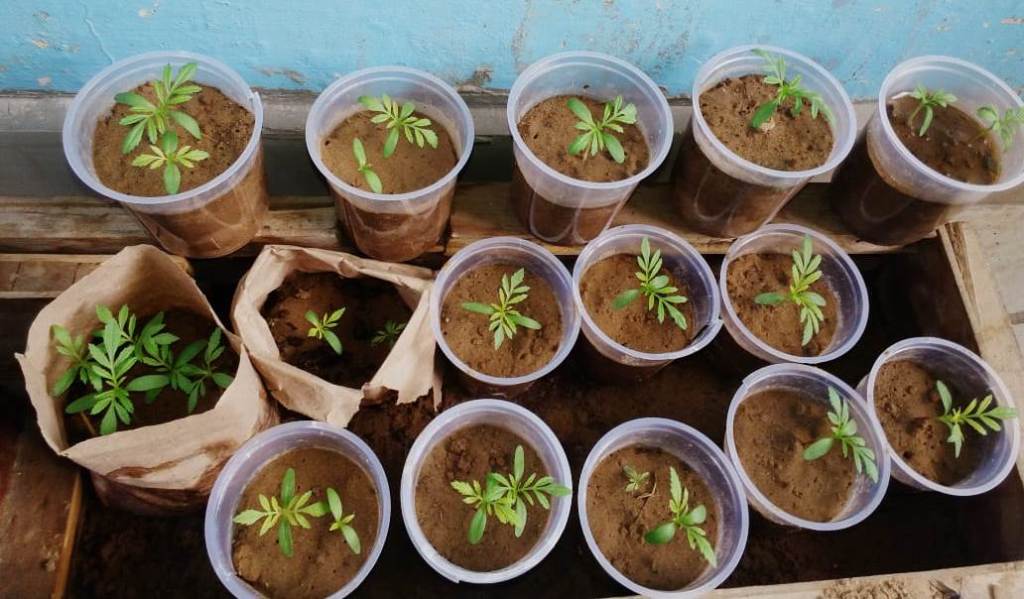
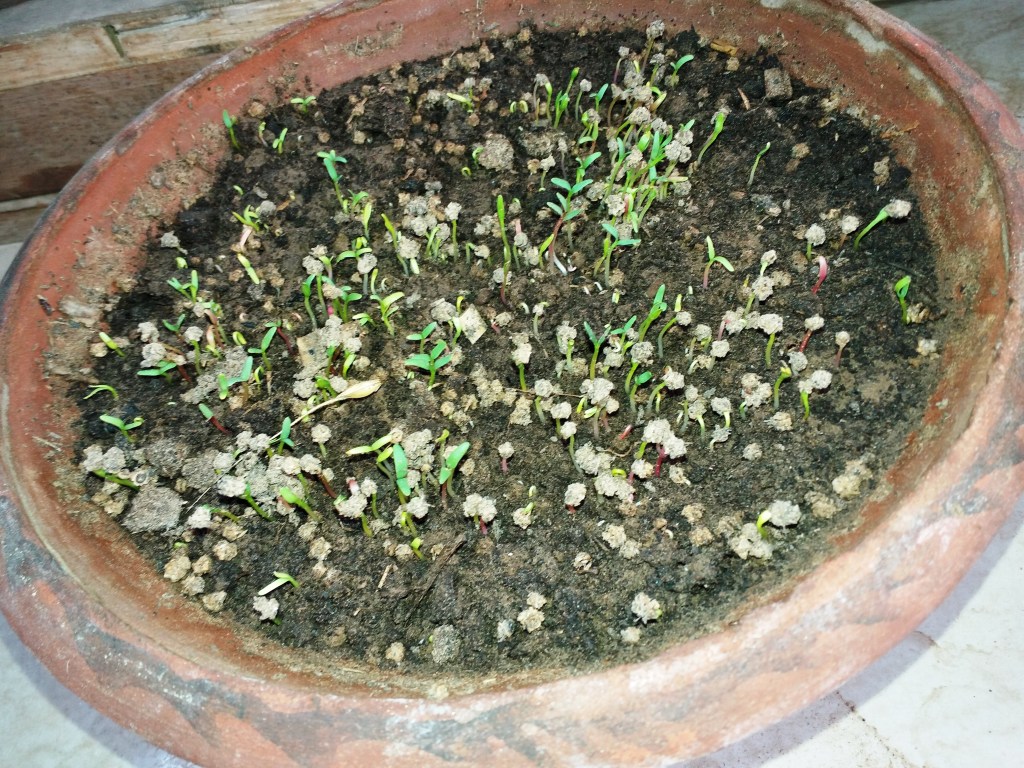
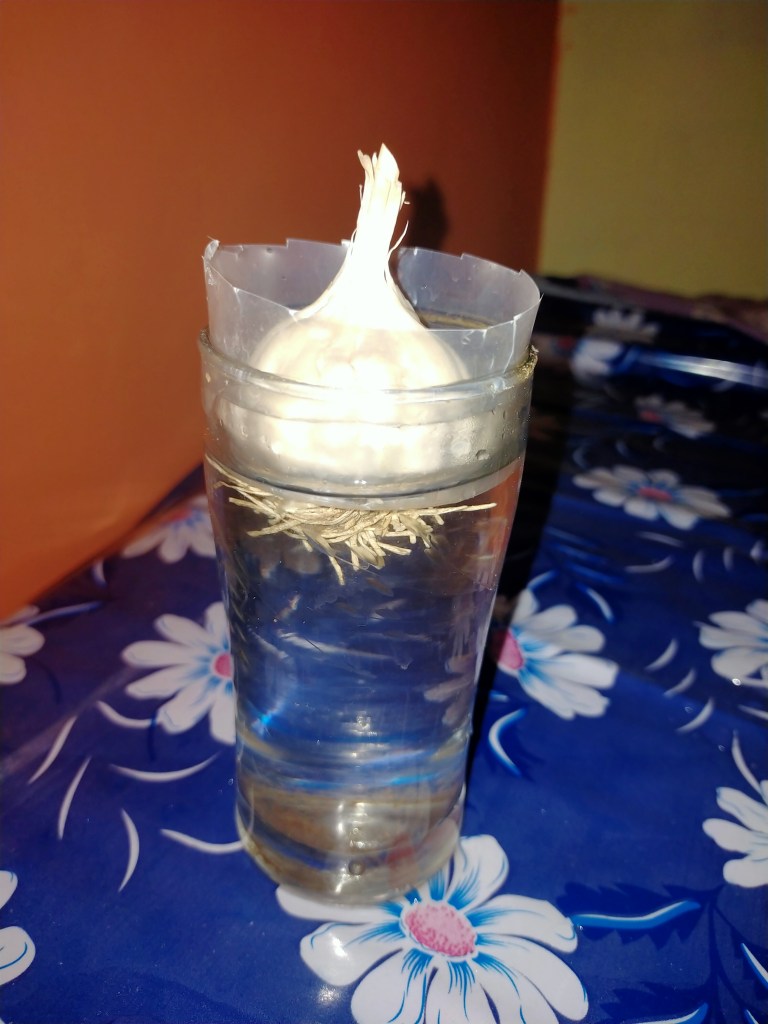
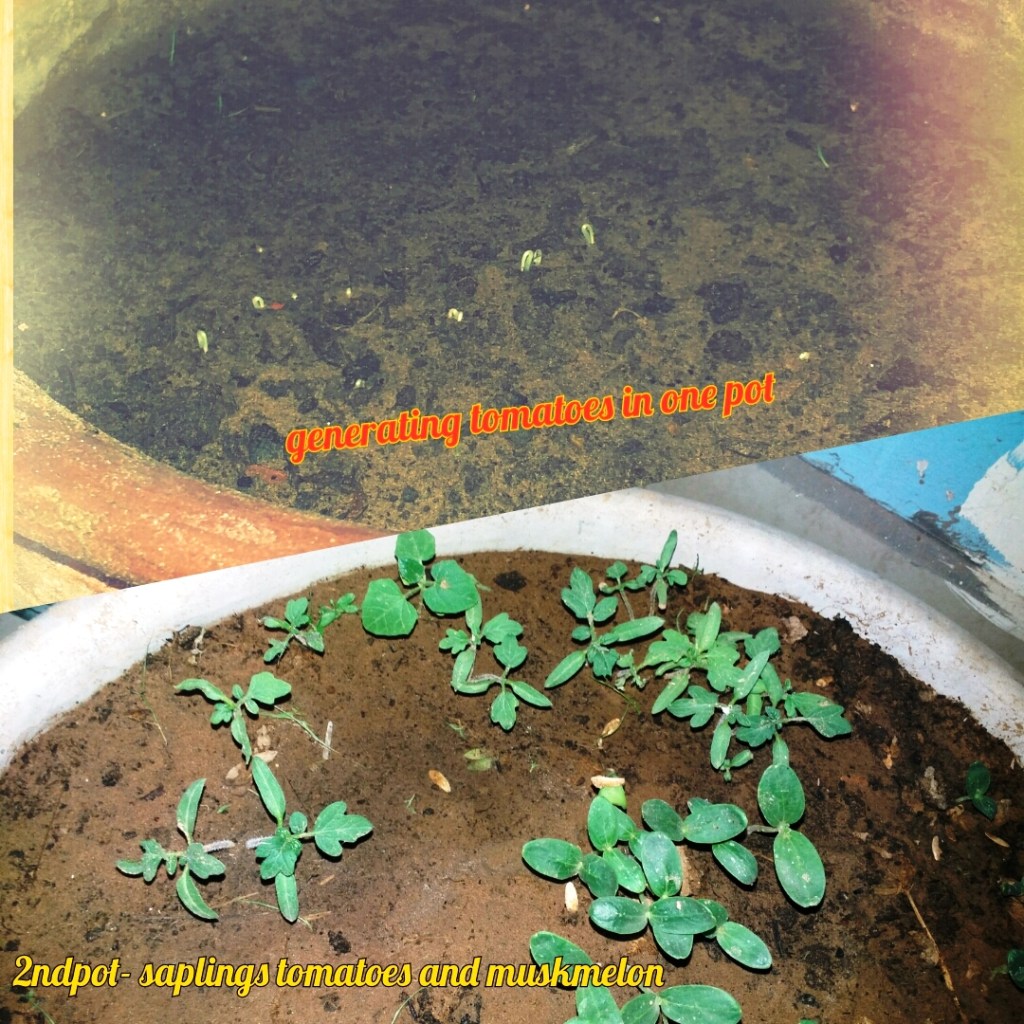
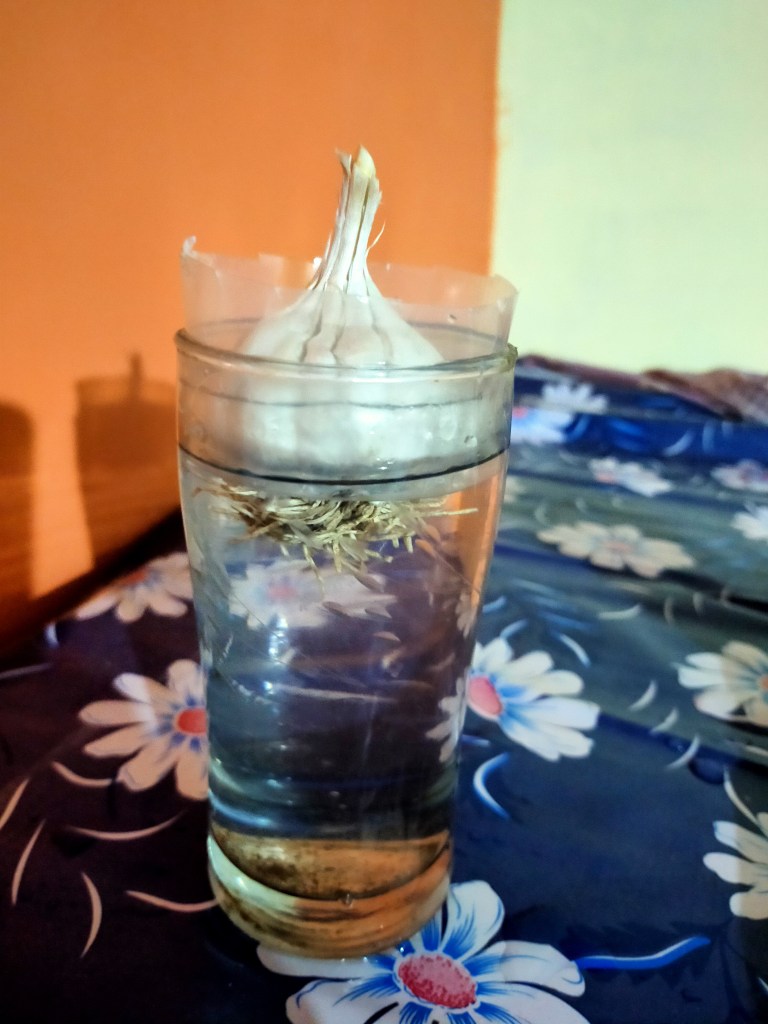
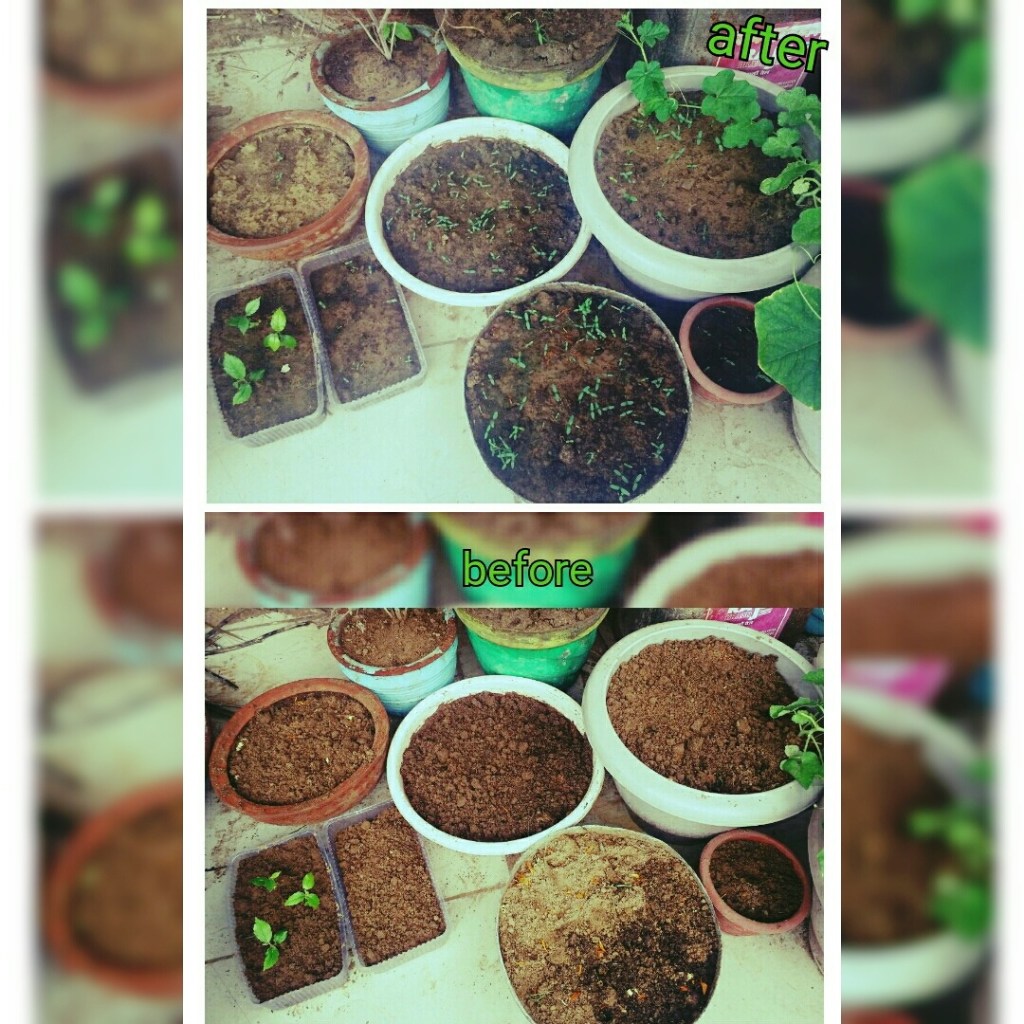
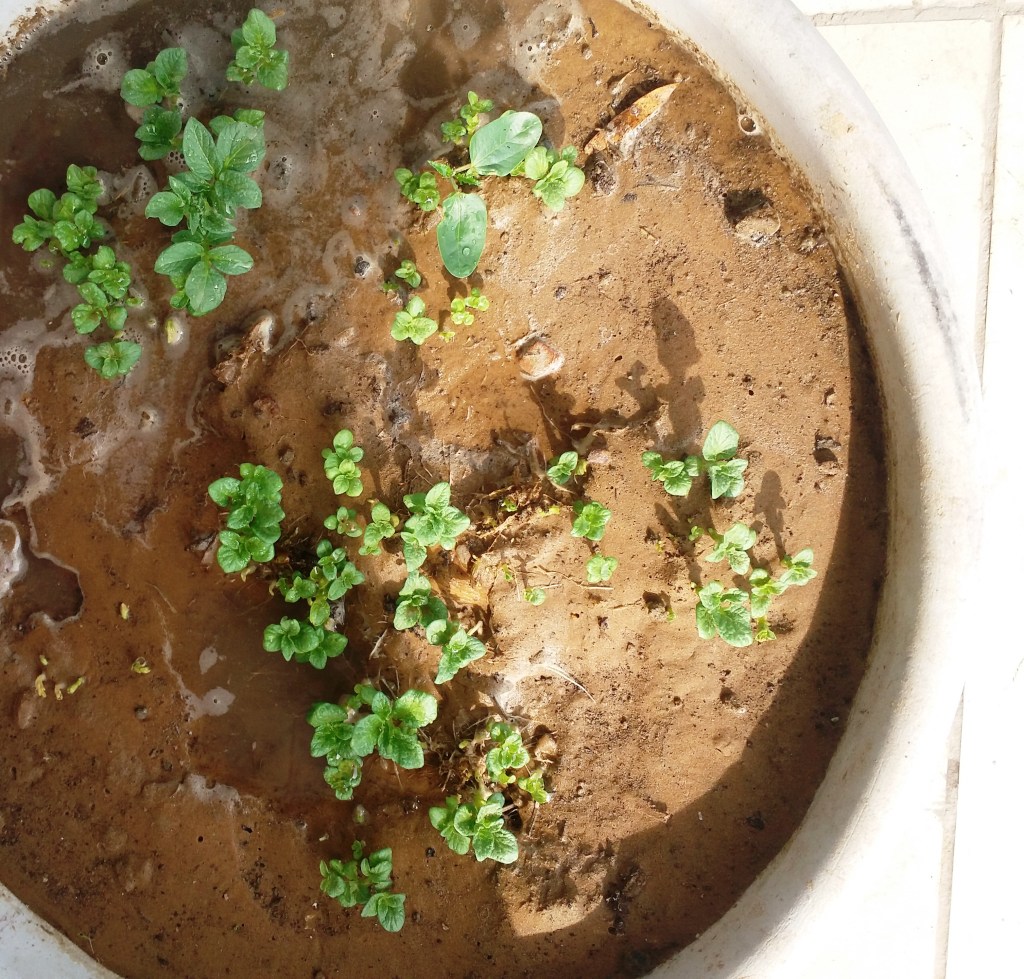
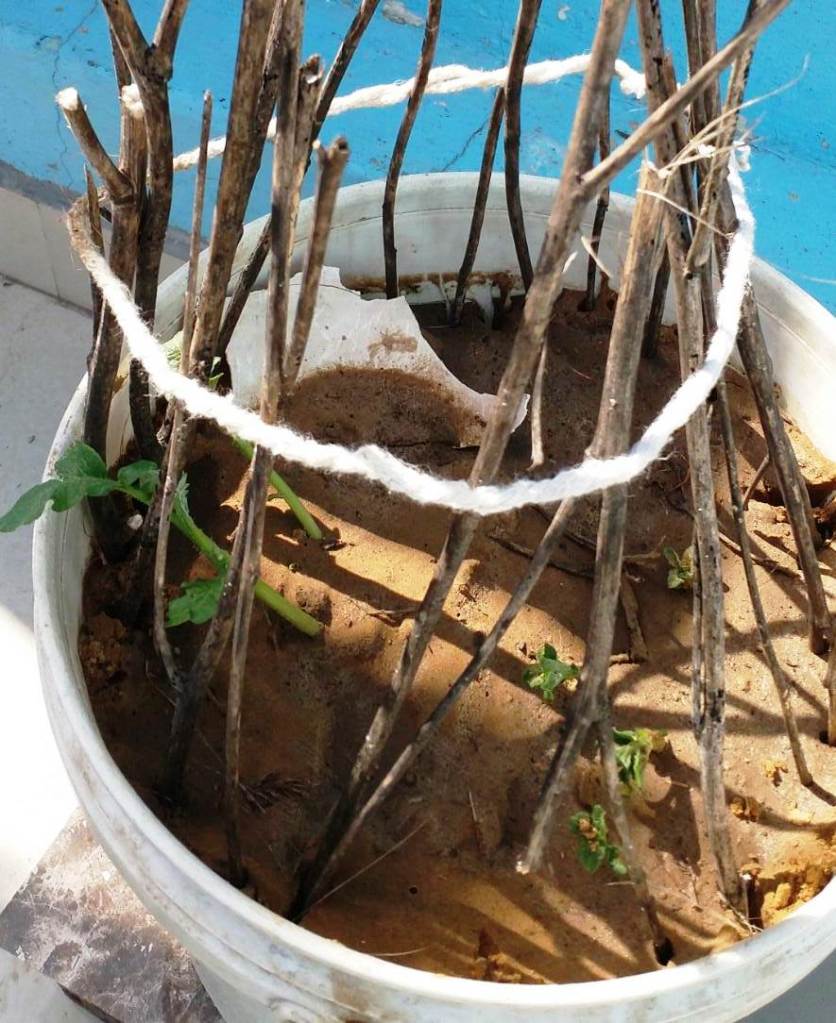
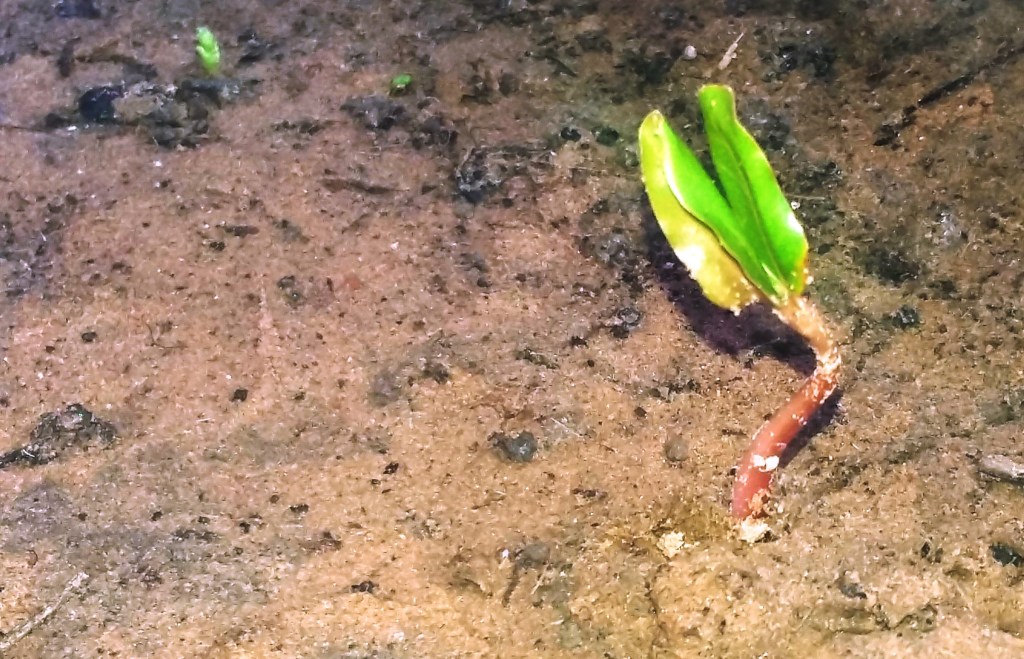
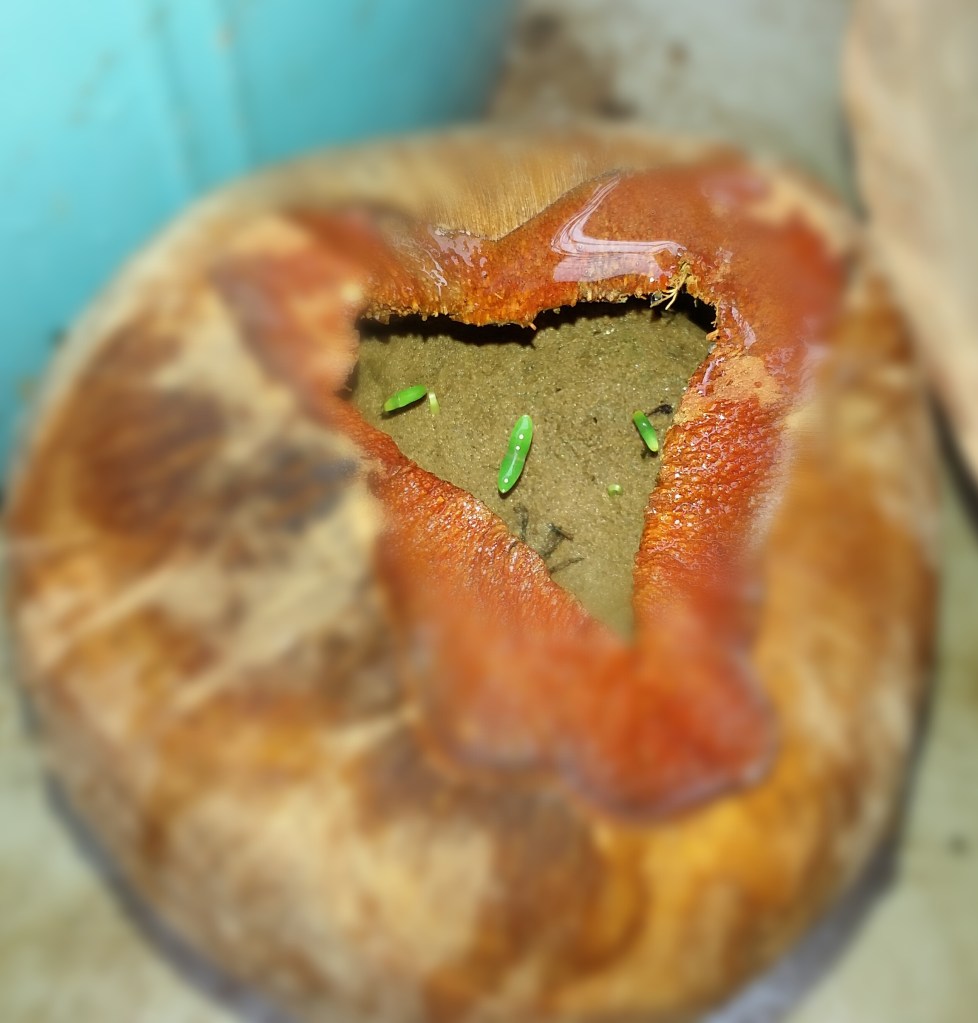
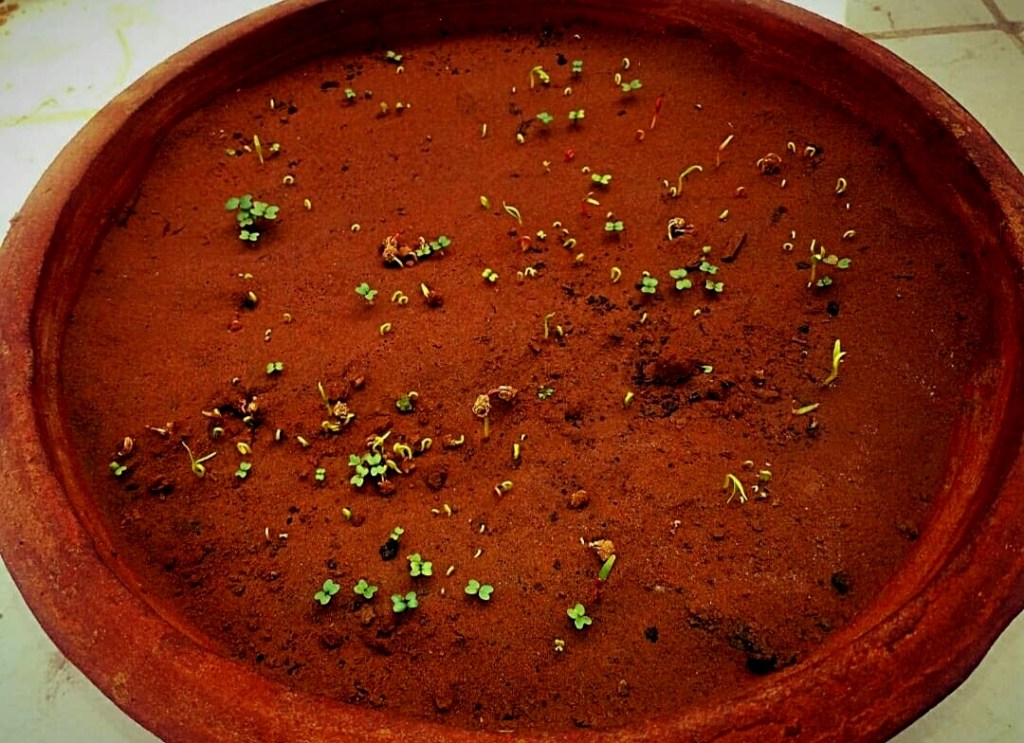
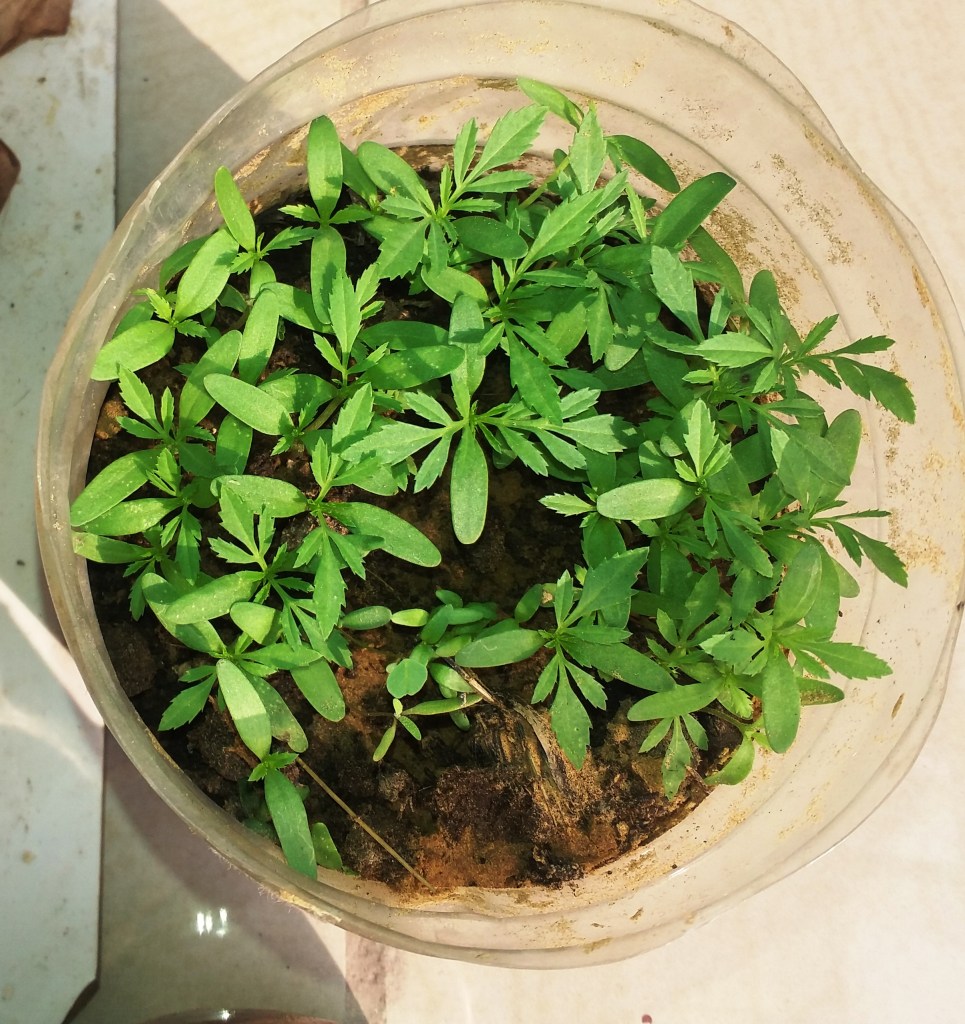
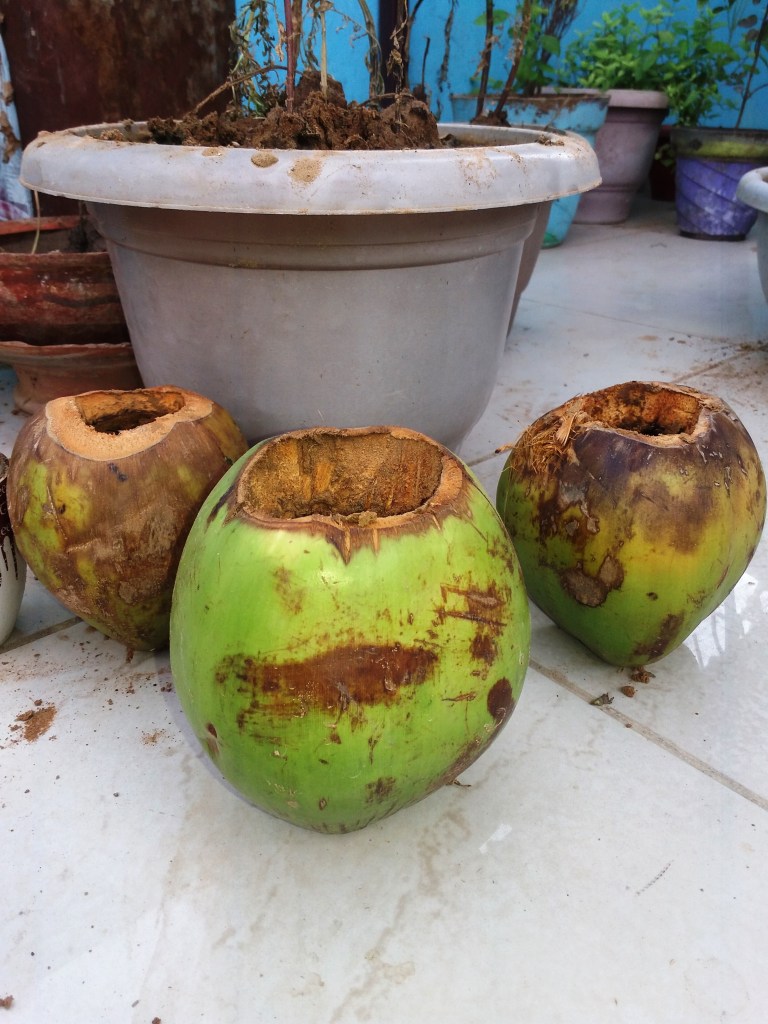
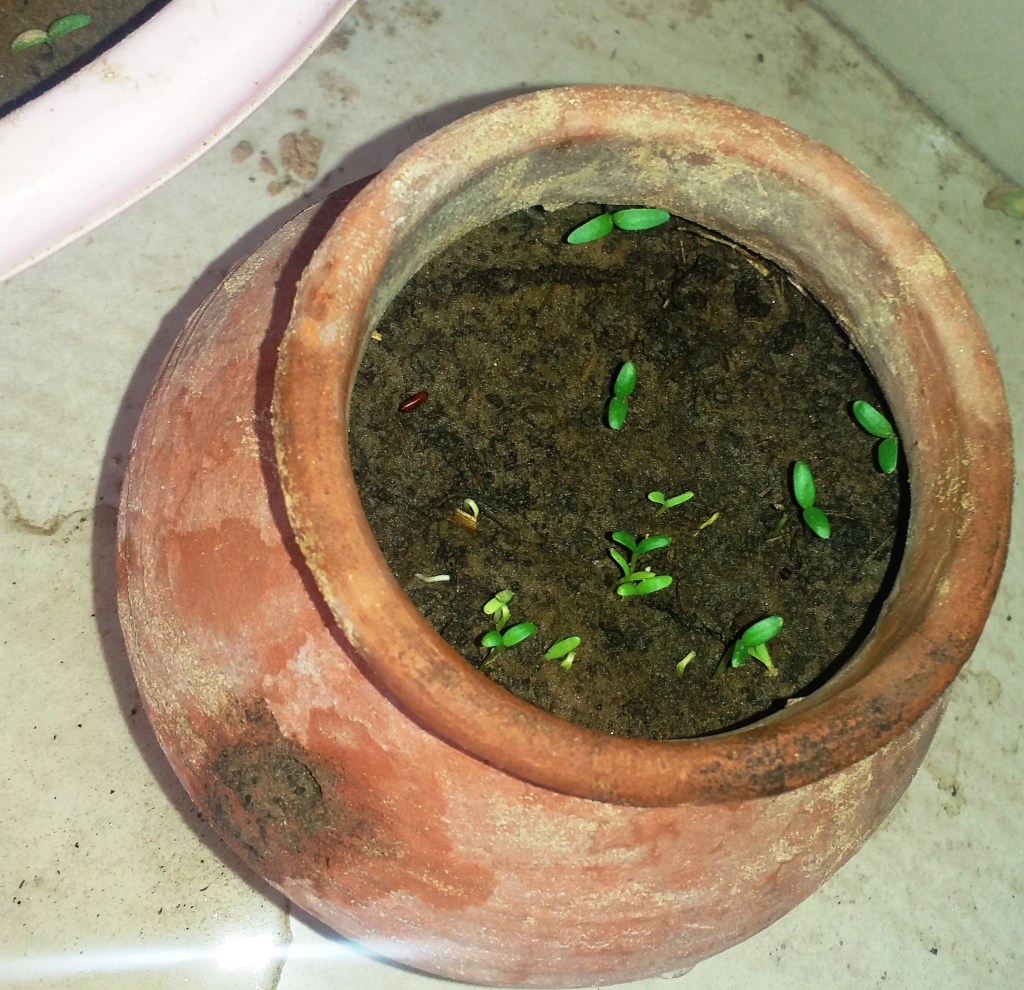
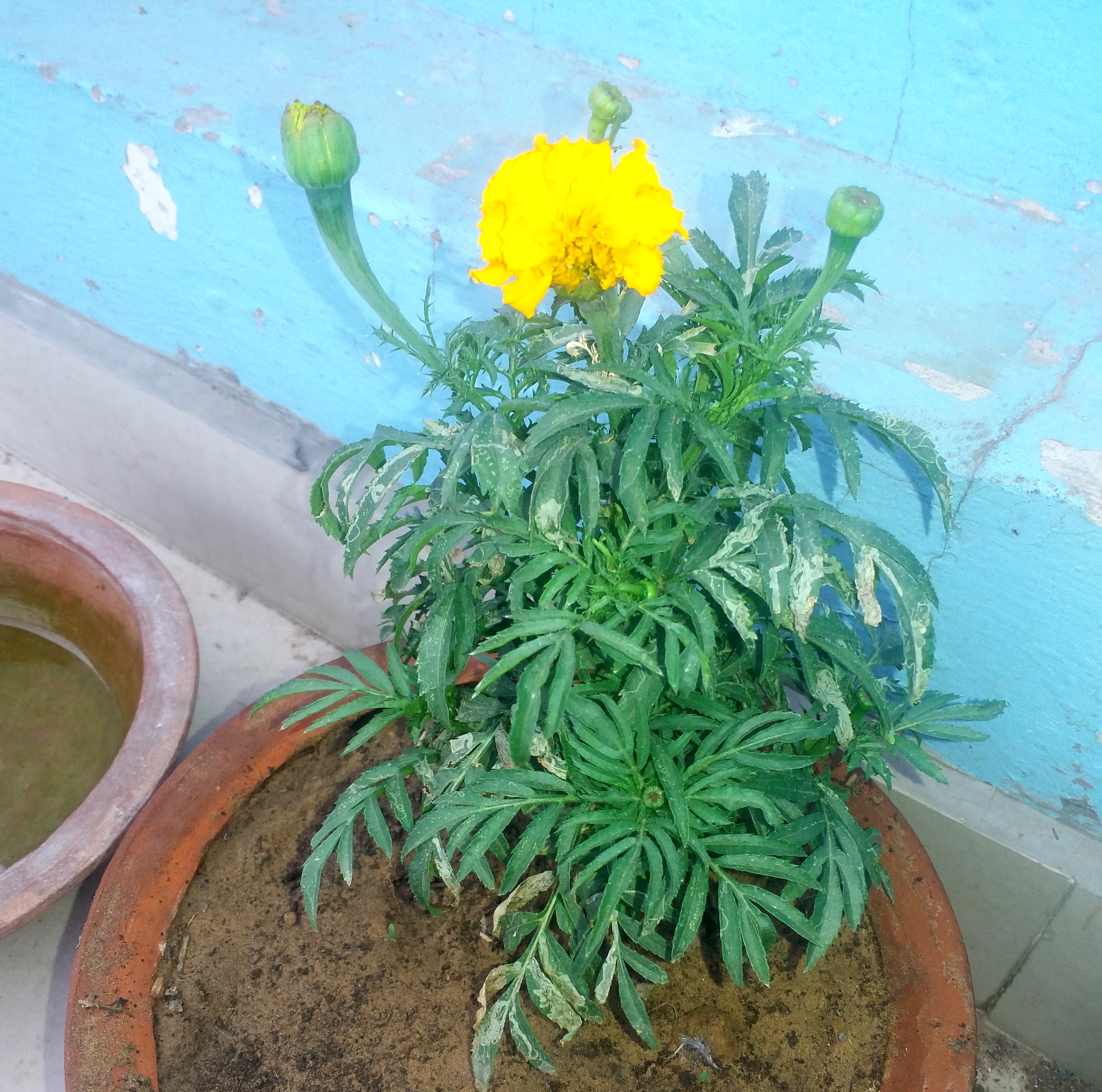
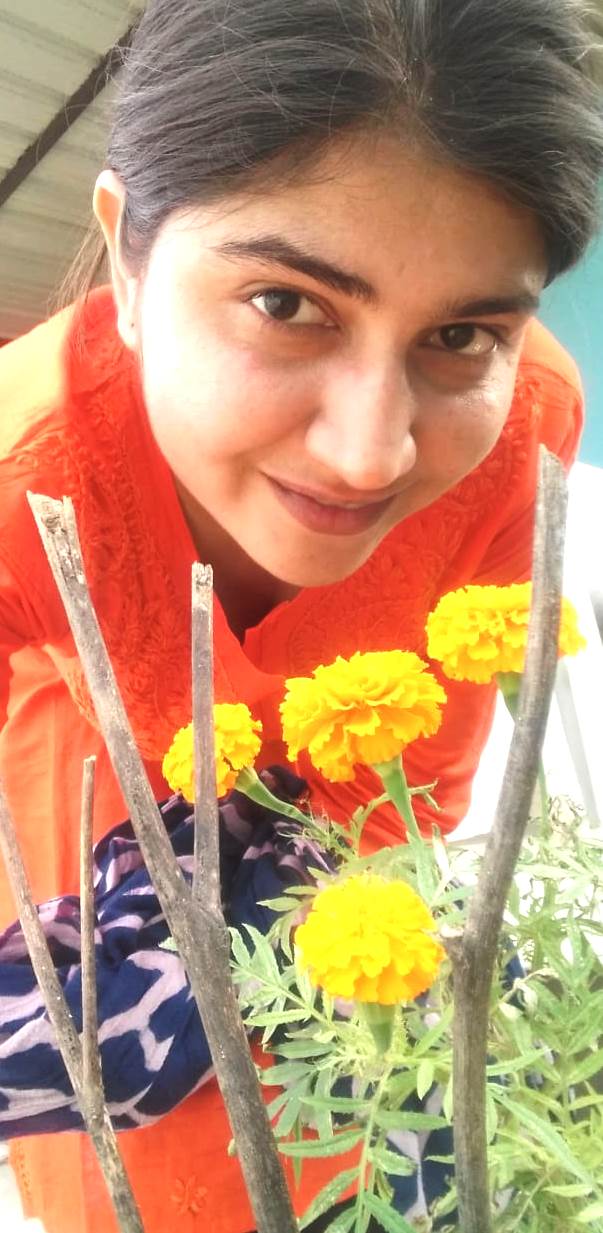
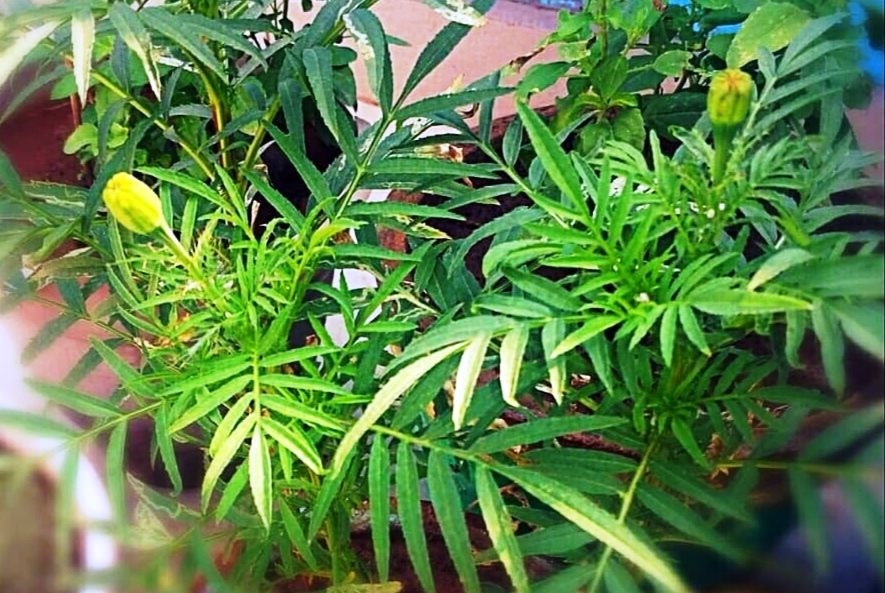
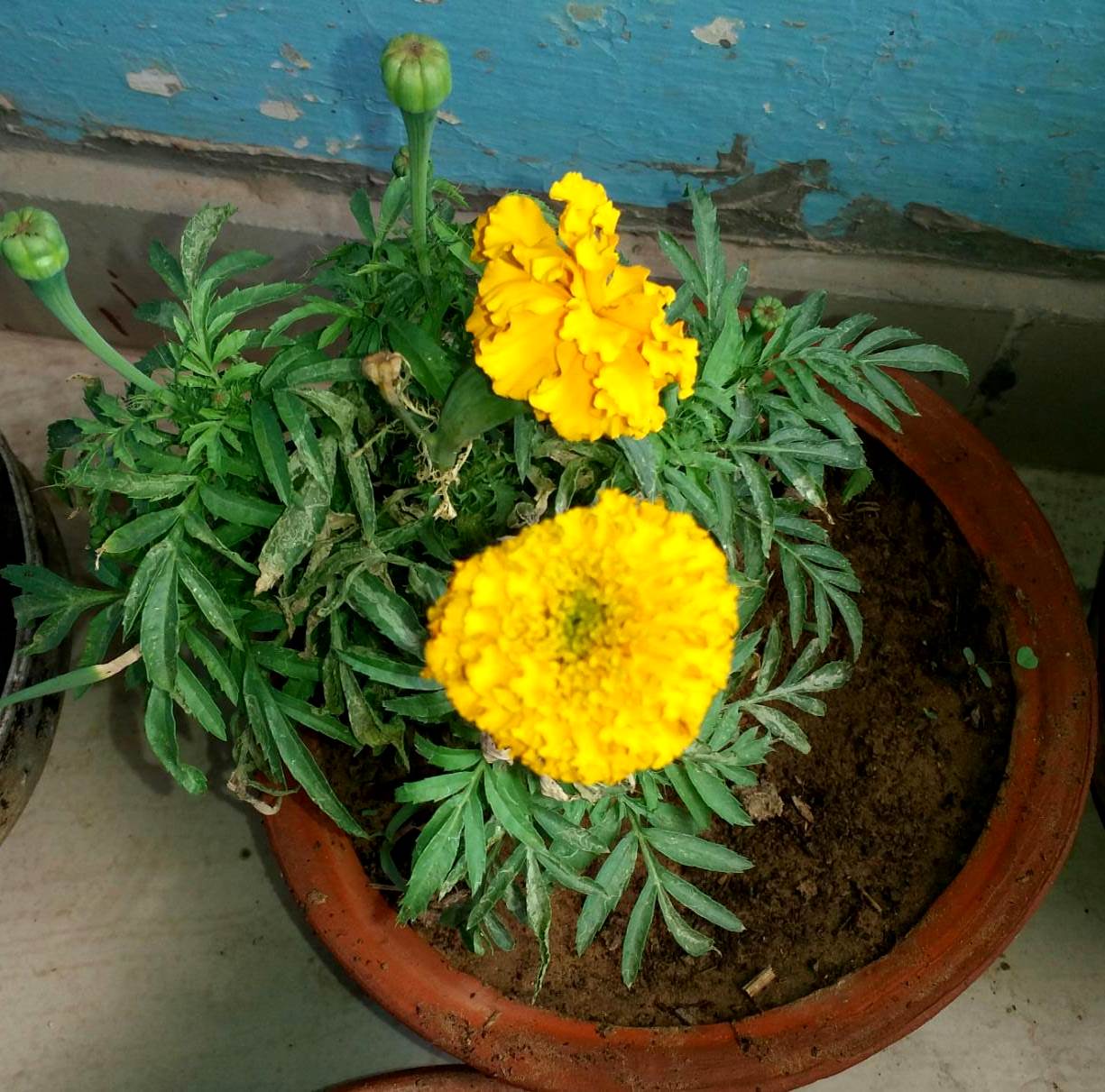
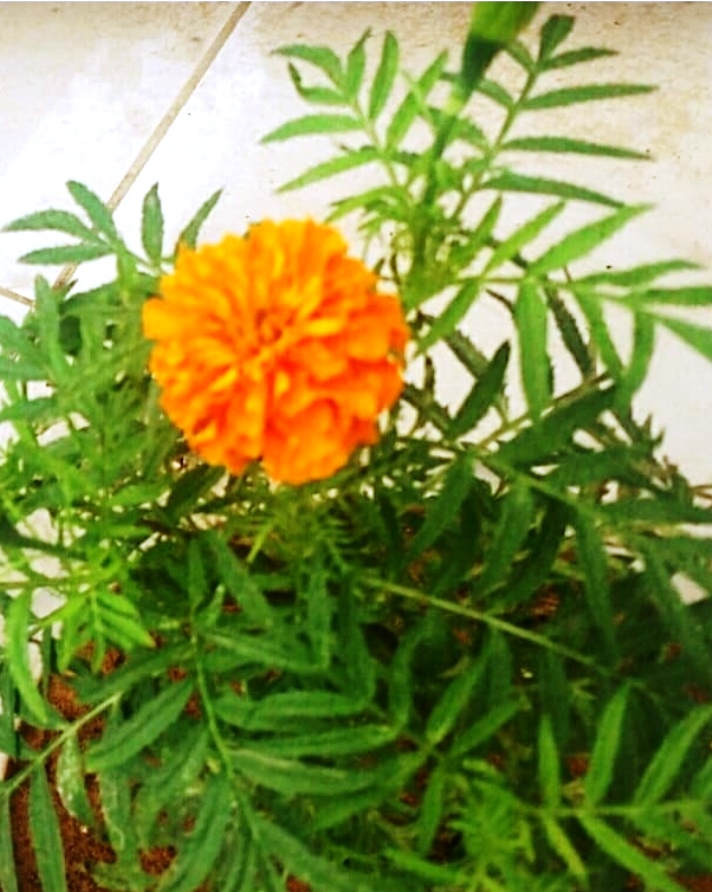
Marigold plants grown from flowers used in Diwali Pooja
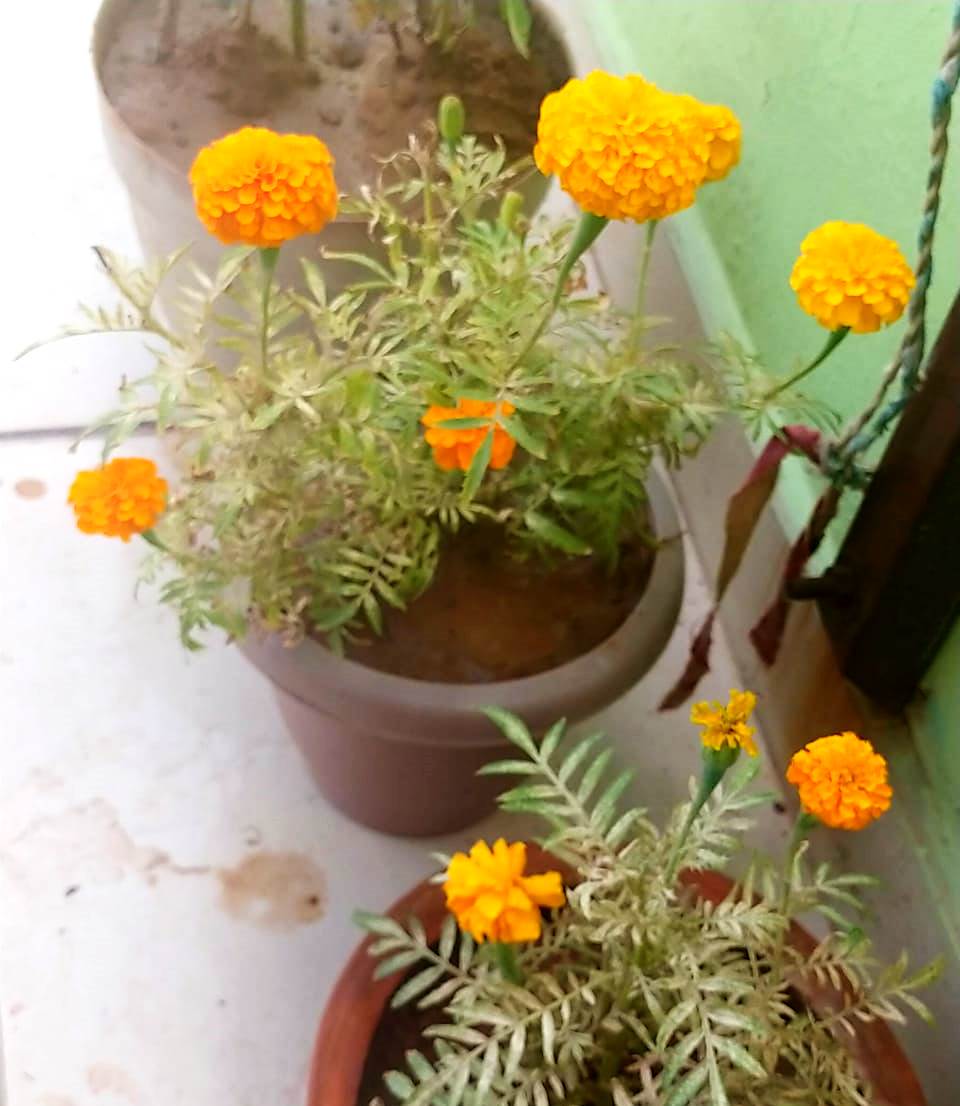
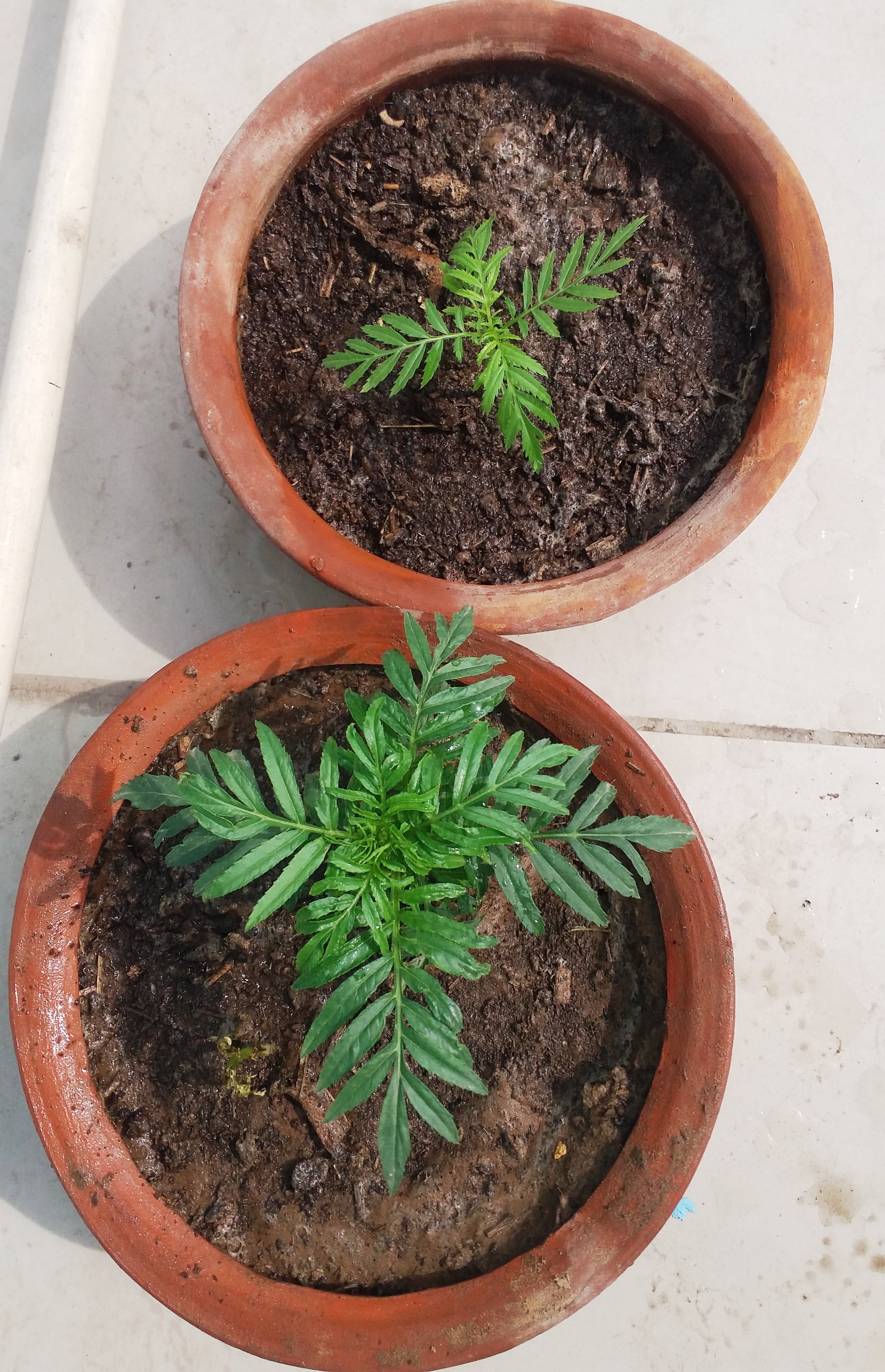
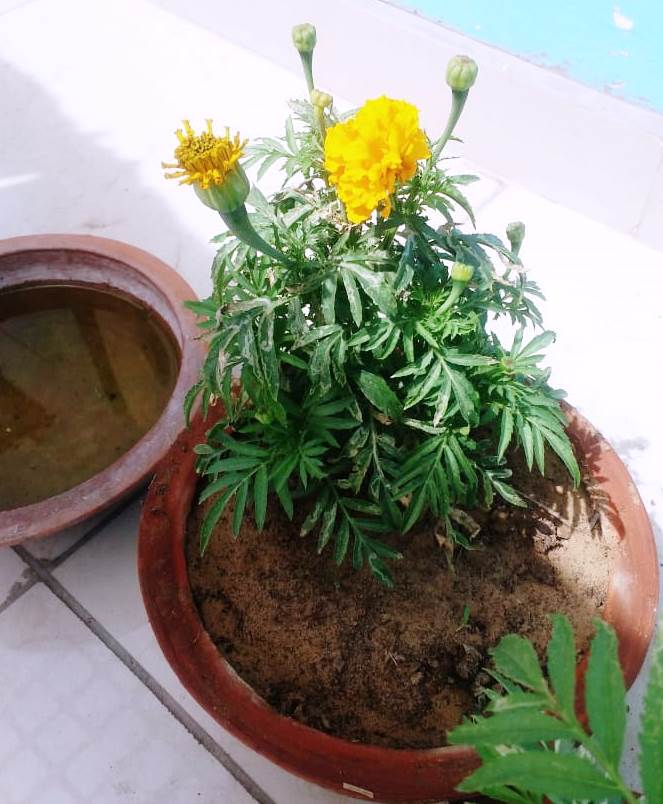
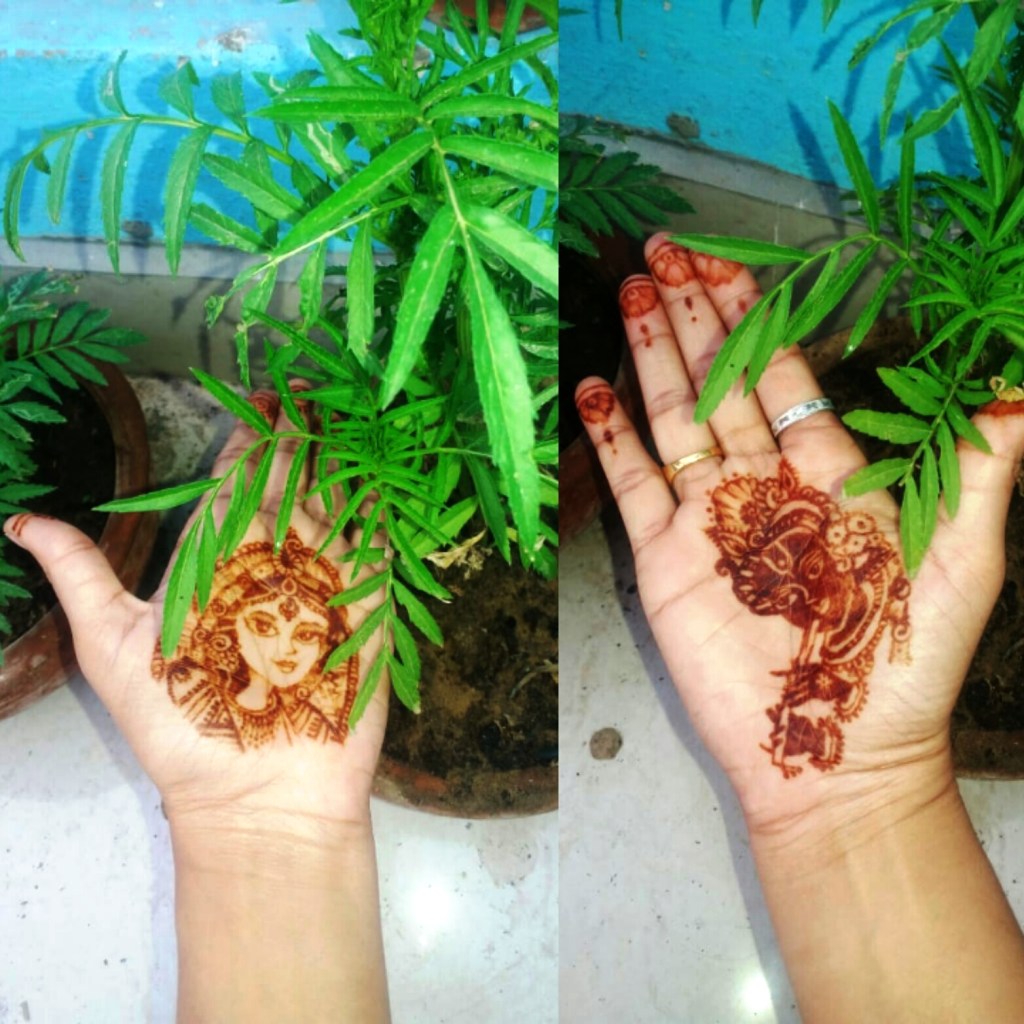
My home garden produce
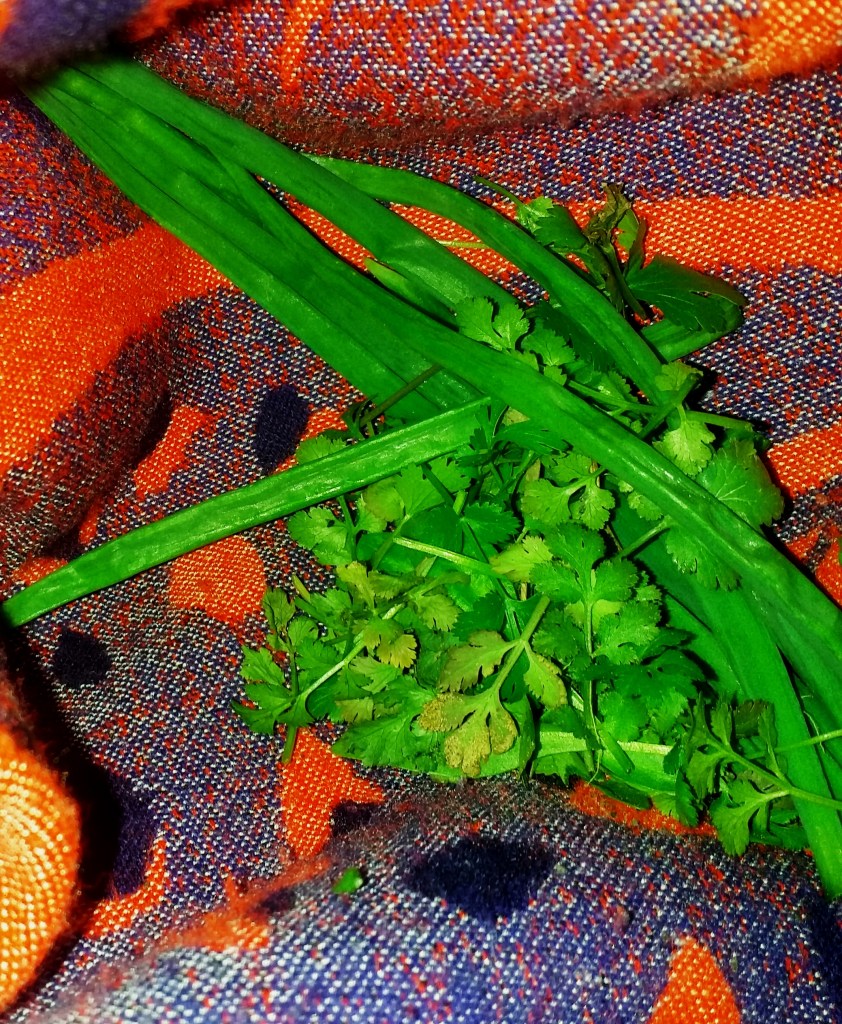
Coriander leaves and spring onion 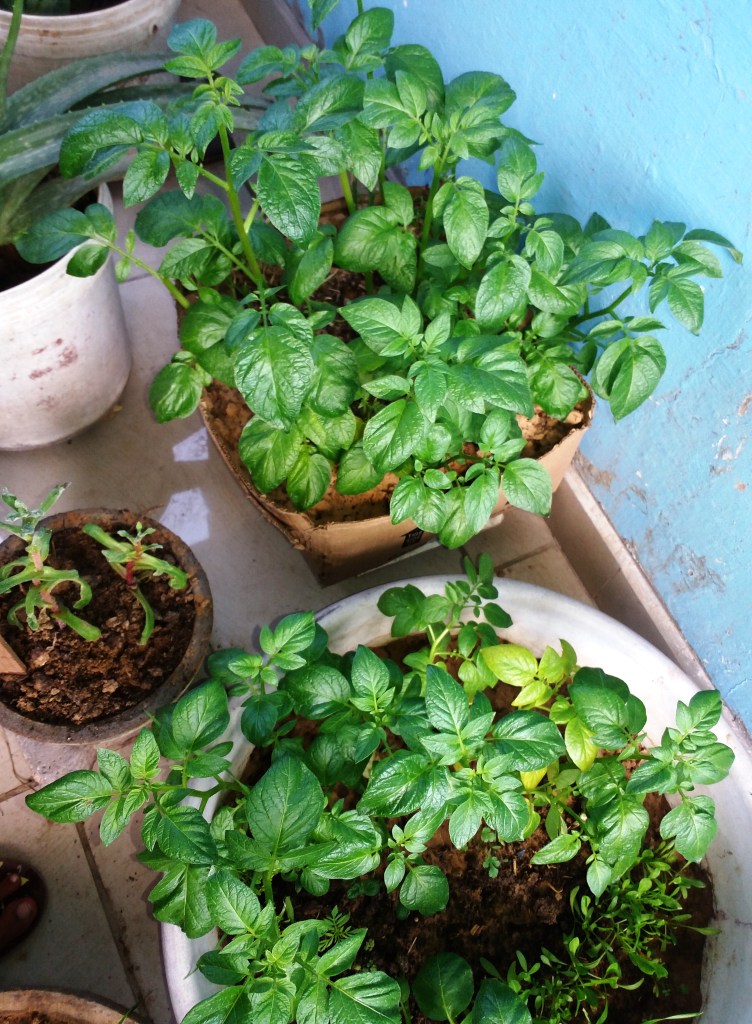
Potatoes 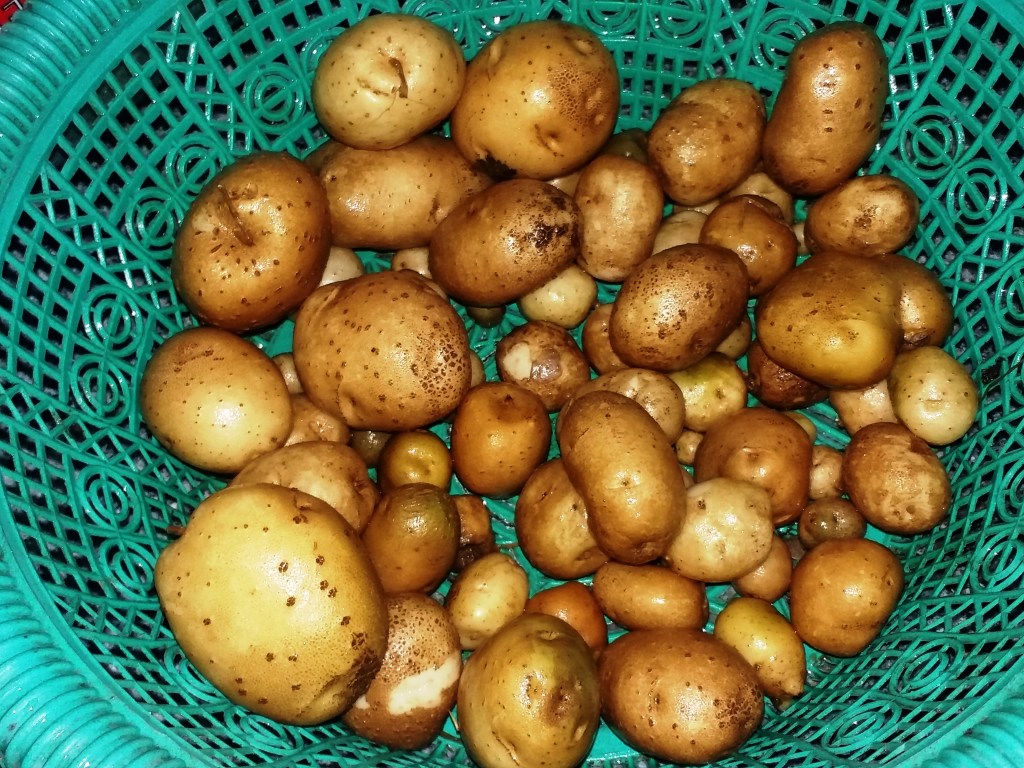
Potatoes from garden 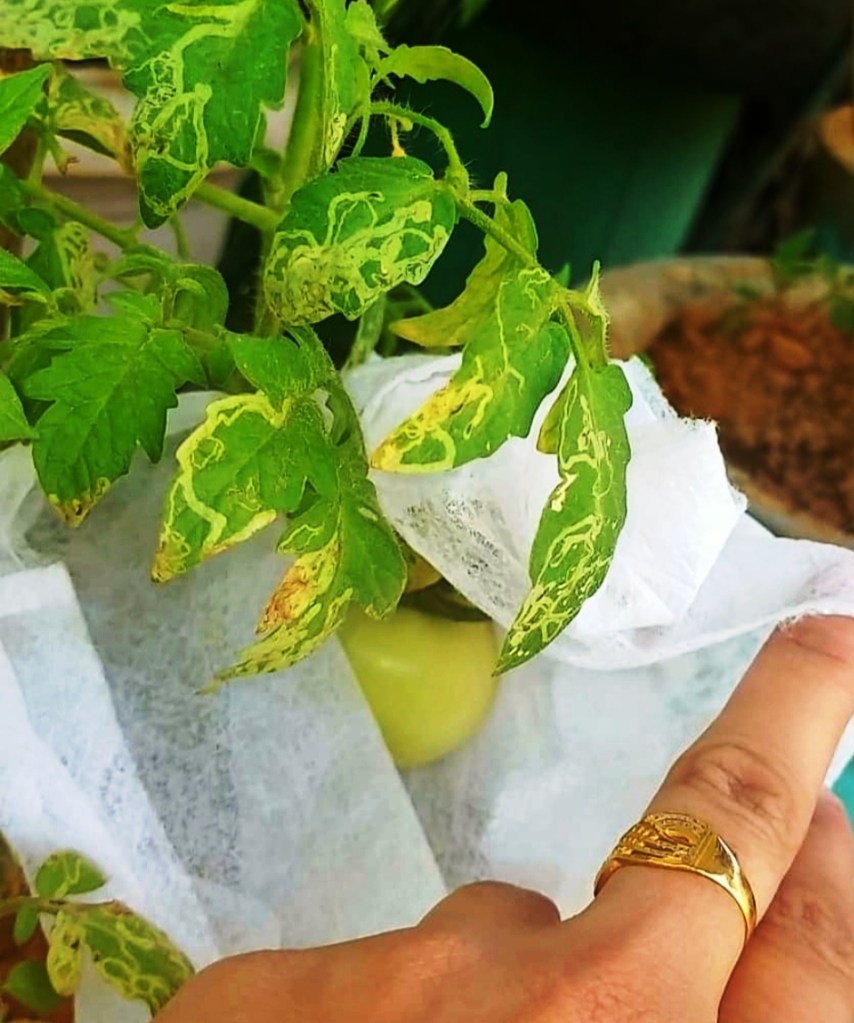
Tomato Plant 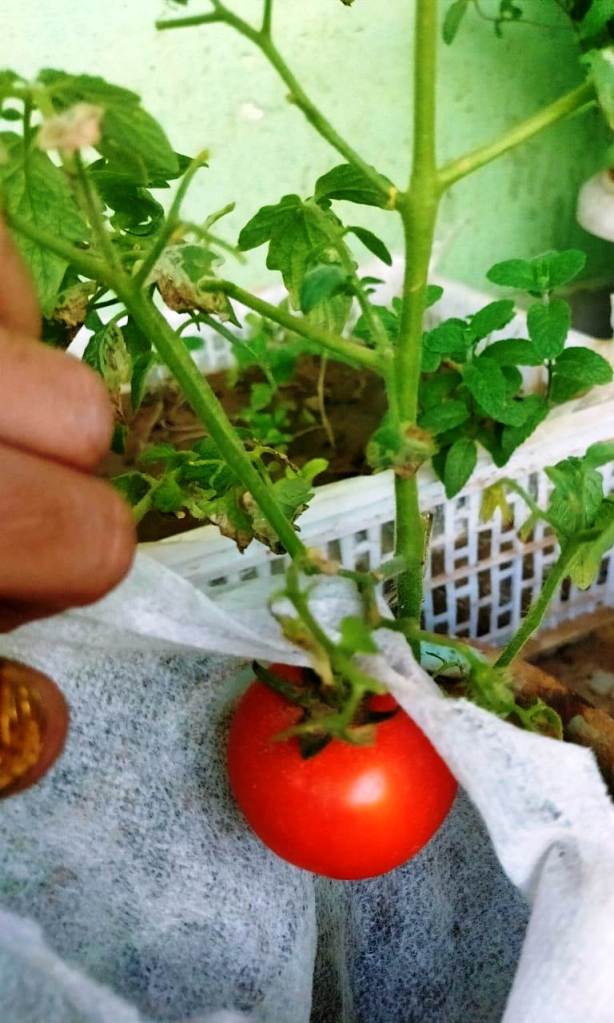
Ripe Tomato 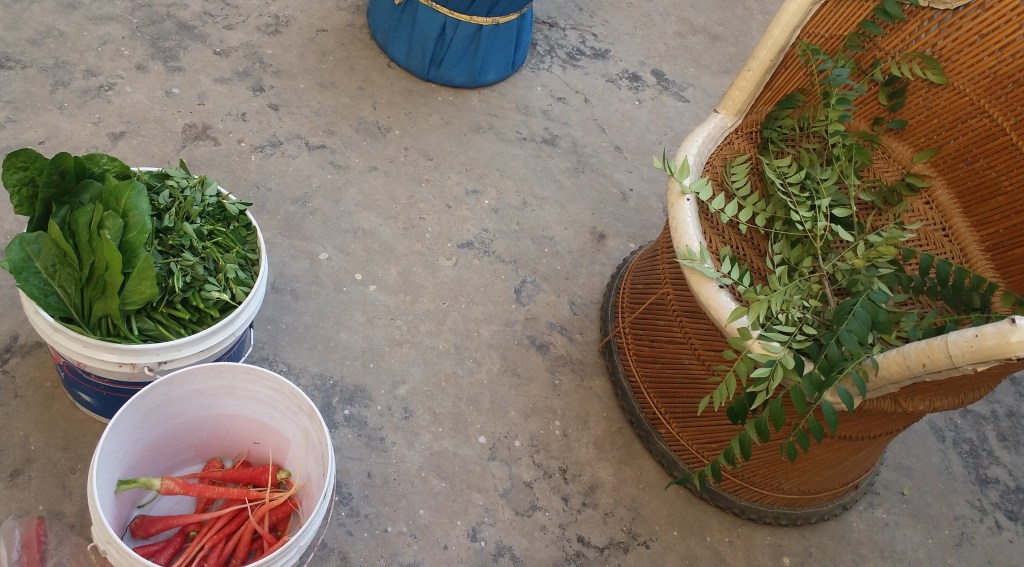
Home vegetables 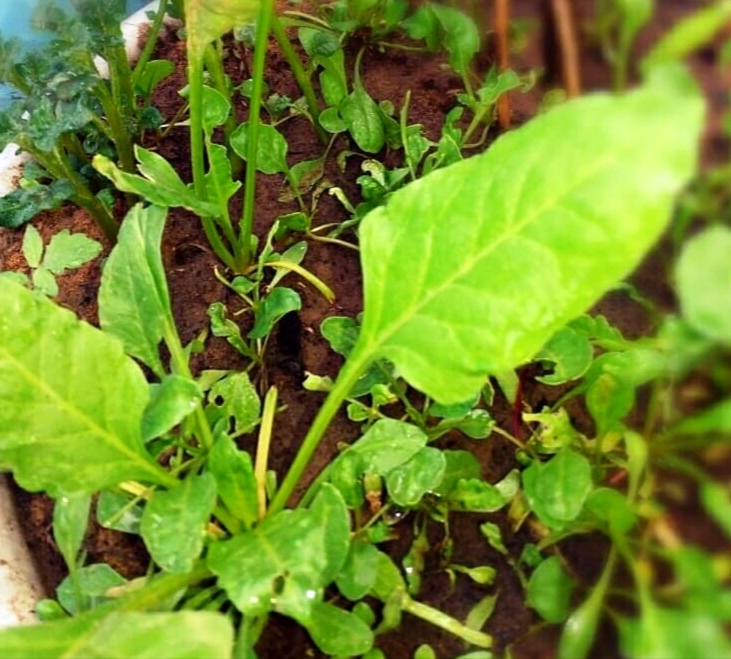
Spinach 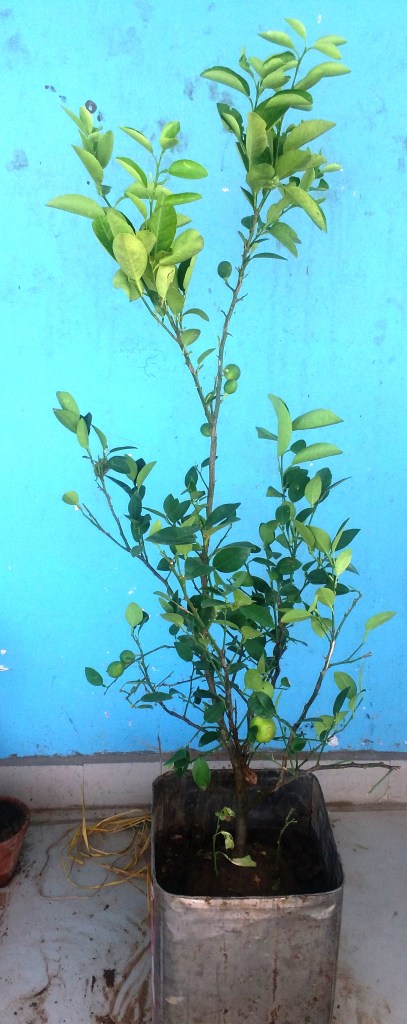
Lemon plant 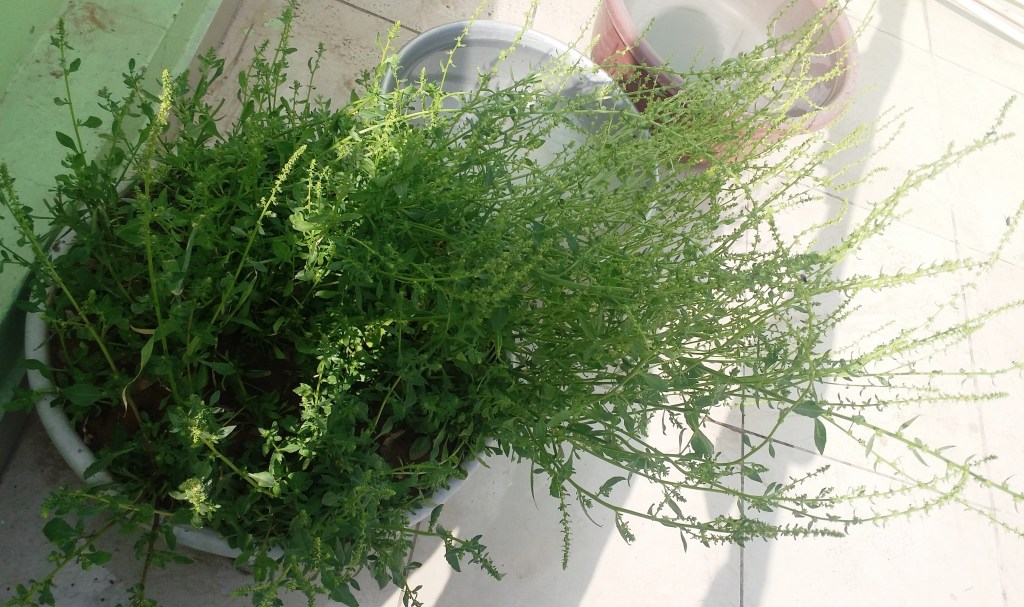
Spinach fully grown plant with seeds 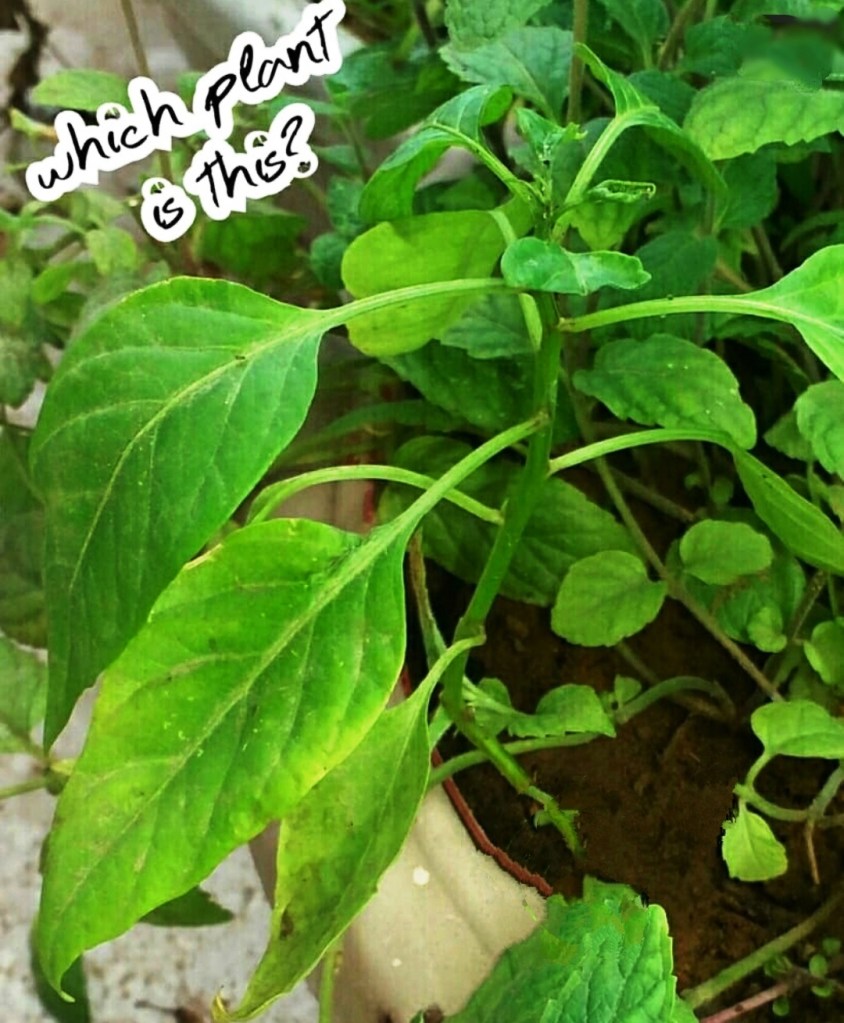
Mirchi Plant 😉 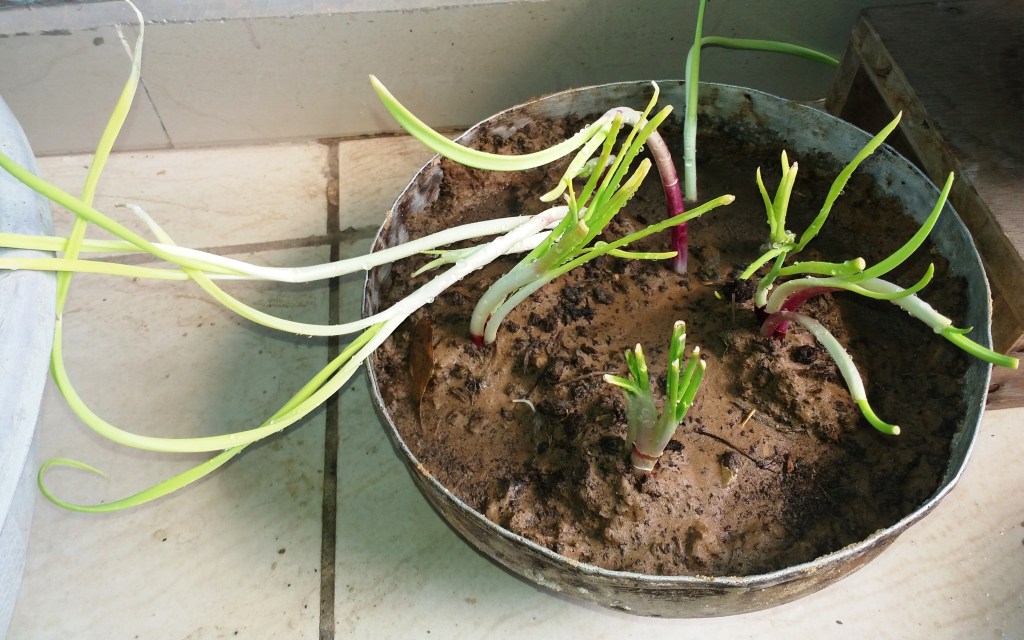
Onion 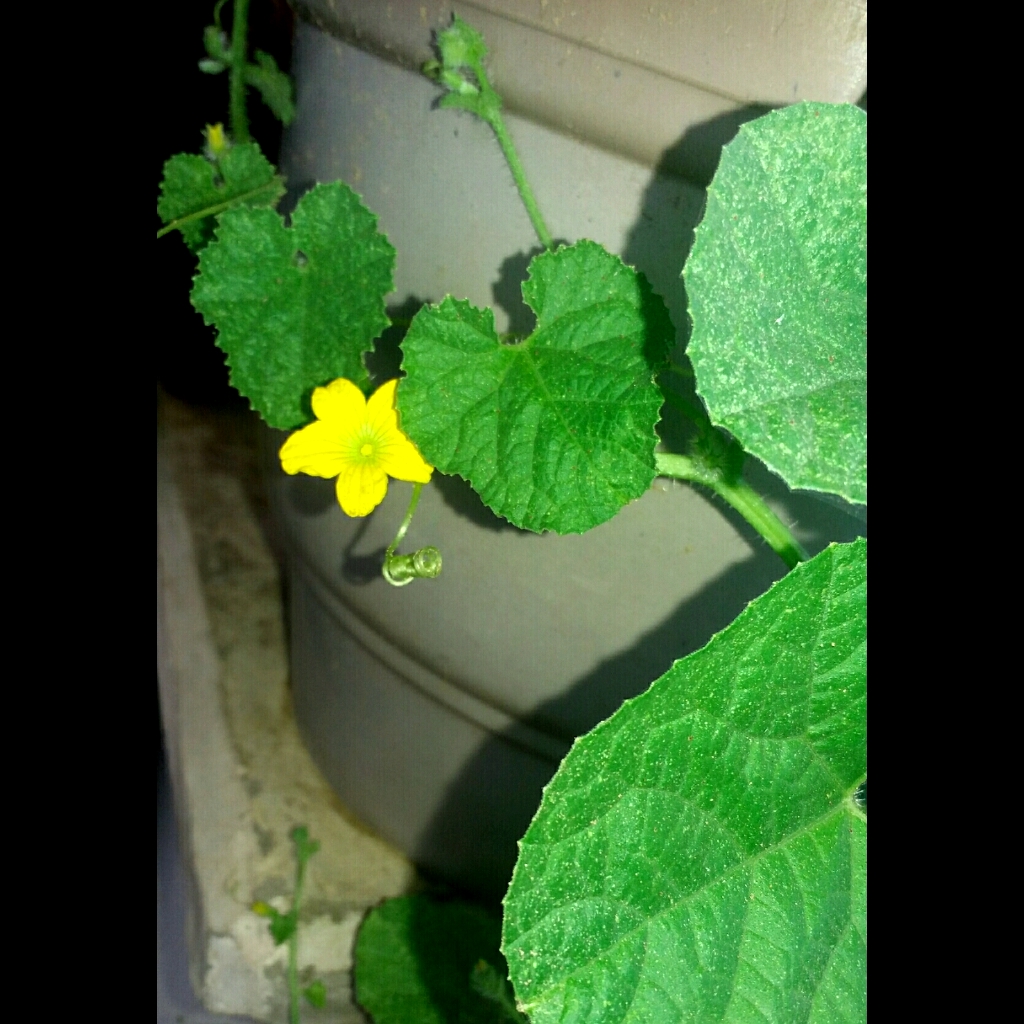
Cucumis melo var. agrestis 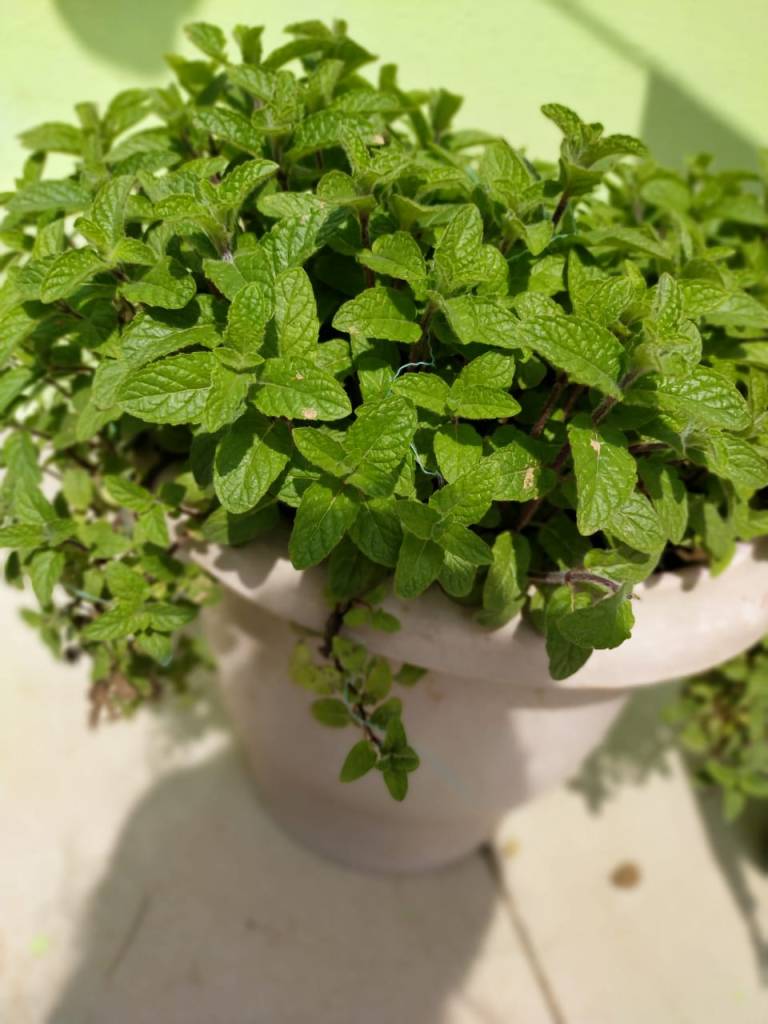
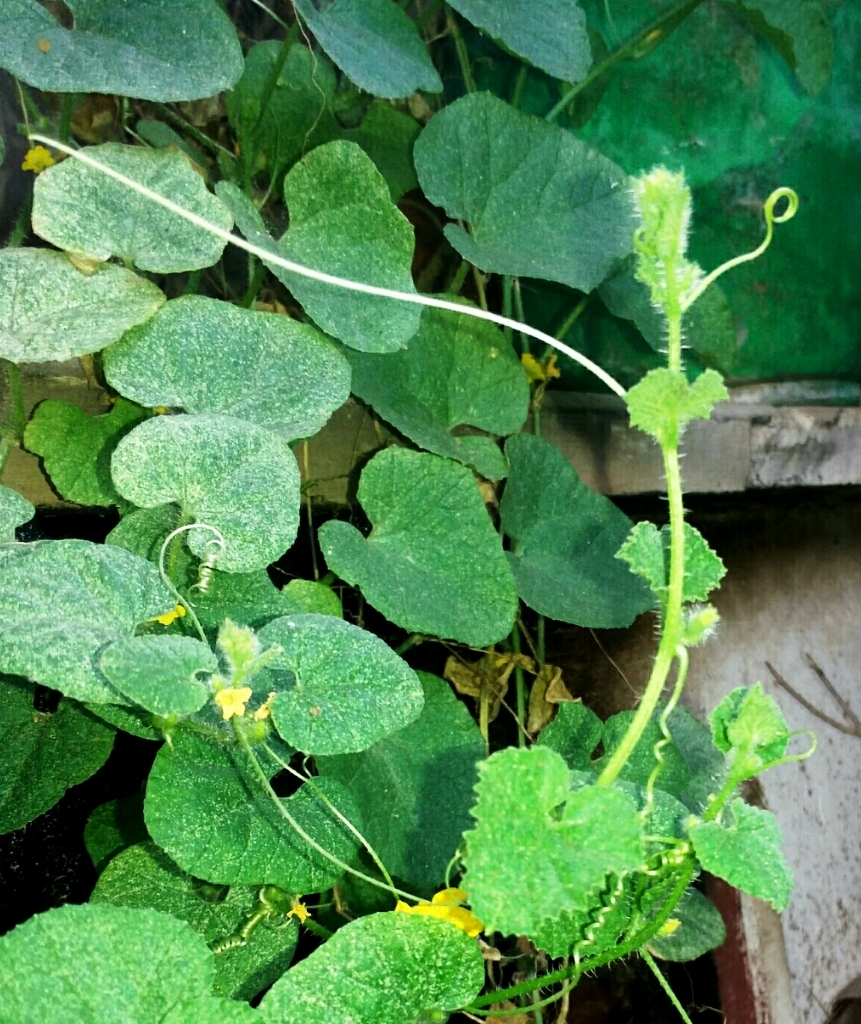
Kachari climber
Miscellaneous plant ideas which increase the ambience
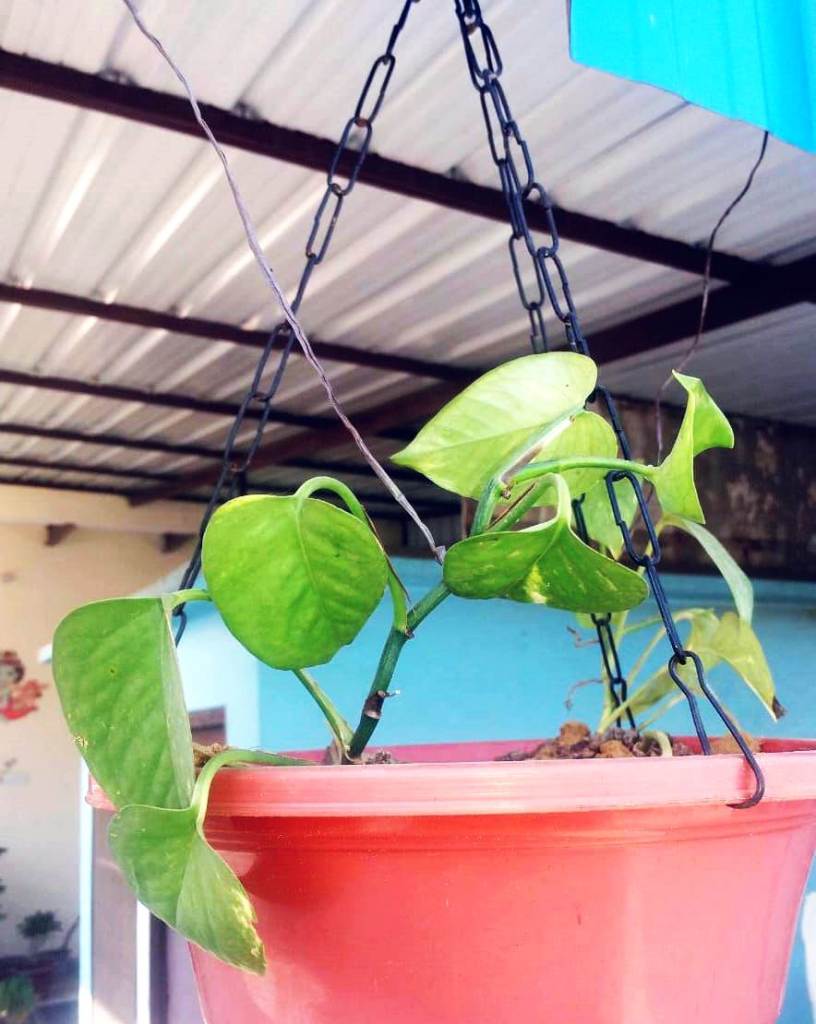
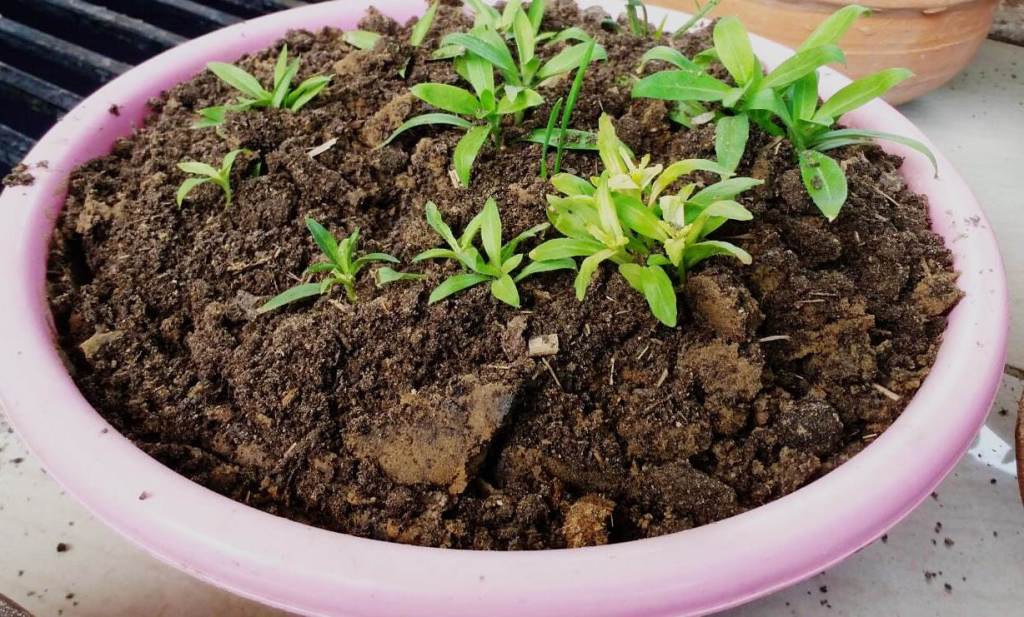
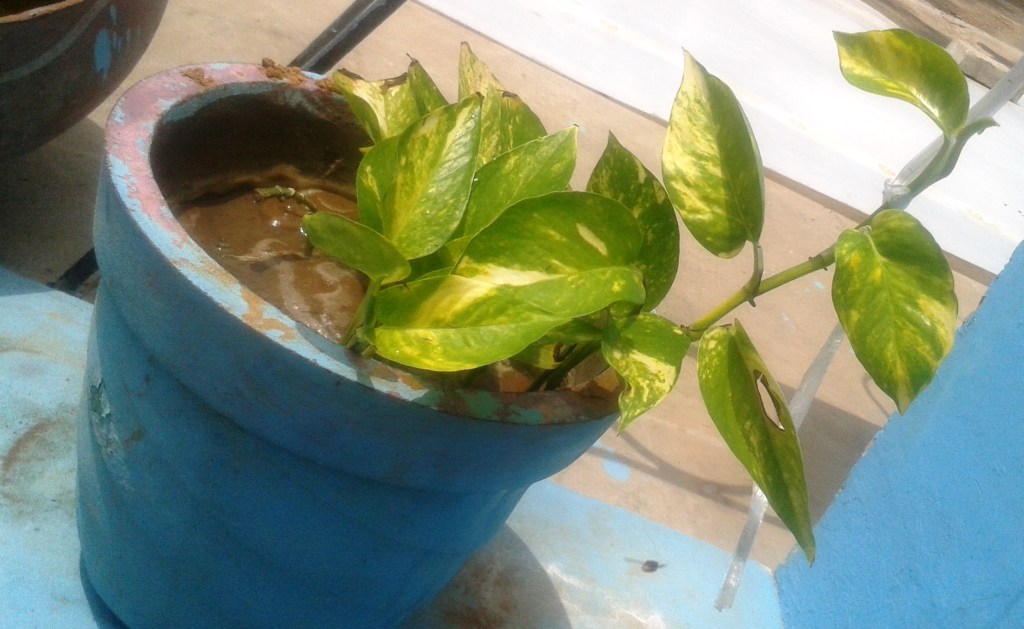
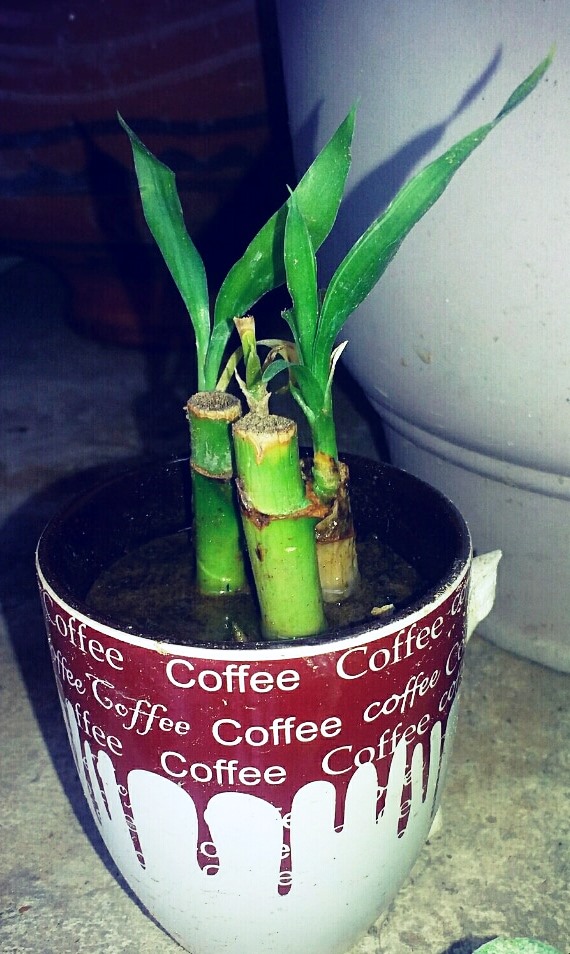
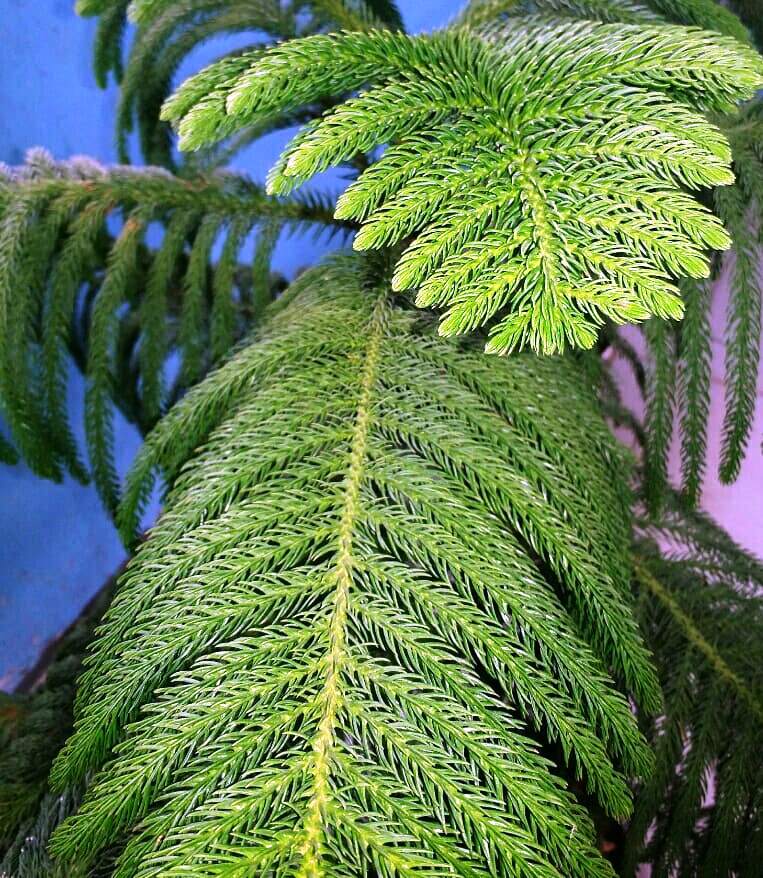
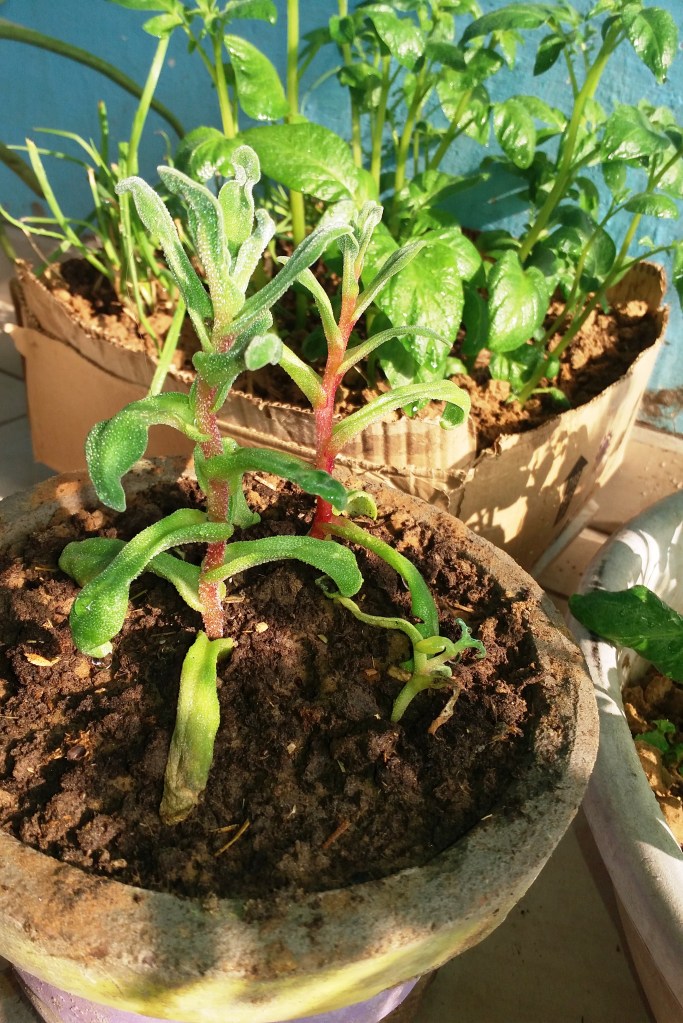
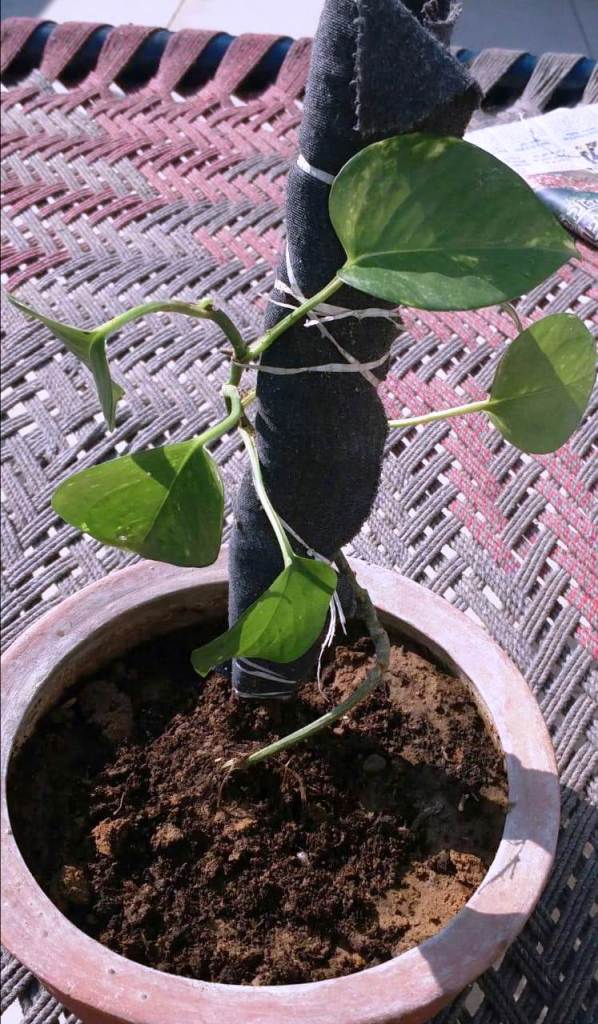
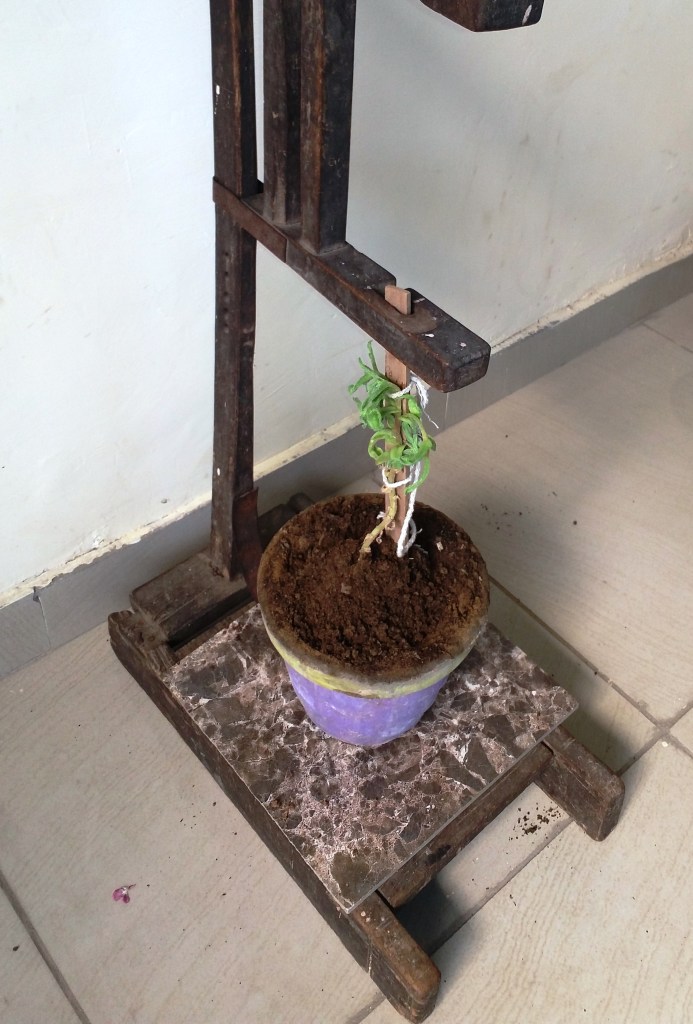
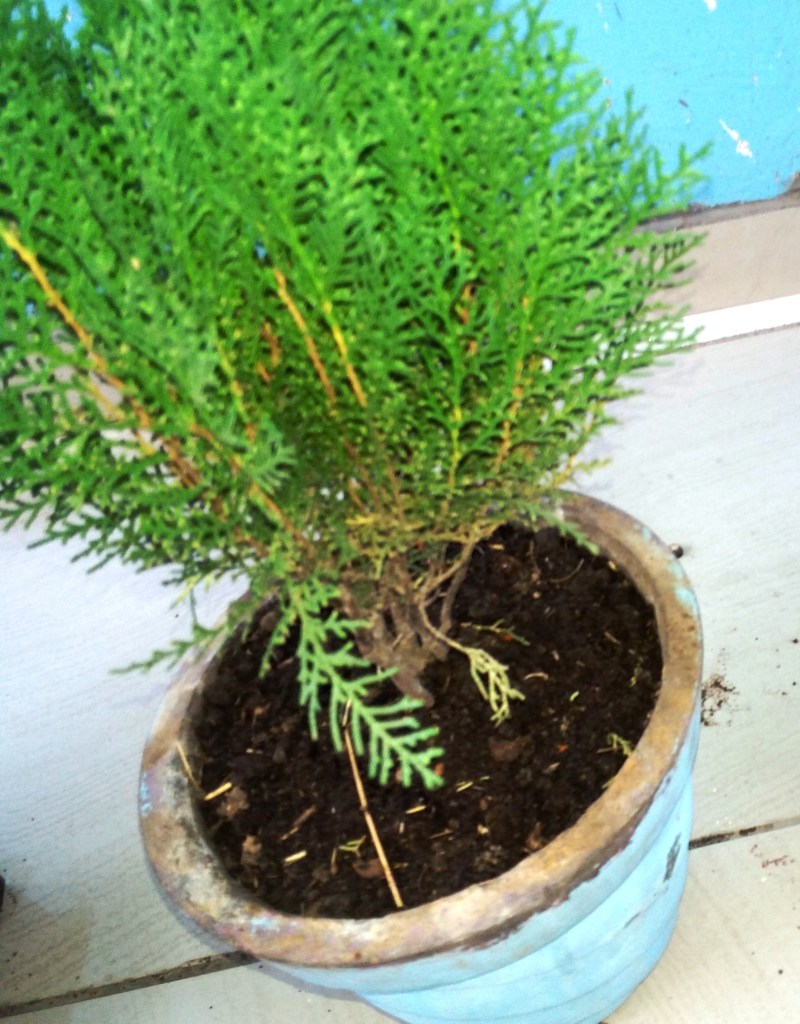
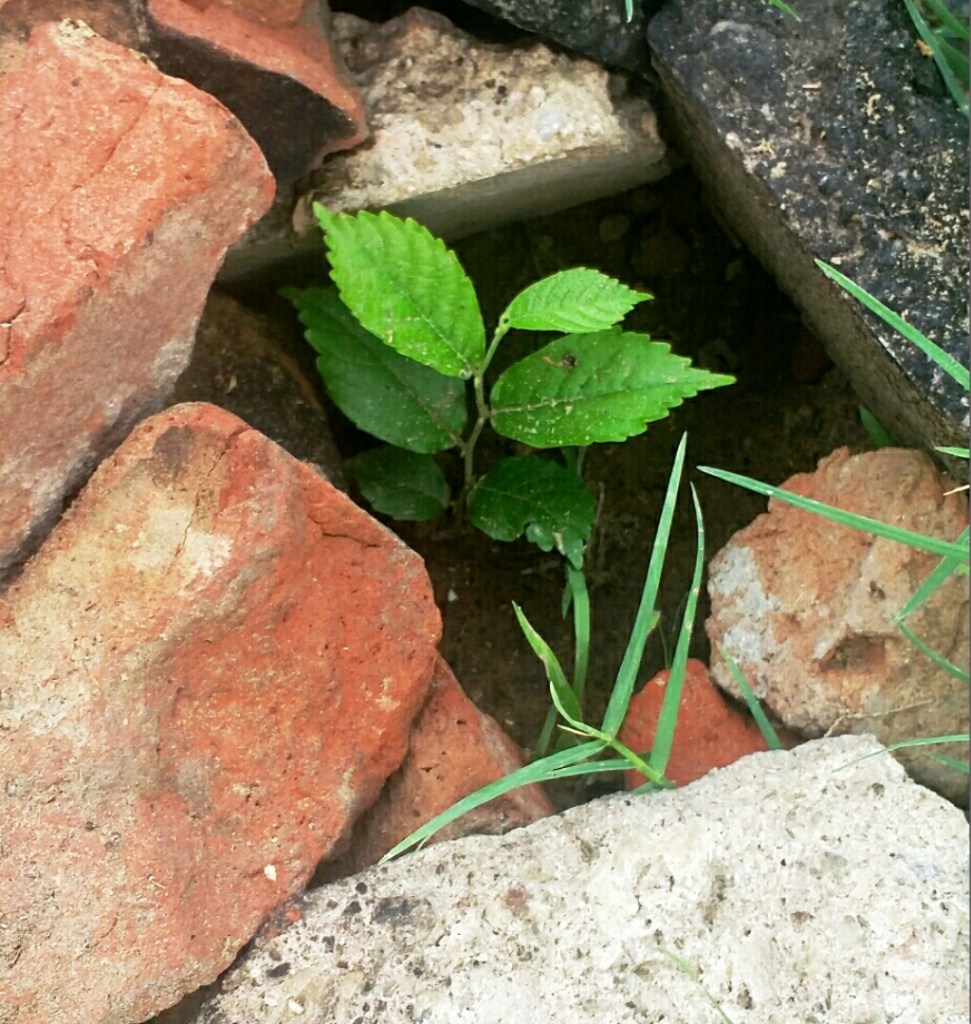
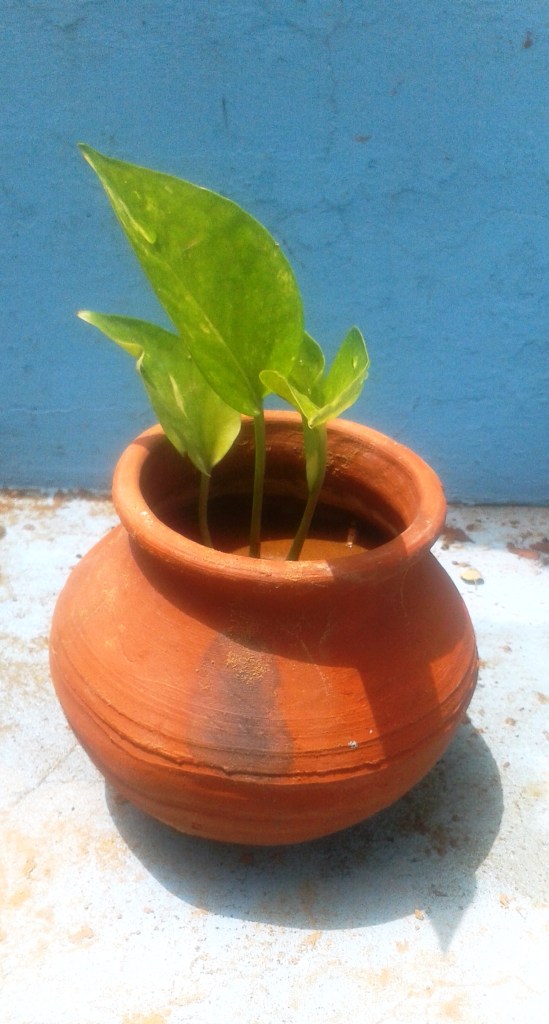
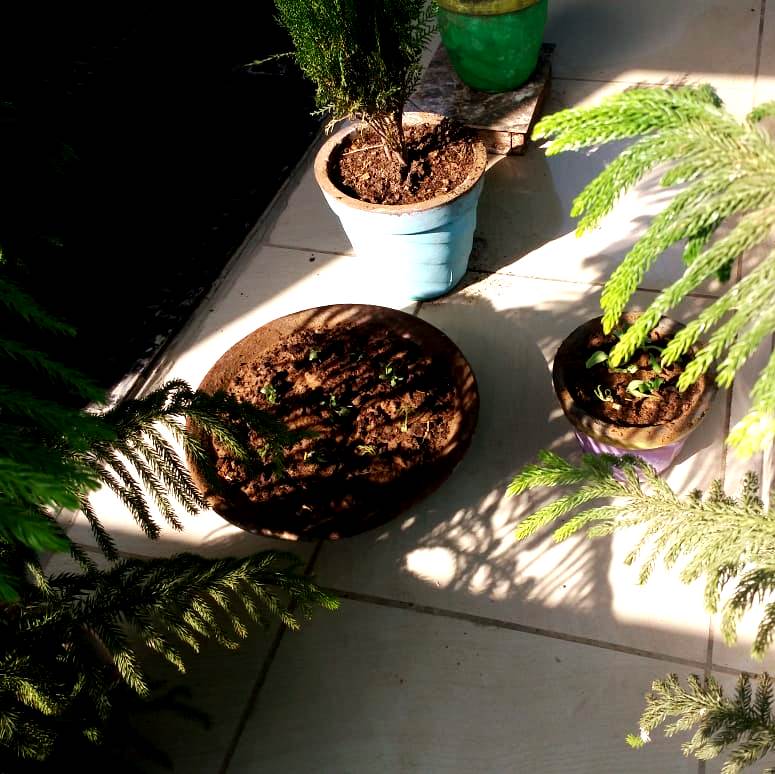
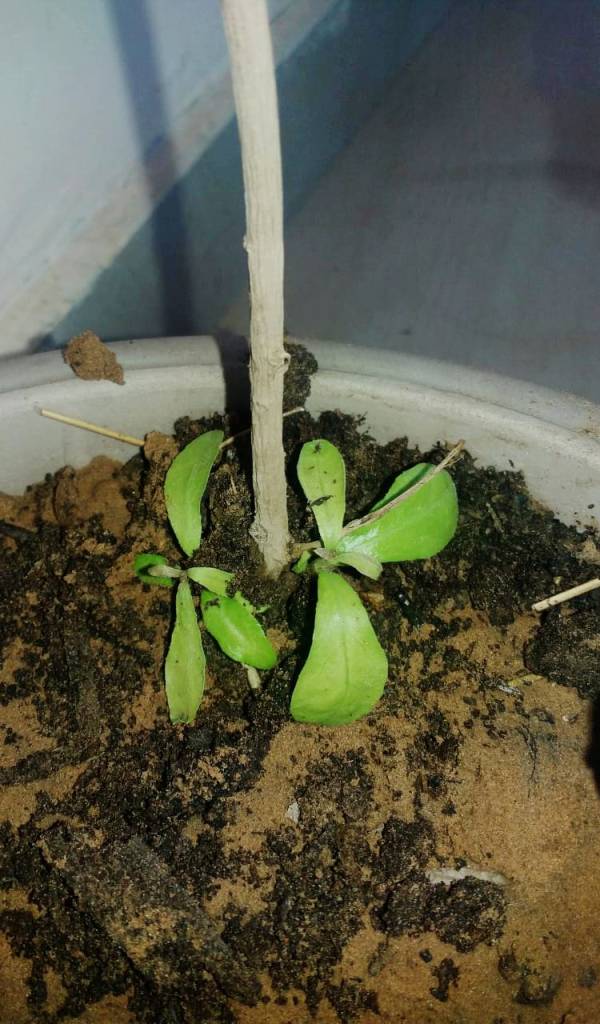
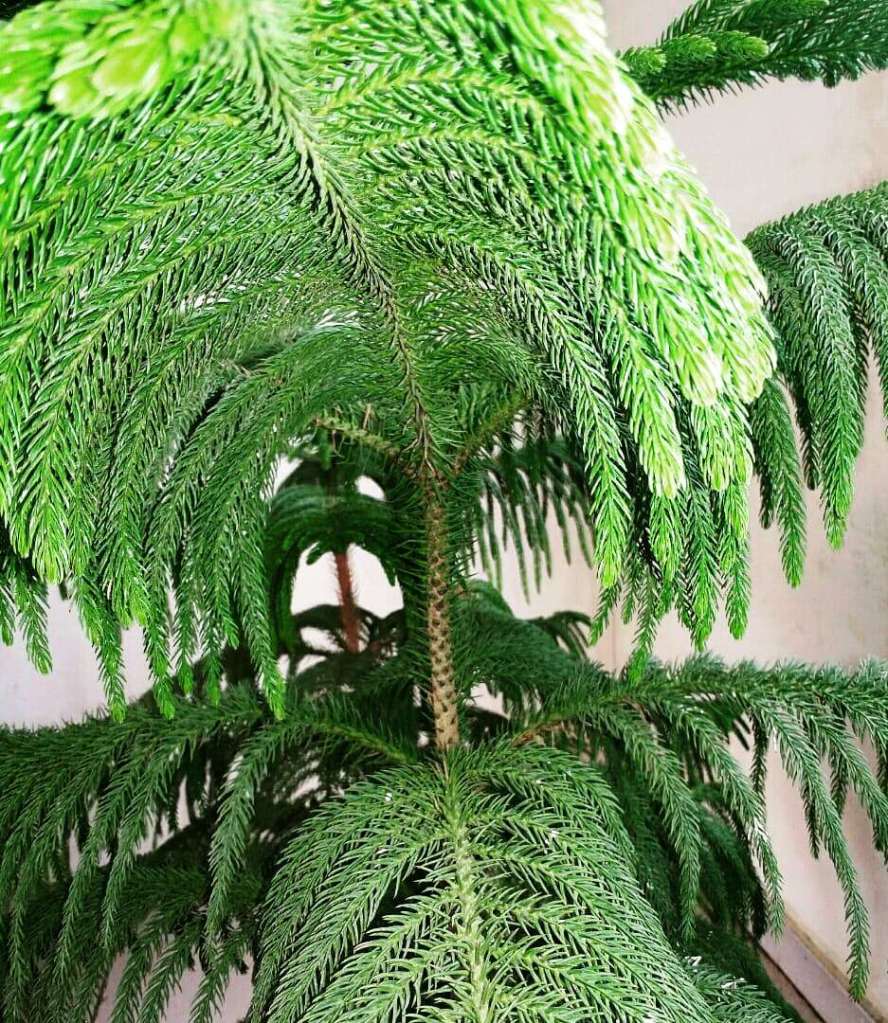
A complex system in a such small space
House plants attracts a lot of biodiversity like insects, earthworms, butterflies, small birds, flies, snails, microorganism, and other plants.

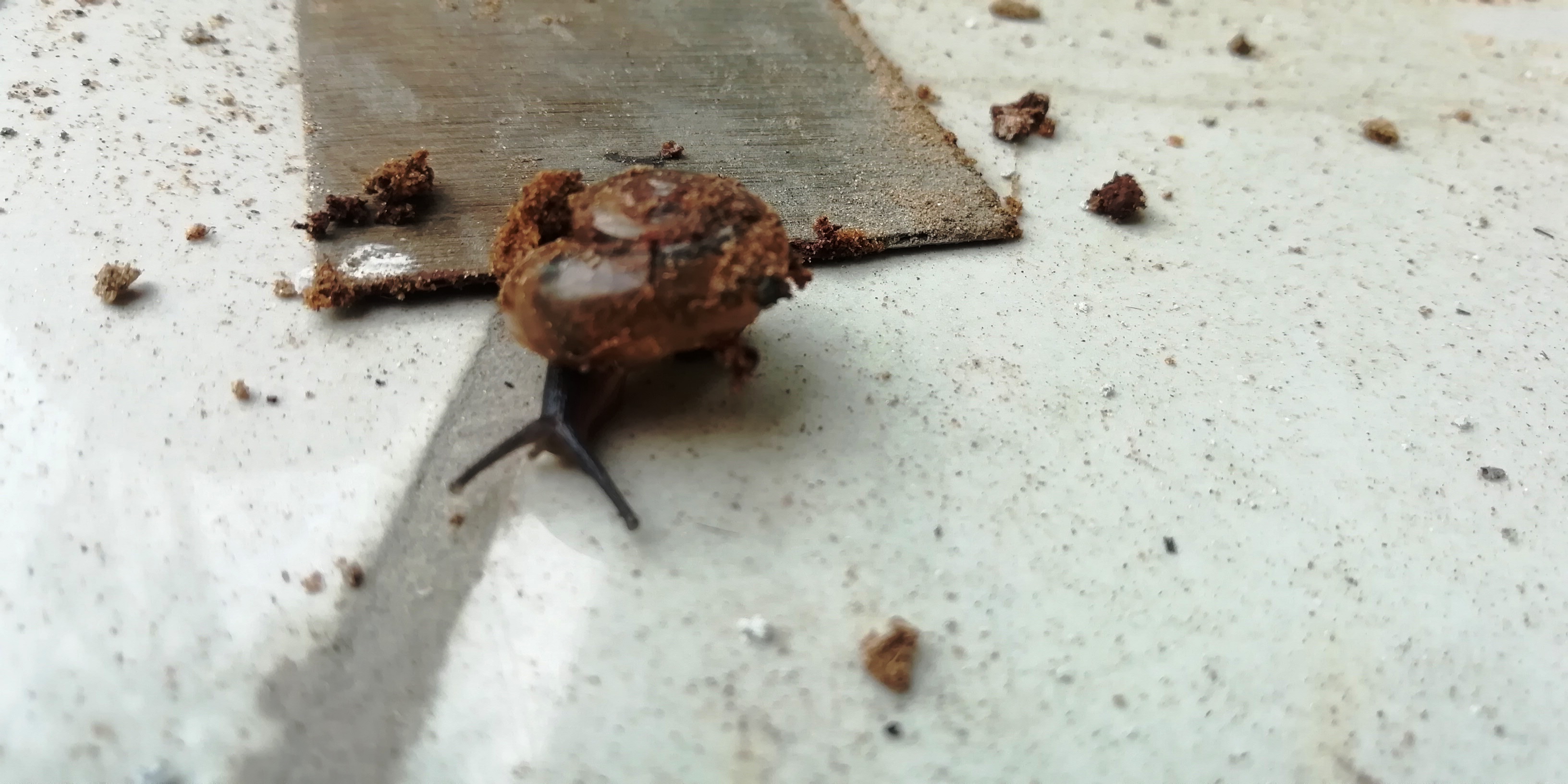
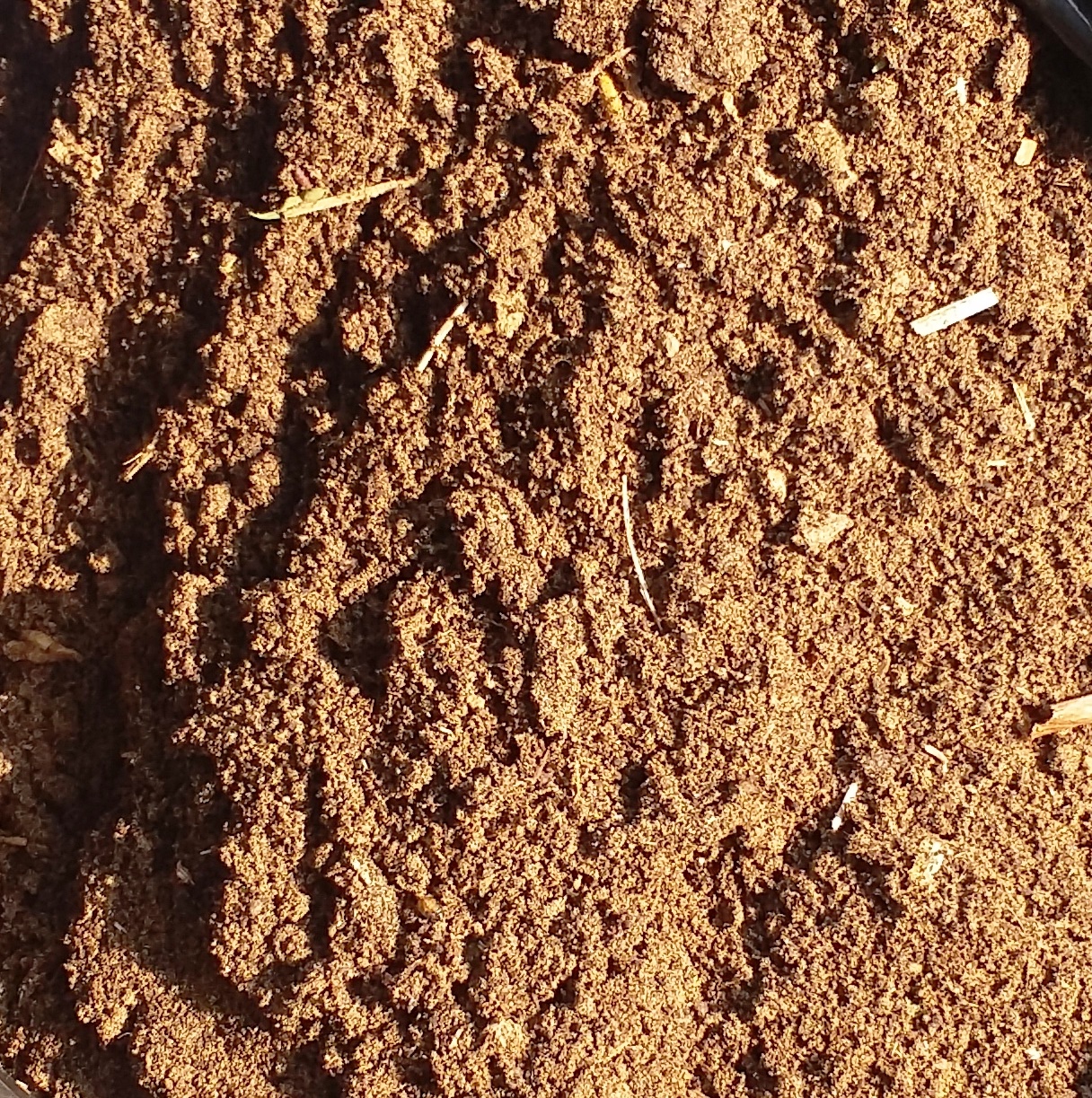
Organic compost 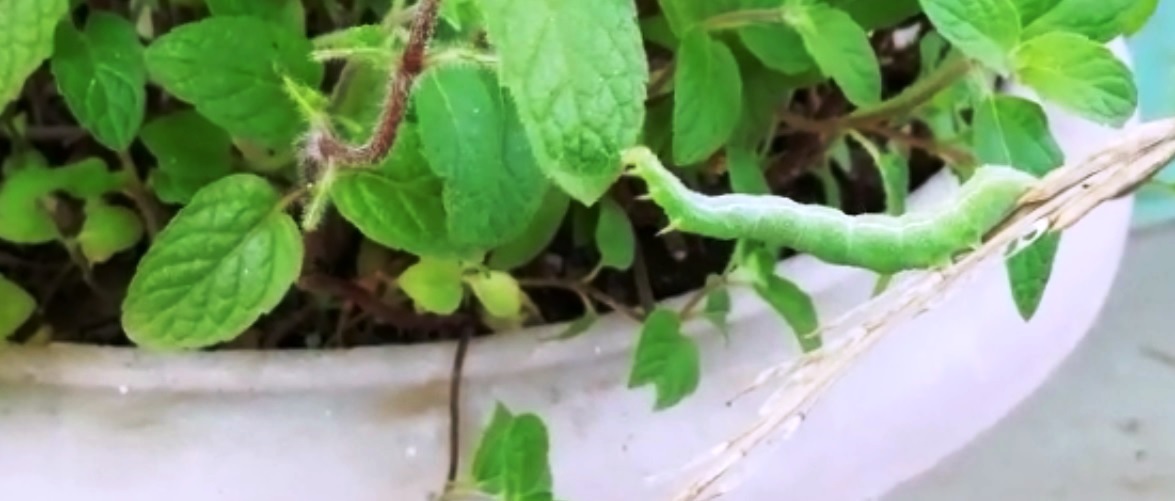
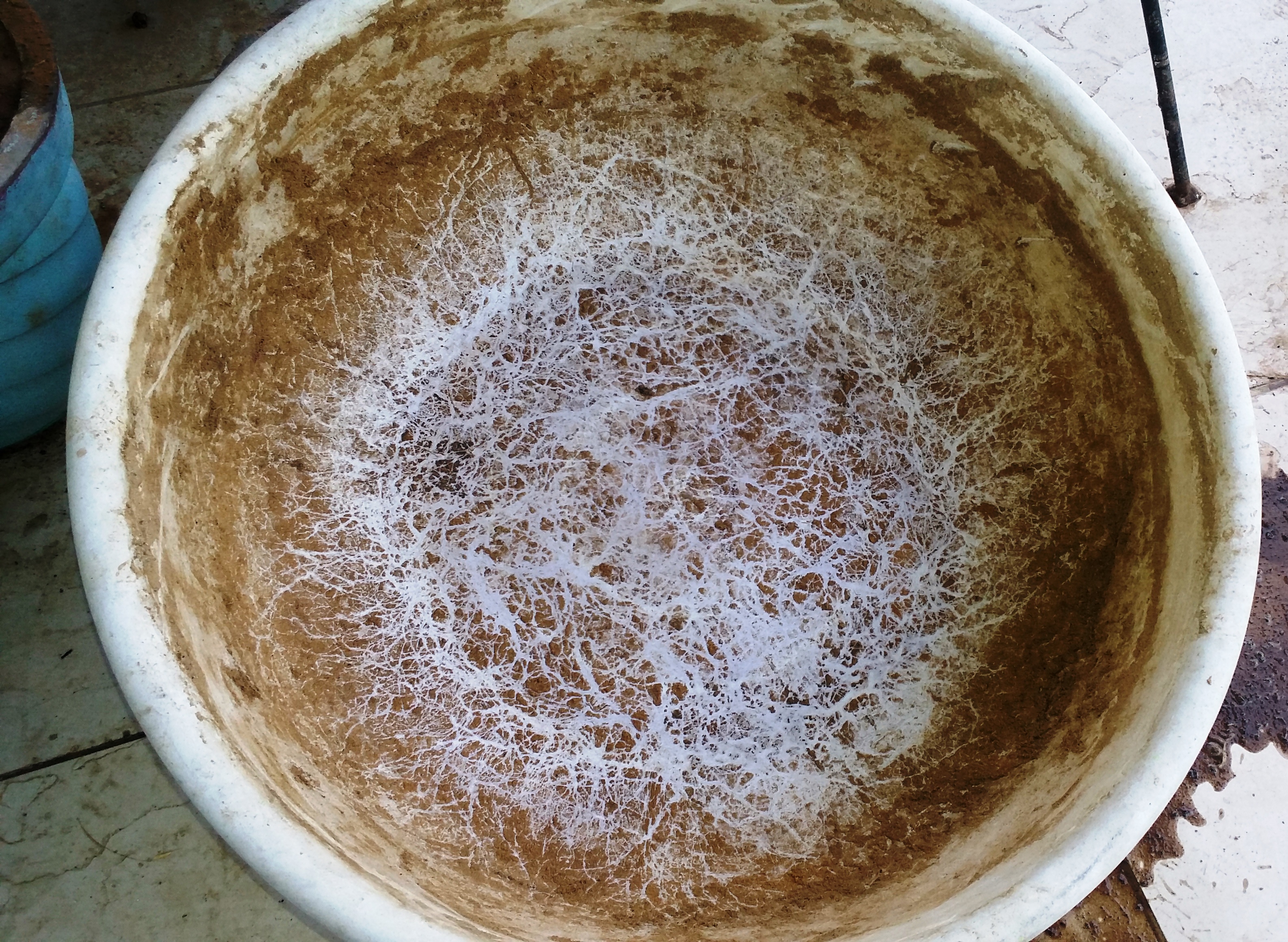
Natural art formed with roots 
House sparrows
Snake Handling & Rescue
Sometimes, it’s hard being a snake. Snakes contribute greatly to our biodiversity and ecosystem stability. Snakes also act as ‘ecosystem engineers. They play both the predator and prey role, also helps in controlling pest populations.
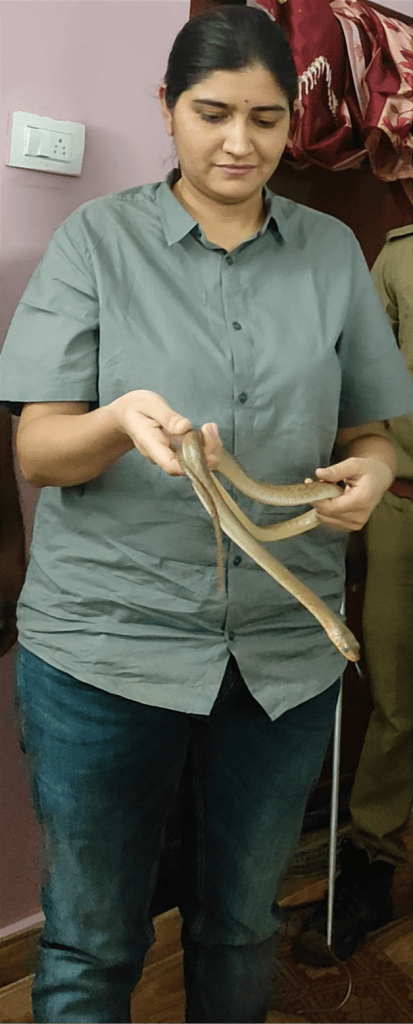
Silent but most intensive human-wildlife negative interaction is that of human-snakes. Each year on an average more than 50,000 people die & lakhs of snakes are killed in our country. All the snakes are not poisonous and dangerous. Out of 100s of commonly found snake species, only 4 i.e. Russell’s viper, Indian Cobra, Common krait, Indian Saw scale viper are only venomous. Most of the snakes are harmless. This situation is nasty for both humans and snakes.
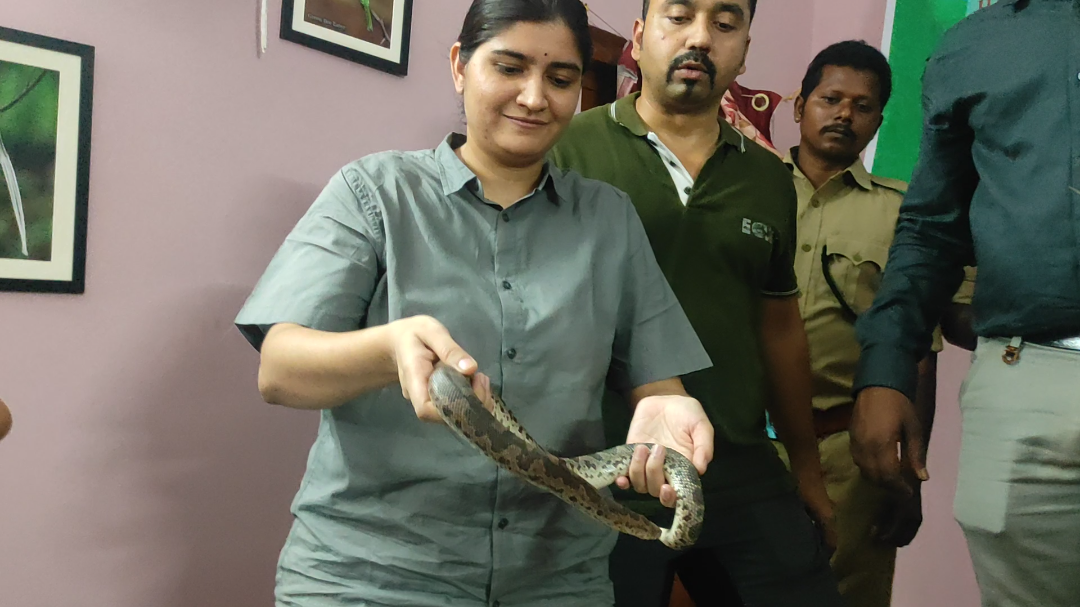
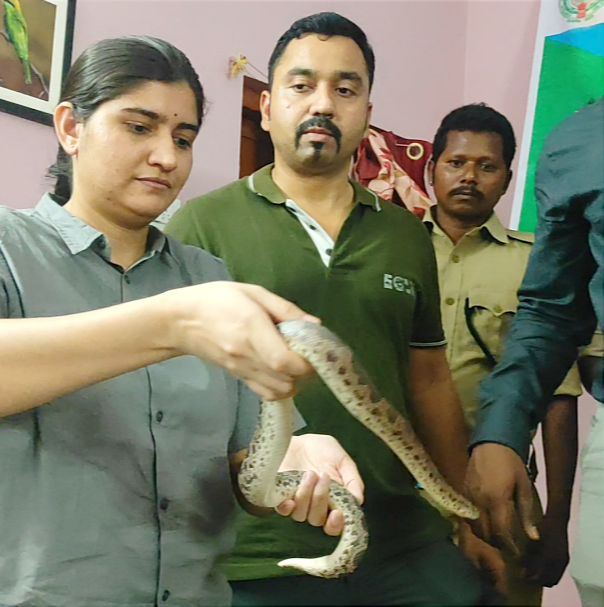
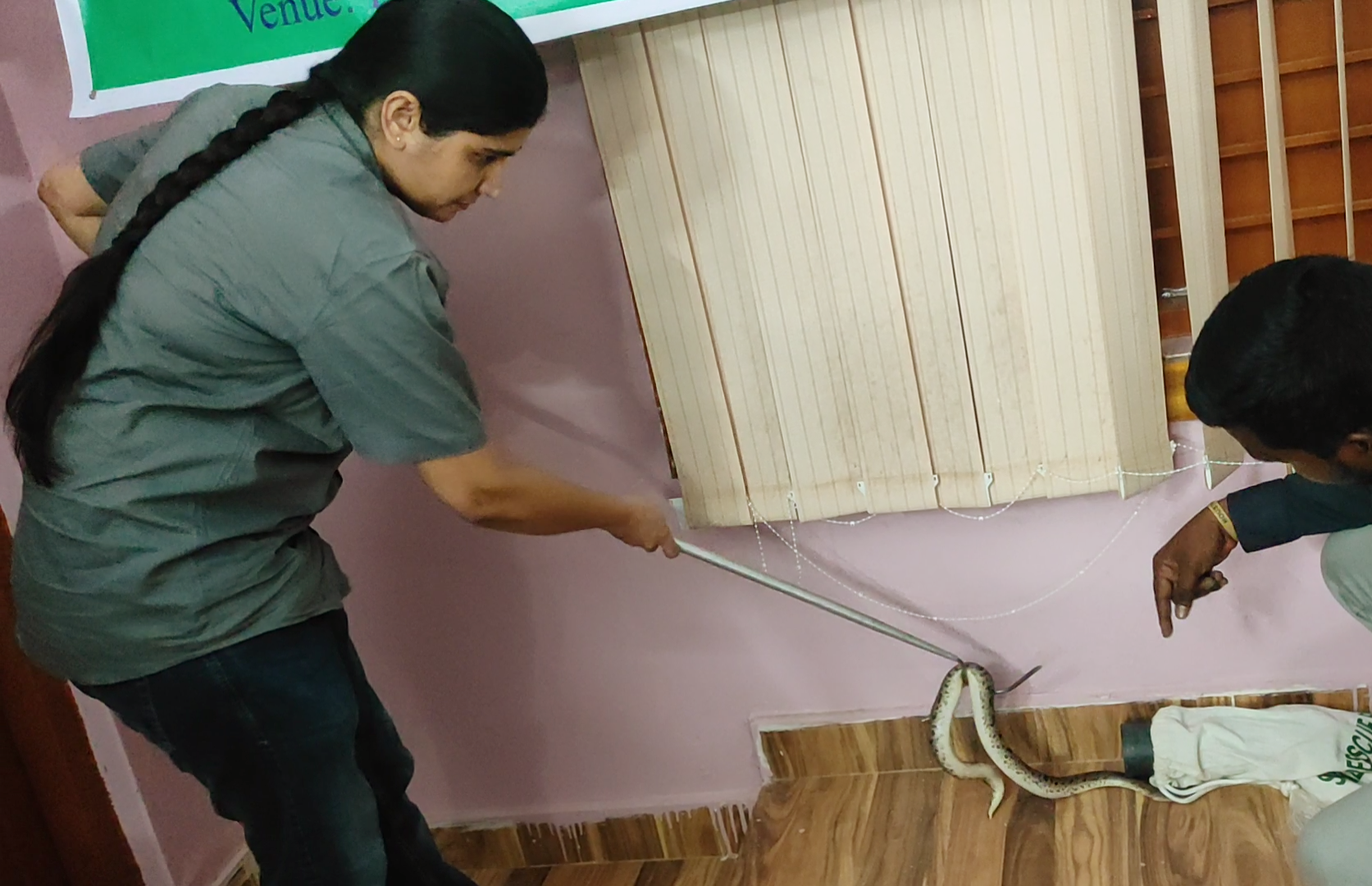
First time I got an opportunity to handle the snakes. (Training to frontline forest staff, ‘Snake Rescue, Handling, managing Snake bites and conservation’, in Nagarjunasagar srisailam tiger reserve, Andhra Pradesh.) Believe me! they are very innocent creatures, but we mercilessly kill every snake on sight. We should get some awareness to identify the snake species. Once an innocent lost its life, it will never come back because of our foolishness. Be a friend to snakes, avoid pesticide use in your yard, they are natural alternative to pesticides. They are living with us, in human habitation, so we need to know more about them. If you find any snake at your place, please don’t kill, call rescue team from FD. They can safely rescue and release them far in forest area.
Others



Traditional
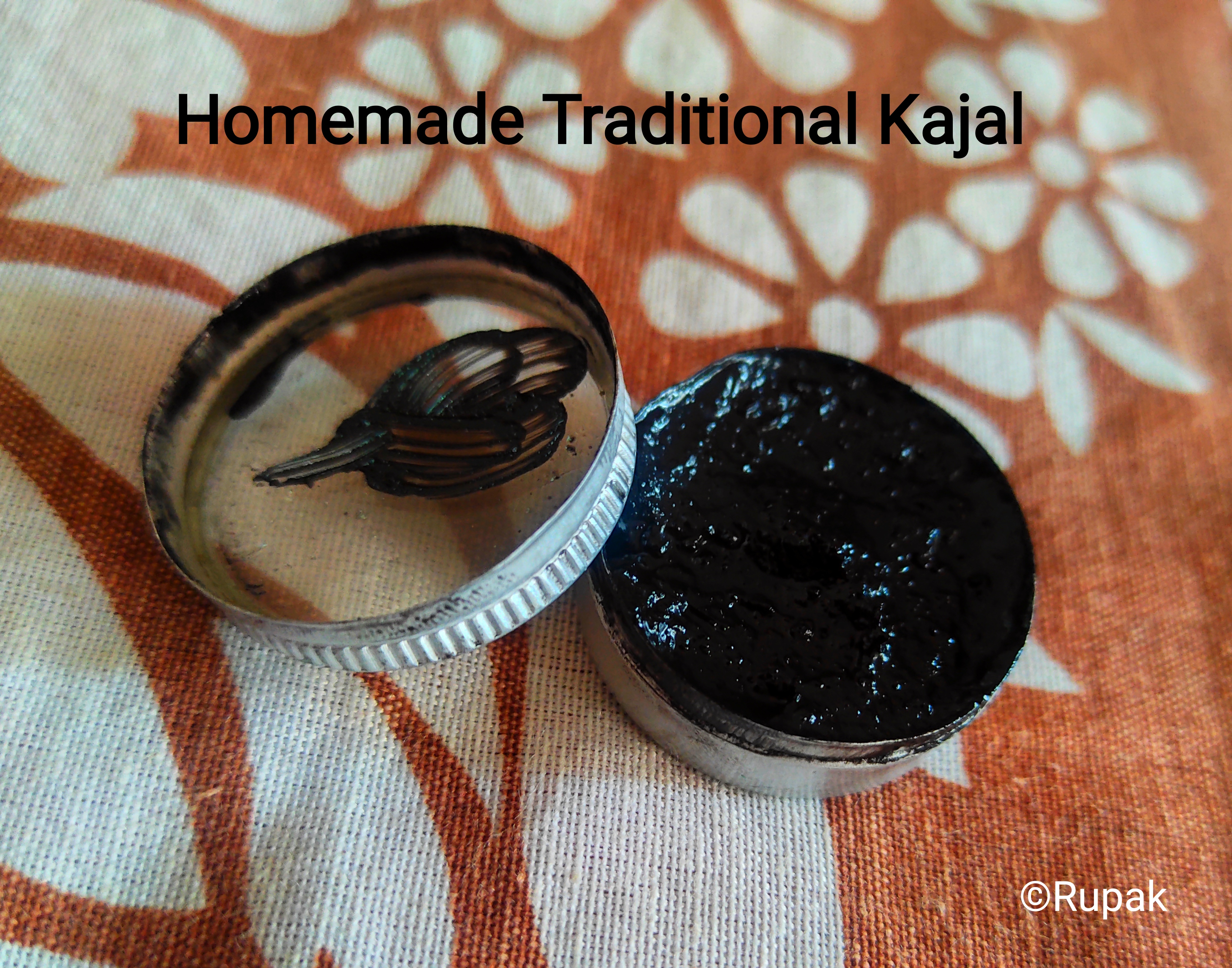
The process to make traditional homemade kajal
- Plate
- Diya
- Cotton wick
- Oil
- Any stand to hold plate
- others- Spoon, ghee, store box & lots of happiness😊
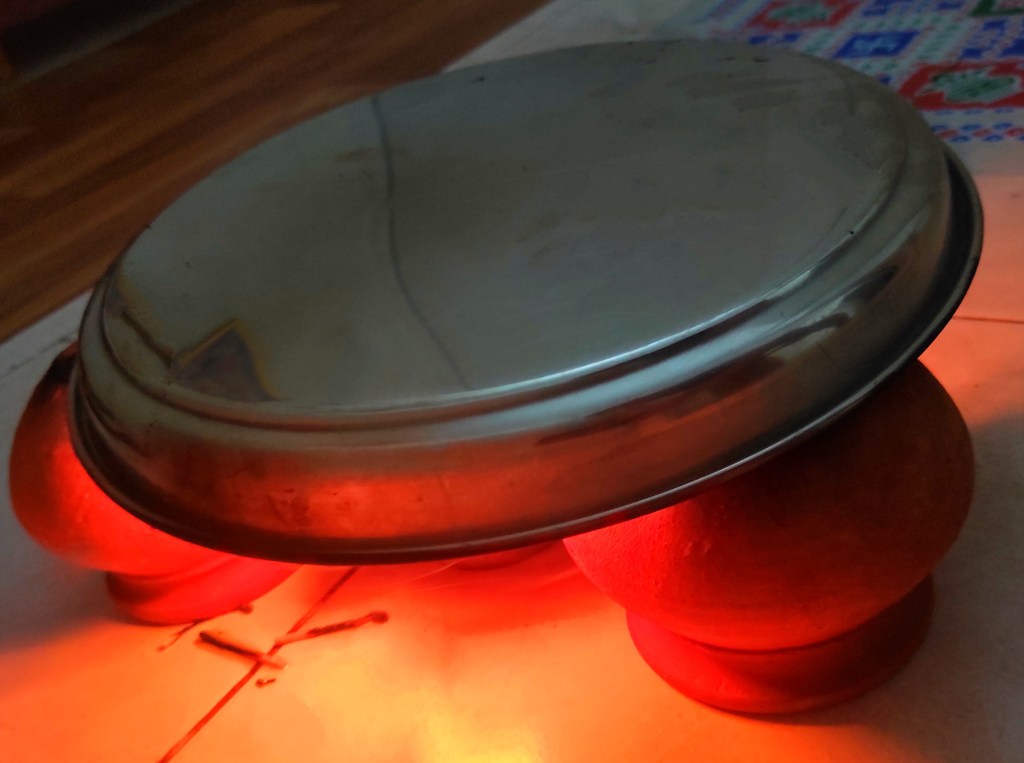
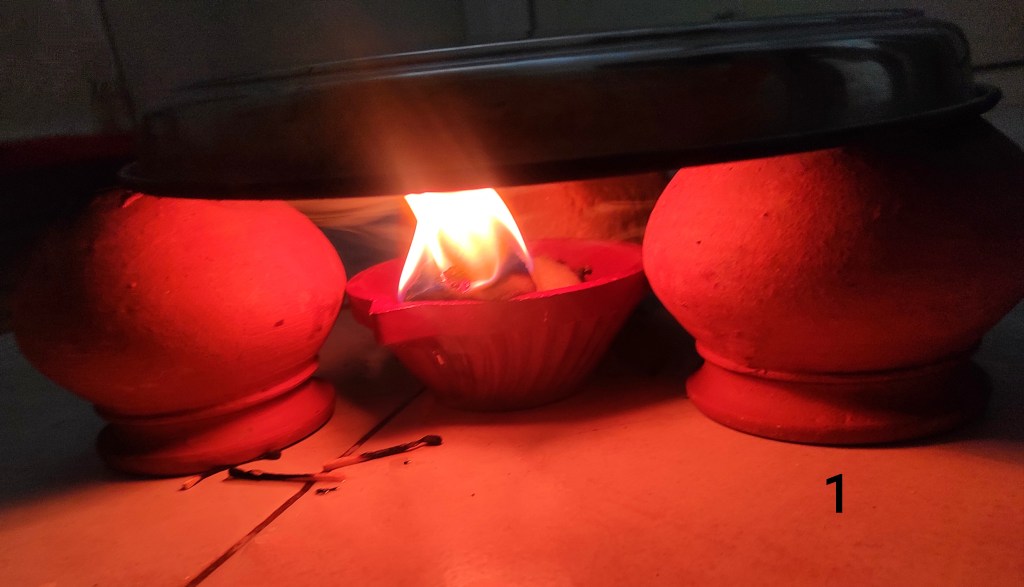
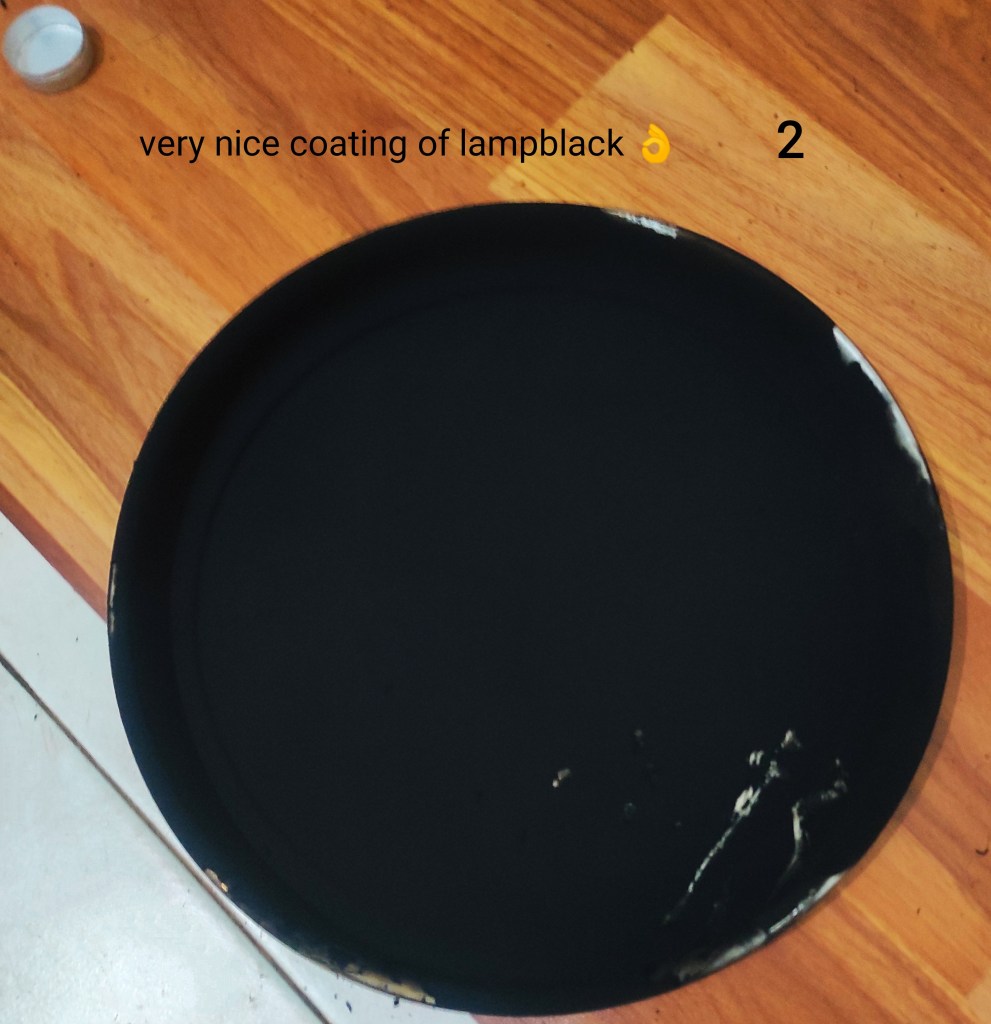
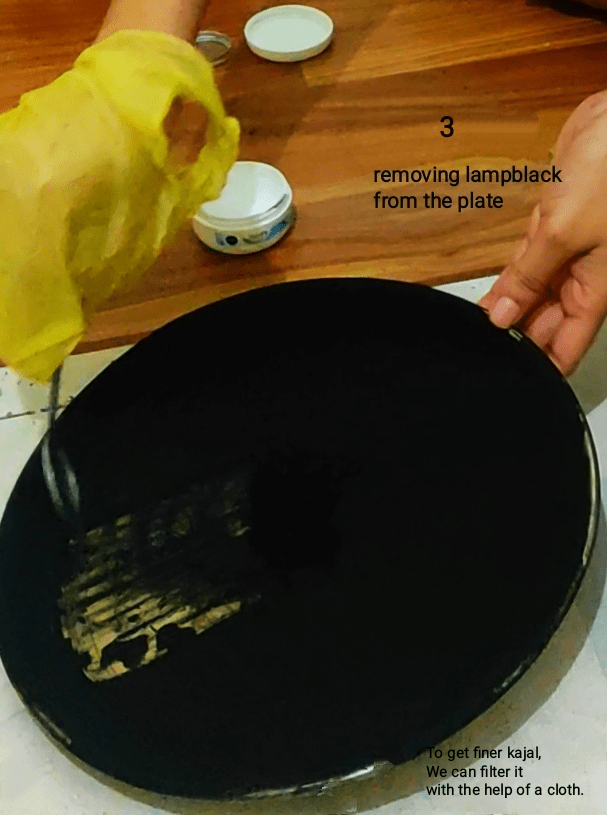
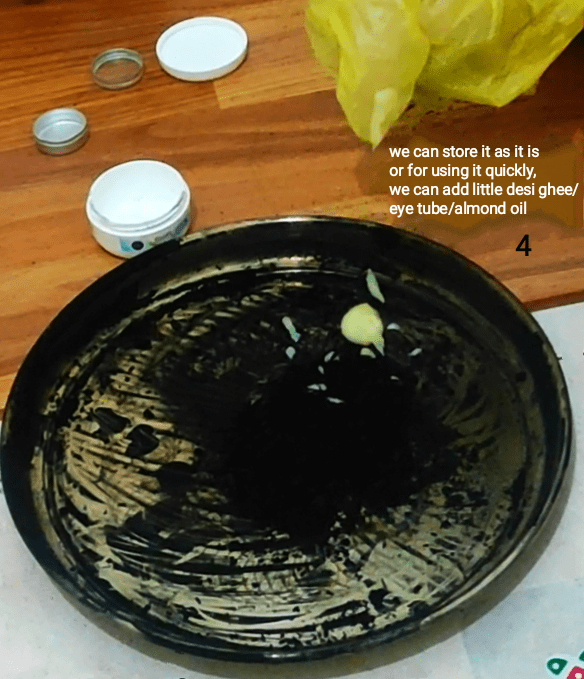
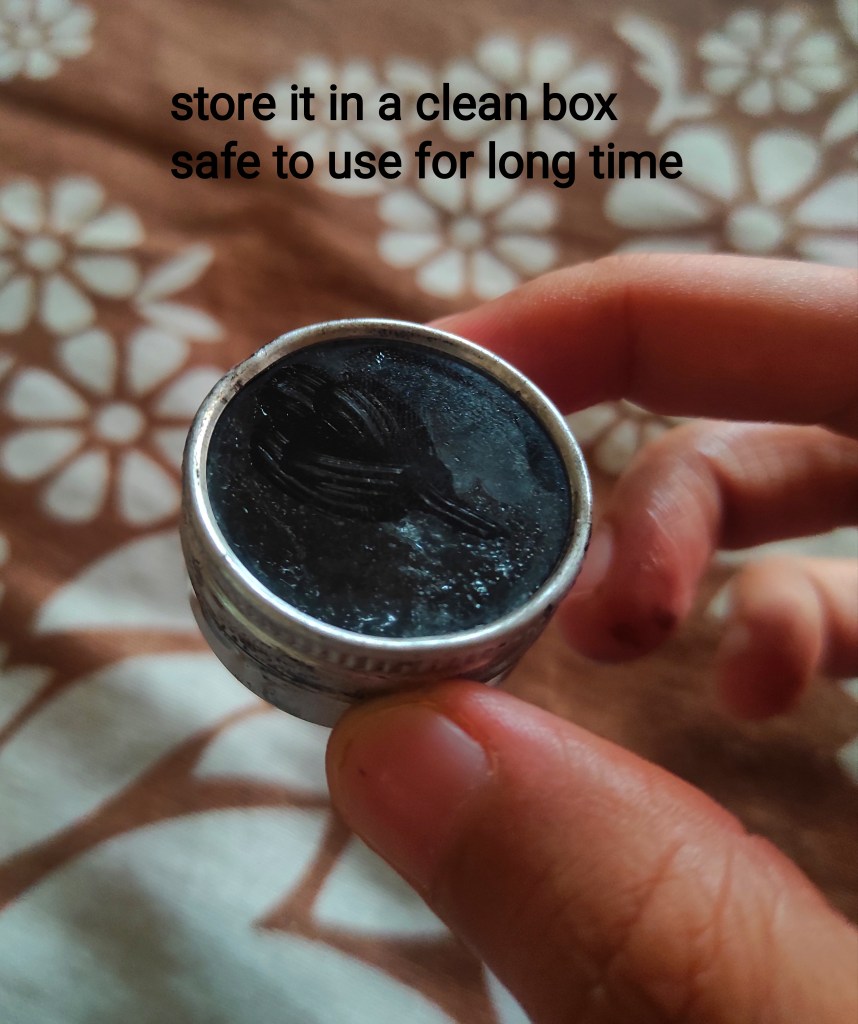
1. First take a thick cotton wick (for more kajal) and a big plate (any steel, bronze, silver plate you can take).
2. Fill Diya with oil. I always take mustard oil for Diya. Some take other oil like coconut, sesame oil, etc.
3. Lit Diya and place a plate over it with a small gap.
4. After some time Diya will blow out automatically (or as per requirements you can blow it out), you will get lots of lampblack on the plate.
5. Remove it slowly by scratching it with the help of a spoon. It will come out effortlessly.
6. We can store kajal as it is in a box (like Surma) and use it.
7. To get finer kajal, we can filter it with the help of a cotton/muslin cloth.
8. We can add little ghee for using it instantly. (I always add ghee/almond oil/any normal eye tube from the medical store, in the lampblack. My grandma uses any normal eye tube.)
9. Mix ghee well and store it in a clean box.
10. Smile! Here you get your handmade kajal.
More tips💡
👉We can add powdered Neem leaves, crushed almonds, and ajwain in cotton wick in the starting for more benefits.
👉We can also use camphor for getting quick lampblack. Edible Camphor has many properties.
👉We can burn one or two almonds under the Diya plate, after fully burnt, crushed it, make a fine powder of it and mix it with kajal powder, for more benefits.
👉Use hand gloves or polythene bags for clean hands.
Summary
Simply, Take a cotton wick, oil in a Diya and cover it with a plate, we get lampblack after Diya blew out, add a few drops of ghee/almond oil/eye tube, and store it for later use.
I always made my kajal at home only (learned from my grandmother). Now you also can make your own homemade kajal.
Enjoy! Thanks 🙂
Save Environment
Disclaimer: All the photos in this page belongs to the author.
Copyright ©2014,Rupak.All Rights reserved.

 Rupak🌱