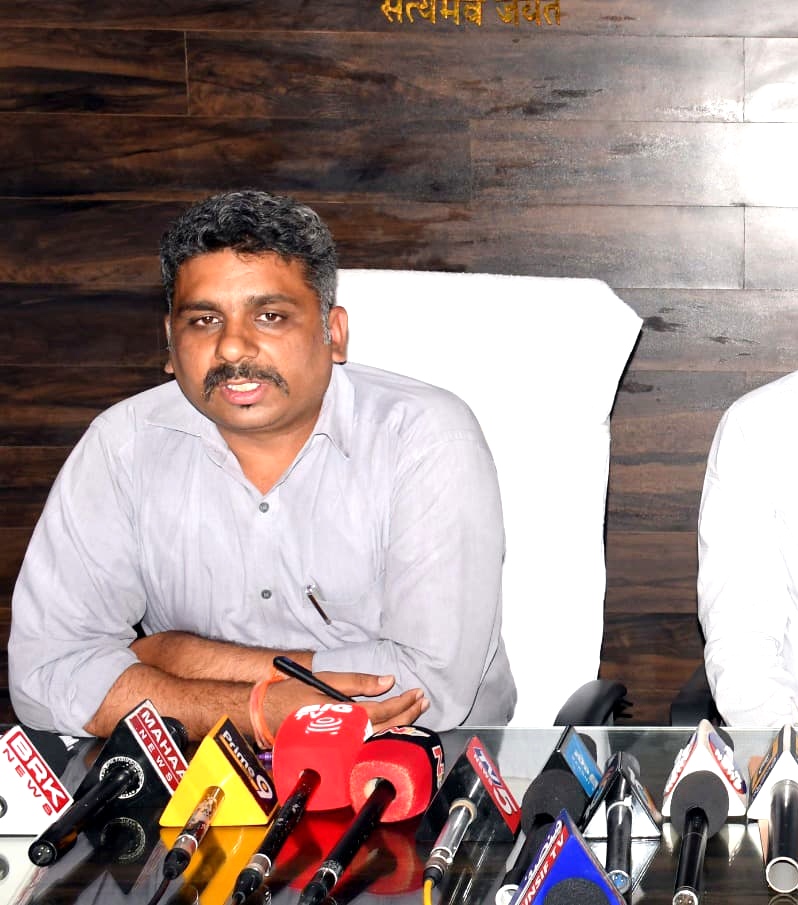
Sri Vineet Kumar IFS District Forest Officer, Kadapa Launch of “Kadapa Native Forest Restoration Project”
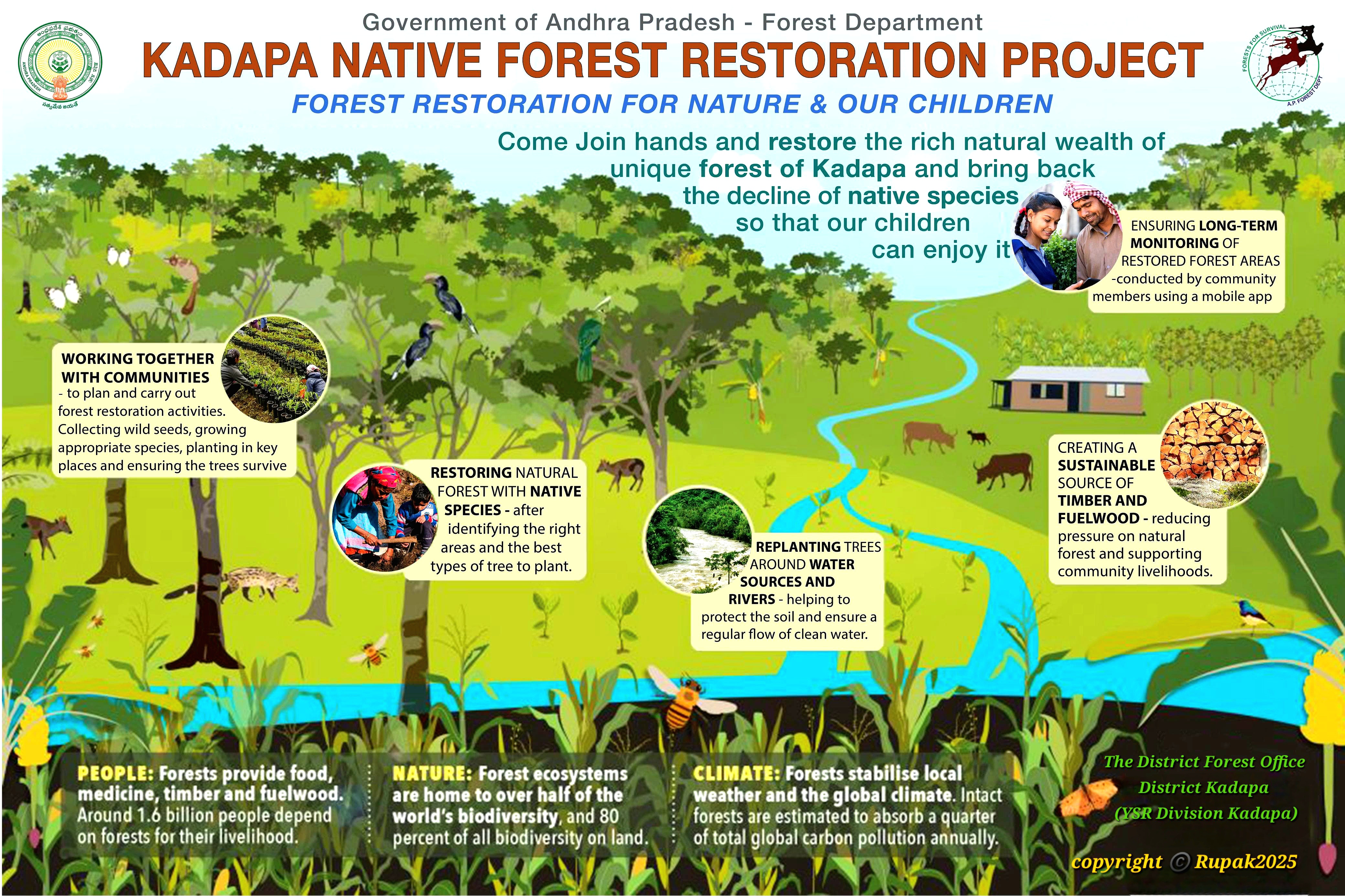
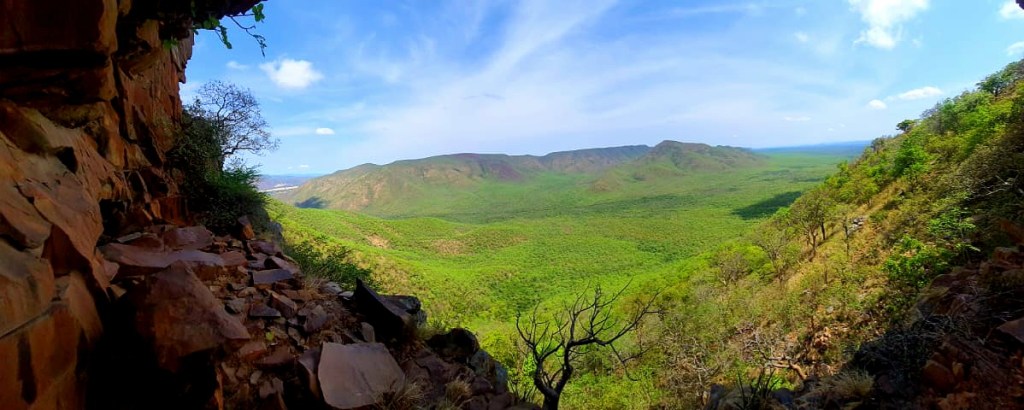
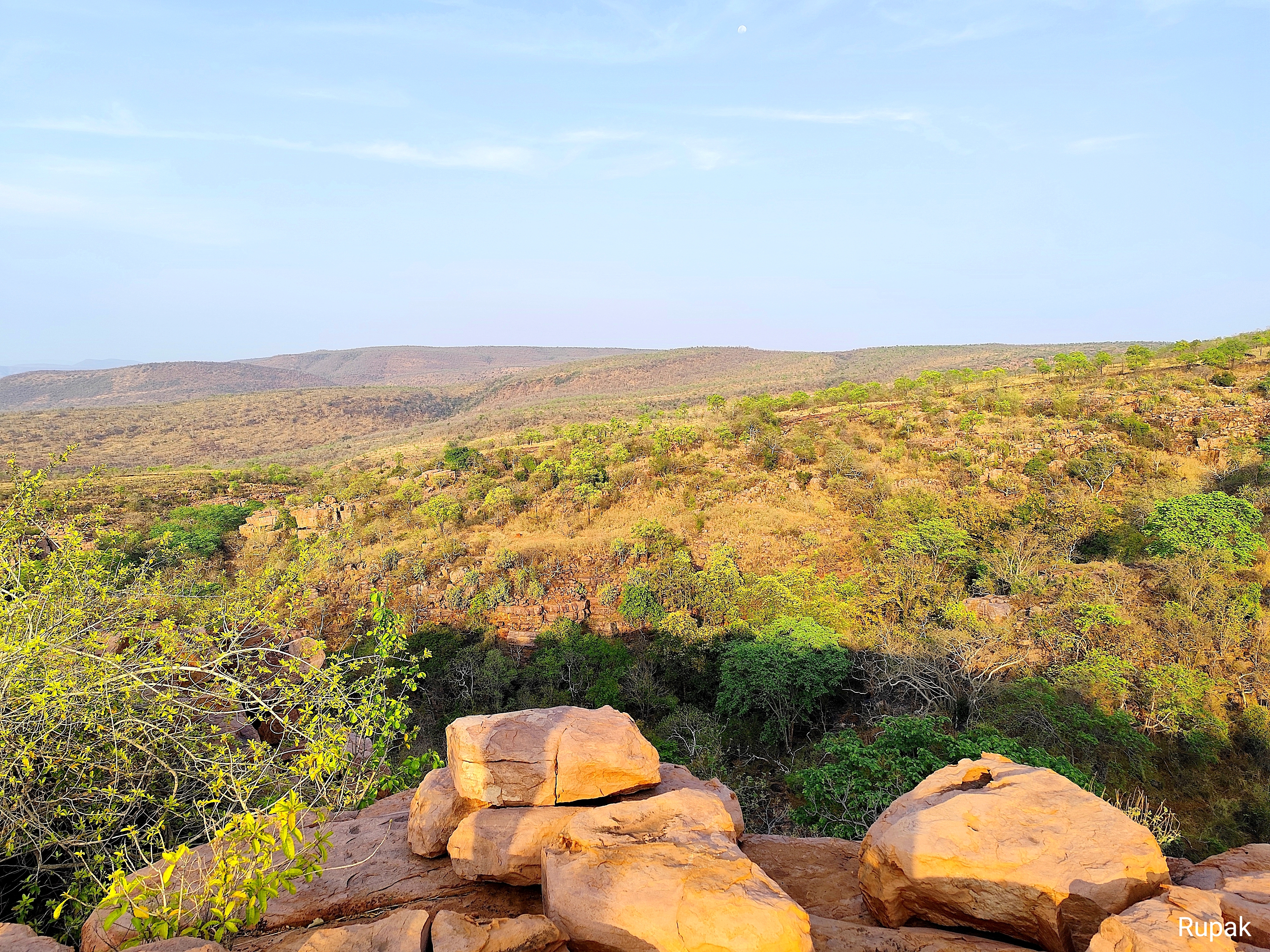
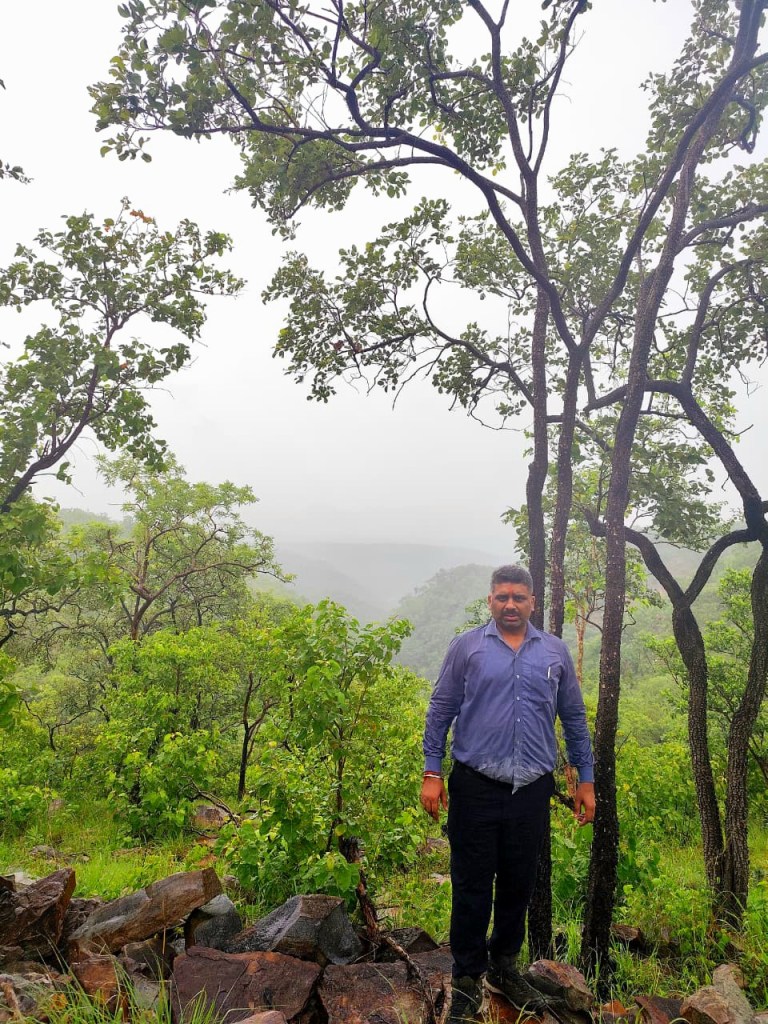
Andhra Pradesh has launched the Kadapa Native Forest Restoration Project, a first-of-its-kind initiative focused on reviving indigenous flora in the ecologically degraded Kadapa district. Unlike traditional afforestation efforts that rely on exotic species, this project emphasises ecological restoration, biodiversity, and long-term water security by reintroducing native trees across forested and open lands.
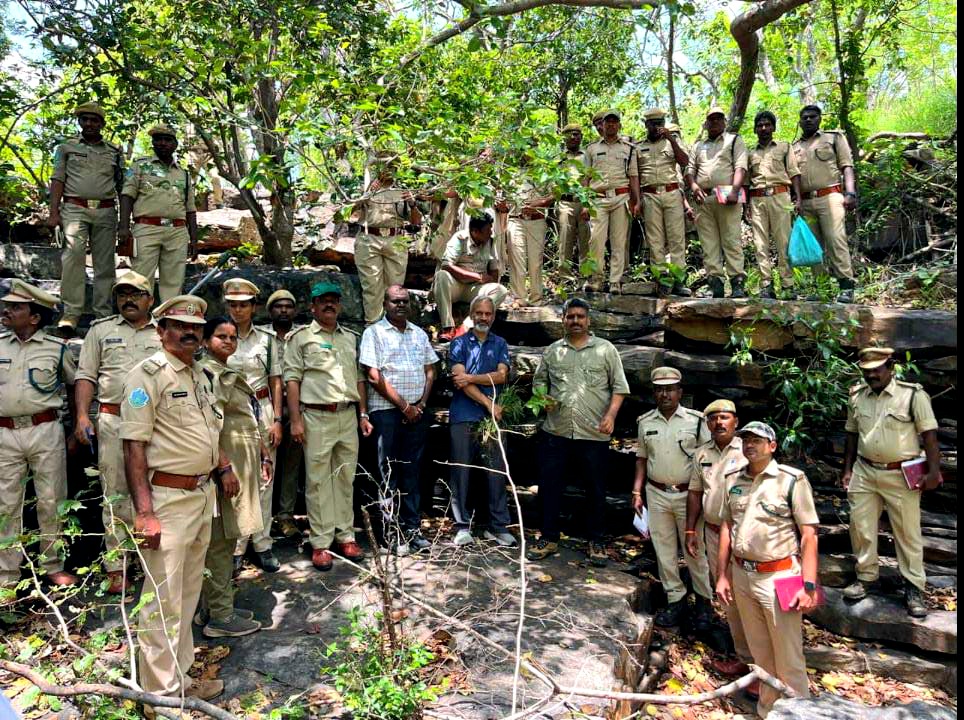
On the occasion of International Forest Day 2025, Kadapa District Forest Officer, Vineet Kumar with nature enthusiast Rupak Yadav launched a project to restore native forests in the district. The project will have key components such as Community participation, raising native plants in nurseries, and planting in open/degraded lands including forests. Vineet Kumar has spoken about the importance of forests and stressed upon the public to conserve and protect forests. He said native forests are getting damaged in various reaches such as Deforestation, forest fires & changing climate.

Key Components :
PEOPLE: Forests provide food, medicine, timber and fuelwood. Around 1.6 billion people depend people deper on forests for their livelihood.
NATURE: Forest ecosystems are home to over half hatt of the world’s biodiversity, and 80 percent of all biodiversity on land.
CLIMATE: Forests stabilise local weather and the global climate Intact forests are estimated to absorb a quarter of tatal global carbon pollution annually.
Forest restoration through community involvement. It highlights the importance of working with communities to plan and execute forest restoration activities, including collecting wild seeds, growing appropriate species, planting in key areas, and ensuring the trees survive. This approach emphasizes the role of local participation in achieving successful and sustainable forest recovery.
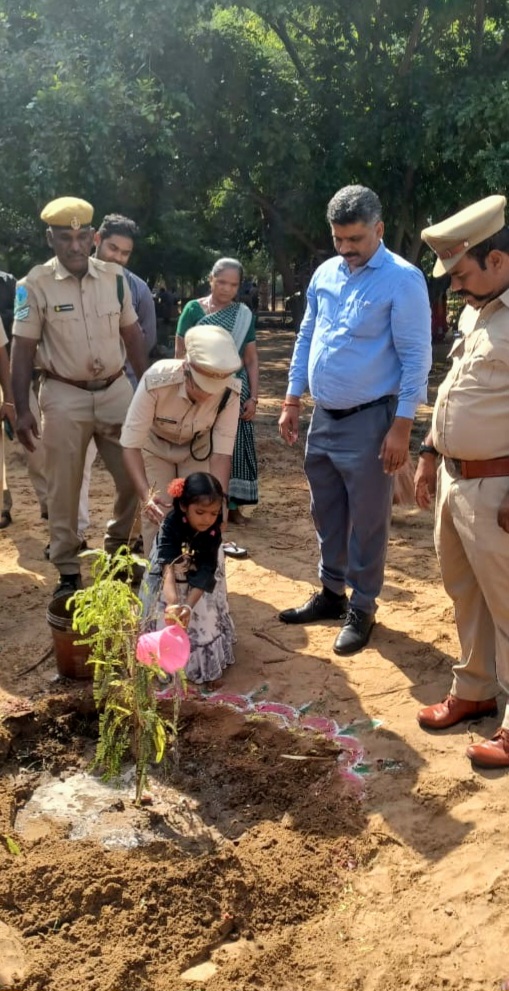
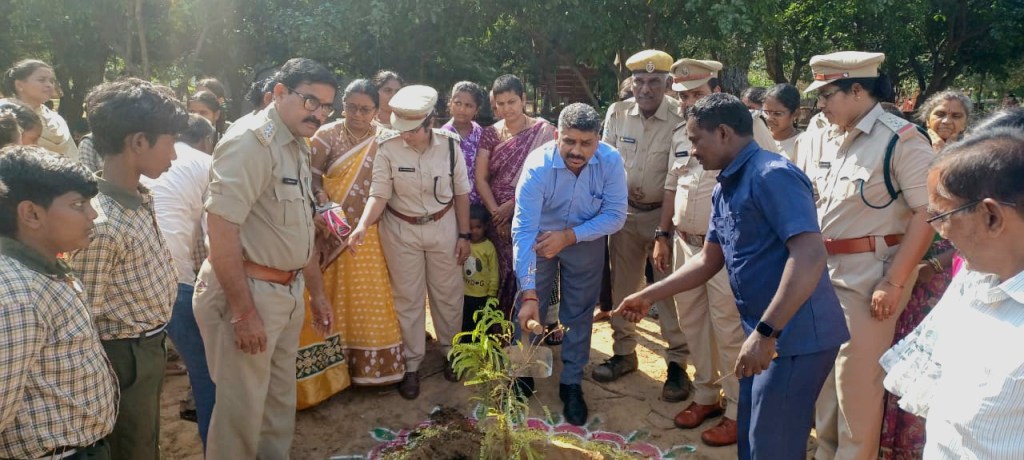
Restoring natural forests with native species. This involves identifying suitable areas and selecting the best types of trees to plant. Forest landscape restoration (FLR) aims to regain ecological functionality and enhance human well-being in deforested or degraded areas. It’s a process that goes beyond simply planting trees, focusing on restoring the entire landscape to meet present and future needs.
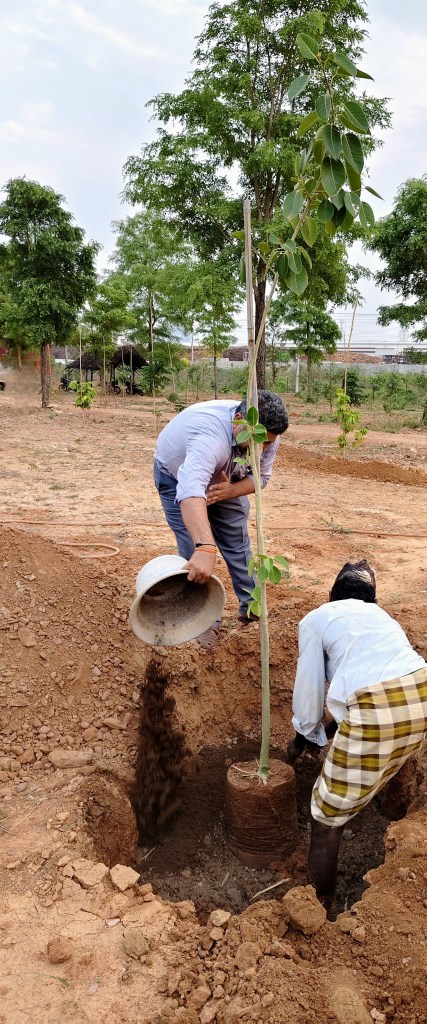
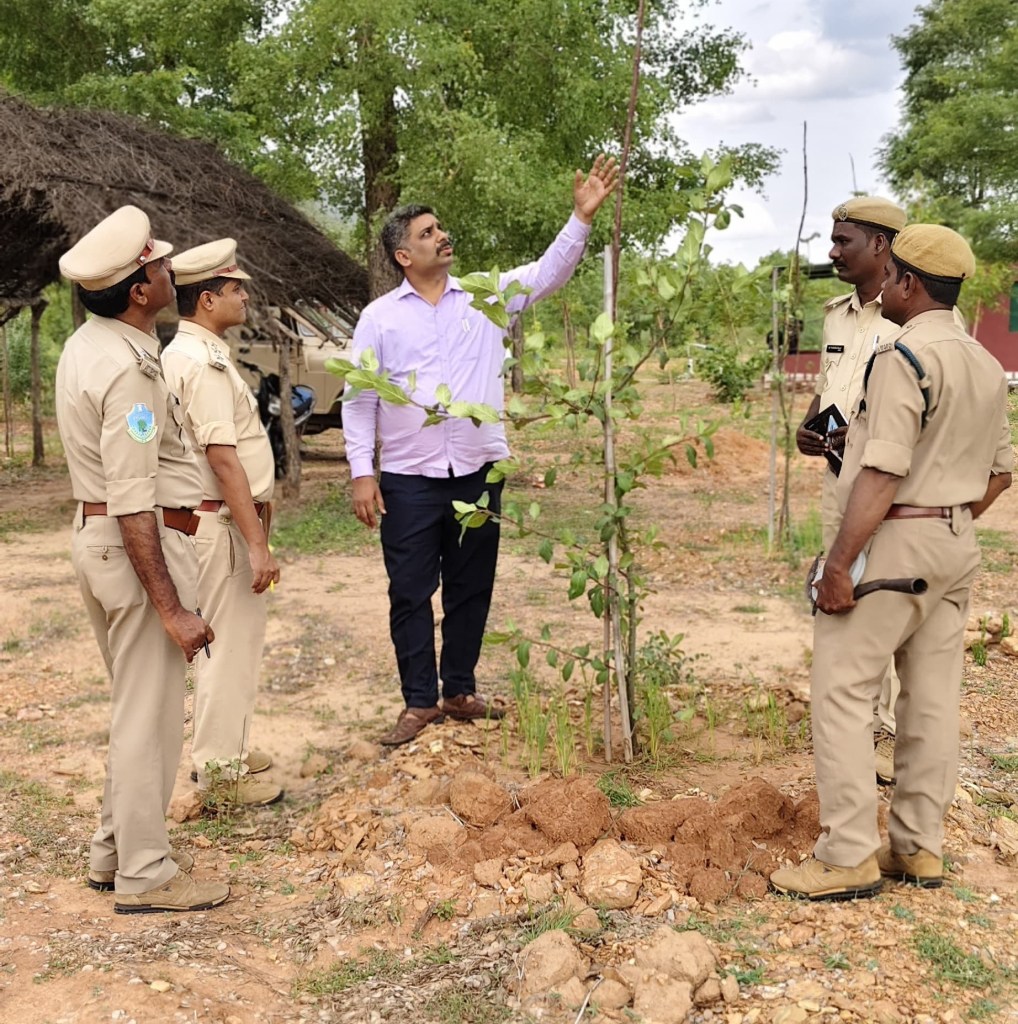
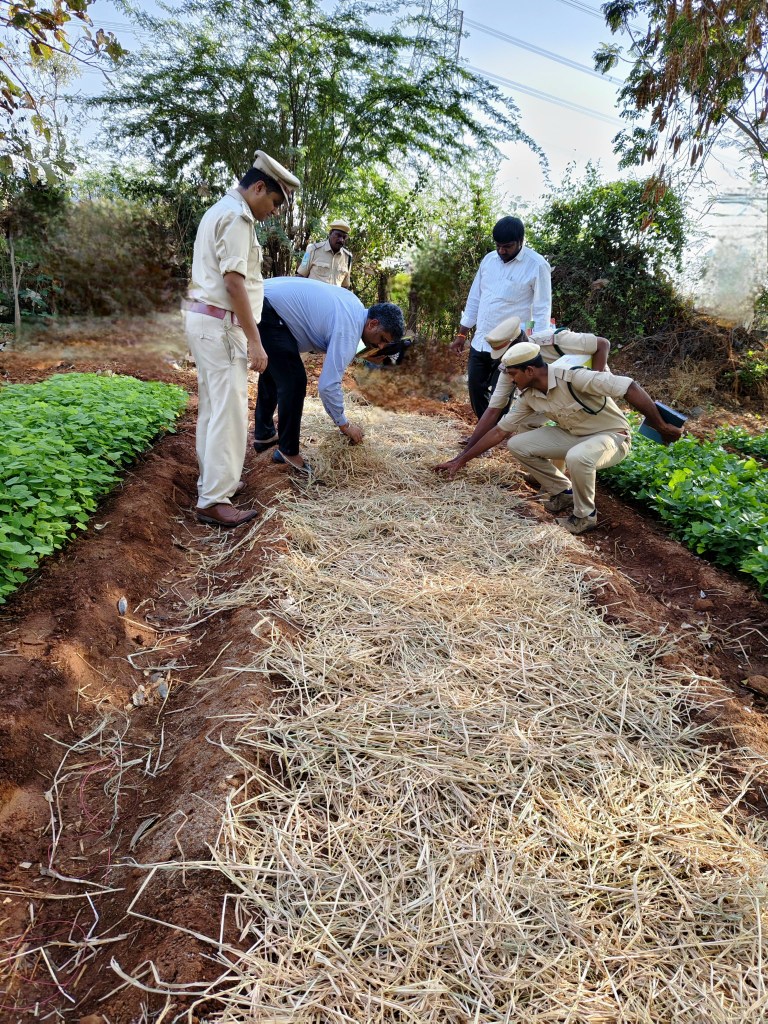
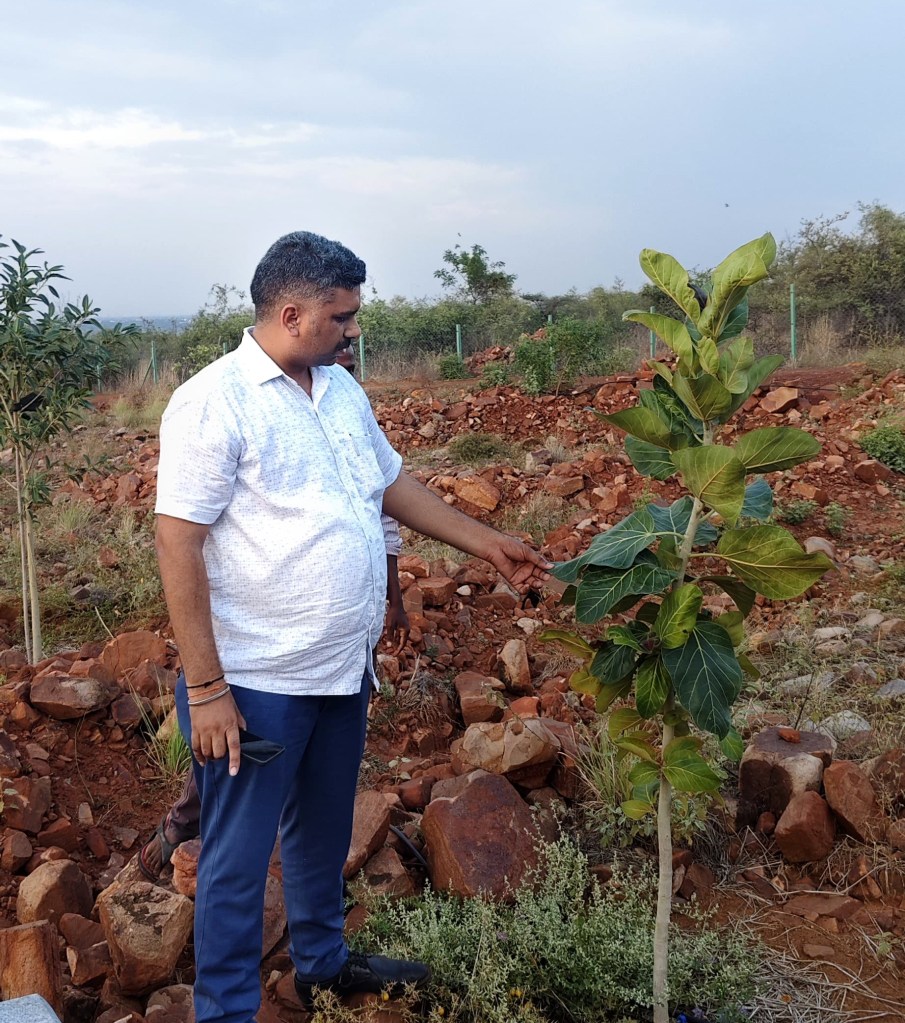
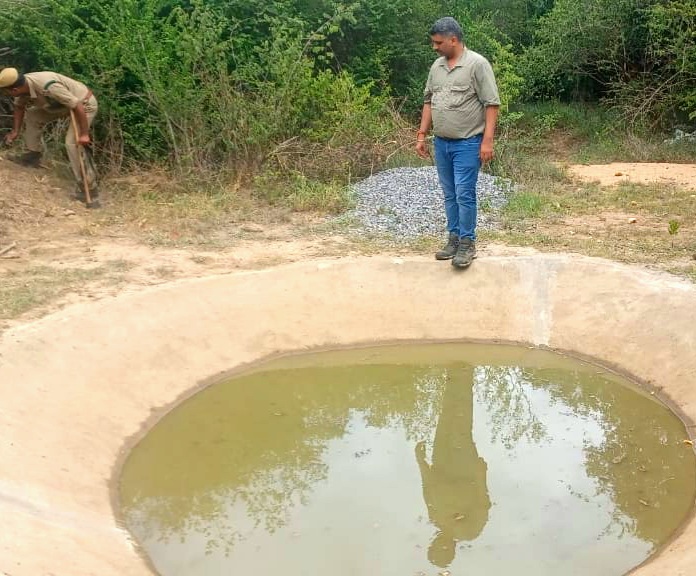
Restoration of water bodies and planting trees. Importance of replanting trees around water sources and rivers. This practice helps to:
- Protect the soil from erosion.
- Ensure a regular flow of clean water.
- Maintain the health of aquatic ecosystems.
- Support the surrounding environment and wildlife.
- Prevent runoff and promote groundwater recharge.
- Reduce nutrient leaching after harvesting.
- Enrich the soil with organic matter.
- Protect the water from pollutants.
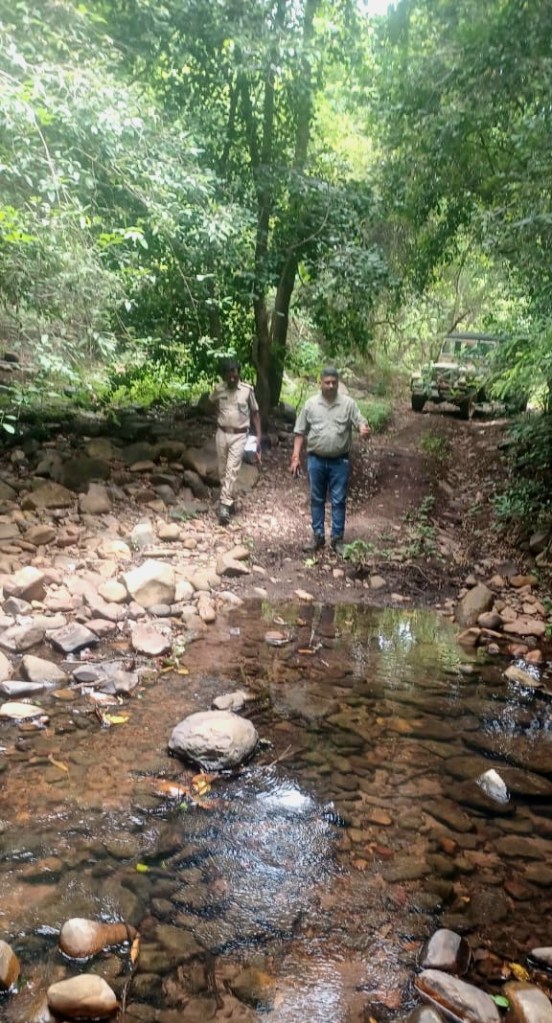
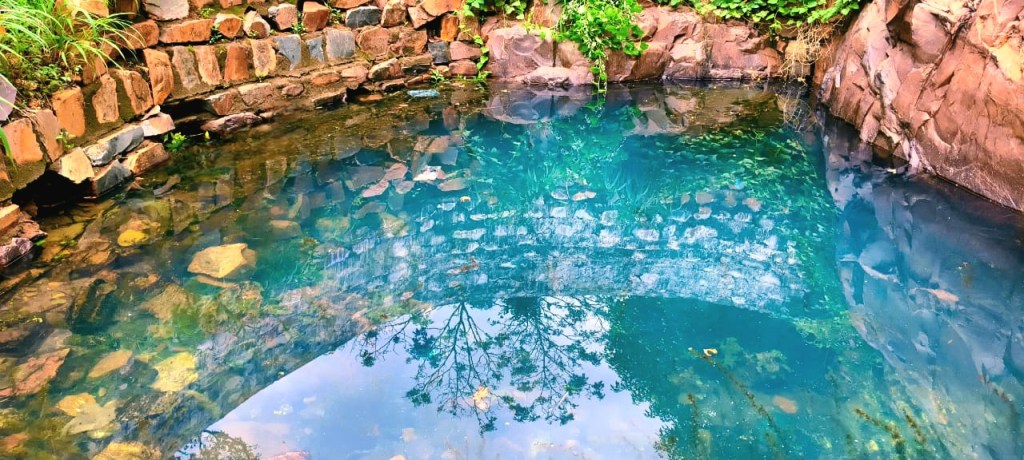
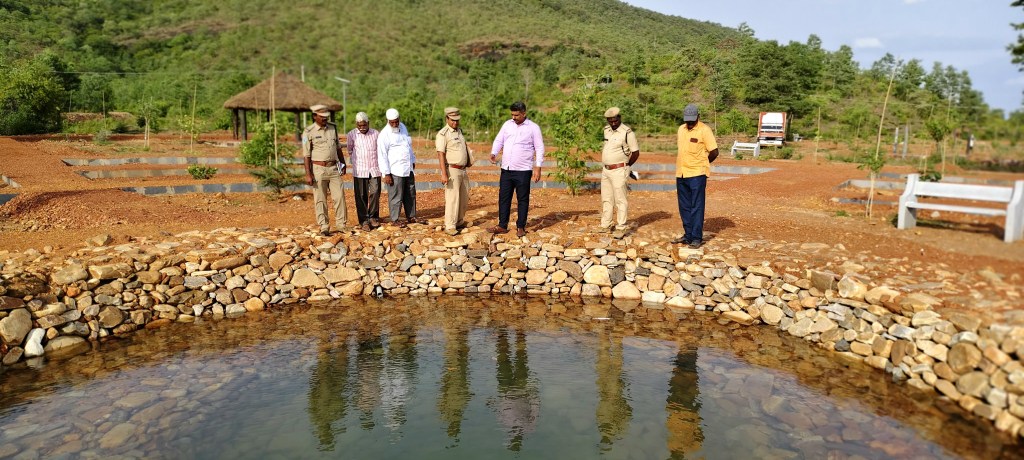
Creating a sustainable source of timber and fuelwood to reduce pressure on natural forests and support community livelihoods. This approach to forest management balances environmental, social, and economic objectives.
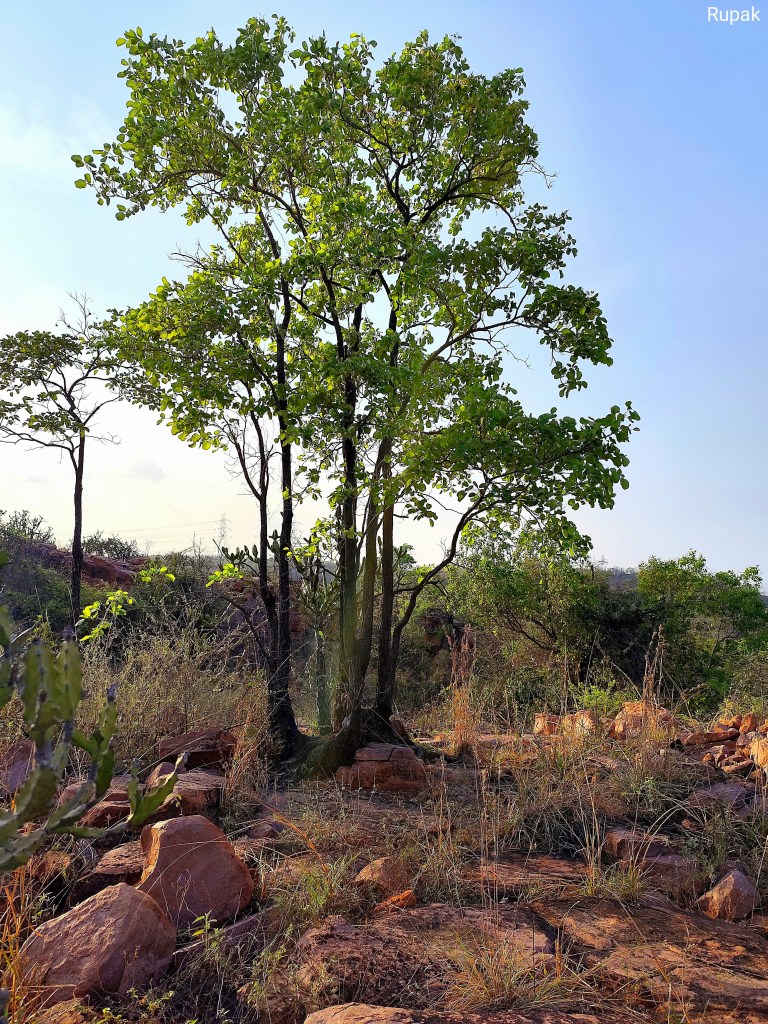
Community-led, mobile app-based long-term monitoring of restored forest areas, ensuring their sustainable management and conservation.
Activities organised for the project:
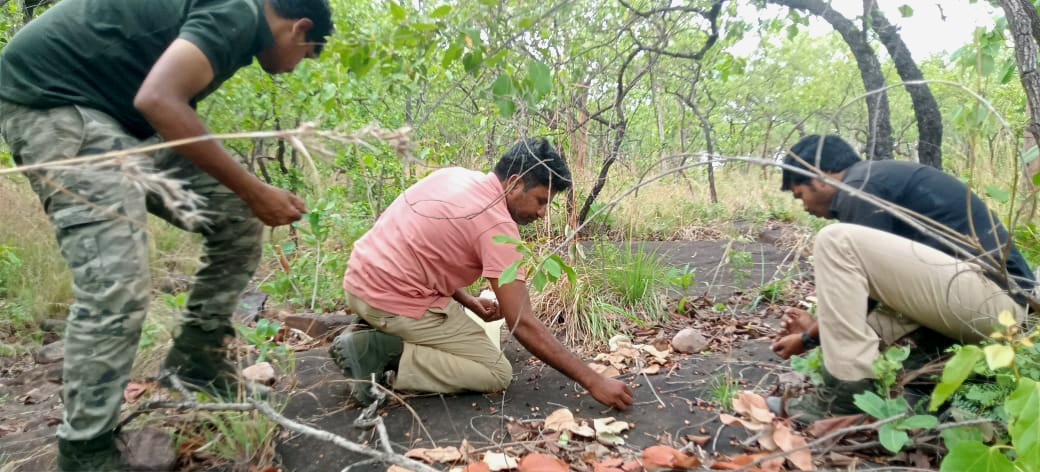
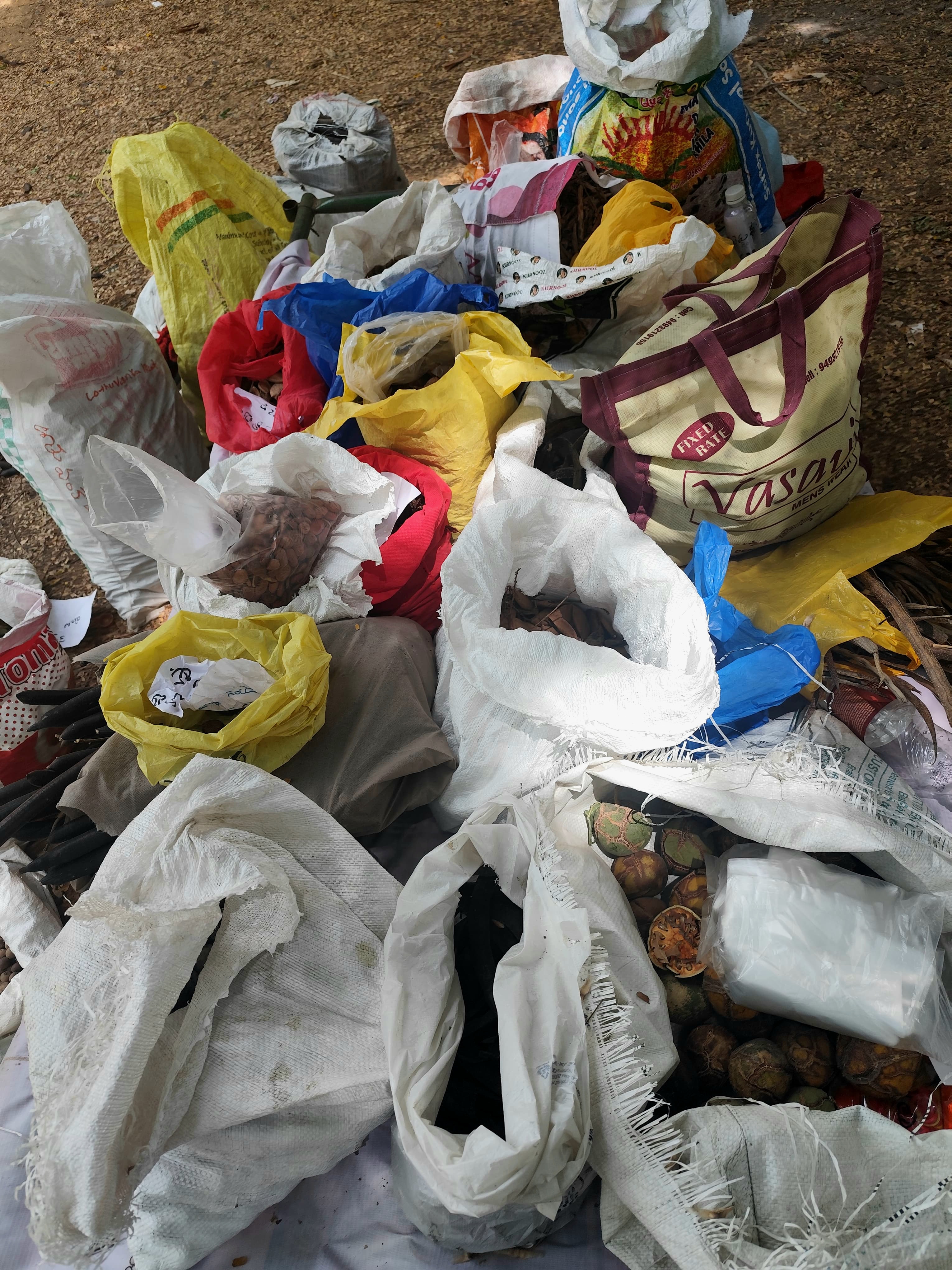
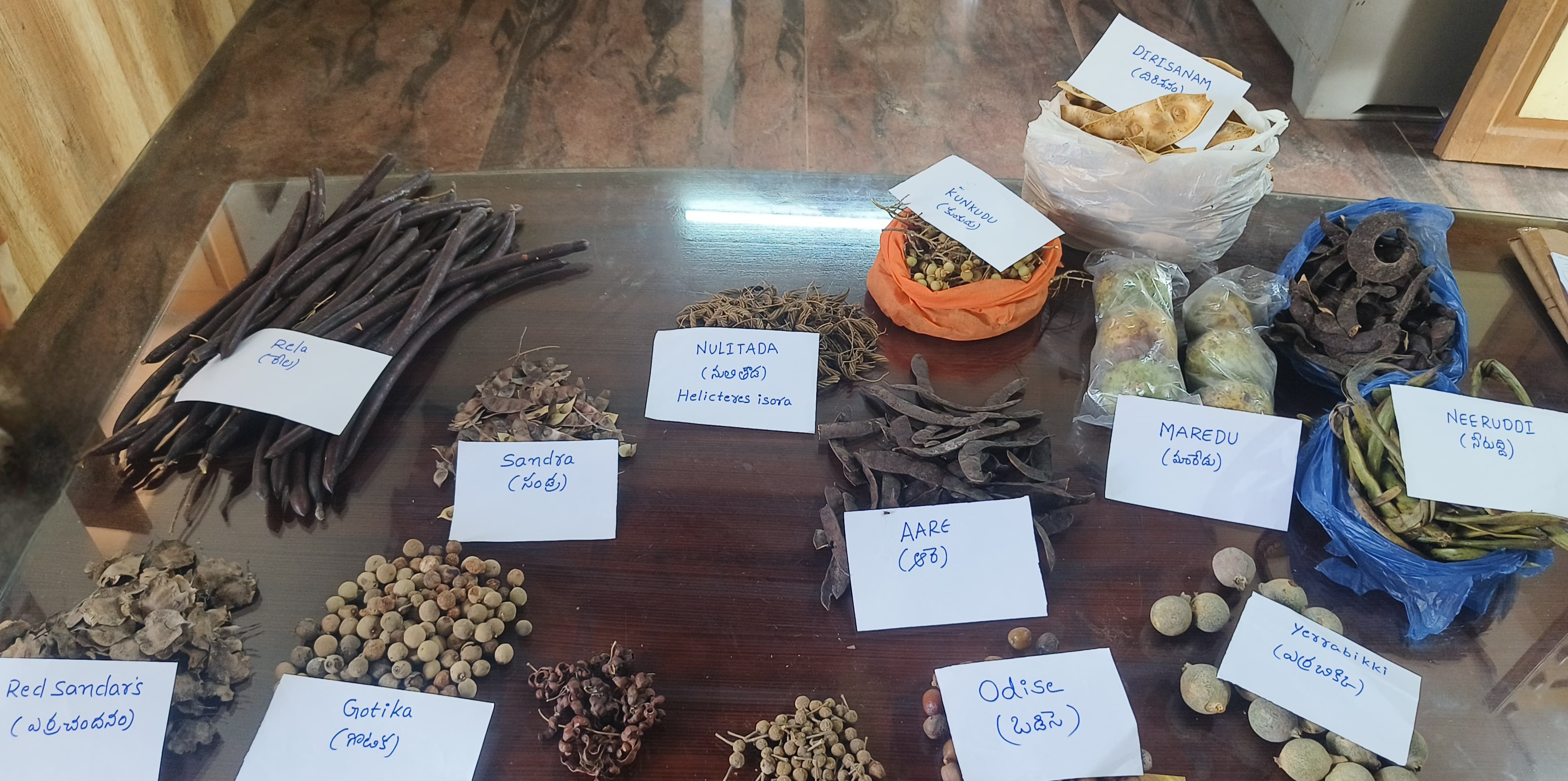
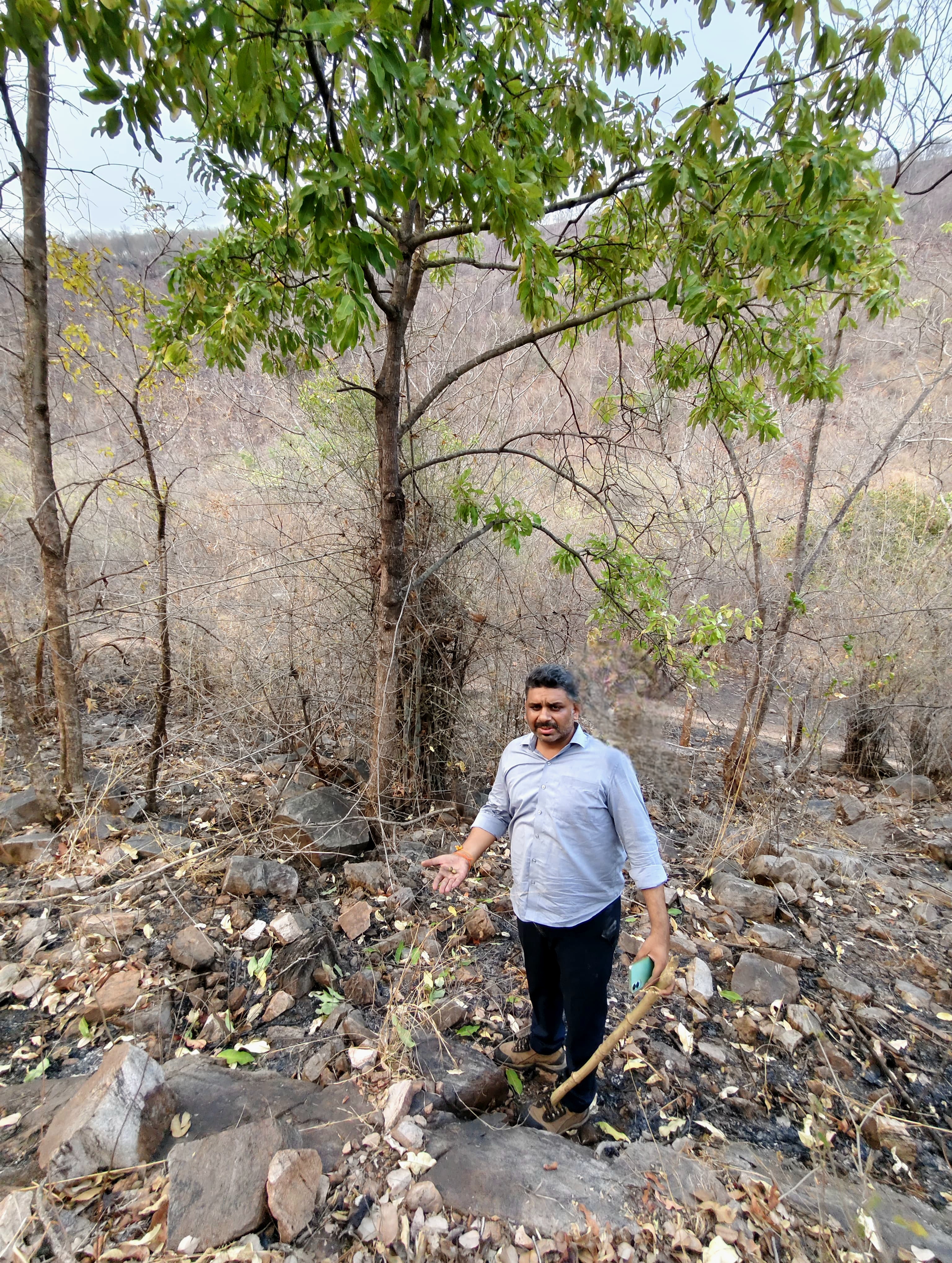
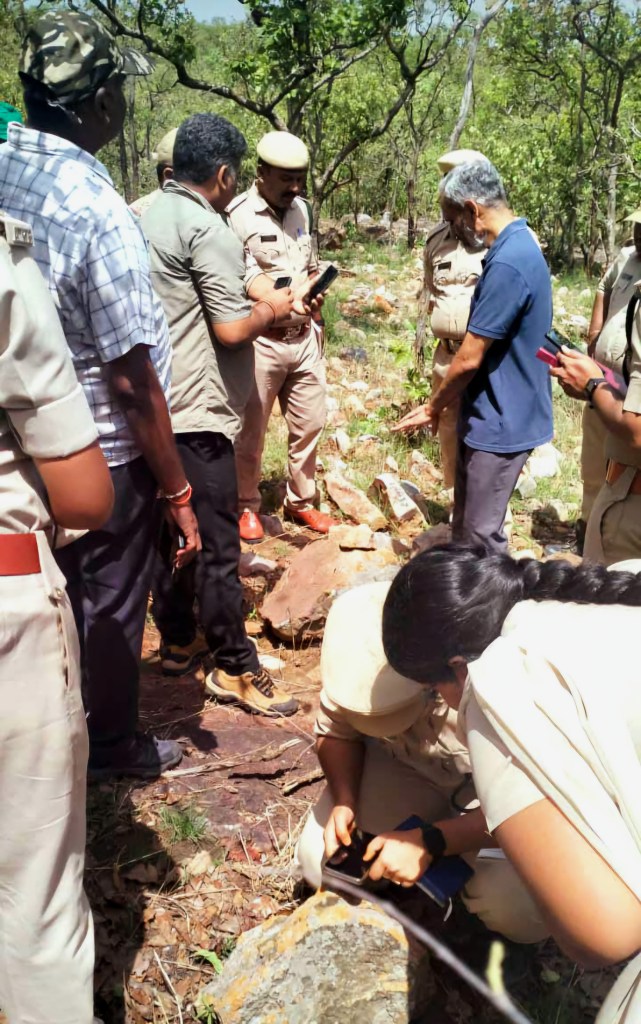
Awareness programs, Seed collections, Plantations programs, Sensitization in other departments, Botanisation, trekking, Visits of school/colleges students, children etc.
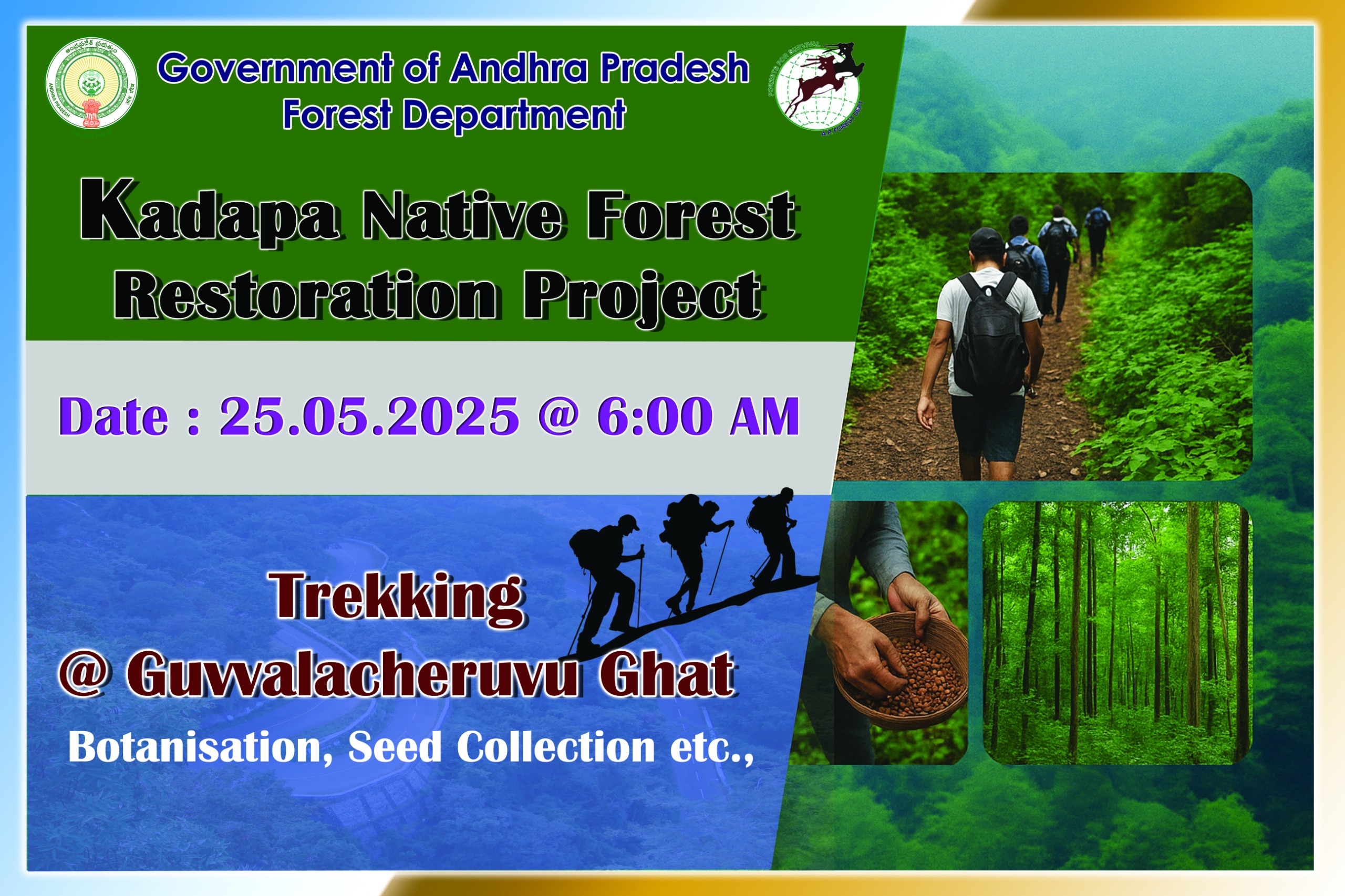
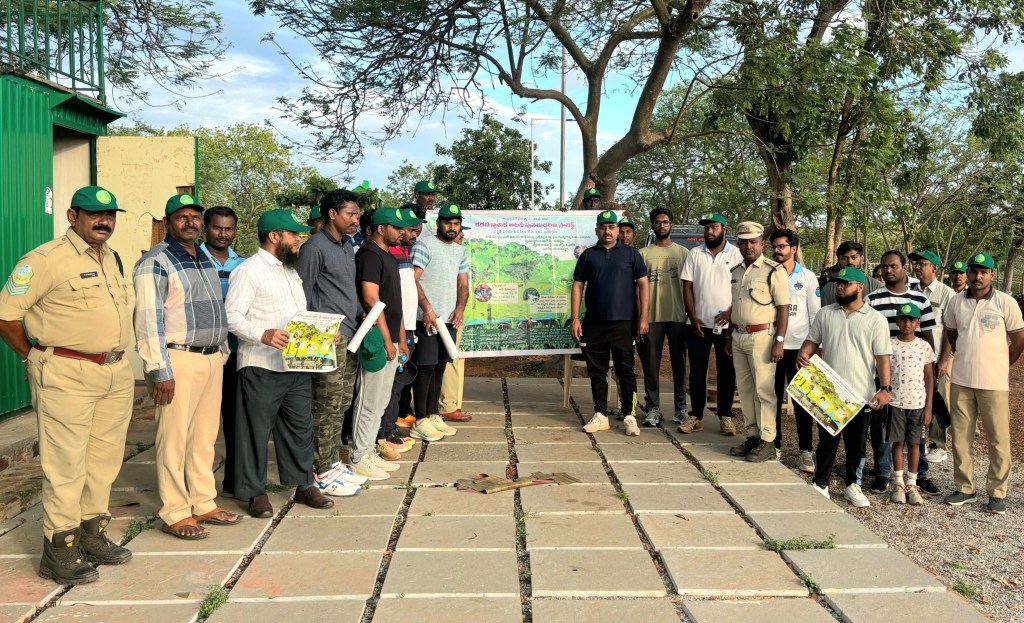
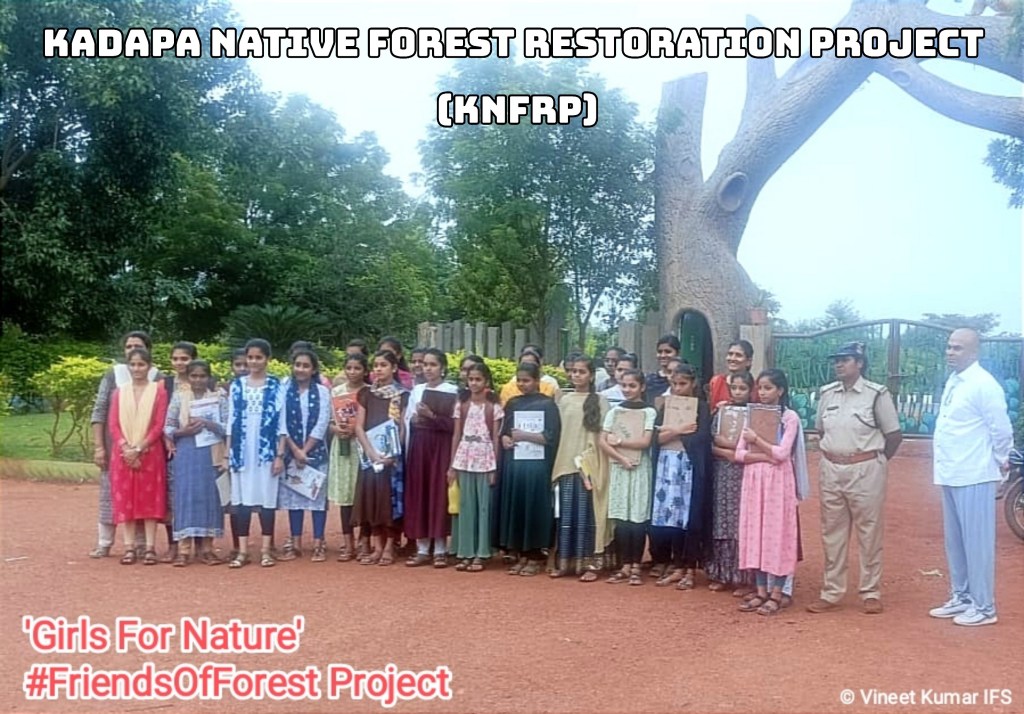
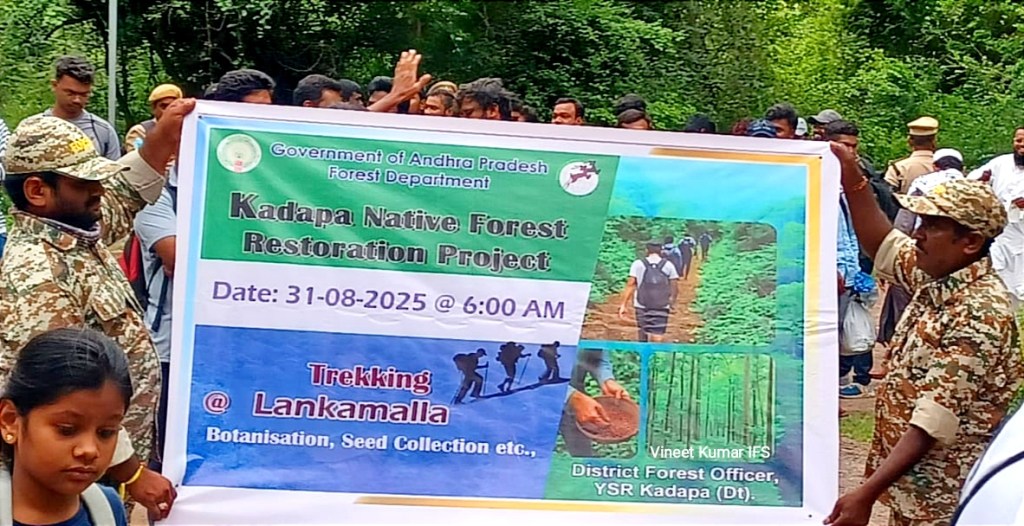
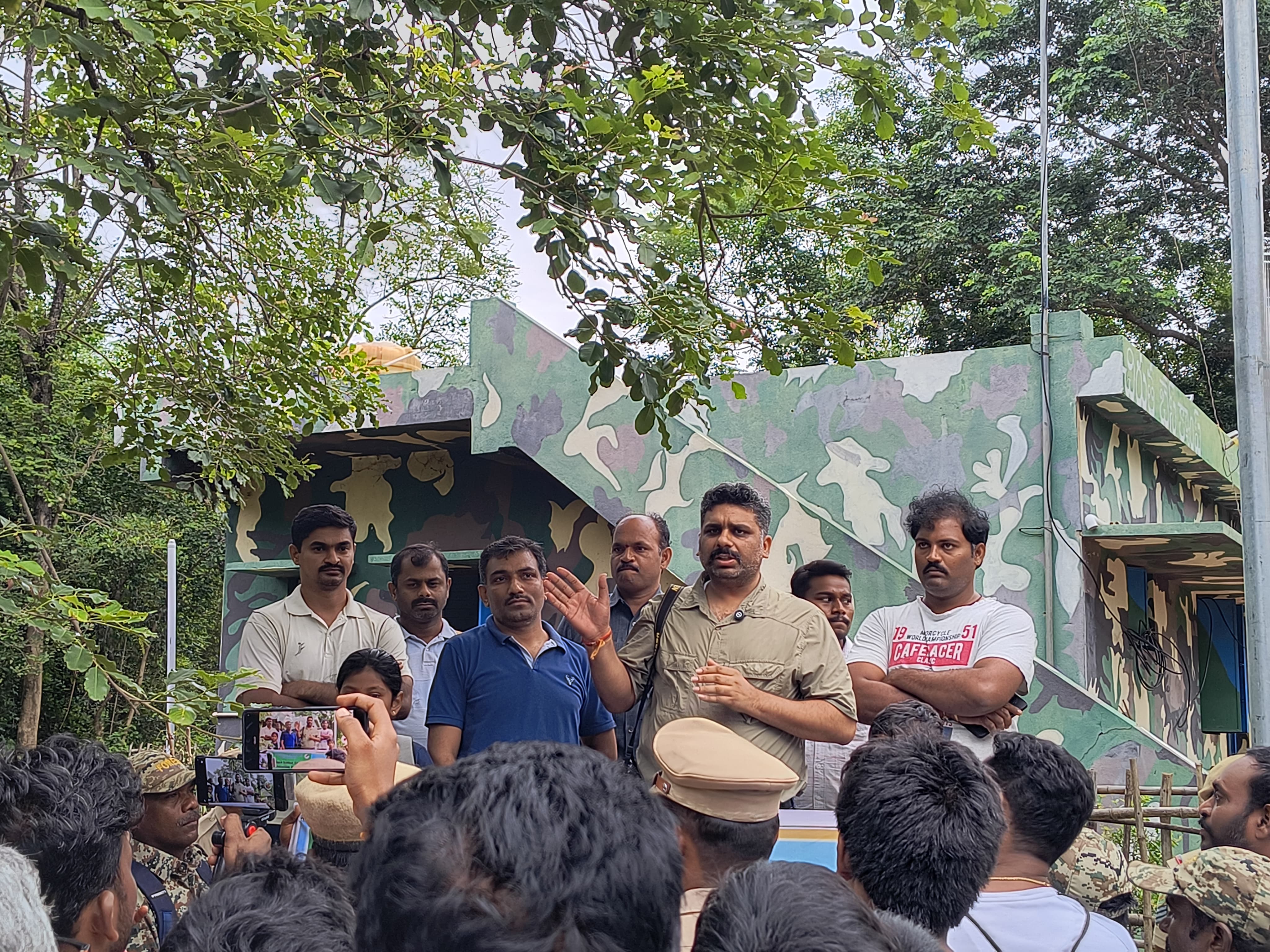
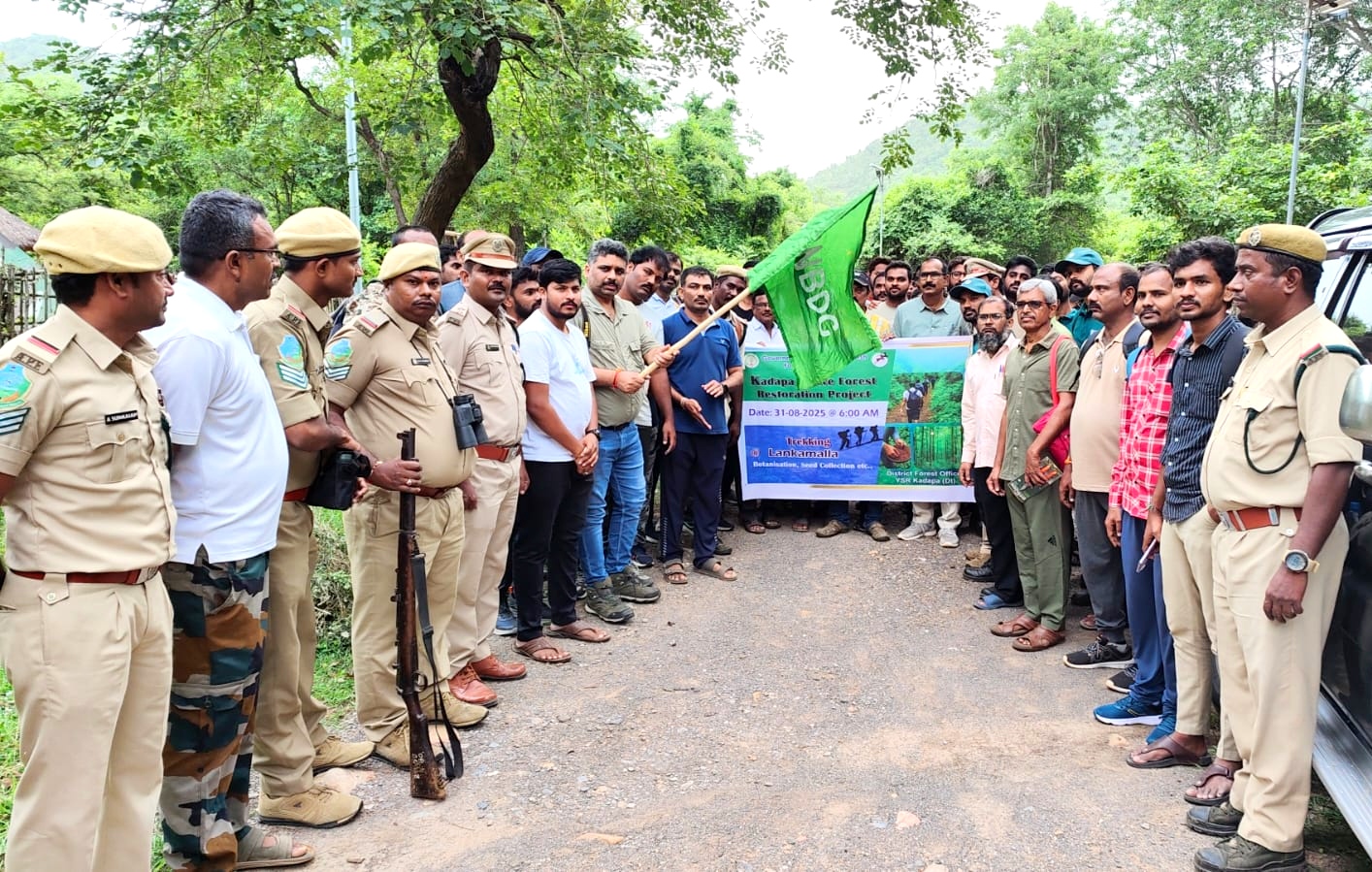
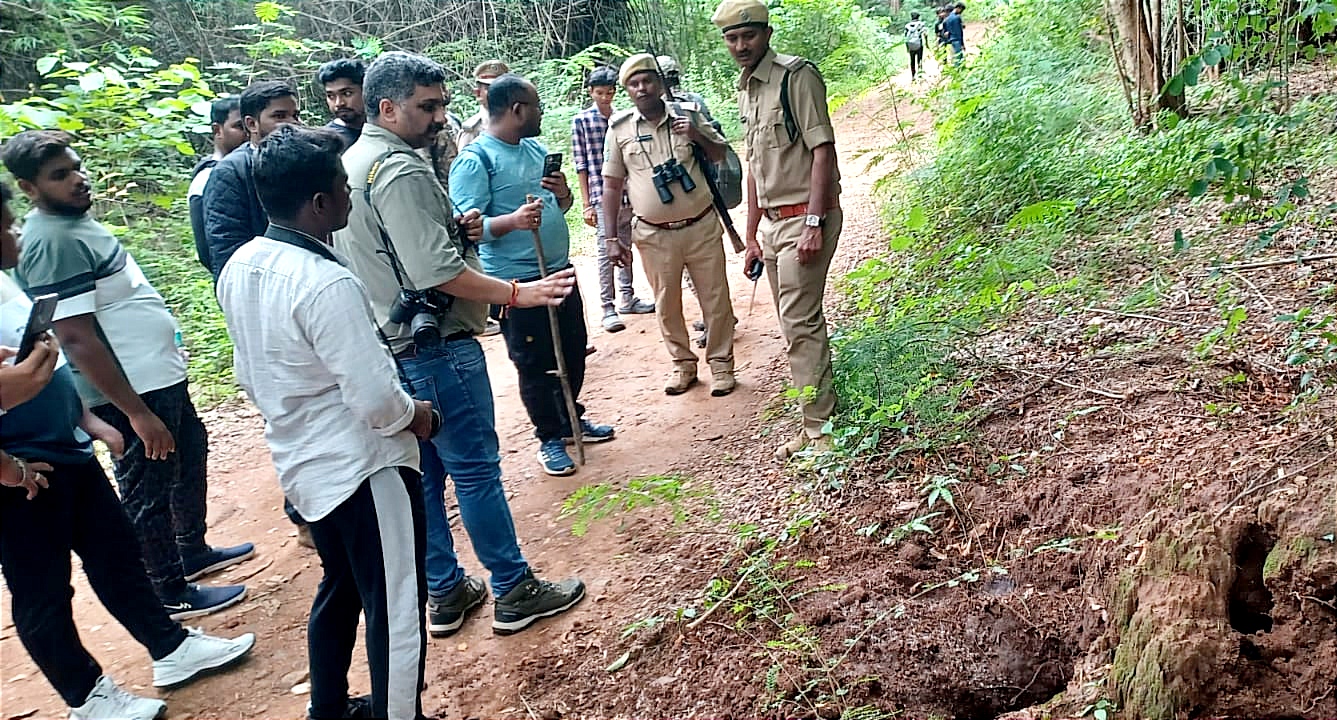
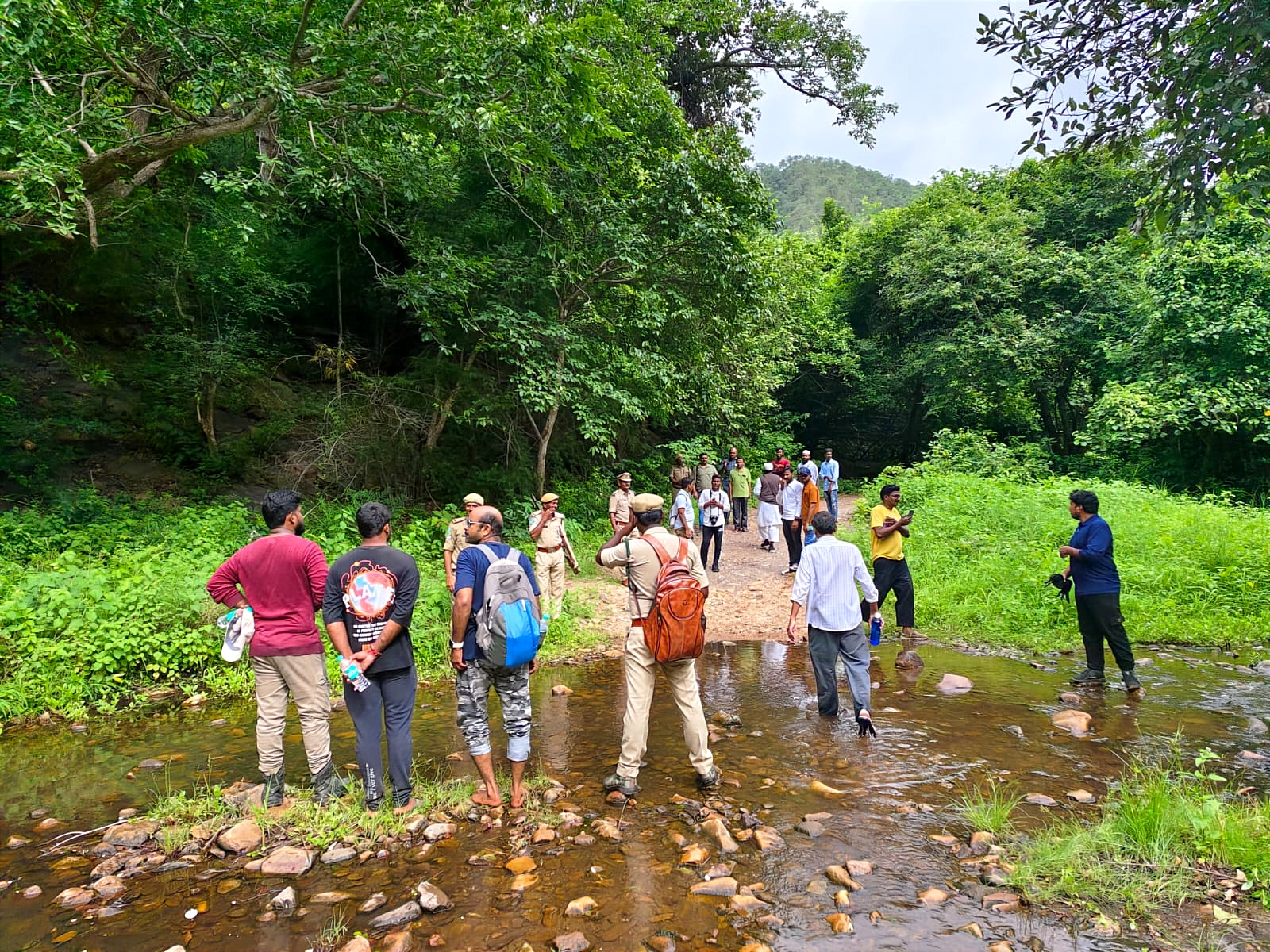
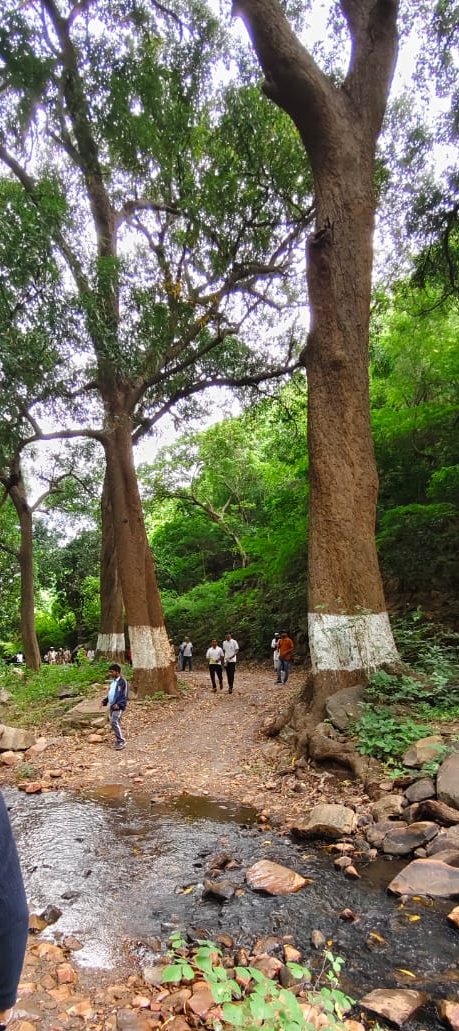
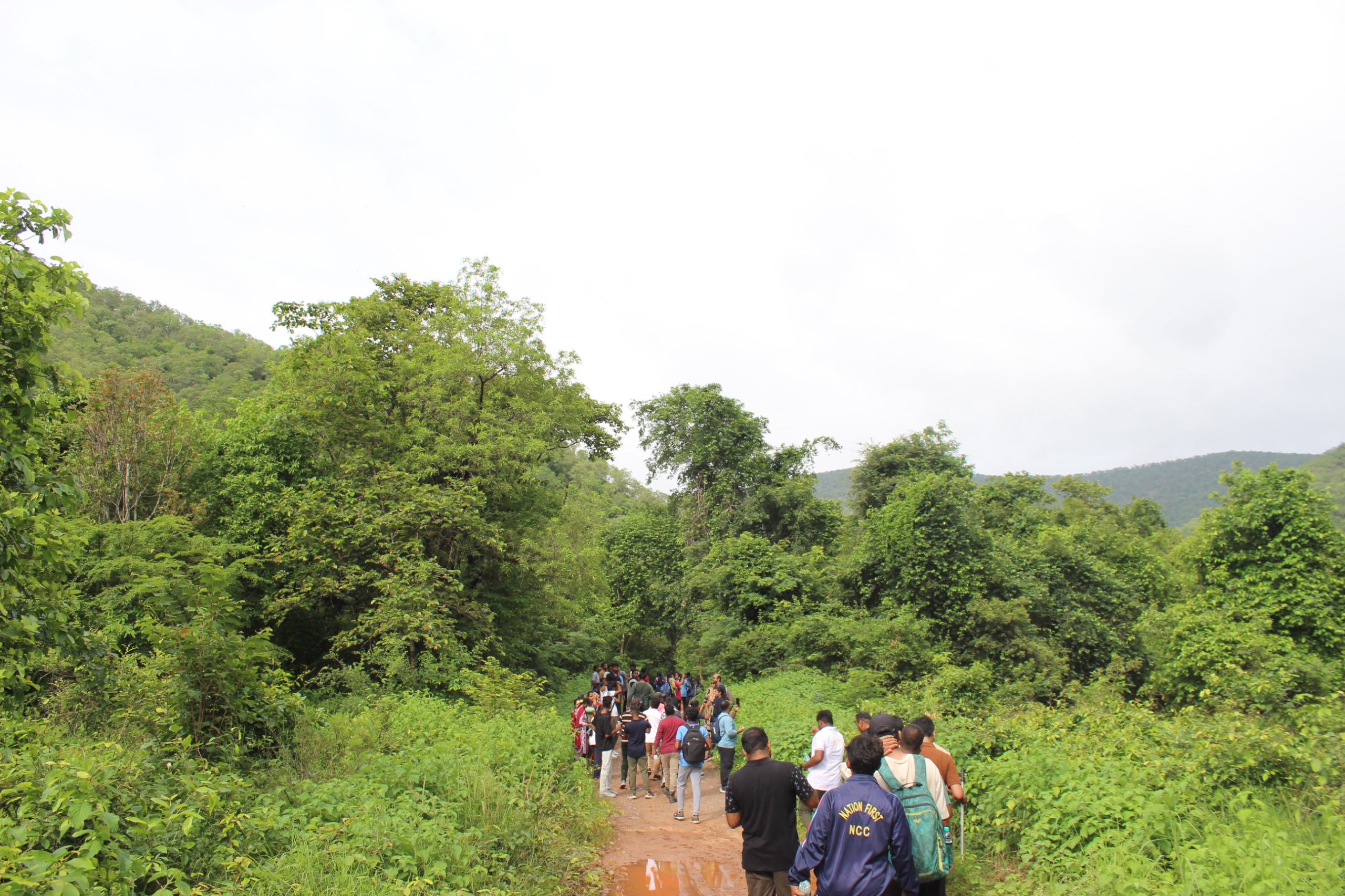
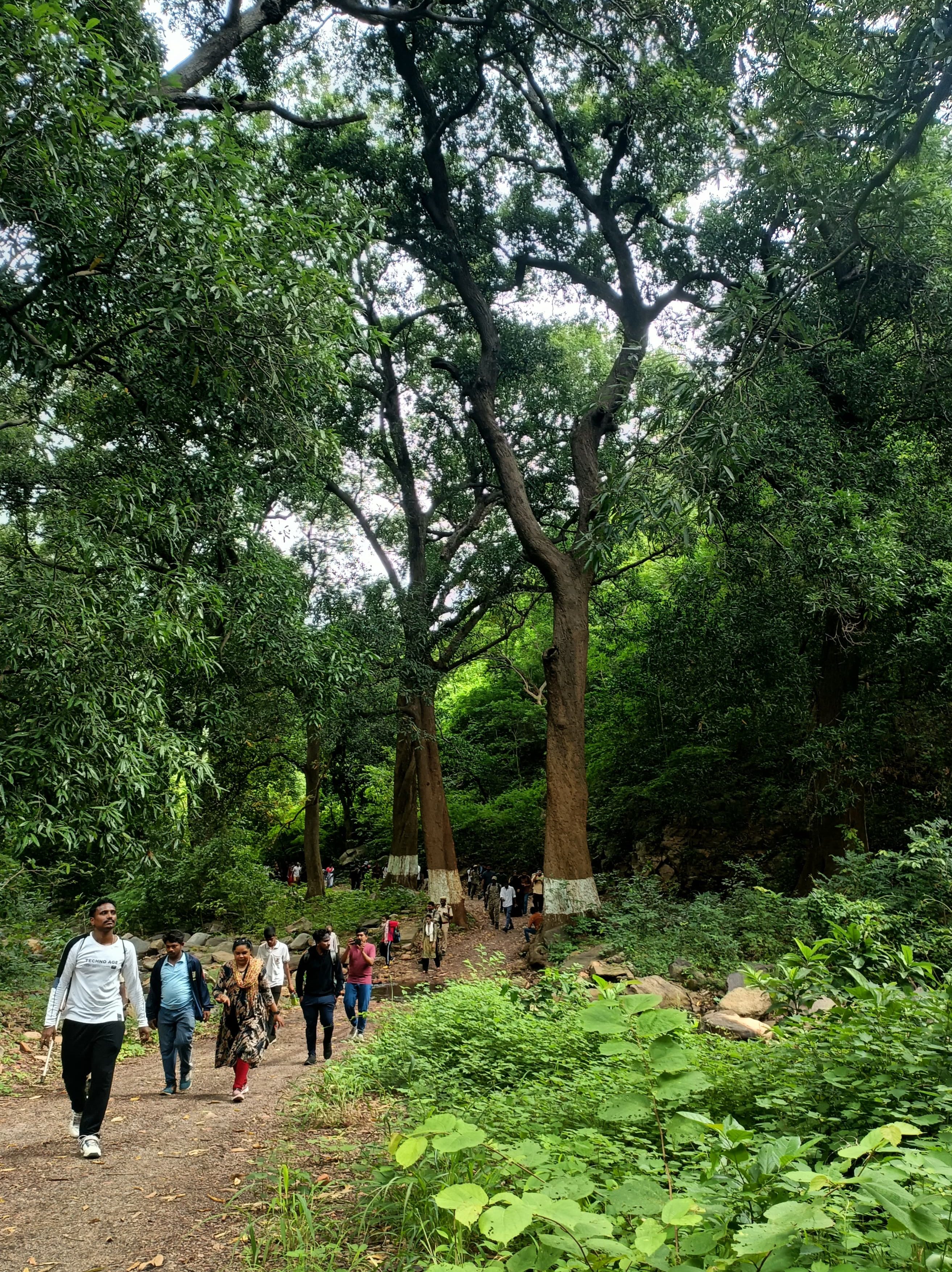
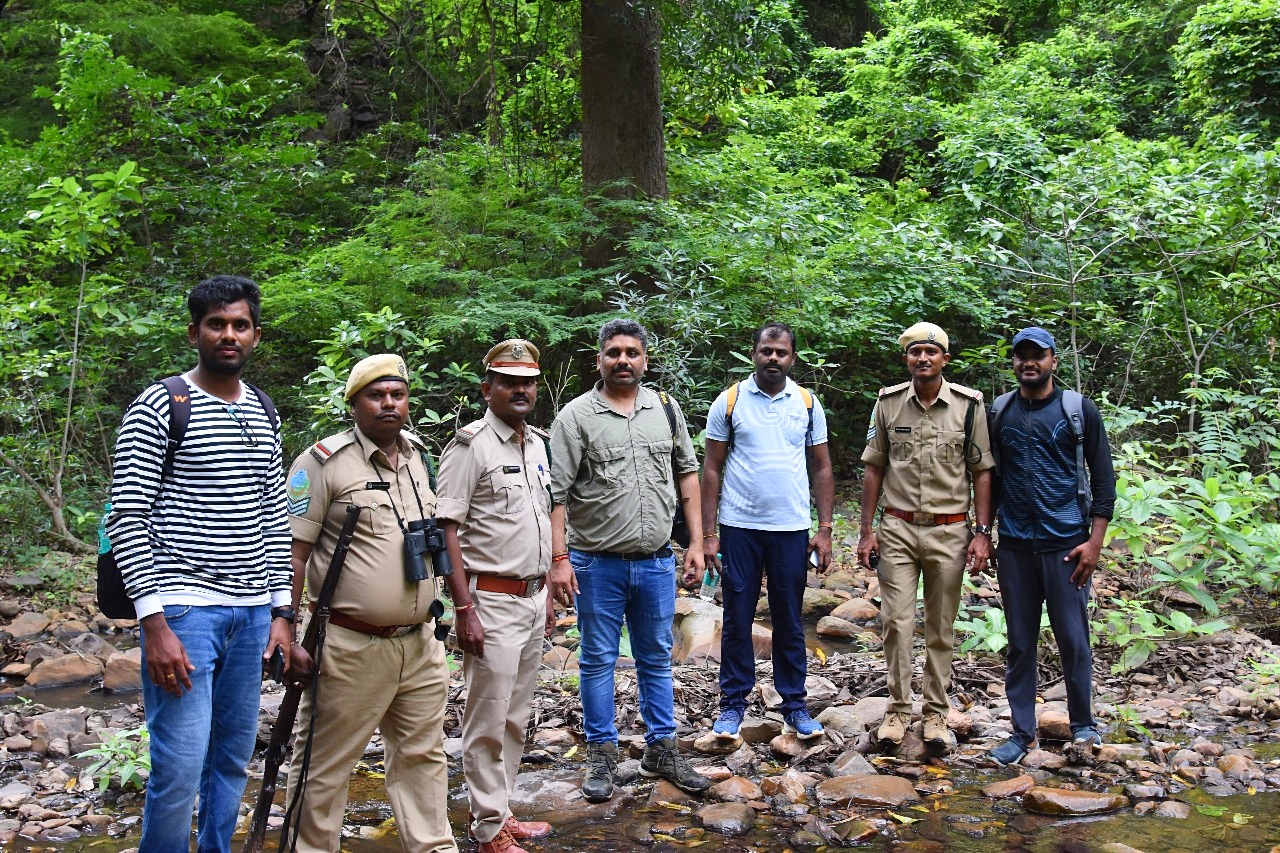
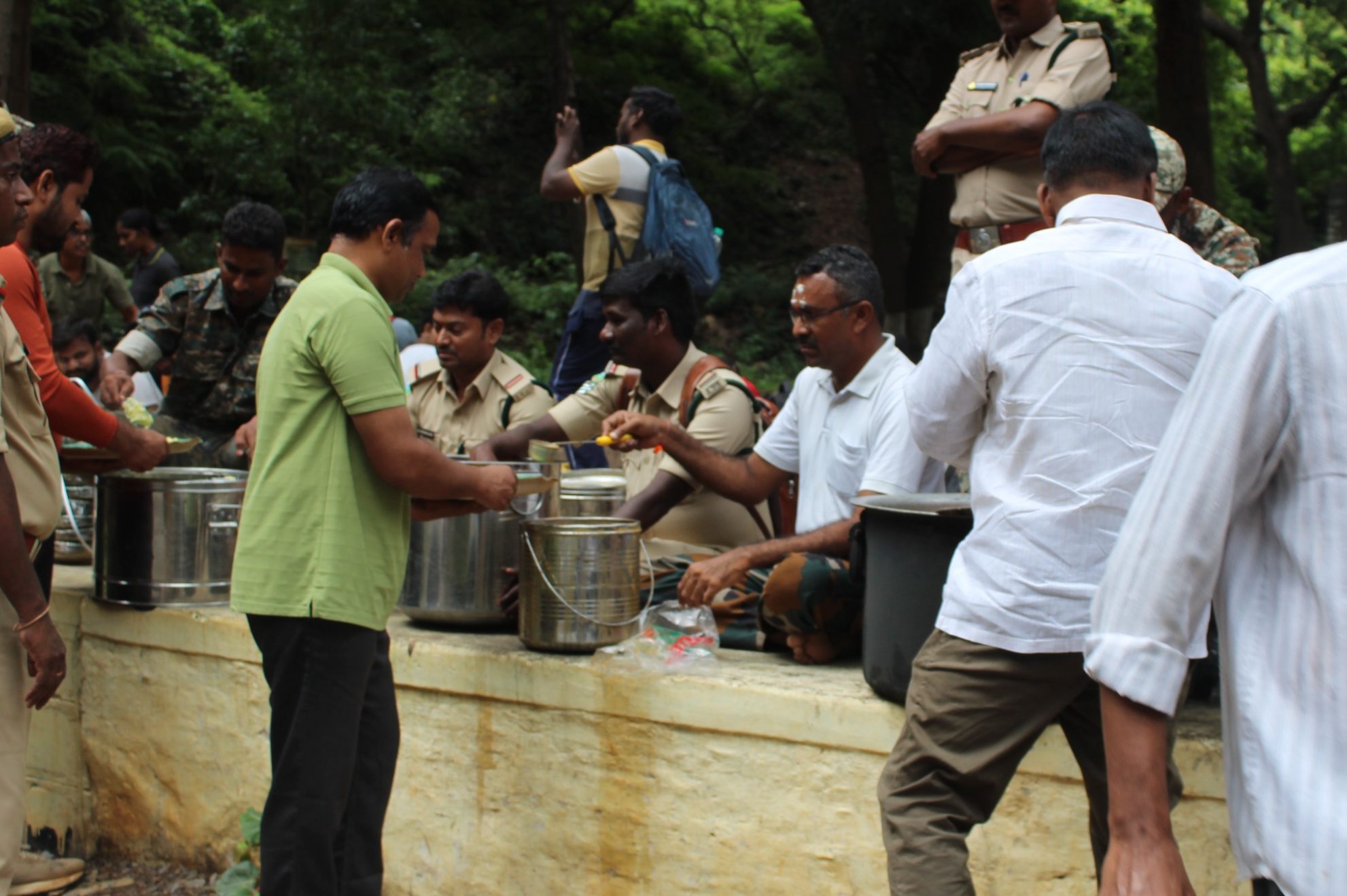
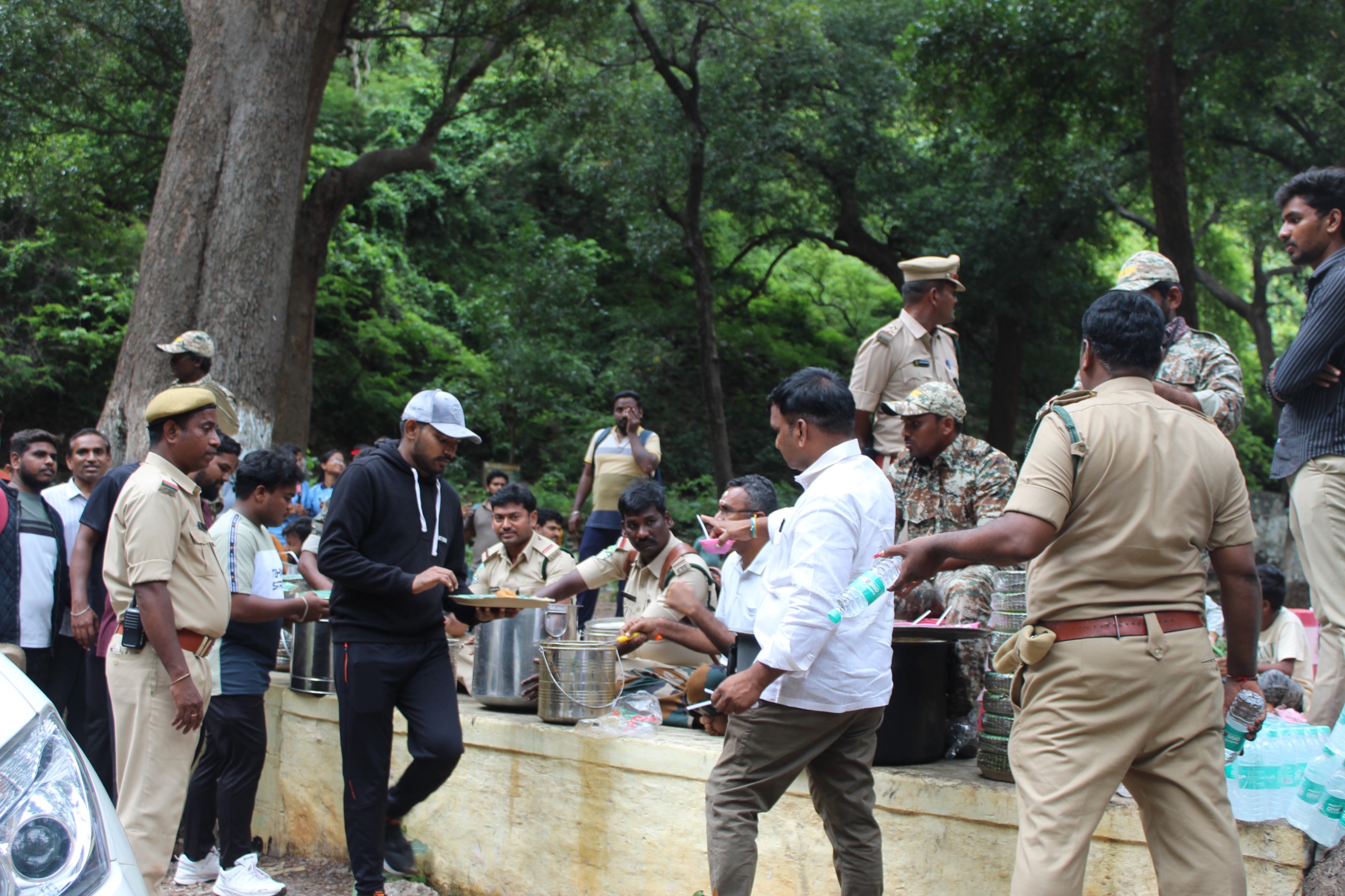
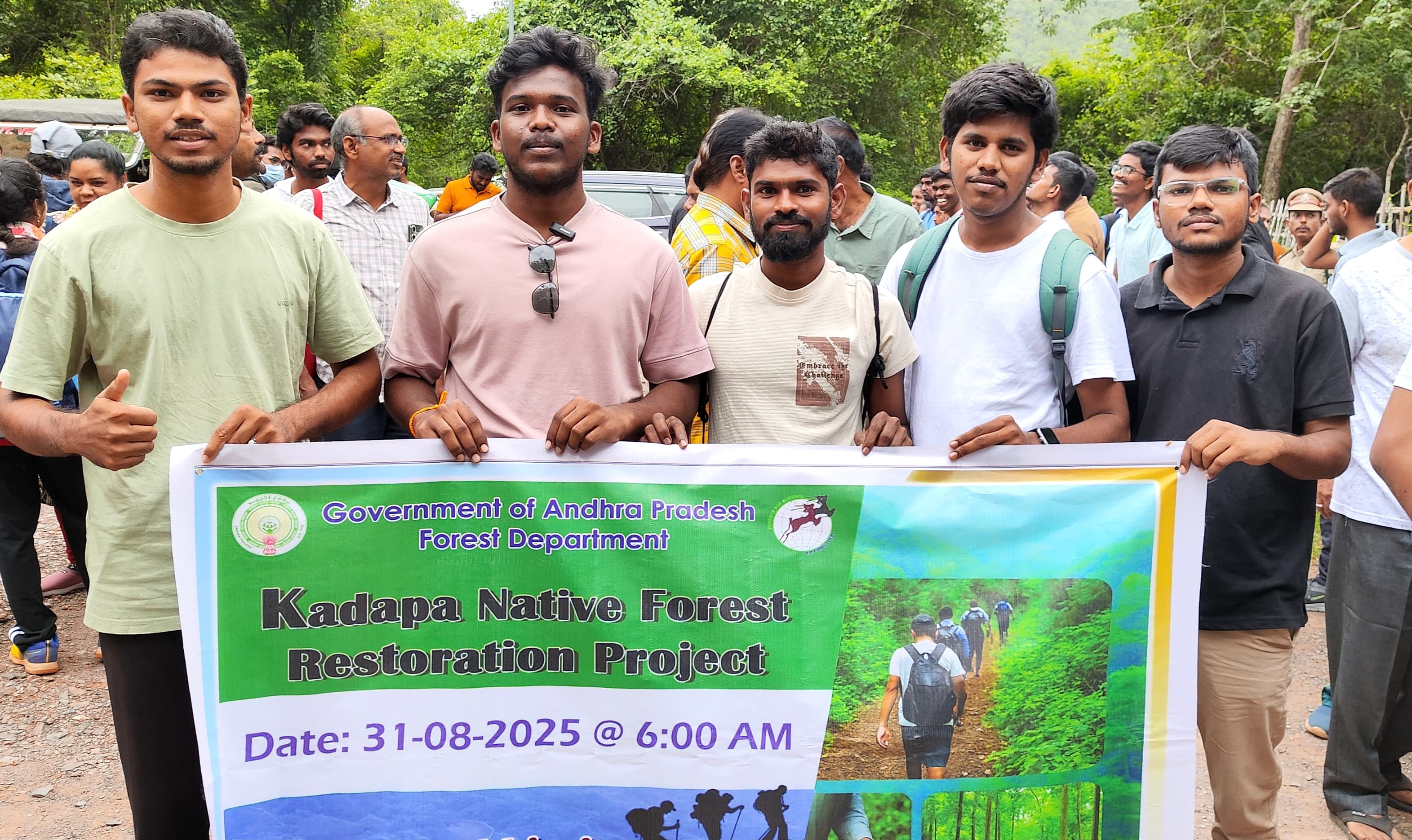
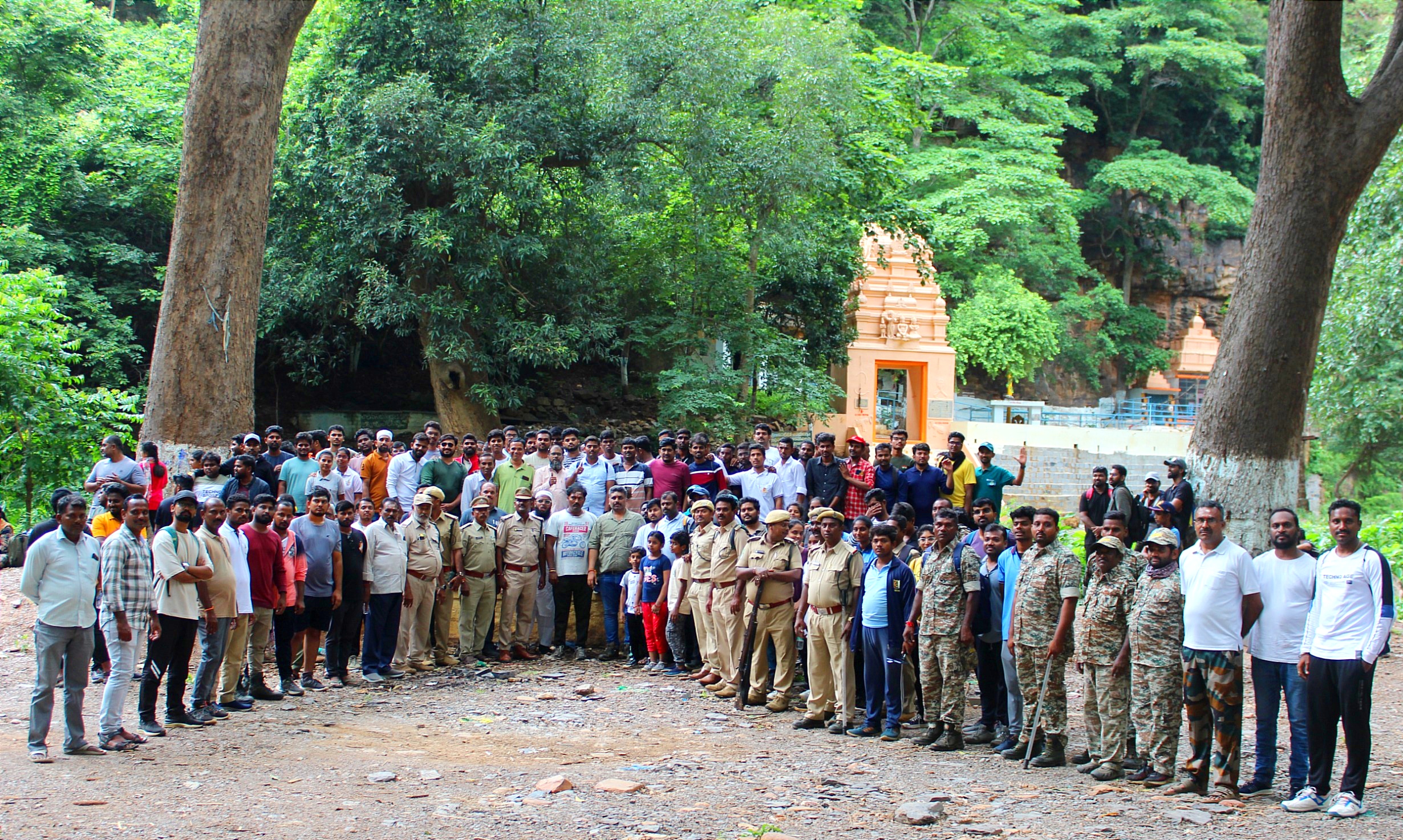
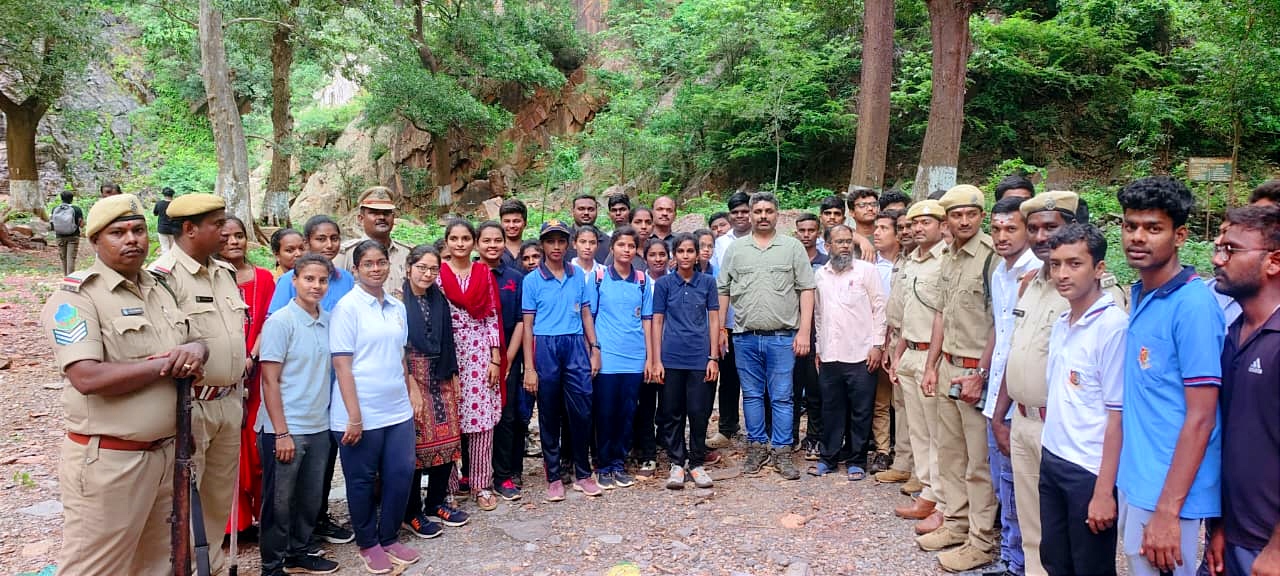
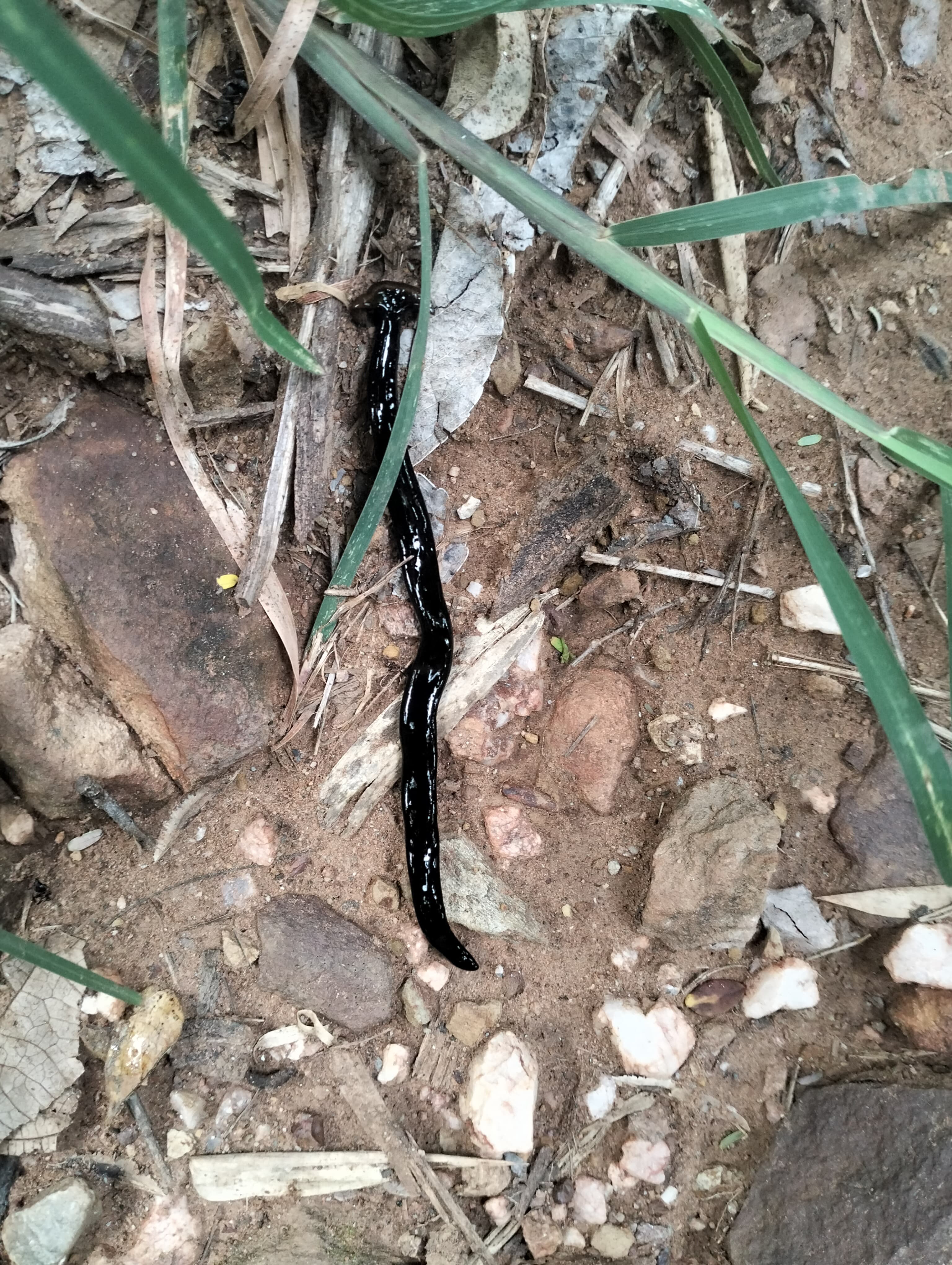
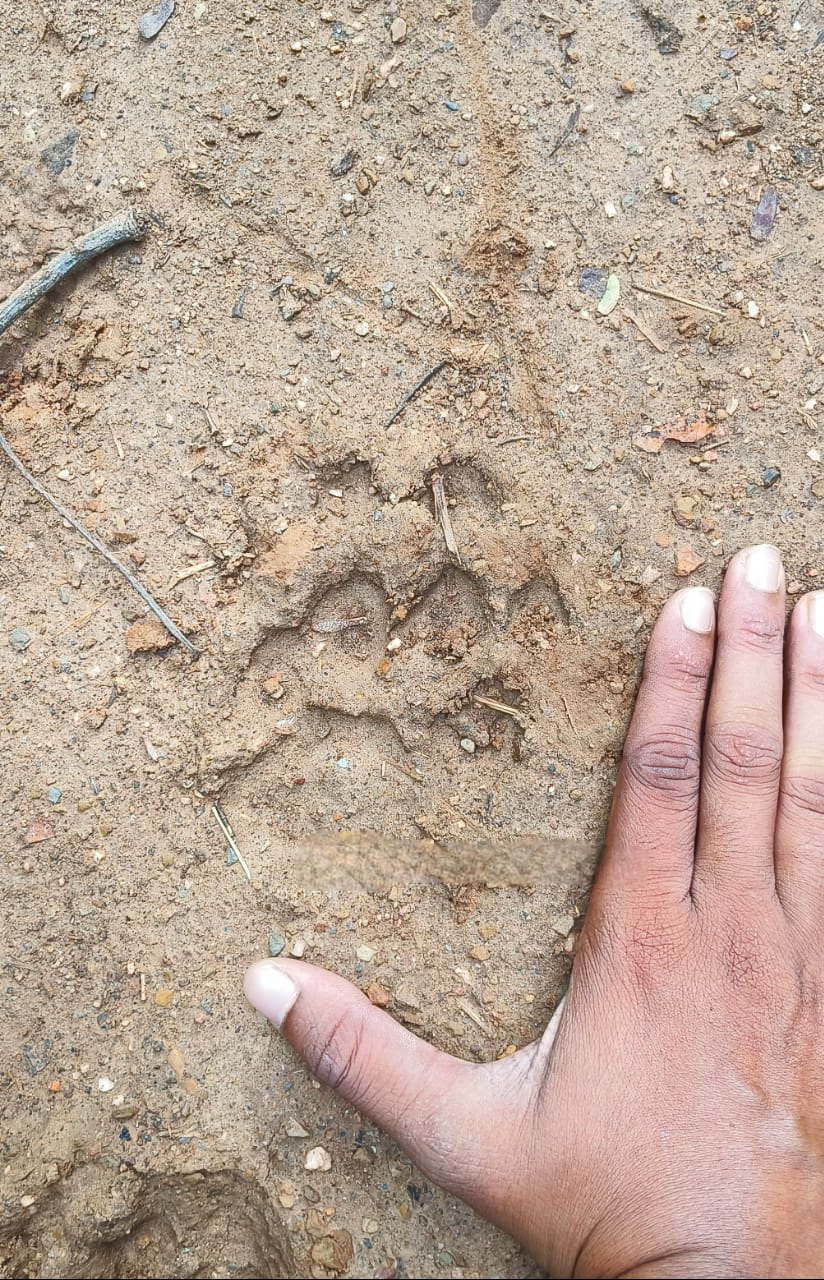
Seed collections and Botanisation
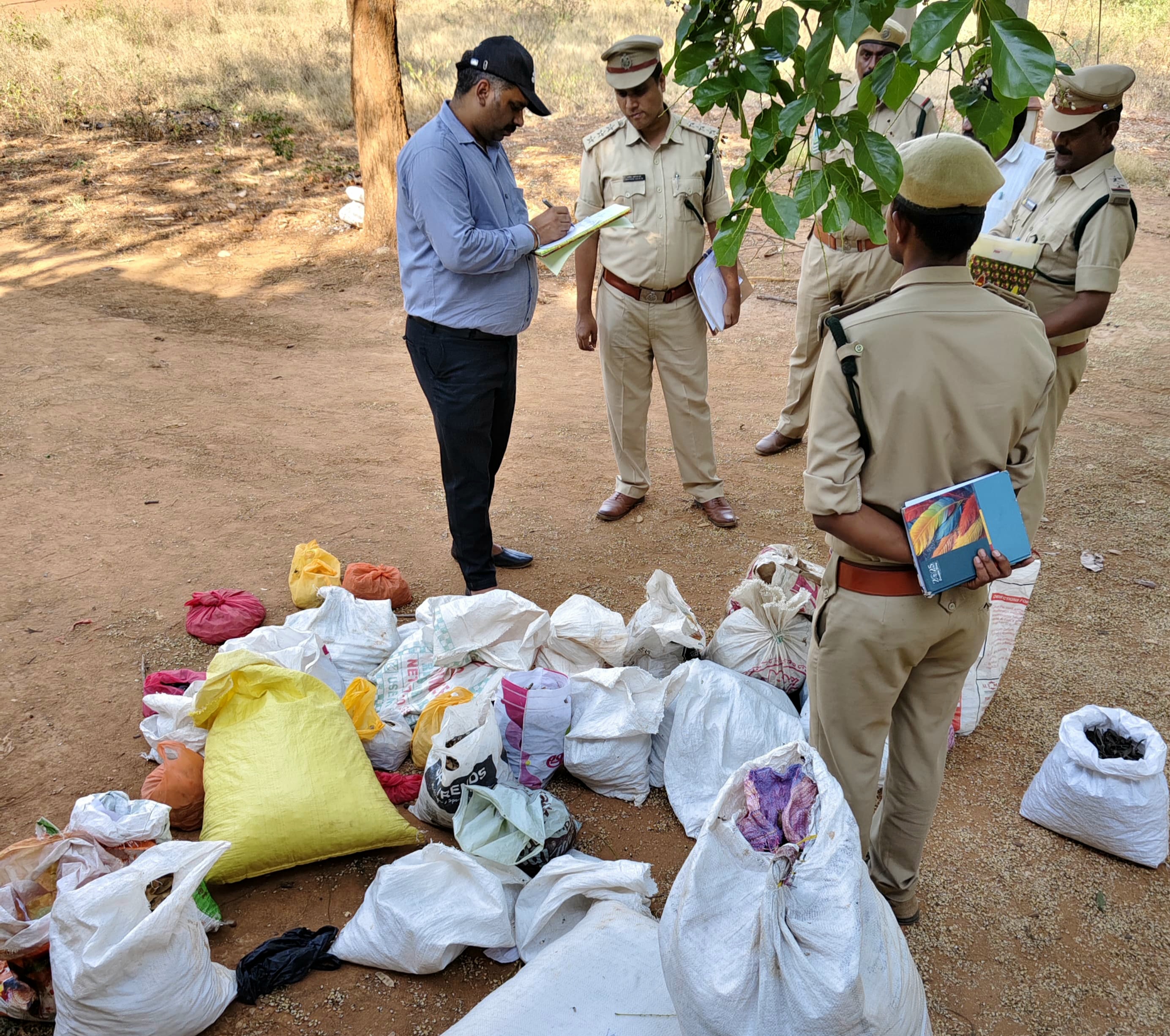
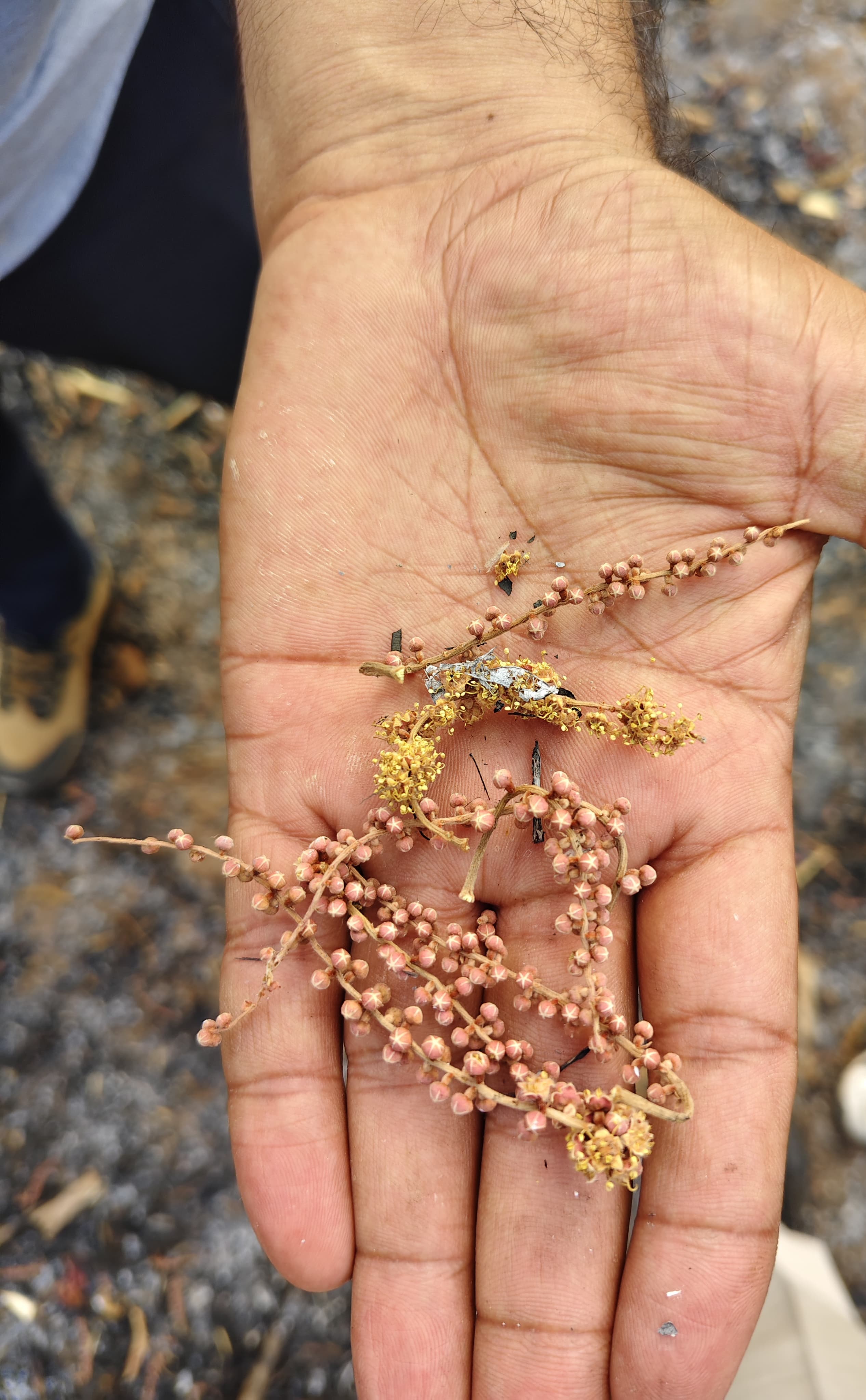
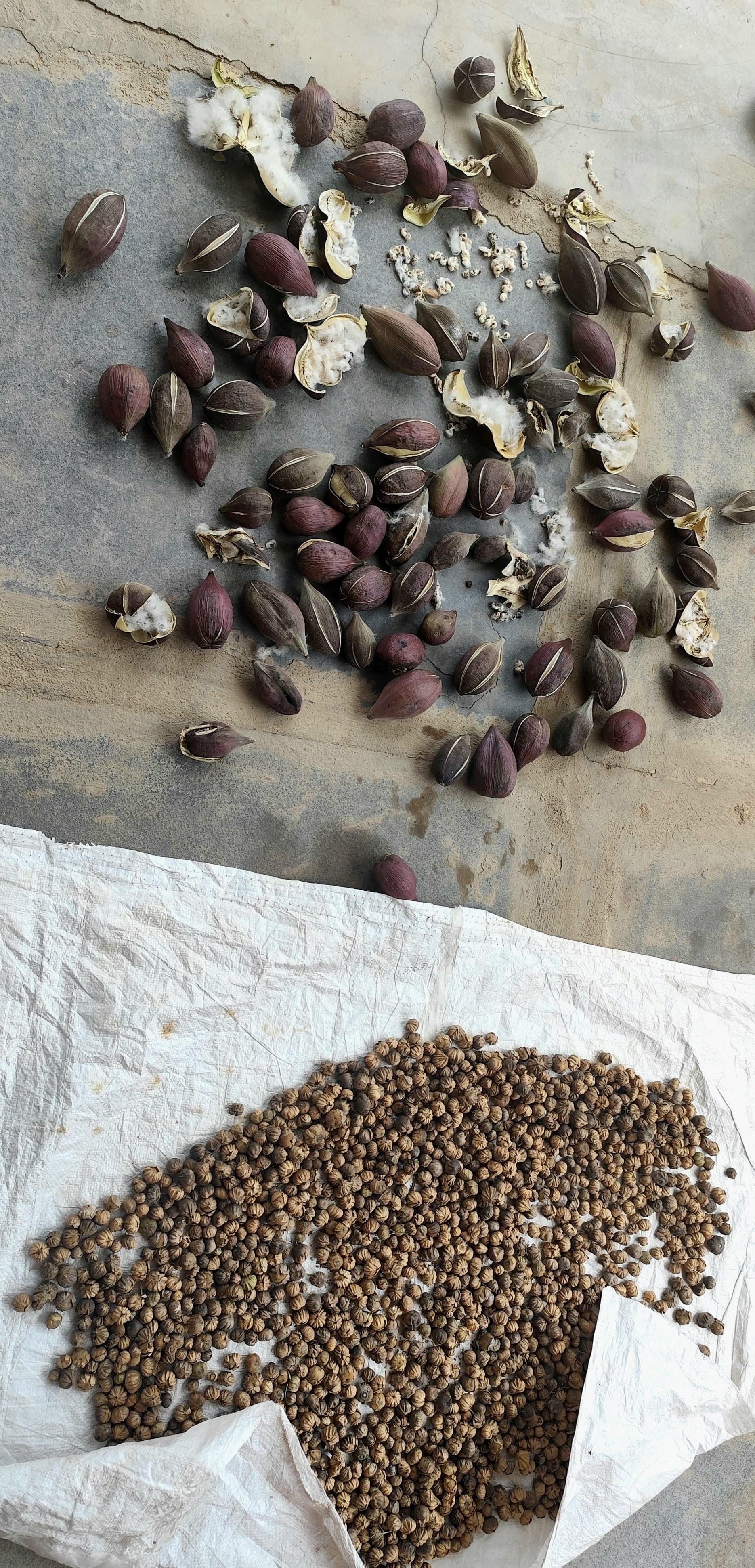
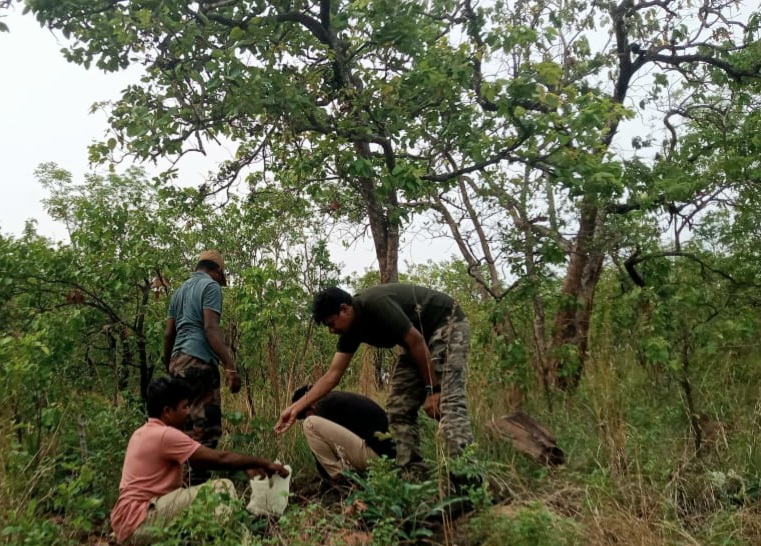
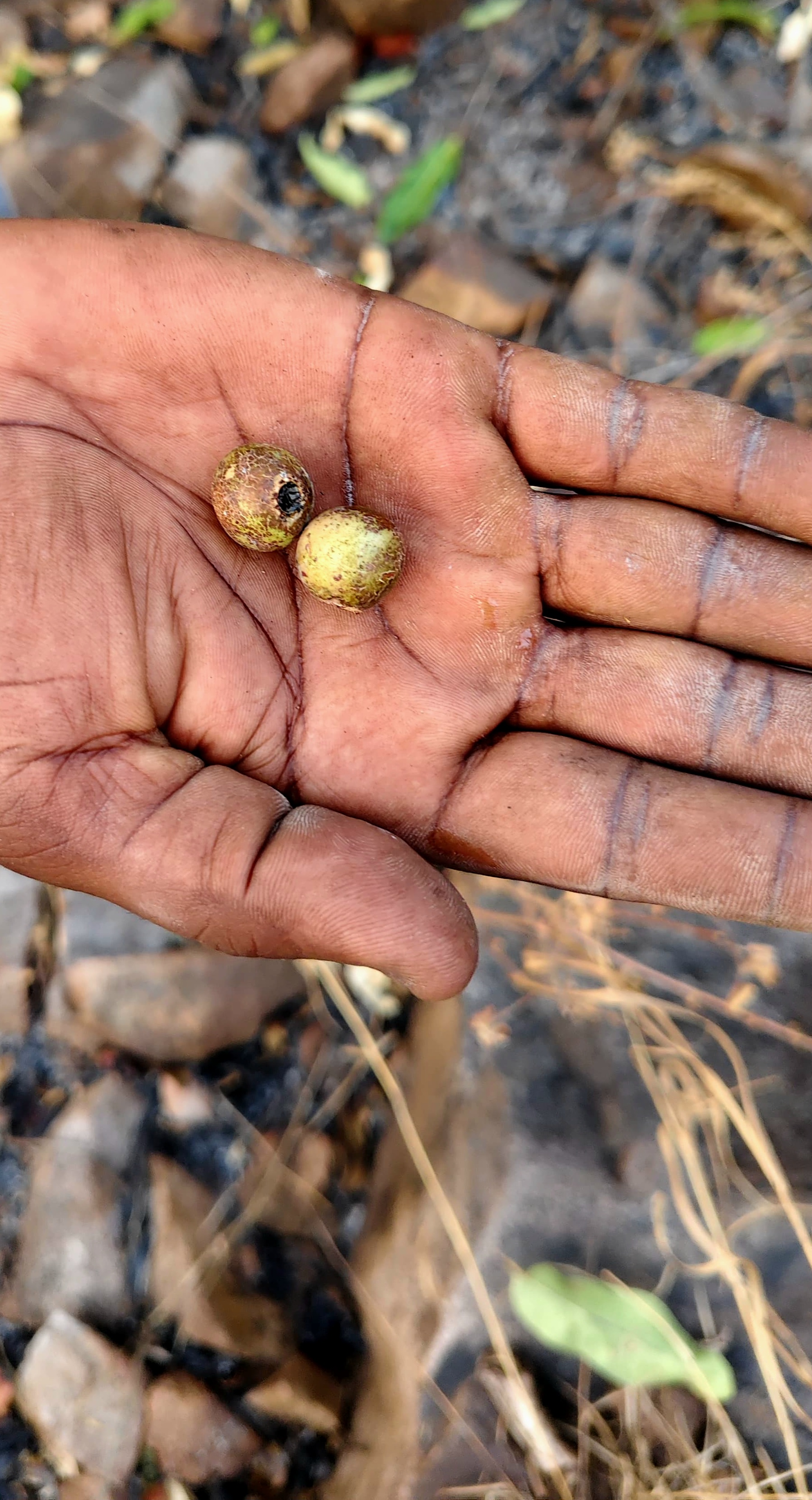
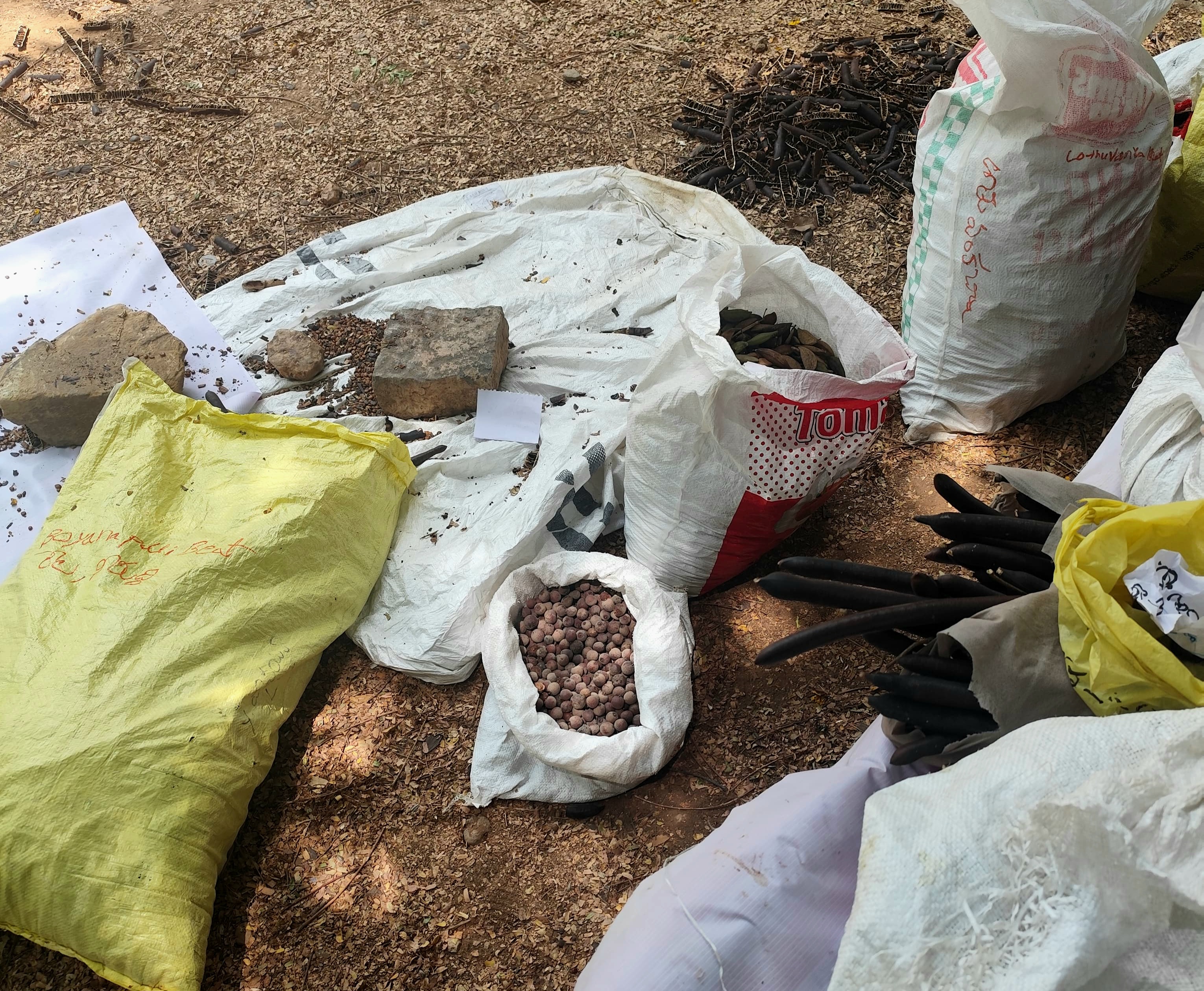
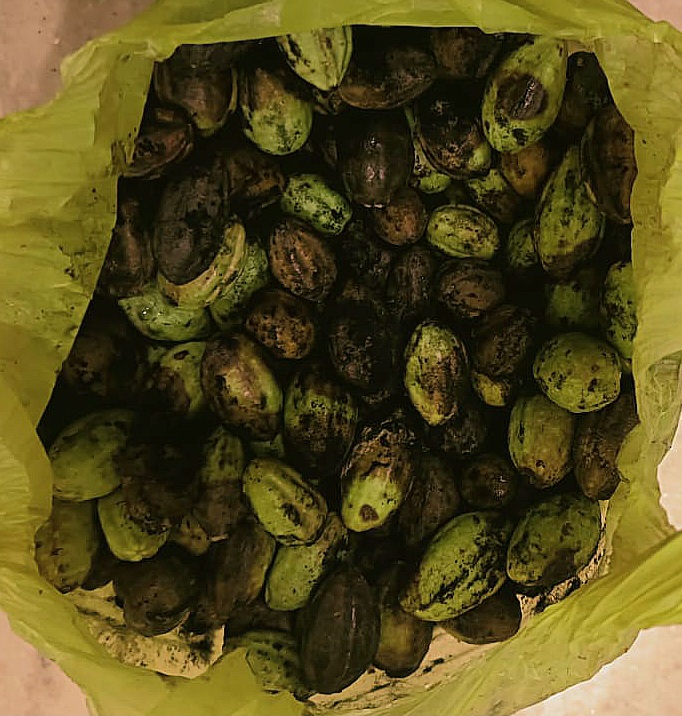
Grass Identification surveys
FOREST RESTORATION FOR NATURE & OUR CHILDREN
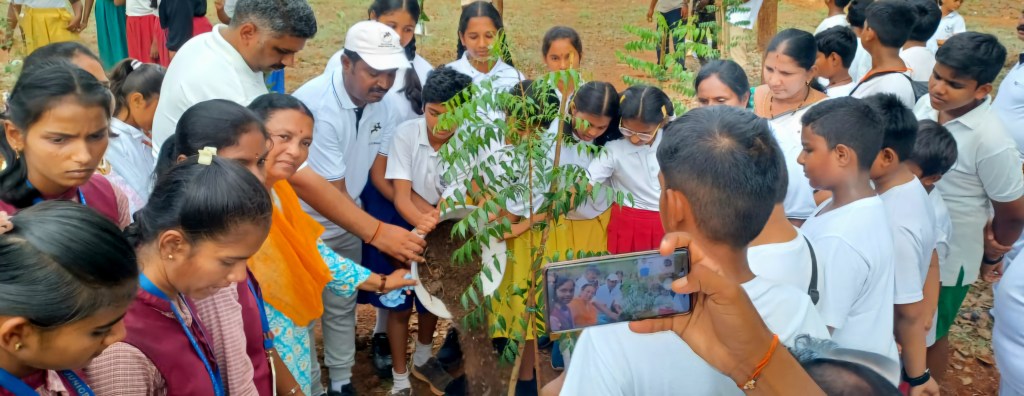
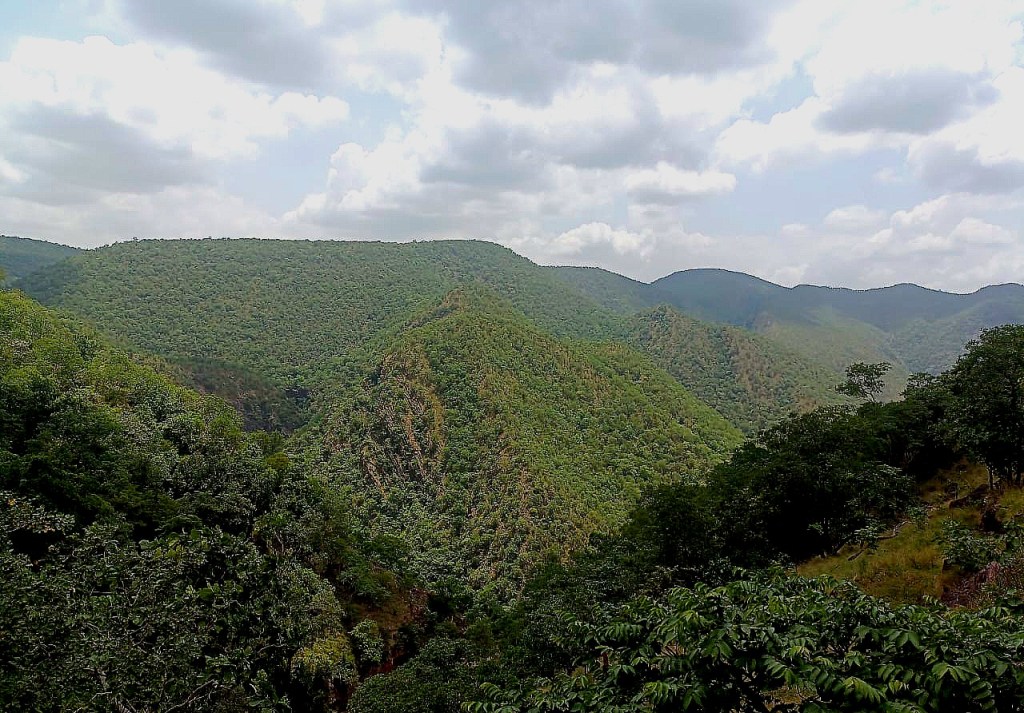
Come Join hands and restore the rich natural wealth of unique forest of Kadapa and bring back the decline of native species so that our children can enjoy it.
Copyright © All Rights Reserved.Rupak2025
Disclaimer: All photos and content belong to the author. Don't use anything without the permission of author.


 Rupak🌱