Water Conservation project in the Anantapur district of Andhra Pradesh India
What inspired the launch of the Ananta Niru Sanrakshanam project?
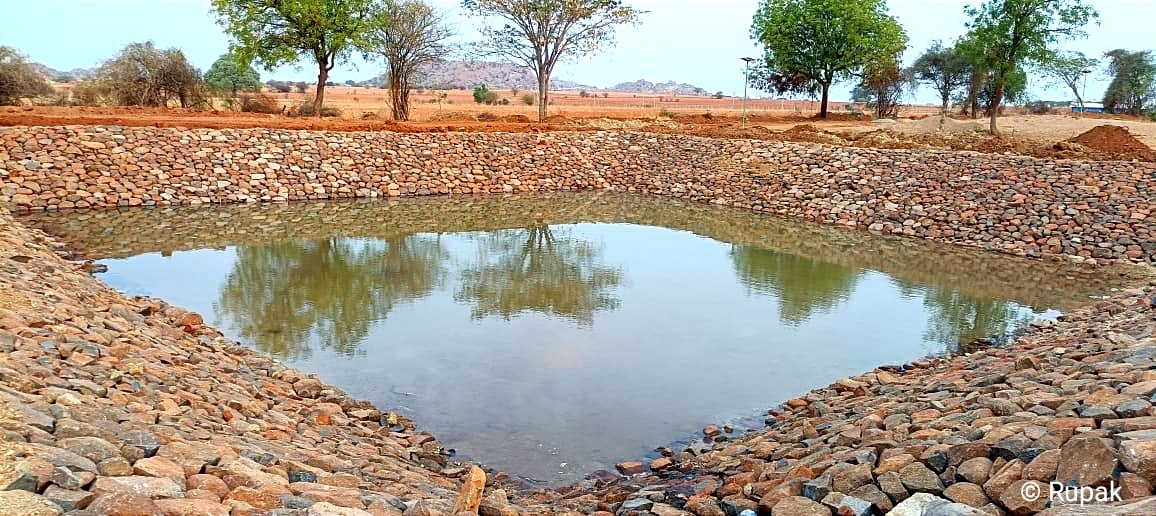
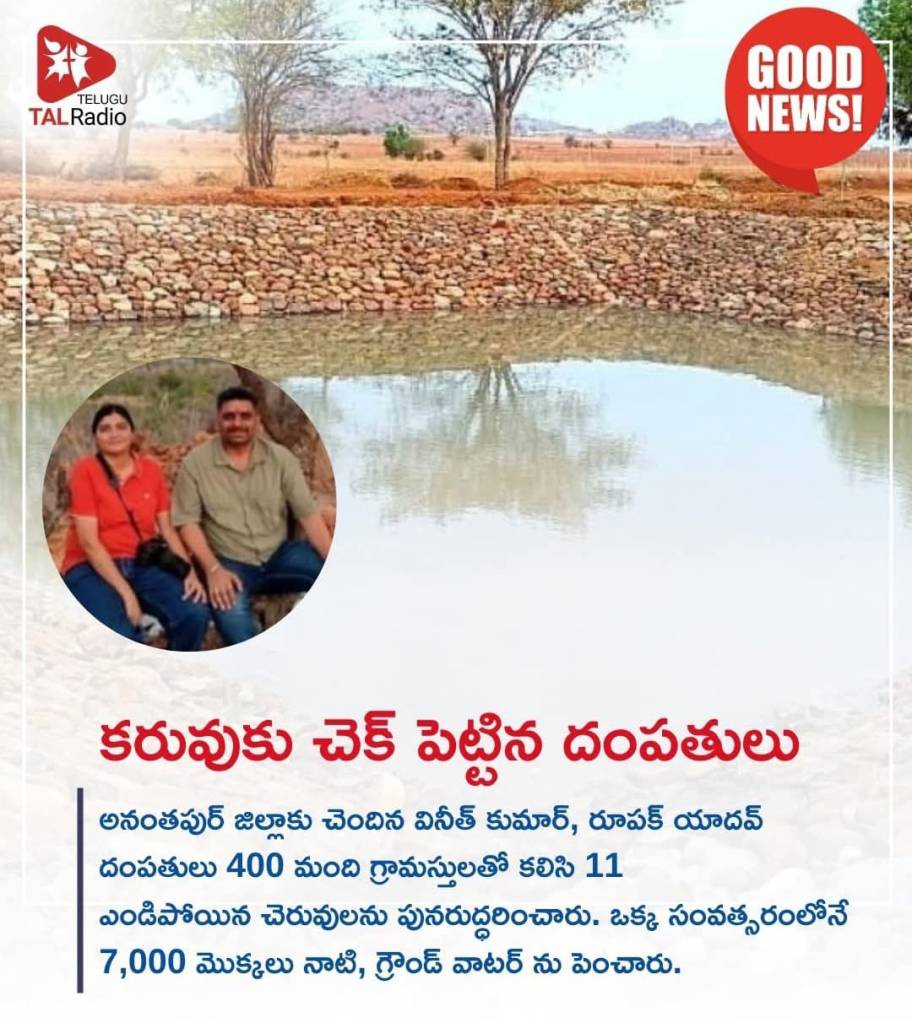
Water conservation is the need of the hour. They say that third world war will be for the water. The crisis is real and is happening as we speak. Millions of people in the country are living a life of water scarcity. Certain regions of the country are suffering more than others. Limited rainfall, more rainfall in short span leading to runoff, less percolation of rainwater due to concretisation, increasing pressure on ground water are all contributing to the crisis. Facing the heat, one such drought prone reason in the country is Rayalaseema i.e. the districts of Anantapur, Kurnool, Kadapa and Chittoor in the state of Andhra Pradesh. It lies in the centre of Deccan and is in the rain shadow area. Particularly the Anantapur district have a history of droughts and the water sources are scarce. It has led to migration of people. The district adjoins Karnataka’s Bellary, Chitradurga and Tumkuru district. Agriculture is mostly rainfed. Recent irrigation projects and water efficiency techniques such as drip irrigation have led to rise of horticulture crops in some parts of the district. However large part remains dry. The average rainfall is around 500 mm. Observing this while Vineet Kumar working as District Forest Officer, Anantapur, and Rupak as Wildlife conservationist & social worker, this was natural to take up water conservation efforts. We selected the Nagarvanam projects which were being executed in Kalyandurgam and Rayadurgam towns in the Ananthapur district as the models to depict the rainwater conservation methods. Also reviewed the old water bodies around. The motto was kept with the goal of reviving rainwater conservation on mission mode. The moto was suggested by Rupak Yadav. To create awareness and involvement of local communities was kept as central objective of the initiative by her.
जल ही जीवन हैं ।
What are the key objectives of this initiative, and how does it address Anantapur’s water crisis?
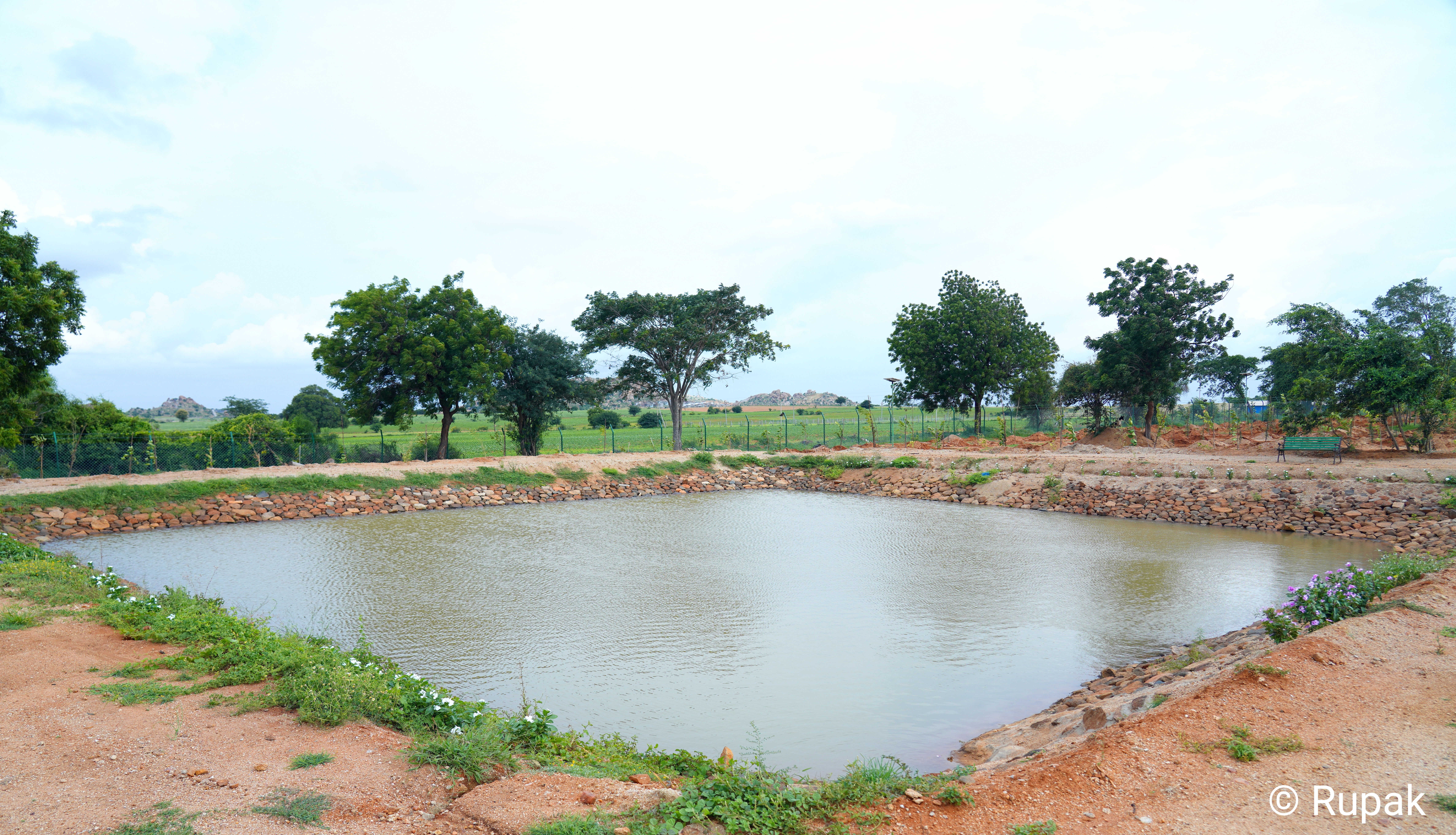
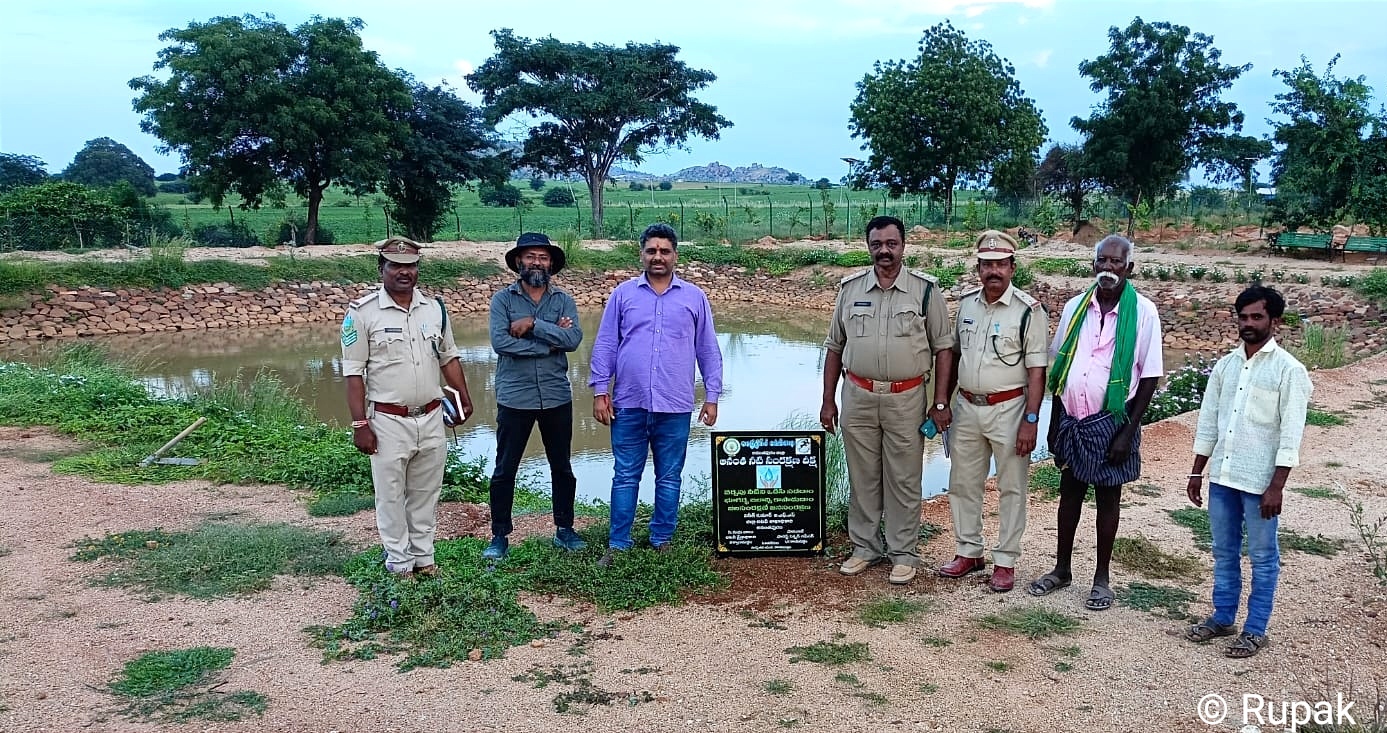
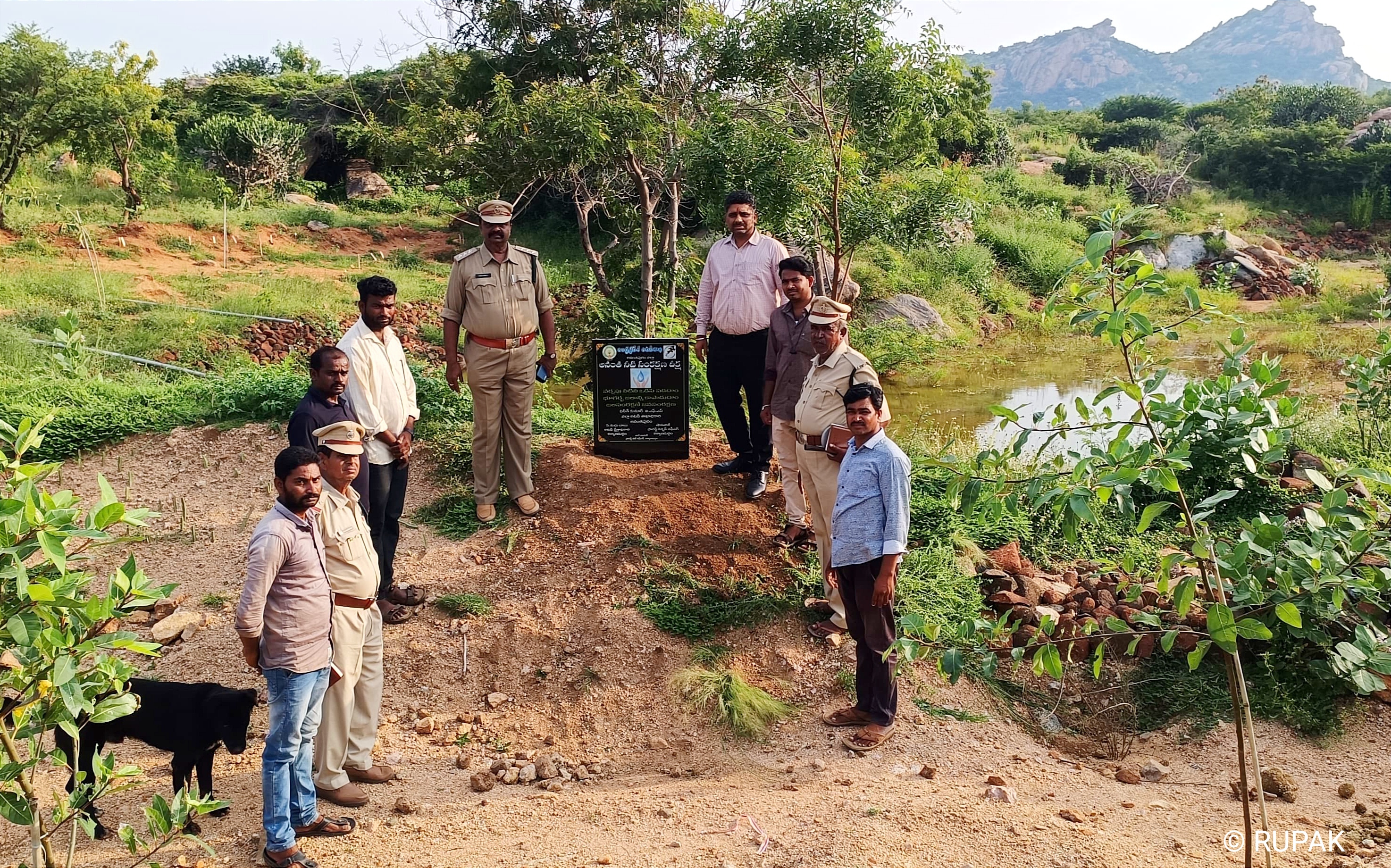
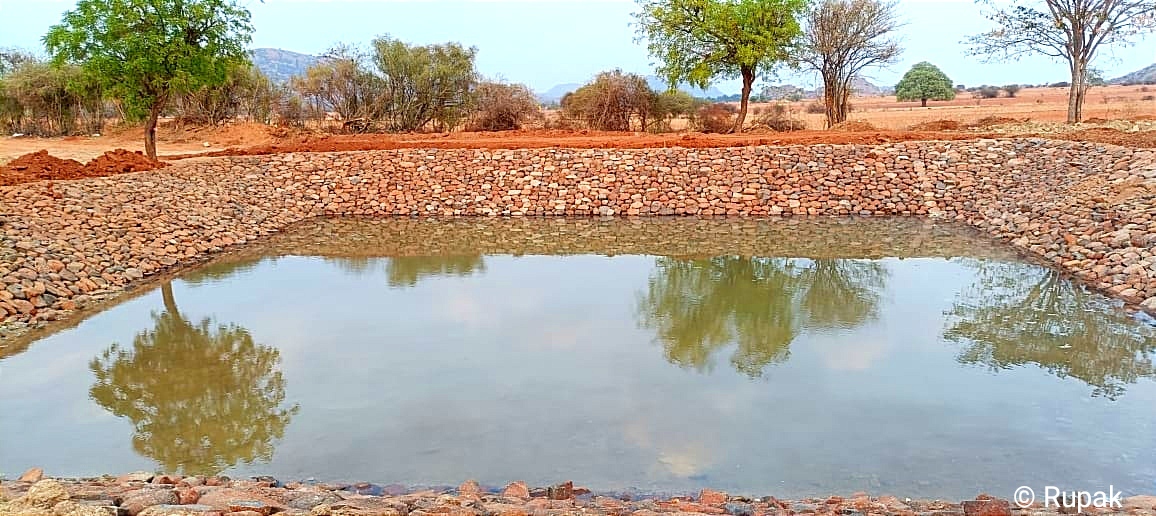
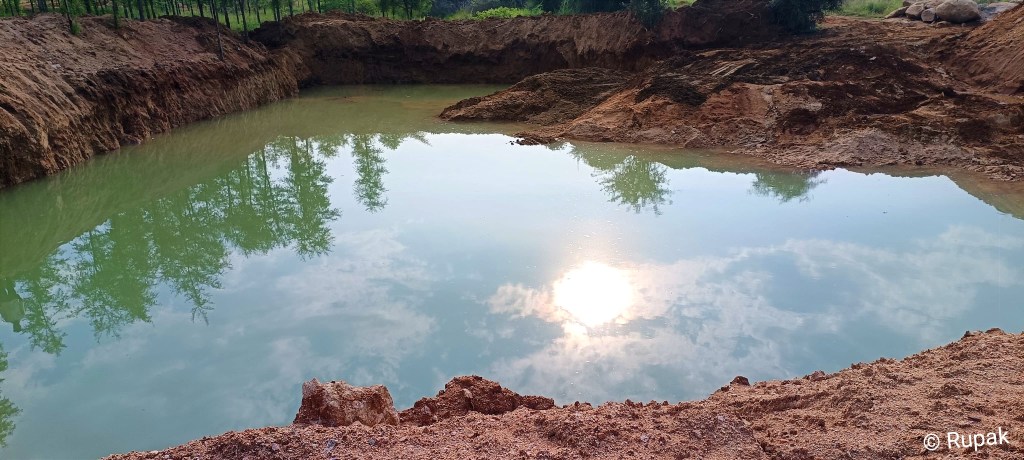
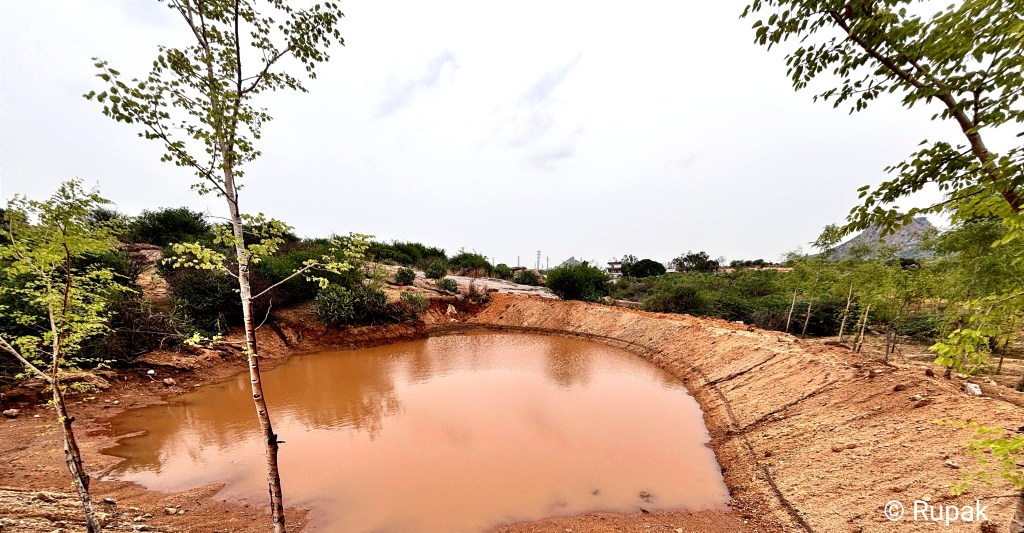
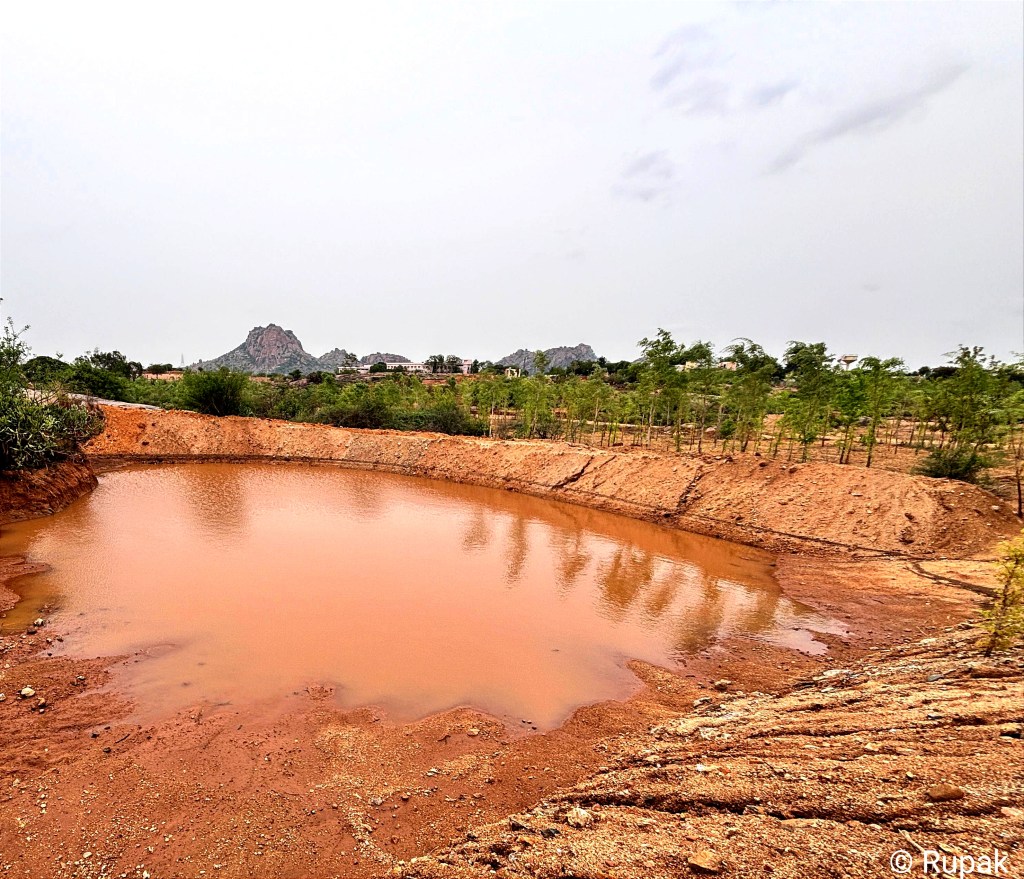
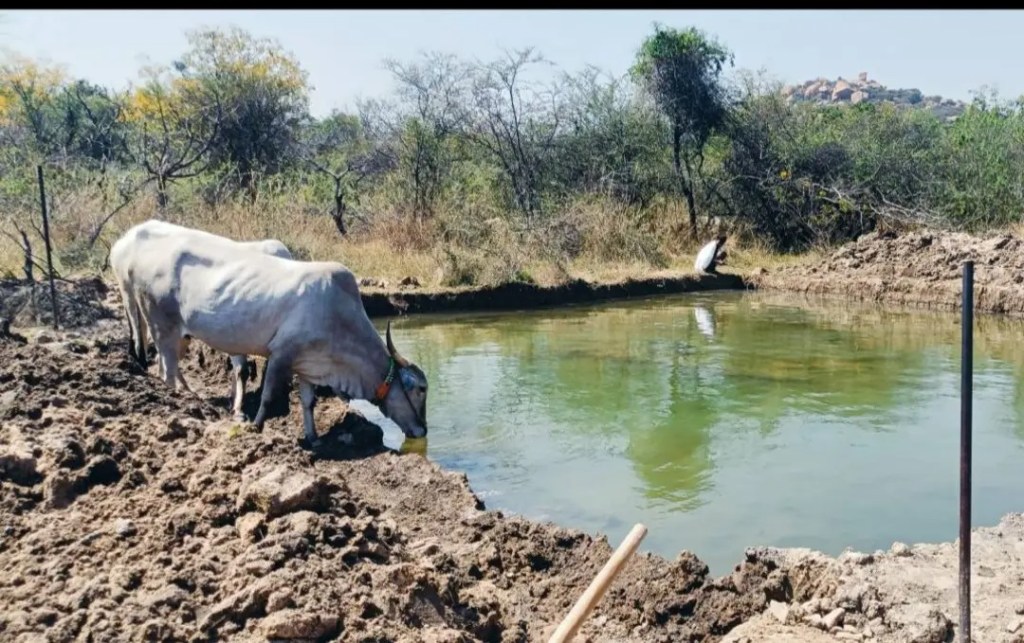
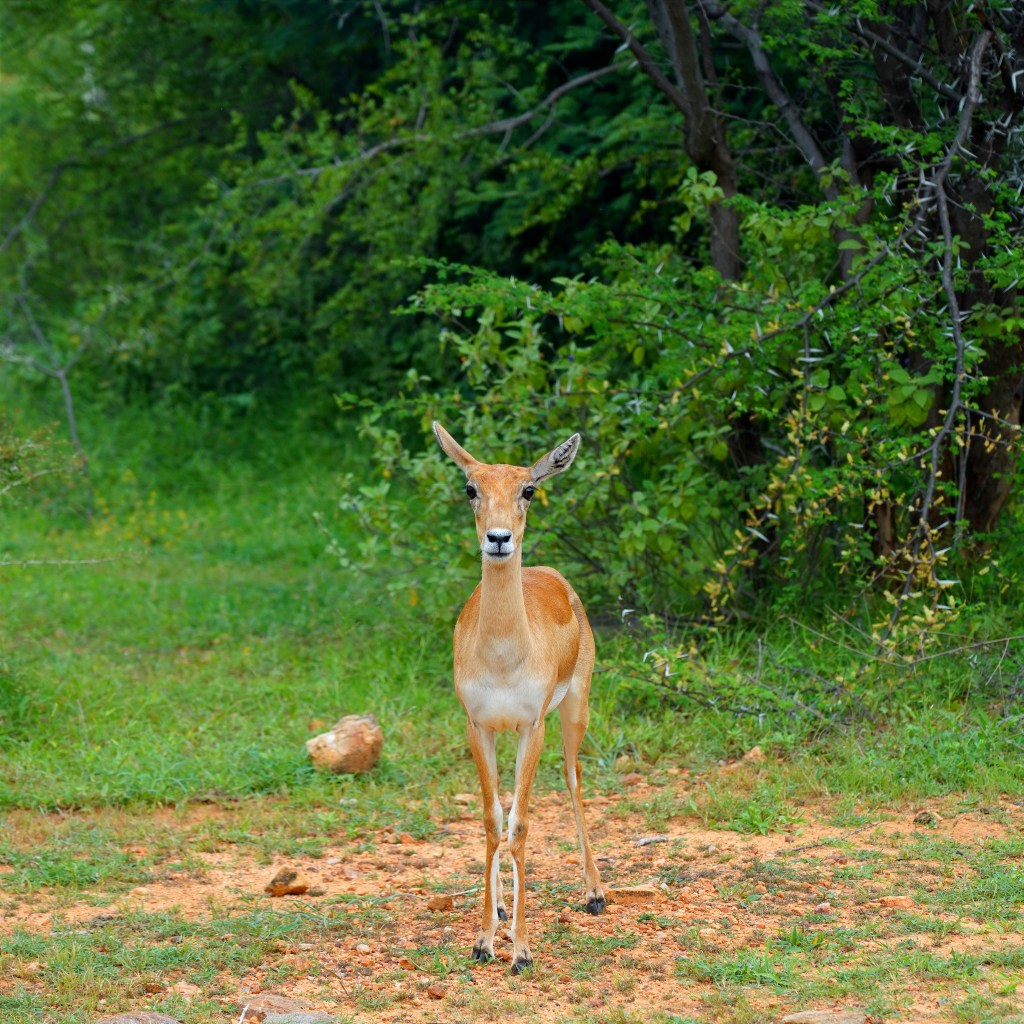
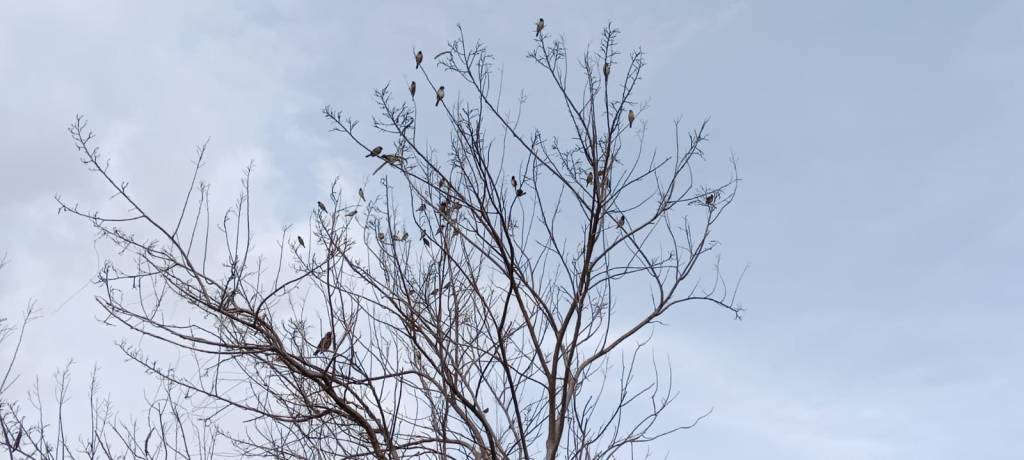
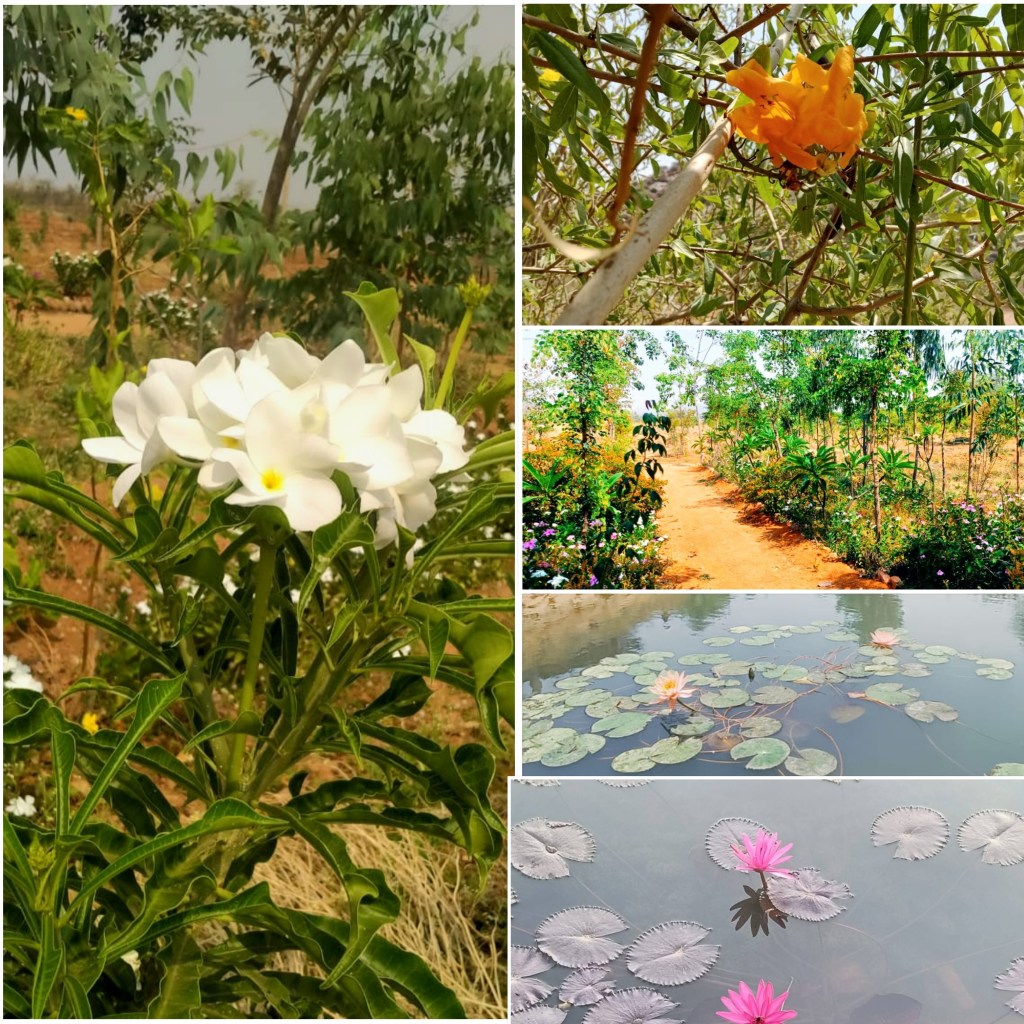
Key objectives of the project involves constructing water bodies which depicts the techniques of water conservation and its need and importance to the public duly involving local communities. In the towns of Kalyandurga and Rayadurga, the projects aims to conserve water in the forest areas which can help groundwater recharge as well as the biodiversity of the area. At the same time it motivates people to create more such structures in their villages. People visiting these water bodies can now see water storing which was earlier simply running off and causing huge erosion of top soil. These water bodies also helped the local vegetation of native species by assisting germination, stopping flow of seeds and fertile soil layer and creating a local reduction in temperature.

How was the project conceptualized, and what was the initial response from the local community and stakeholders?
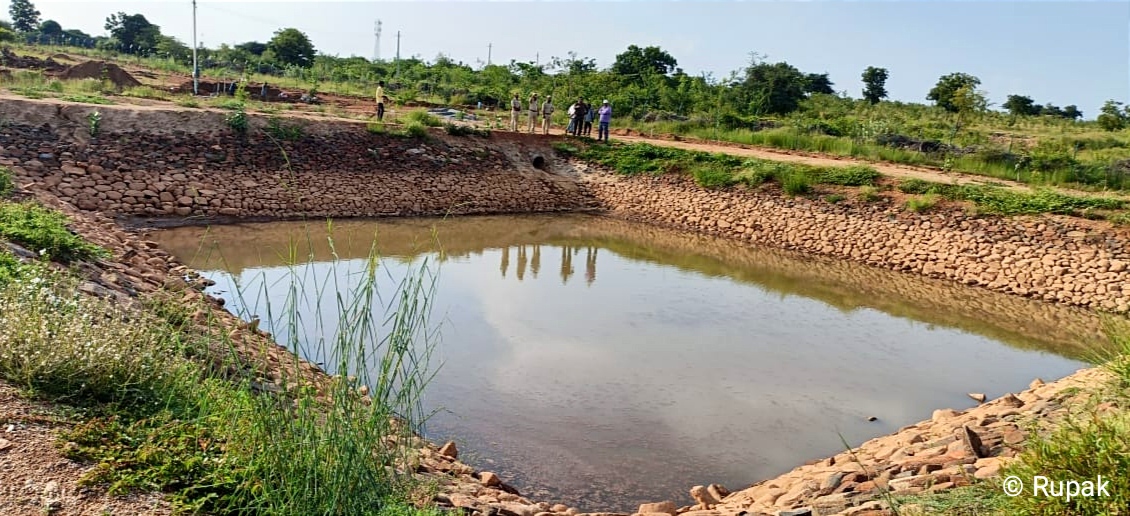
Project was conceptualised seeing the opportunity by the Nagarvanams being created in the Anantapur district under the Government of India scheme of Nagar Van Yojana. It was envisaged to create water bodies in these Nagarvanam to store the rainwater and recharge groundwater. Also objective was to utilise these for watering the plants in the nagarvanam during the lean peiod. These can be used as windows to motivate local people to join the mission by observing the concept and then taking up at their level. Local stakeholders were apprehensive in the beginning about the outcomes, however seeing the ponds full during rains made the happy and it changed the entire ambiance of the place. These water bodies improved local flora and fauna significantly.
How many new water bodies have been created under this initiative, and what is their total water storage capacity?
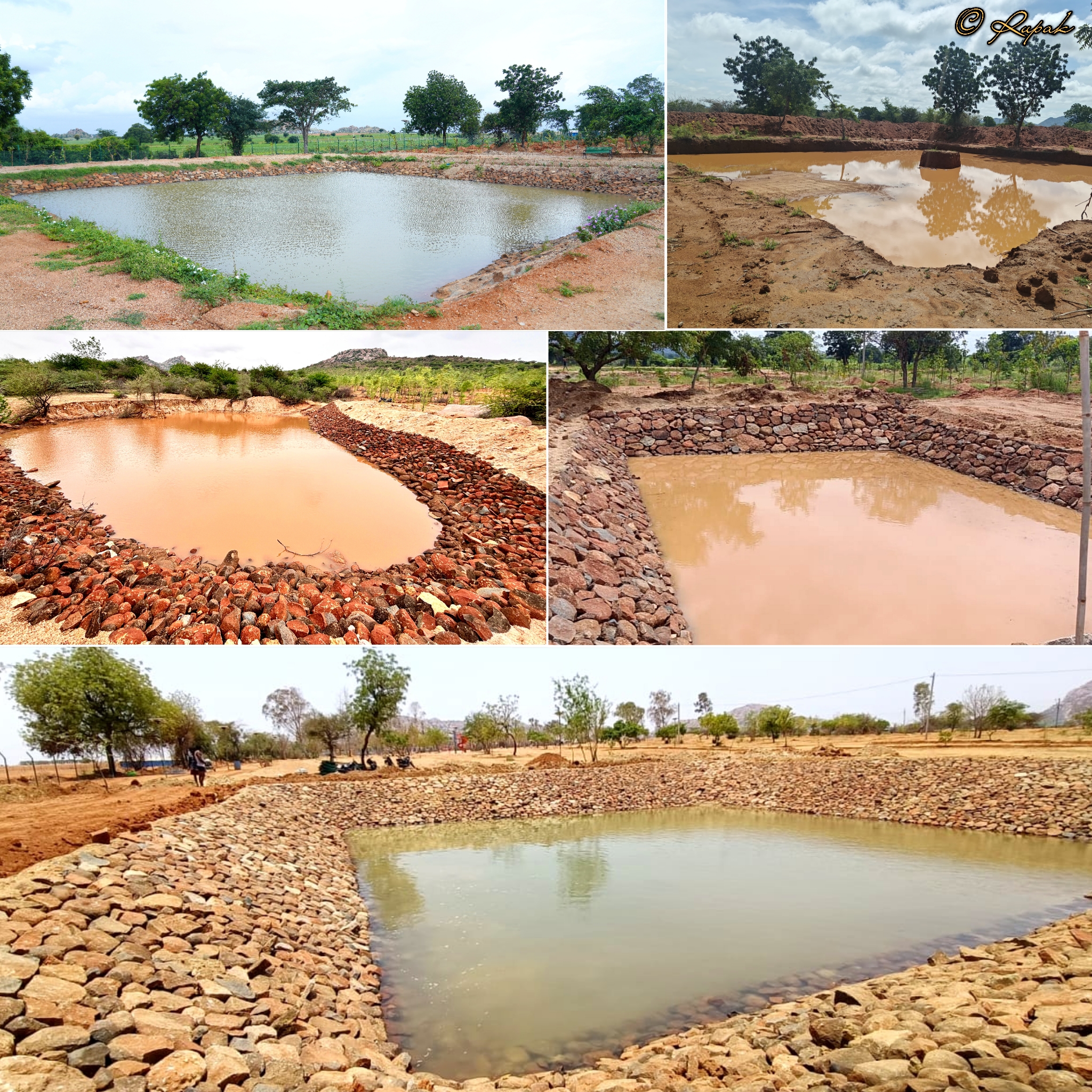
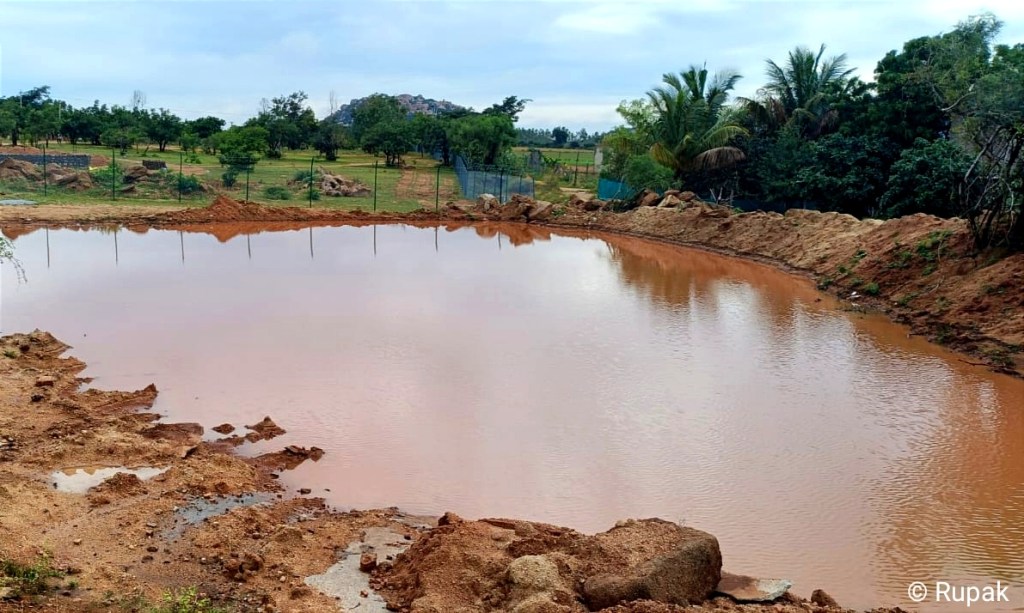
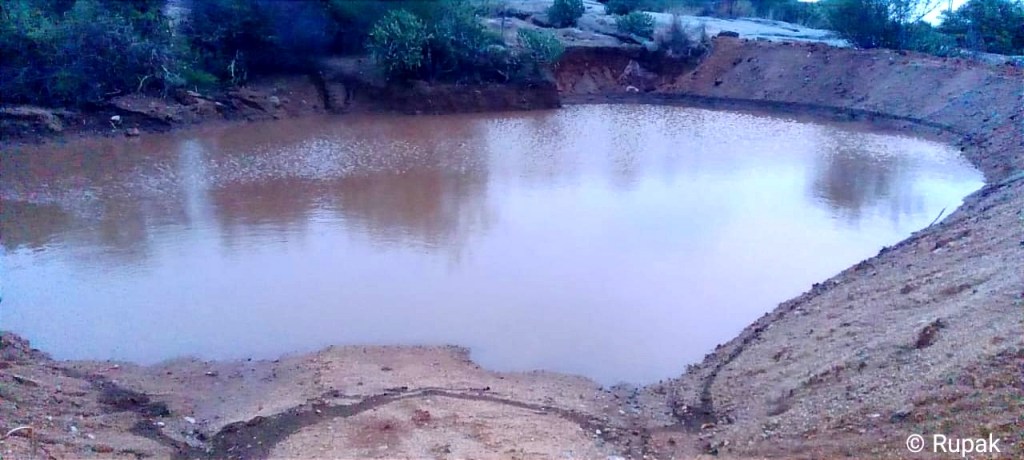
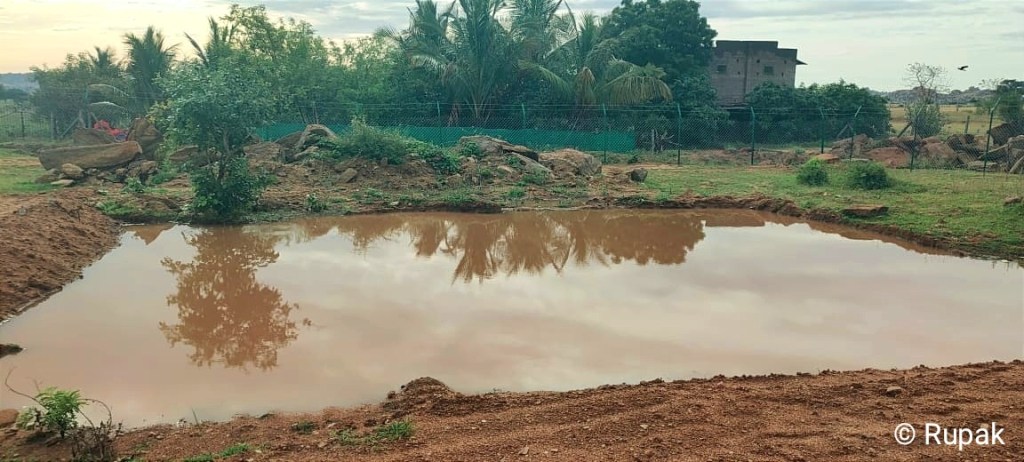
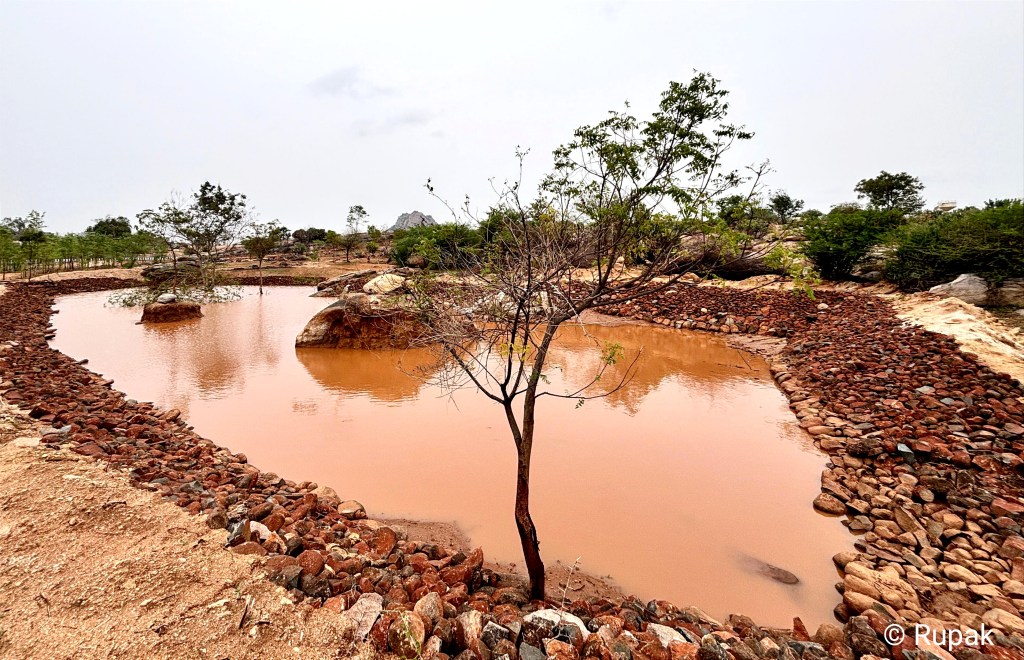
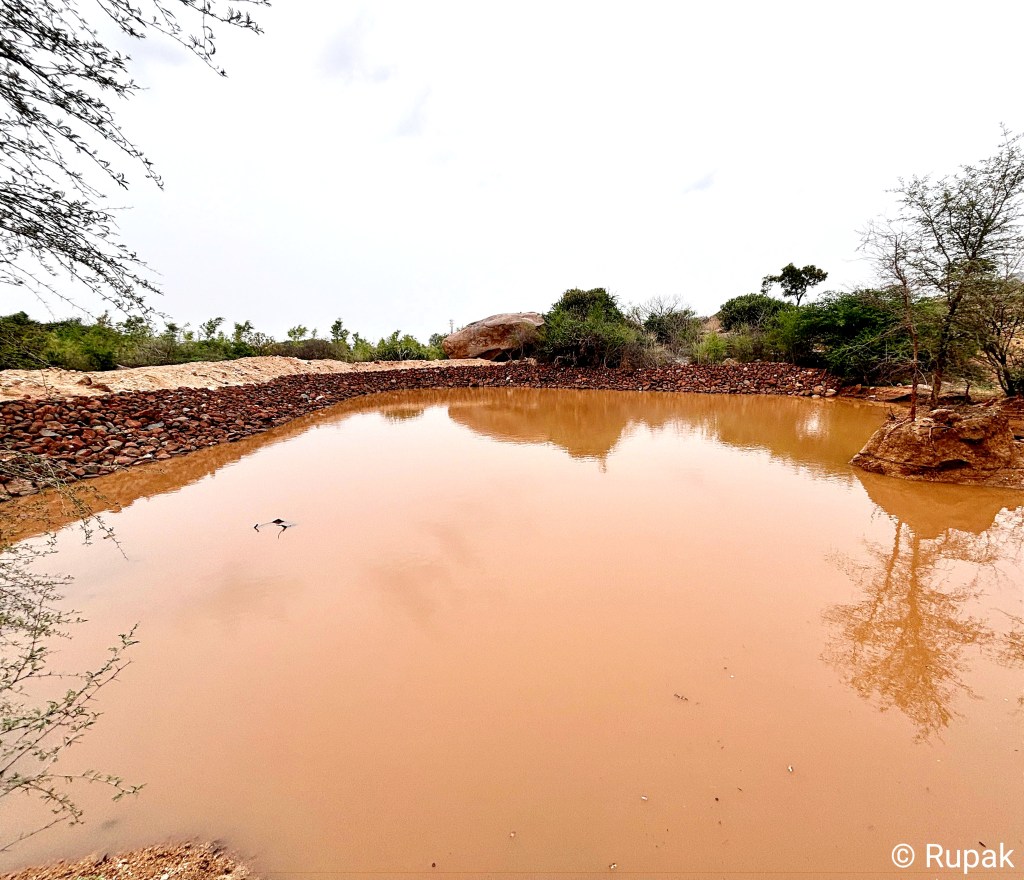
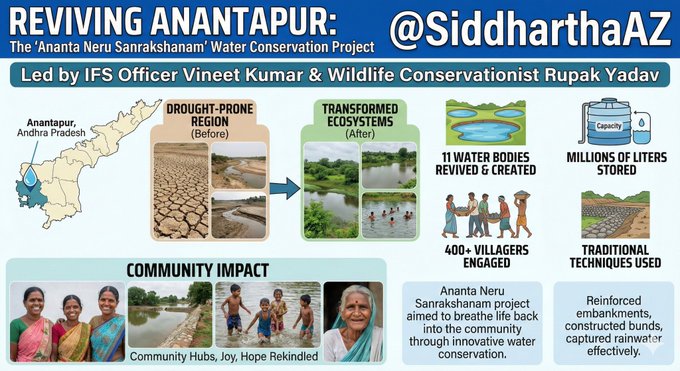
In both the nagarvanams at Kalyandurgam and Rayadurgam a total of 10 model water bodies with average capacity of few million liters storage each have been created.
What techniques were used to revive old water bodies, and what challenges did we face in restoring them?
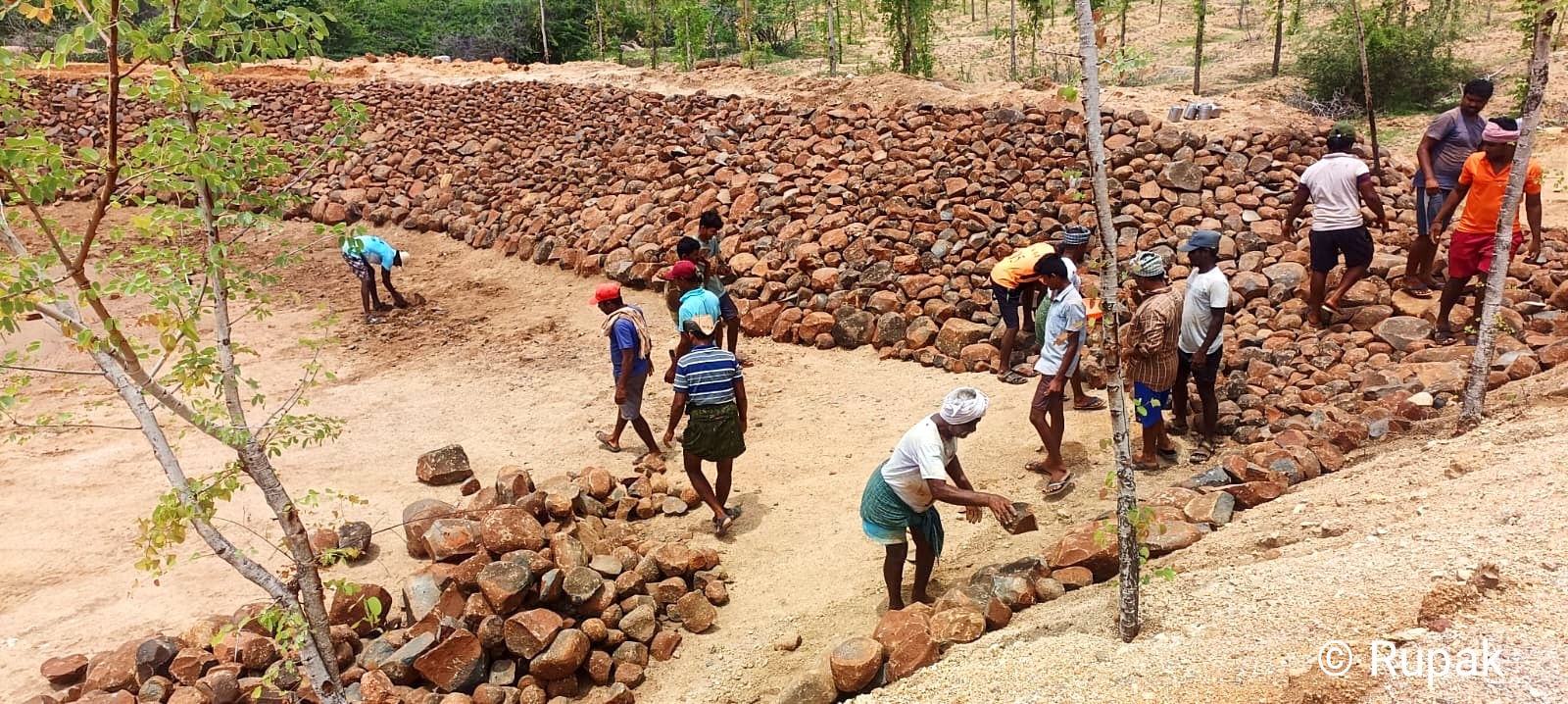
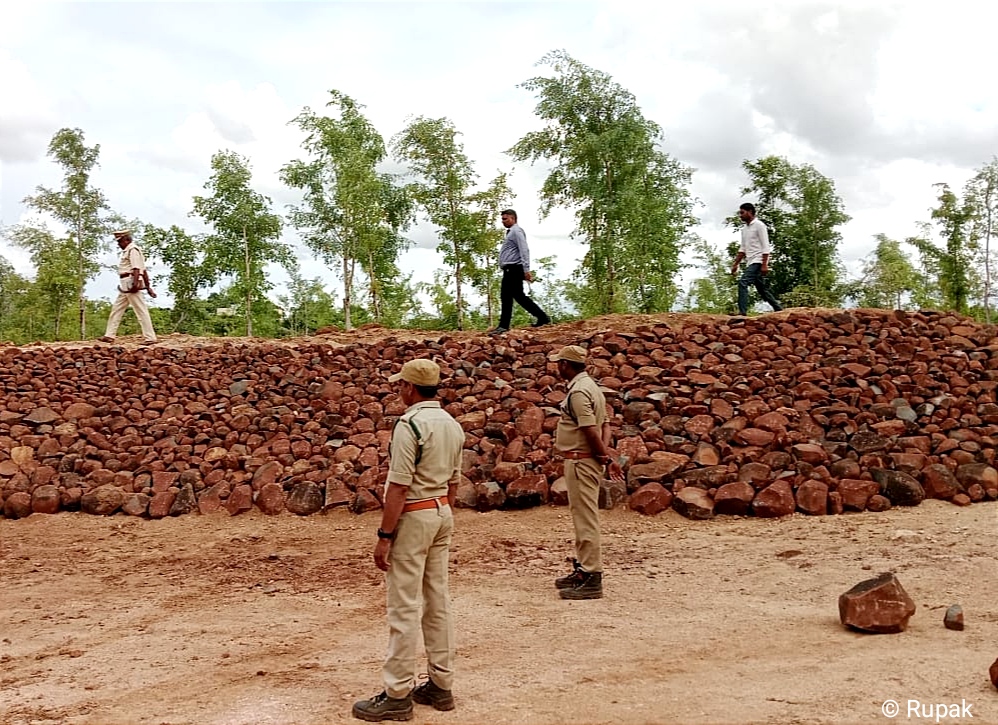
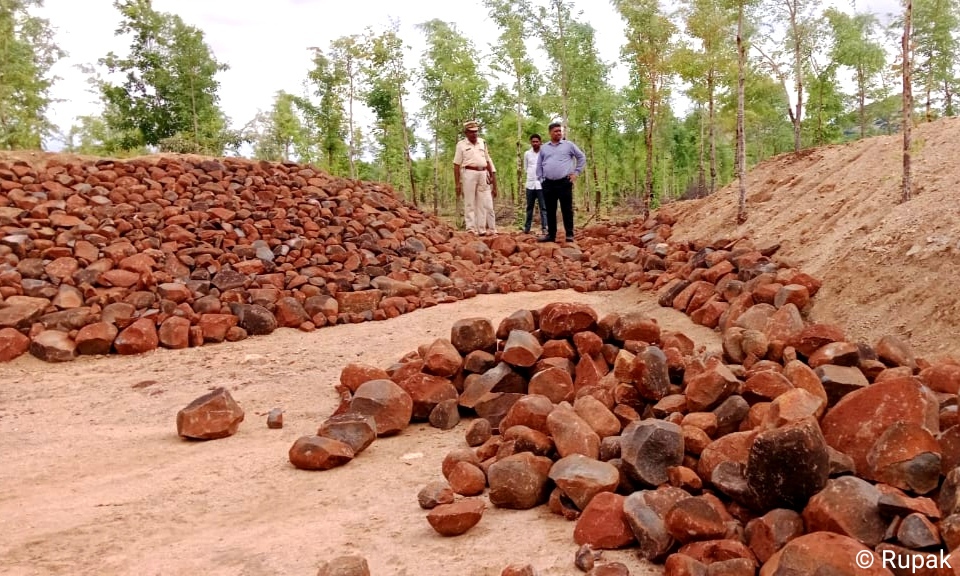
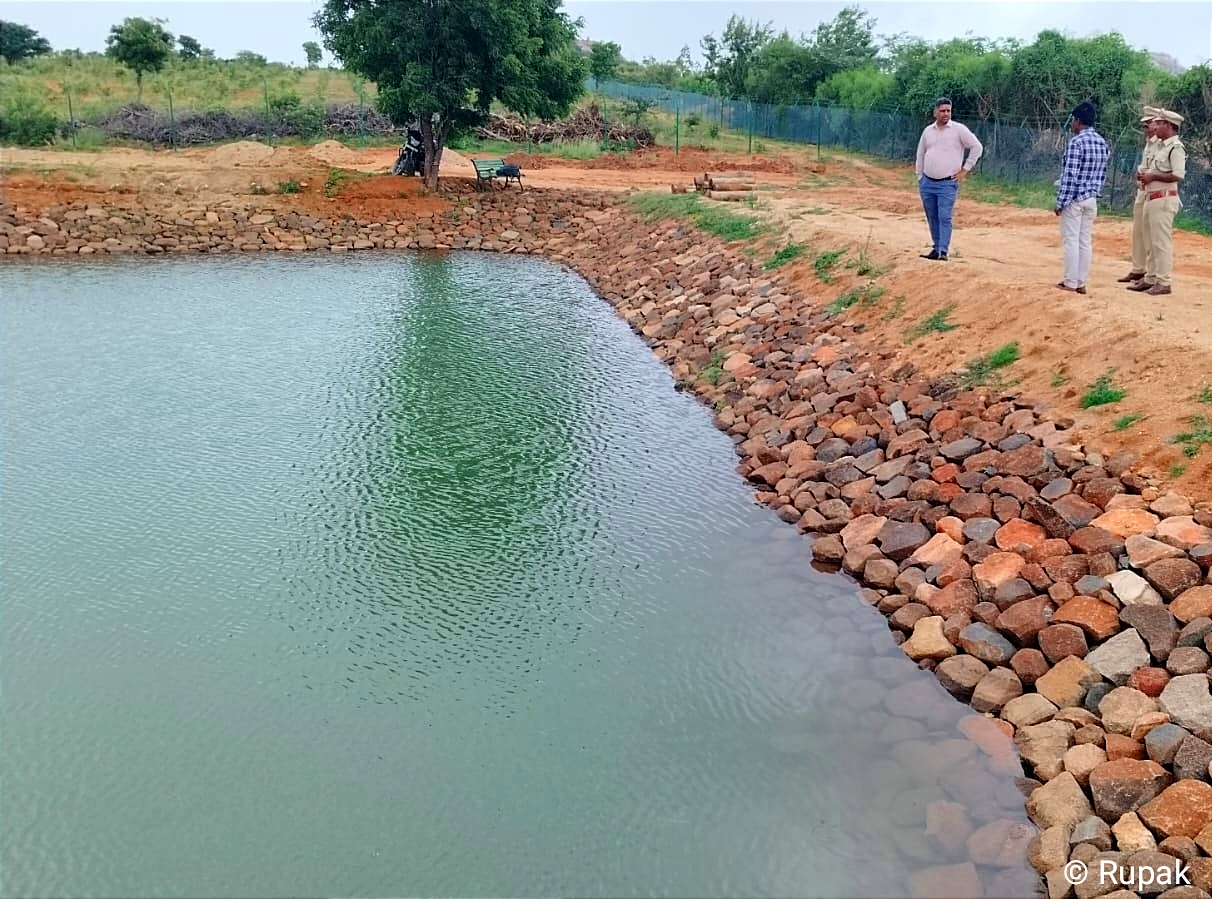
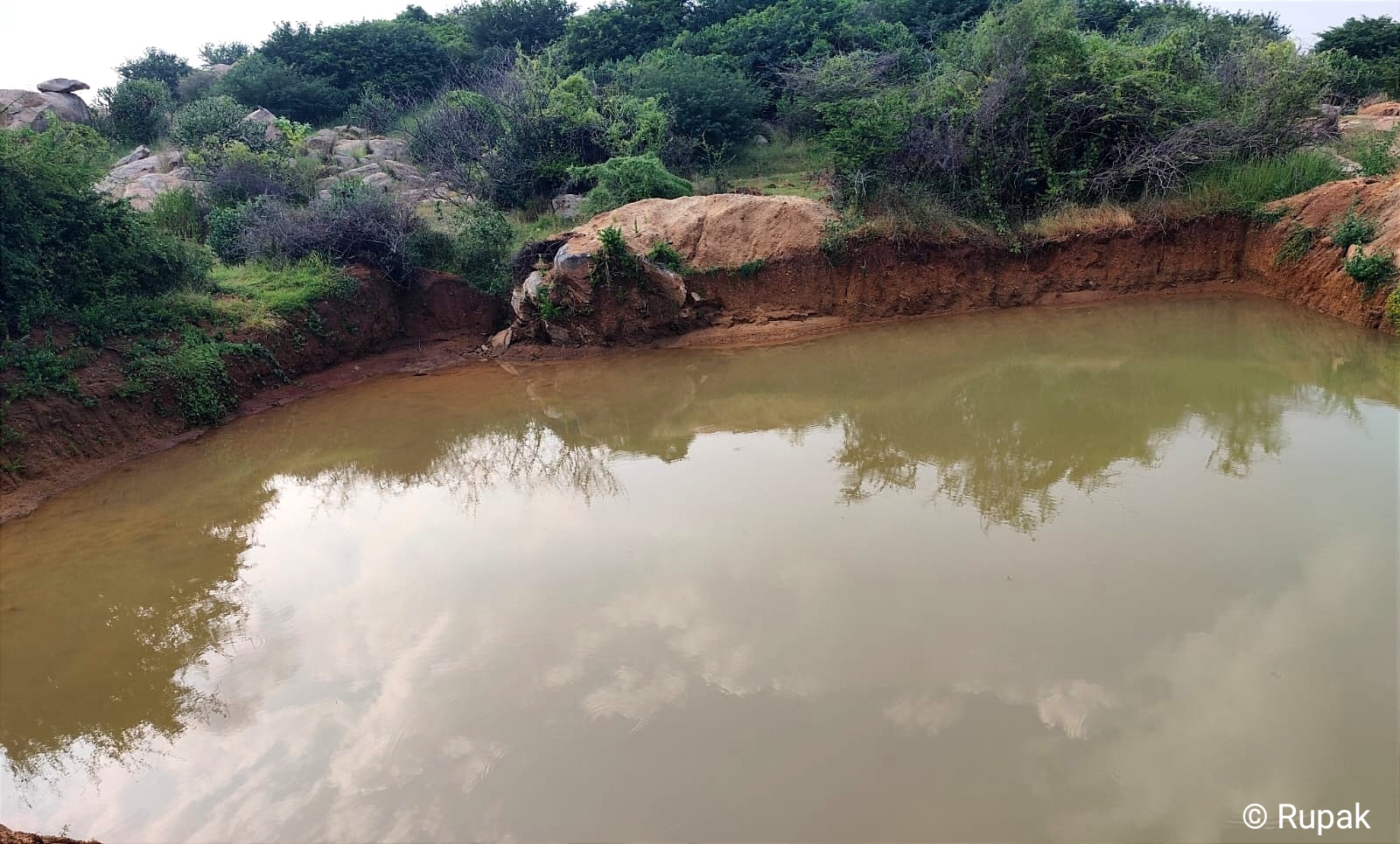
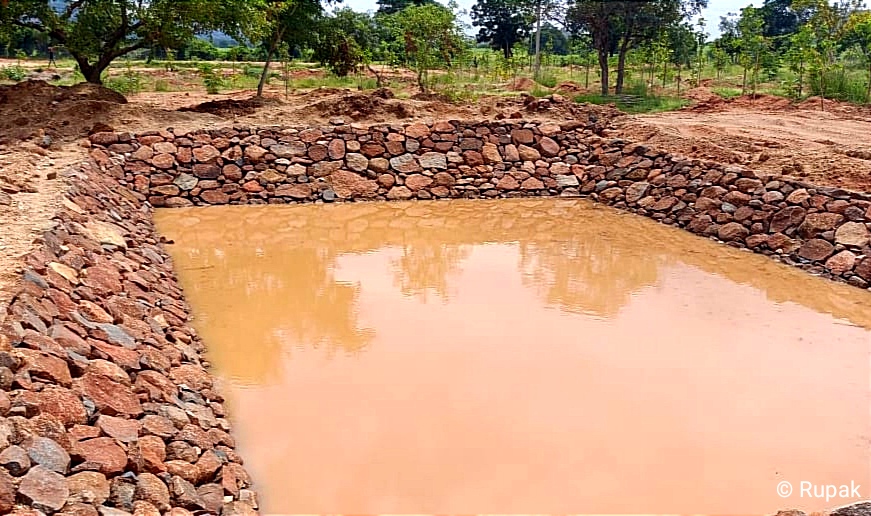
During field visits, Rupak observed the old dry Bawdi and polluted water bodies. We identified few bodies which were having water storage in earlier times however due to blockage of channels have filled with silt and have became garbage dump yard. We removed the garbage, the exotic vegetation and created a fence around the area first from letting people dump waste further. Later on desiltation was done and further deepening to increase the storage. Further using the local communities and local stone we strengthen the banks and bunds by pitching through the special skills of local stone workers. We utilised the skills of stone workers of Vadde community which are now getting diminished due to increasing use of concrete and burnt bricks.

What measures have been taken to ensure sustainability and long-term maintenance of these water bodies?
These water bodies are created using simple methods and involving local communities so their maintenance will be nothing new to them. Also these bodies are in the forest areas which are protected and regulated leading to less chances of dumping. Further the regular visitors to these bodies will create surveillance to any unwanted activities. Further local stones from forest areas have been used to ensure easy availability of material for strengthening of bunds. Awareness among the locals will go a long way in owning and preserving these water bodies.


Did you employ any traditional water conservation methods used by local communities in the past?
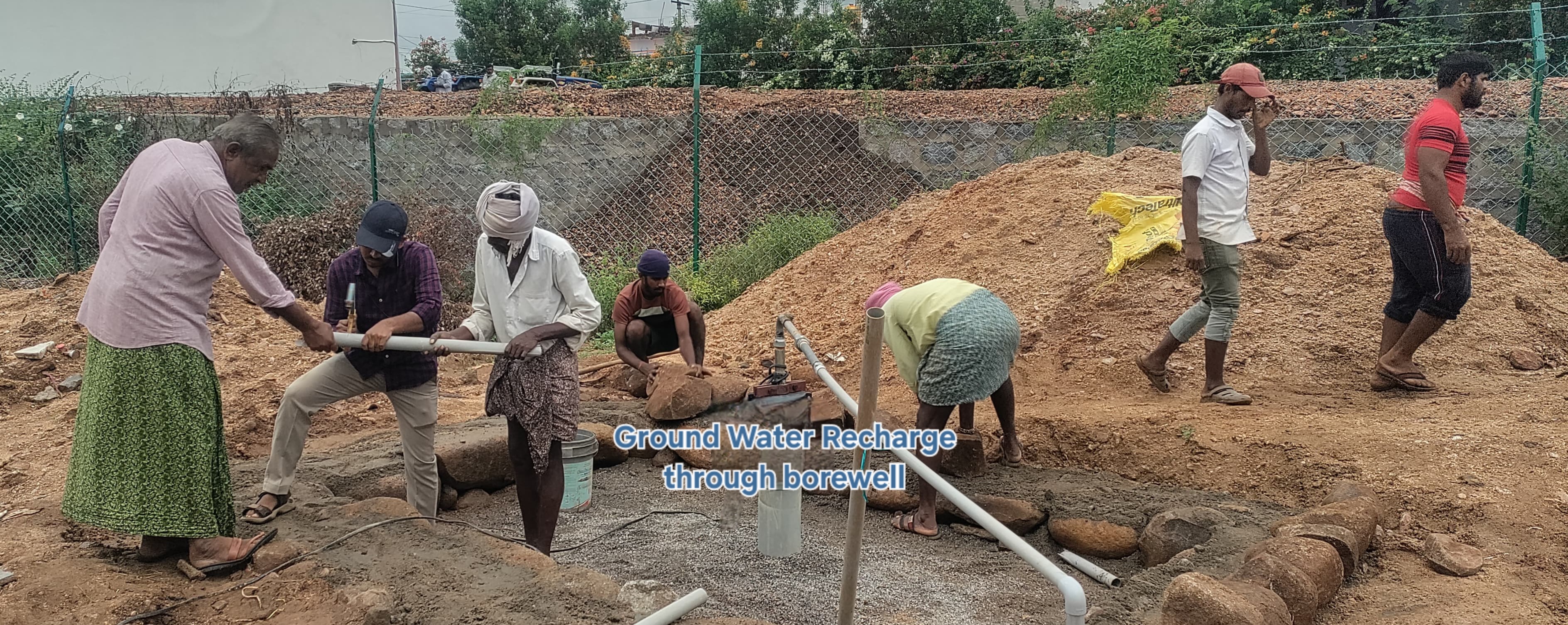
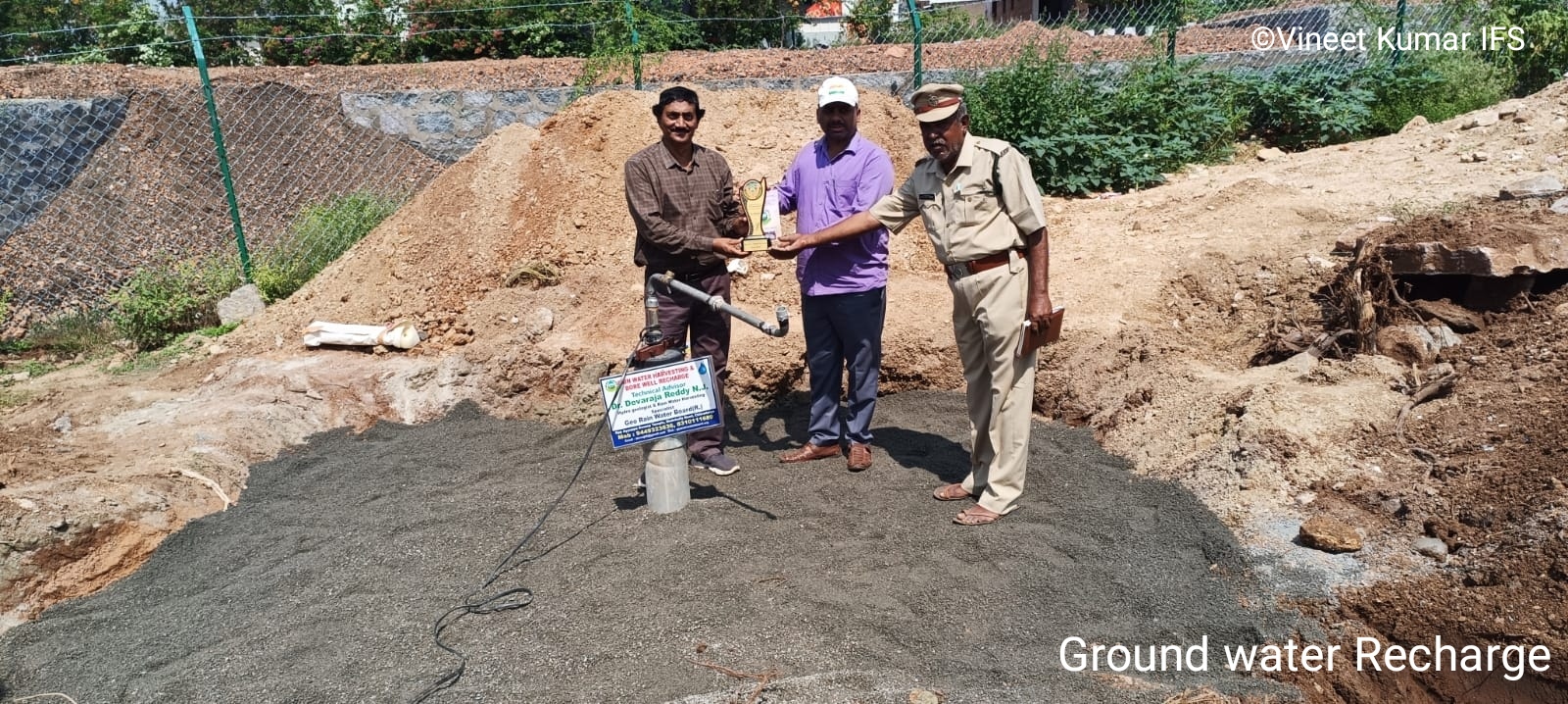
Ground water recharge is being done through active borewell recharge at the downstream in 2 locations to demonstrate the model. Local boulders, stone, gravels and sand are being used to filter the water and send it to the ground through small holes in the borewells. This technique can be employed by each farmer who owns a borewell. Even recharging a borewell with a one acre of area can lead to saving lakhs of litres of water by sending it to ground aquifers.
What kind of employment opportunities has the project created, and how has it impacted their livelihoods?
The project is significant in providing employment to local stone working community called as Vadde community. Workers from Andhra Pradesh and Karnataka have worked to create beautiful stone pitching pattern while providing protection from erosion to the banks of ponds. The community is loosing to the unbeatable bricks and concrete mortar construction industry and the new people are not getting much work making the skills of working with stones getting diminishing. The community got the window through these projects to highlight their role and also the local stone materials. We have created several other structures with local stones using the local community in these nagarvanam projects.
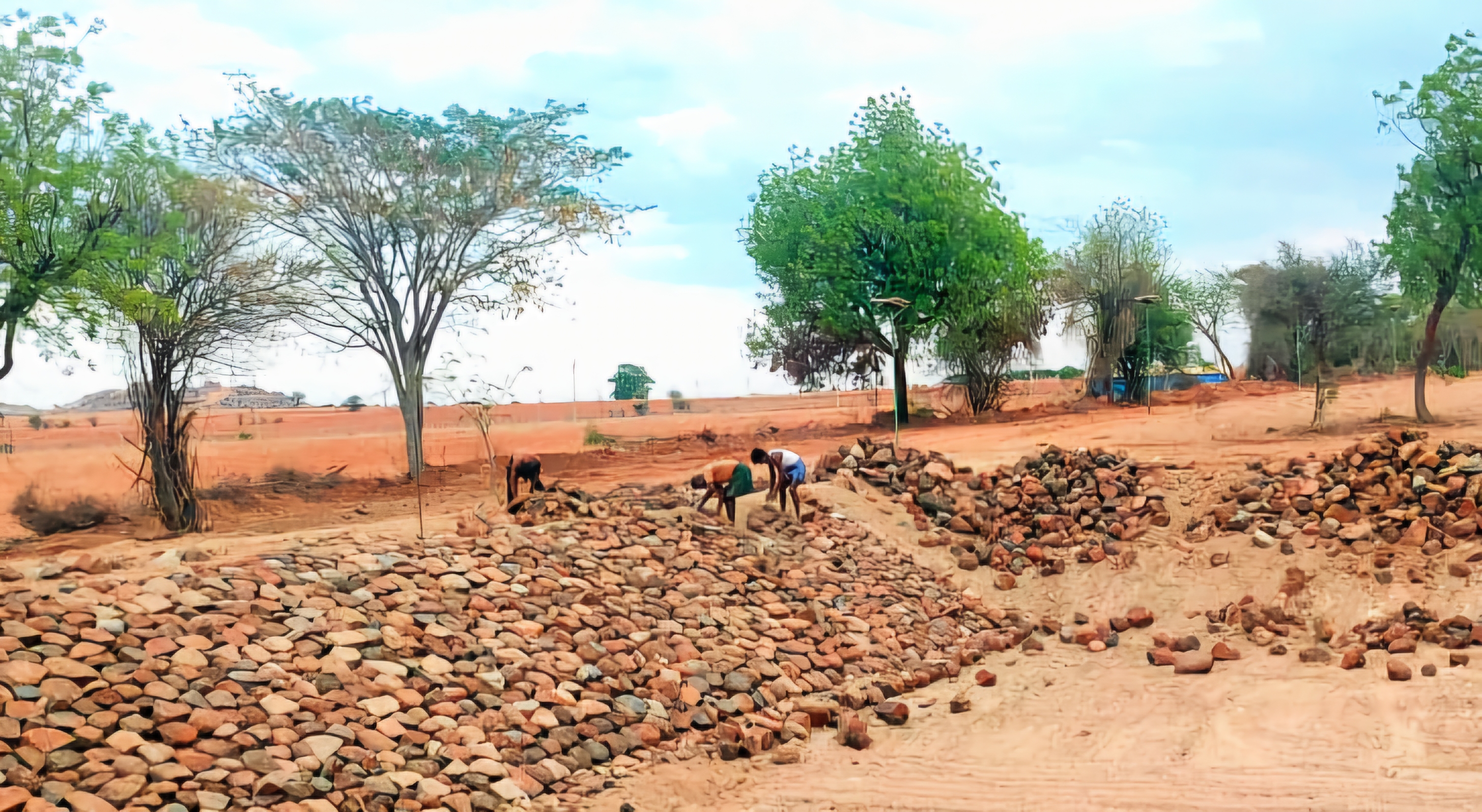
A stone worker named Rambabu said, “I learned many things and saw the results of implementing our local techniques, which have now become international standards. Working on this project gave me the chance to utilise my skills for something I am proud of, and it will remain for the people of Kalyanadurgam to see.” Another worker from Rayadurgam, Viswanath, said, “This project has brought relief to the people of Rayadurgam by increasing greenery, water conservation, and the effective use of simple local techniques.”
We have introduced tall plant nurseries. What makes them significant, and how do they contribute to the ecosystem? How many plantations have been carried out under this initiative, and what species were selected?
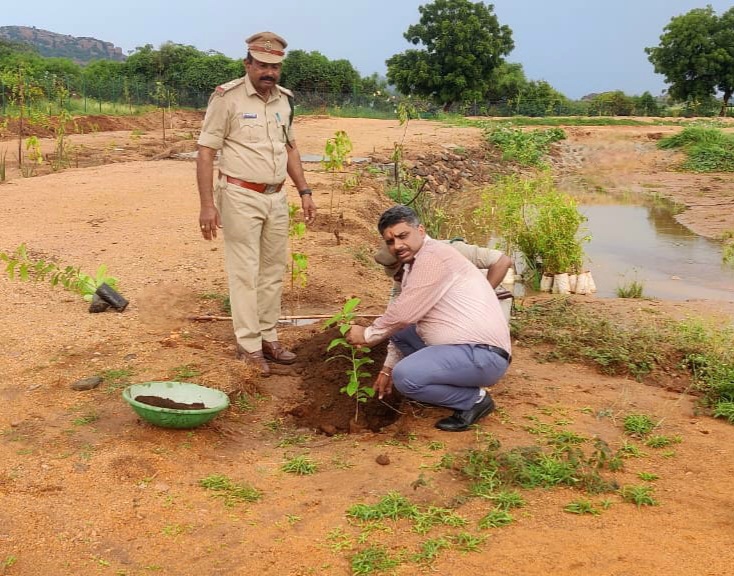
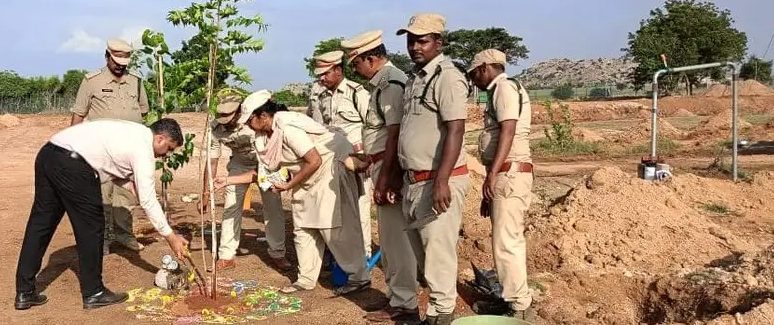
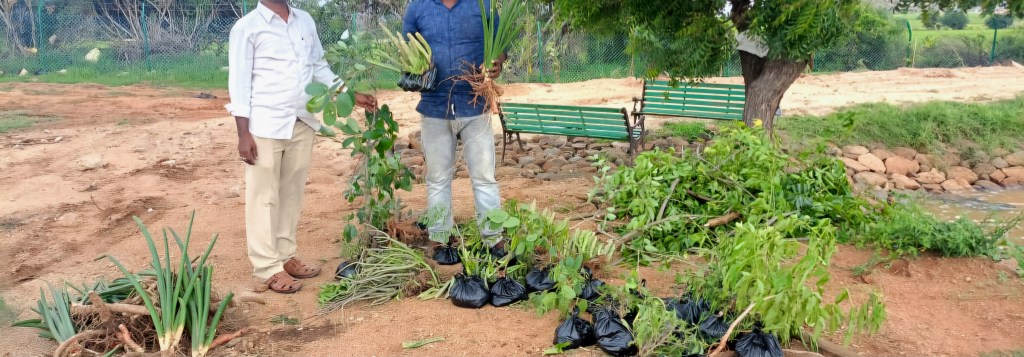
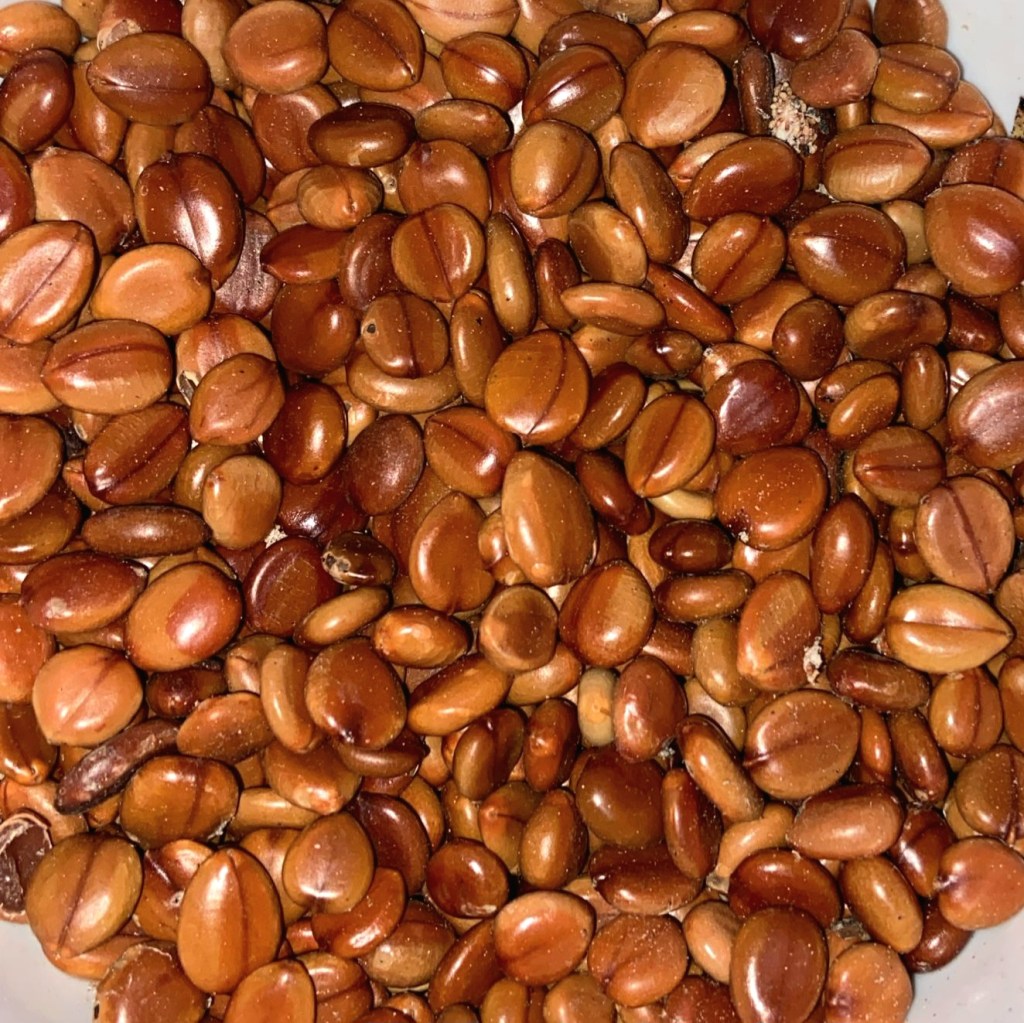
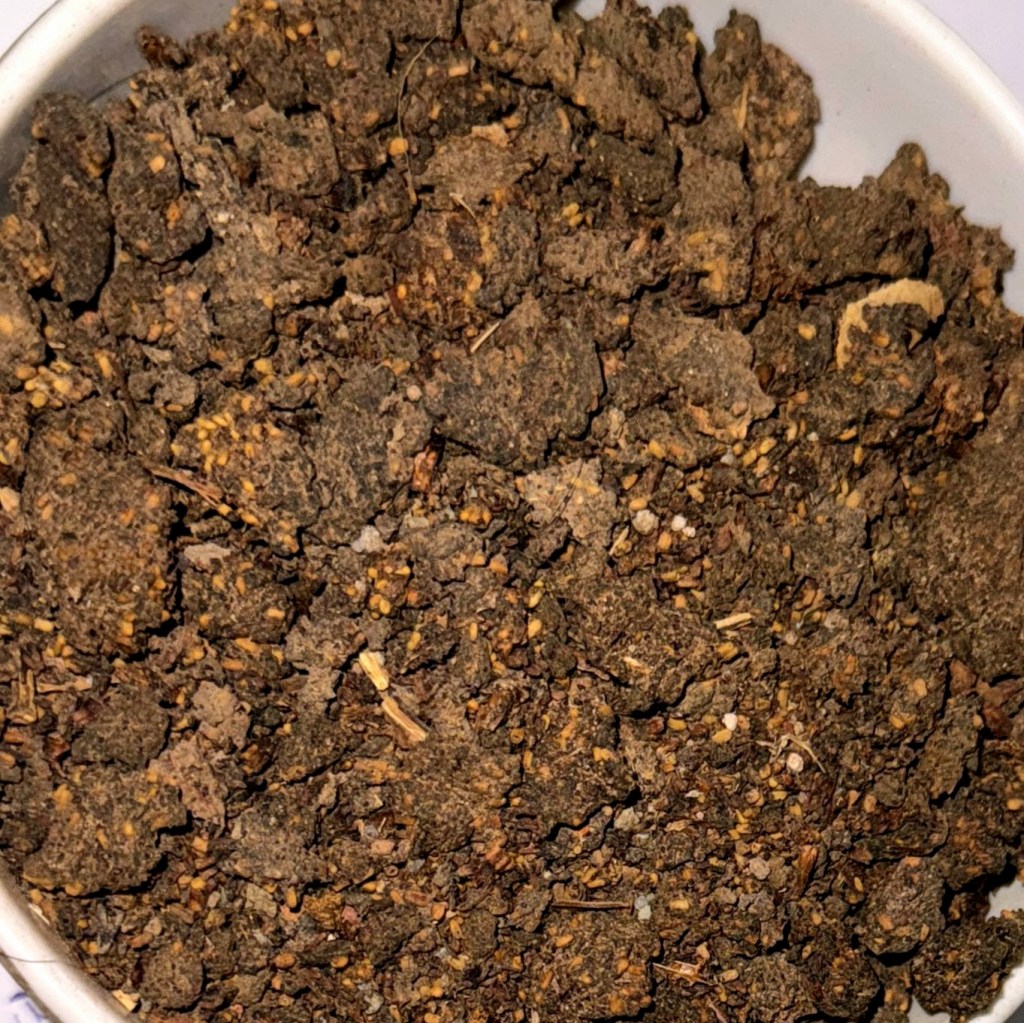
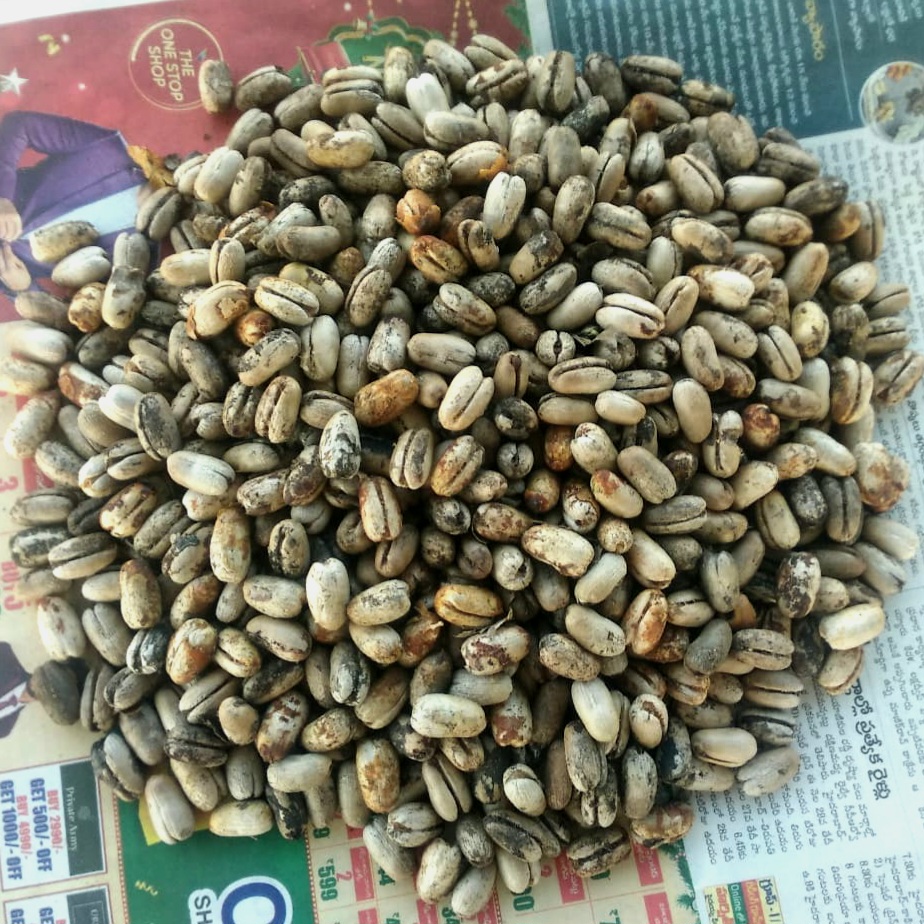
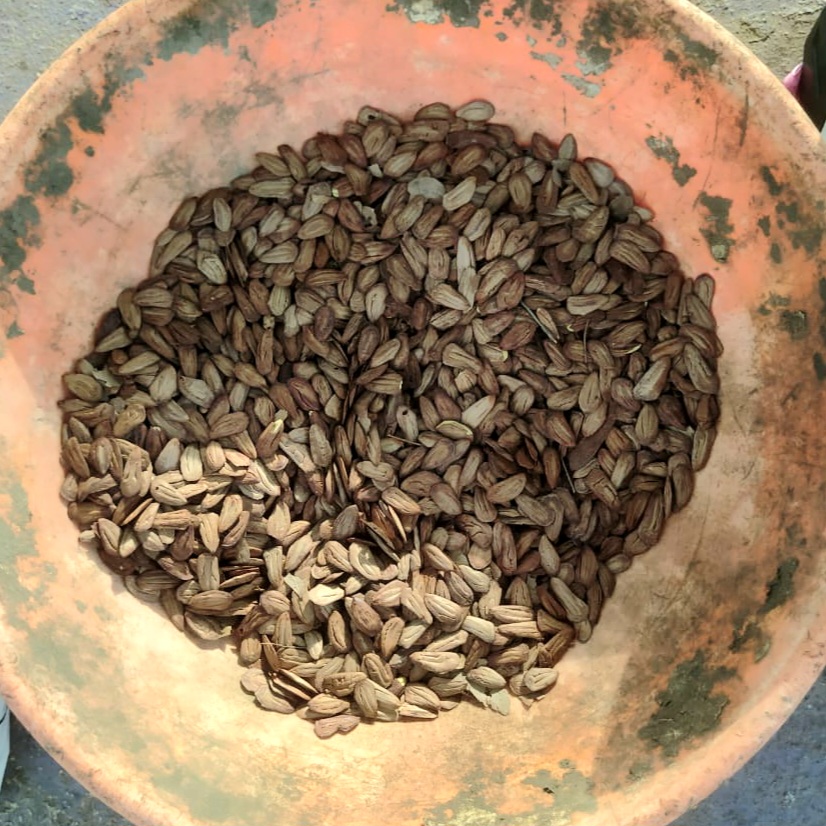
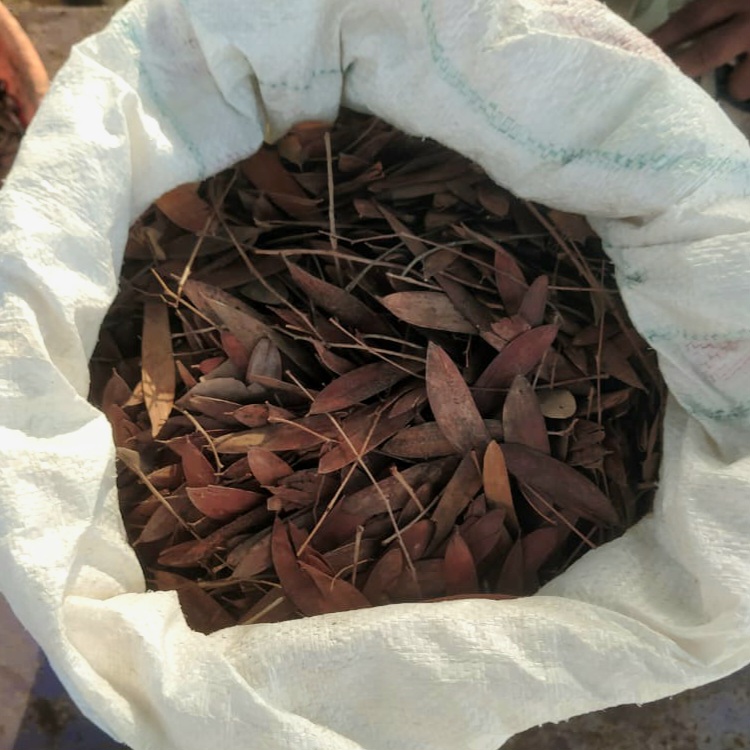
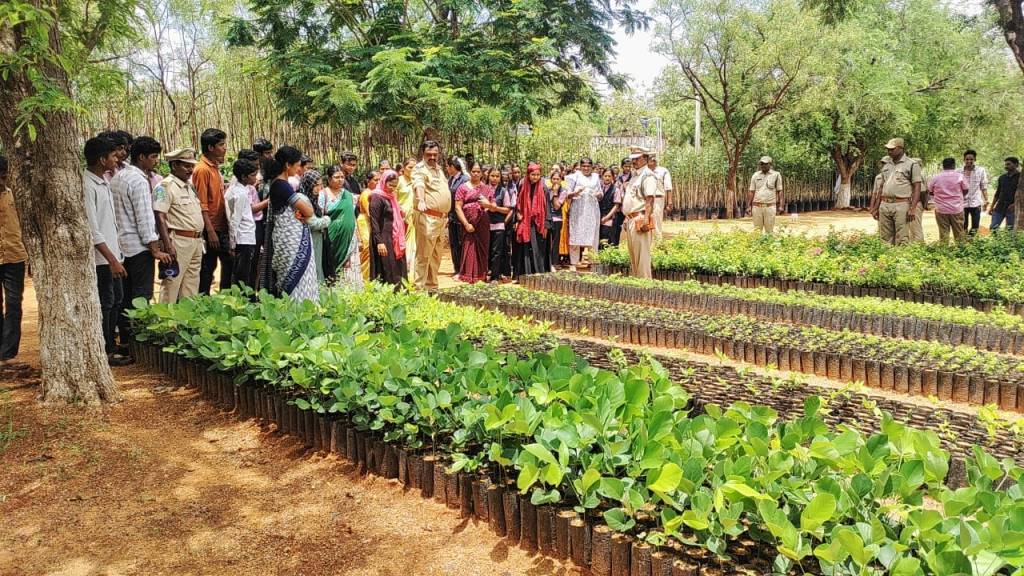
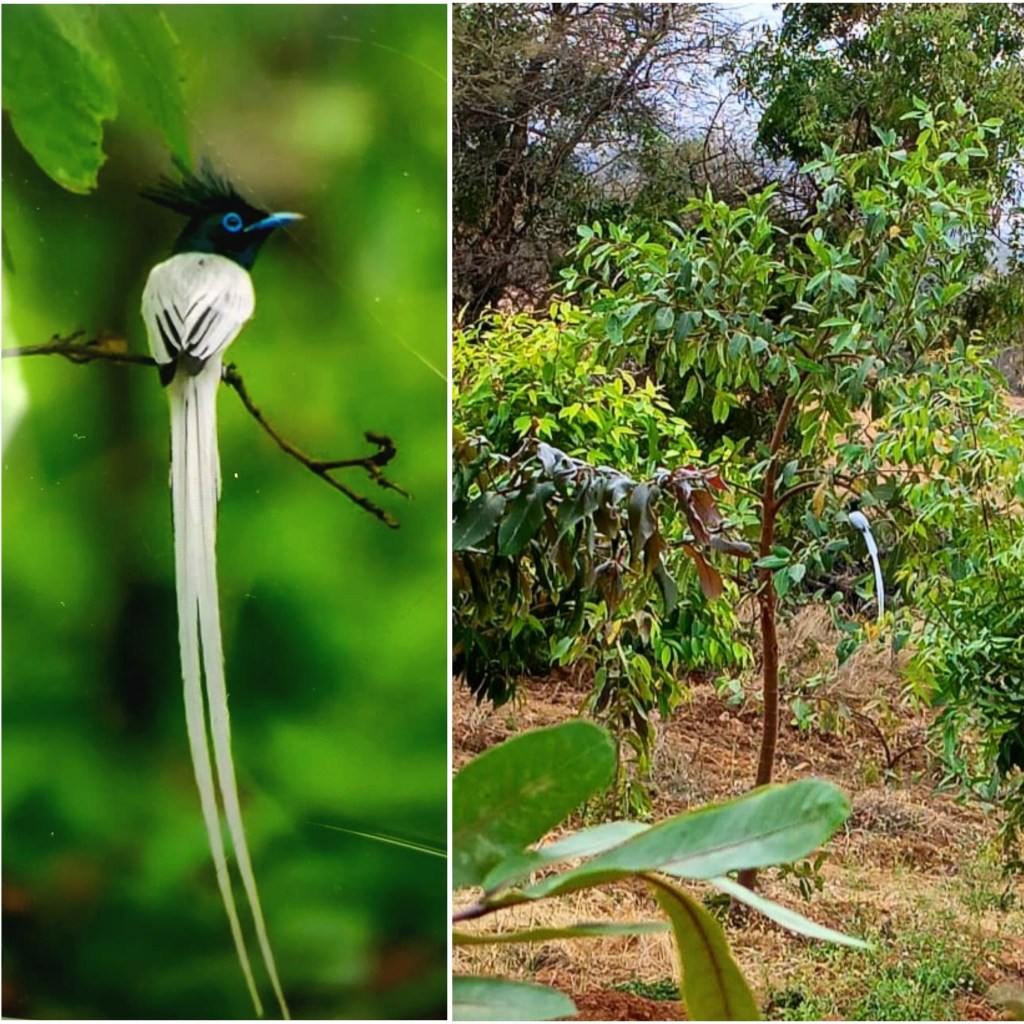
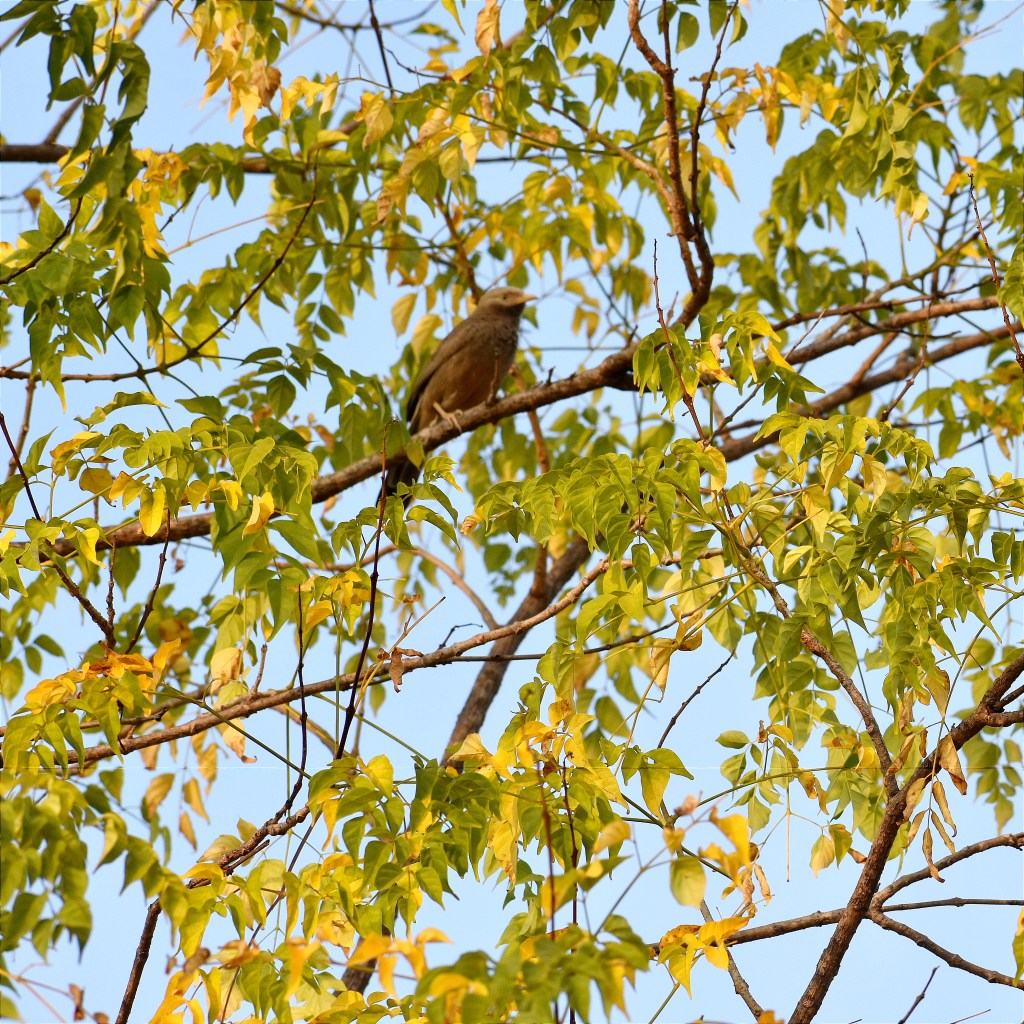
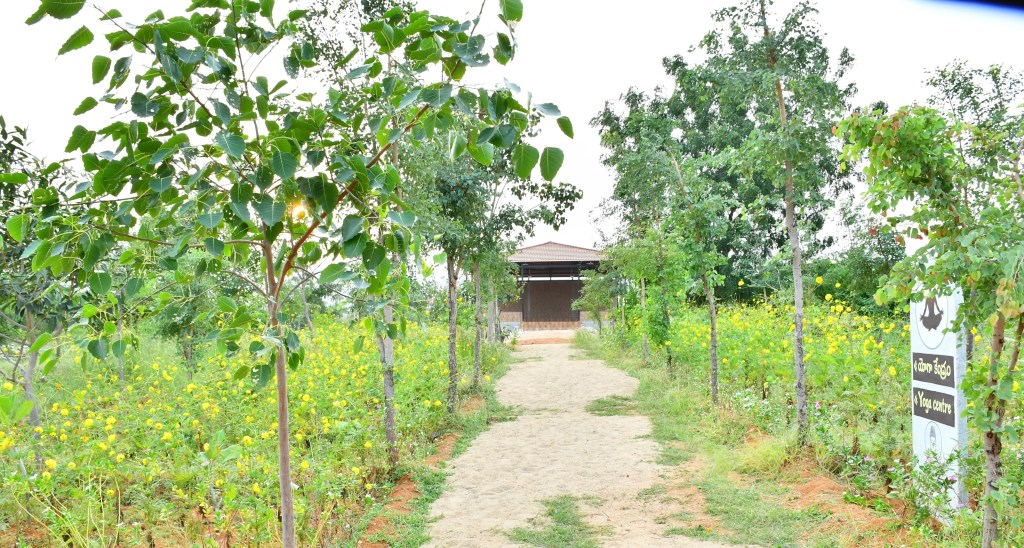
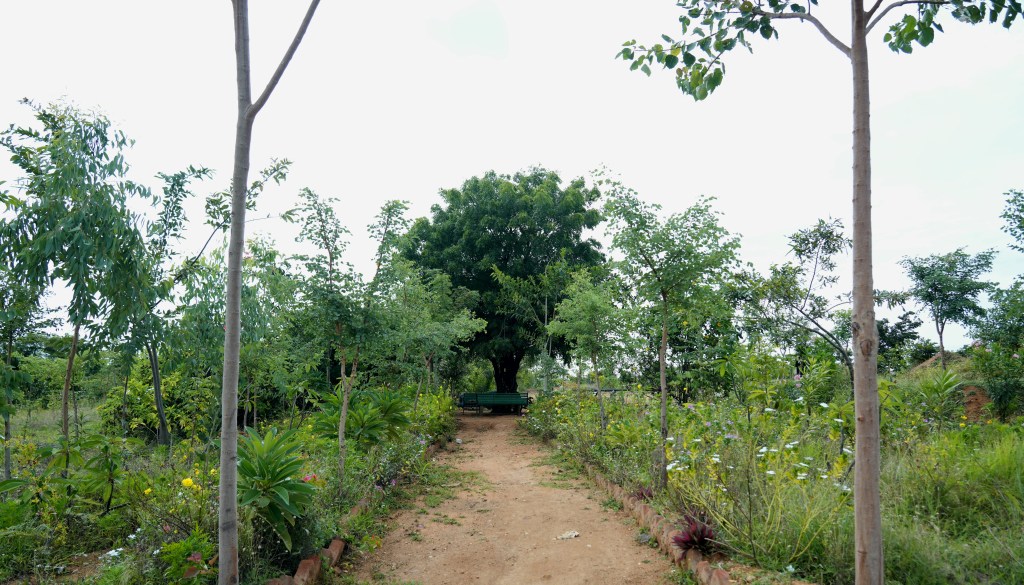
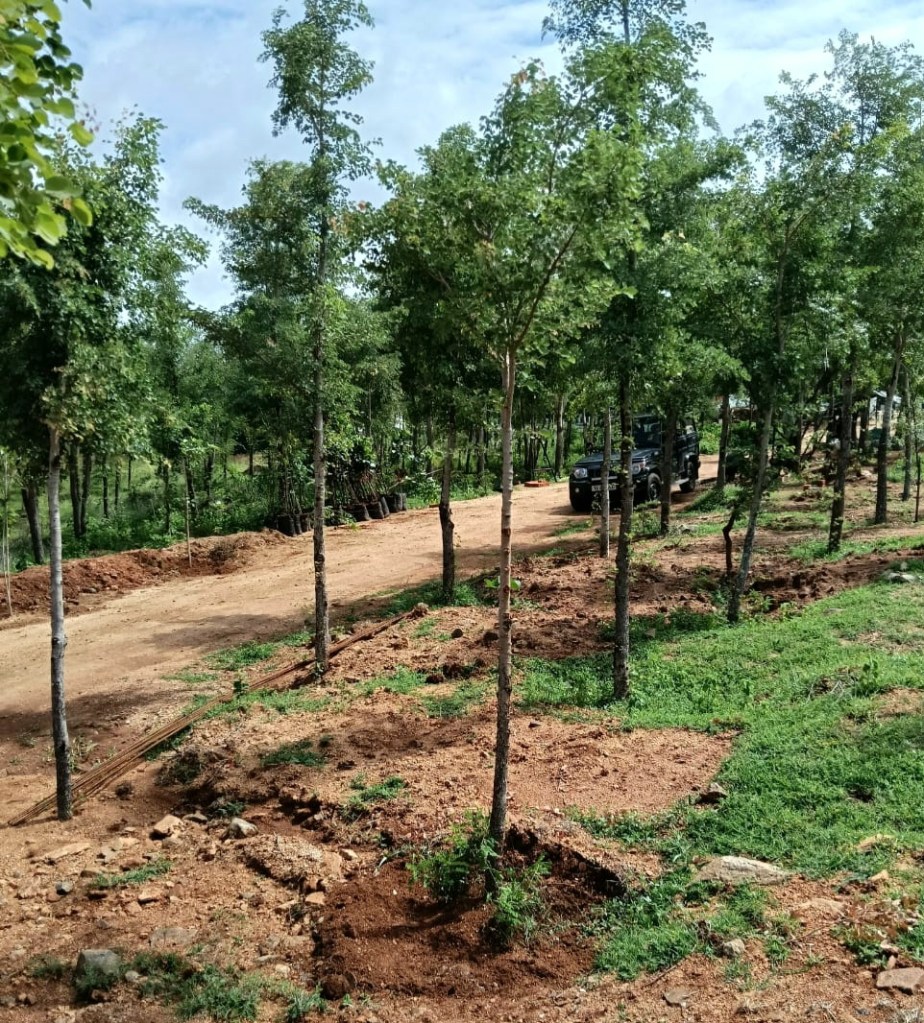
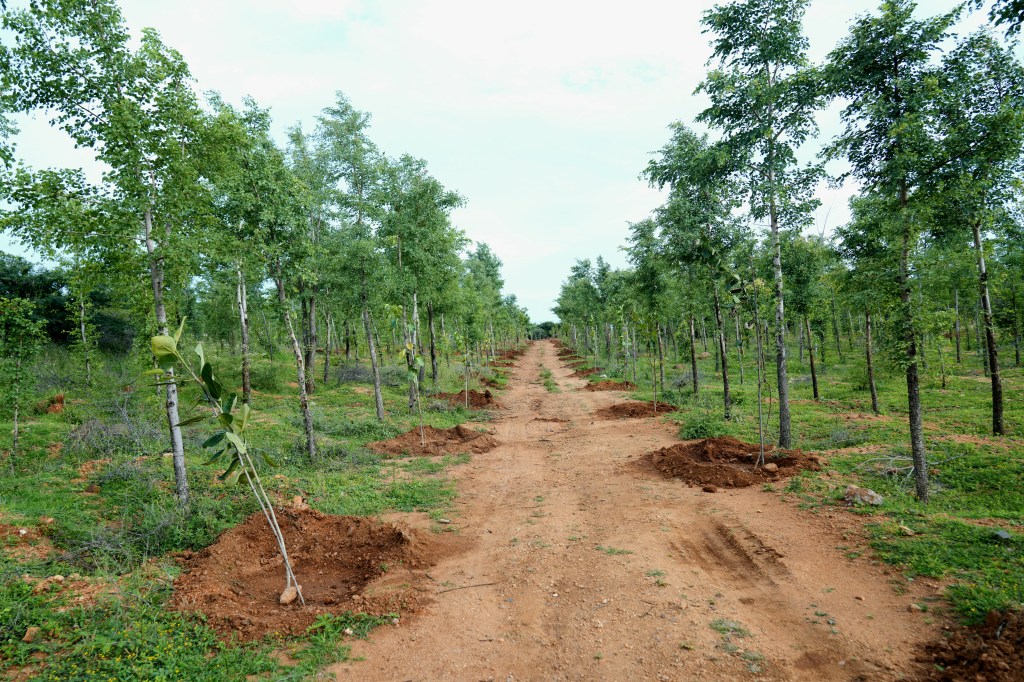
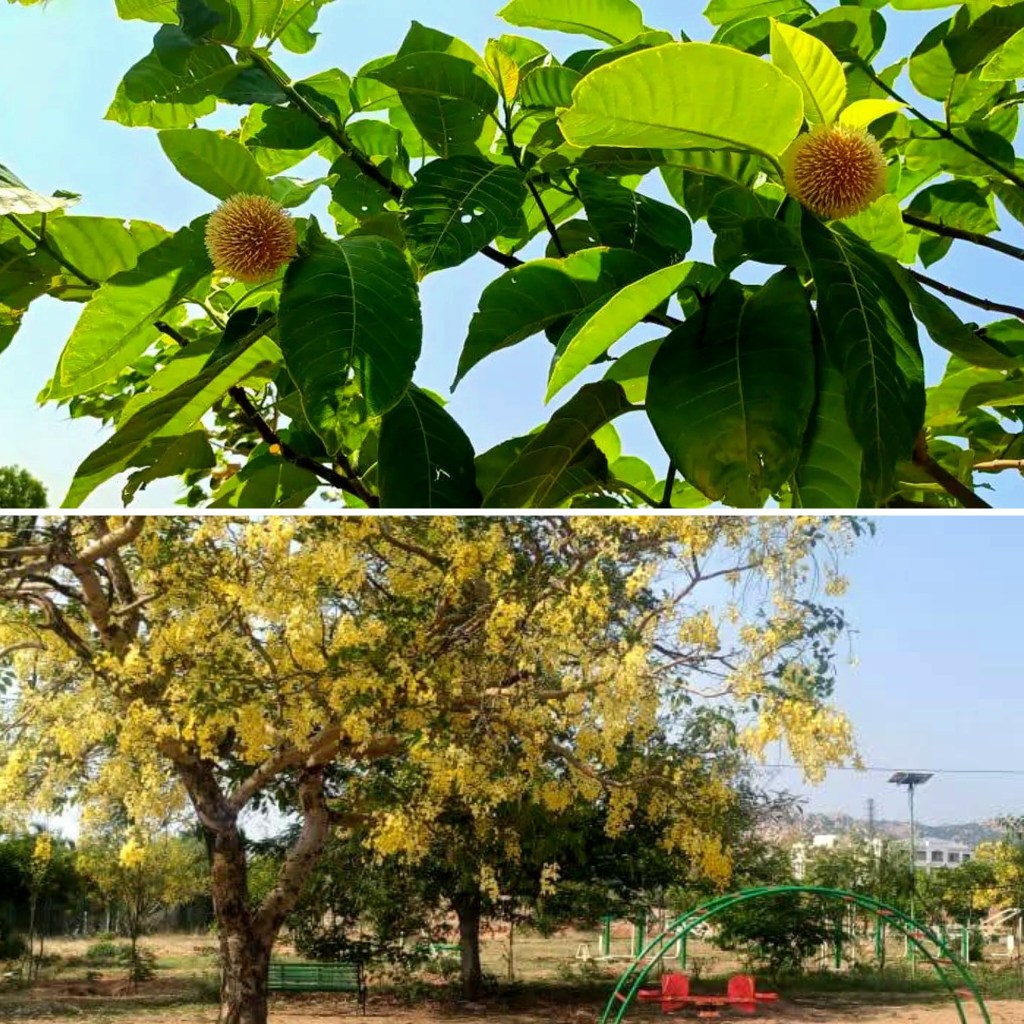
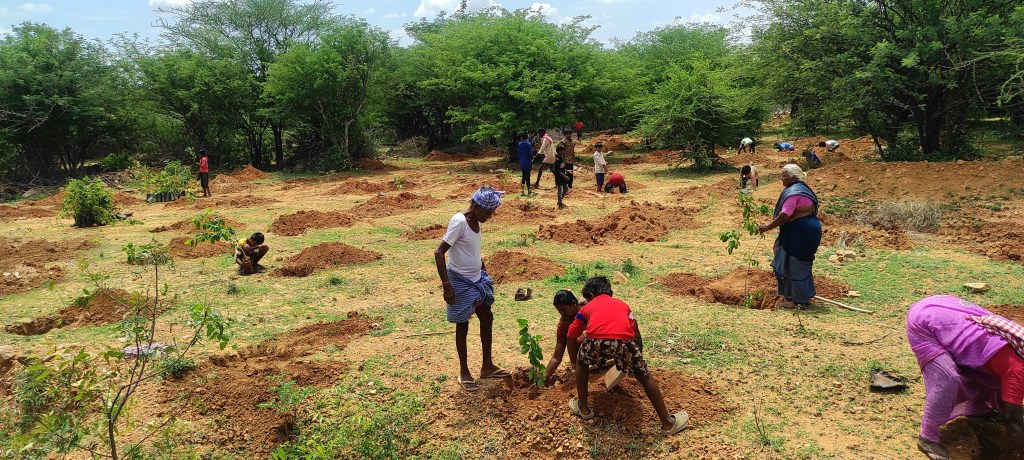
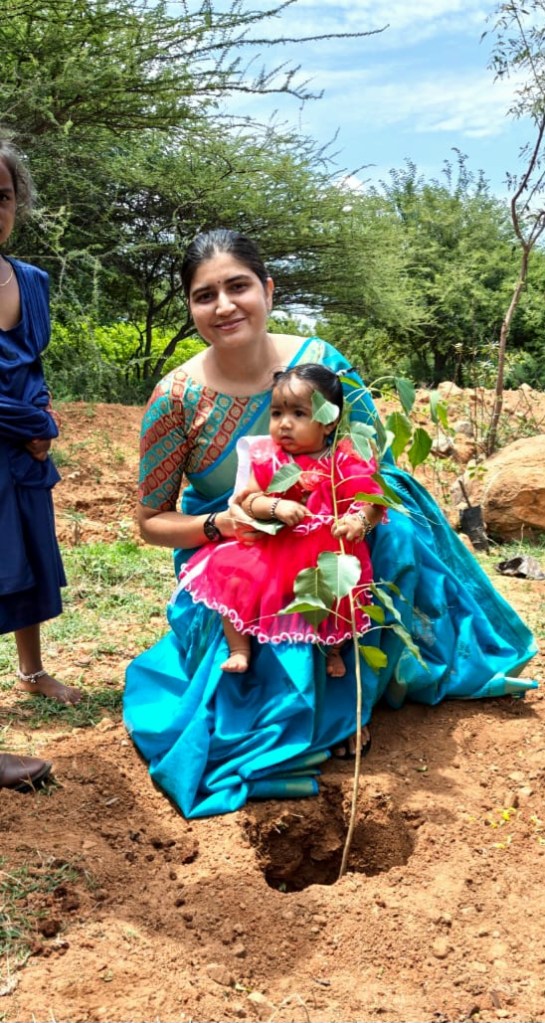
Vegetation is integral part of water conservation. We raised nurseries in the beginning of the projects to make the plant availability easy during the planting season. We focused on native plants which are found in the area and also are suitable for the birds, insects etc. Since the area is dry we targeted tall plants. Species like Ficus religiosa (Peepal), Ficus benghalensis (Bargad), Ficus racemosa (Gular), Neem etc. were raised and we could plant more than 7000 plants in and around these water bodies. More than 5 lakhs plants have been distributed across the district.
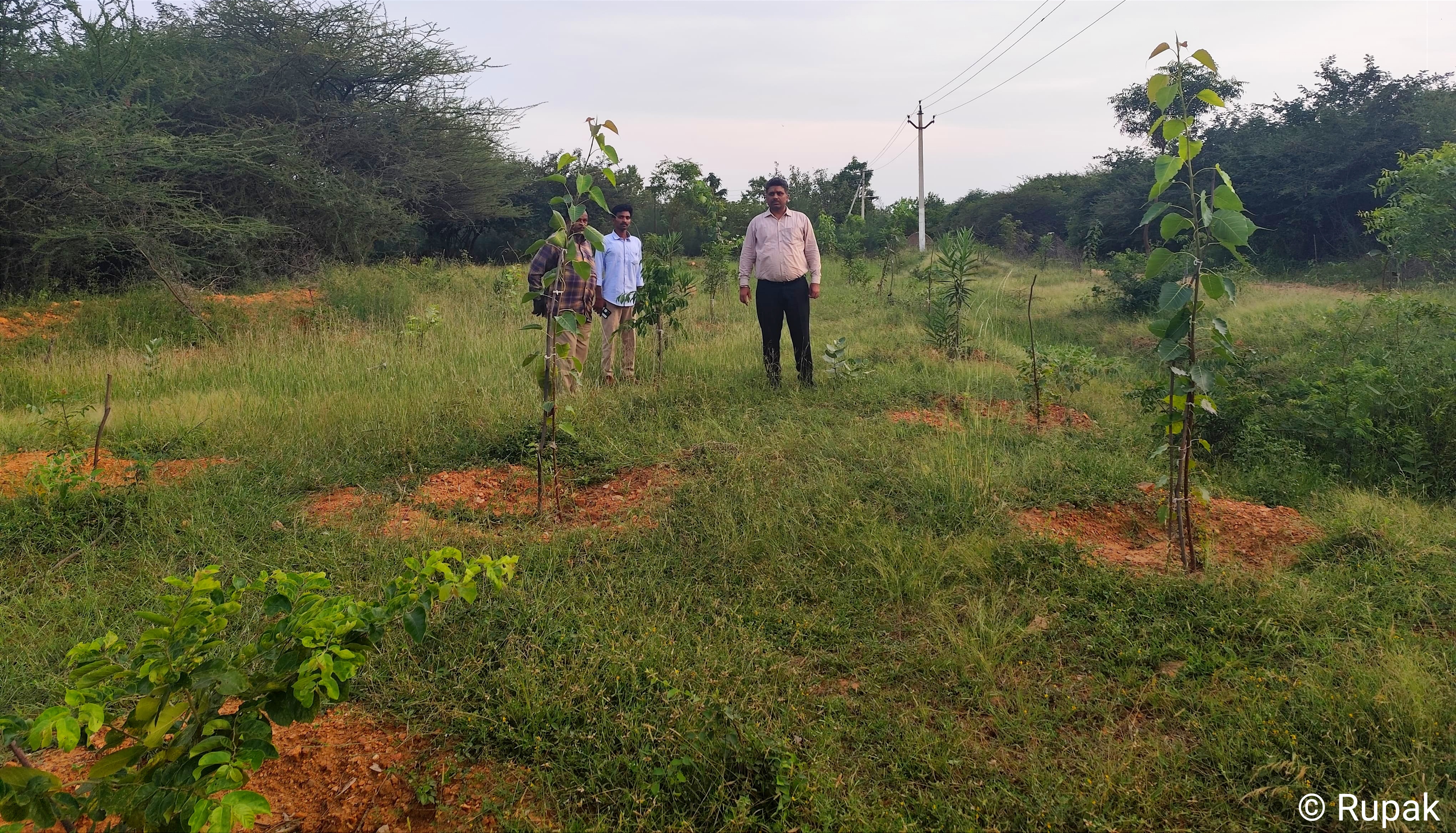
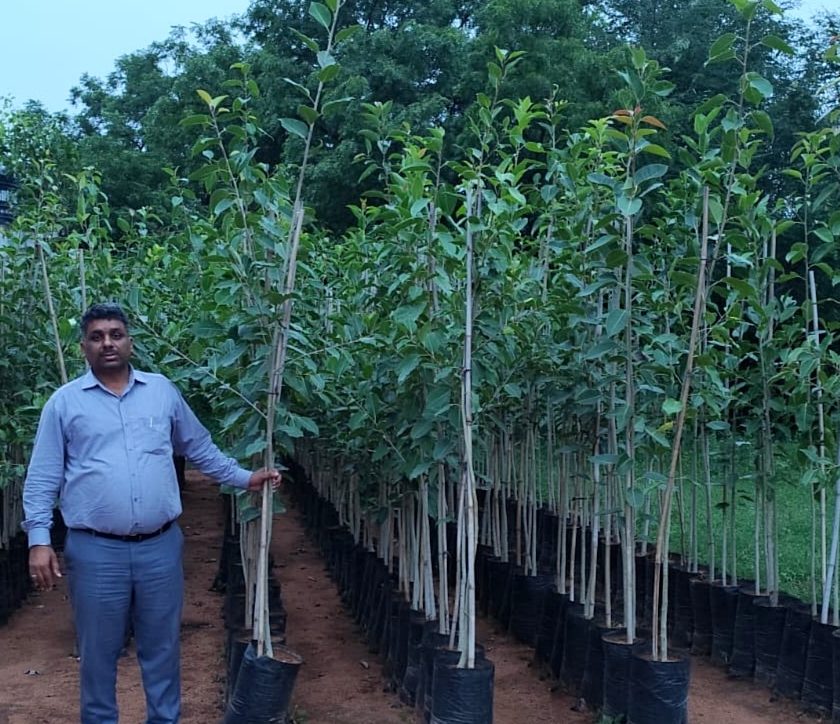
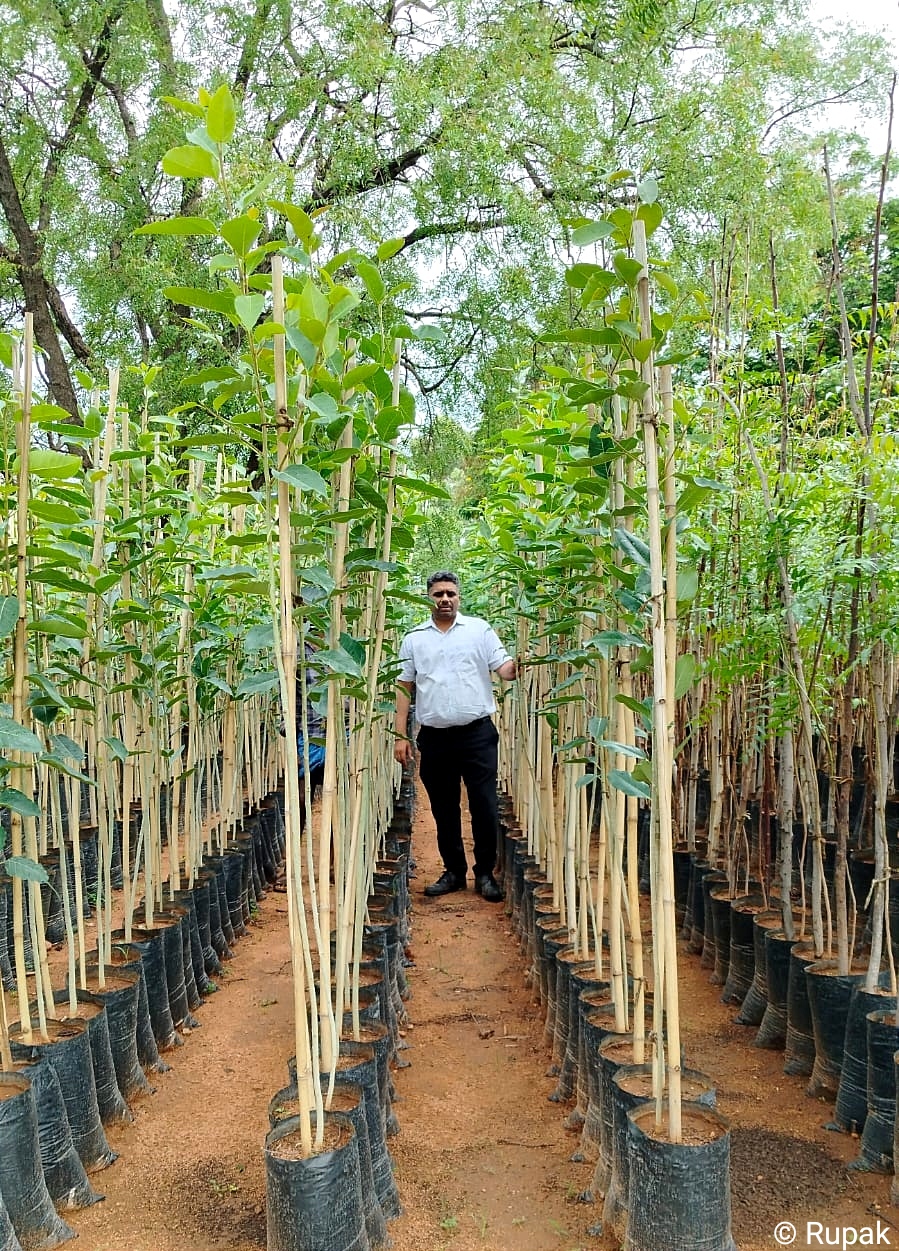
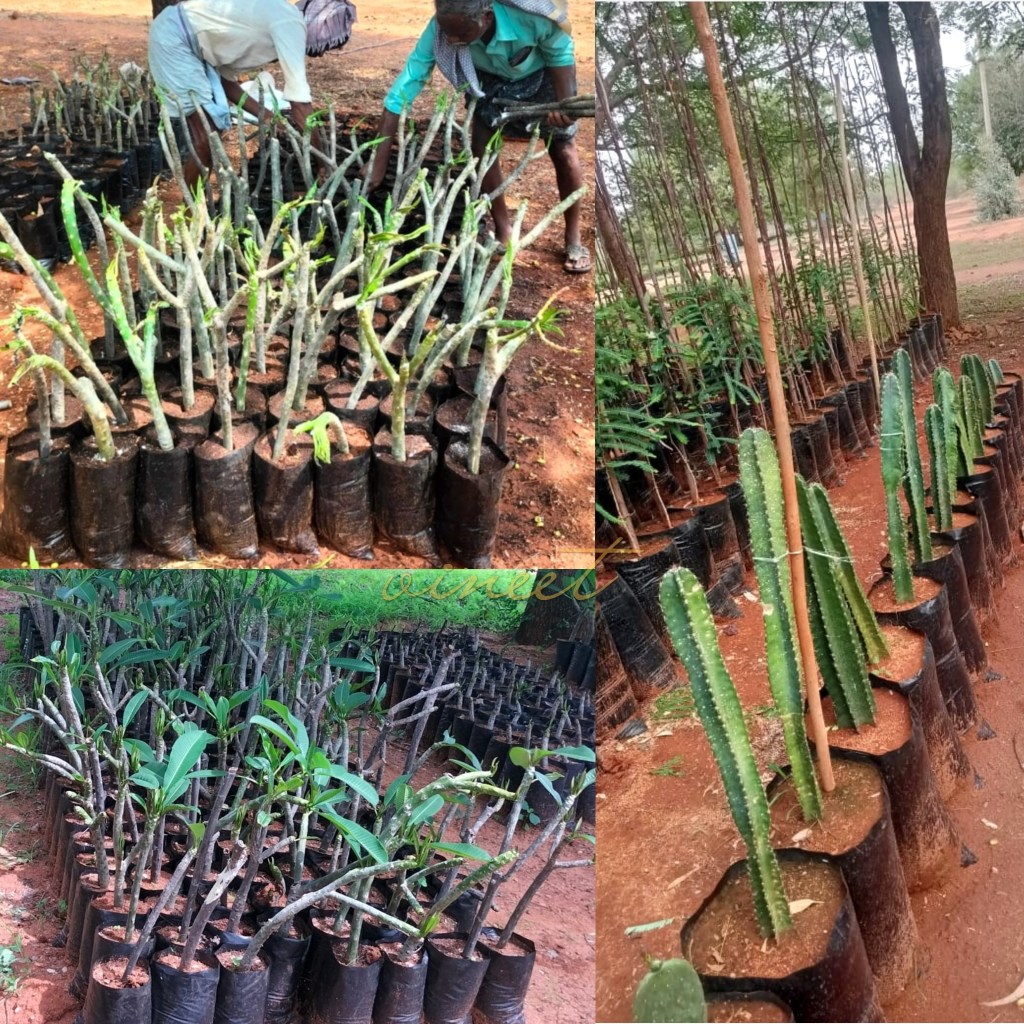
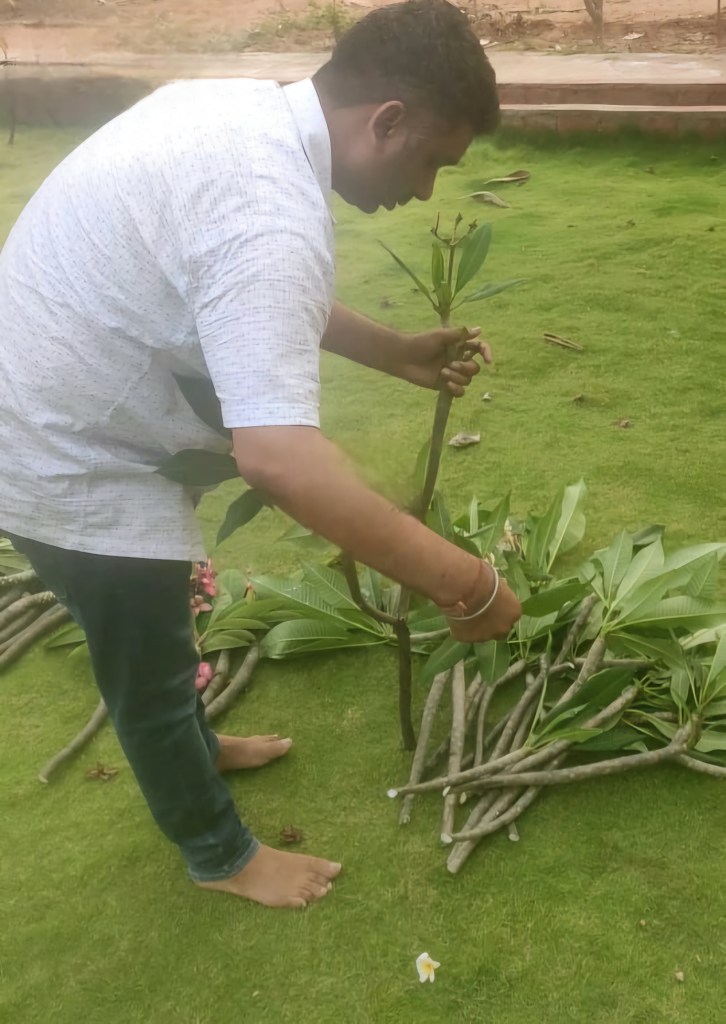
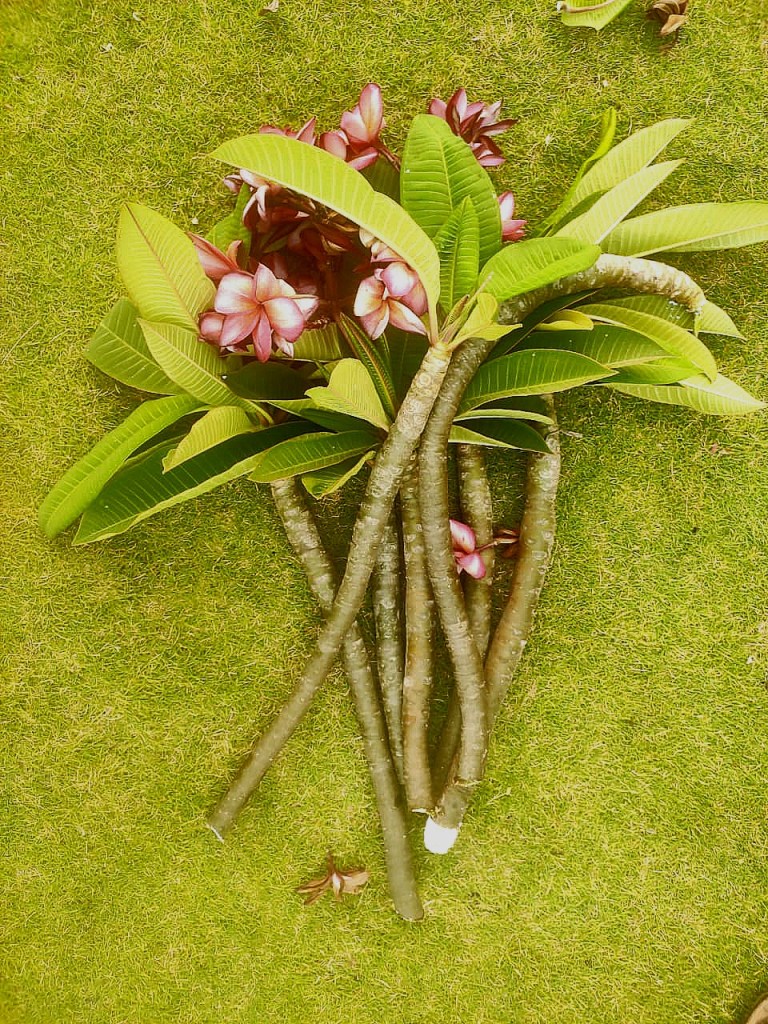

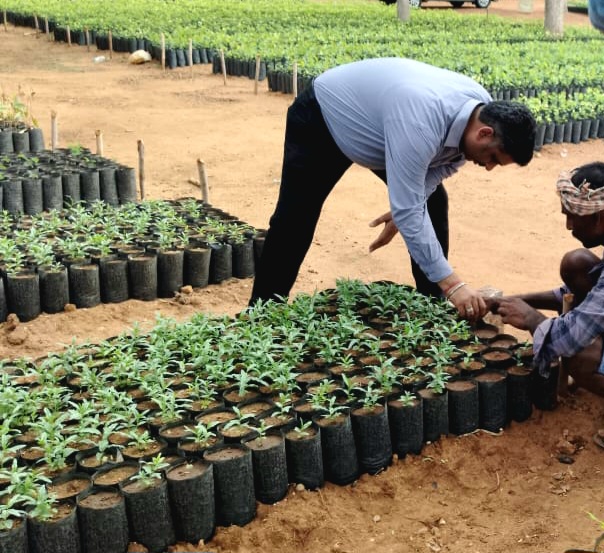
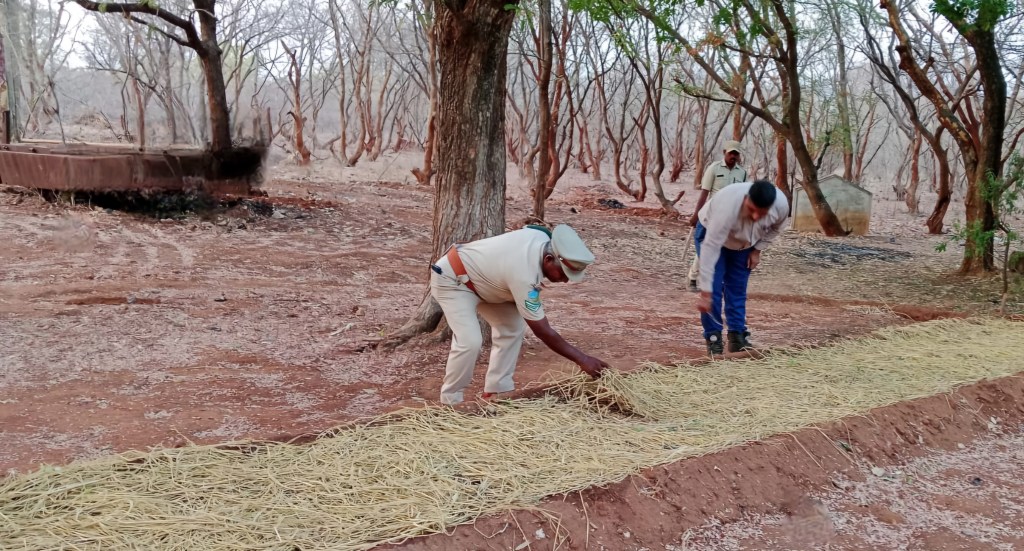
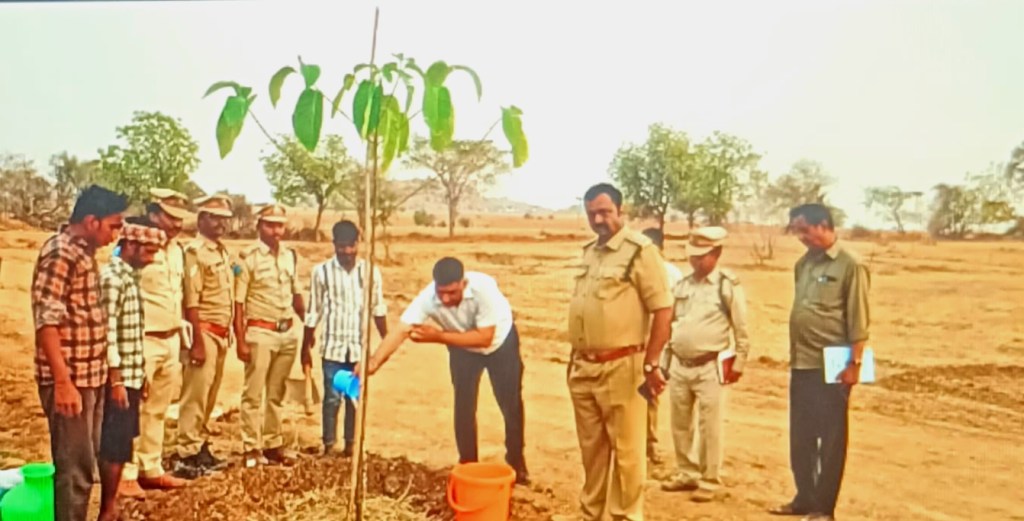
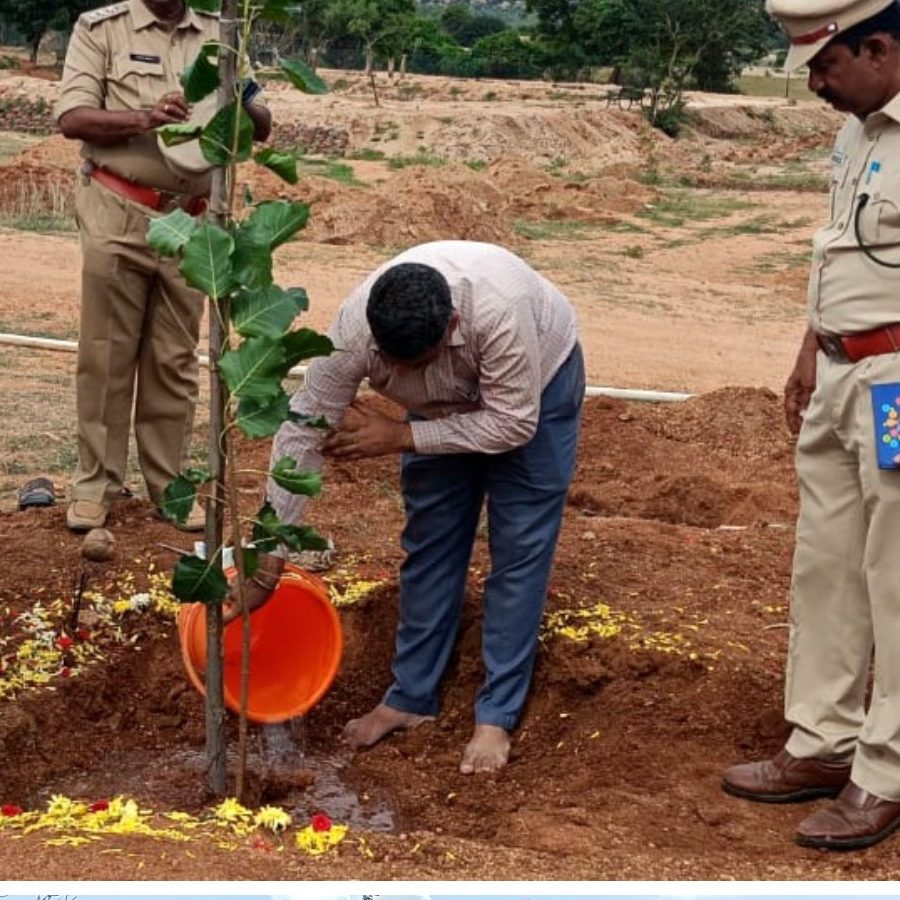
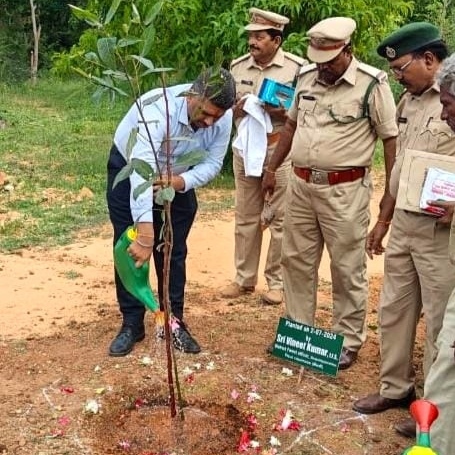
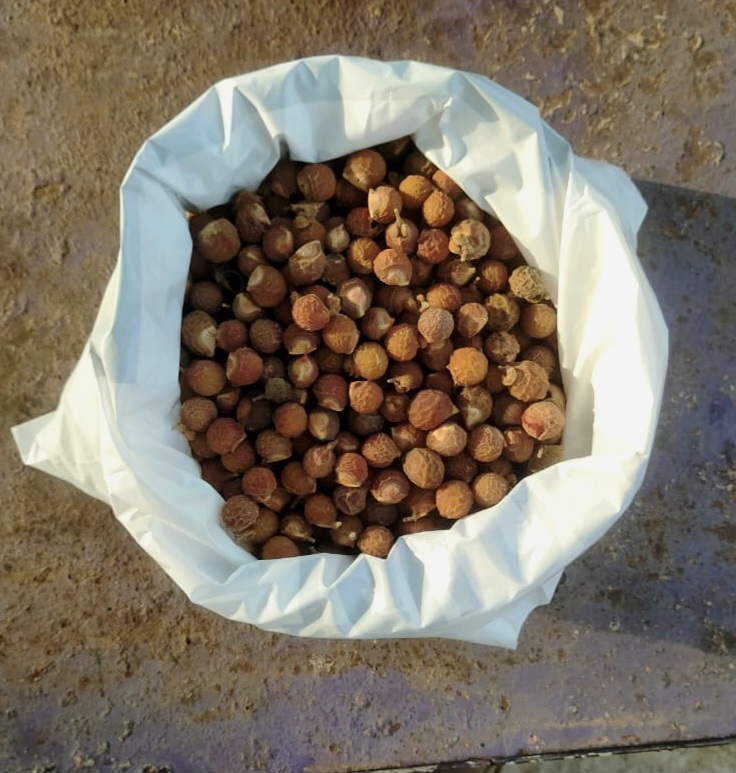
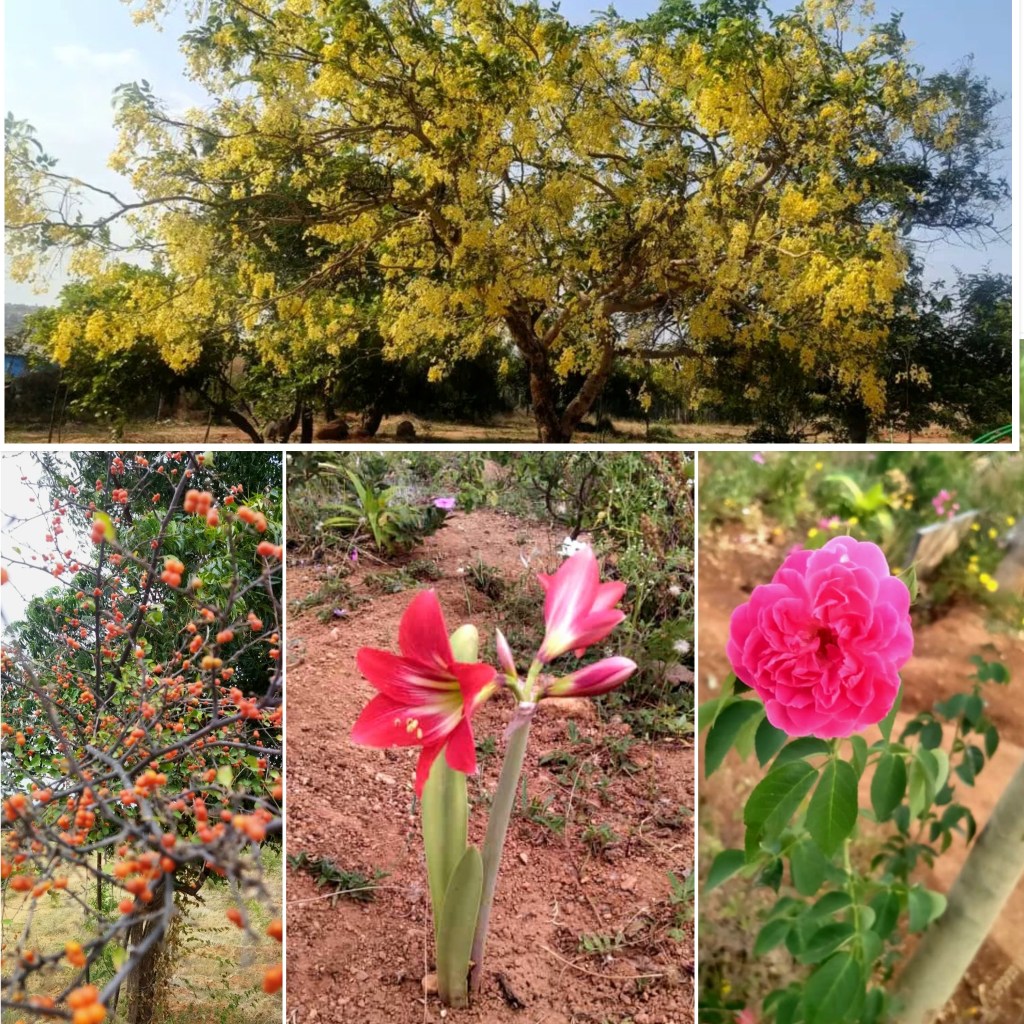
Collections of seeds and Native/Local species

What were the biggest challenges in implementing this project, such as funding, manpower, or climatic conditions?
Biggest challenge in implementing this project was convincing the placement of such waterbodies in the middle of nagarvanams where already the area was less due to terrain. Similar issues are faced everywhere where the site for water bodies is reduced/not available due to encroachment, siltation leading to levelling up and convincing the local stakeholders who are unaware of the importance of creating or reviving such bodies. In Kalyandurga town of Anantapur district people could now see a water body which existed many years back and have became a dumping ground now storing millions of litre of water and the surrounding flora and fauna of the forest is blooming with greenery.
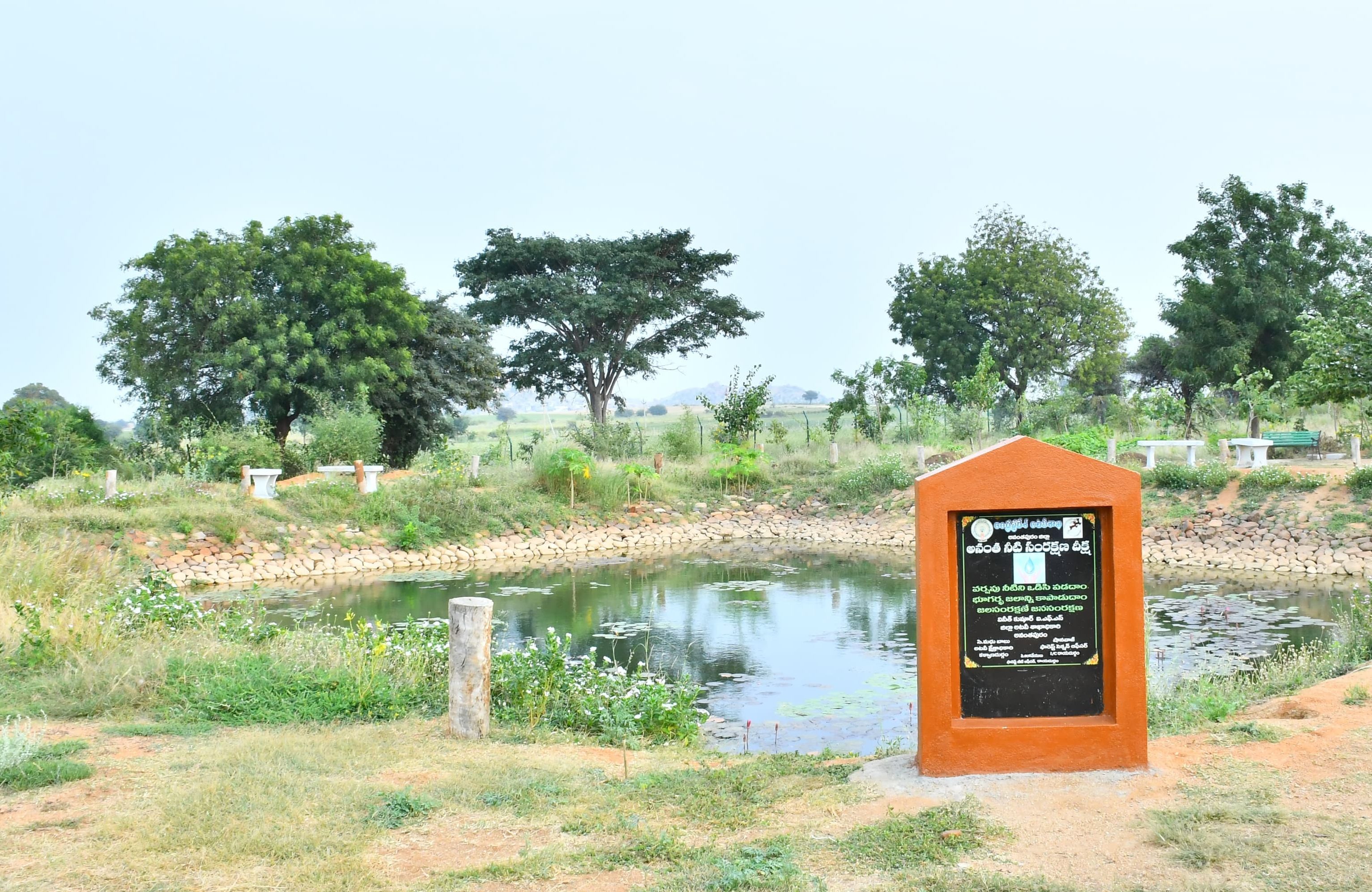
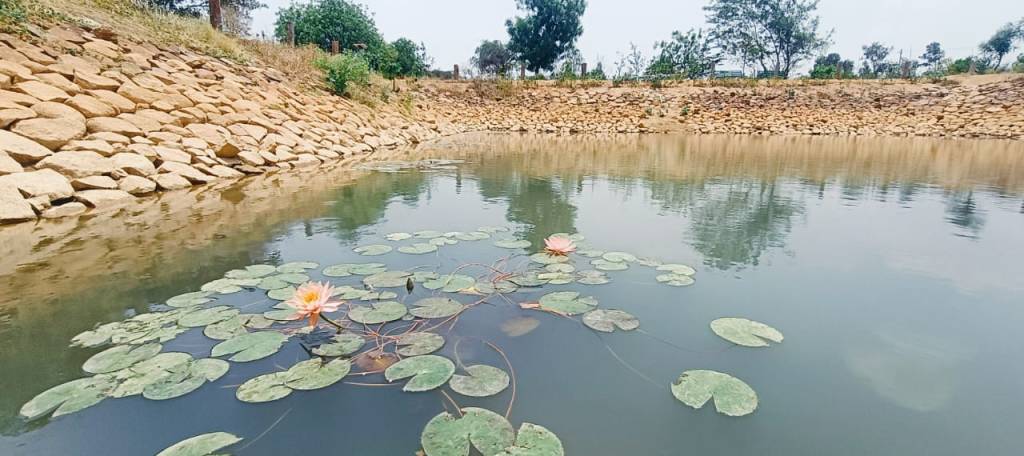
‘Friends Of Forest’
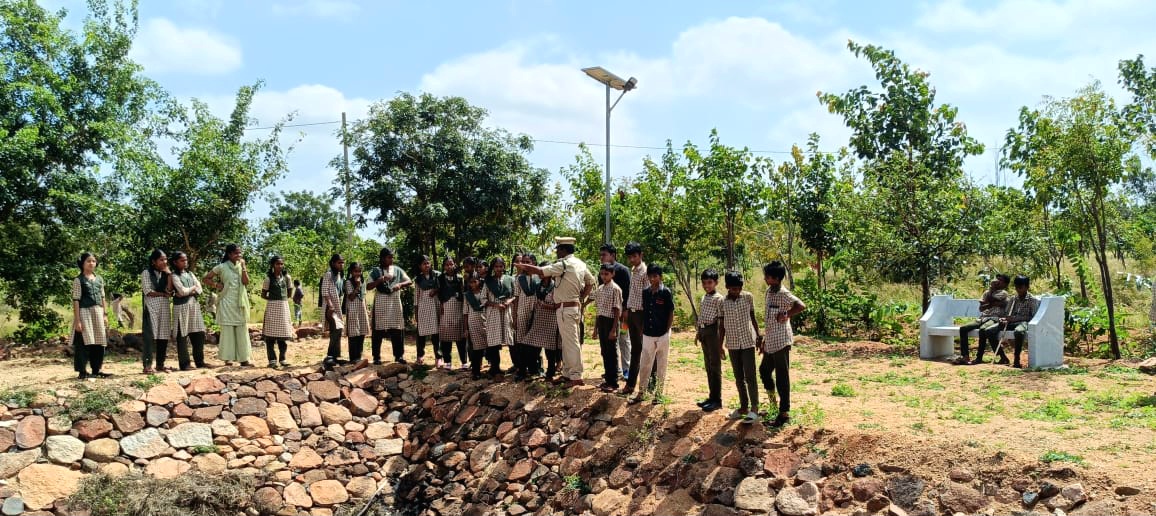
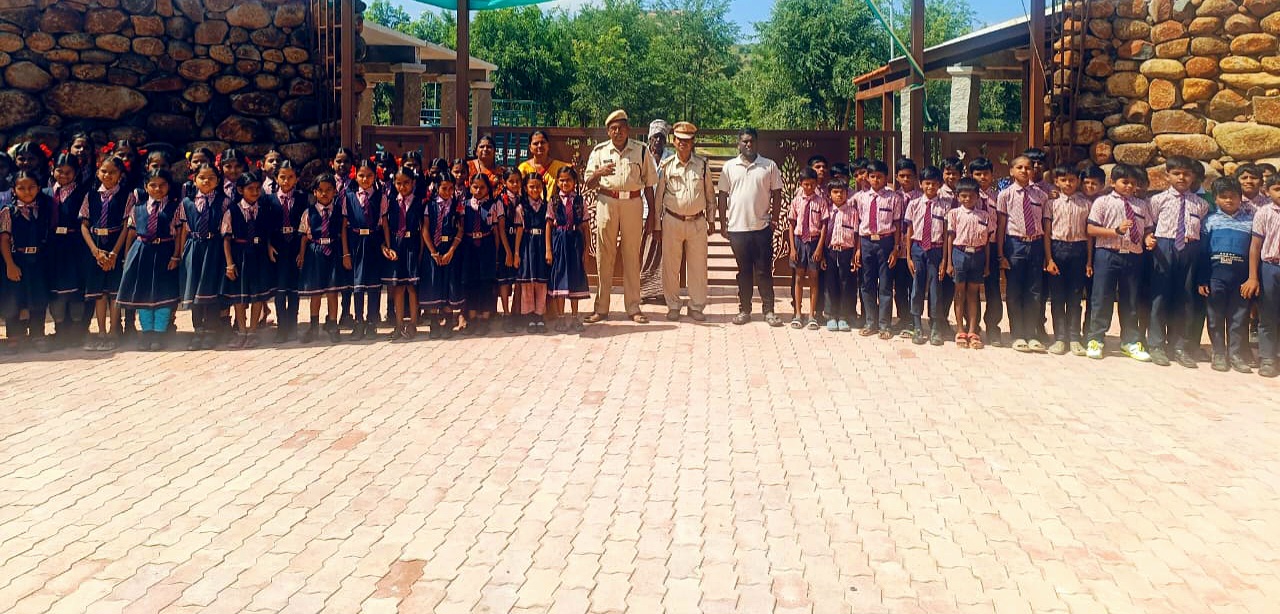
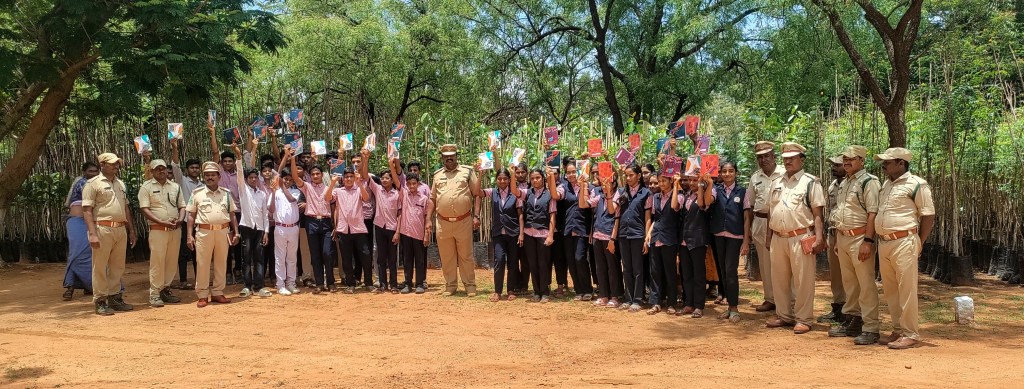
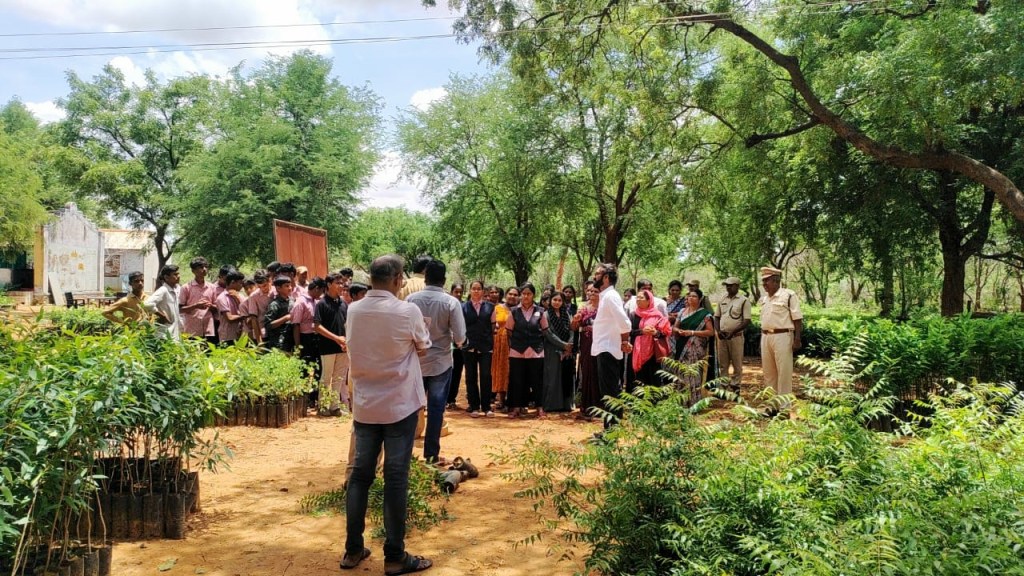
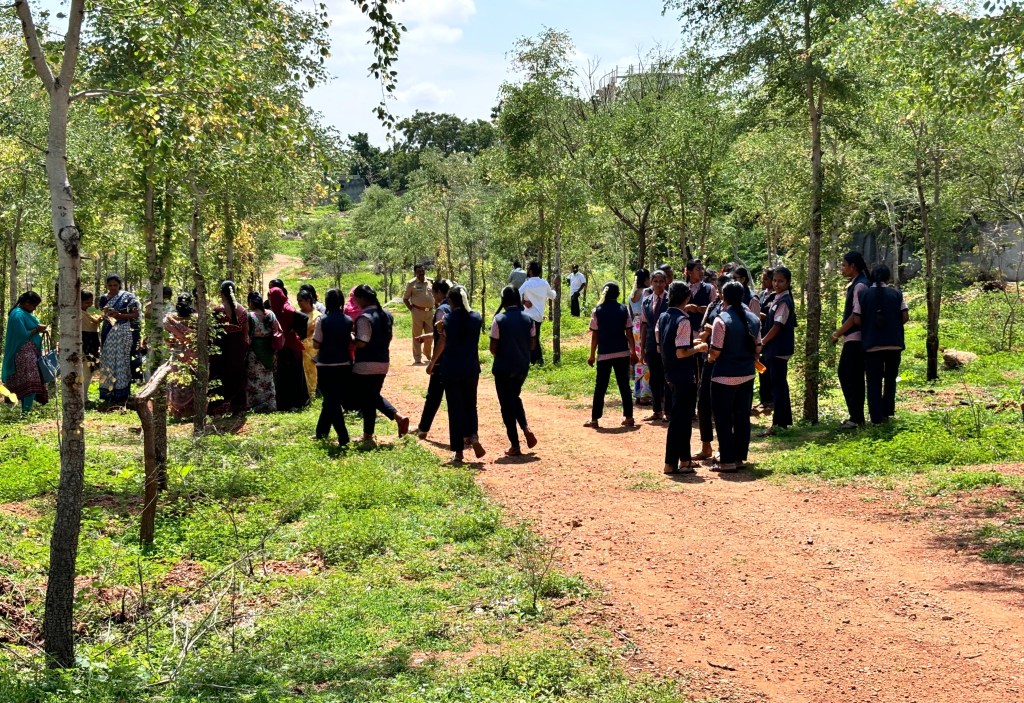
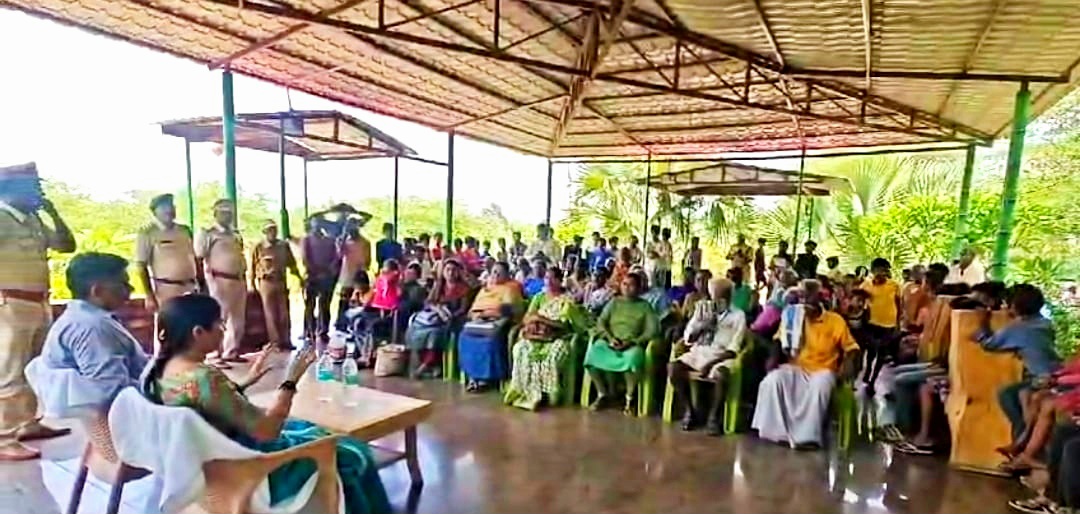
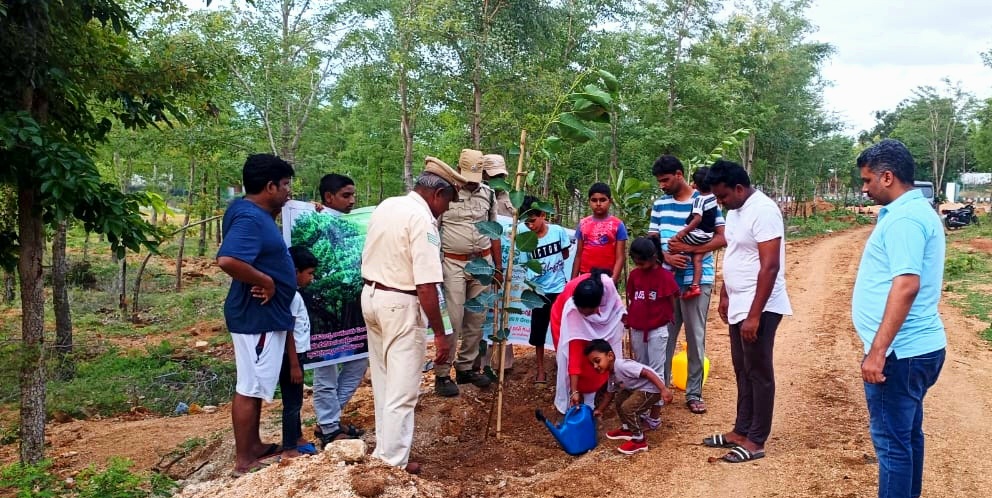
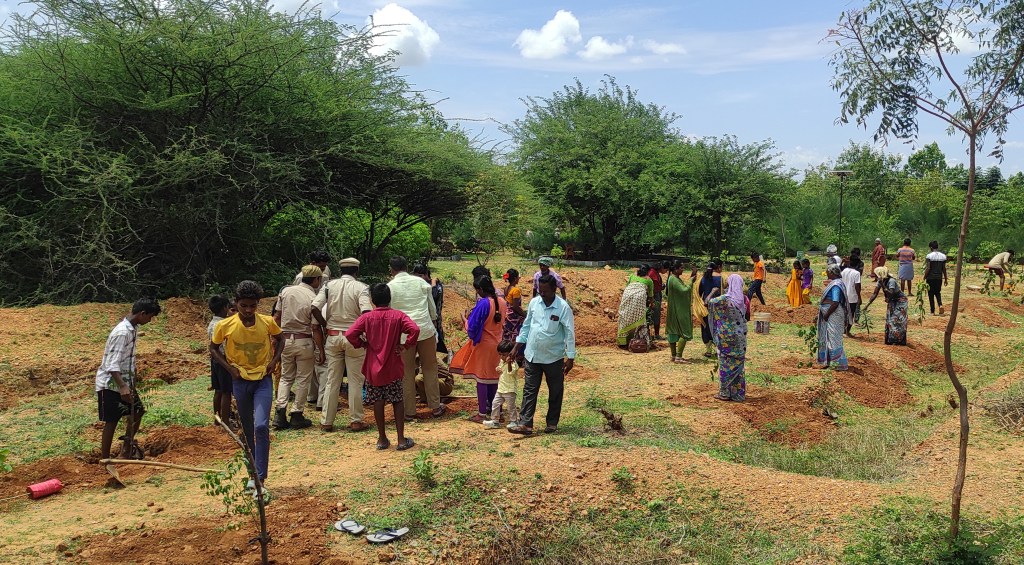
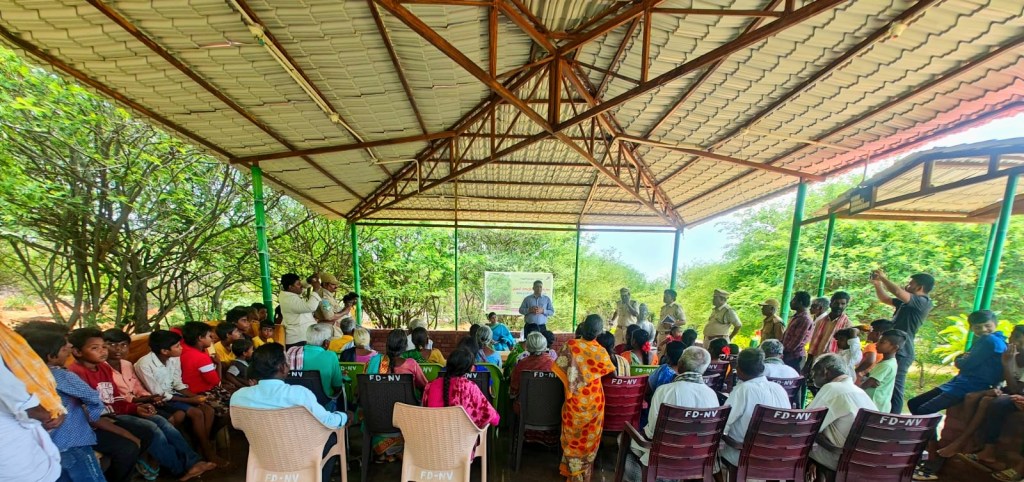
Students, Walker associations, NGOs and community members engage in a water conservation project in Anantapur, Andhra Pradesh, emphasizing local involvement and education. More than 100 walkers are registered now to join hands in conserving and protecting water resources now.
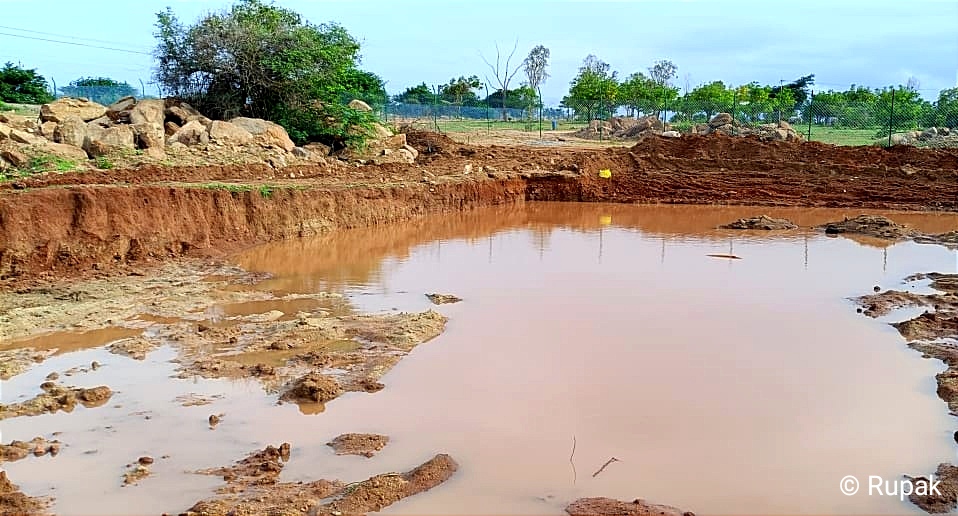
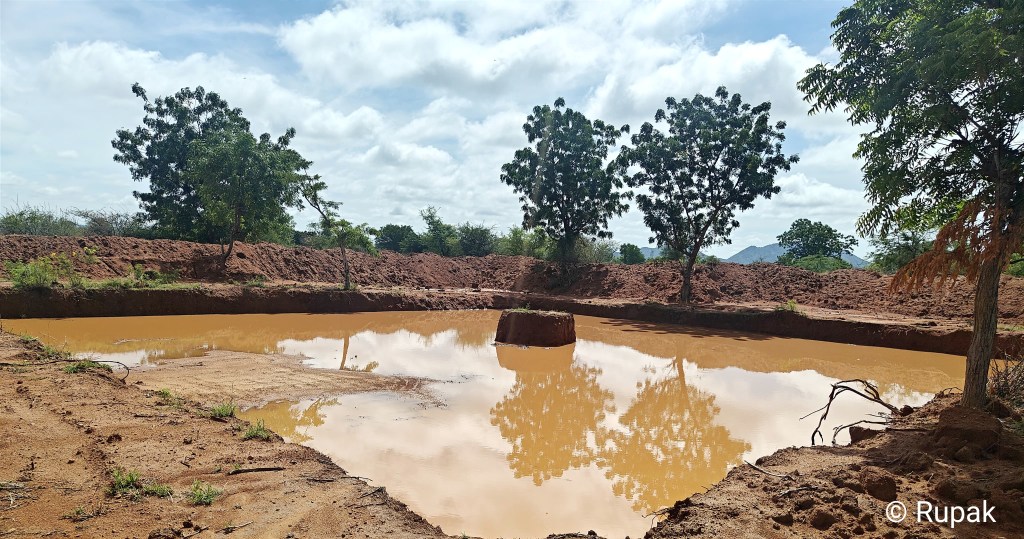
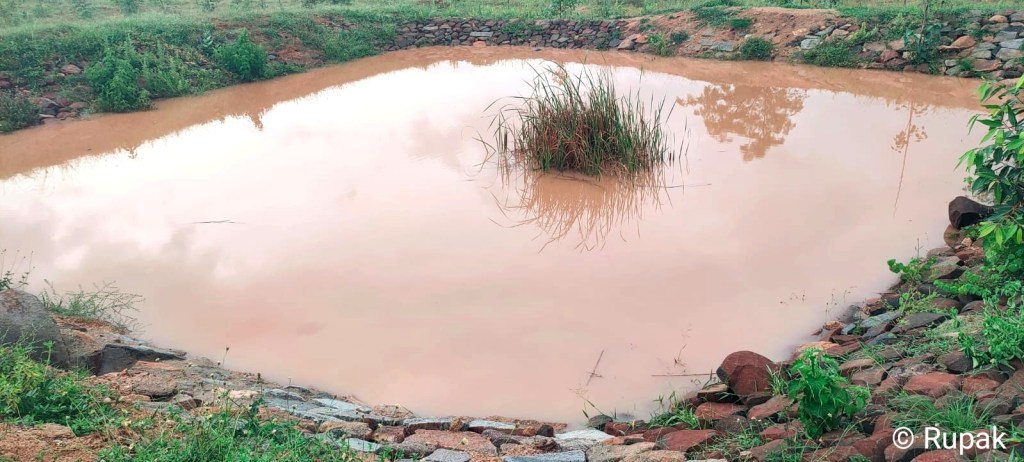
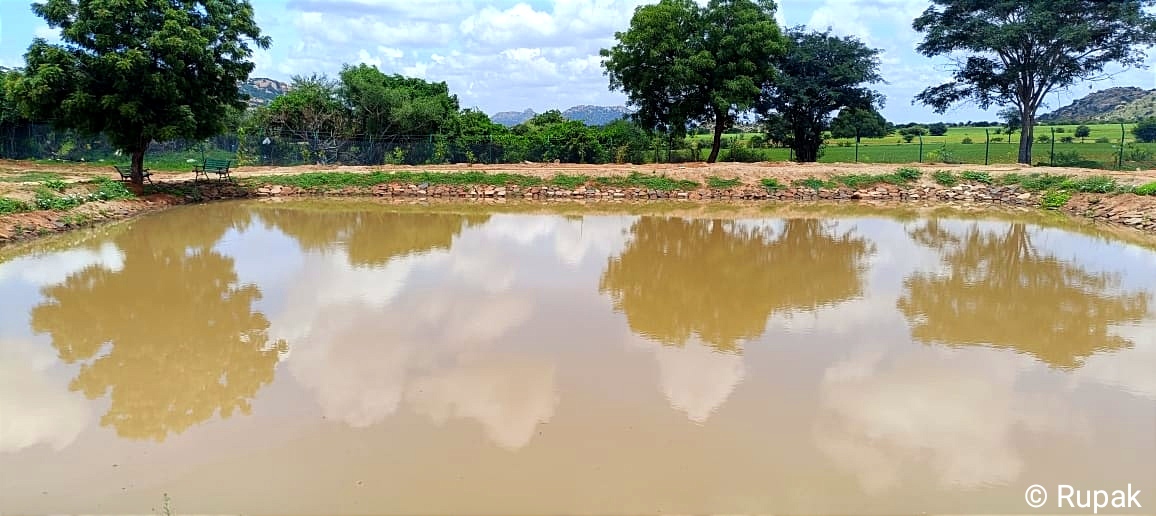
Other water bodies constructed-
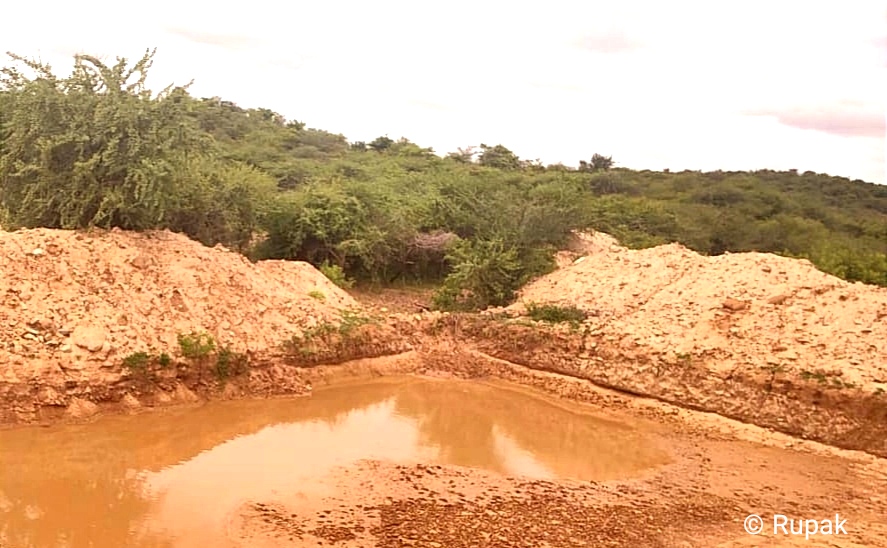
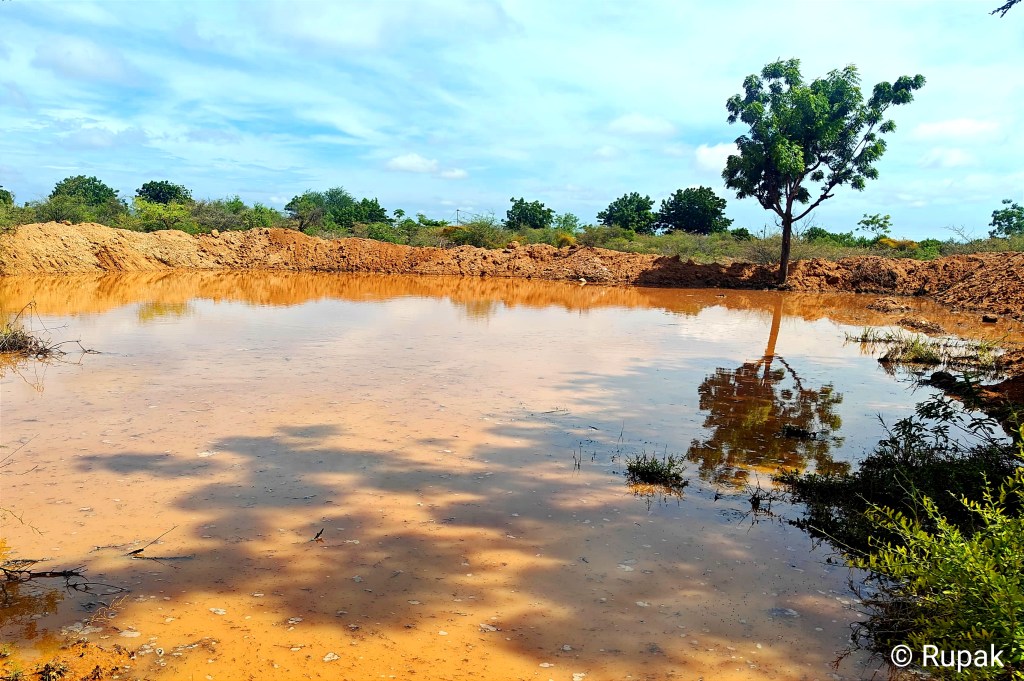
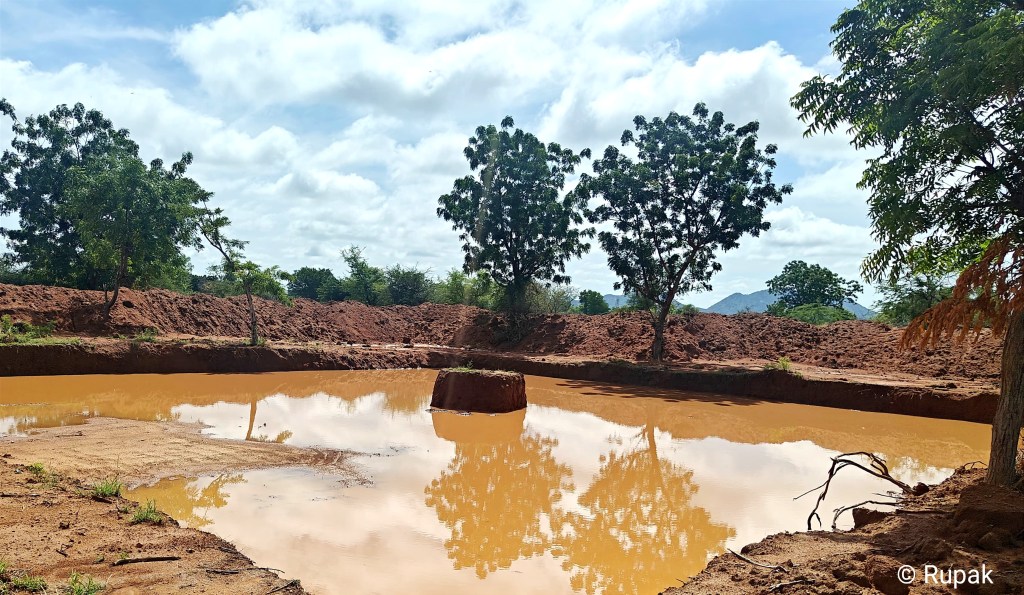
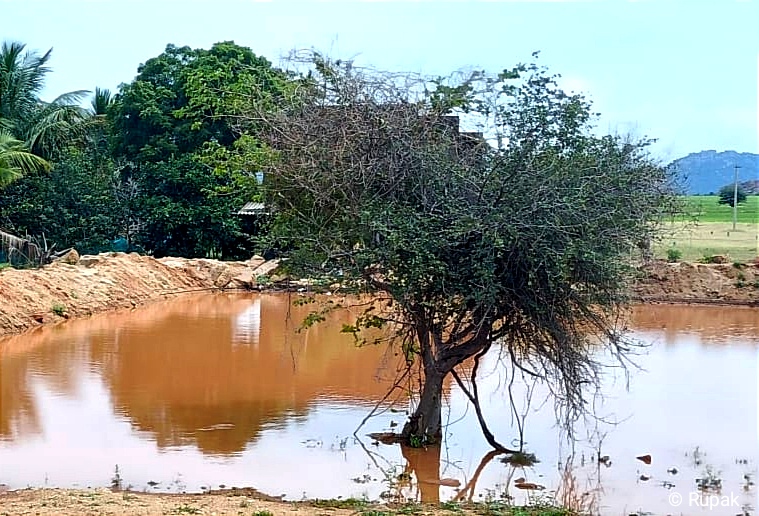

Impacts
Community participation is a Must
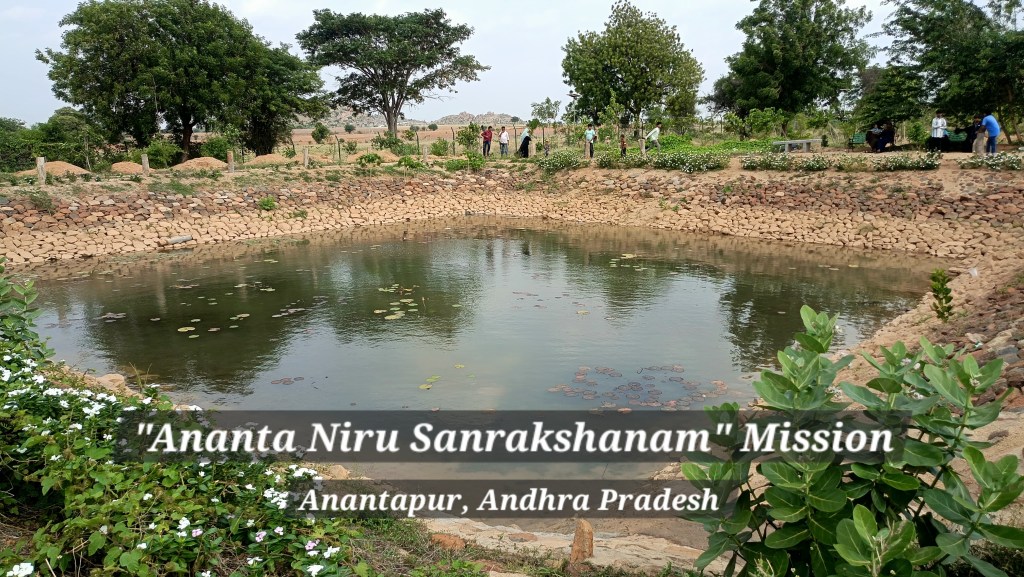
Project by: Vineet Kumar IFS and Rupak Yadav
Disclaimer: The content belongs to the author. Don’t copy it without the permission of author. Every Photo tells a different story in the article.
©️ Copyright Rupak2025. All Rights is Reserved.
Other Publications
The Better India publication
https://thebetterindia.com/427160/vinnet-kumar-ifs-officer-rupak-yadav-revive-water-bodies-in-drought-prone-anatapur-andhra-pradesh/: Ananta Niru Sanrakshanam https://www.facebook.com/100064858355704/posts/1144157827756152/: Ananta Niru Sanrakshanam https://www.linkedin.com/posts/thebetterindia_waterconservation-communityempowerment-sustainabledevelopment-activity-7328337383249076224-H-zH?utm_source=share&utm_medium=member_android&rcm=ACoAADOU7YIB2ejp17X0dTY0HFVWT-3nHOfDIPE: Ananta Niru Sanrakshanam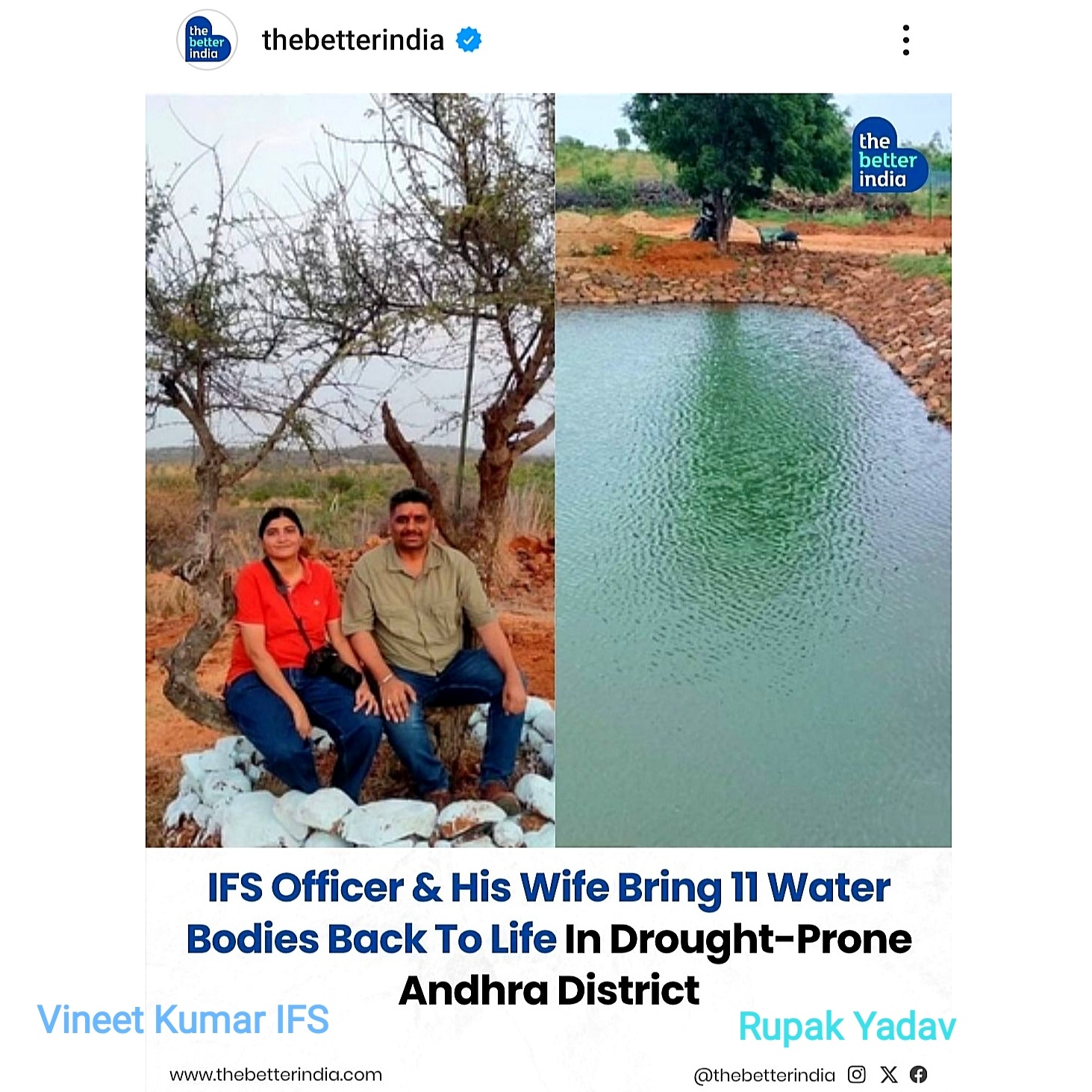

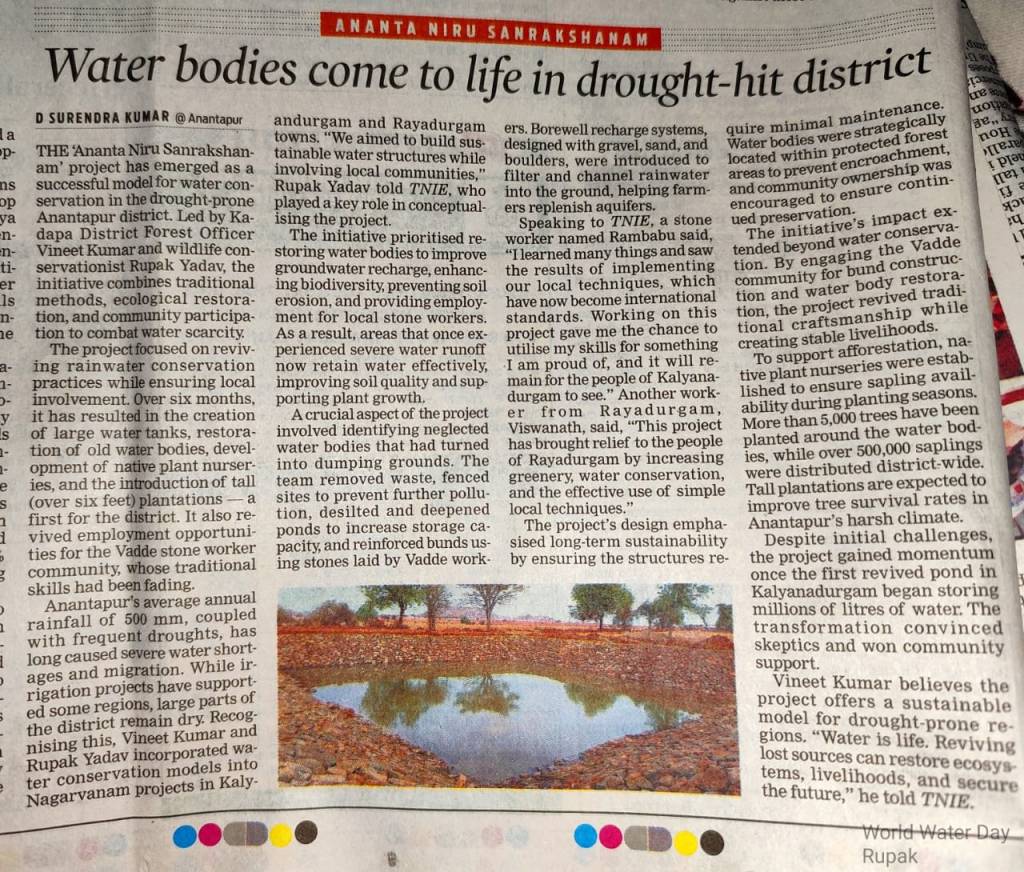
https://www.facebook.com/share/p/17uGTWrKUi/
https://youtu.be/yQkY7NugfiA?si=zcdZHlm29W8YeONE: Ananta Niru Sanrakshanam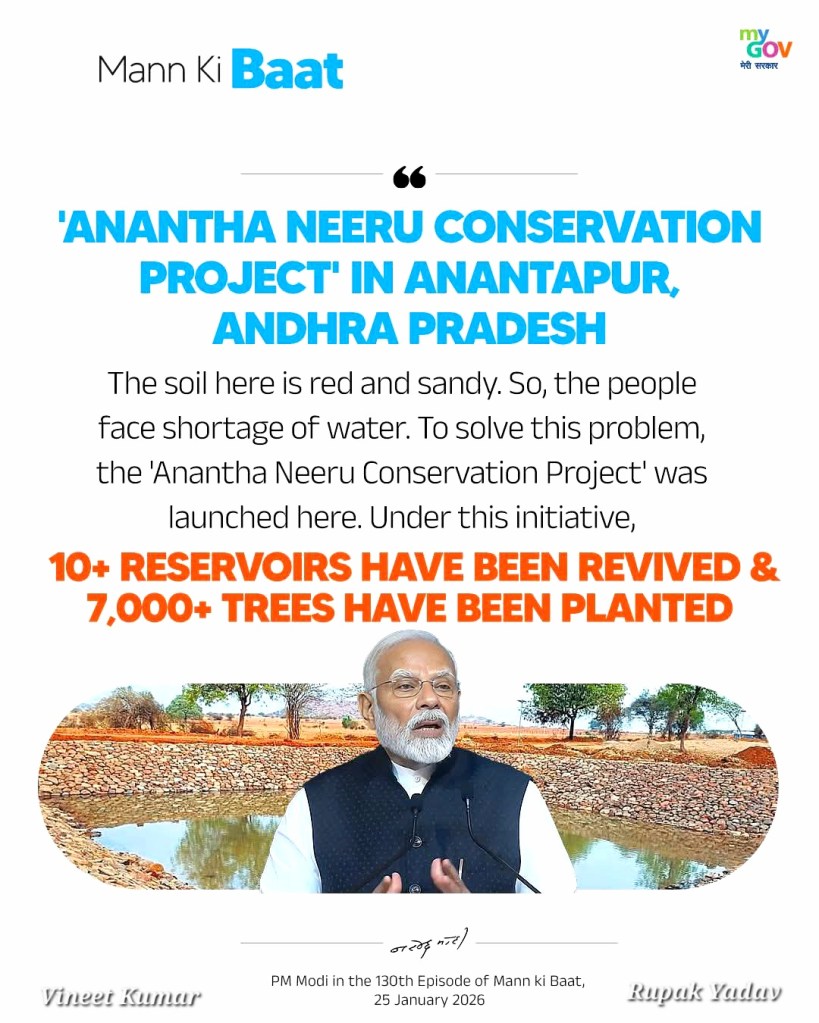
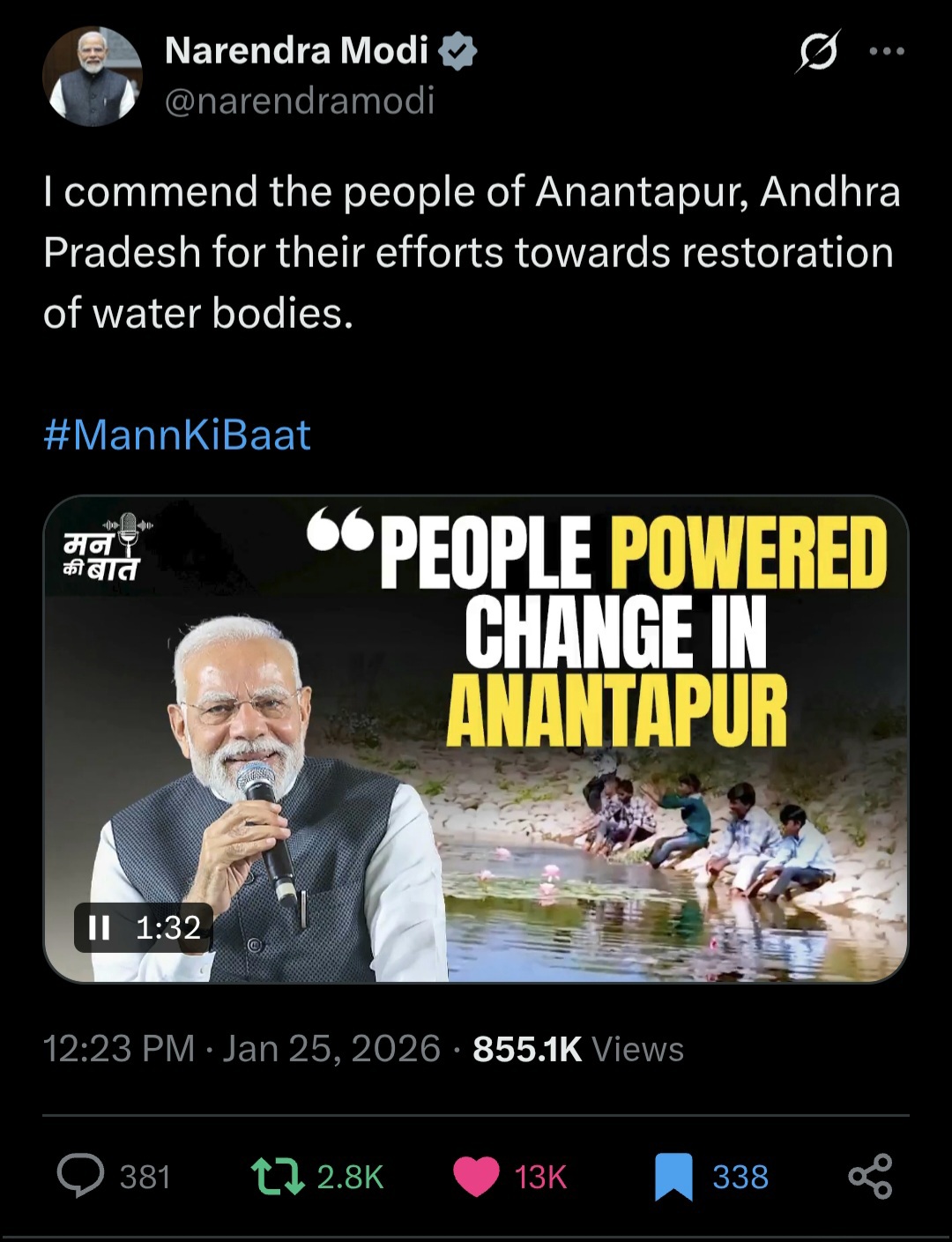
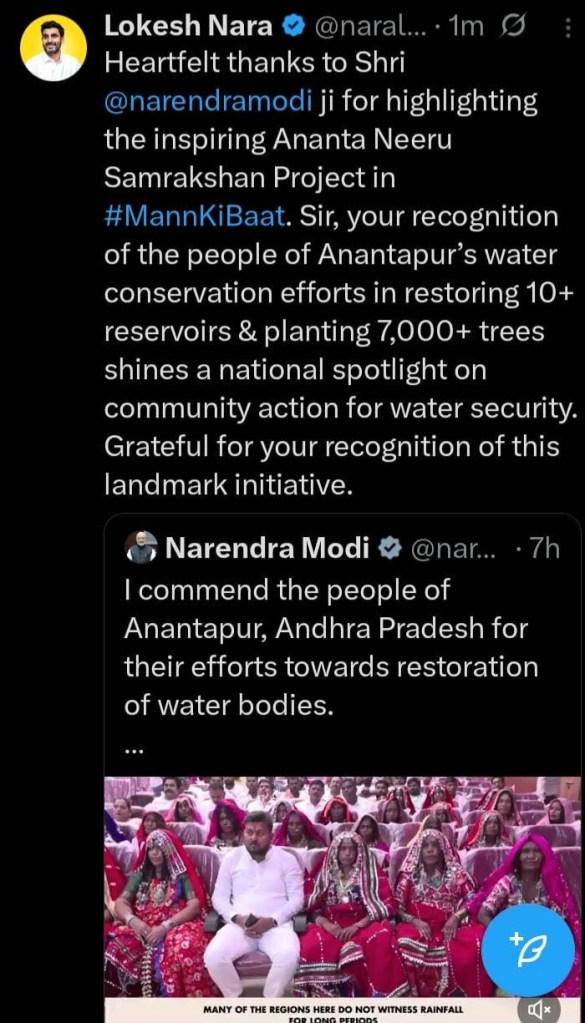
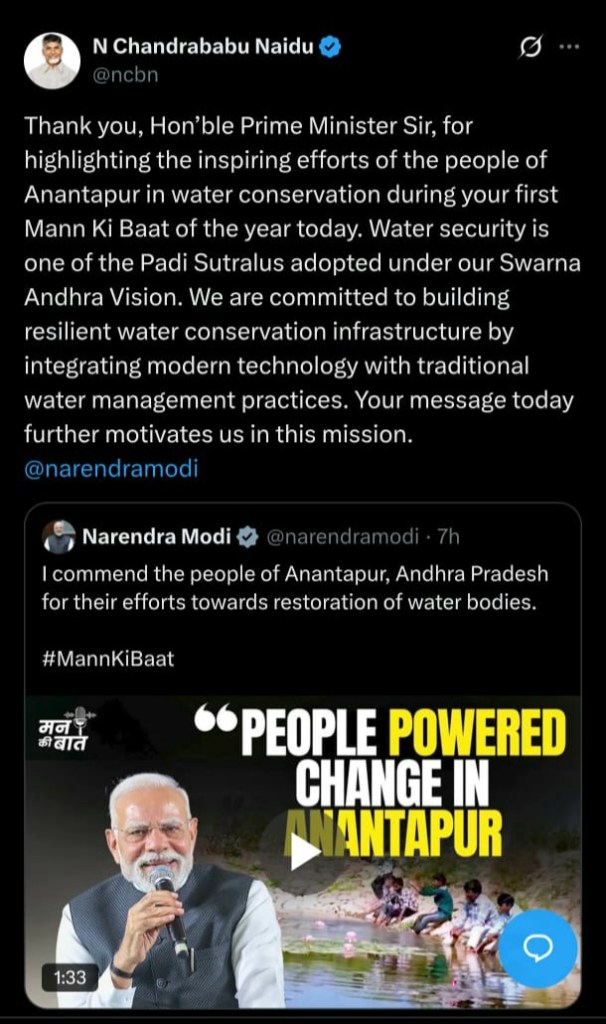
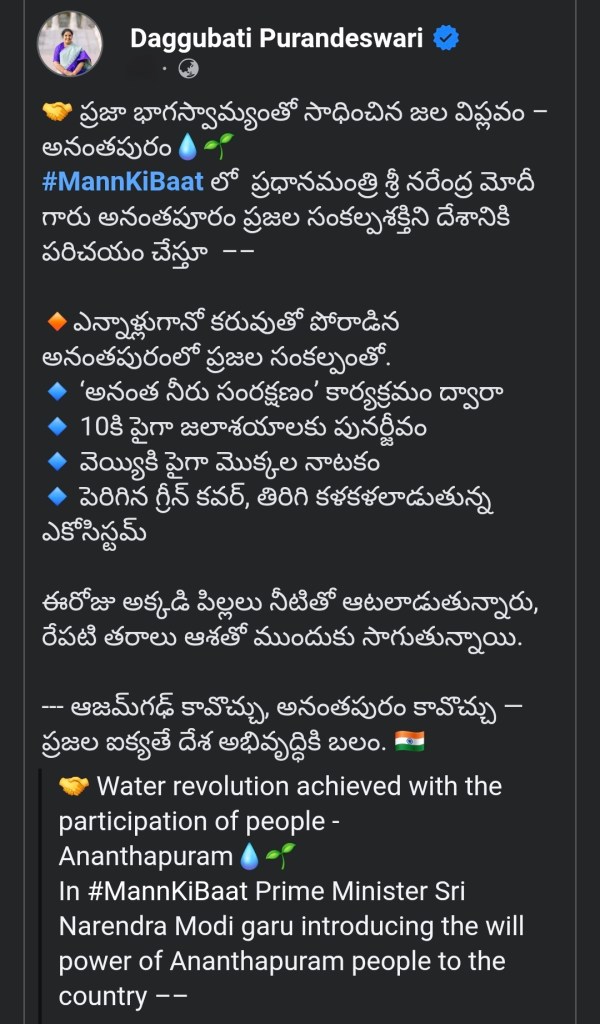
: Ananta Niru Sanrakshanam
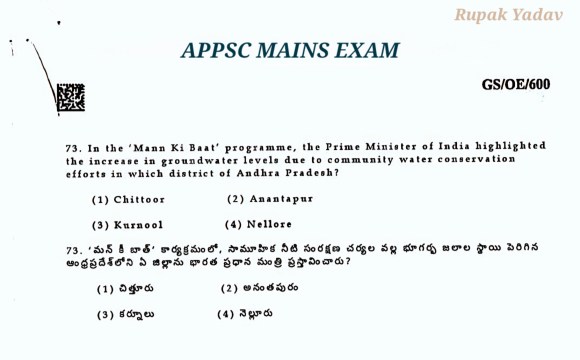
A question on our efforts on Water Conservation project “Ananta Niru Sanrakshanam” mentioned by PM Shri Narendra Modi sir in “Mann Ki Baat” program, in APPSC FBO & ABO Mains exam GS & MA on 9th Feb 2026.
73. In the ‘Mann Ki Baat programme, the Prime Minister of India highlighted the increase in groundwater levels due to community water conservation efforts in which district of Andhra Pradesh? (1) Chittoor(2) Anantapur(3) Kurnool(4) Nellore
73. ‘మన్ కీ బాత్’ కార్యక్రమంలో సామూహిక నీటి సంరక్షణ చర్యల వల్ల భూగర్భ జలాల స్థాయి పెరిగిన ఆంధ్రప్రదేశ్ లోని ఏ జిల్లాను భారత ప్రధాన మంత్రి ప్రస్తావించారు?(1) చిత్తూరు(2) అనంతపురం(3) కర్నూలు(4) నెల్లూరు


 Rupak🌱