Gundla Brahmeswaram: The Land of Tigers, God, Trees,and Foresters
Introduction
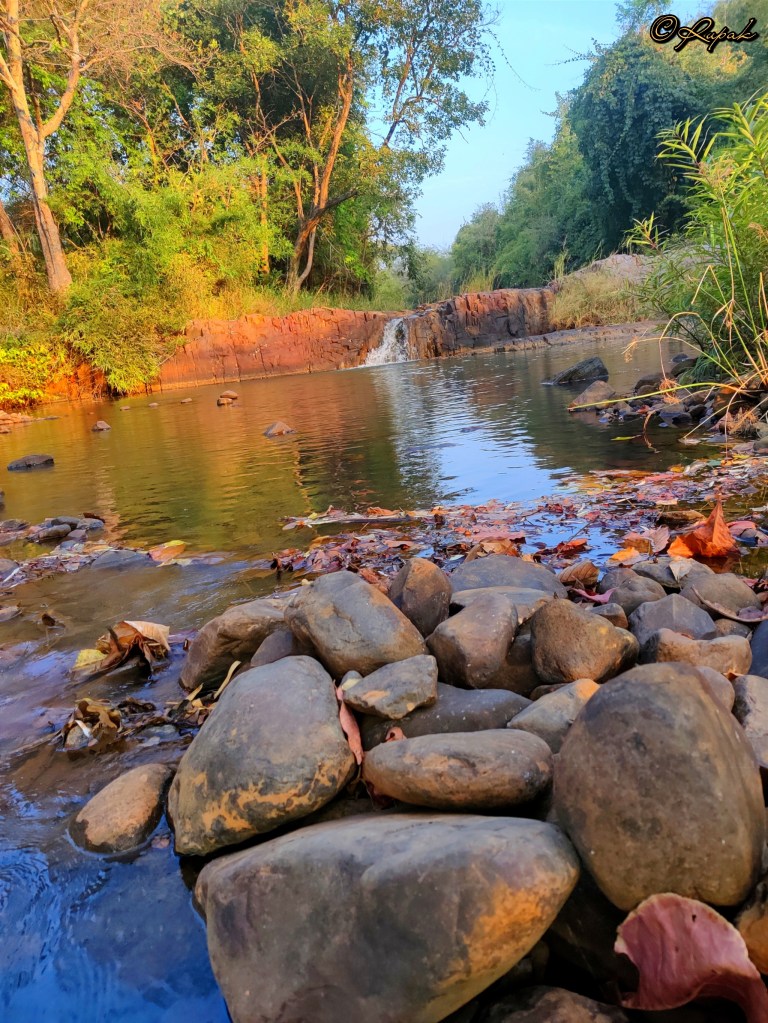
The Gundla Brahmeswaram Wildlife Sanctuary popularly known as GBM sanctuary, the heart of pristine Nallamala forest. It is the land of Tigers and God. GBM is situated in the Nallamalais which is an offshoot of southern eastern ghats in Nandyal district, Andhra Pradesh, India. The Northern part of this sanctuary forms a major part of the Southern boundary for Nagarjunasagar Srisailam Tiger Reserve.

GBM is located between two important hill passes known as “Mantralamma Kanuma and Nandi Kanuma” in Nandyal and Prakasam districts of Andhra Pradesh. The total area 1,19,368.46 Ha. or approximately 1194km2 of area constitute the Gundla Brahmeswaram Wildlife Sanctuary.
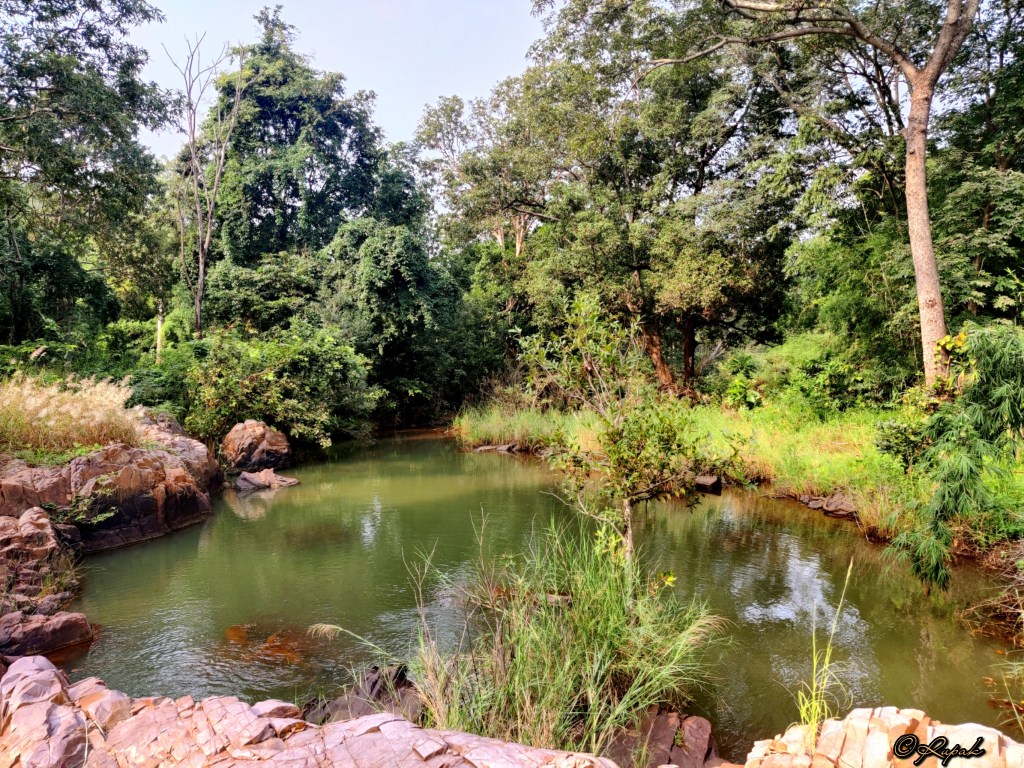
The Sanctuary was declared as Gundla Brahmeswaram Wildlife Sanctuary under 26-A of Wildlife (Protection) Act, 1972 and notified 27-06-1998. Now that the Sanctuary is a part of the extended core of the Nagarjunasagar Srisailam Tiger Reserve (NSTR) , it is being managed under the approved Tiger Conservation Plan (2013-14 to 2022-23).
” GBM Sanctuary is the heart of pristine Nallamala forests”
Topography
Most of this sanctuary is hilly terrain with plateaus, ridges, gorges and deep valleys which support tropical moist and dry deciduous mixed forests.

The terrain is undulating, interrupted with hillocks of igneous rocks. The hills ranges consist of a continuous range of unbroken rugged and fairly steep hills with an average elevation 600 mts running in North-South direction from Gundla Brahmeswaram plateau in the North to the District boundary in the South with an approximate length of 46 kms and average width of 27 kms.

The Plateau of Gundla Brahmeswaram is the highest of all with an average elevation of 760 meters and it is characterized by low hills and flat country descending on the west into the plains of Velugode and Nandyal and ascending sharply towards east supporting some of the best timber especially with old Teak plantations, Preservation plots and Bamboo forests in G.B.M sanctuary.
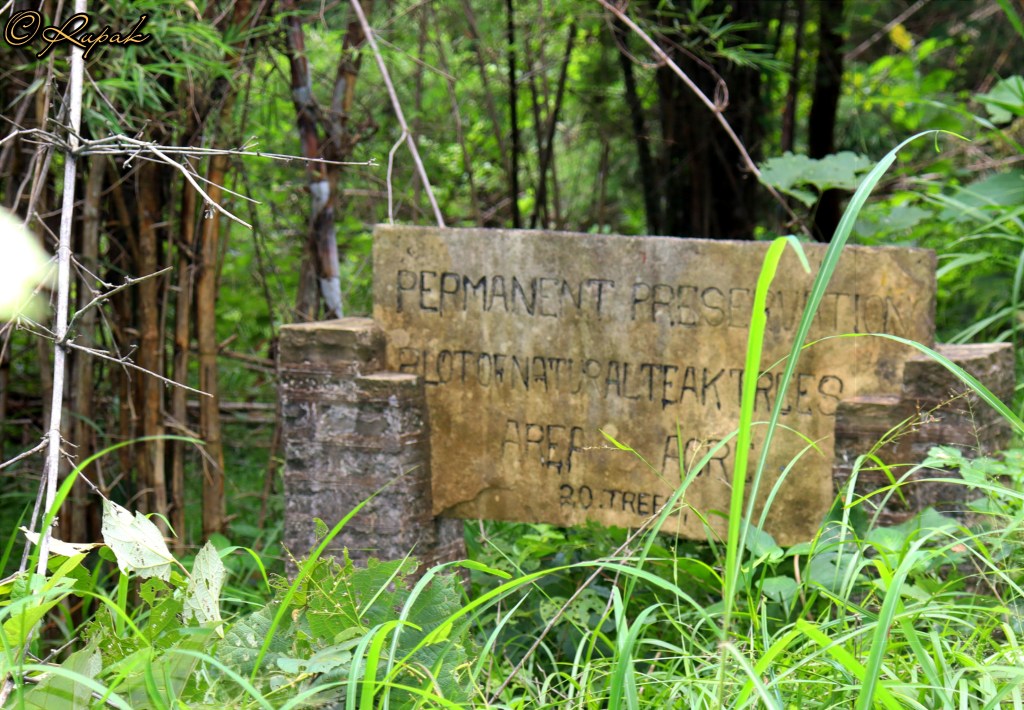
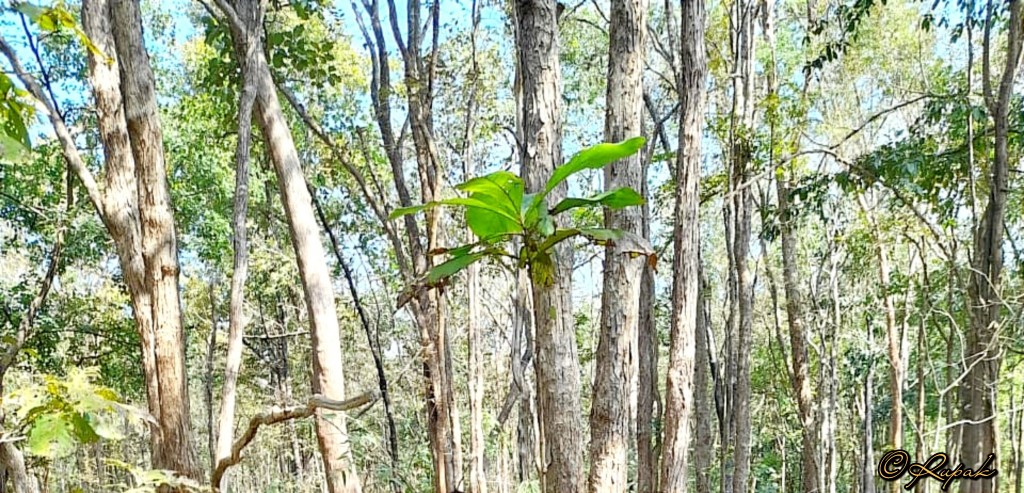


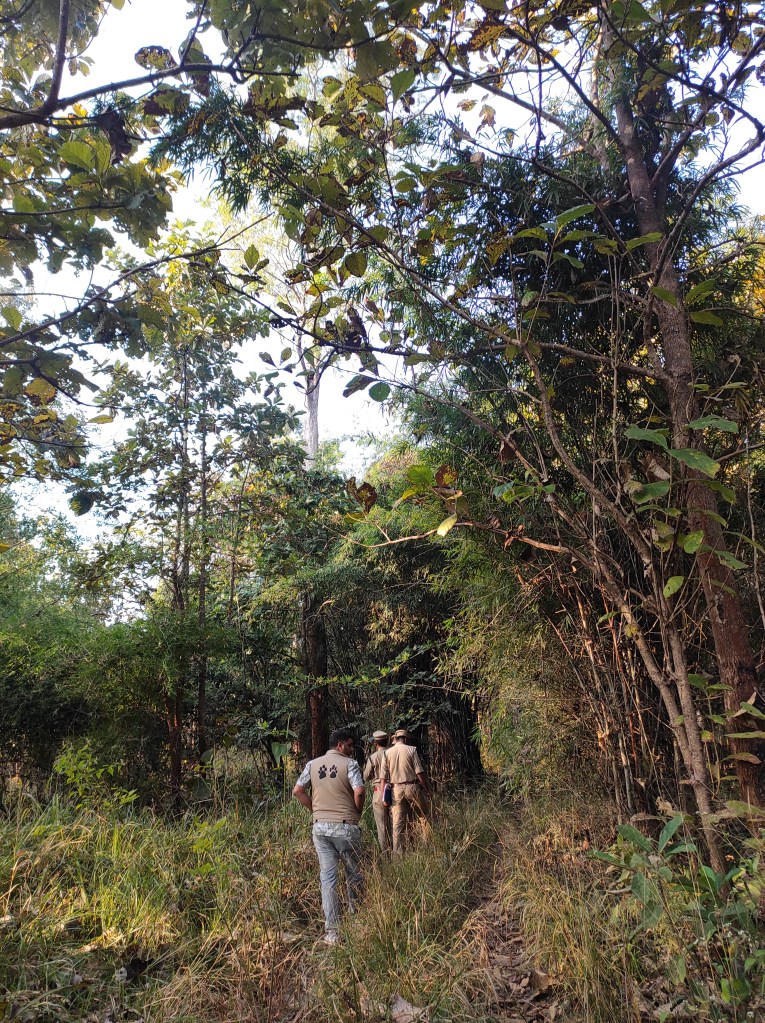
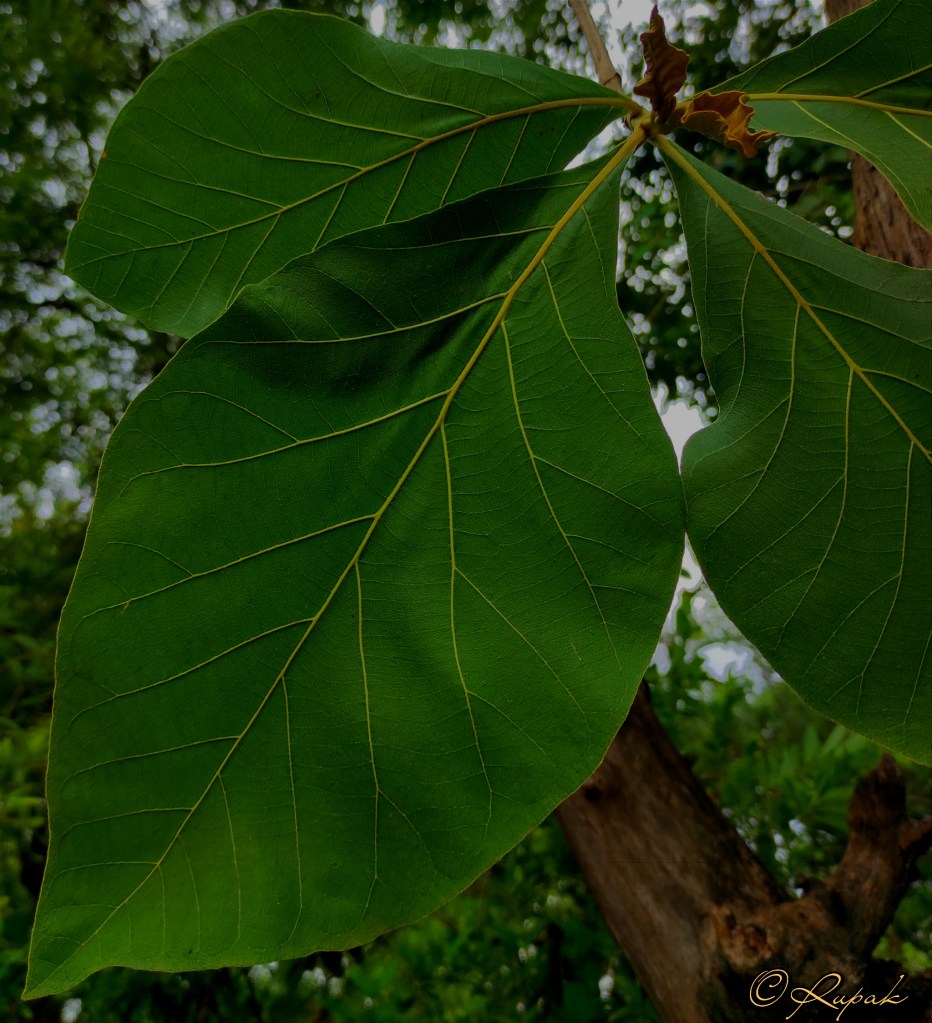
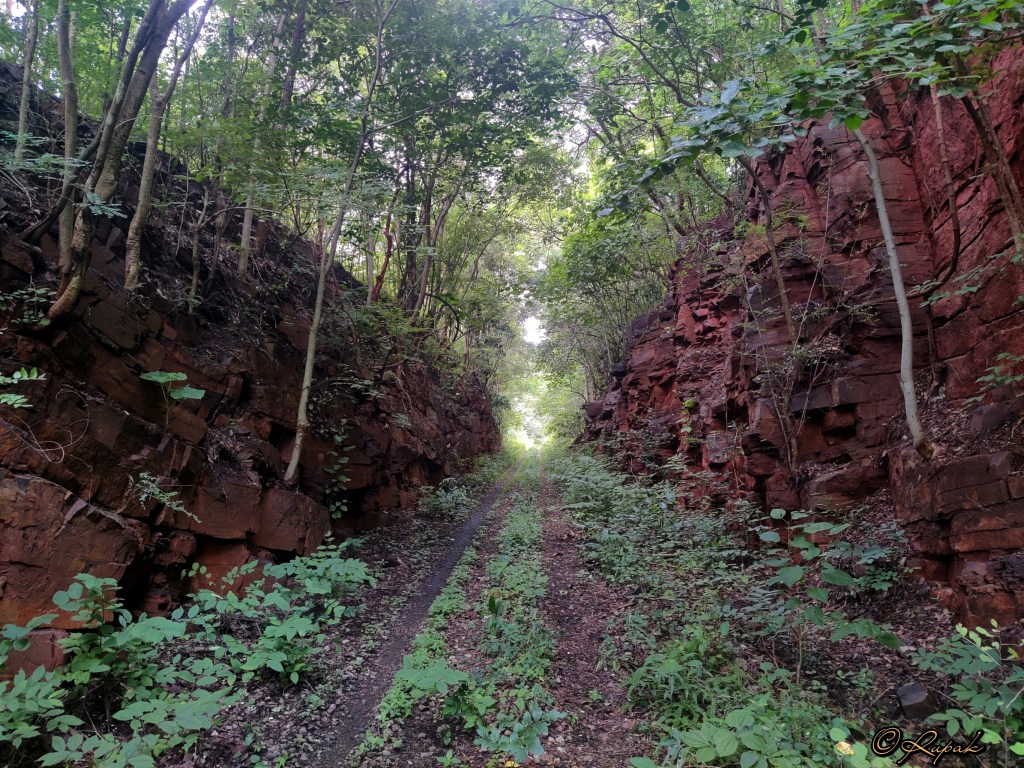
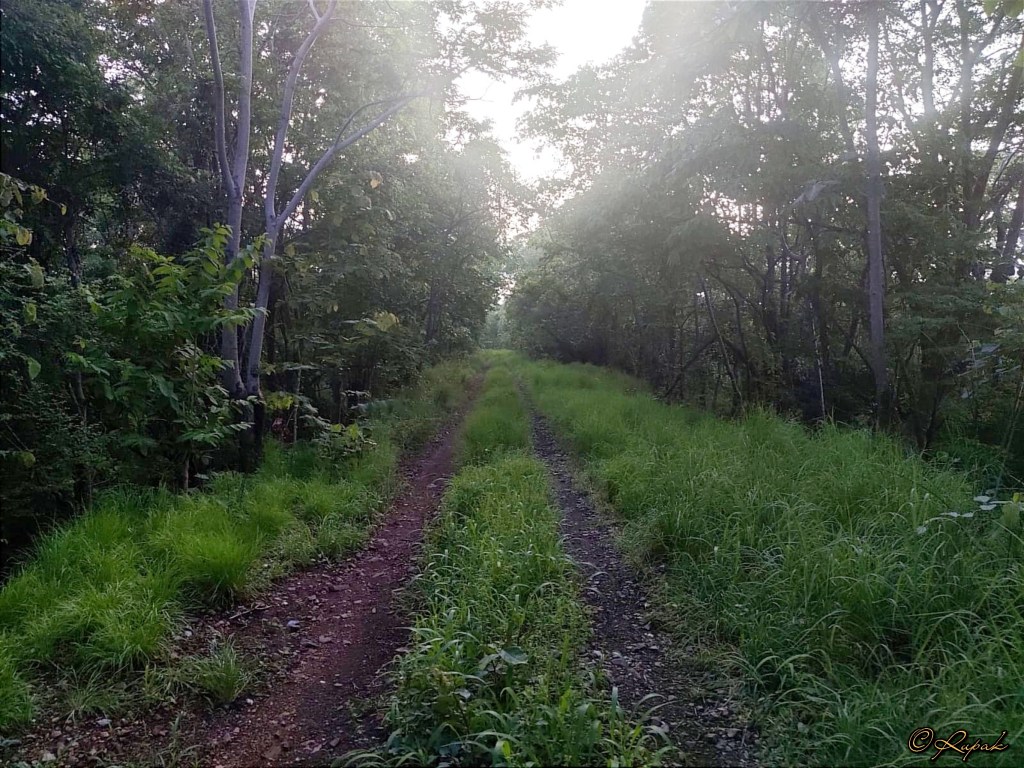
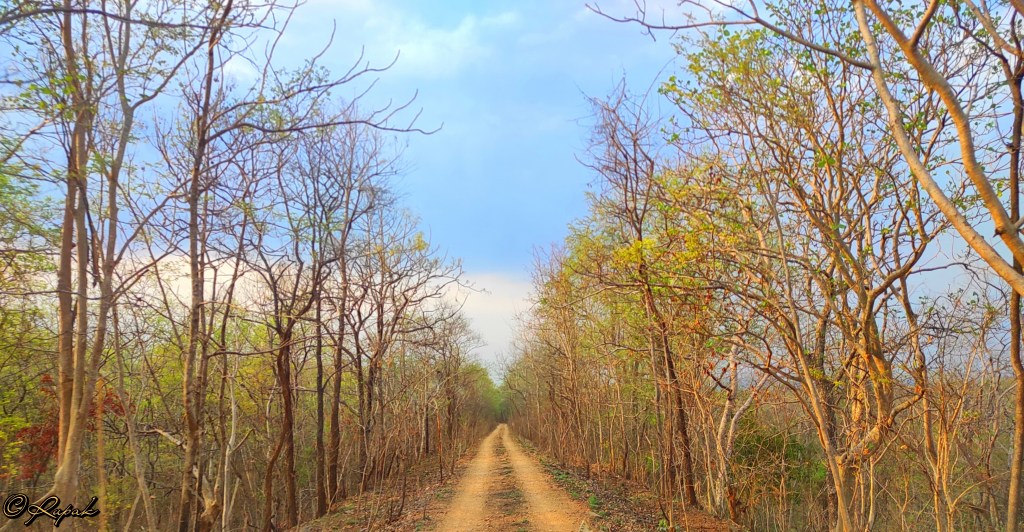
These are the heritage plantations grown by Britishers. They travelled through the extreme interior of nallamala and planted teak forests. Later, for harvesting them, internal forest roads of 100 kms were laid crisscrossing the hills and deep valleys of the nallamala.


Vegetation and Biodiversity
The GBM sanctuary is full of mosaics of Geo-Morphological, Floristic and a variety of Faunal species. The forests of the sanctuary are dry mixed deciduous forests with an under growth of Bamboo, thorn scrub forests with much Euphorbia scrub and other grasses.
Flora

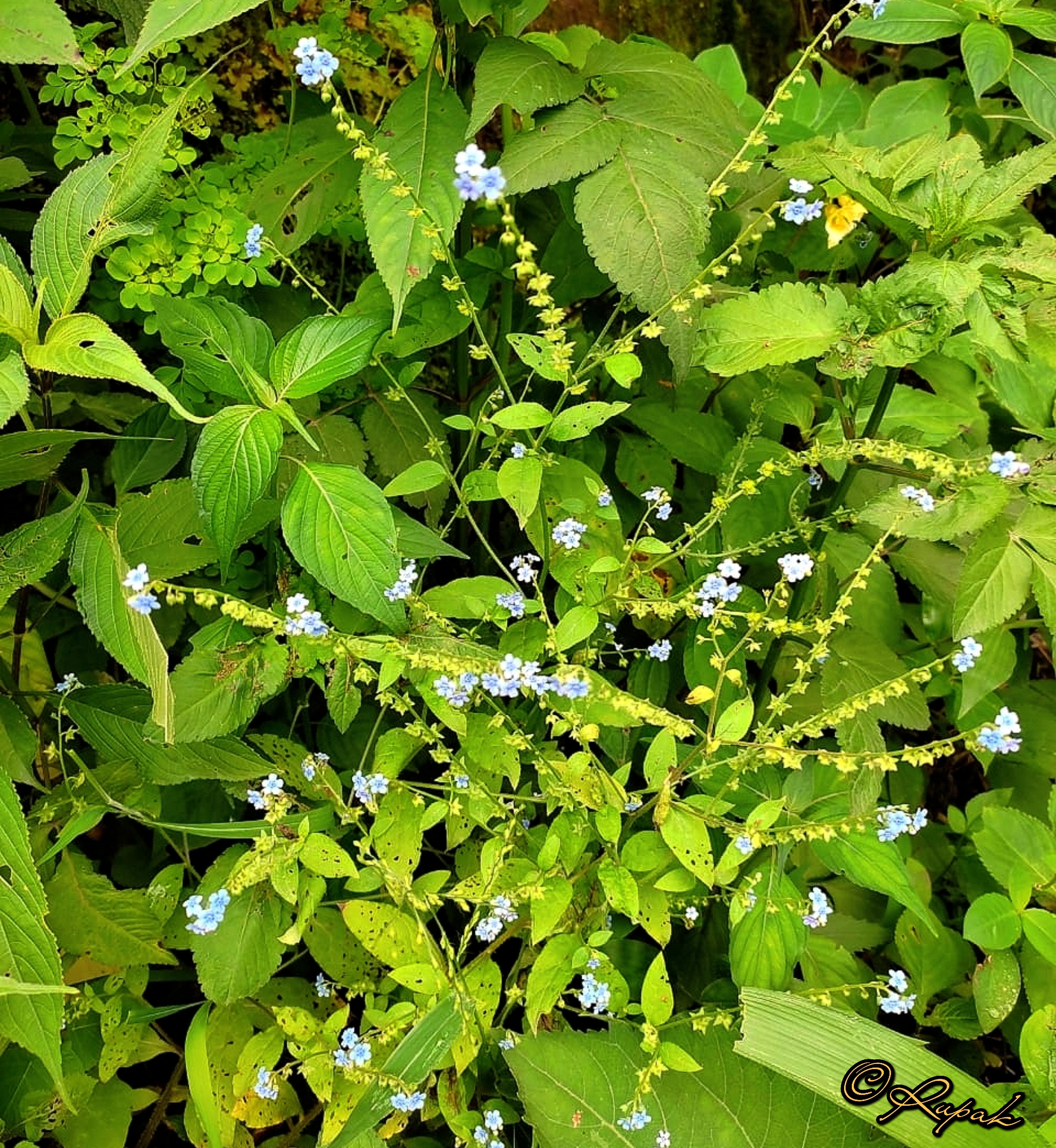
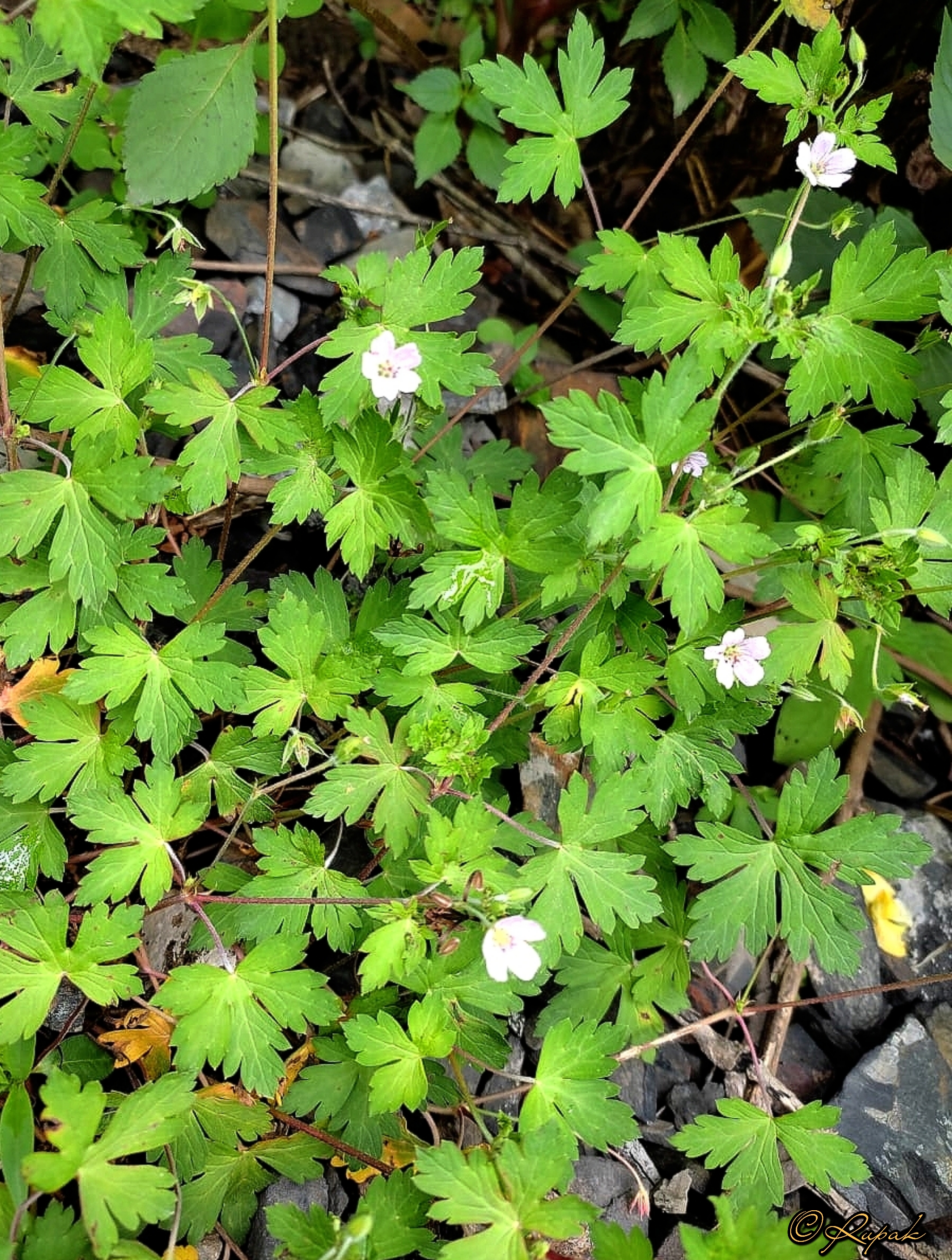
The Nallamala forest is magical. This is the most pristine forest in the country. There are around 88 species of medicinal plants out of 353 found in nallamala only. The ethno-botanical knowledge of the local tribes is great. They are talented enough to find these medicinal species in this large forest. Medicinal plants have always been considered a healthy source of life for all people.
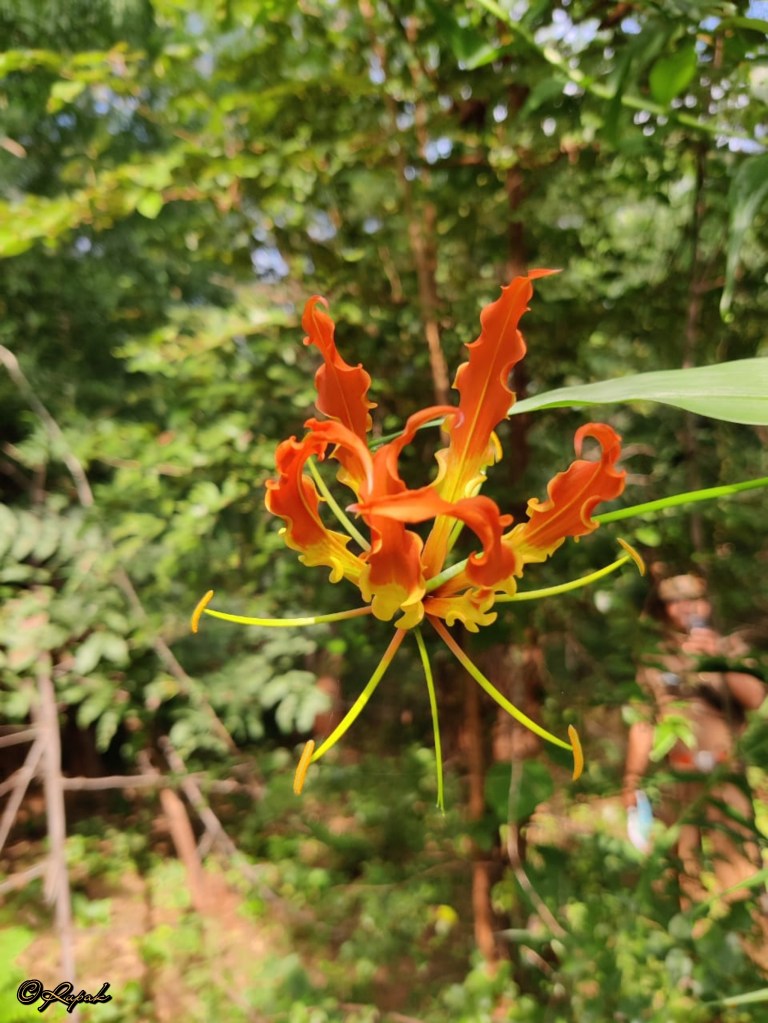
Some medicinal plants in the Sanctuary are:
- Gloriosa superba
- Hemidesmus indicus
- Moringa
- Decalapis
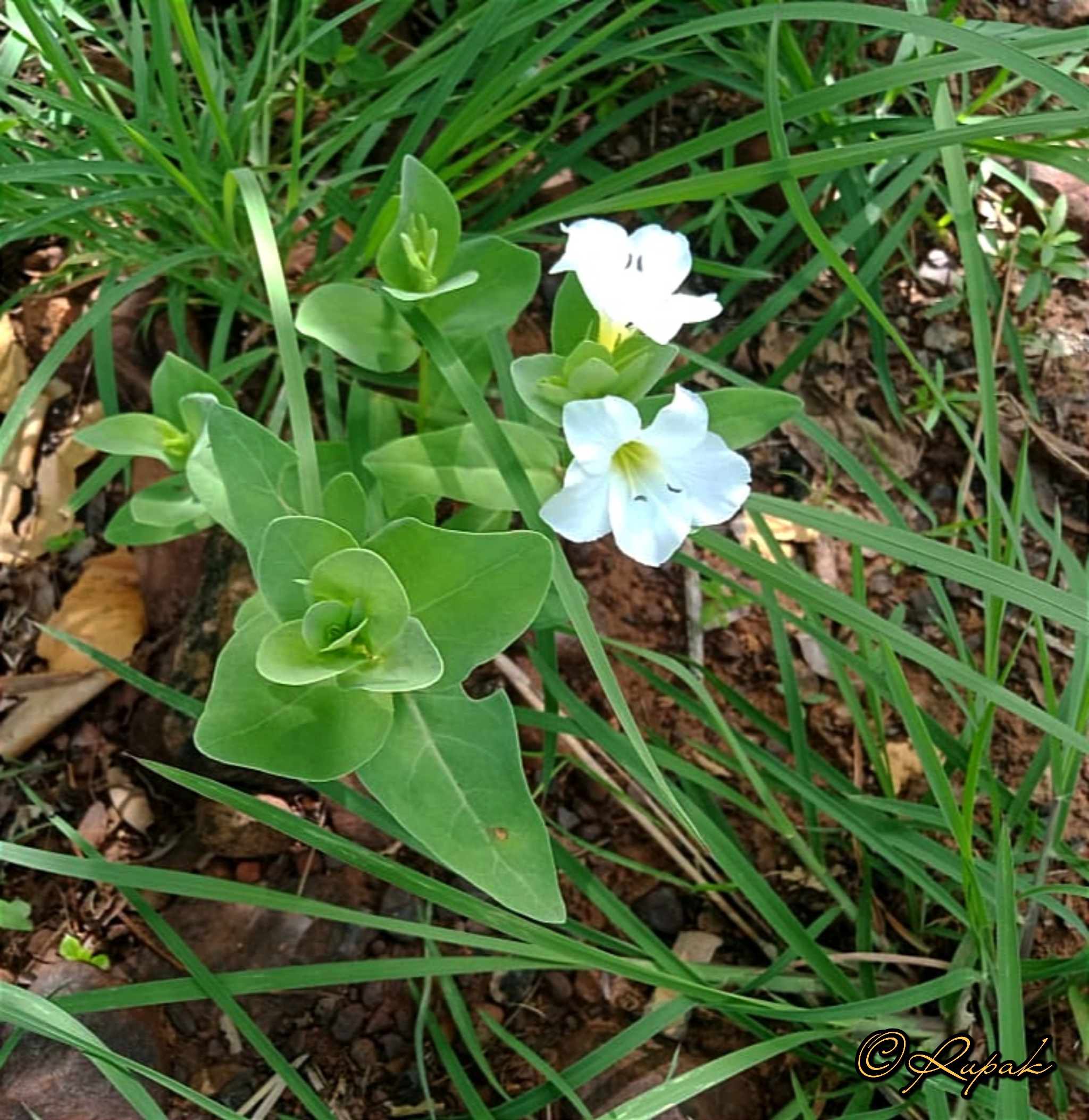
- Hybanthus enneaspermus
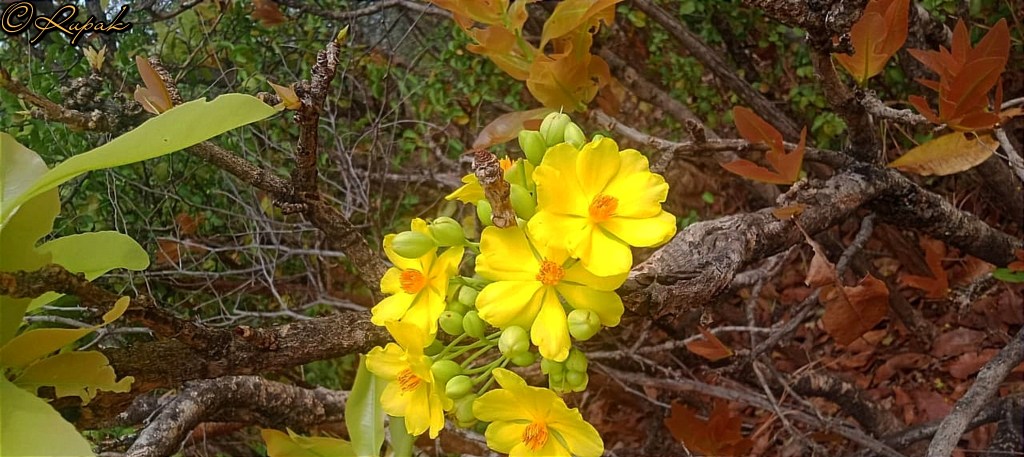
- Cochlospermum
- Arisaema
- Ficus racemosa
- Solanum
- Schribera
- Gymnea
- Plumbago
- Strychnos
- Aristilochia
- Costus
- Vandas
- Smilax
- Alstonia
- Chlorophytum
- Careya
- Andrographis
- Dalbergias
- Dillenia
- Cassia auriculata
- Givotea
- Terminalia bellarica
- Madhuca
- Cucumeria
- Pterocarpus, etc.
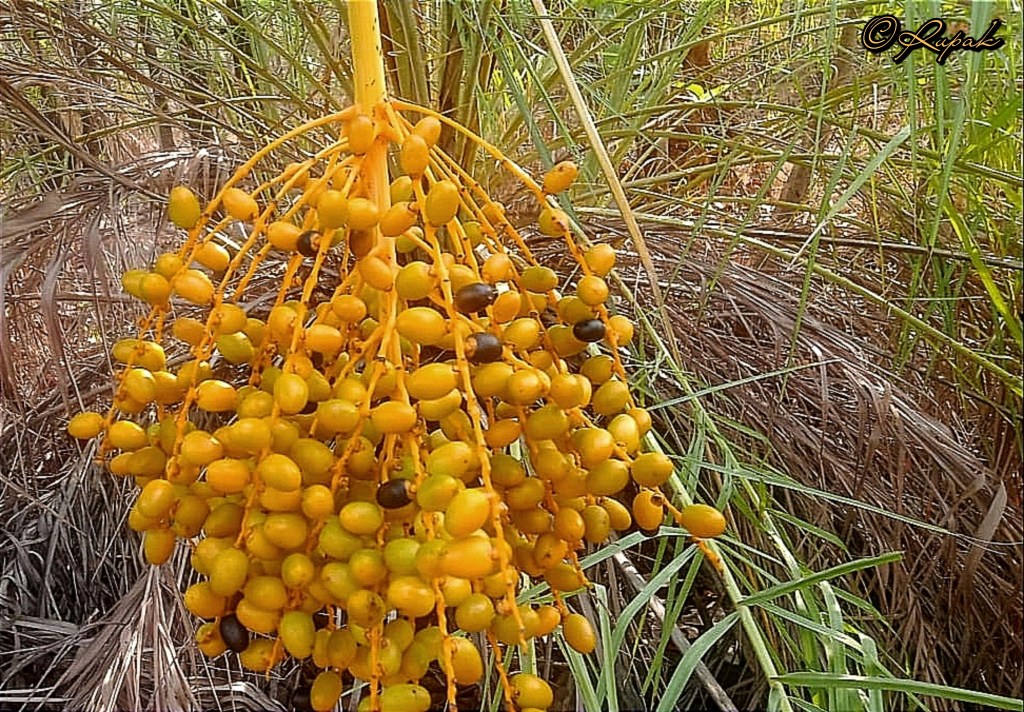
Some of the important plant species here are:
- Anogeissus latifolia (axlewood)
- Mangifera indica (mamidi)
- Madhuca indica(Ippa)
- Cleisthanthus collinus (odcha)
- Terminalia spp.
- Zizyphus xylopyra
- Pterocarpus marsupium
- Hardwickia binata (anjan tree)
- Boswellia serrata (Indian frankincense or salai)
- Tectona grandis (teak)
- Lannea grandis
- Dalbergia latifolia(Jitragi)
- Mundulea sericea
- Albizia spp. (silkplants)
- Pongamia pinata(Kanuga)
- Chloroxylon swietenia (Billudu)
- Dalbergia paniculata (Pachhri)
- Lagestroemia parviflora
- Sapindus emarginatus(Kunkudu)
- Terminalia alata (Nallamaddi) etc.

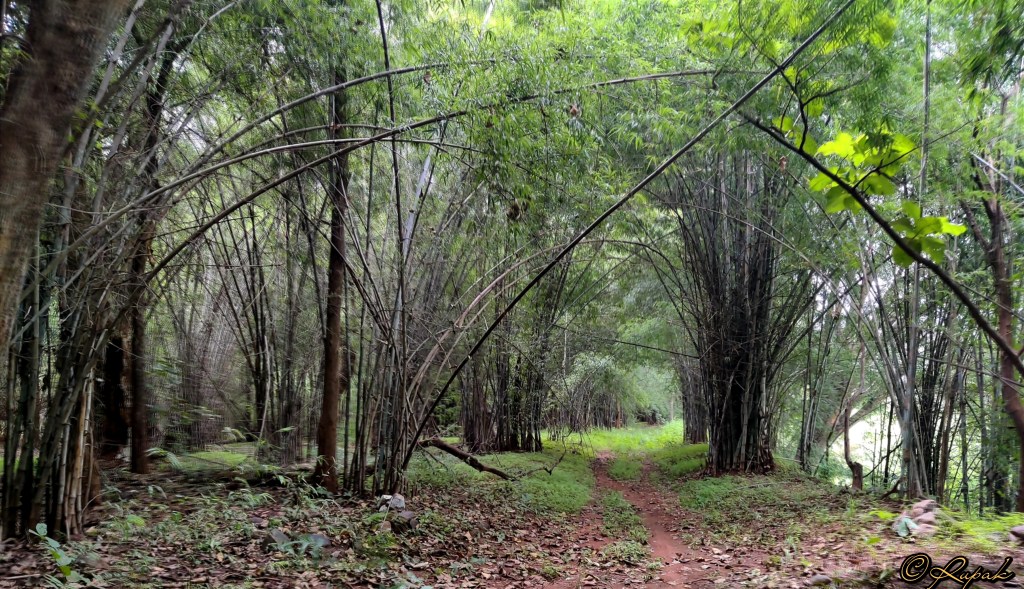
The Canopy density varies from 0.4 to 0.9 and the top height generally varies from 9 to 20 meters. Most of the plants of the GBM sanctuary have immense ethno-botanical value. (Please find the attached video on GBM Sanctuary below).


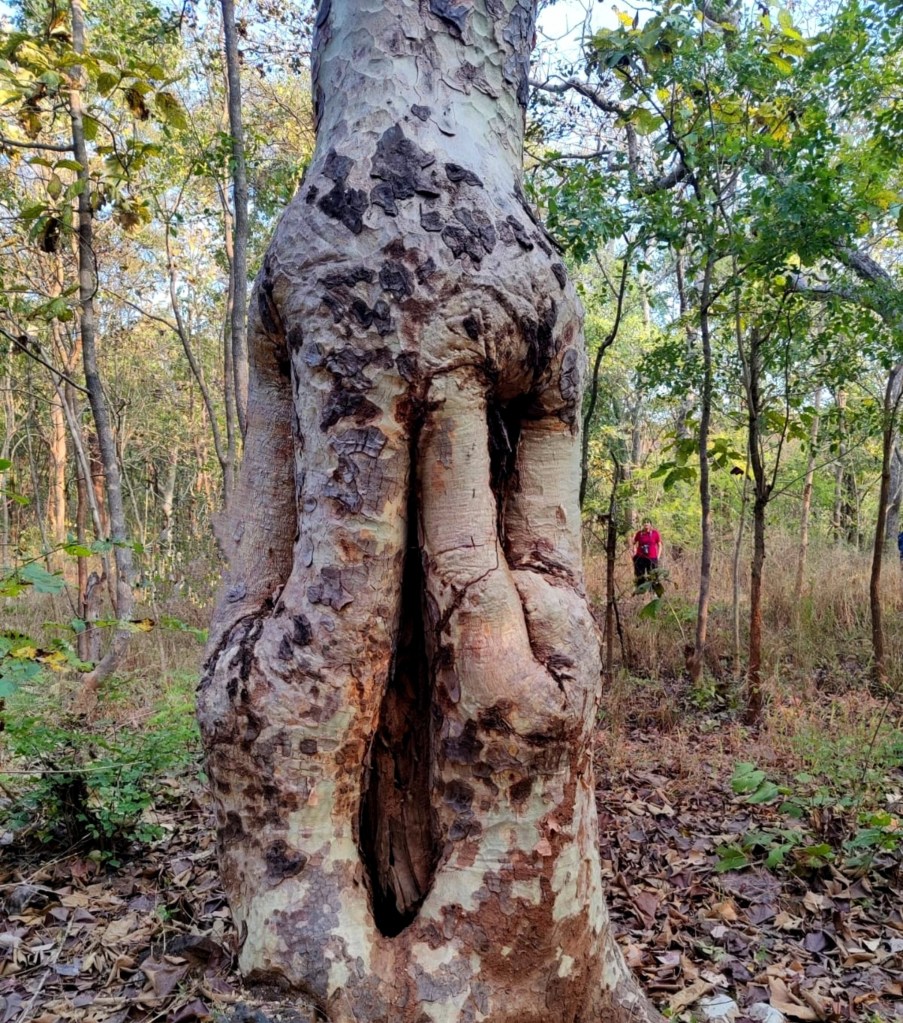


Grasses and Climbers:
- Typha angustata (Jammu)
- Cyperus rotundus (Tunga)
- Antigonon leptopus(Teega batani) etc.
Mushrooms & Fungi biodiversity:


Invasive species:
- Hyptis suaveolens
- Lantana camara
- Ageratum conyzoides
- Chromolaena odorata
- Datura metel
- Prosopis juliflora etc.
Fauna
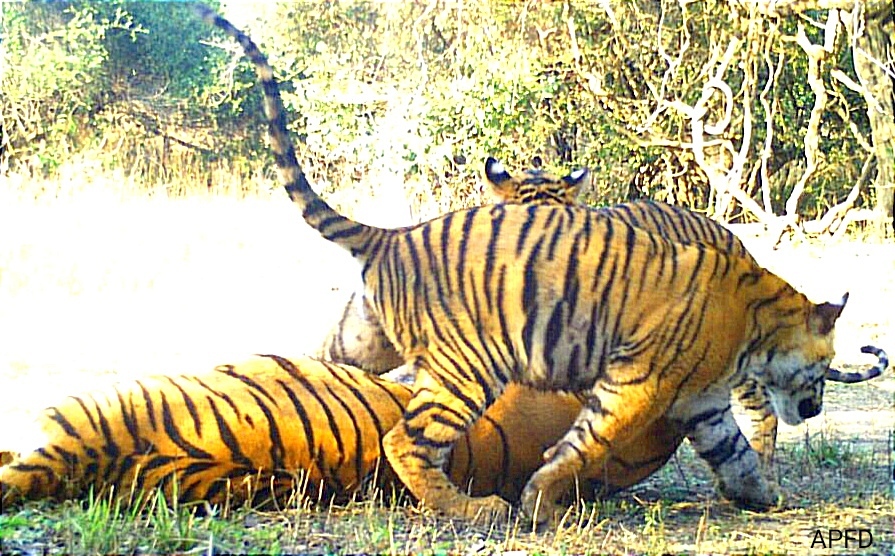
GBM is full of biodiversity in the faunal species and picturesque spots. Tiger is the apex carnivore present in the Sanctuary with many Birds, Reptiles, Amphibians and Insects species etc.
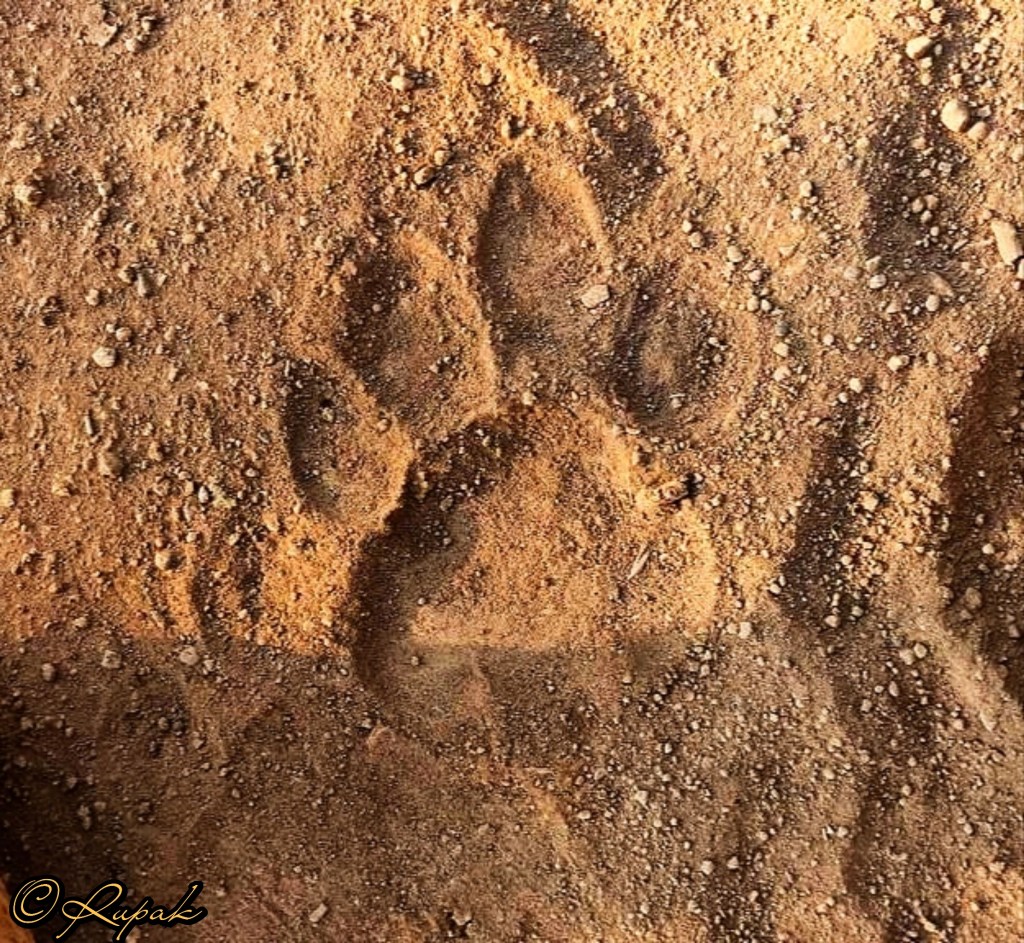
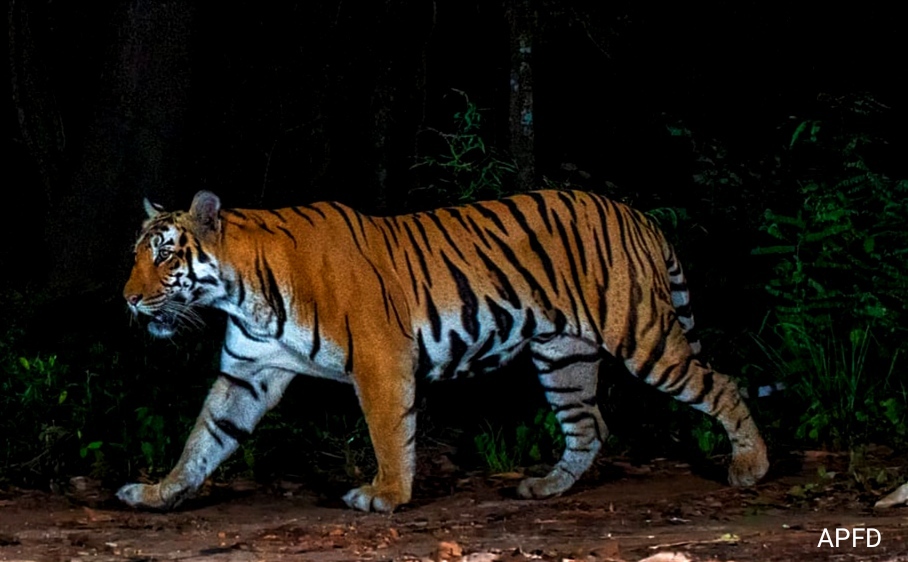

Tiger i looks a top predator, the largest carnivore, maintaining the balance in the ecosystem or saving our endangered ecosystem. A wild tiger can be expected to live 10-15years. An adult tiger is a solitary animal and will establish its own territory. A tiger marks its territory by spraying urine on surrounding trees and bushes, dropping prominently placed scats, and leaving deep scratch marks on tree trunks. There are 63 tigers found in the nallamala tiger reserve, and sanctuary is the best place in the core area.
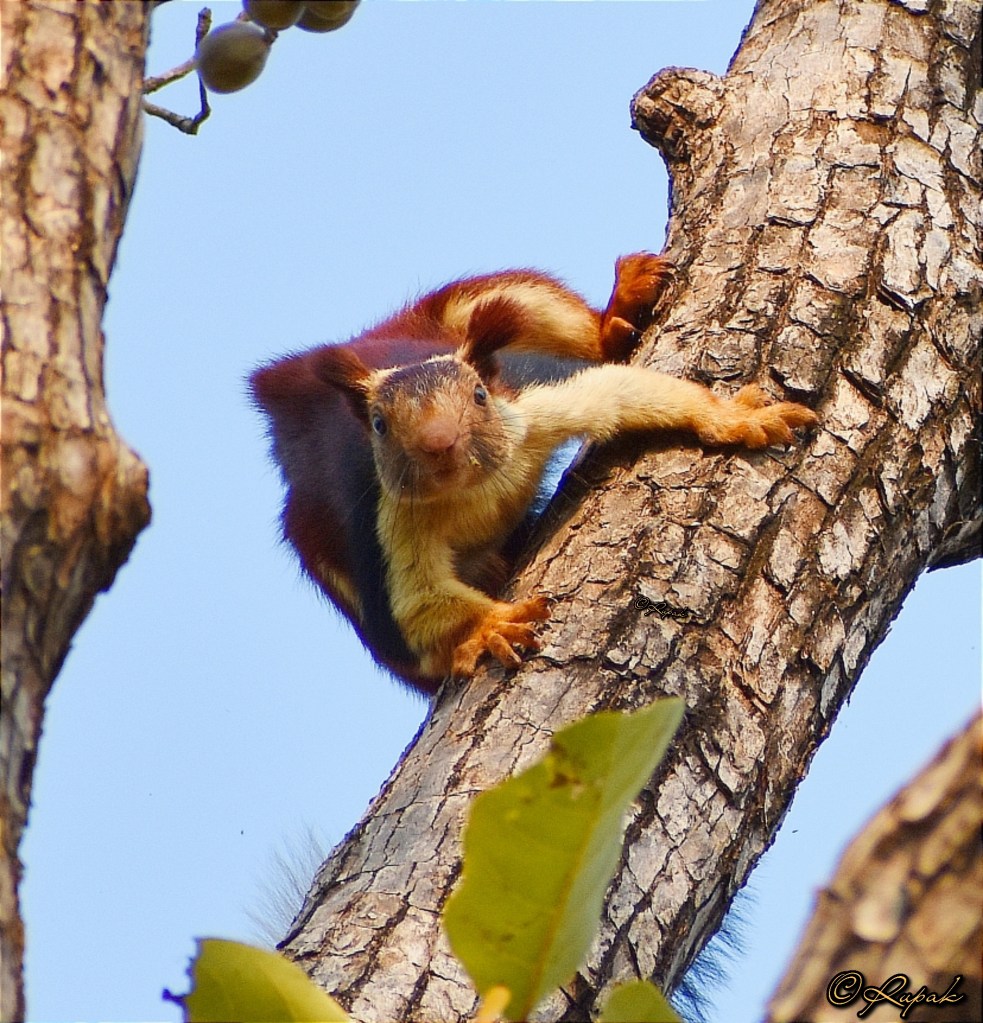
The main mammals in the sanctuary are:
- Bengal tiger
- Indian leopard
- Sloth bear
- Ussuri dhole (wild dogs)
- Honey Badgers
- Foxes
- Indian pangolin
- Sambar deer
- Jackals
- Blackbuck
- Chinkara
- Chowsingha (four horned antelope)
- Jungle cats
- Wolves (rarely sighted)
- Indian Civet
- Asian palm Civets
- Spotted Deer
- Mouse deer (Indian Chevrotain)
- Nilgai
- Hares
- Mongoose
- Porcupine
- Wildboar
- Flying Squirrels
- Hyenas (earlier reported but not seen by me)
- Rusty-spotted cat
- Lesser woolly horseshoe bat
- Giant squirrels etc.
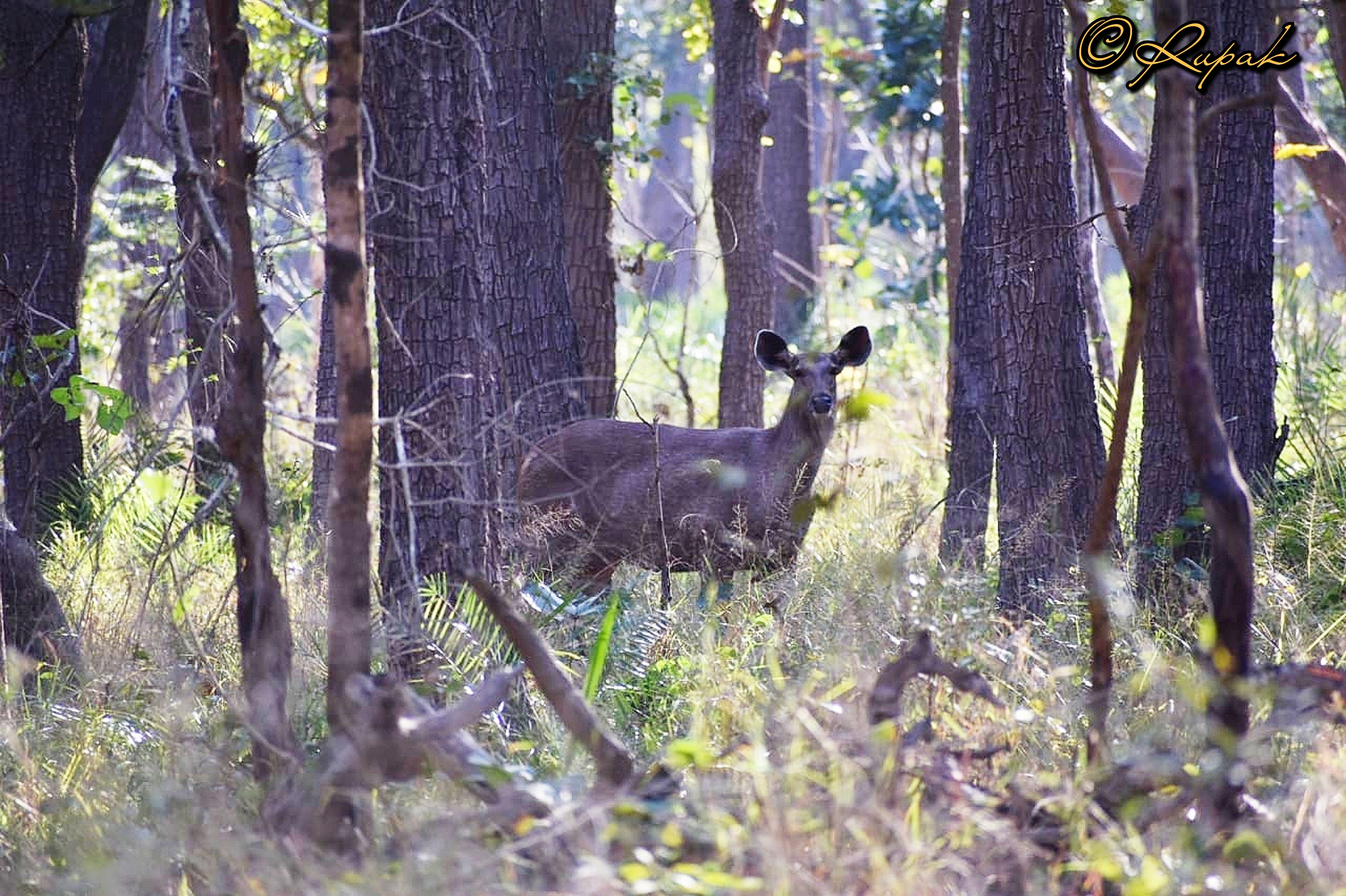
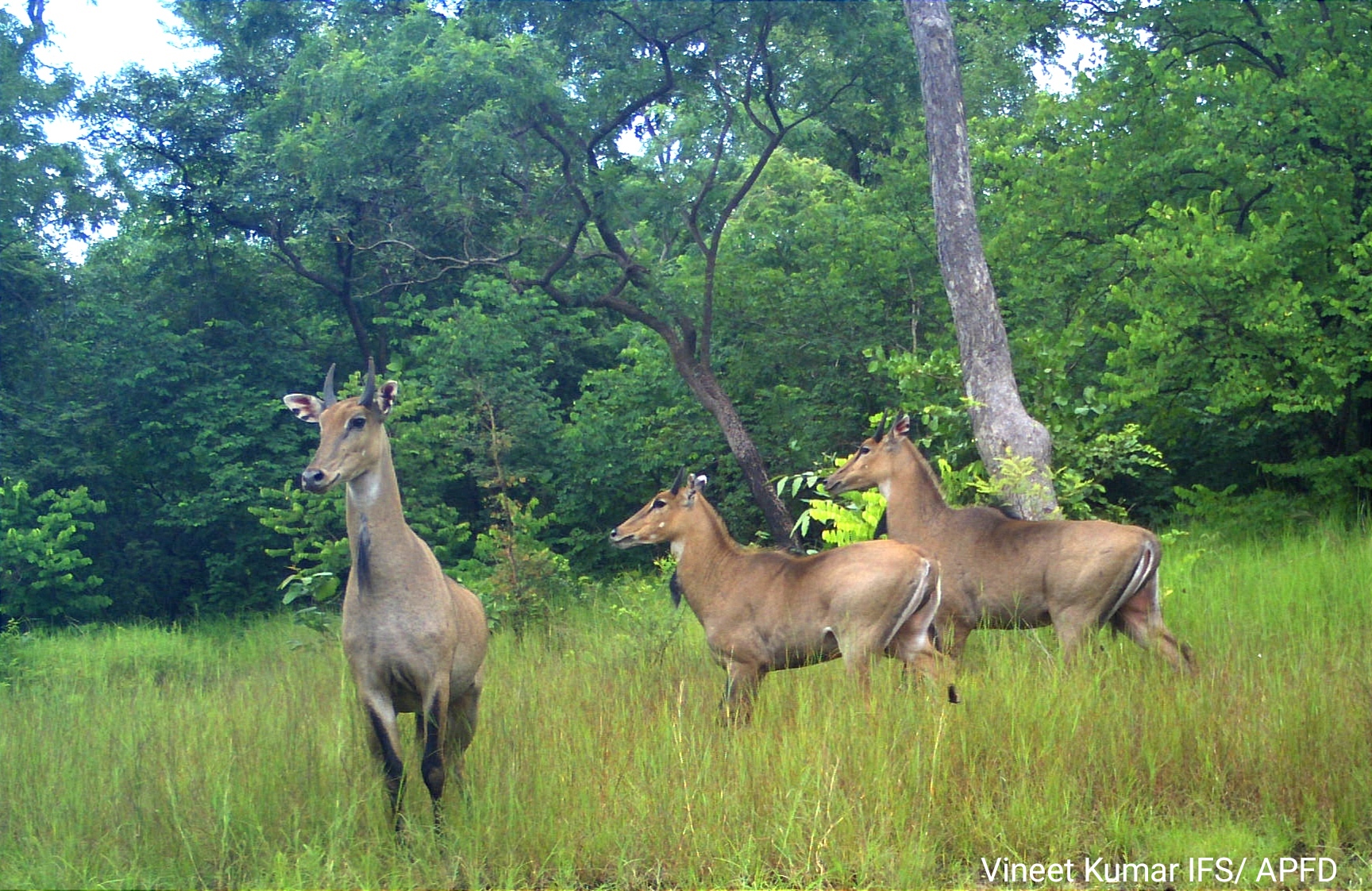
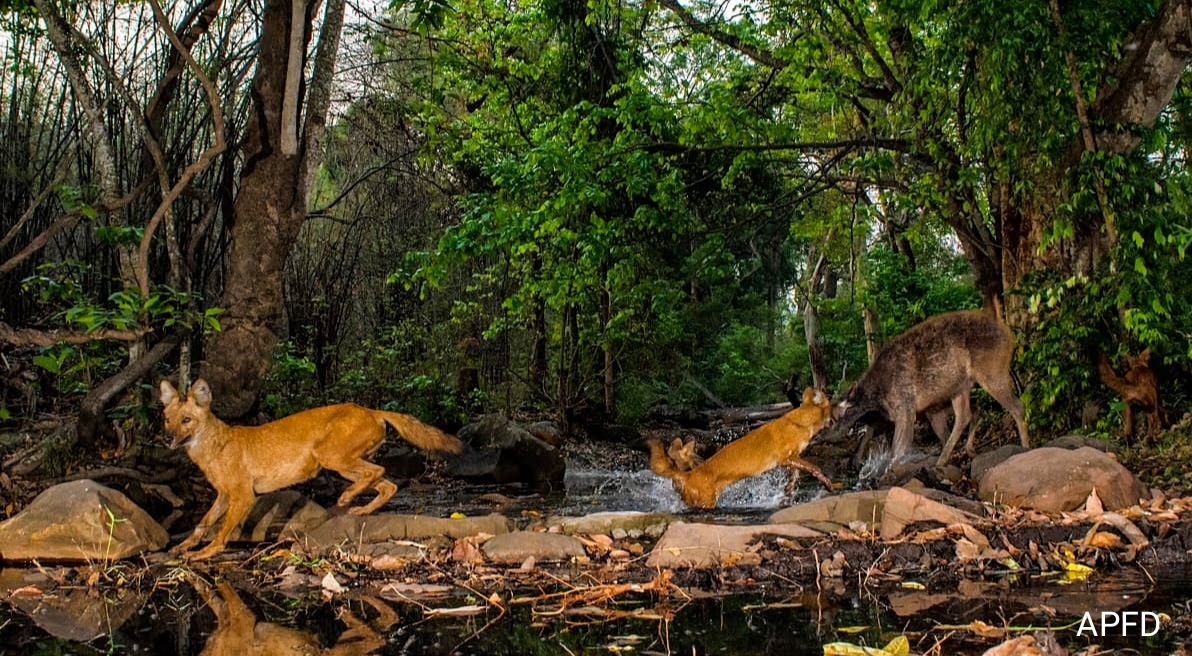
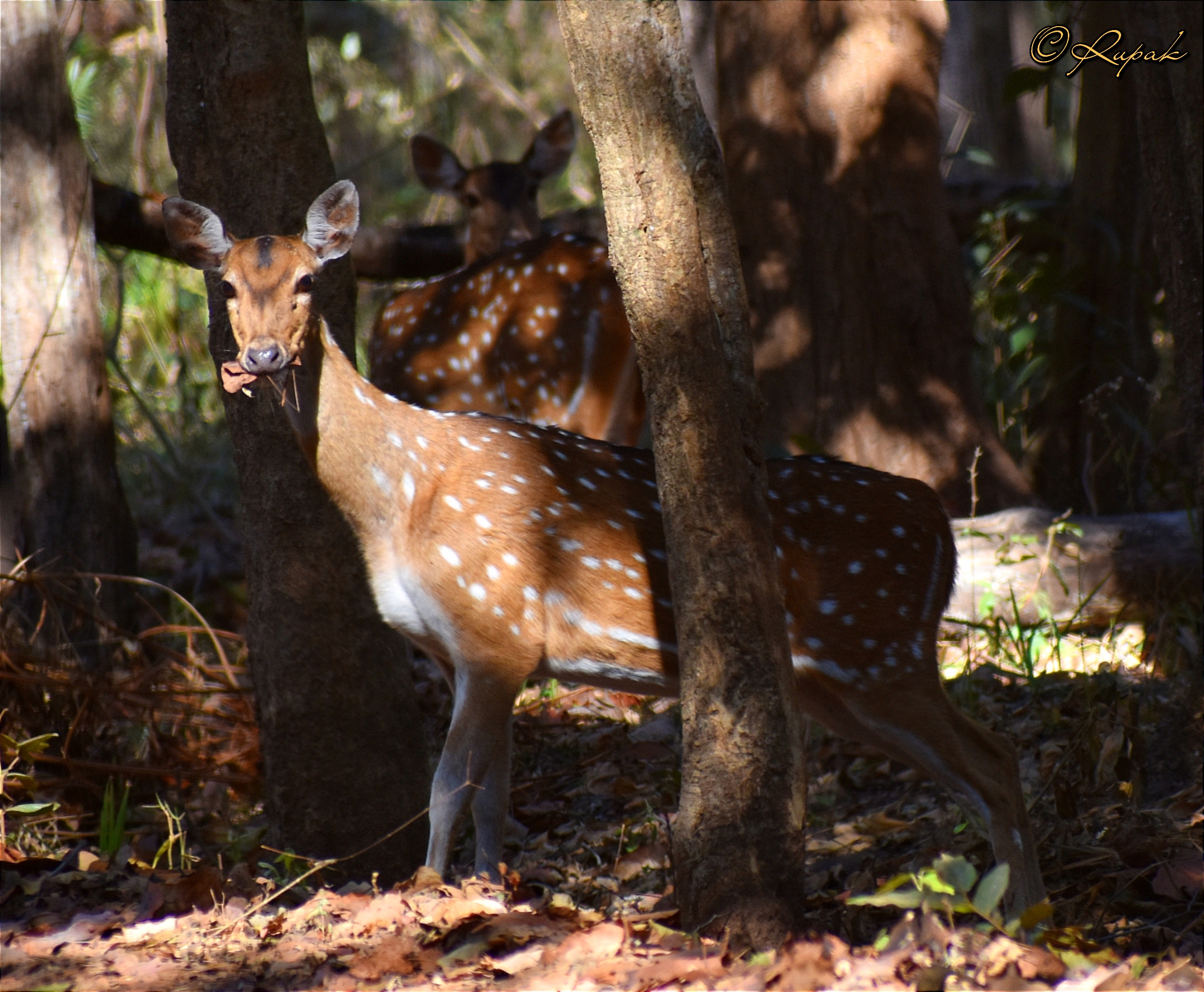
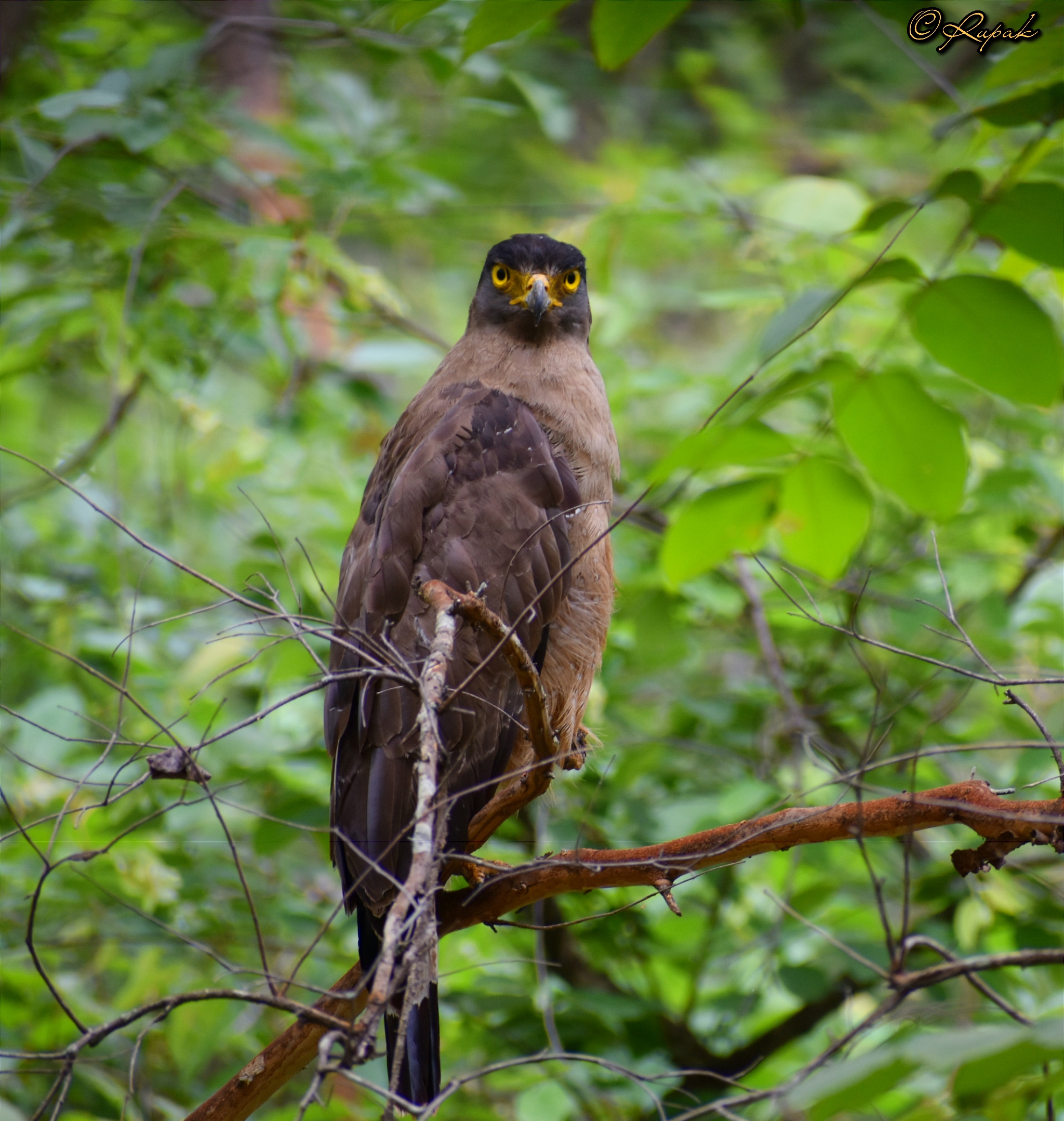
In birds, there are various species like
- Black-winged Kite
- Crested serpent eagle
- Shikra
- Crested hawk eagle or Changeable hawk eagle
- Short toed snake eagle
- Greater spotted eagle
- Buzzard species (Oriental Honey buzzard, White eye buzzard,
- Owl species (Indian Eagle owl, Jungle owlet, spotted owlets, Barred Jungle owlets, Long eared owl, Indian scops owl, Scaly bellied Owl)
- Eurasian Marsh Harrier
- Western Marsh Harrier
- Montague Harrier (female)
- Pallid Harrier
- Red necked Falcon
- Pregerine falcons
- Crested Goshawk
- Eurasian Sparrowhawk
- Indian peafowl
- Indian grey hornbill
- Common Hoopoe
- Barbet (Coppersmith barbet, Brown headed barbet)
- Indian pitta (myself recorded first time in Nallamala forests)
- Rufous treepie
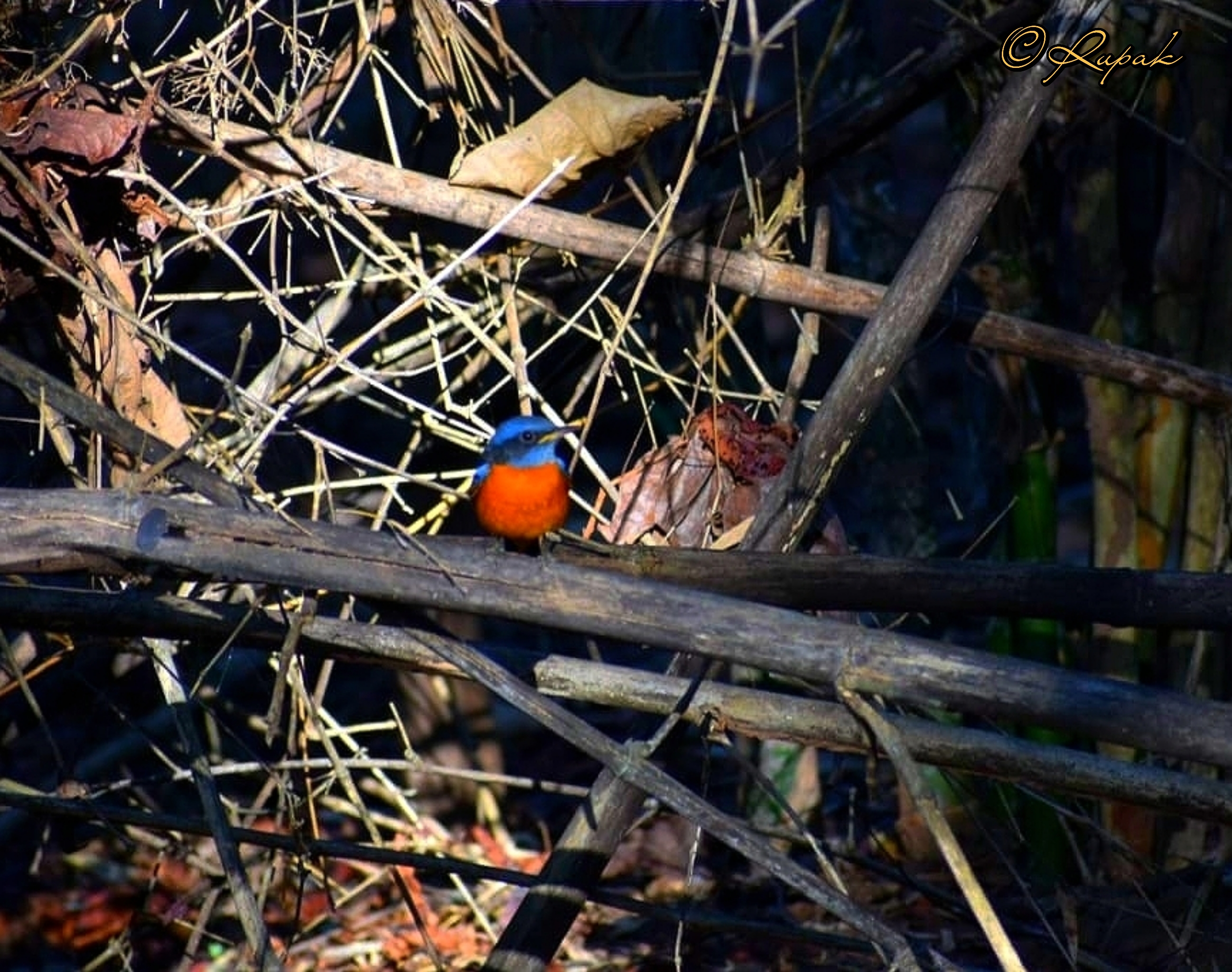
- Kingfisher species (Common kingfisher, white throated, Pied kingfisher
- Oriental Darter
- Black headed ibis
- Glossy ibis
- Red-naped ibis
- Stork species (Asian open bill storks, woolly necked, Painted storks)
- Flamingos come every year
- Bulbul species (Red vented, Red whiskered, Yellow throated bulbul, White browed bulbul, Brown breasted bulbul)
- Woodpecker species (Yellow crowned woodpecker, Streak throated woodpecker, Grey headed woodpecker?)
- Black rumped Flameblack
- Common Flameblack
- Indian roller
- Malkoha species (blue faced malkoha)
- Dove species like Laughing dove, Emerald Dove, spotted dove, Eurasian collared dove)
- Bee-eater species (Asian green bee eater, Blue tailed, chestnut headed bee eater)
- Flycatcher species (Indian paradise flycatcher, Asian brown flycatcher, Tickell’s blue flycatcher, Asian paradise, Blue-throated blue flycatcher
- Taiga flycatcher
- Gray jungle fowl
- Red spurfowl
- White wagtail
- White Browed wagtail
- Grey wagtail
- White rumped Shama
- Little ringed plover
- Sandgrouse species
- Nightjars (Jerdon’s nightjar, Indian nightjar,
- Asian Koel
- Greater coucal
- Lesser coucal
- Common Hawk Cuckoo
- Indian Cuckoo
- Red-headed vulture and other birds of prey (hilly areas)
- Egret species (Cattle Egret, Great Egret, Little egret, intermediate egret)
- Heron species (Grey heron, Indian pond heron, Purple heron)
- Bar headed goose
- Cotton pygmy goose or cotton goose
- Eurasian Wigeon
- Little Grebe
- Bitterns
- Black winged stilts
- Black crowned night heron?
- Cormorant species
- Lapwing species (Red wattled lapwings, Yellow wattled lapwings)
- Northern pintail
- Northern shoveller
- Ruddy shelduck
- Jacana species (Pheasant tailed jacana,
- Sandpiper, wood sandpiper
- Duck species( knob billed duck, Indian spot billed duck, whistling ducks)
- Indian Sandgrouse
- Common teal
- common Quail
- Common Poachard
- Common Redshank
- River Tern (Black bellied river tern,
- Little stint
- Black winged stints
- Cranes? sighted birds seems like but not sure.
- Garganey Spatula
- Water hen
- Swamp hen
- Rose-ringed Parakeet
- Alexanderine parakeet
- Plum headed parakeet
- Minivet (small minvet, scarlet minvet- red male, yellow female)
- Orioles (Black naped, Golden oriole, Black hooded oriole)
- Drongo (White Bellied drongo, Ashy drongo)
- Indian white eye
- Crow
- Rufous treepie
- Warbler (Greenish warbler, Blyth’s Reed warbler, Booted warbler, Large grey wrabler, Clamorous reed warbler)
- Lesser Whitethroat
- Babblers (Indian scimitar babbler, Grey breasted babbler, yellow bellied babbler, Tawny-bellied babbler, Puff throated babbler, Jungle babbler, Large grey babblers, Rufous babbler? )
- Yellow throated Sparrow
- House sparrow
- Sunbirds (Purple sunbird, purple rumped) big colony
- Leafbird (Jerdon’s Leafbird, Golden fronted leafbird)
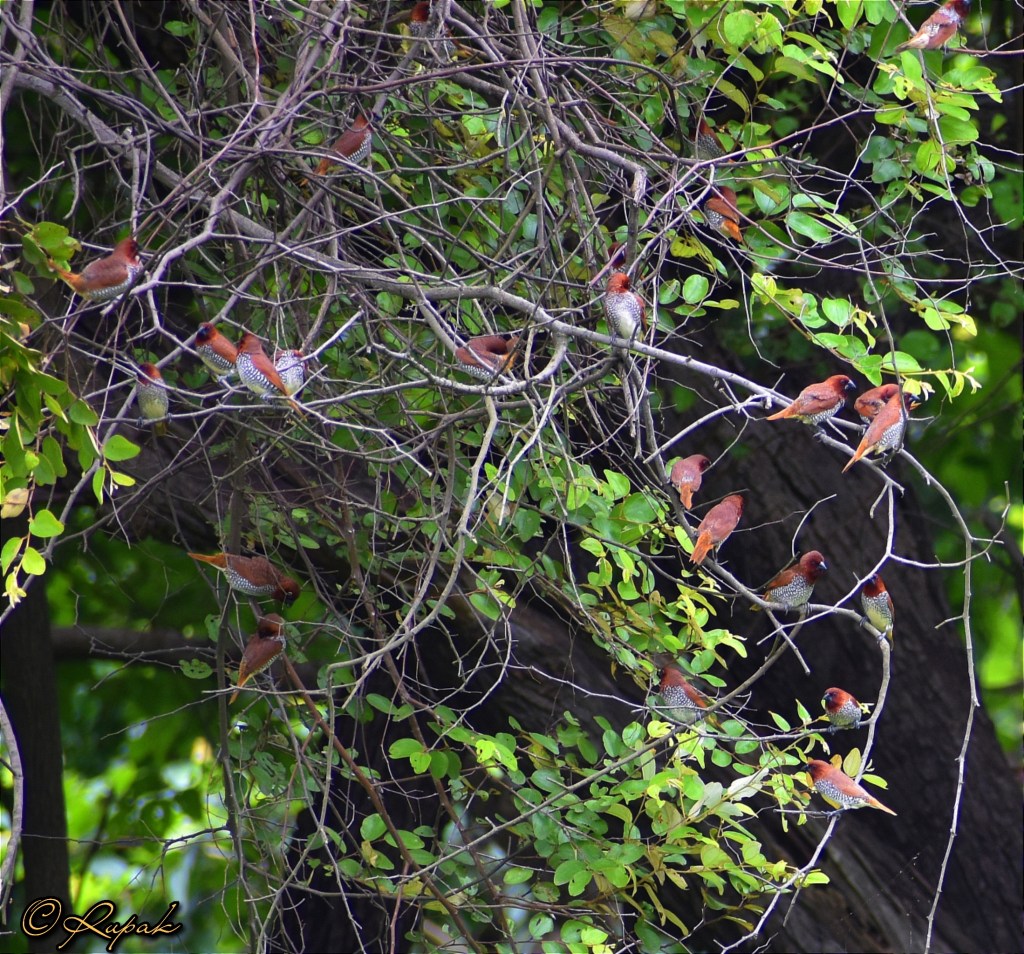
- Munia (Scaly breasted munia, Tricoloured munia)
- Red adavat or Red munia
- Pipit (Paddy field pipits Or oriental pipits, long billed pipits)
- Prinia (Ashy prinia, Plain, Grey breasted prinia, Jungle prinia)
- Larks (Ashy crowned Sparrow lark, Oriental skylark,
- Swallows (Ashy woodswallows, Barn swallow, Red rumped swallows, Streak throated swallows,
- Dusky crag martin
- Oriental magpie Robin
- Indian black Robin
- Weavers (Baya weavers)
- Shrikes (Large cuckooshrike, Brown shrike, Black headed Cuckooshrike, Great grey shrike, Bay backed shrike, Long tailed shrike)
- Swift (Little swift, House swift,
- Tit (Cinereous tit, Great tit)
- Common stone chat
- Pied bushchat
- Black Redstart
- Grey Francolin
- Myna species
- Indian Silver bills or white throated munia
- Monarch (Black naped monarch)
- Rosy Starlings
- Starling (Brahminy starling, Chestnut-tailed starling/Grey headed myna)
- Indian pied Starling/Indian pied Myna
- Indian Nuthatch (Sitta castanea)
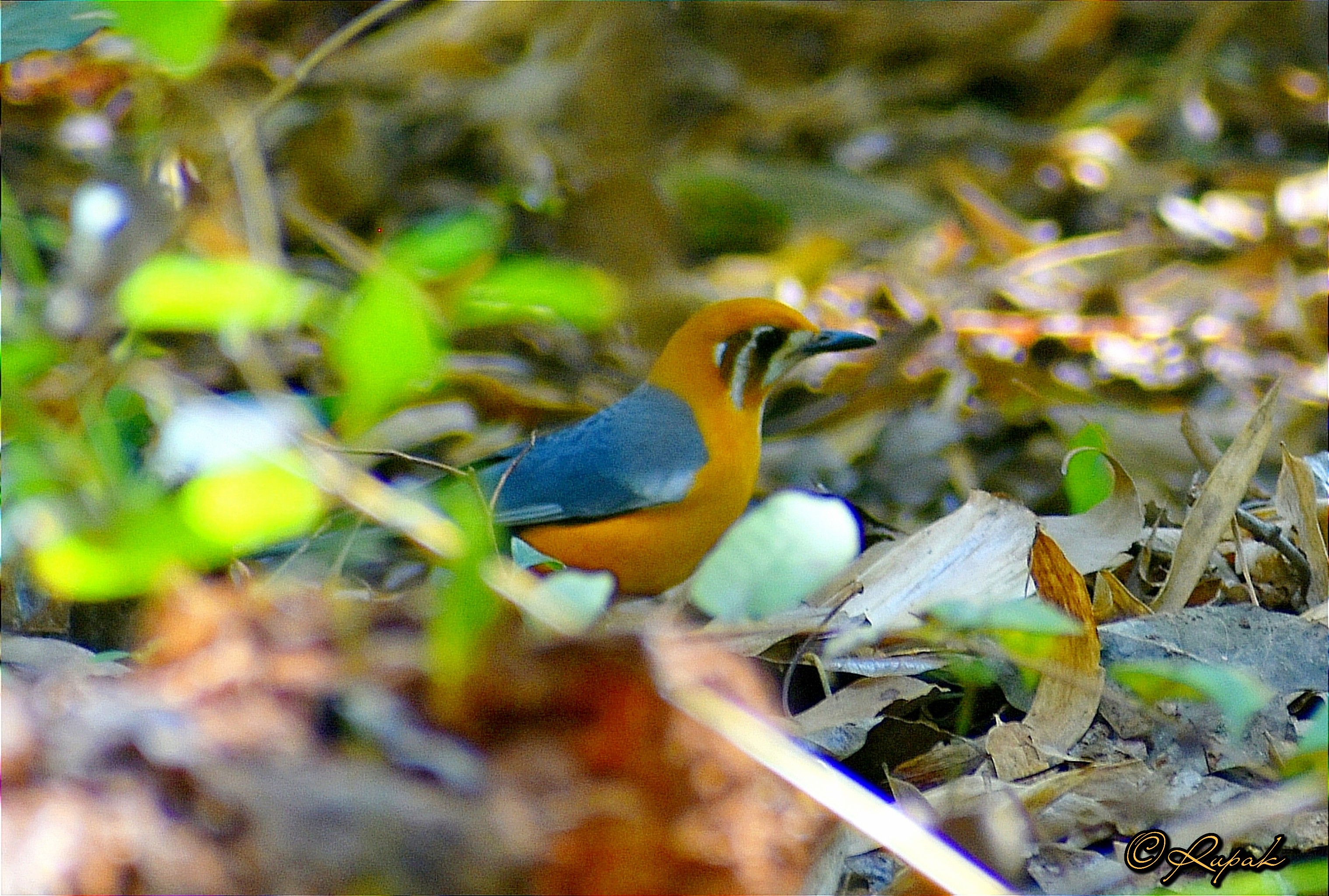
- Thrush (Orange headed thrush, blue- capped Rock Thrush)
- Pigeon (Green imperial pigeon, yellow footed pigeon, feral)
- Thick billed flowerpecker
- Pale billed flowerpecker
- Common iora
- Common tailor bird
- Spot breasted Fantail/White-spotted fantail
(I am lucky enough to observe all these bird species in the last 2years.)


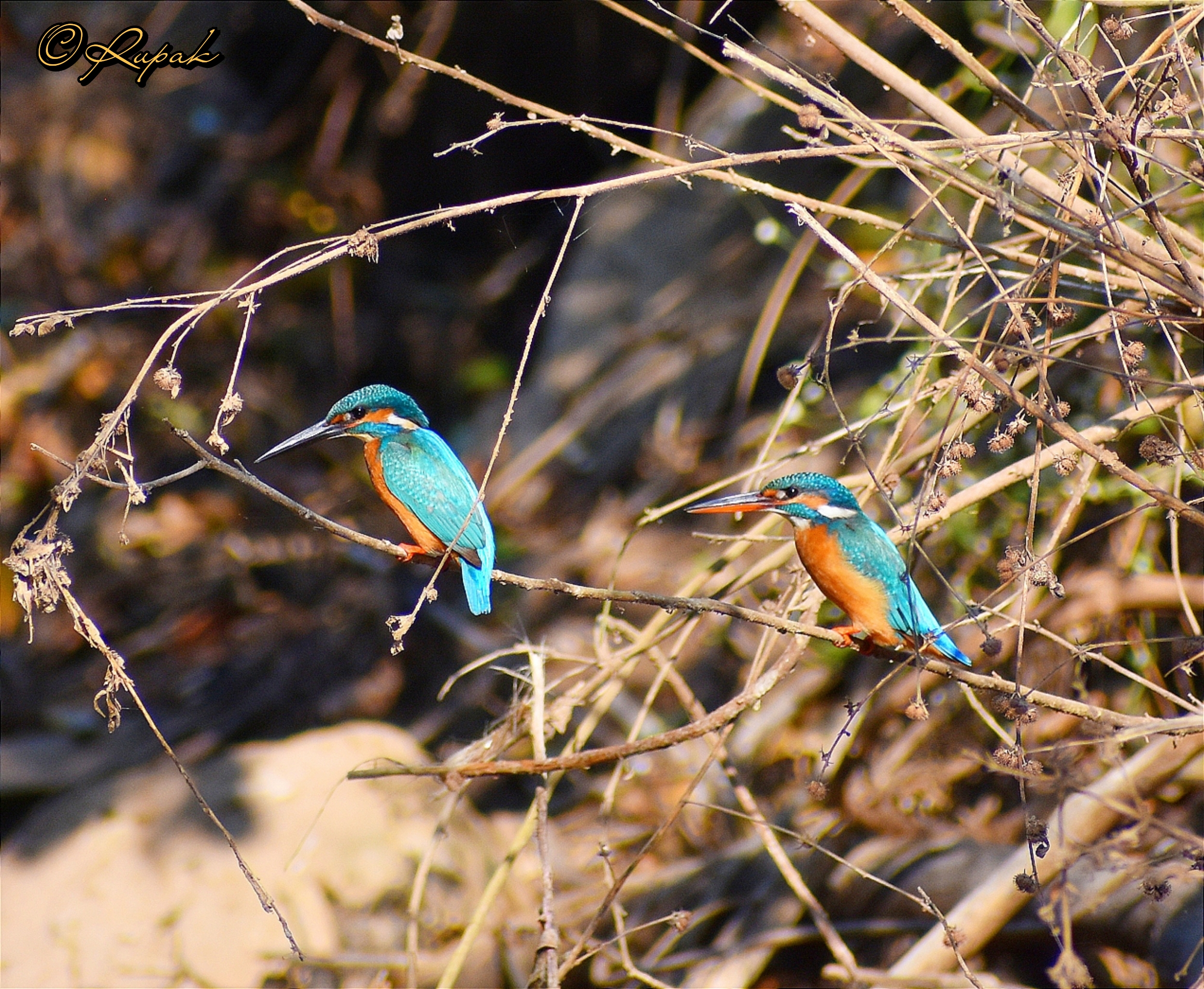
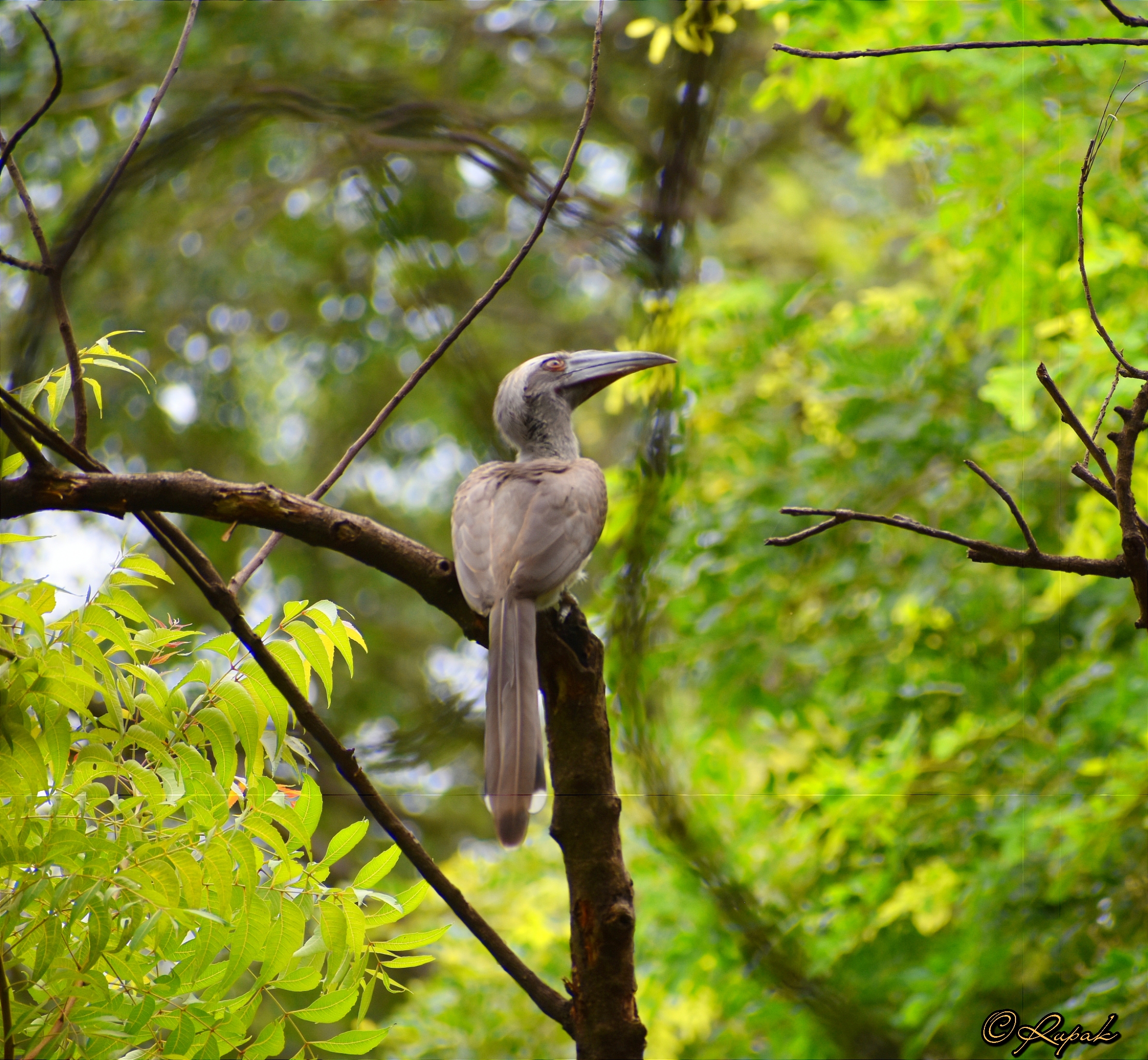
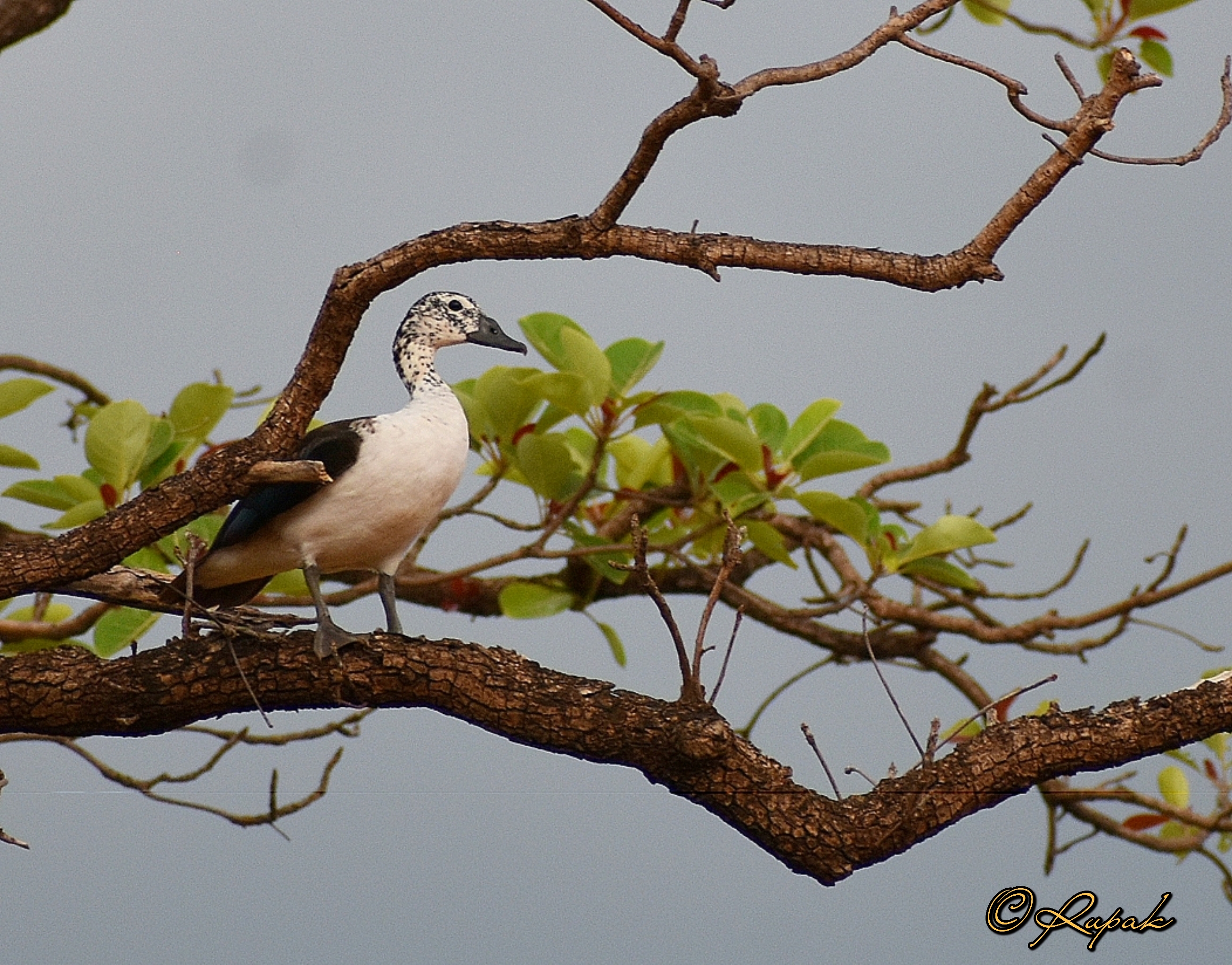
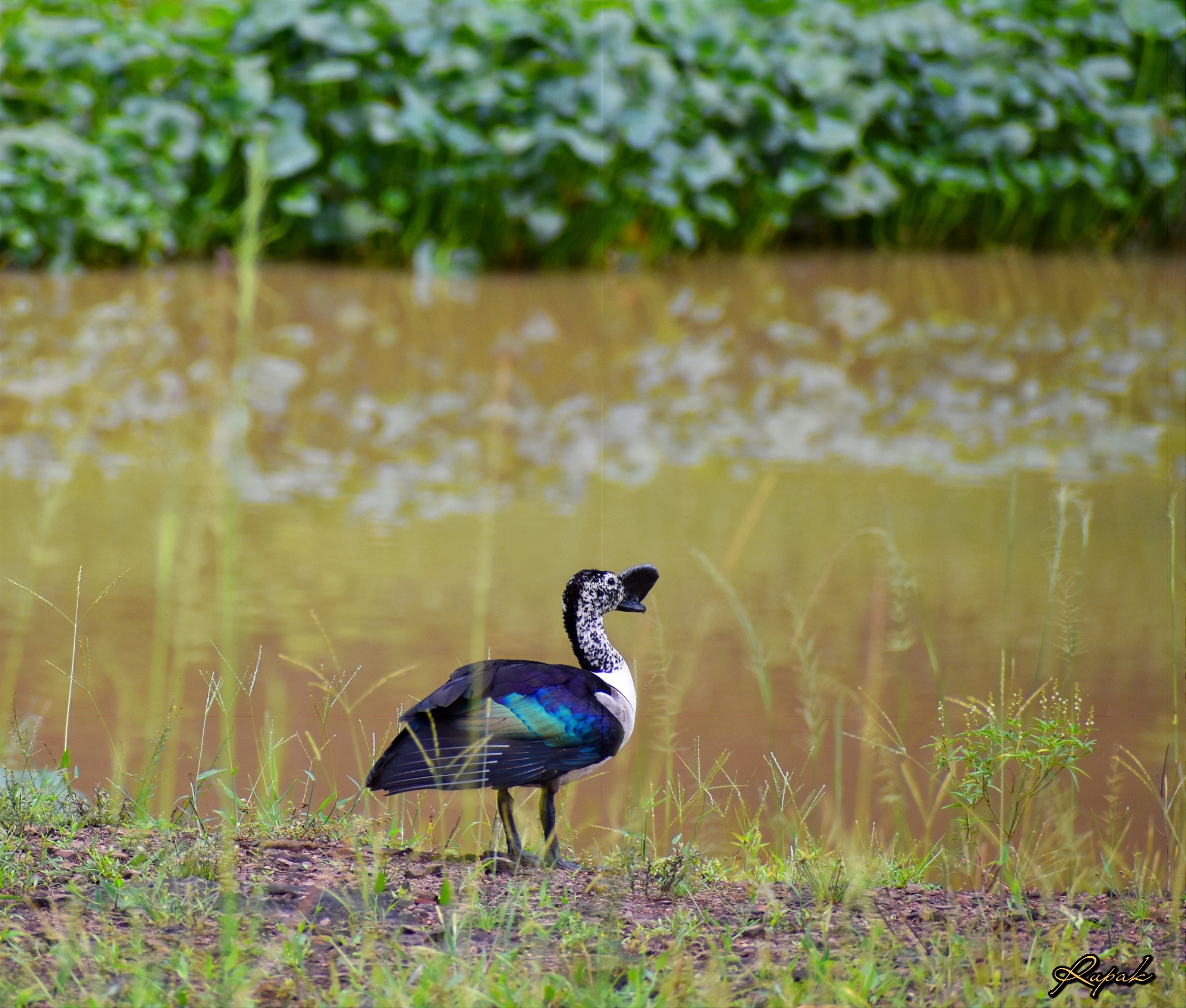
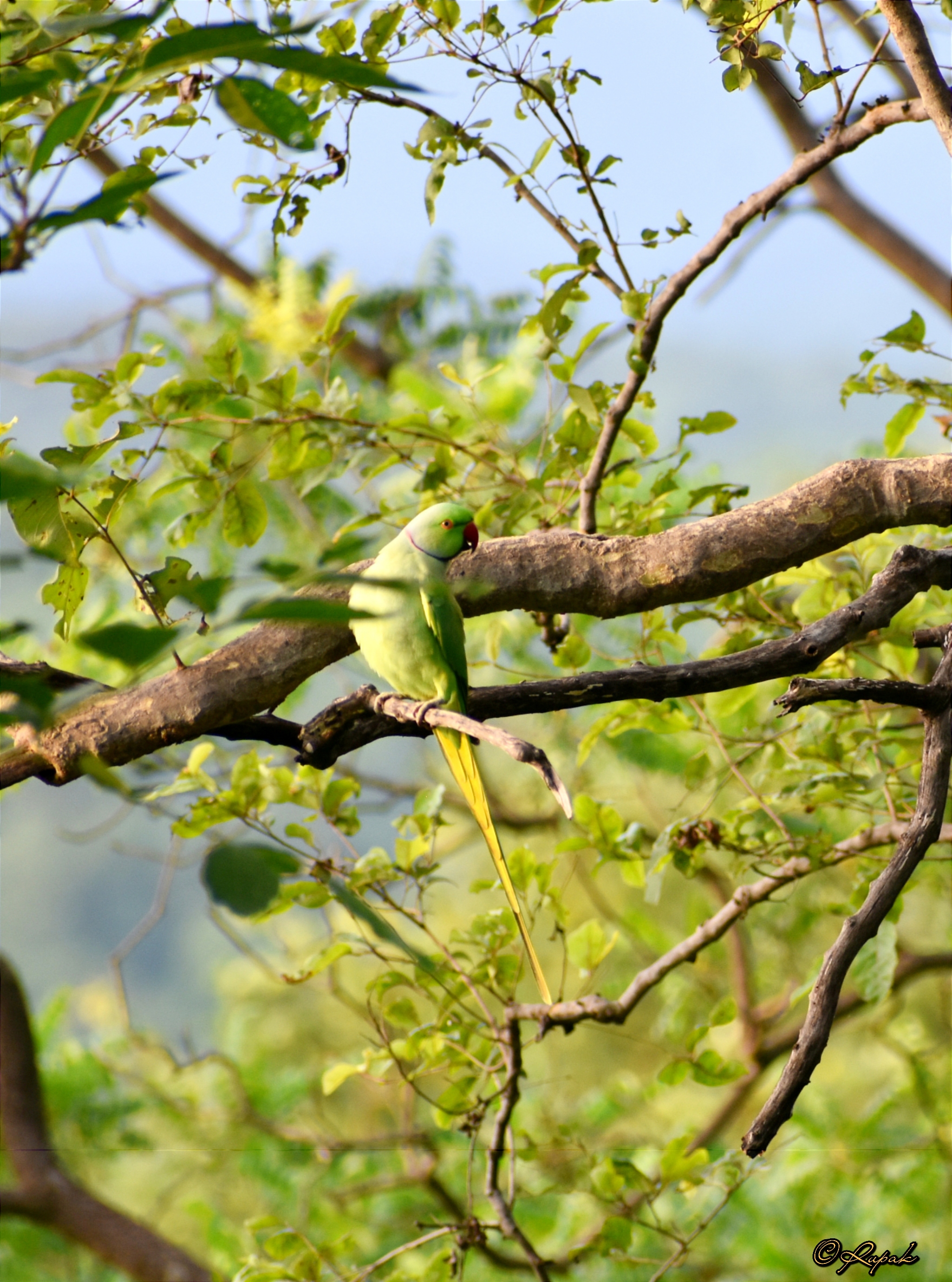
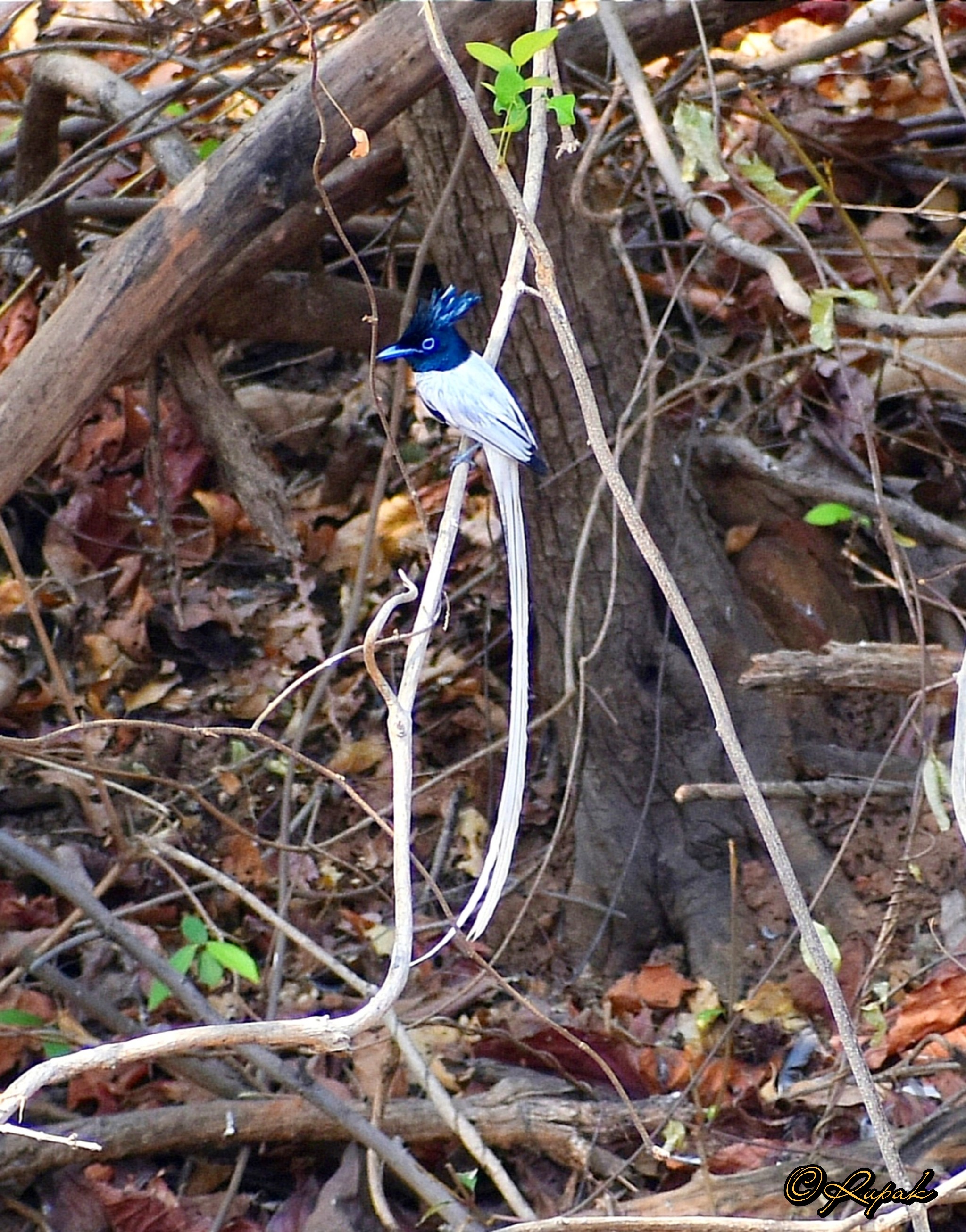

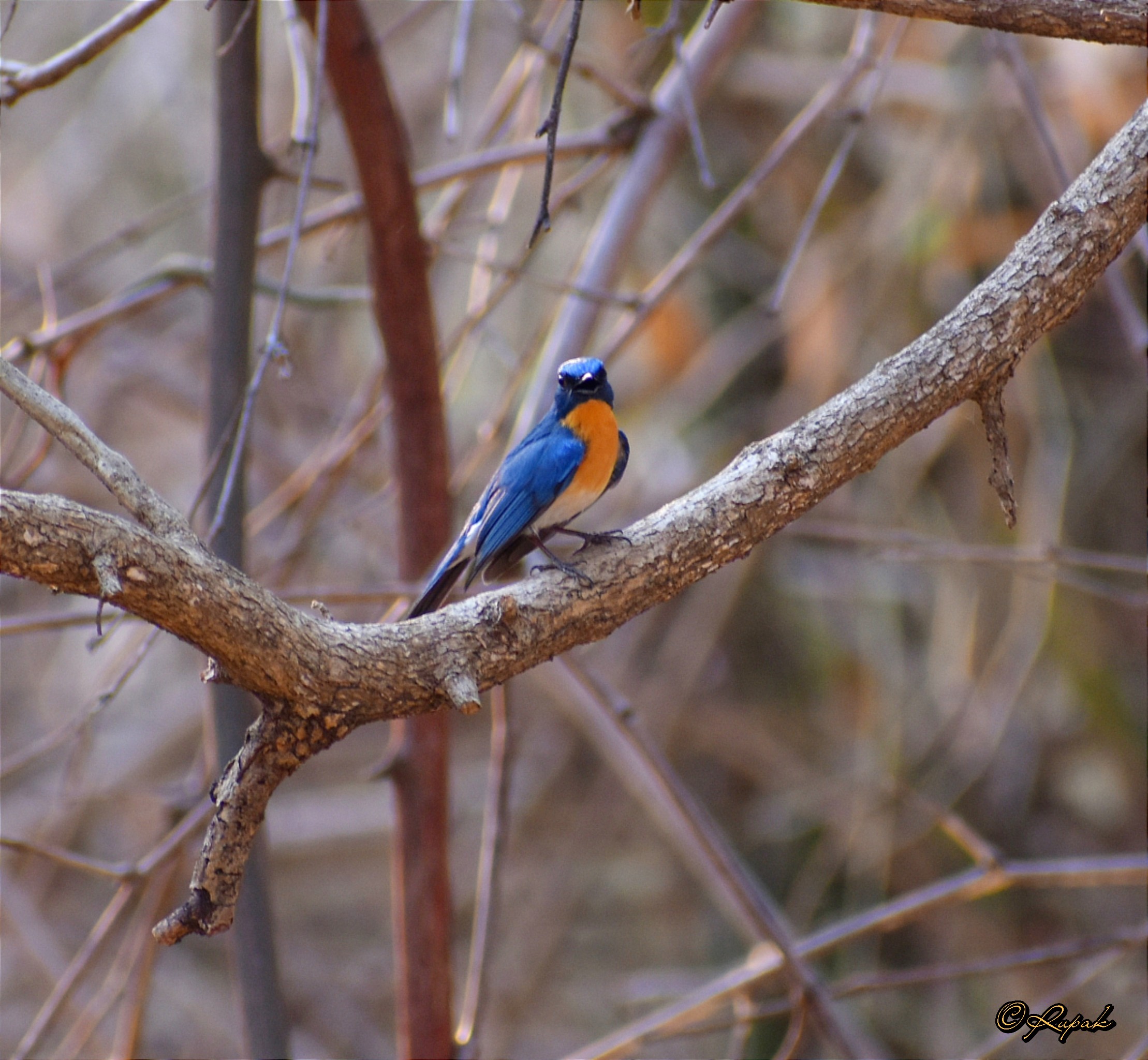
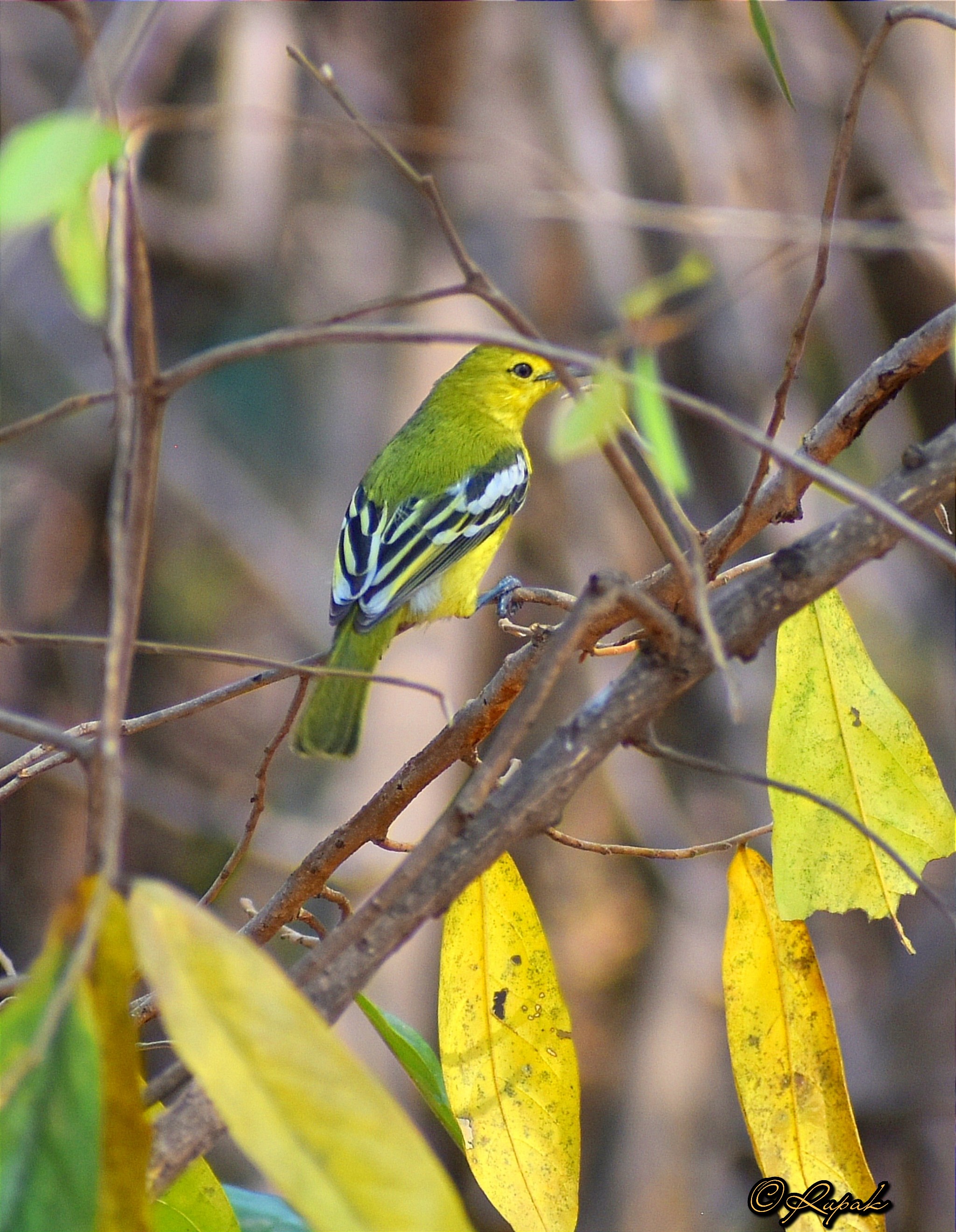
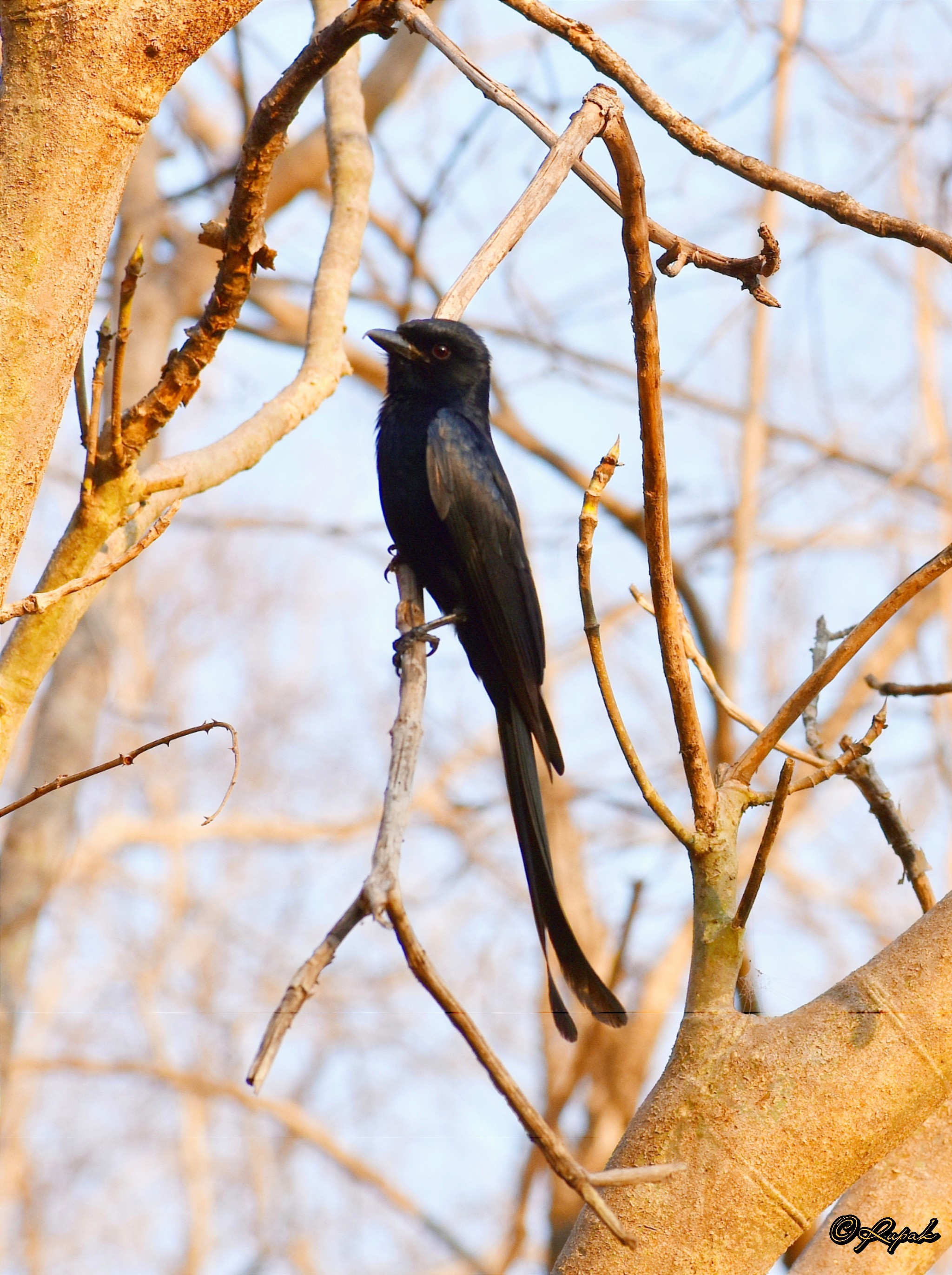
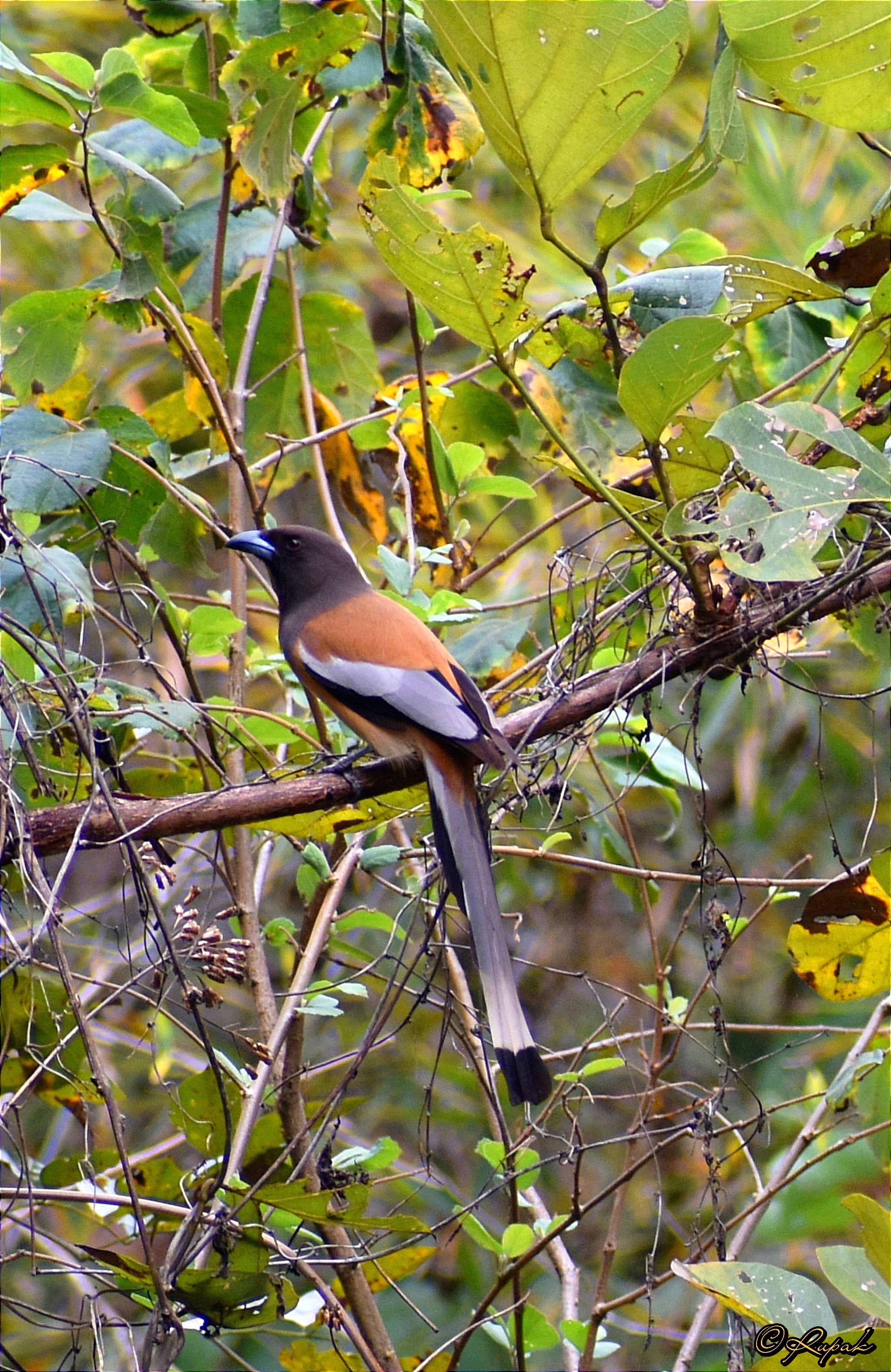
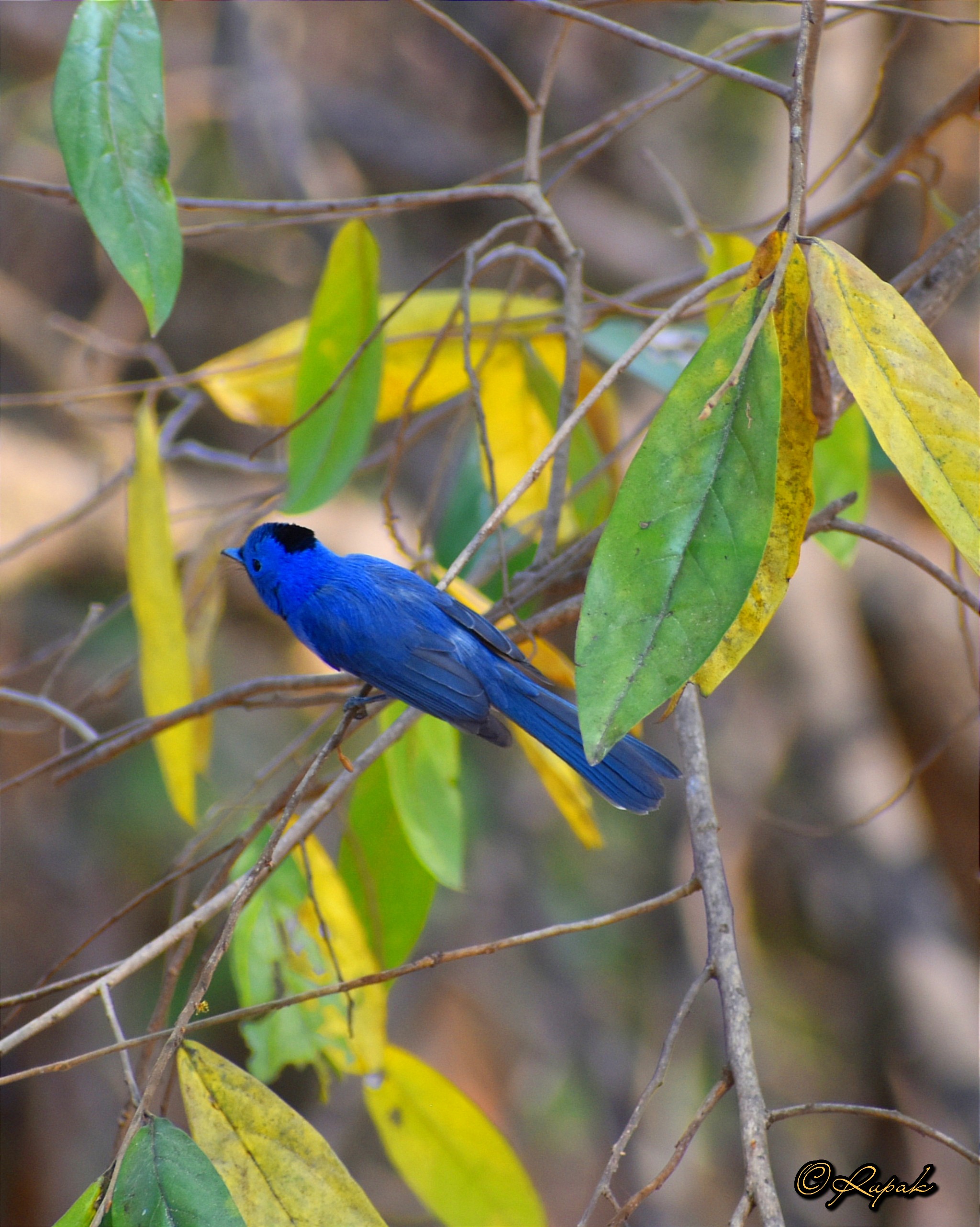
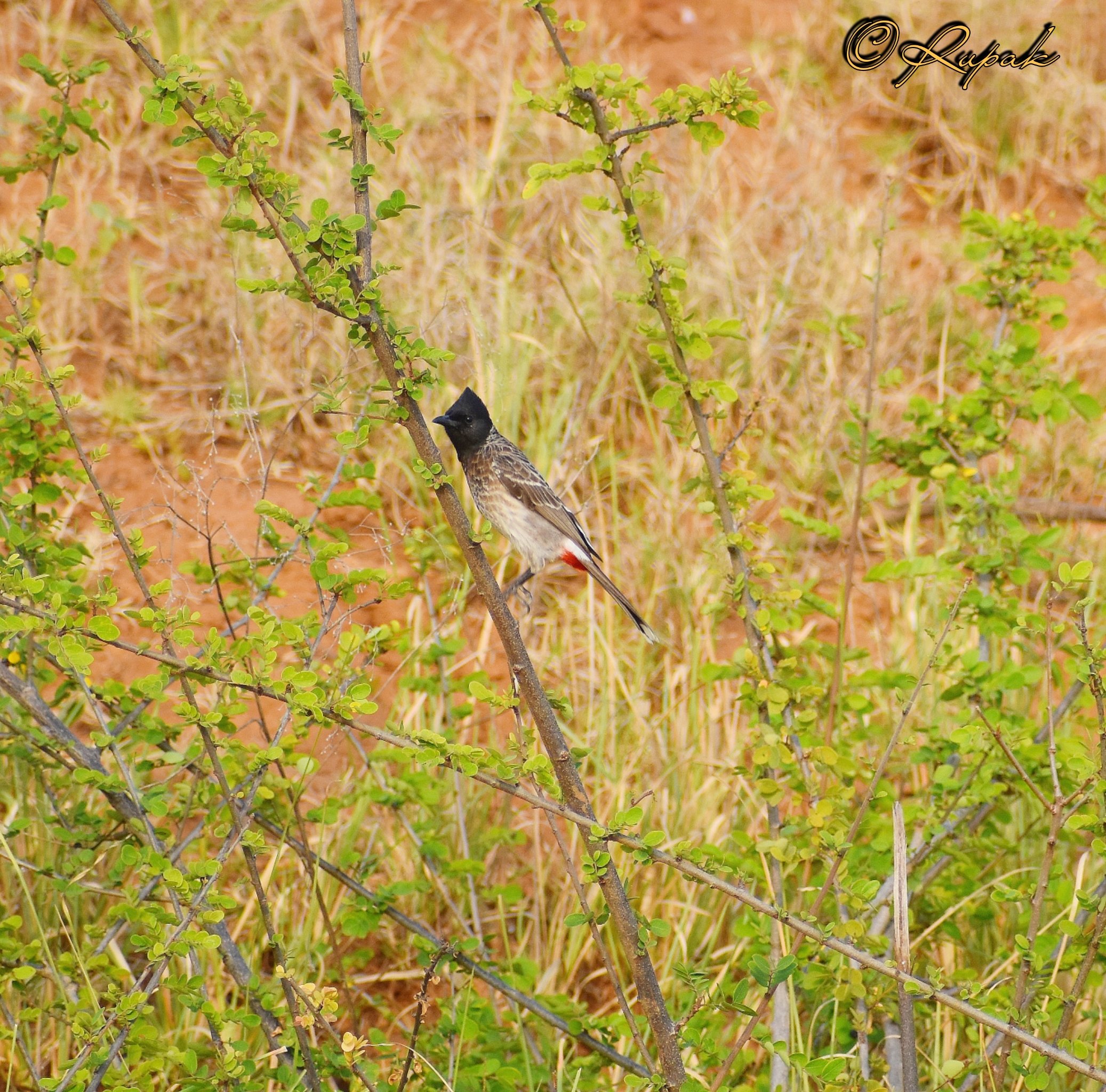

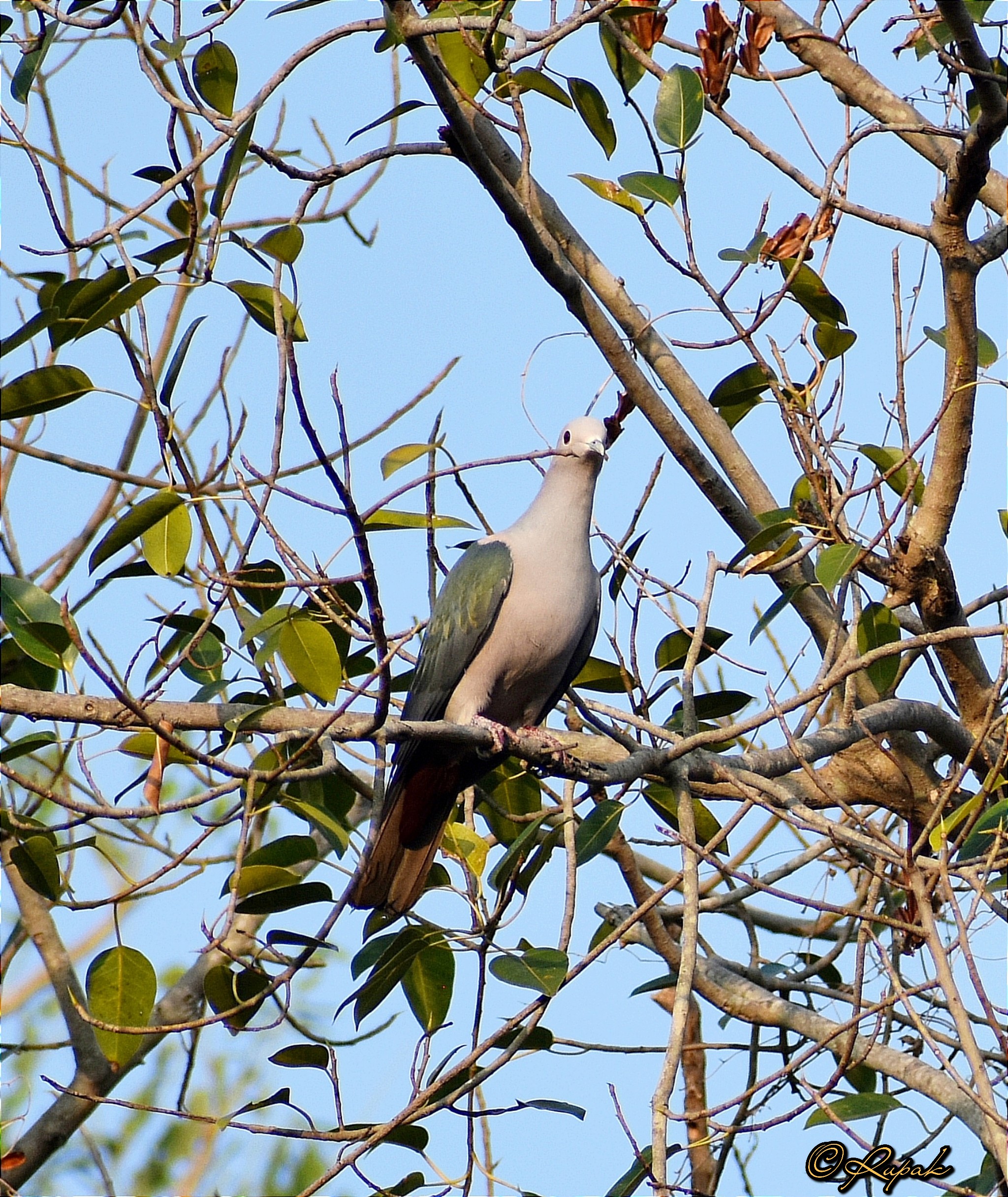
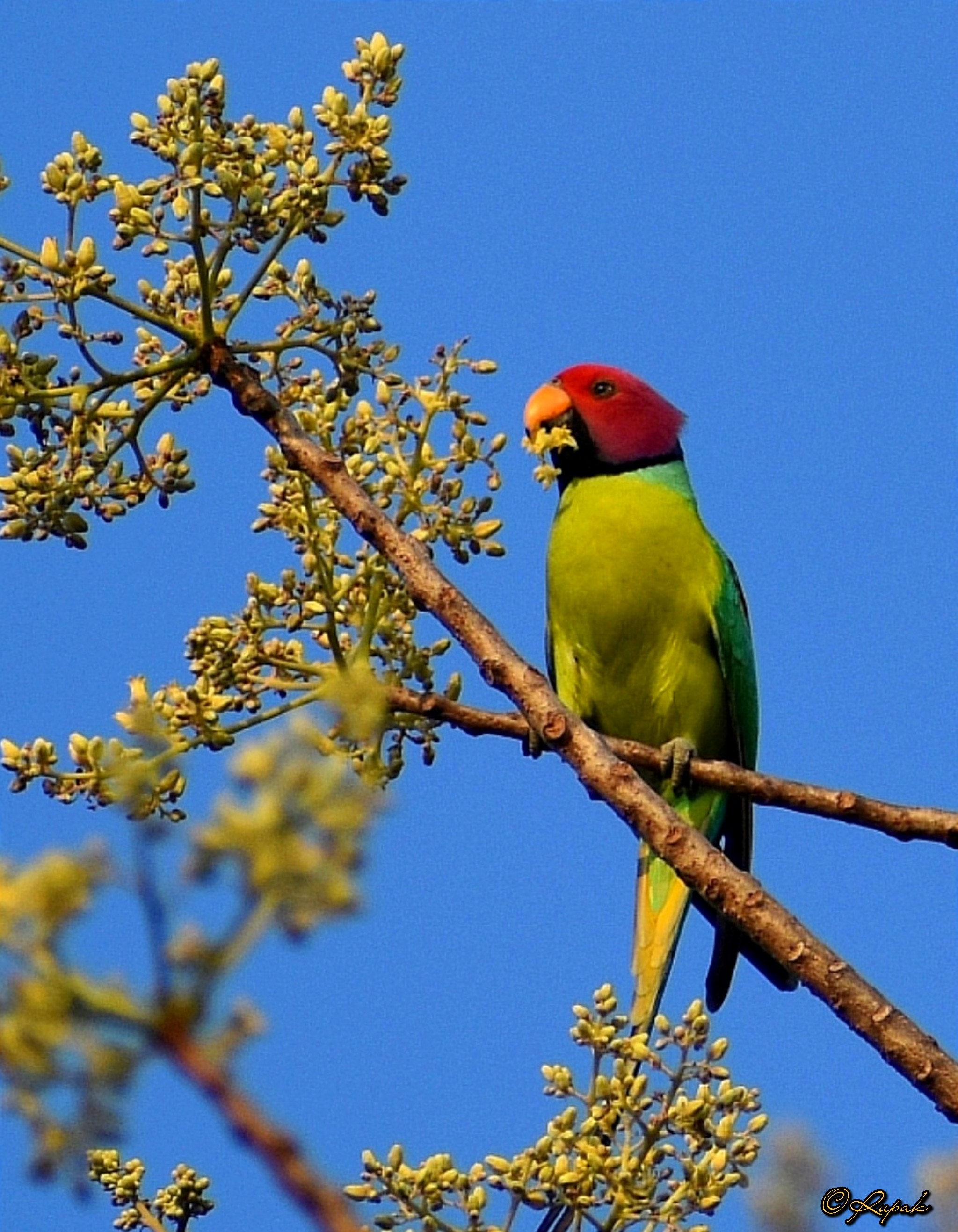
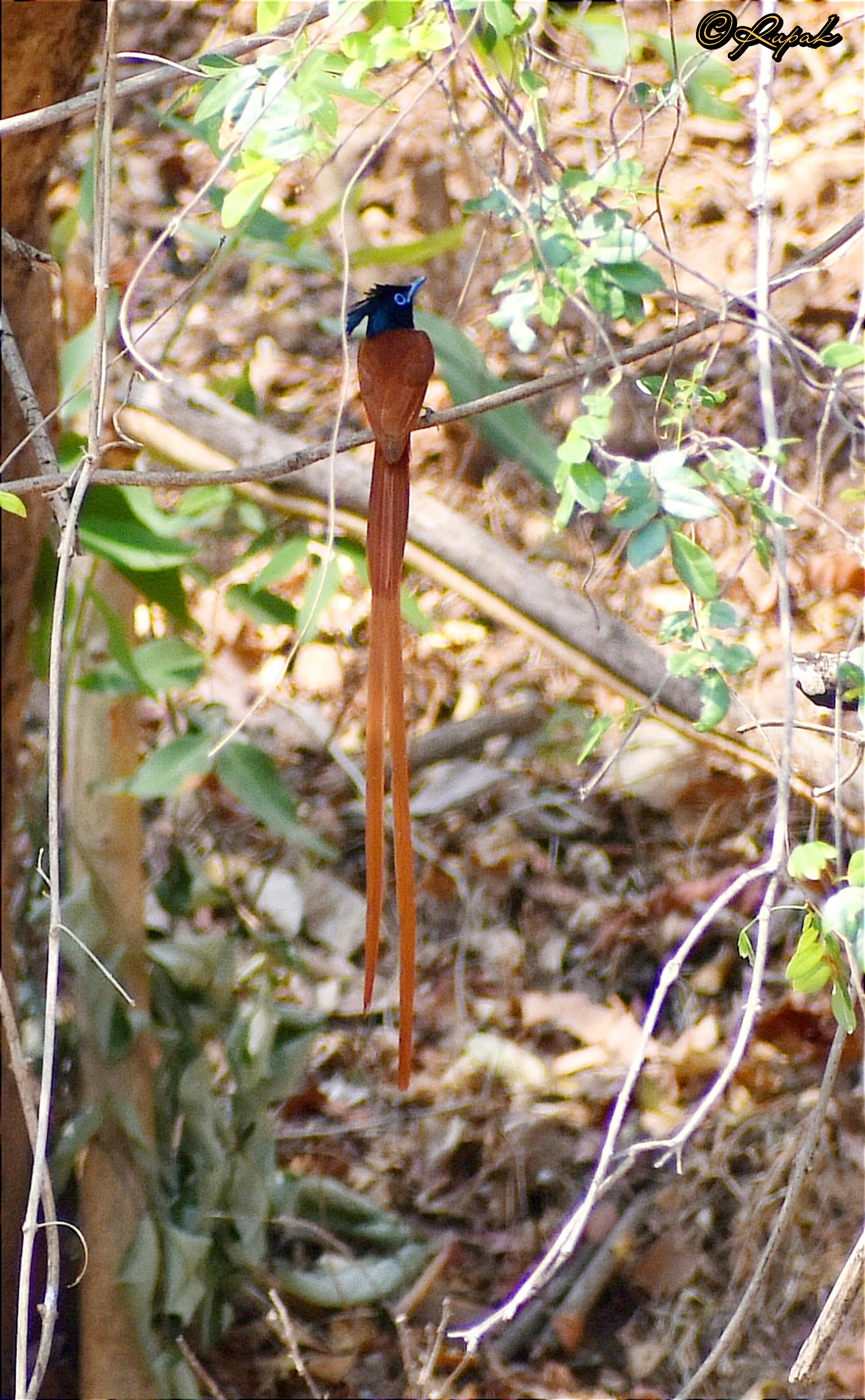
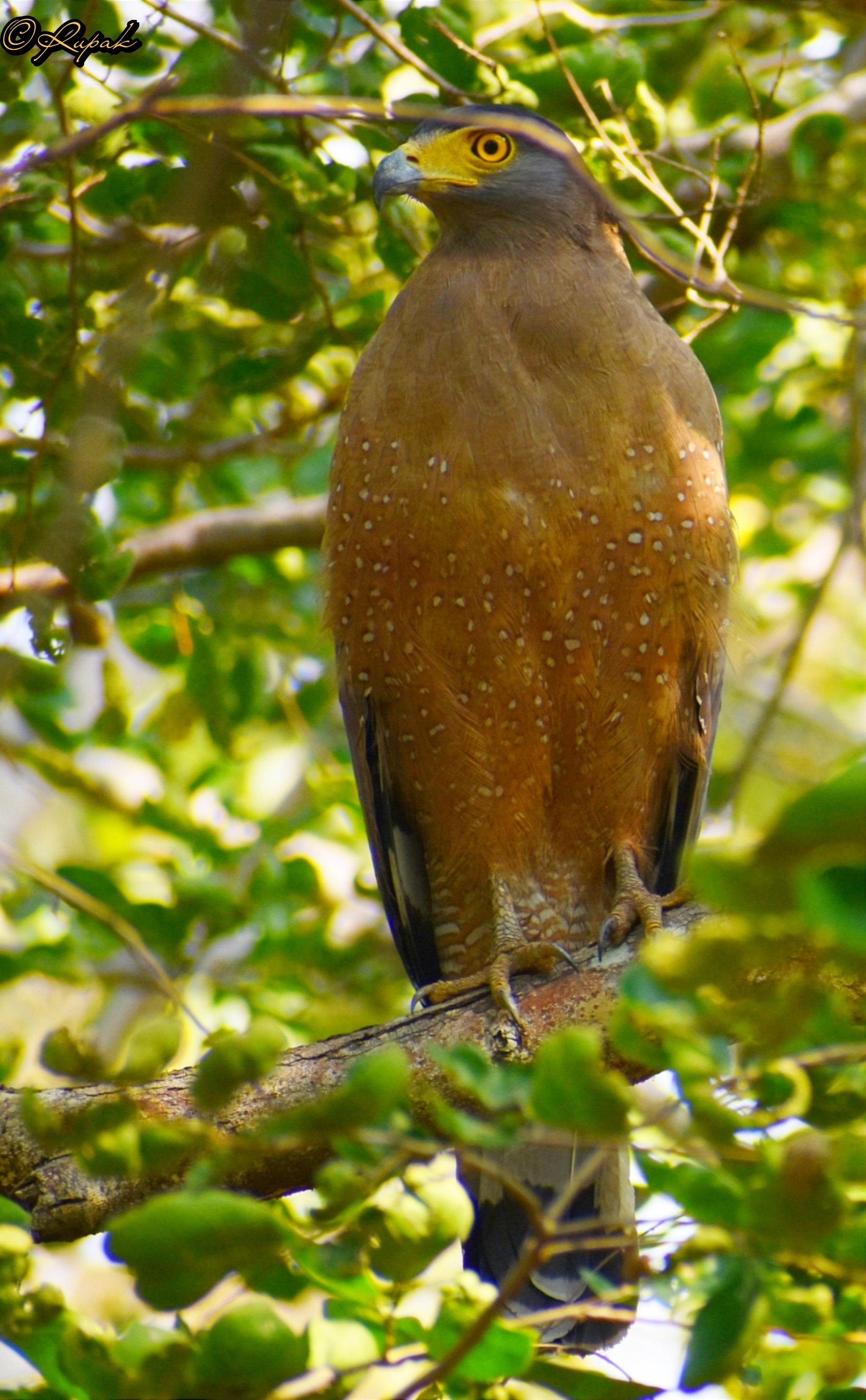
Macro found in GBM Sanctuary
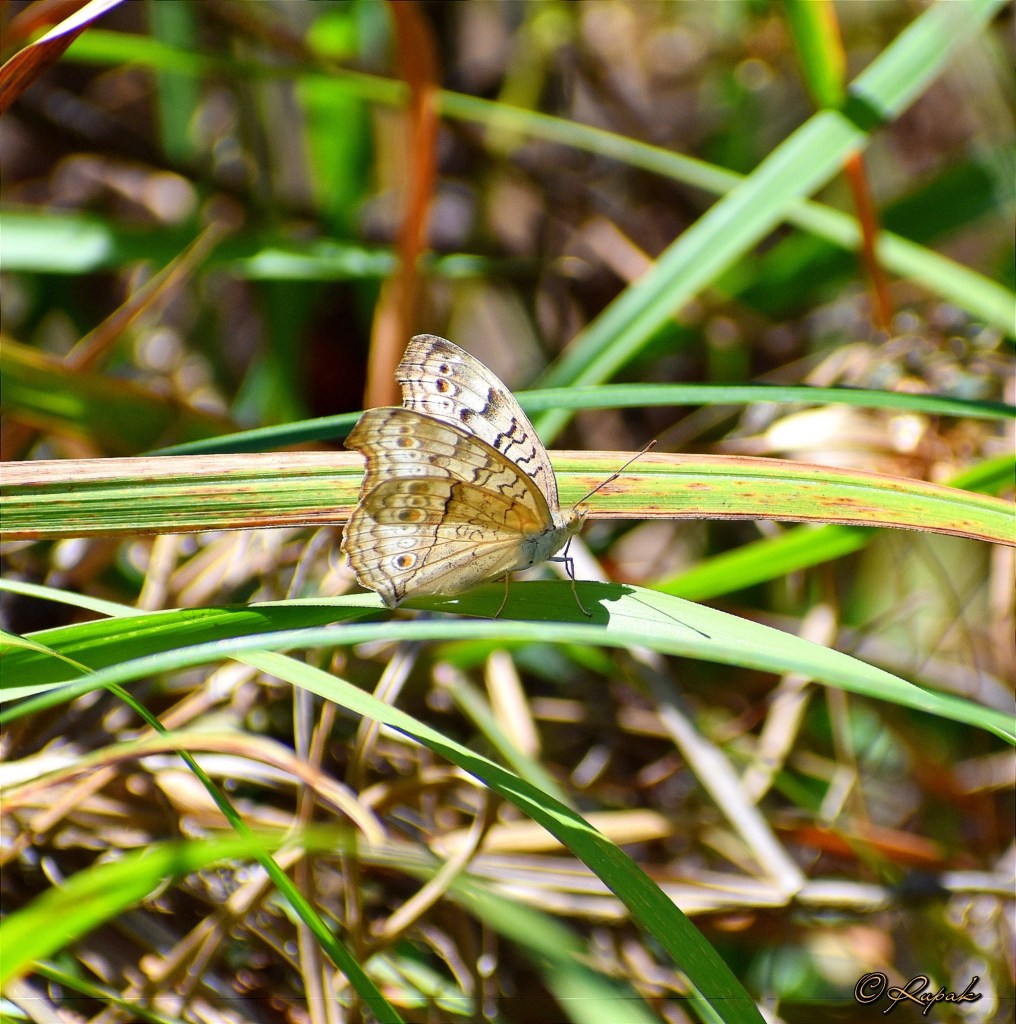
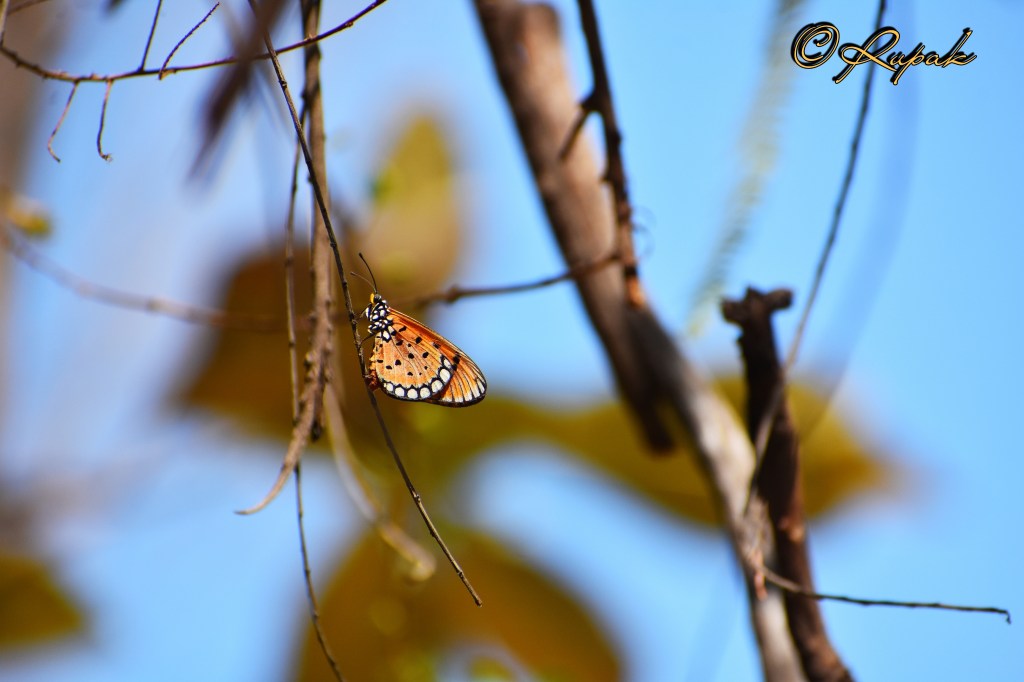
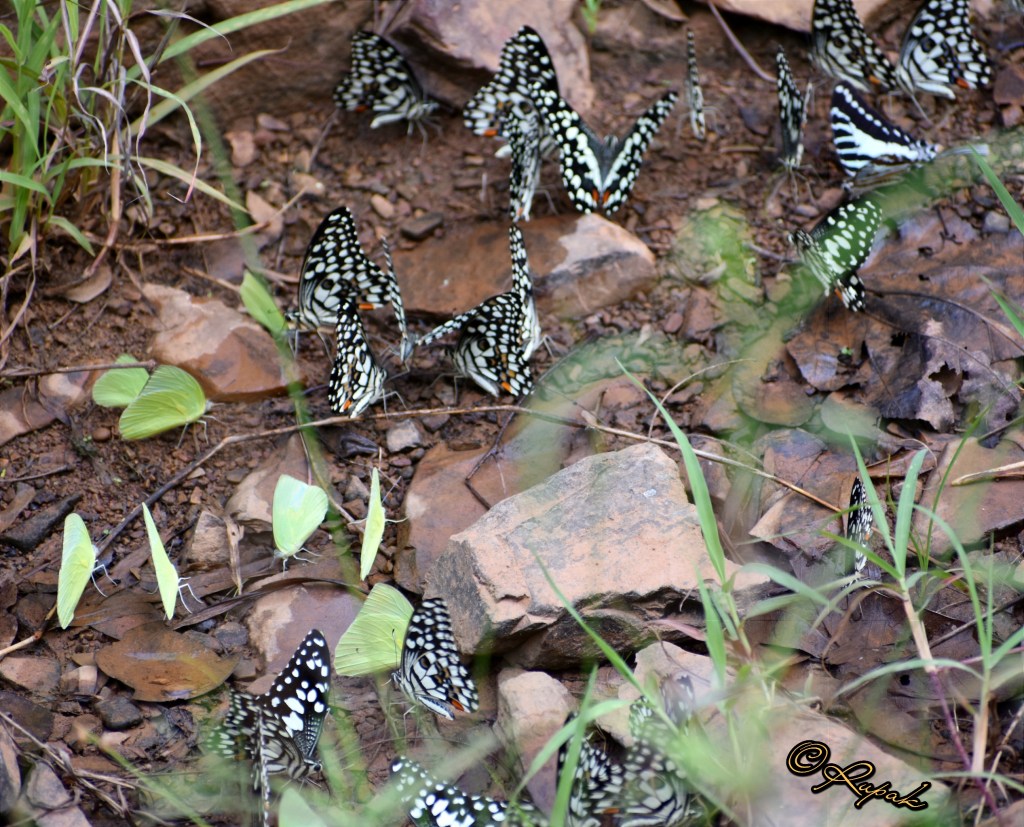
Butterflies–
- White Peacock (Anartia jatrophae)
- Plain tiger
- Common rose
- Blue tiger
- Lime blue
- Grass demon
- Indian skipper
- Common mormon
- Crimson rose
- Common rose butterflies etc.
Moths
- Actias selene
- Daphnis nerii
- Slug moths
- Monkey moths
- Owl moths
- Antheraea Paphia etc.
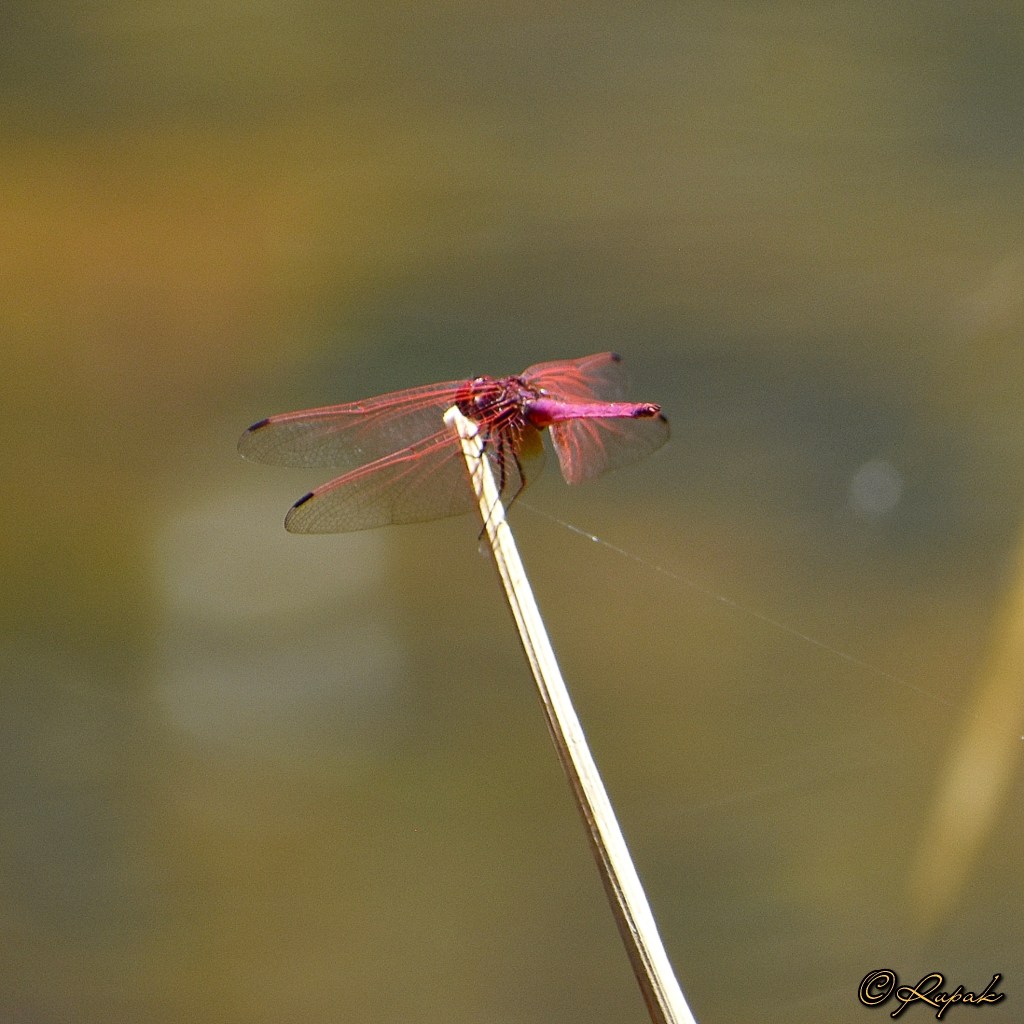
Dragonflies (Anisoptera) & Damselflies (Zygoptera), Anisozygoptera
- Southern hawker (Aeshna cyanea)
- Ground skimmer
- Potamarcha congener
- Broad bodied chaser(Libellula depressa)
- Scarlet skimmer)/Rudy marsh skimmer dragonfly
- Marsh Darts (Coenagrionidae)
- Paragomphus/Hooktails
- Bush Darts (Platycnemididae)
- Bambootails (Protoneuridae) etc.

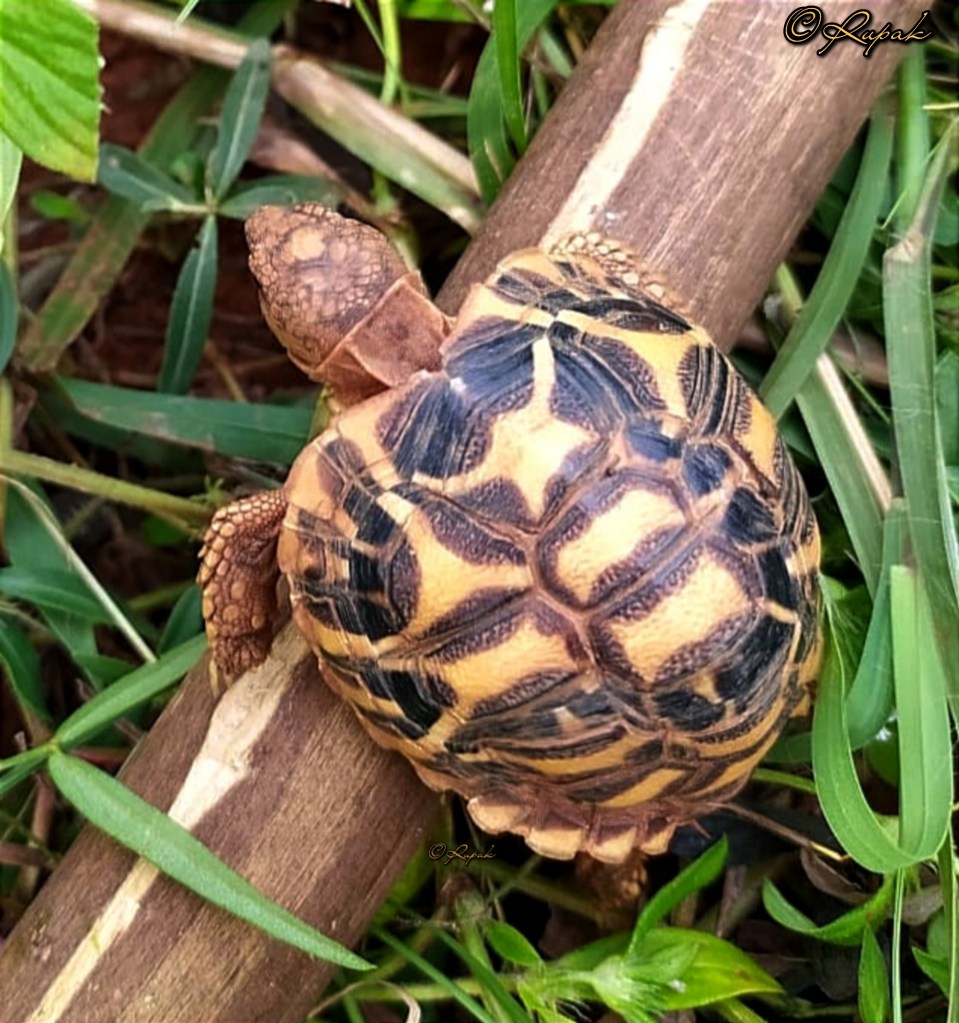
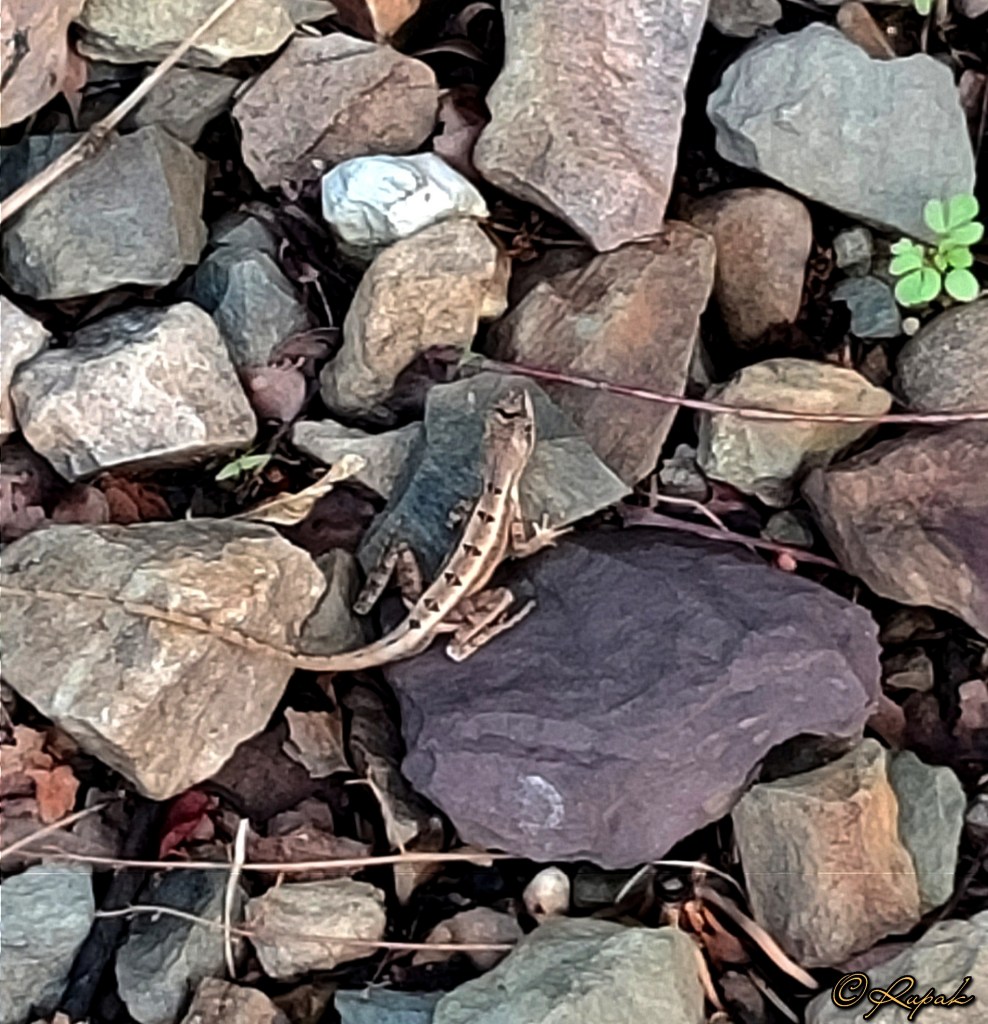
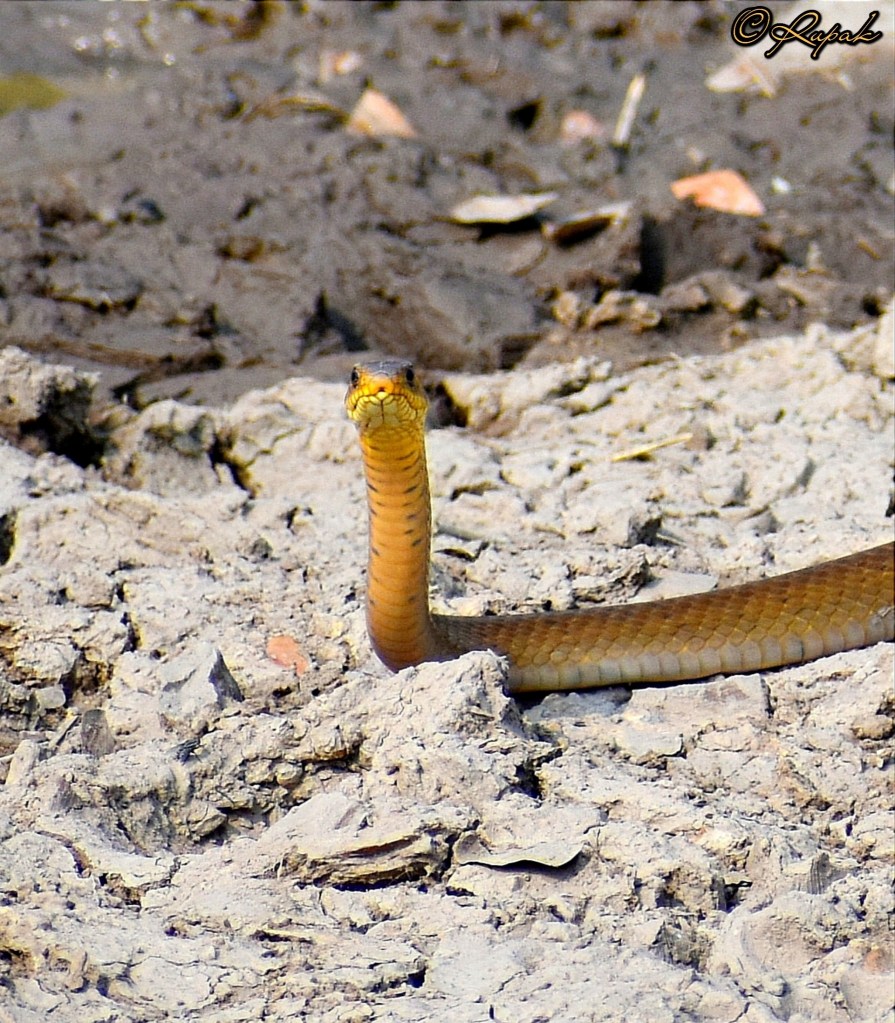
Lesser fauna include Reptiles– Indian star tortoise, Indian python, Indian cobra, rat snake, Bengal monitor lizards, Geckos, Indian chameleon, Mugger/marsh crocodile; Fish fauna– Puntius ticto, Juvenile fish; Amphibians– Common Indian Toad, Pond frog, common tree frog; and Endemic reptiles includes skinks, Nagarjun Sagar race snakes, etc.


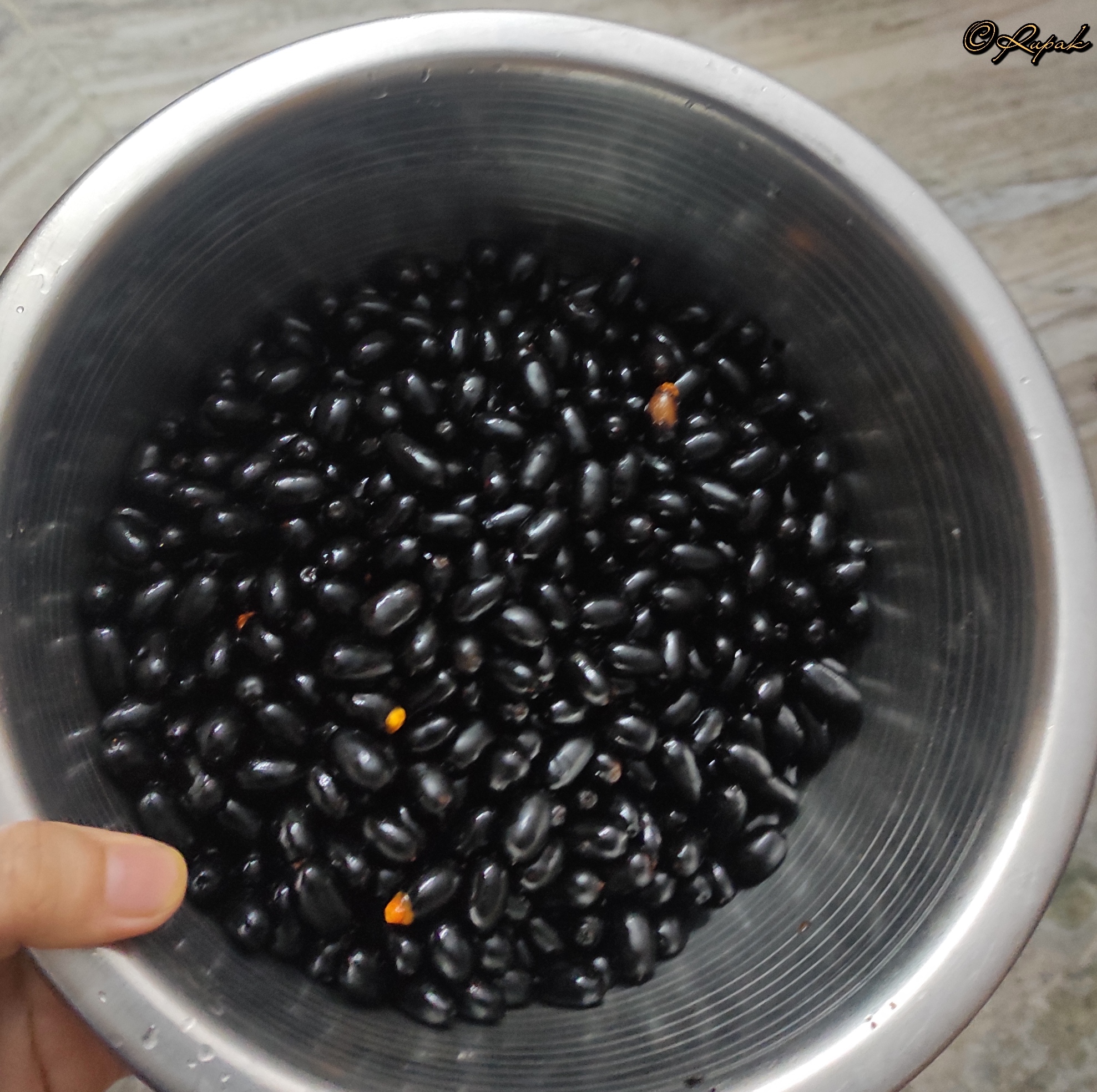
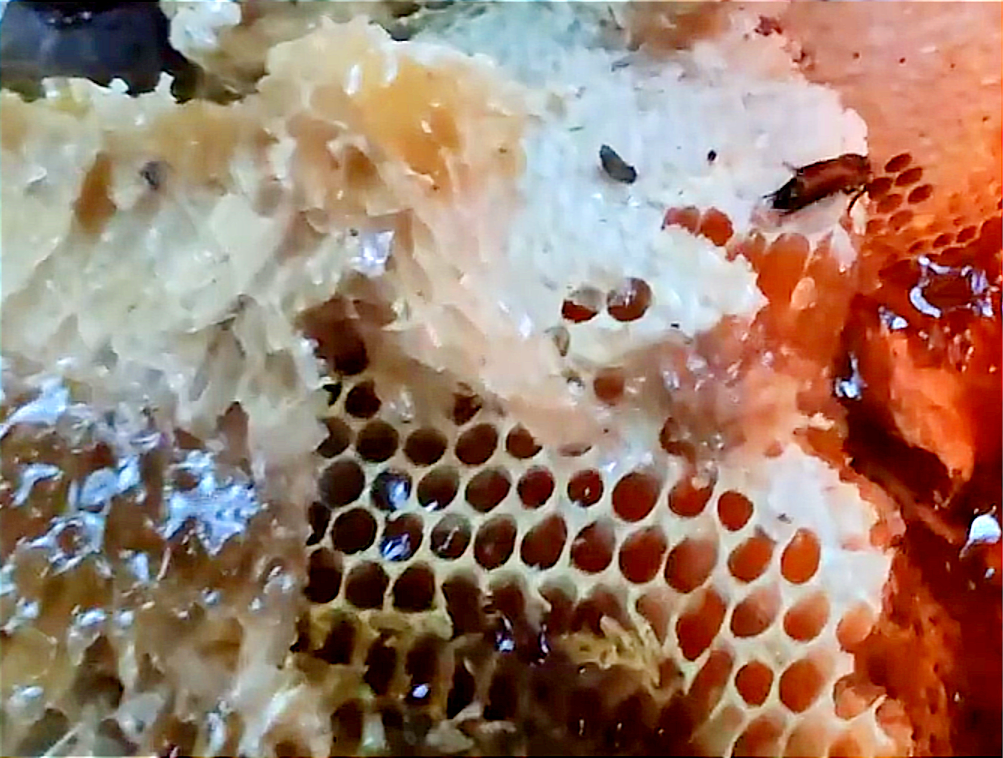
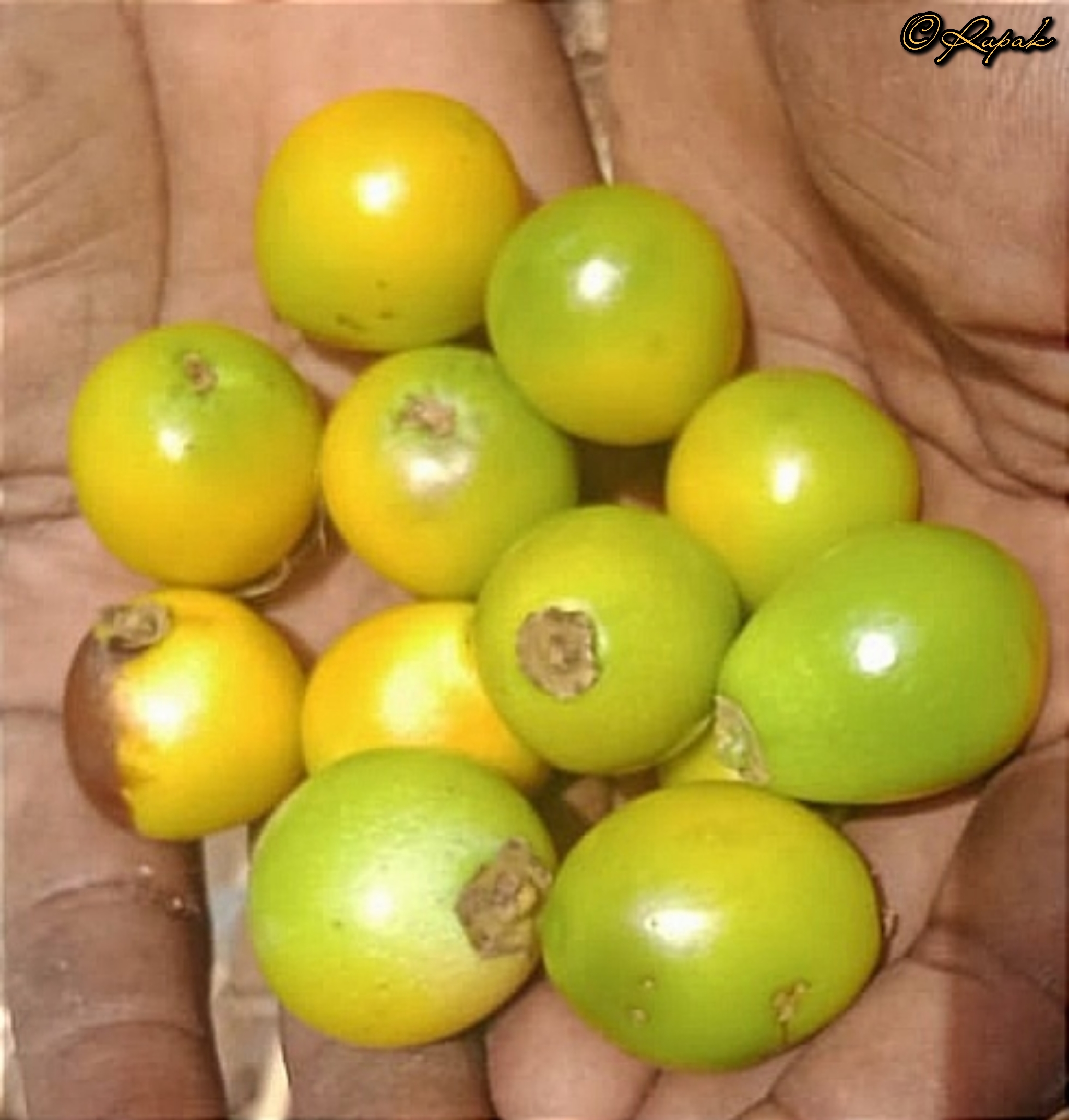
Forest Resources: Forest Resources like Honey, Beedi leaf, NTFP like Mahuva flower and seed, Chironji seed, Karanji seed, Bamboo seed, Rita, Amla, Tendu fruit, Tamarind, Feronia (Velaga), Bauhinia leaves, Broom grass, Gum karaya, wood apple, berries etc., are also available in the Sanctuary.






GBM sanctuary inside nallamala forest is full of biodiversity. It’s very difficult to see and find bird species because of the dense and different kind of forest it is. Here birds are hiding themselves in a certain manner. But never lose hope! GBM is full of surprises, you never know what will come next.

An Historical moment
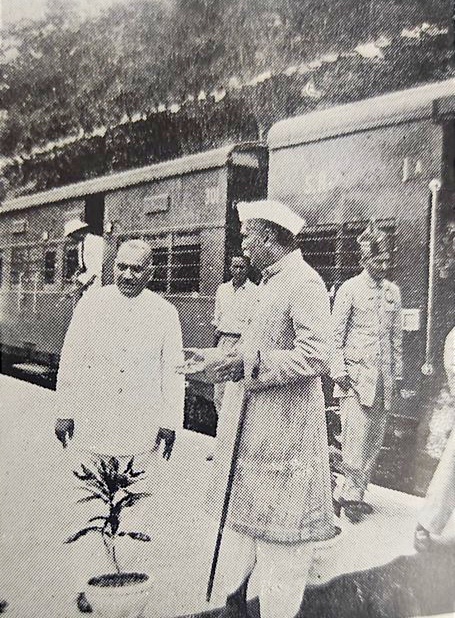
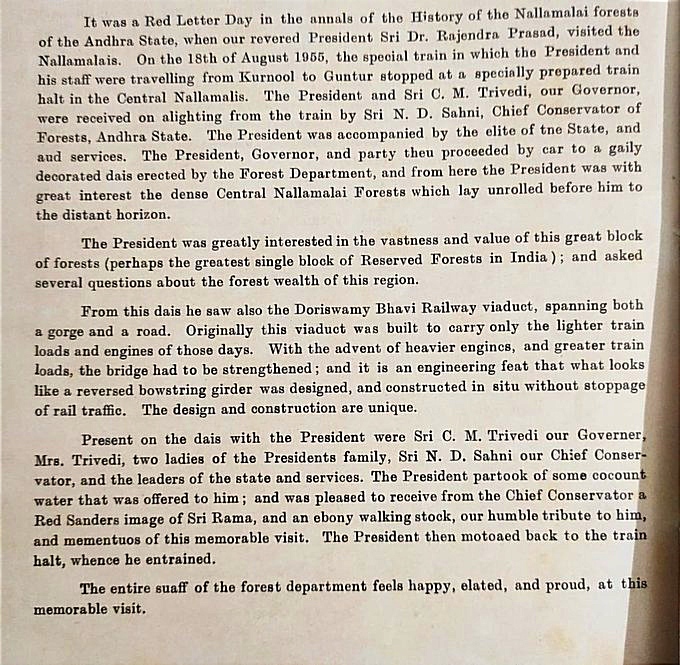
The place has historical significance as the first president of India Sh. Rajendra Prasad while passing on the train, stopped and got down at a specially made halt in the nallamala forest to experience the glory of this prestigious and largest block of forest in the country. He shared similar views and wrote them down in the memory of the forest of nallamala forever.


Regimanu Kunta
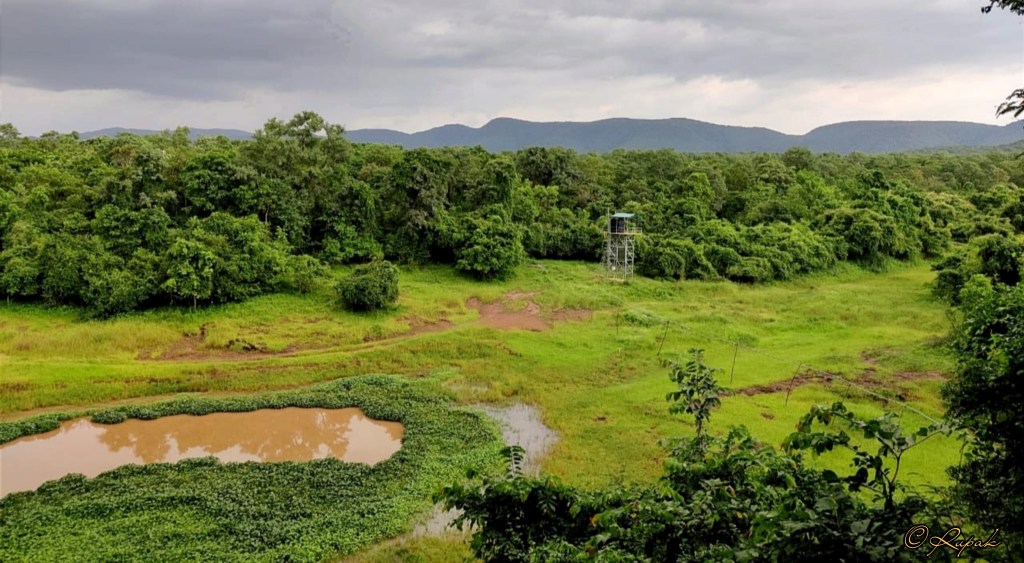
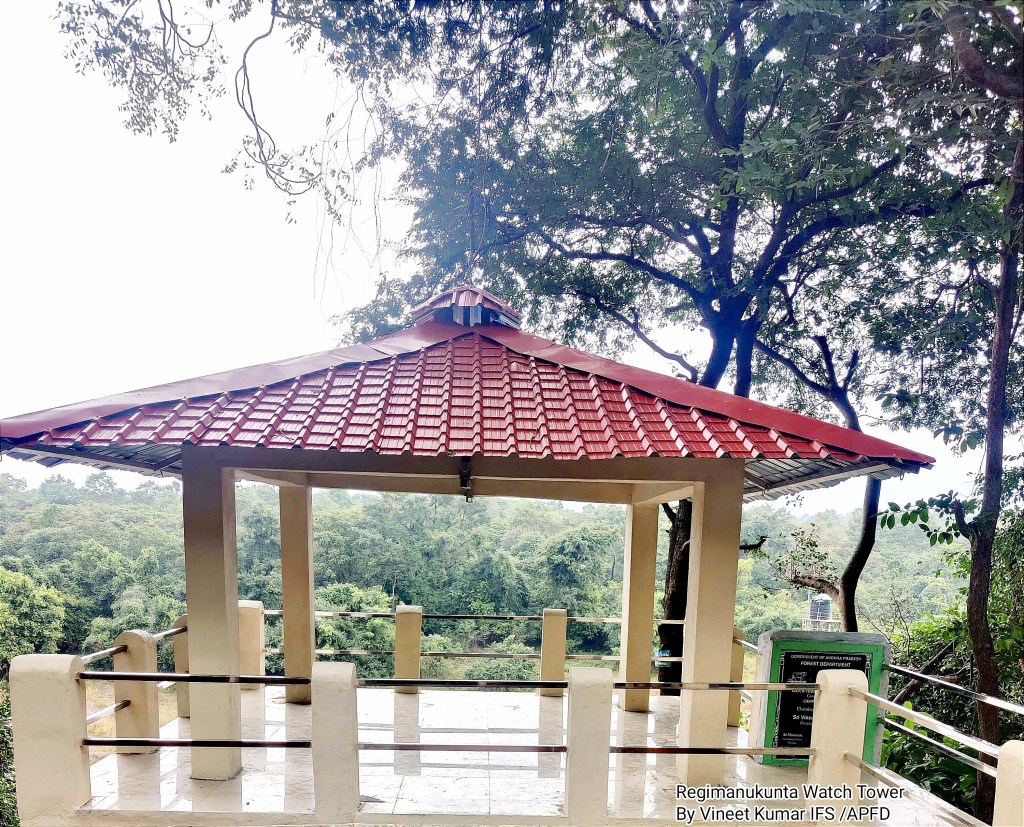
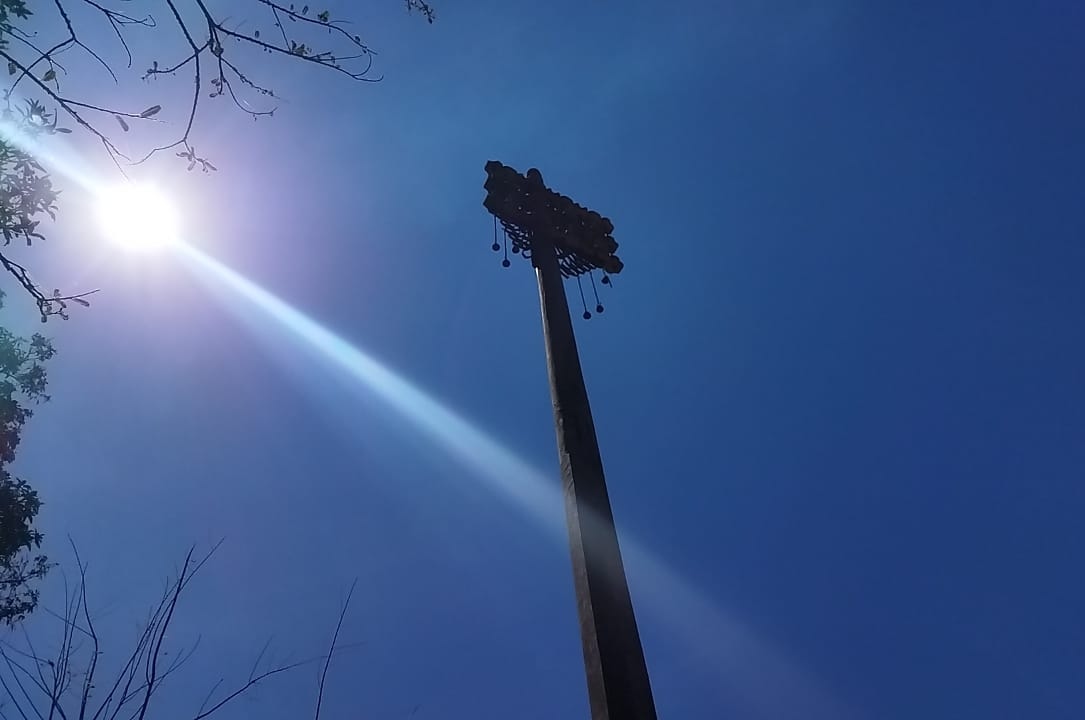
‘Regimanu Kunta’ – ‘Regi’ in Telugu means the Ber, Indian Plum or Indian jujube and ‘Kunta’ translates to a pond. The location got its name due to large number of Regi trees being present here. Though Regi trees are uncommon inside deep Nallamalai forest, it is understood that the seeds of regi got here while Britishers constructed the old railway track through the forests. Regimanukunta was created due to the earth removed for the construction of railway line around 1890. The habitat of Regimanukunta is unique and shows the properties of an eco-tone where dense forest, water body and open grass patch meets. The edge effect created due to these multiple habitats leads of rich biodiversity. During summer season, when natural water bodies in the forest are dried, wild animals frequently visit here for their drinking needs. The place is ideal for hunting and frequent hunting happen in the area as the dense forests provide a good hiding cover for carnivores like Tigers, Leopards, Wild dogs (Dhole) and good number of herbivores including Sambar deer, the main prey base, Spotted deer, Wild boars etc. The place hosts great bird diversity including presence of migratory birds. The hill visible from here s part of central Nallamalai ridge. This watch tower is constructed by Andhra Pradesh Forest Department to make the access to the place comfortable. Sit back, relax and enjoy the cup of tea in natural breeze while you may be lucky to spot some wildlife. Do watch and identify beautiful birds if you can spot any here.
Cultural and Religious Importance
GBM sanctuary is the Land of God, Trees and Tigers. Sanctuary is named after a very old temple i.e Gundla Brahmeswaram temple located inside it. One has to travel more than 40 kms inside dense nallamala forest to reach the temple which is the heart of the sanctuary. It comes under Nandyal district of AP.
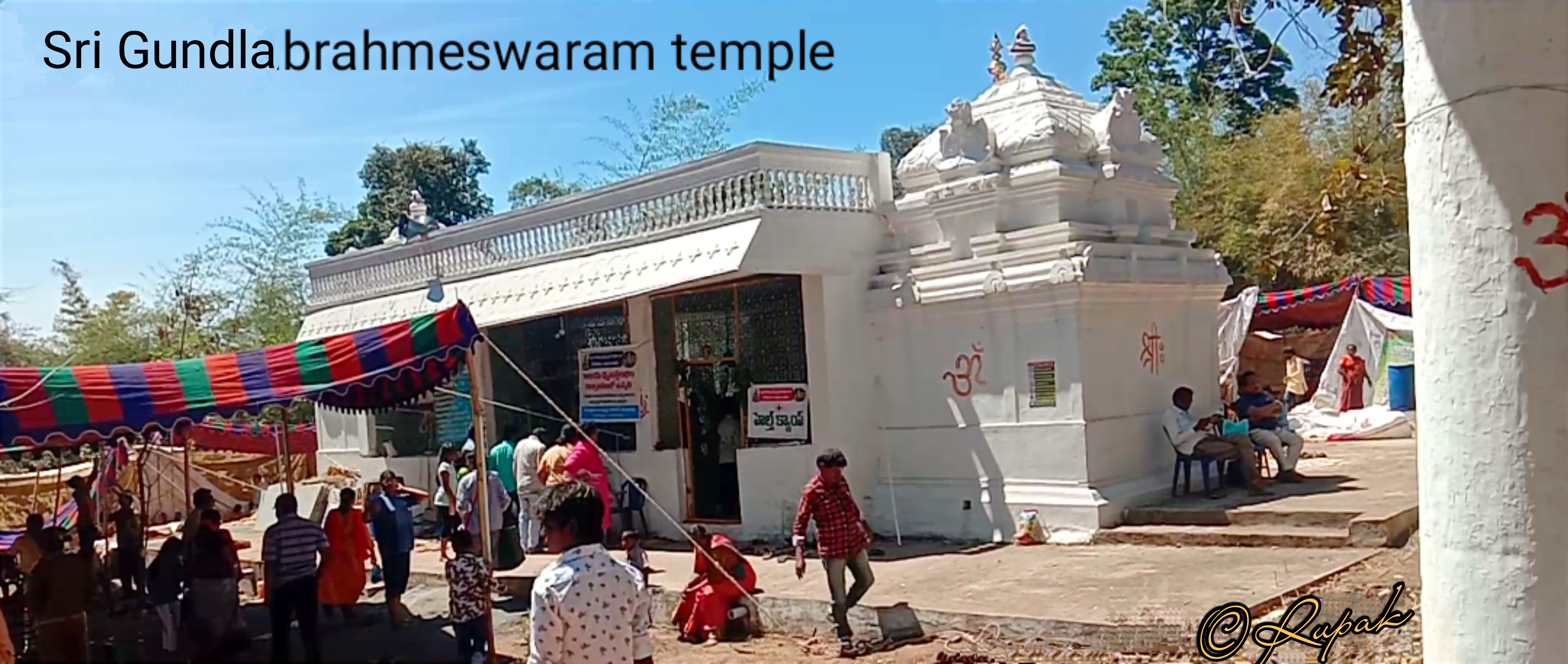
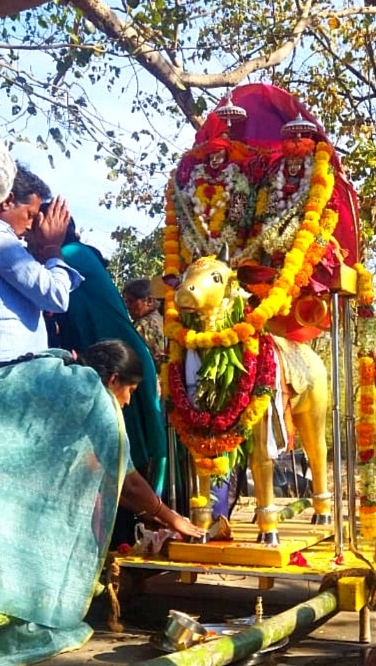

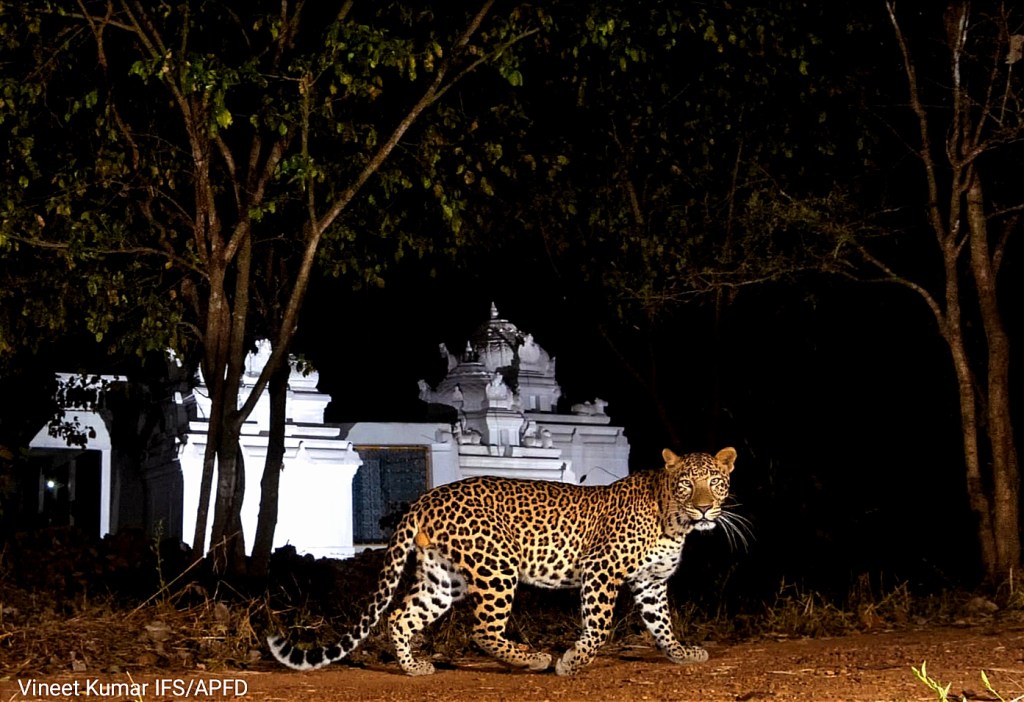

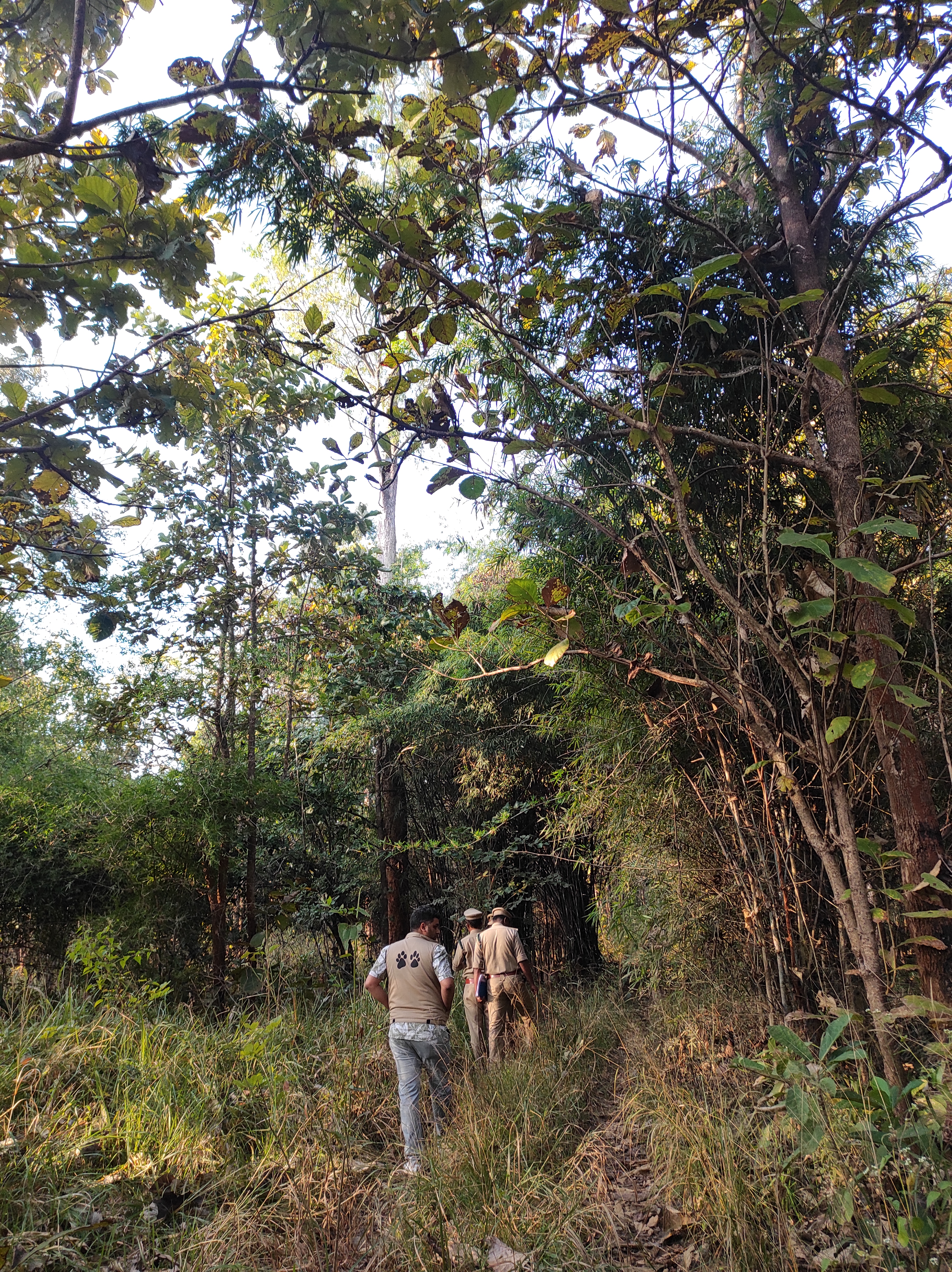
God lives inside the forests. This temple attracts a huge number of pilgrims every Mahashivratri. People from neighbouring states like Karnataka and Maharashtra also visit this temples. Mahashivratri festival is the great night of lord Shiva. And it is believe that Ashwatthama, son of Guru Dronacharya ji, is still roaming in the Nallamala forest, cursed by Lord Krishna. Mahashivratri celebration is a part of tradition for the forest department on each mahashivratri. They tightened the protection on festival days. Several restrictions are being put by the FD. The Forest Department is working very bravely here to protect our natural biodiversity. Shri Vineet Kumar IFS, is the District forest officer Nandyal here. Under his guidance and strict protection, the biodiversity has been increased, the number of tigers are also increasing in corridor areas. The tribal community Chenchu tribals are playing very significant roles in tiger protection, they reside in base camps and do regular patrolling in the sanctuary.

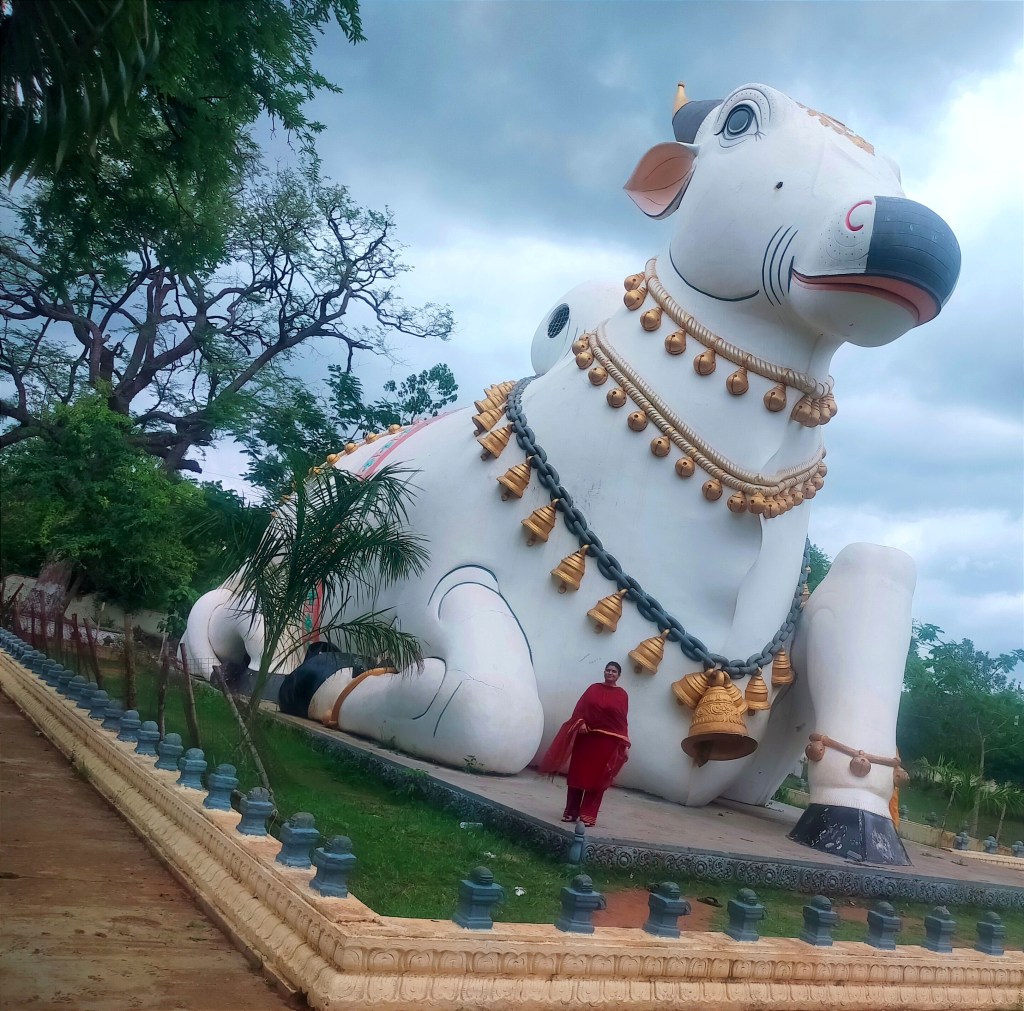
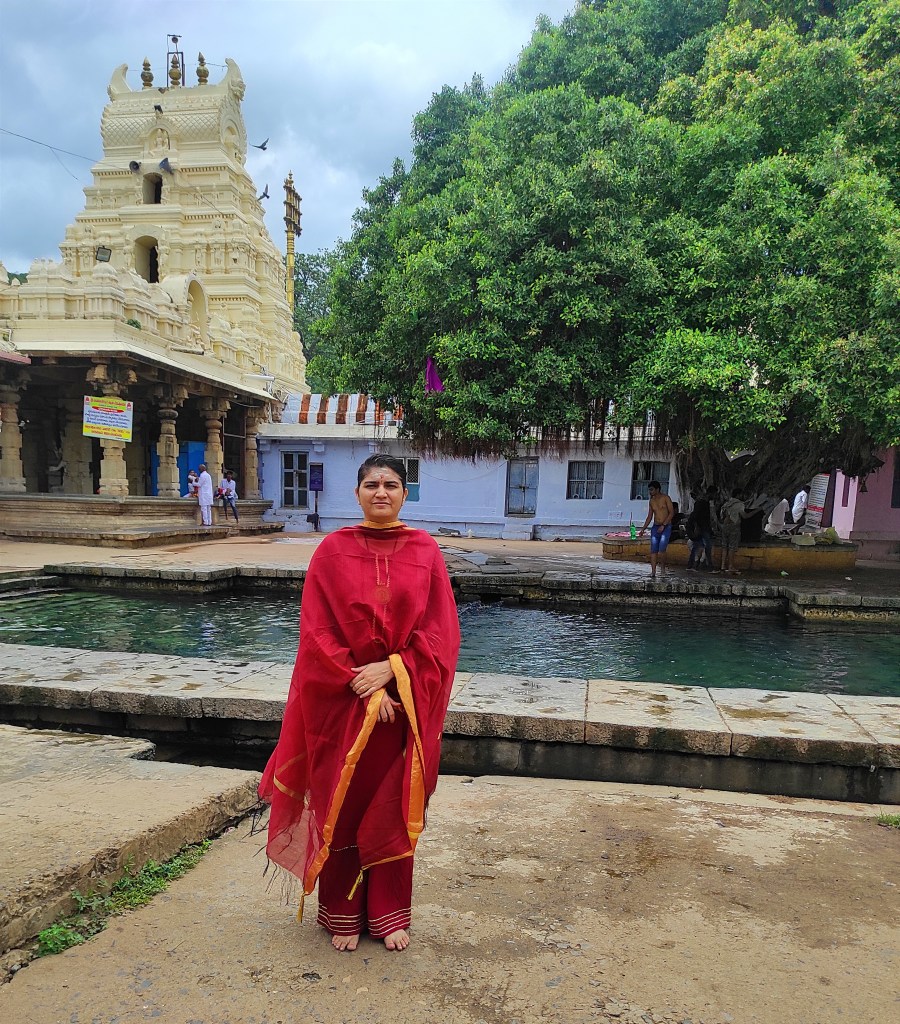
The famous temple of Mahanandiswara or Mahanandi, is one of the Nava Nandis dedicated to Lord Shiva. Mahanandiswara temple, based on which Nandyal district is named after. Nandi+alayam means home, “Home of Nandi”.
Mahanadiswara, the vahana of Lord shiva, is located on the edge of GBM sanctuary. The temple is uniquely famous for its ‘Koneru‘ which is having clean and crystal clear fresh water flowing round the year even during extreme summers. Most pilgrims take the holy dip in the Koneru. Also this Koneru water is supplied to the agricultural fields in surrounding villages where the famous ‘sugandhpala’ variety of banana is cultivated. The water is believed to carry rich nutrients and minerals thus having religious, cultural as well as economical significance. However most of the people don’t know that source of this water is the pristine deciduous forest of GBM sanctuary. From the interiors of GBM, water flows underground and in sub-surface level exiting at the Mahanandi temple Koneru. This is one of the many such water resources generating out of the forest of GBM.
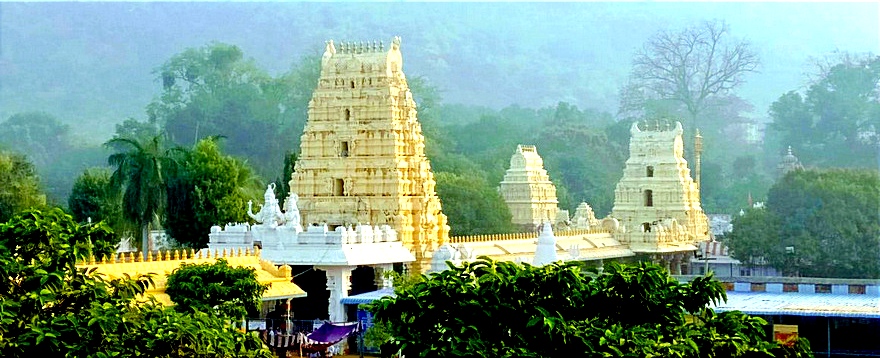
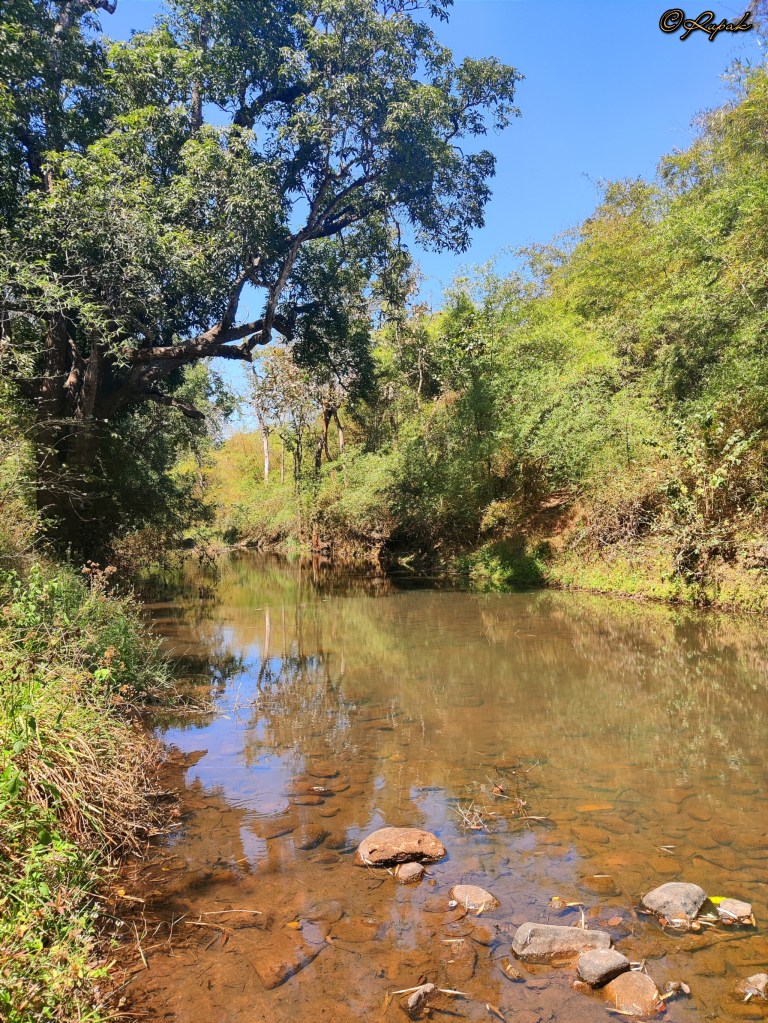
The Gundlakama river is flowing through the sanctuary which makes it more beautiful.
Issues and challenges in GBM Sanctuary landscape
- Habitat degradation and fragmentation
- Poaching of animals, especially herbivores mainly during summer time leads to pressure on their population.
- Illegal activities such as illegal bamboo cutting, country liquor, illegal NTFP collection etc.
- Threat from invasive species- Hyptis suaveolens, Lantana camara, Ageratum conyzoides, Chromolaena odorata, Datura metel etc. These invaders cause loss of native biodiversity. These can also alter the nutrient cycling, water table, fire regimes, native vegetation, availability of native diversity and wildlife populations, prevent recruitment of native species, ecological balance, etc.
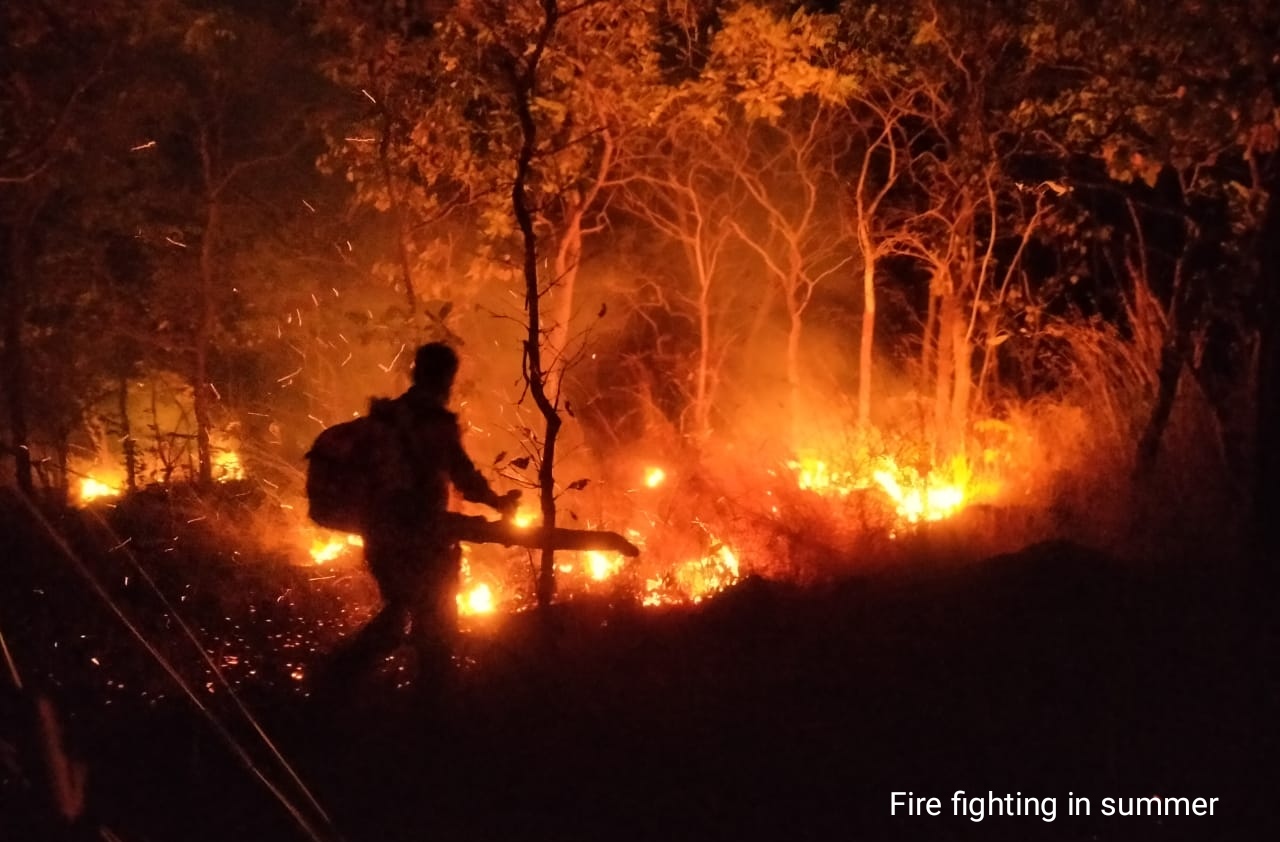
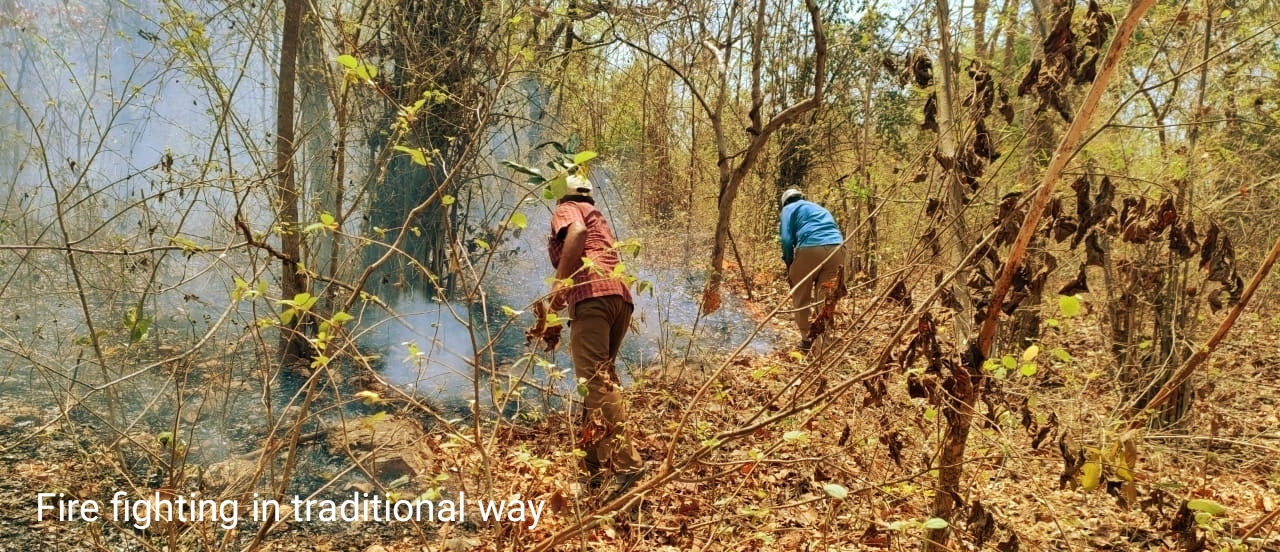
- Forest fire- It has severe impacts on regeneration of species. Hence destroying the new forest crops. Also it affects forest species composition in the long term when it favours certain species and suppresses certain others.
- Because of Plant diseases, insects & Pests and no scientific monitoring & interventions, many species are getting reduced to less numbers overtime.
- Data deficiency- In today’s era of data and technology, it is essential to gather information on more parameters pertaining to the forest ecosystem so that its health can be monitored and improved. This will lead to good habitat for wildlife and also ensure conservation and preservation of biodiversity.
- Scientific Wildlife Management- The area has a very good scope for supporting more wildlife. Hence wildlife management should be taken up intensively and scientifically. Specifically more focus needs to be given on monitoring and enhancing the wild herbivore population.
- Nature of Forests and their uneconomical utilization- Forests are majorly of dry deciduous type and hence should not be overexploited. And more economical & ecological methods should be devised.
- Lack of training and research in preservation management and techniques
- Pilgrimage- The GBM landscape is dotted by many temples in and around the forests. Like Mahanandi, Krishnanandi, GBM, Honkaram, Ulleda temples etc. Huge number of pilgrims visit the place. This causes disturbance to the habitat, forest fires, waste disposal, wildlife and their habitat, pressure on forest resources. Sensitive issues like encroachments, tree felling, hunting etc. are also carried out in the disguise of pilgrims.
- Linear infrastructure projects- Road & Railways crossing the forests on the edge of the sanctuary leads to habitat fragmentation and killing of wildlife animals due to collision and also disturb the habitat. This leads to pressure on wild animal populations and stress among individuals.
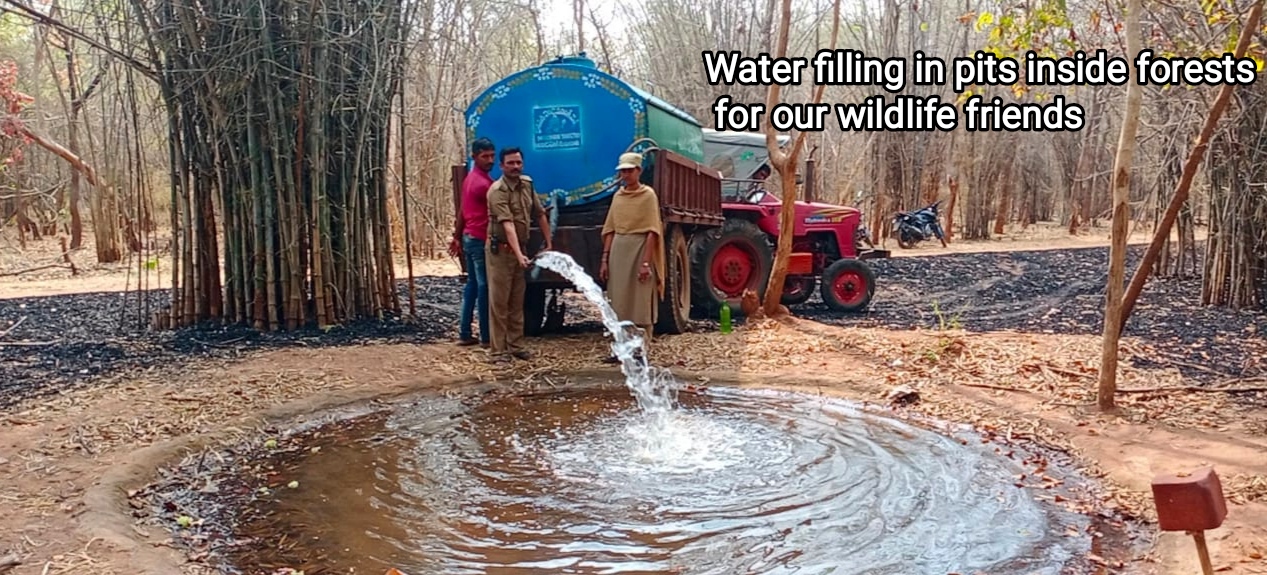
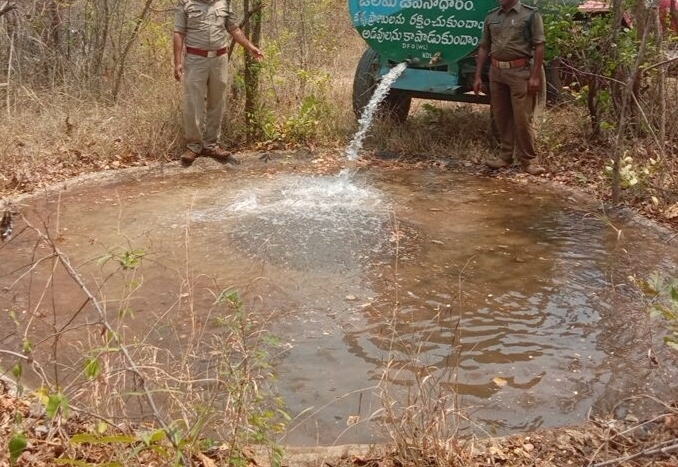
- Water scarcity in summer- The area is dry and natural water bodies are less in number inside the forests. During the summer season, most of the water sources dry up and only perennial ones have water and there will be severe competition for this among wildlife animals. Even the poachers take advantage of this situation and put traps near water points.
- Weeds- Several weeds like Eupatorium, Lantana camara etc. infested in many areas in the sanctuary suppressing the native grass/plants species which act as food for herbivores and the natural regeneration of important tree species.
- Lack of awareness among people regarding the importance of biodiversity and its conservation and preservation.

Role of Forest Department (APFD)
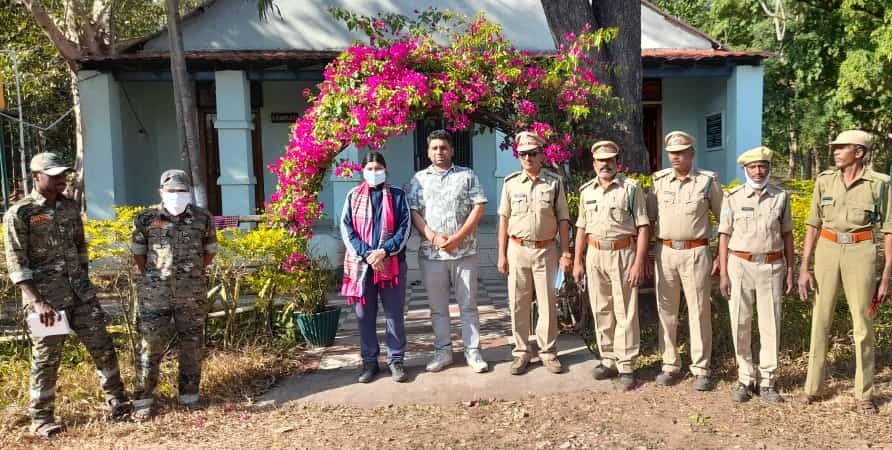
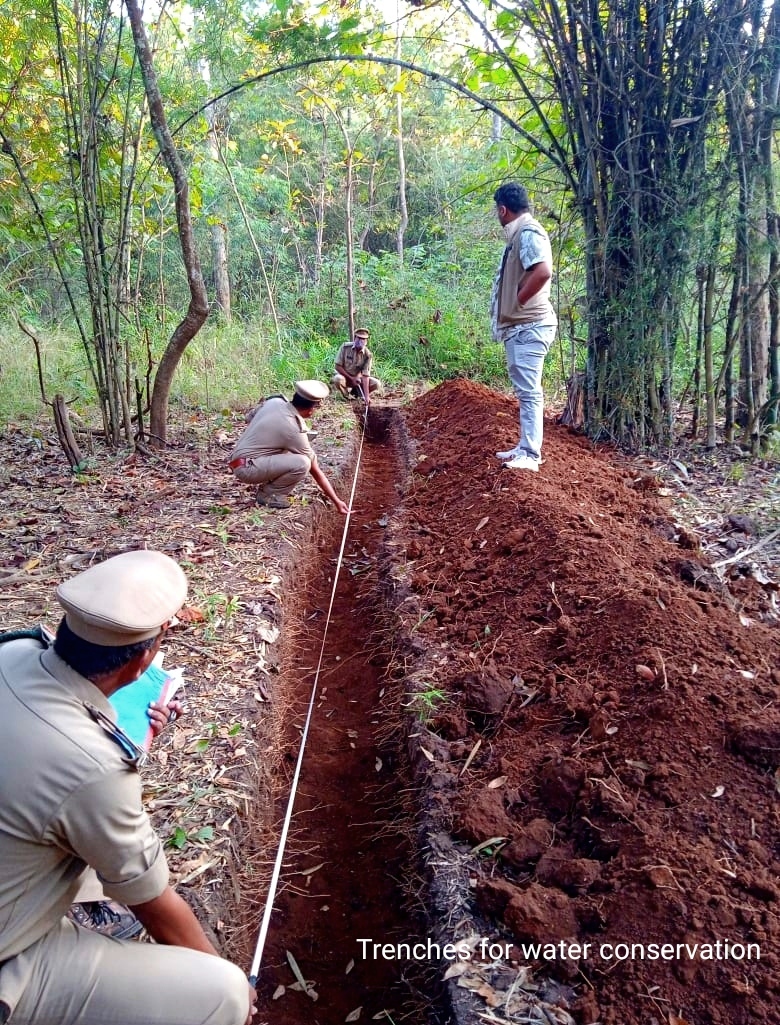
The APFD have taken several management interventions, some are very innovative for protection and development. As a result of these management practices, the forest areas in the sanctuary have gained their lost glory. There is tremendous improvement in the prey and predator populations. As per the 2019 census approximately 20-25 tigers have been recorded in GBM sanctuary. Dispersal of tigers outside the sanctuary also continues. This shows the improvement in protection and habitat.
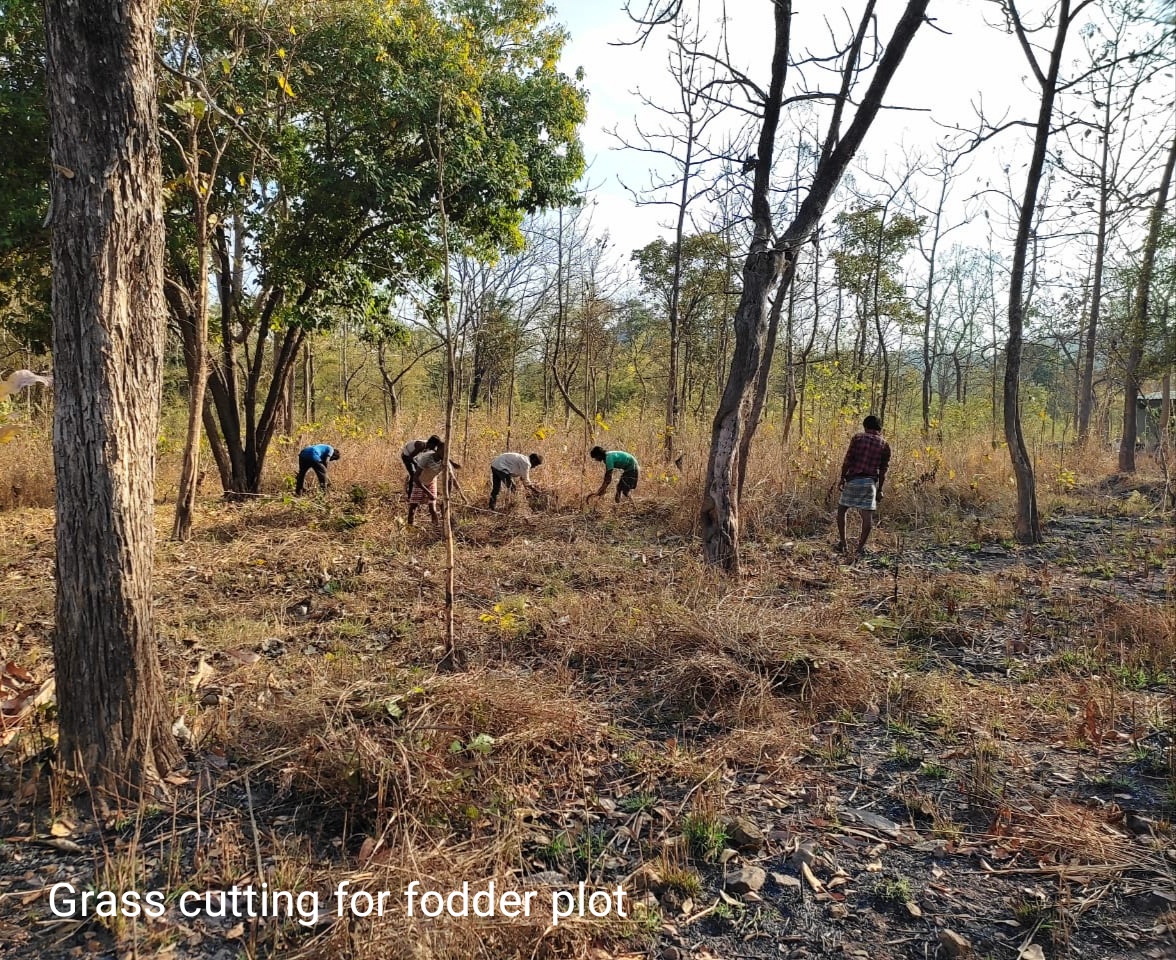
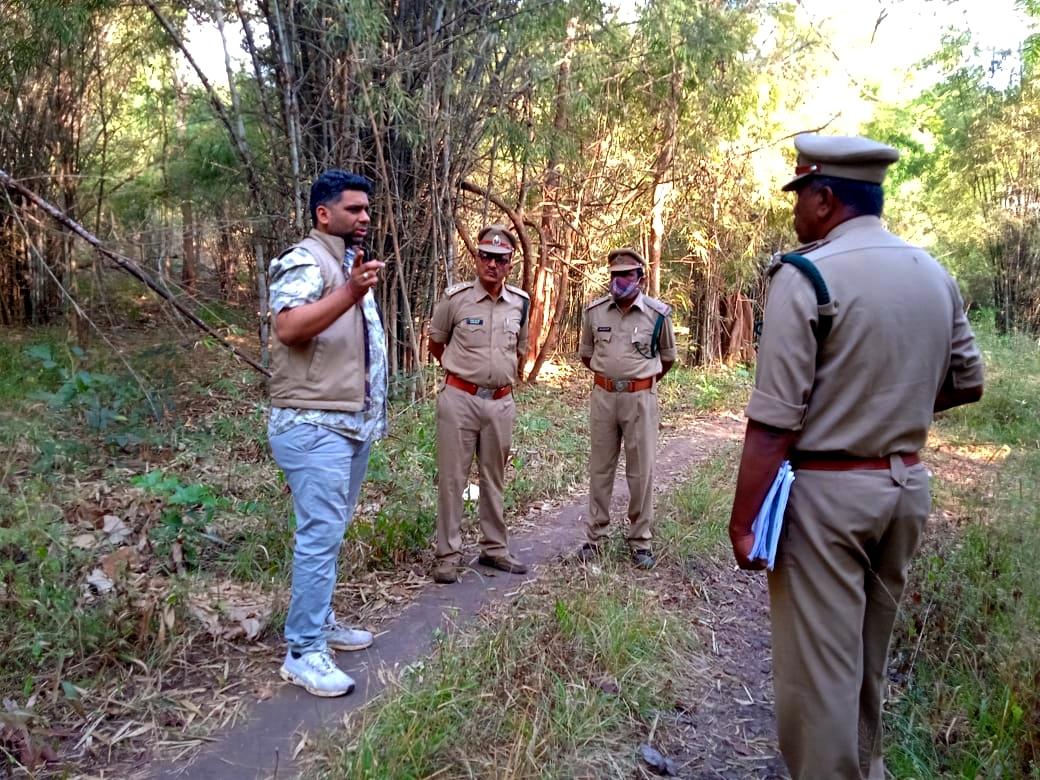
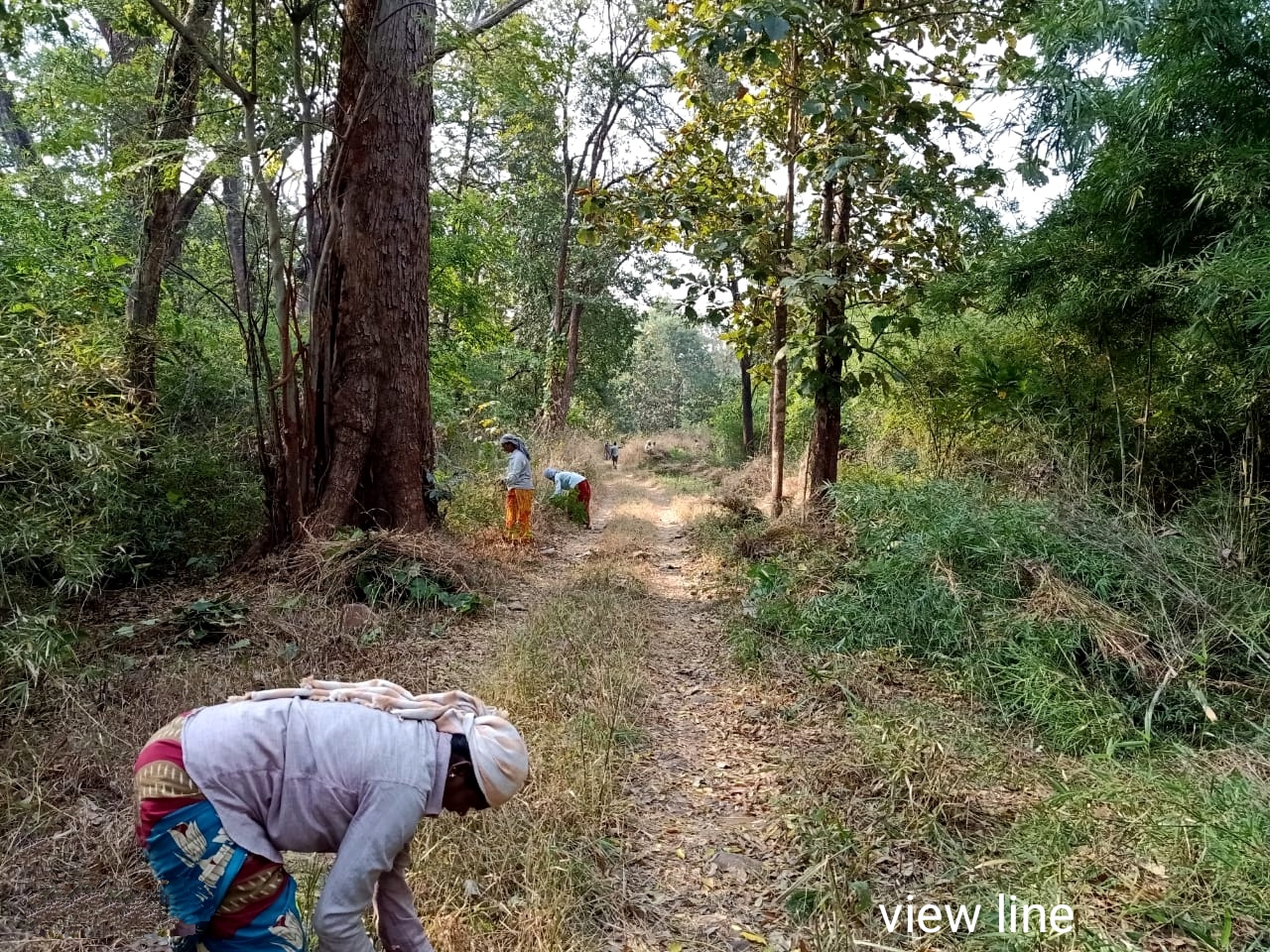
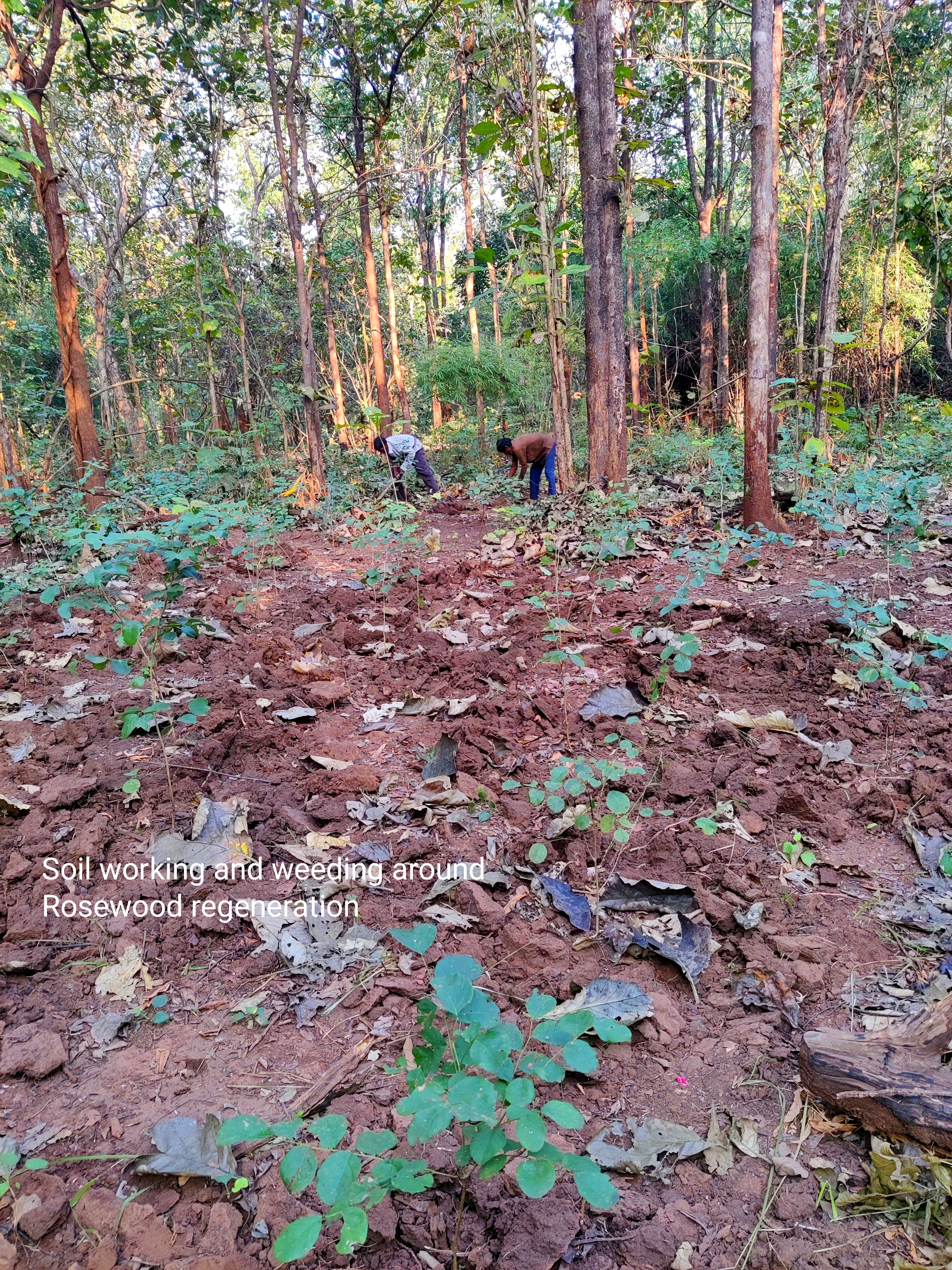
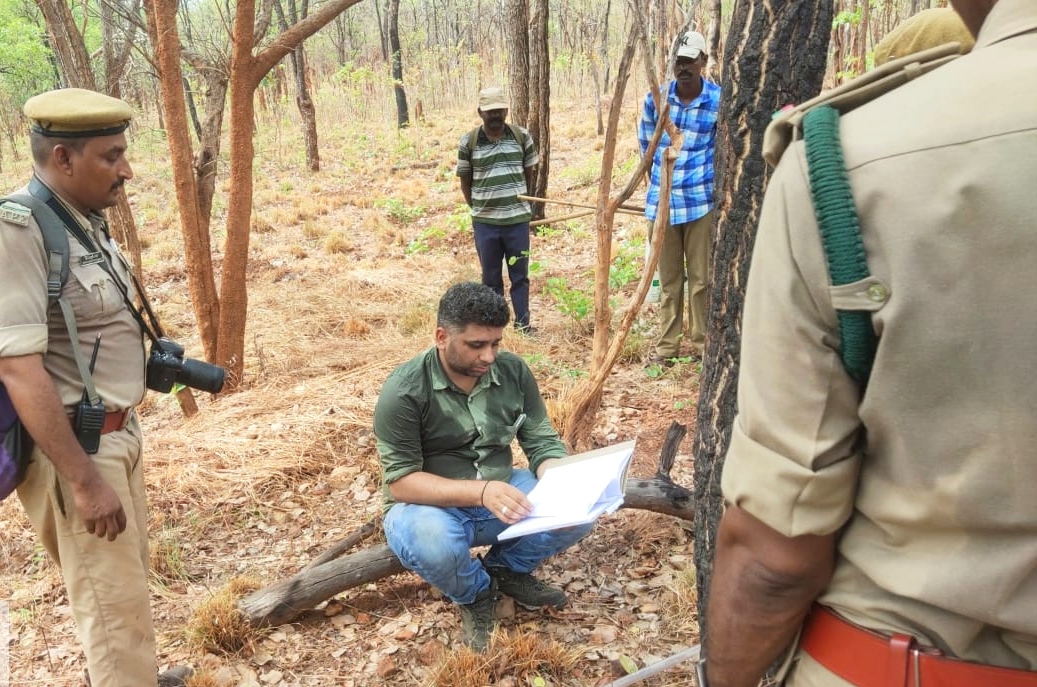
Various methods of protection measures are taken such as regular patrolling and monitoring, setting up of base camps in interior forests areas. Methods such as management of water points, percolation tanks, saucer pits (very helpful in summer time), solar pump sets, protection through Chenchu tiger trackers, execution of fire related operations by engaging local tribal watchers, swach sewaks for collection and proper disposal of garbage along roadsides, strike forces, works such as view lines, fire lines, watch towers, weed removal, fodder plots, view points, tourist tracks etc. are being taken up on regular basis and regular control and prevention of unwanted activities is achieved. A very special thanks to APFD.
DFO Nandyal Shri Vineet Kumar IFS says that “Gundla Brahmeshwaram wildlife sanctuary is an amazing place which is close to my heart. It has a lot of scope for research, development and documentation of biodiversity. It is a core habitat for wildlife such as tigers, leopards, wild dogs etc. and needs to be preserved. We are protecting, and conserving the forest resources so that we have such a beautiful place inside the nallamala forest with magnificent flora & fauna. The place will always be special to me and the prestige of this place is to be maintained.

My Suggestions
- I feel scientific research and data collection should be taken immediately to explore the rare and endangered biodiversity and document the pristine flora and fauna. More importantly I want that this natural treasure should be preserved, protected and developed for future generations.
- Many species are lost which should be cultivated in-situ and ex-situ.
- Gap planting with species such as fruit trees, important timber species, lost species, NTFP species etc.
- Identification of mature trees of important tree species and establishing seed collection banks for genetic conservation. Similarly bio labs for collection, storage and display of flora and fauna of the sanctuary can be developed and open to public.
- GBM temple should be maintained at any cost in its original natural and historical shape. Its concrete development diminished the aura of the temple.
- Impacts of invasive flora on birds should be studied. Conservation and protection of birds and their habitats should also be given importance.
- Important tree species should be Silviculturally improved and treated. This will ensure conservation of genetic resources and survival of prestigious forest crops such heritage teak plantation of GBM.
- Grassland development should be taken to improve herbivore population.
- More people should be made aware about the rich biodiversity of the sanctuary and its importance.

प्रकृतिः रक्षति रक्षिता
Nature Protects, If She is Protected.
Conclusion
GBM sanctuary in Nallamala forest is a natural habitat supporting ample birds, animal life and picturesque spots. For nature lovers, the place will definitely be a treasure. GBM sanctuary fascinates researchers, scientists, photographers, ornithologists, etc. who look for the multiplicity of flora and fauna. I can surely say that ” GBM Sanctuary is future of NSTR”

GBM is very special to me. Every visit to the sanctuary gives a different perspective of nature and its equal journey inside and outside. I visited many other sanctuaries and national parks but this place holds a special bond. The GBM sunrise and sunset can leave a permanent impression on us. I feel lucky to have known and explored this place. After knowing GBM I am never the same and I think that is what nature is all about.

Rupak
Disclaimer:All data and pictures belong to the author.

Copyright©2022Rupak.All rights reserved.


 Rupak🌱