‘The Red Gold’
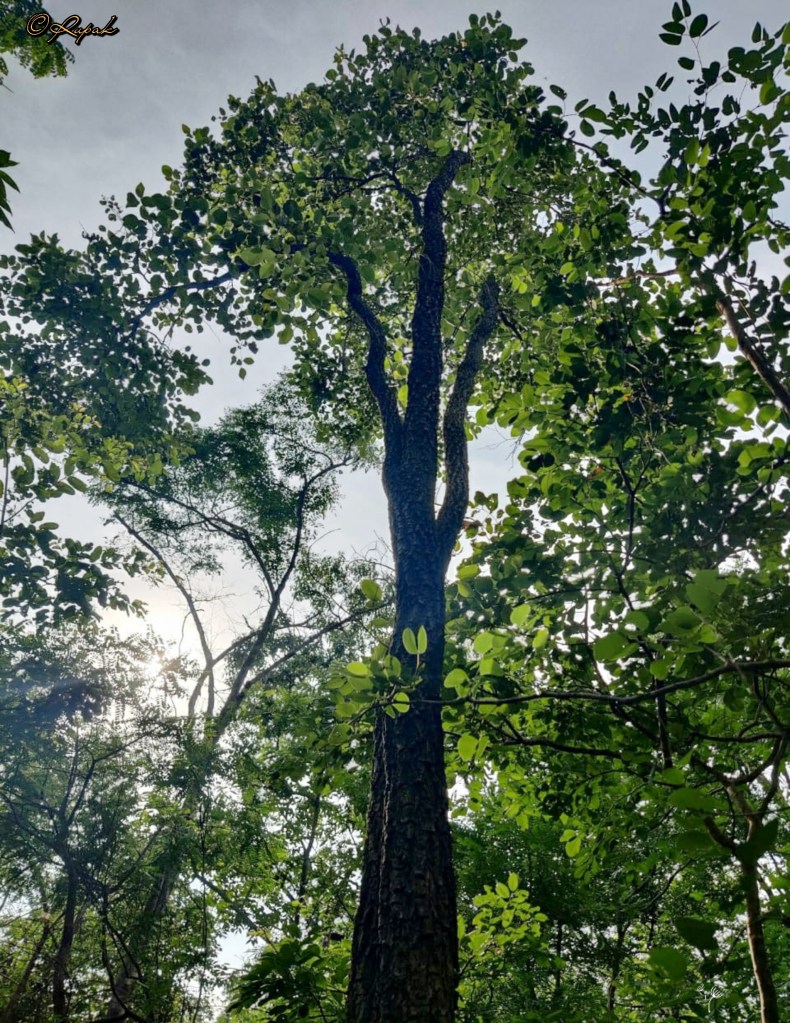
When you go to the rayalaseema region of Andhra Pradesh, Gold isn’t found below the ground but above it.
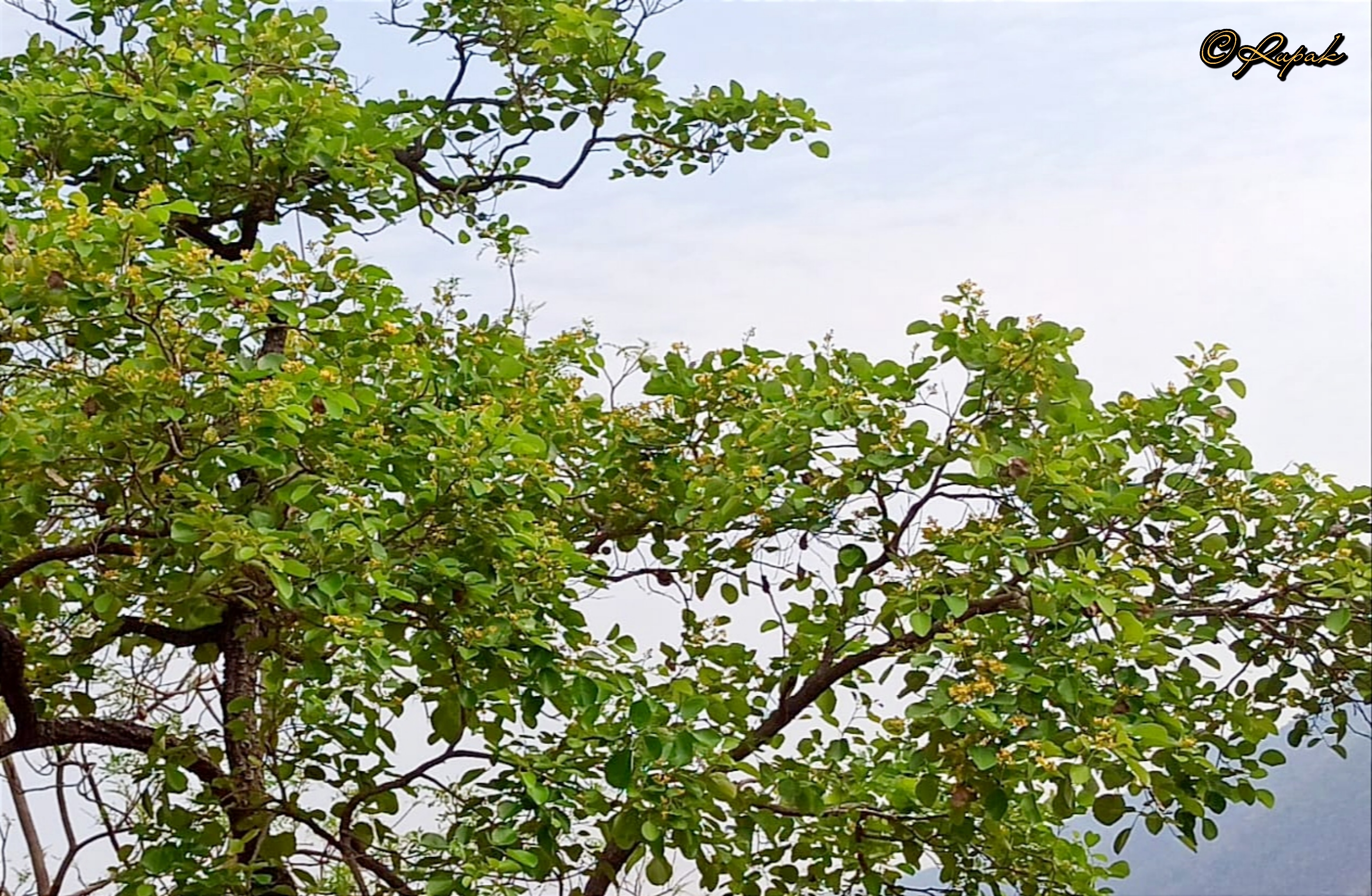
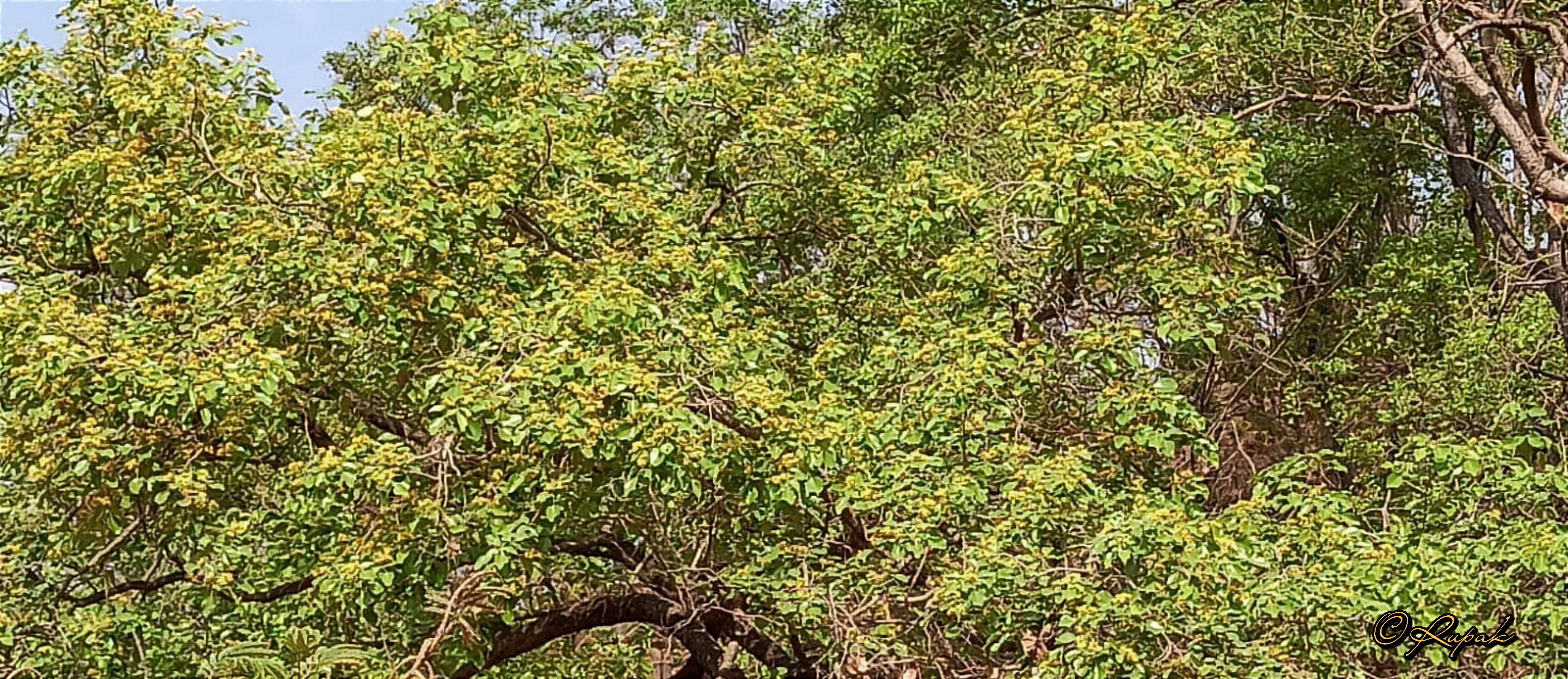
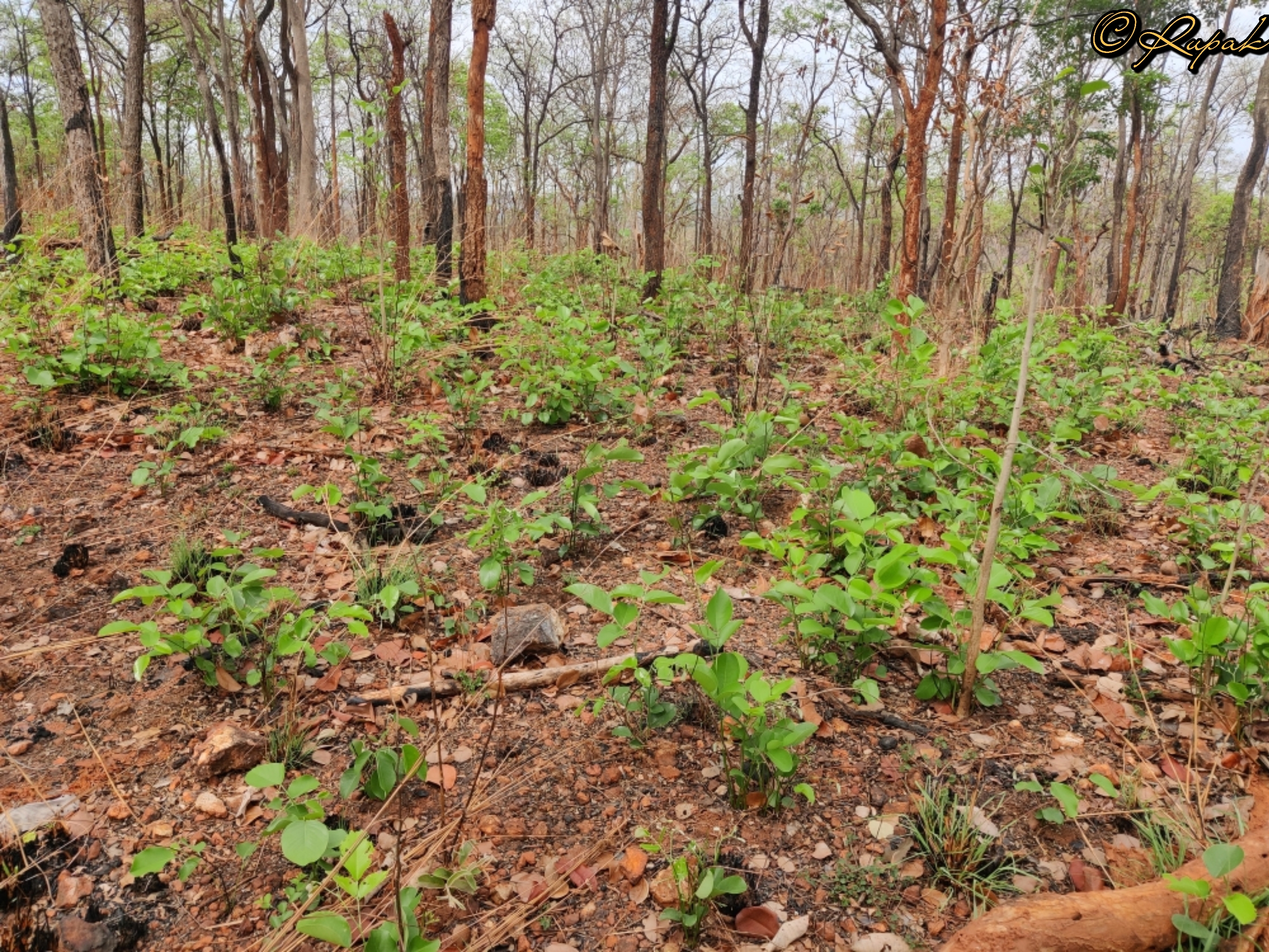
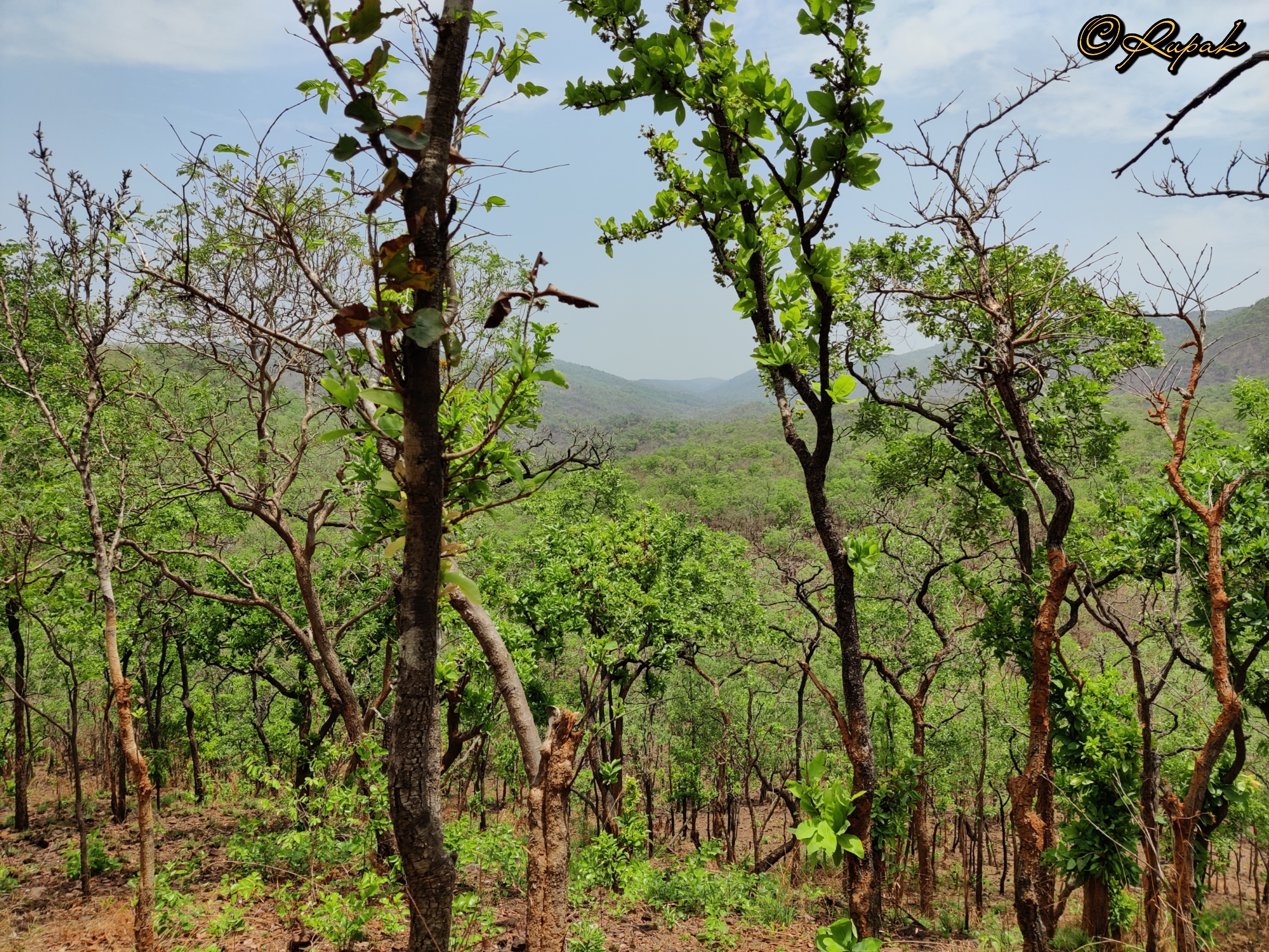
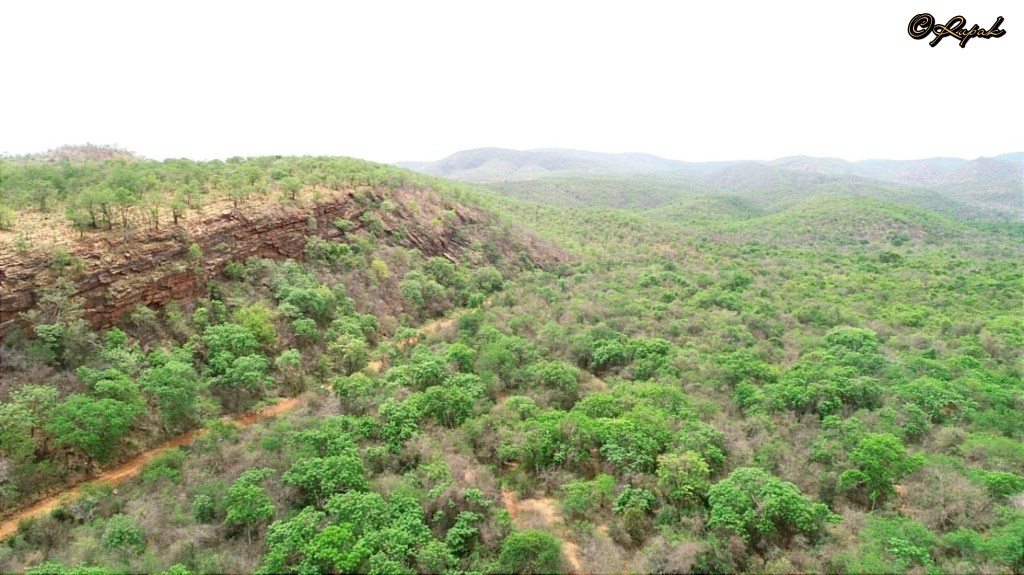
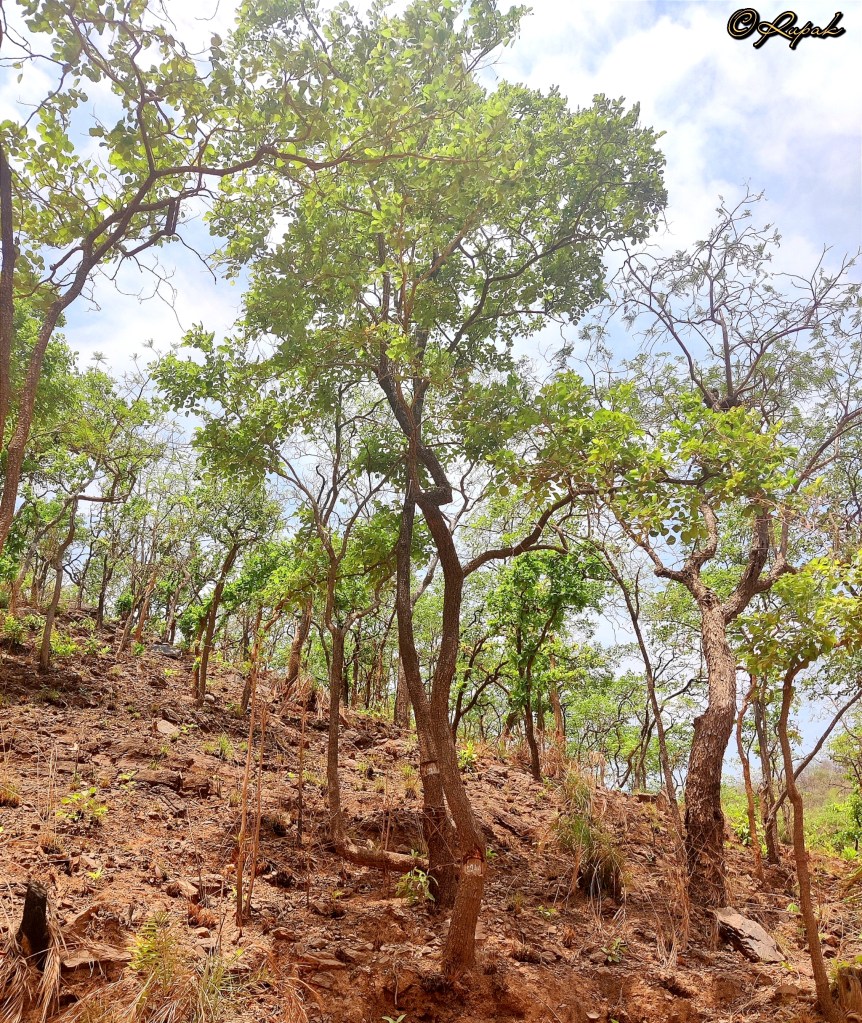
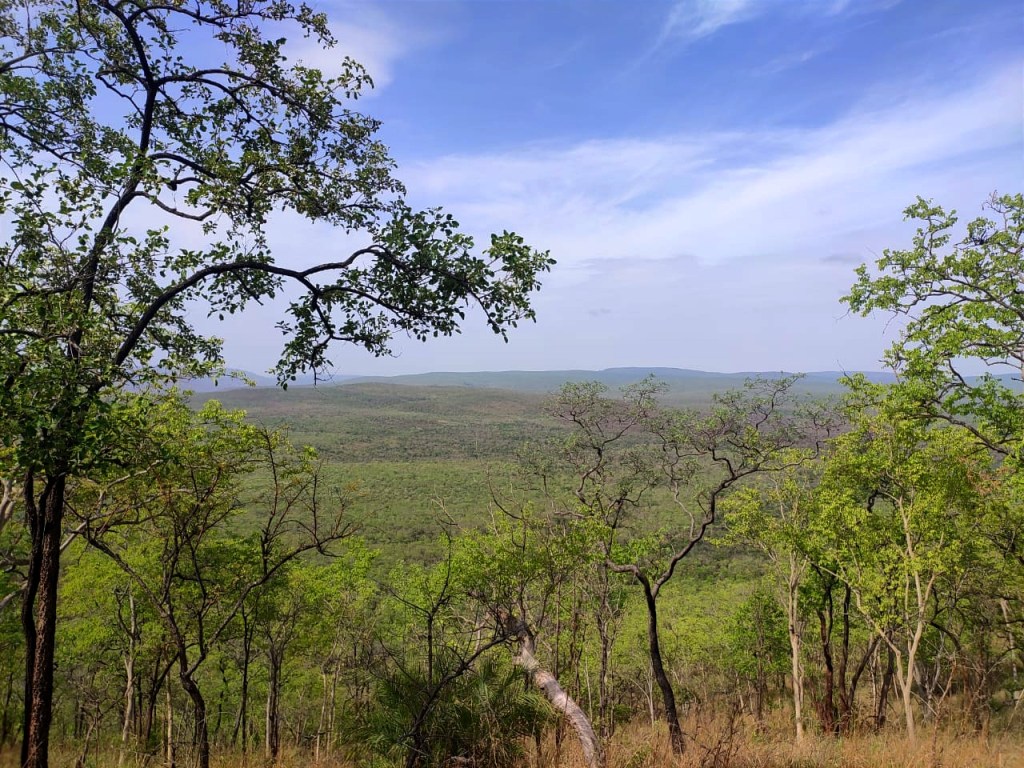
Rather this ‘gold’ is not yellow in colour but a vibrant tree- This is ‘Red gold’ called ‘Red Sanders’. Red Sanders (Pterocarpus santalinus), a highly endemic species found only in the rayalaseema region of Andhra Pradesh India. It is a small to medium size deciduous tree, growing in a dry hot climate in hilly areas, and requires well drained and stony soil.

Red Sanders (Pterocarpus santalinus)
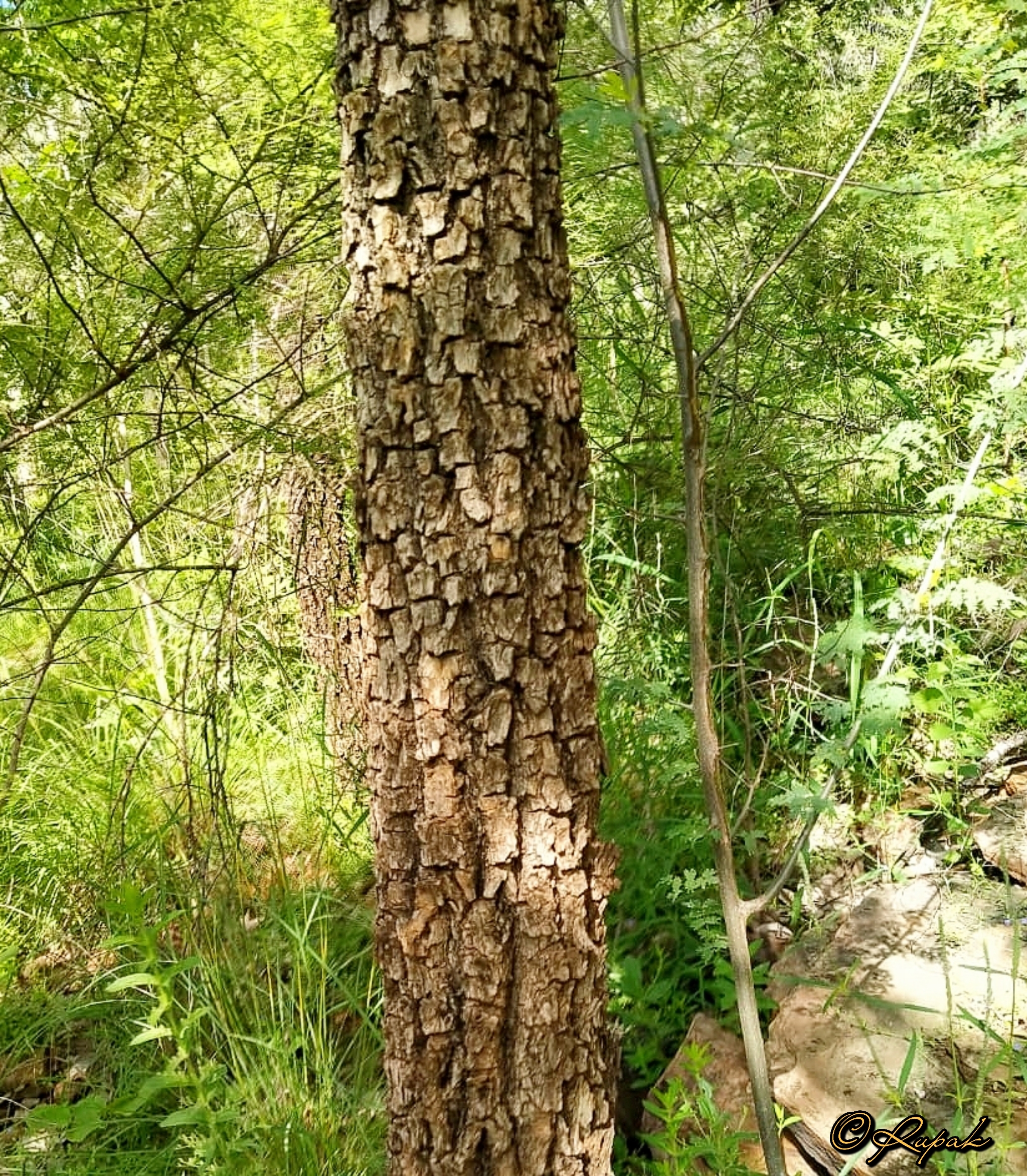
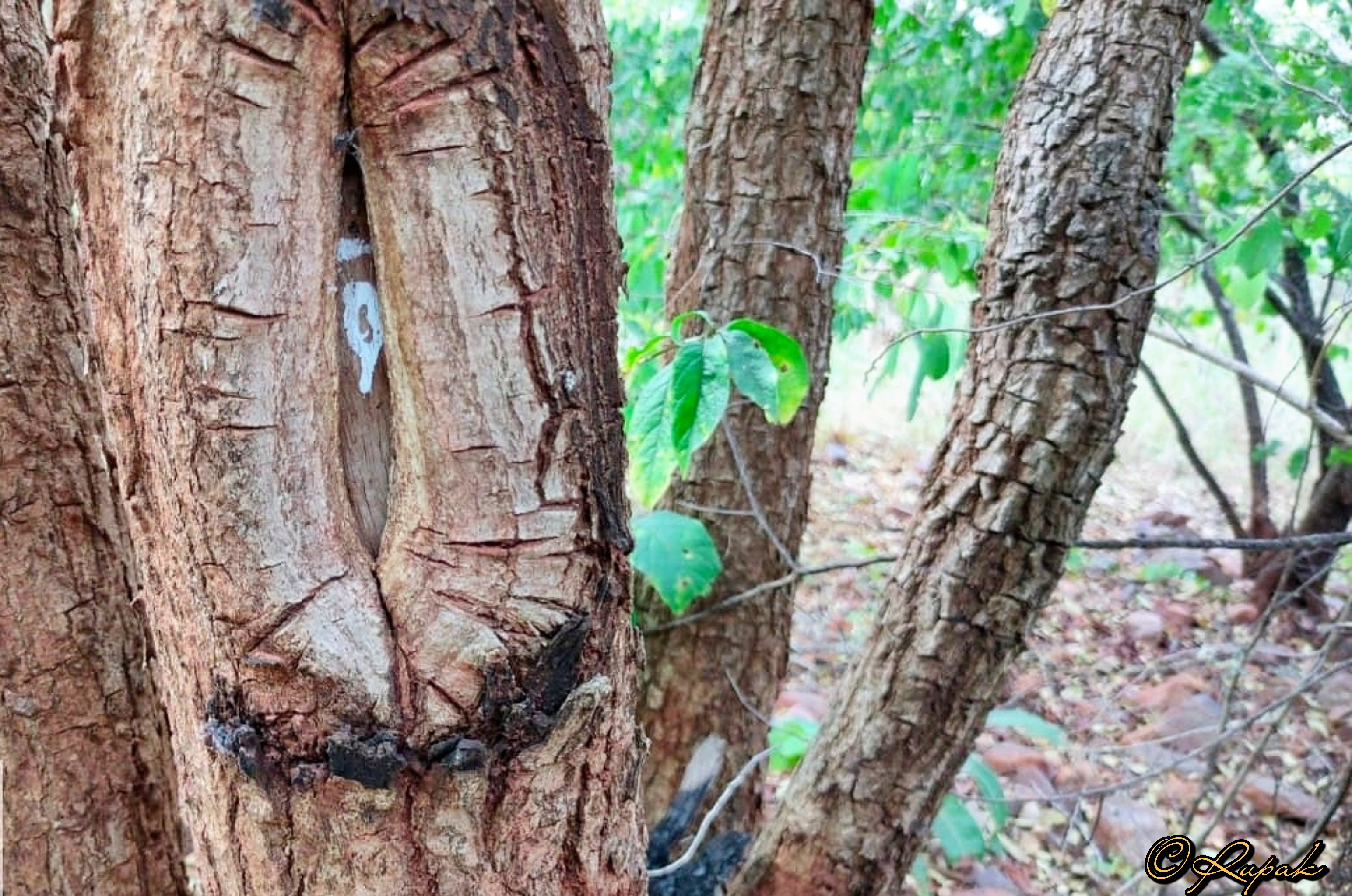
The crocodile bark, shining waxed round-oval leaves, bright yellow flowers & buds, conditions in which it exits, the shape of the crown (dense & round) and branches are all so appealing. It’s a very unique tree, growing in harsh dry conditions with very specific soil and rock requirements.
Scientific name is Pterocarpus santalinus, with the common names Red Sanders, Red Saunders, Red Sandalwood, Saunderswood, Yerra Chandanam, Errachandanam, Chenchandanam, and Rakta Chandana.
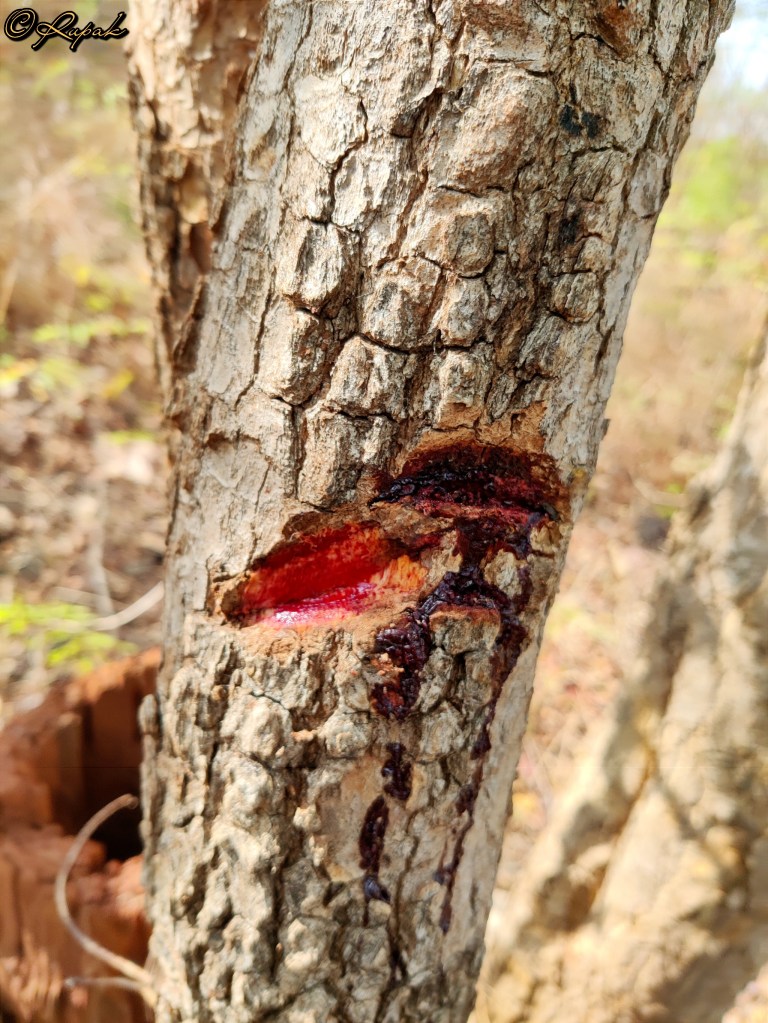
Uniqueness
Red Sanders grows in a highly restricted geographical range in the Eastern Ghats, found in the rayalaseema region of Andhra Pradesh only (Chittoor, Annamayya, Tirupati, Kadapa, Nandyal, Nellore, Prakasam districts).
Red Sanders contains rare earth elements like zinc, copper, strontium, uranium etc.
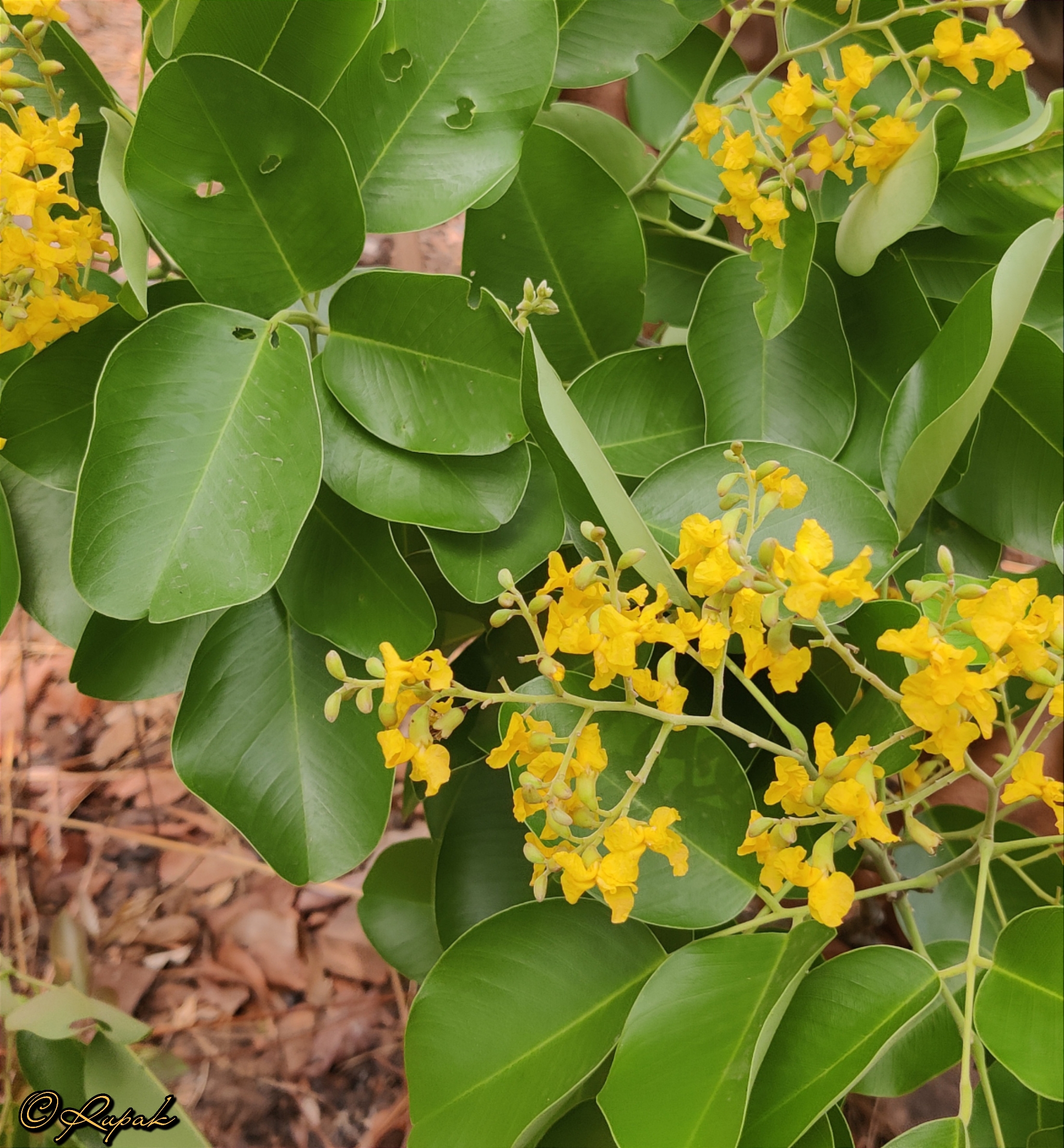


Uses
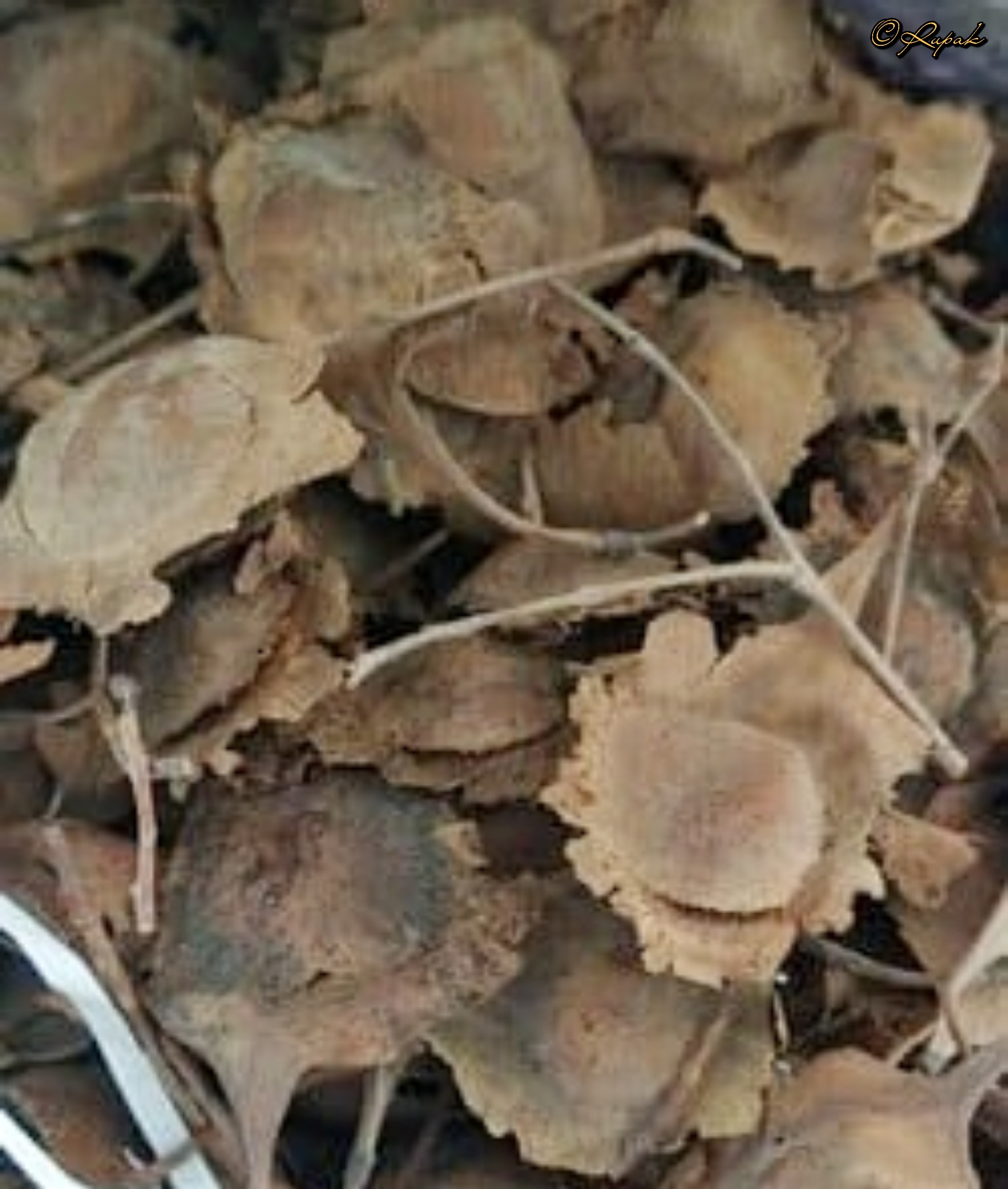
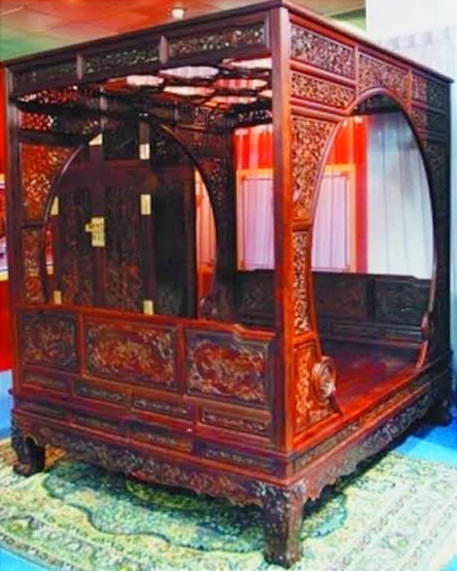
Pterocarpus has ethnomedicinal uses. The heartwood has various traditional uses in food (chutney made by using Red Sanders wood as is famous in Andhra), and medicine. The leaf is also used as a good fodder. Among its extensive uses, it is also used in making furniture, traditional dishes, cosmetics, dyes and textile (reddish brown gum), agricultural purposes, carving idols, toys, and musical instruments etc.
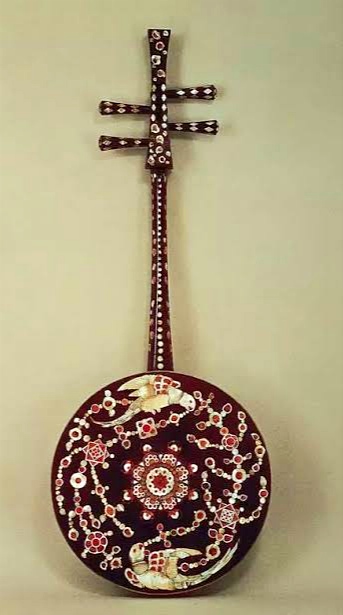



The musical instruments and other objects made out of this wood have been considered as an essential dowry given in traditional Japanese weddings.
The wood is used for the treatment of digestive tract problems, diabetes, coughs, fever, snake bite, blood purification, tuberculosis, Jaundice, and skin diseases etc. and has gained popularity globally.



There are four Pterocarpus species found in India, Pterocarpus dalbergioides, Pterocarpus indicus, Pterocarpus marsupium and Pterocarpus santalinus. Pterocarpus santalinus has fallen into the ‘endangered’ category in the International Union for Conservation of Nature’s (IUCN) Red List.
The Red Sanders (Red Sandalwood) is listed under Appendix II of CITES. As a result, it is banned from international trade.
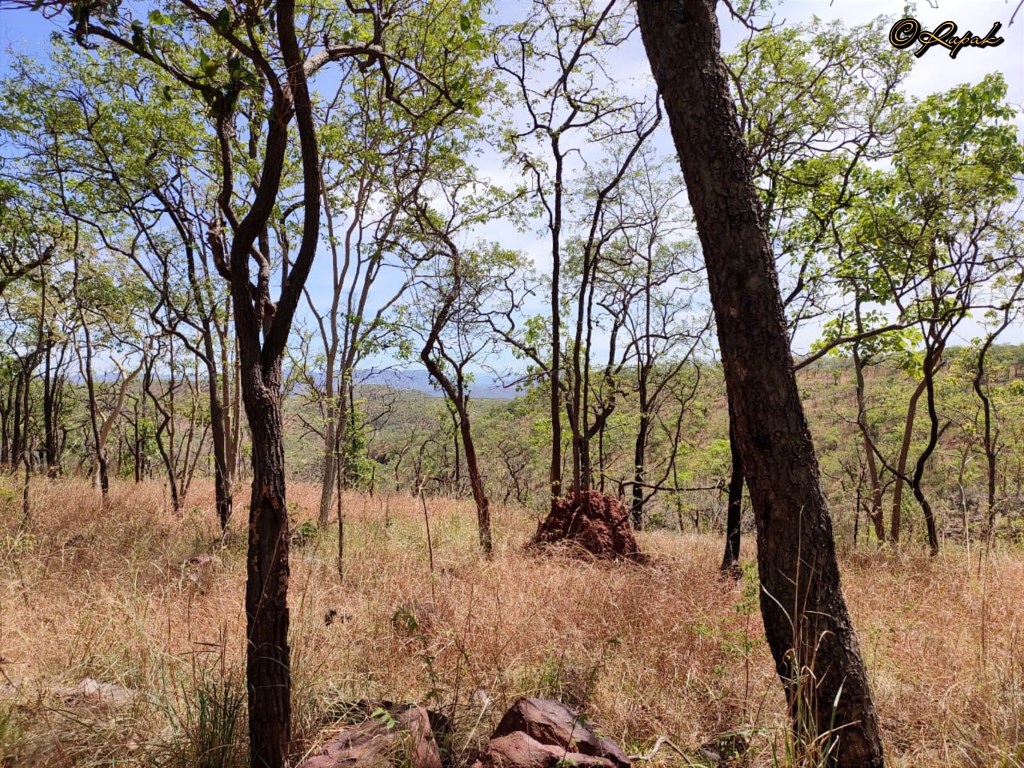
Due to over-exploitation, less than 5 percent of the trees remain in the wild. The size and age of trees affects the heartwood content and wood density of P. santalinus. The slow growth, invasion of other species, habitat destruction, restricted distribution, trade, slow regeneration, illegal harvest, and rampant smuggling are also threats to the species. They take a long time to grow, recover naturally, and also need various specific conditions to grow.
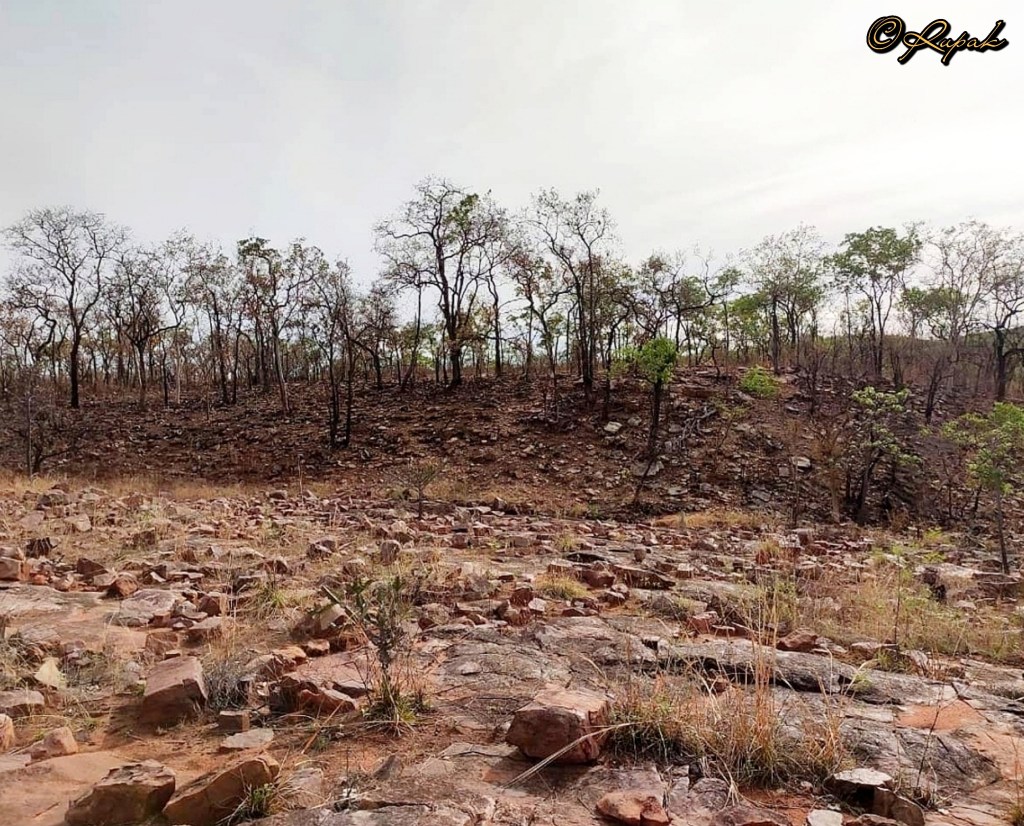
The harvest of the ‘Red Gold’ is also restricted across states, but illegal trade is there in practice. The wood at the center of the trunk (heartwood) has high demand in domestic and international markets, mainly across Asia, particularly in China and Japan. It’s a rare and highly smuggled species. The perpetrators sometimes lure other inmates who are not smugglers. Poor people are trapped in the business of red sanders while they don’t get anything and the key players enjoy the benefits. It’s just a matter of time, as per the past examples & experiences, overall in the end no one gets anything. All the big aakaas/rich persons go into destruction, all illegal money go away, their life becomes hell. They just survive in jail or doing some little chores. Overall, the moral of the story is never be involved in such illegal activities, your hard earned money only works. “खुद की मेहनत की कमाई ही भली, बिना परिश्रम का पैसा कभी नहीं फलता “.
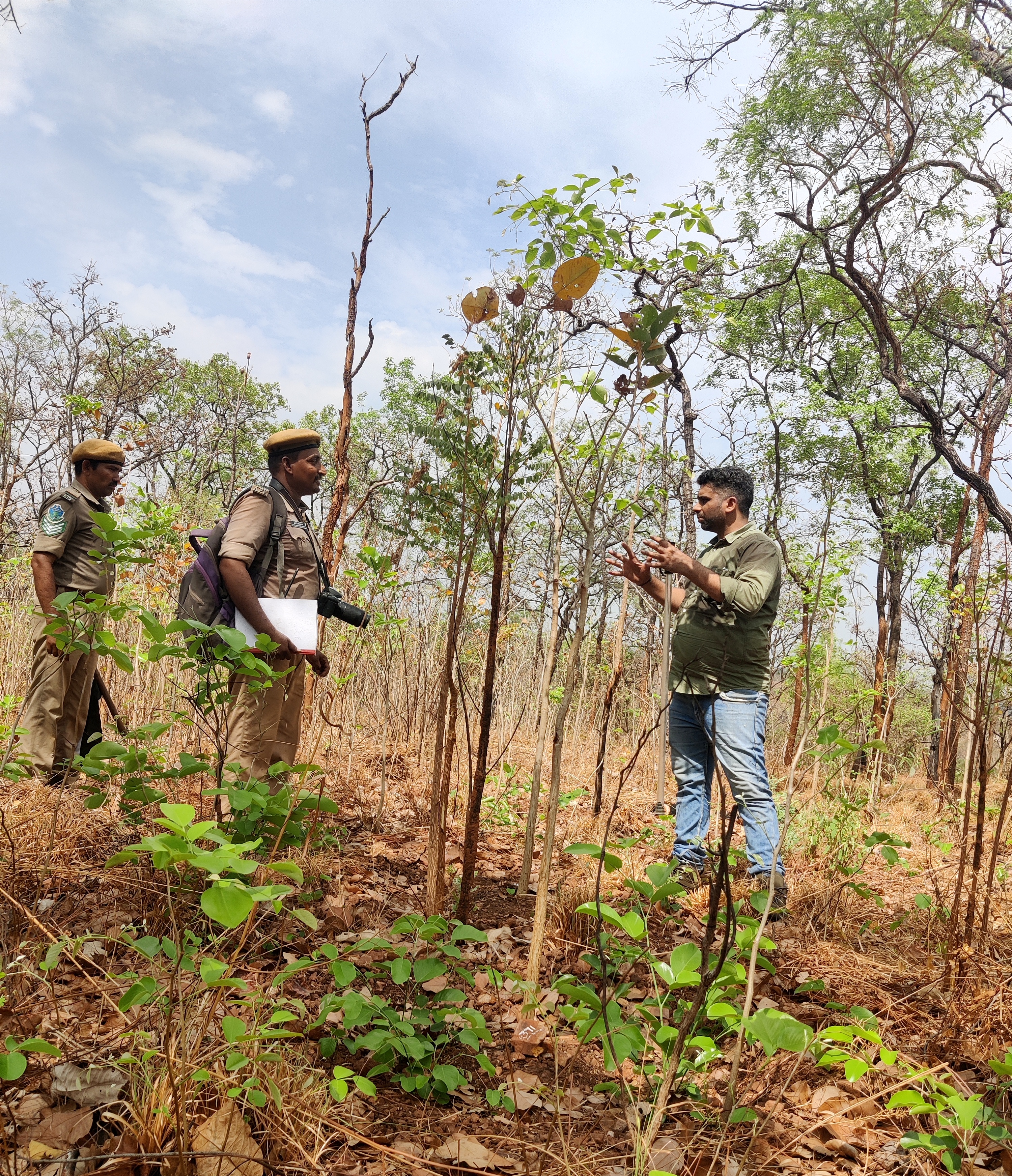
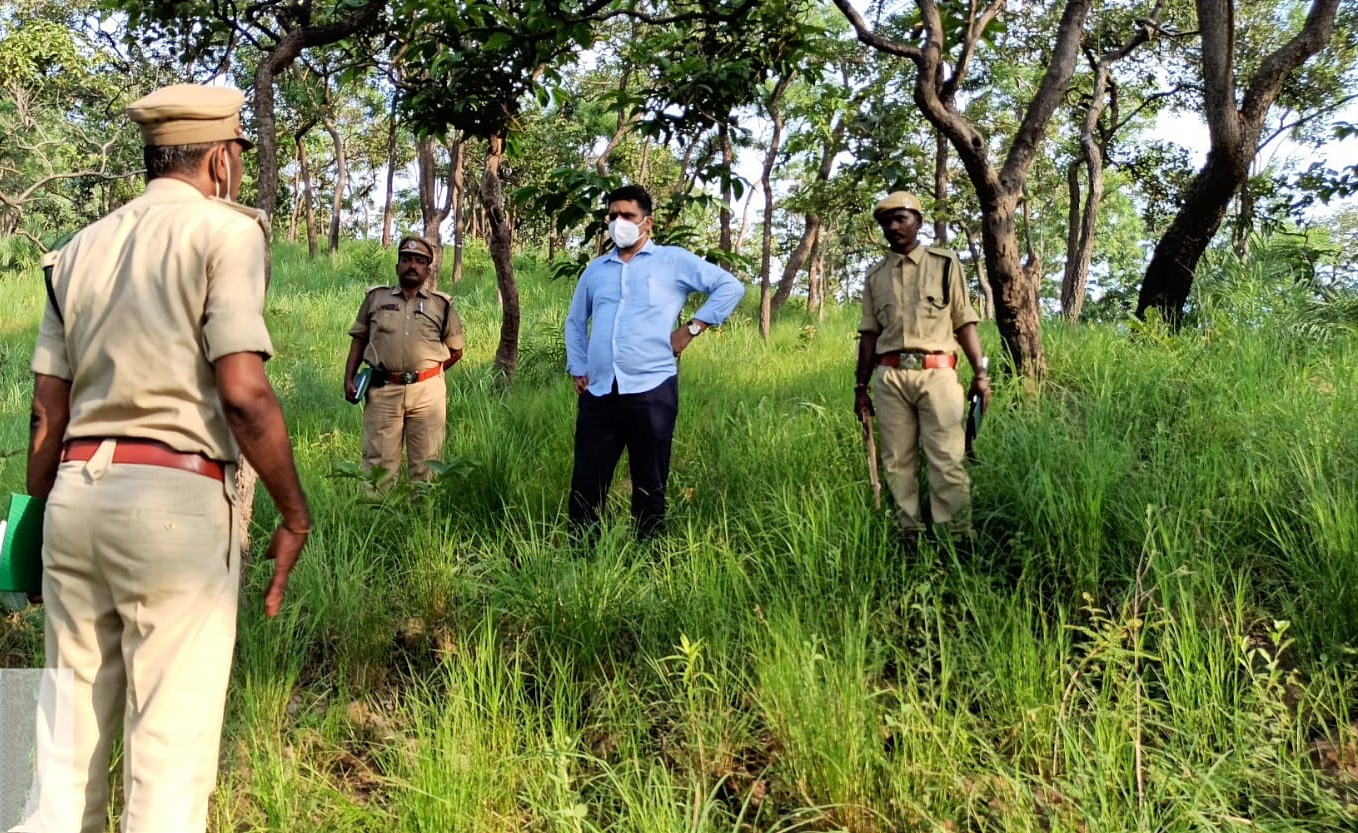
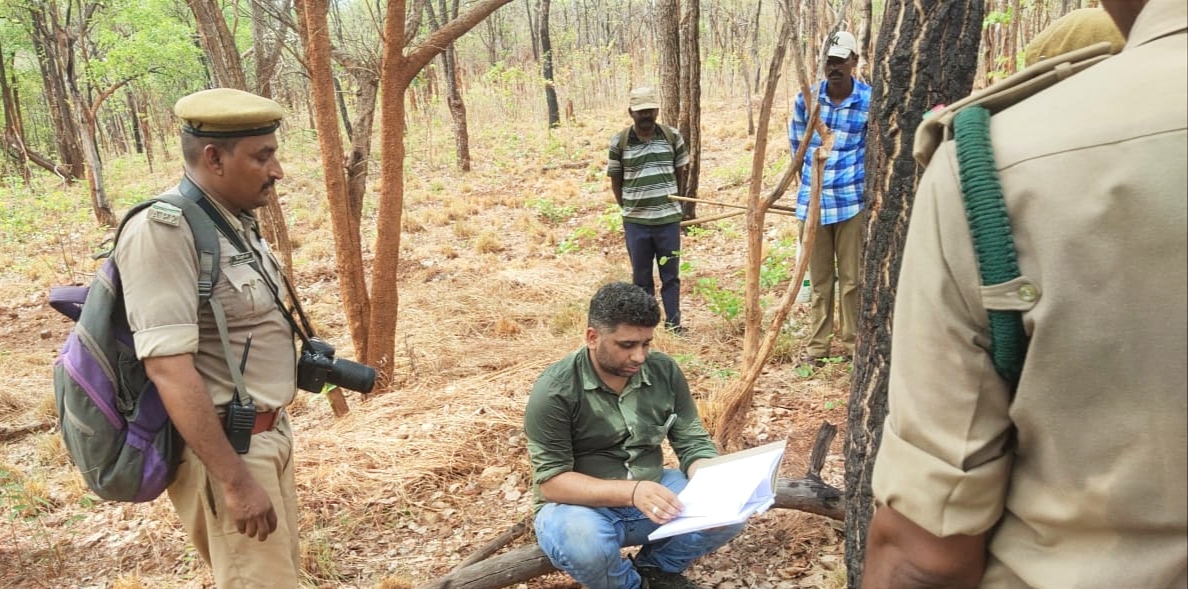
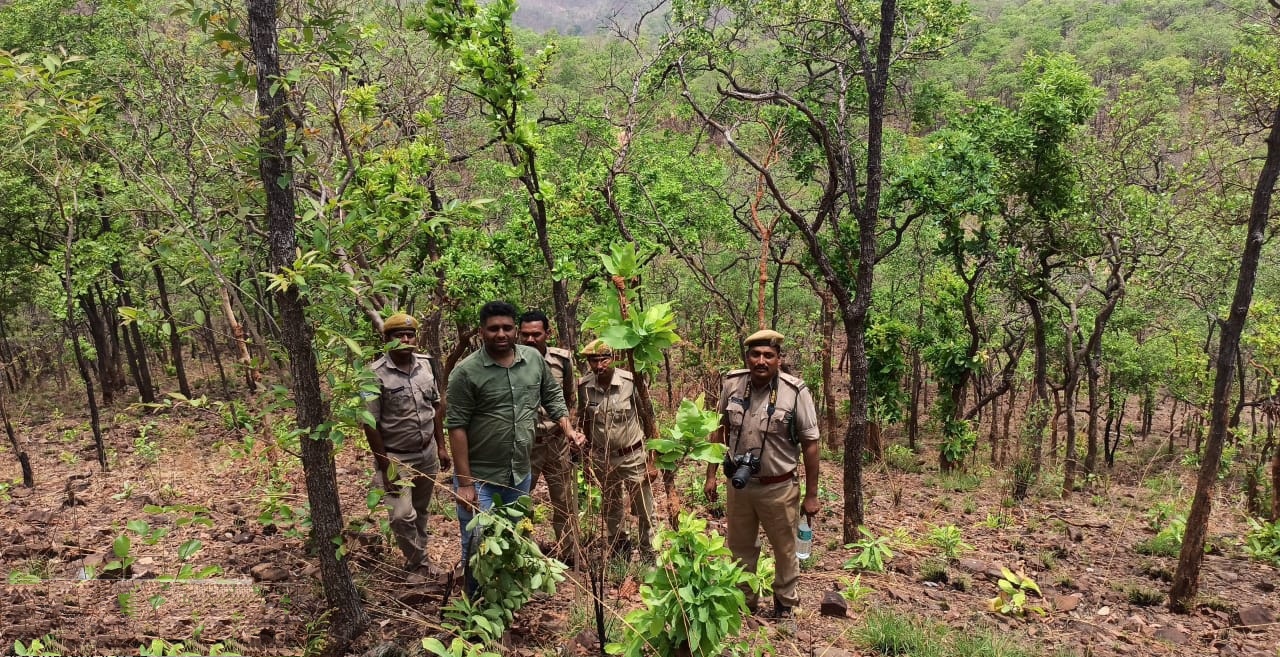
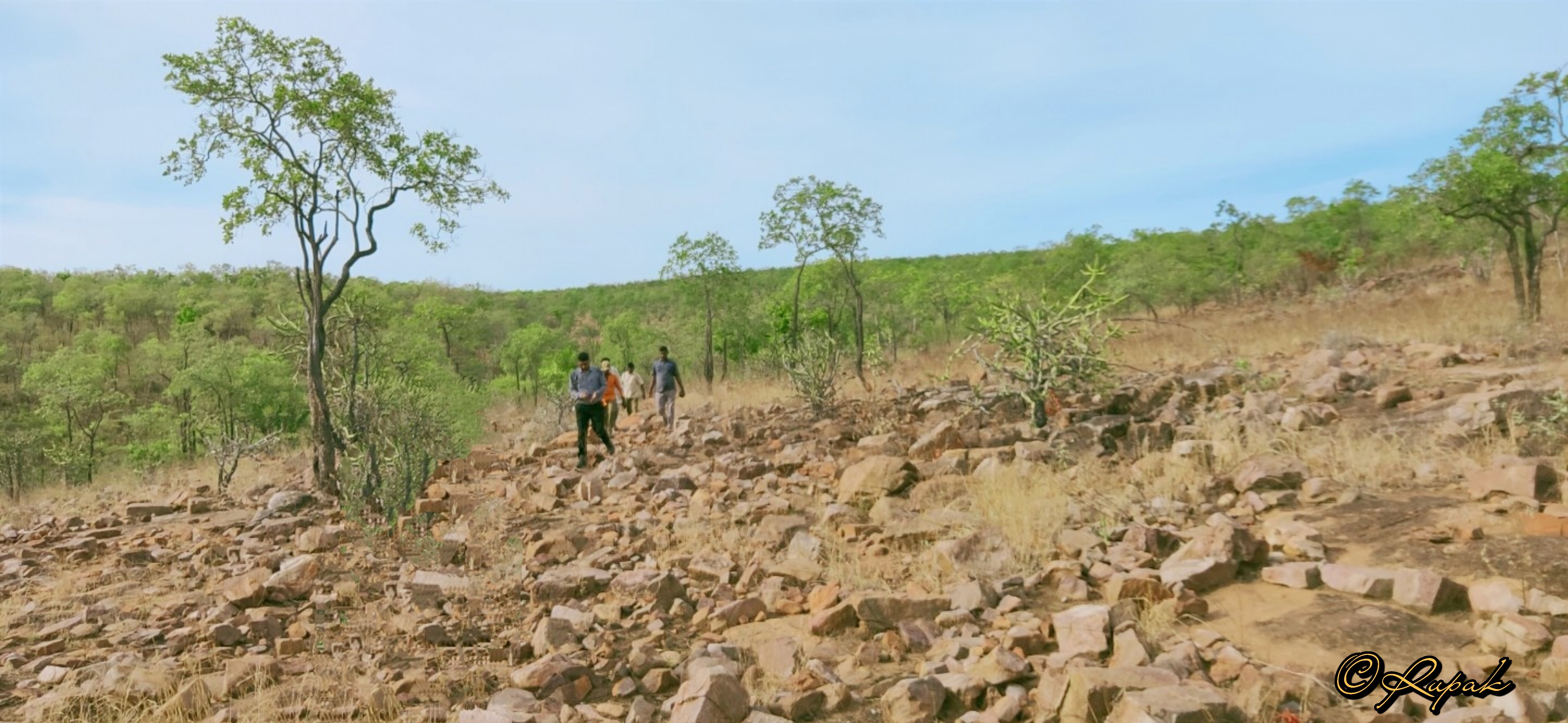
According to Sh. Vineet Kumar IFS, DFO Nandyal, APFD, a large number of poor people are forced into this illegal activity because of lack of awareness and poverty. He also said “Red Sanders is a very special species. We are trying hard for its conservation and protection. High smuggling- it’s not the work of one or two people but rather it involves several steps from cutting to transporting and storing to supplying, shipping outside the country through air, water and roads. The key players who purchase and supply and provide money for tree cutting are sitting far away while poor people who go to forest areas get trapped and face the strict action. We are generating more awareness regarding this and doing large scale Red Sanders plantations to control its illegal trade and smuggling. Our hardworking forest staff in red sanders areas are doing good work to protect this rare species.”
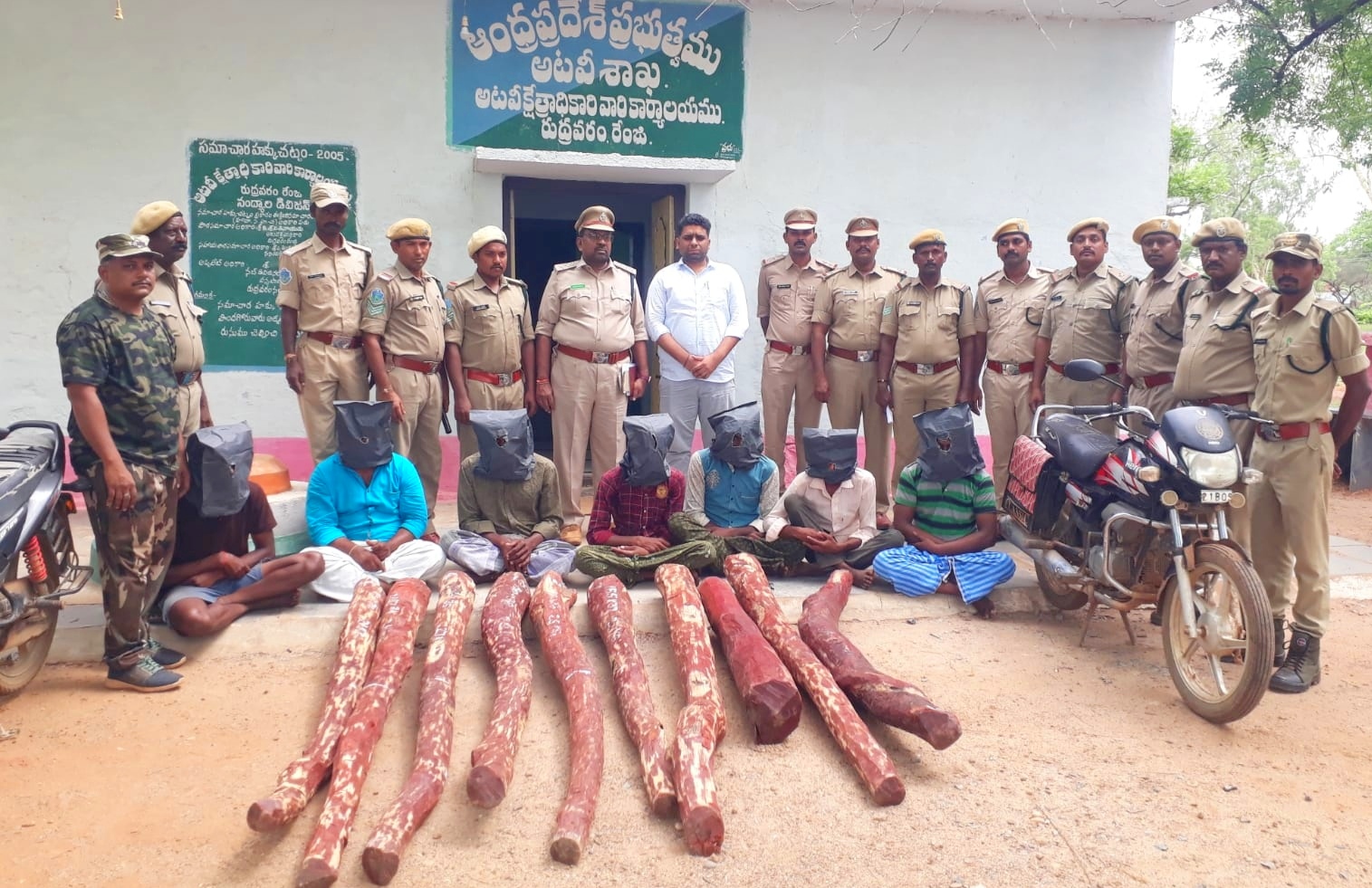
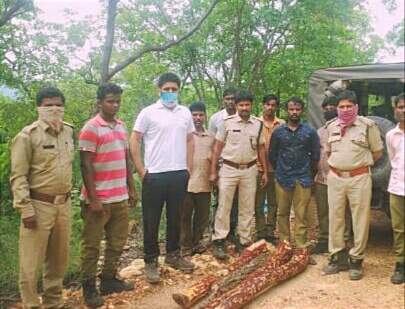
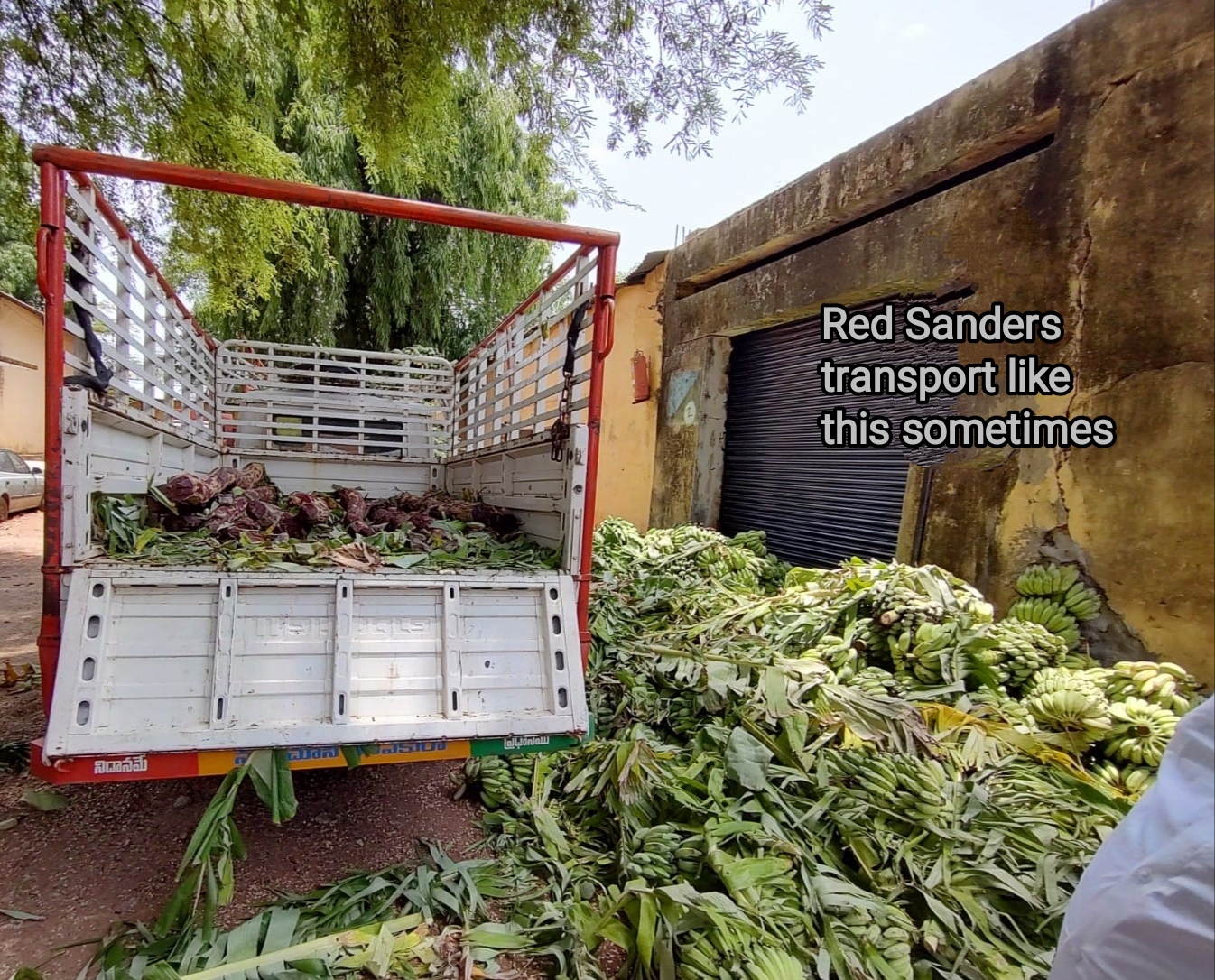
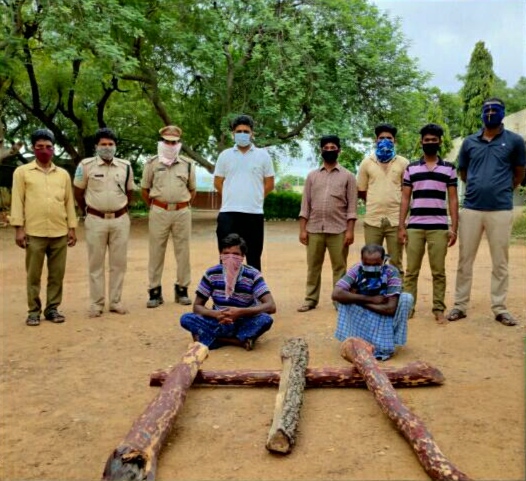
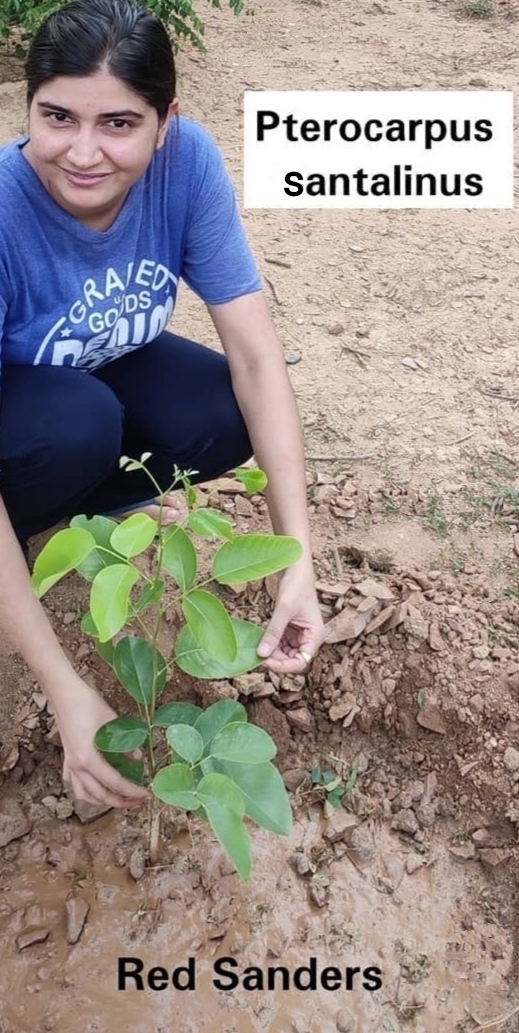
Red Sanders wood can not be sold by anyone or any agency other than the institutions of Government of India (Federal Government of the Union of India) or the State Governments of the Union of India. But anyone can grow Red Sanders in their private land. By growing in more numbers, its demand and smuggling can be controlled. Red Sanders seedlings can be taken from the forest department nurseries. FD has well maintained plant nurseries. There are some rules for the removal of Red Sanders from private land, because Red Sanders is a rare and endangered species. Also regarding this anyone can contact the DFO or any gazetted forest staff for more information. There must be more awareness on the conservation of this species in public.
Protection
The Andhra Pradesh Forest (Amendment) Act, 2016
- The Red Sanders is given Special status of protection.
- The punishments have been enhanced varying from 3 to 10 years with a penalty up to Rs.10 lakhs.
- The illegally acquired properties from sandalwood or Red Sanders or scheduled trees are liable for forfeiture.
Government has formed a Red Sanders Anti-Smuggling Task Force (RSASTF) and sanctioned 463 No of Posts in the Forest Department and police department to control Red Sanders smuggling.
There are strict forest laws (Forest Act 1967, WPA 1972, Forest Conservation Act 1980) and rules- (A.P. Sandal Wood and Red Sanders Wood Transit Rules, 1969 and Andhra Pradesh Red Sanders Wood Possession Rules, 1989) for Red sanders wood. Exporting Red Sanders internationally, it requires permission from the Convention on International Trade in Endangered Species of wild fauna and flora (CITES). It is an important species which needs immediate attention and concern.
The AP Forest Department is taking various protection measures such as Weapons distribution and weapon training to the field staff in Red Sanders areas, check posts at prominent locations, establishment of Base camps, striking force parties, e-surveillance, implementation of PD Act against the smugglers, establishment of two special courts for speedy trial of the cases to prevent smuggling.
Conservation
Under Andhra Pradesh Preservation of Private Forest Rules, 1978, Yerrachandnam is classified as a “reserved tree”. APFD has also initiated various tree improvement activities and programs considering the value and importance of the tree.
Red Sanders is a resilient and rare species so for its protection and conservation, Andhra Pradesh forest department is working day and night in the Red Sanders area, risking their lives and saving this rare species which is the real ‘Pride‘ of the state of Andhra Pradesh and country too.
My suggestions-
- Public participation is a must. There is an urgent need for much awareness among the public.
- Forest department should identify areas as rich repositories of Red Sanders and make those areas as protected habitats for in situ conservation and preservation as gene sanctuaries.
- Farmers should be encouraged to grow Red Sanders in their private lands. It comes with many challenges regarding protection, but it can be an experiment to stop huge smuggling.
- Red sanders large scale seedling based plantations in its natural habitat can be a solution to reduce its high demand in the international market.
- Developing good Red Sanders plantation nurseries.
- Safely storing the genetic material for the future generations.
- Developing Red Sanders seed banks also.
- For survival and function of P. santalinus species, tissue culture technology should be implemented.
- There should be a sustainable wood policy and a specialized management plan for Red Sanders conservation based on technical and social aspects.
- Remote Sensing and Geographical Information System can be effectively utilized.
- Once the mapping of the Red Sanders habitats using multi-temporal satellite data is complete, conservation plans can be drawn for future sustainable utilization.
- More research and publication work should be done for educational purposes.
- Government agencies, policy makers, biologists, agriculturalists and stakeholders should take more adherent steps in protection, proper growth & sustainability of the species, and restoration of population of the Pterocarpus santalinus species.
- Make your soul sensitive enough to not cut a rare tree species recklessly just for the money.
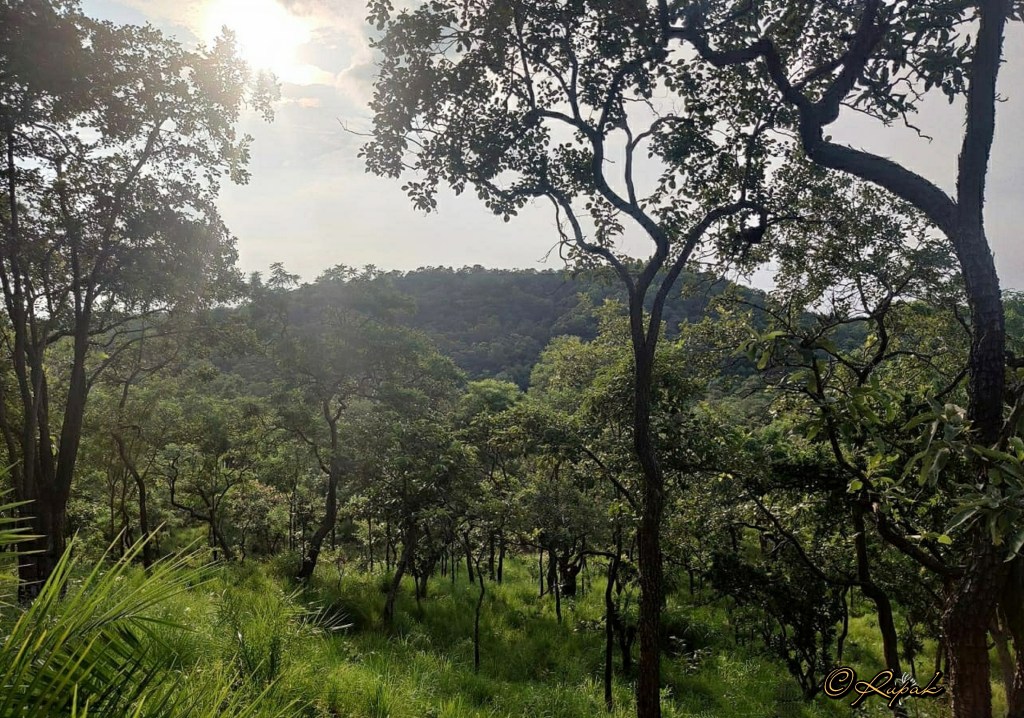
We, as responsible citizens, should spread awareness to not get involved in these kinds of illegal activities and live with respect in the society. China, East Asian and Middle East countries’ markets are eating a rare and endangered species found only in a few districts of AP while the real suffering is local. It’s our duty and responsibility to protect our natural resources, our forests.

Let’s pledge to end this illegal trade and save this precious natural resource.
~Rupak
All photos and data belong to the author. All photos of Red Sanders trees are taken with the permission of the Forest Department.
Copyright@2022Rupak.All rights reserved.


 Rupak🌱