“The Little Globe”

During my short stay in Guntur, asking for places to explore, most of the recommendations were either shopping centers in neighboring Vijayawada or natural places far away from the city. Somebody suggested that Uppalapadu Bird Sanctuary could be an option if you don’t find anything else. But as always, liking such natural sights is not last but my first choice. Following on the calling of my heart, I decided to visit the place the next morning itself even though it could have been the last option for many.
About The Sanctuary
The Uppalapadu Bird Sanctuary is located in Uppalapadu village near Guntur city, in the state of Andhra Pradesh, India. It is spread over a water tank of few acres in size and has evolved over the years.
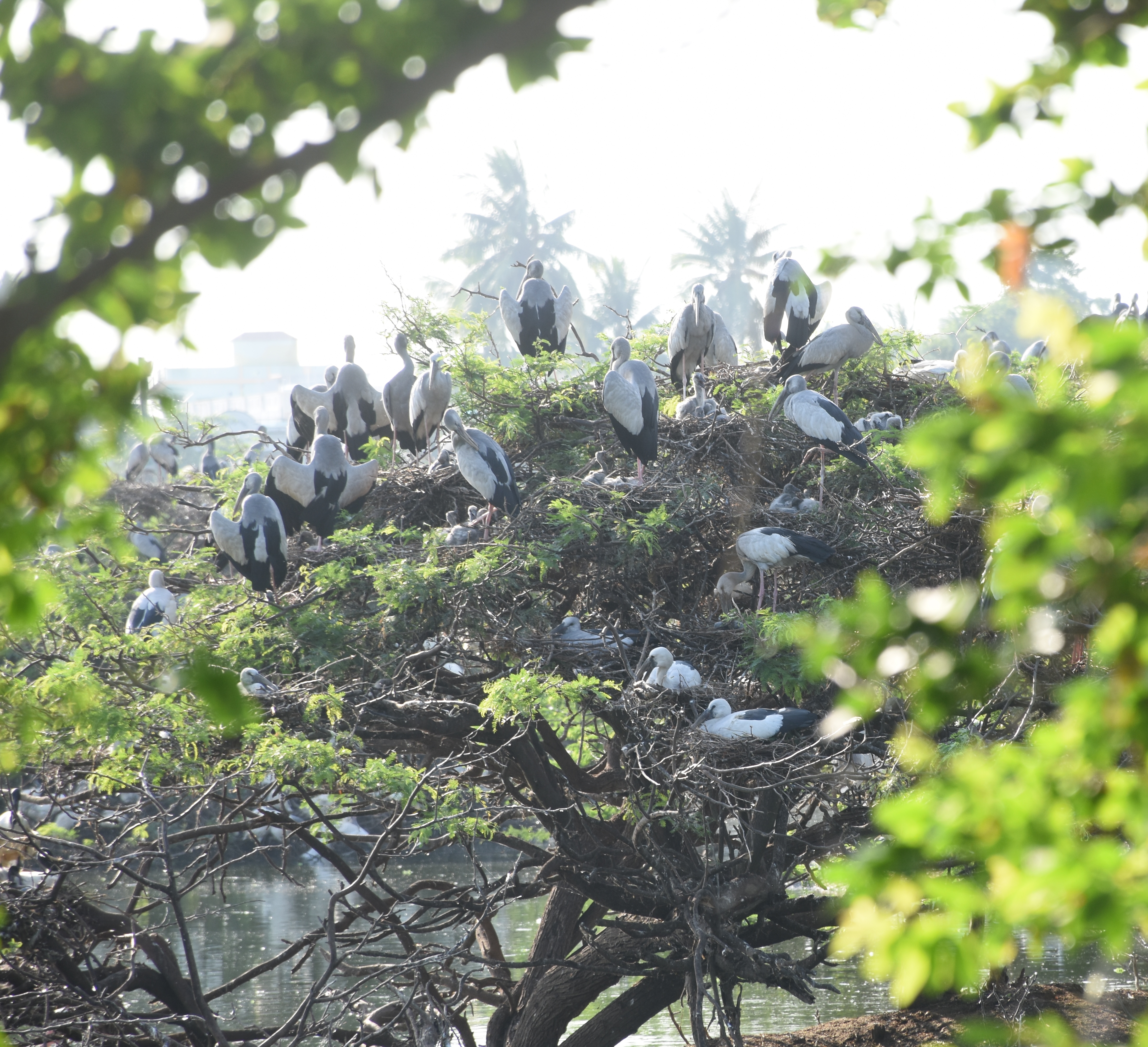
Before I went, I heard that it was a sanctuary with a very small area known for migratory birds. Truly speaking, I was hoping for an experience of yet another sanctuary, albeit with some different species. But to my utter surprise, the first sight of birds and their sounds even before entering the gate was like an early morning dream. The view was positively shocking with thousands of birds sitting over such a small area and as many flying over my head all chirping with tweets and calls. The sight was giving a feel surely no less than one of the 7 wonders of the world. It is rare and one of the best views I have ever seen. (A glimpse of sight can be seen in the clip below).
Uniqueness
I bet you would find very few places where within such a small natural birding spot, these number of birds and such views can be seen. It’s a window to the birds’ world. Just as a fish enthusiast could get addicted to spending days seeing an aquarium, one could spend hours observing birds while they are in their natural habitat. Thus it offers the best of both worlds, the luxury of time and a natural sight of these beings. I can say it’s a natural interpretation center.
Types Of Species
This sanctuary and its surroundings house around 12,000 to 15000 birds throughout the year. There are around 40 species of migratory birds at the sanctuary.
Spot-billed pelicans, painted storks, open bill stork, darter, grey herons, and other migratory birds from various countries such as Serbia and Australia flock to the Uppalapadu. Also, some common waterbirds like waterhen use the village water tanks for nesting.
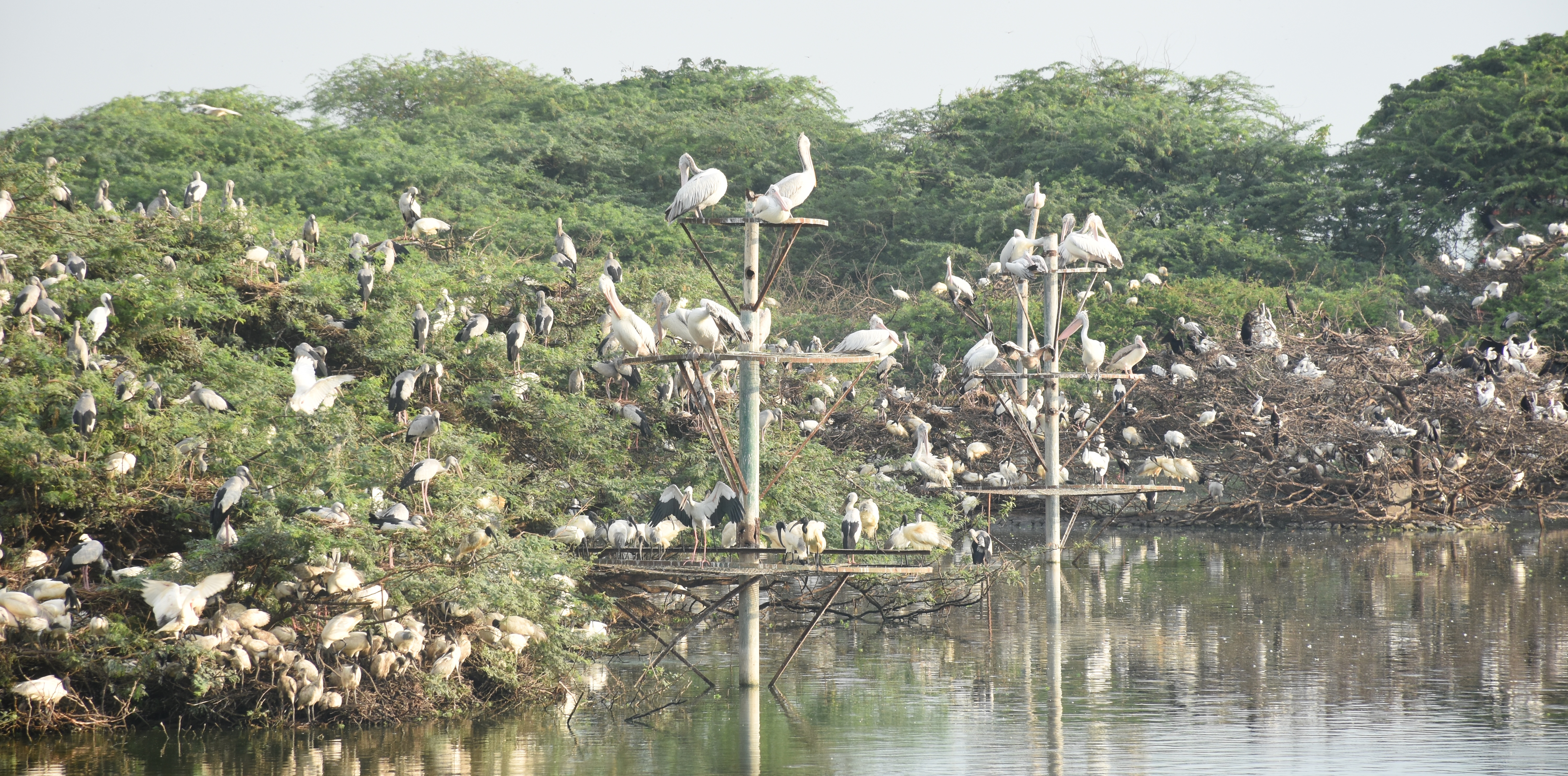
Following birds were sighted by me–
- Spot-billed pelican
- Painted stork
- Cormorant
- Common coot
- Black-headed Ibis
- White-breasted Waterhen
- Stilts
- Openbill stork
- Darter or Snakebird
- Red-crested pochard
- Pond heron (outside in the fields)
- Pintail ducks
- Cattle egret (in surrounding fields)
- Jungle crow, squirrels, etc
- One more trying to identify (inside pond)

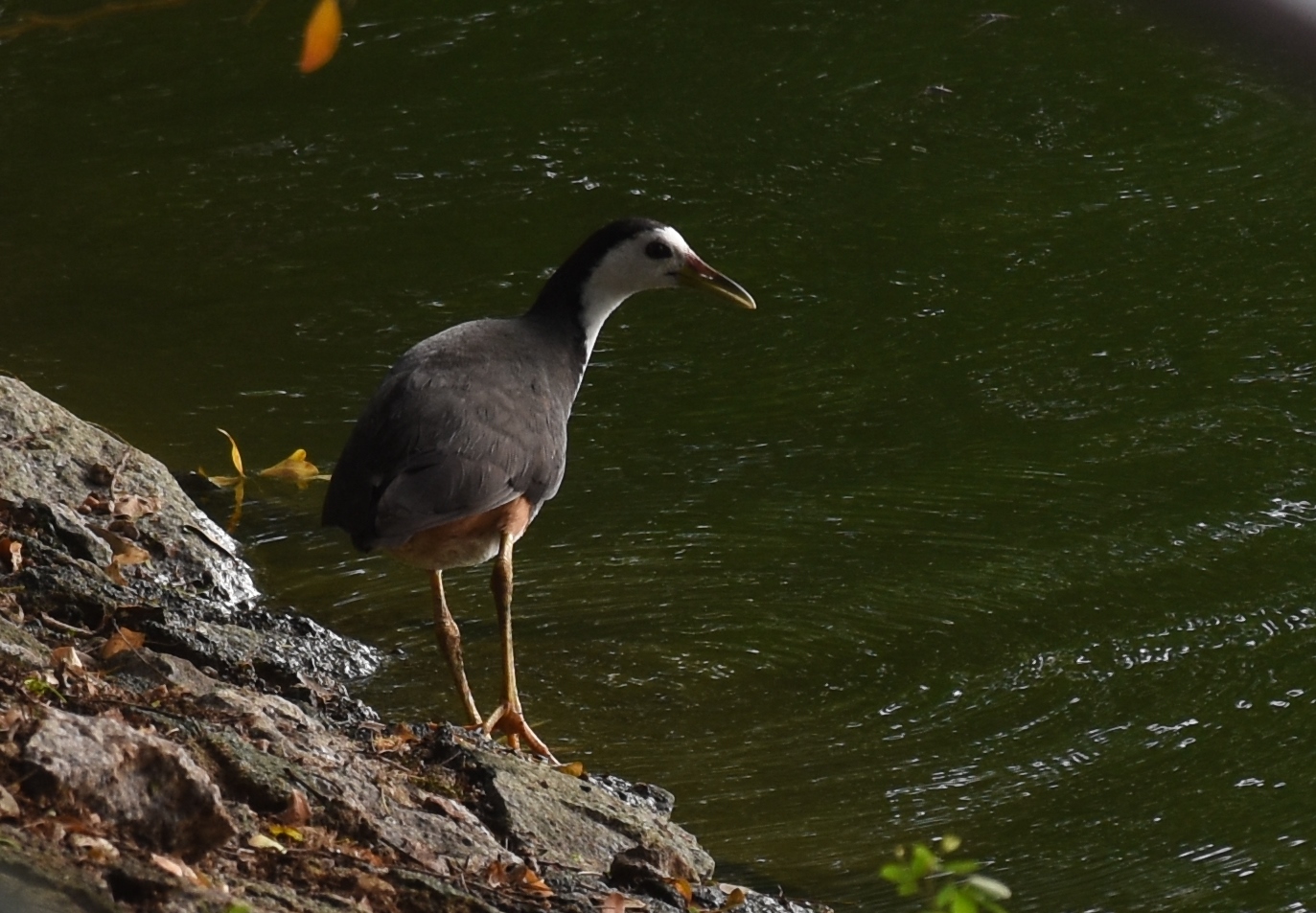
Over The Time Evolution
Uppalapadu has evolved over the years. Earlier it was not a famous place, a very small village near a big well-established city. But the sudden movement of thousands of migratory birds marked the presence of Uppalapadu on the country’s map. This is really something very exciting and unique in itself.
These birds come from thousands of kilometers stay for a season, lay the eggs, raise the offspring and go back home, the sight of hundreds of birds is worth seeing. The migration of birds starts from July and can be seen here till February.

Rare Species Found In The Sanctuary
Smooth-coated otters (Lutrogale perspicillata) marked their presence recently in Uppalapadu. Their sightings raised excitement. The presence of otters signifies that the in-flows and out-flows of the water tank are maintained and can be improved further in the sanctuary. Biodiversity is also increasing and the food chain is also maintained. Otters feed on fish, reptiles, amphibians, etc. In my humble opinion, mother nature has its own way of creating balance in the ecosystem. Otters are listed (1996) as vulnerable on the International Union for Conservation of Nature (IUCN) Red List.
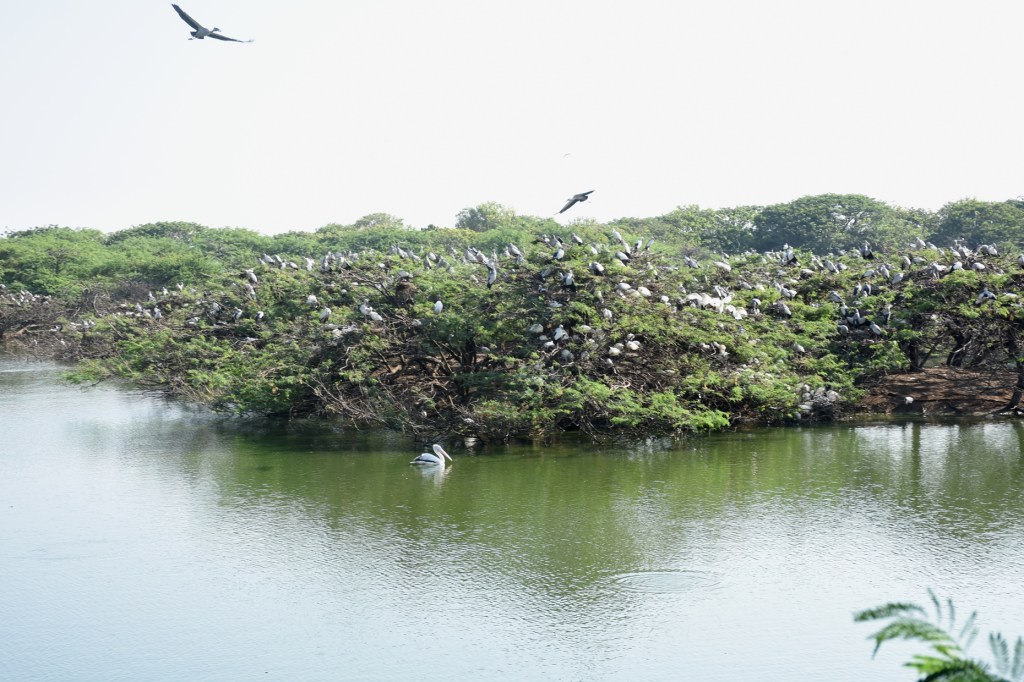
Awareness
To protect the natural habitat, it is very important to spread awareness about the sanctuary. I talked to the EDC president also regarding major issues, it was a useful conversation. Over the last 3 decades, the tank which was originally around 30 acres got reduced and now the suitable area is less than a third of the original.
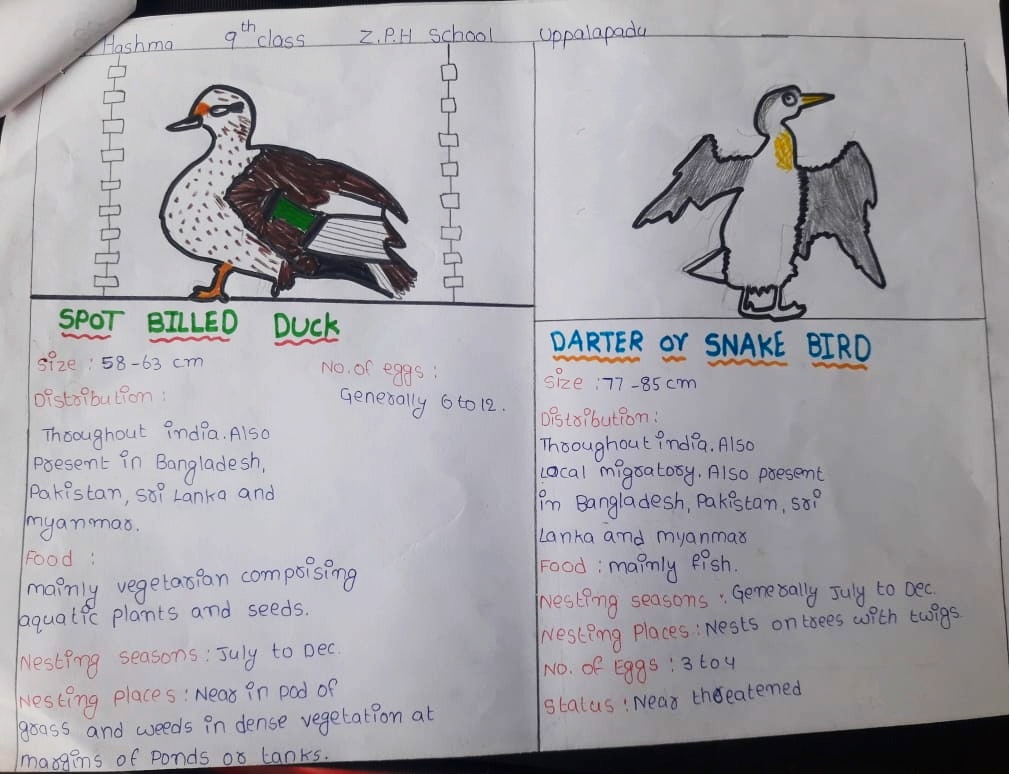
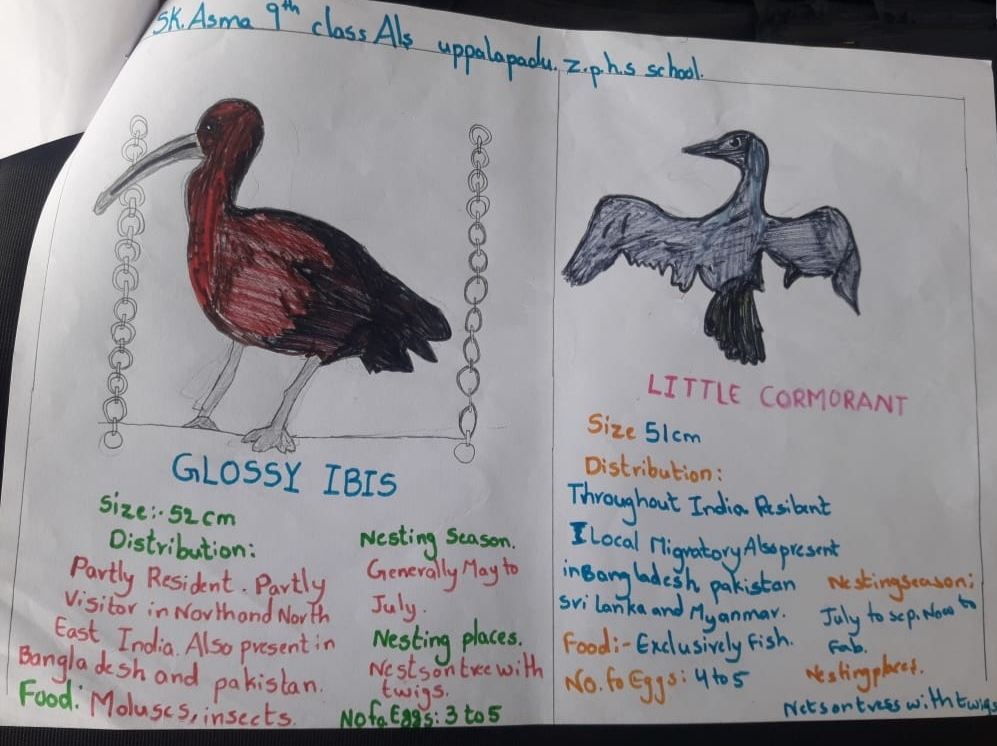
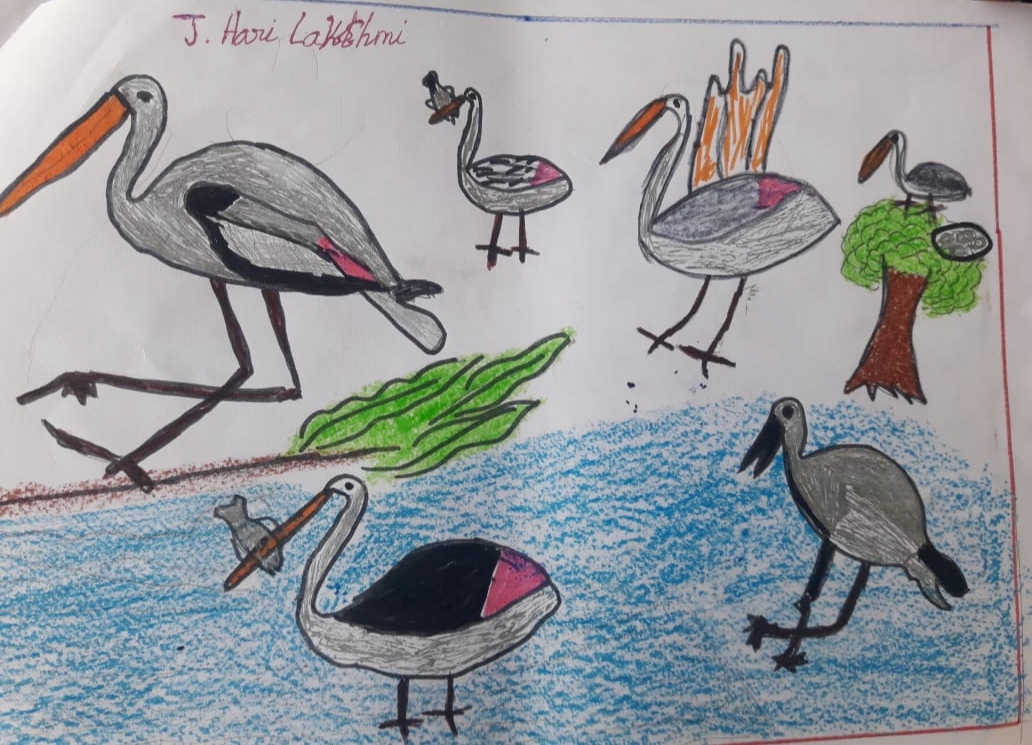
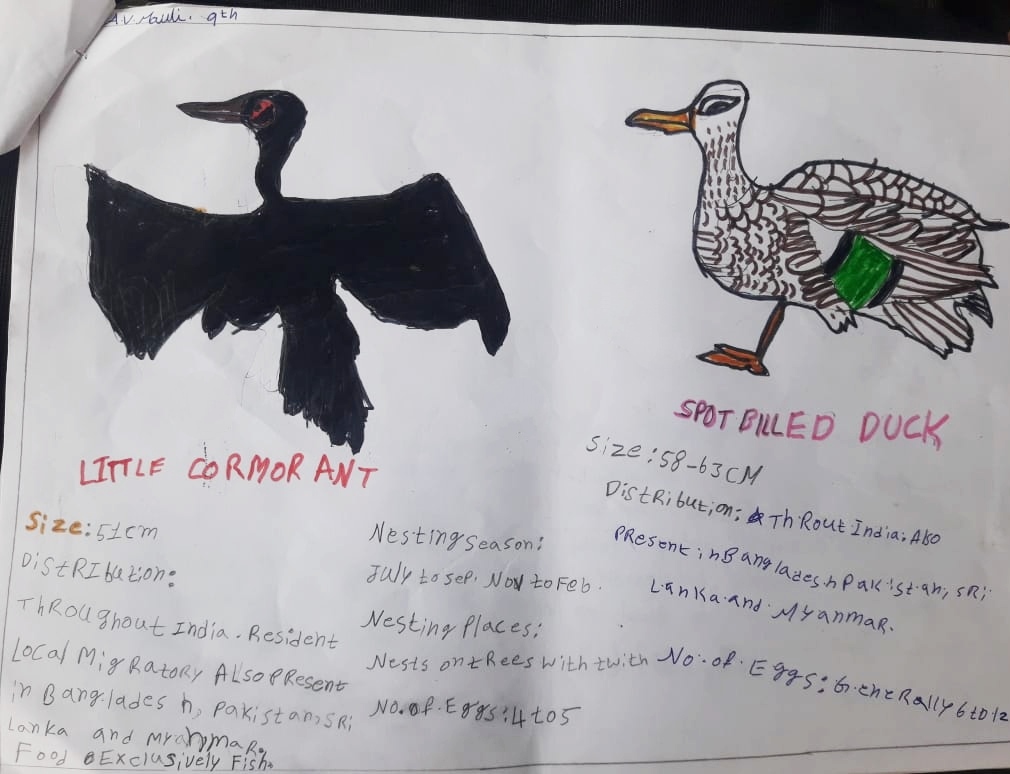
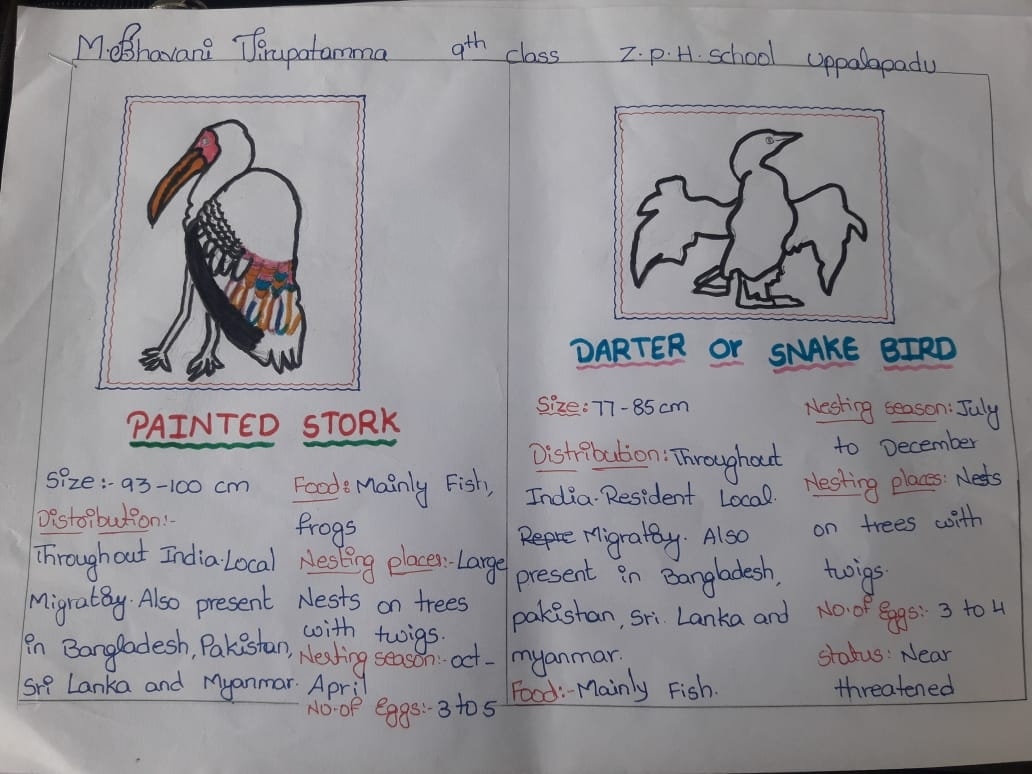
Andhra Pradesh Forest Department has taken several initiatives to protect and improve the sanctuary such as adding artificial trees/nesting structures, awareness generation among locals, proper water supply to the ponds, employing few locals there but managing and maintaining this area is difficult so people should come forward to support this natural bird habitat. Involvement of local community and youth participation can add value to this. Here are some pictures of a painting competition organized by APFD in a school. These small efforts make a big difference.
Challenges Facing The Sanctuary And Few Suggestions To Improve And Preserve This Unique Place From My Side:
As the number of birds visiting the place is high and the potential is, even more, habitat can be increased by acquiring the surrounding ponds as space of suitable habitat inside the sanctuary is small.
Taking over the surrounding lands in the sanctuary enclosure by convincing people (for management) could help increase the habitat as well as make it safer for the birds. The community can be adequately compensated and alternate sustainable livelihoods could be provided. It will have win-win situation for both locals as well as the conservation of birds.
Conservation efforts are met with challenges of poaching, human disturbances, loss of habitat, lack of their primary food source i.e. fish, destruction of wetlands, and pollution. Enforcement of laws can be made stricter to avoid illegal activities.
Lots of toxic & medical waste is thrown into the surrounding ponds which is harmful to the birds. Awareness and strict enforcement can be implemented so that the throwing of waste and destruction of surrounding habitat can be prevented.
Development of pathway and viewing railing can be taken up so as to close the circle and give more space for bird watching and exploring the remaining area.
A watchtower in the direction opposite to the existing one can be created.
Structures for roosting can be increased using wood, dead trees, steel, etc.
Farmers of surrounding fields can be motivated and incentivized for planting more trees in agricultural lands which can give space to birds.
Fruiting plants like those of berries, some shade-giving plants like Prosopis velutina, Prosopis juliflora etc. in and around the swamps can be planted.
During my visit I could see many birds searching for food in the surrounding fields. Farmers can be made aware of not using chemicals so as to avoid damage to birds.
Lichens are essential sources to them. But regular cleaning of ponds is necessary. Other pollutants should be removed. Surely sanctuary is craving for more freshwater.
In general, the best time to visit the sanctuary is from September to February. People of all age groups will definitely enjoy the place.
For Bird enthusiasts and Photographers the place offers a unique luxury of time in observing the subjects while they peacefully sit and roost, unlike most birding places where the time frame is in seconds. Researchers and ornithologists would also find this place more suitable for their studies compared to others.
Thoroughly enjoyed every minute I spent here, I feel this is one of the best natural birding spots in the country and really protects many numbers of birds in such a small area.
Thanks to the AP forest department to maintain this natural habitat in such a magnificent way.
A ray of hope is there in Uppalapadu as the inherent strength of nature of rejuvenating itself would thrive once the conservation efforts are enough and sustained.
Rupak
Copyright ©2020,Rupak.All Rights reserved.
Disclaimer: All shots are taken with Nikon D7200 and lens 70-300mm.


 Rupak🌱